

Wire Straightening and Cut-to-Length Enquiries for Forming Shops
Buy straight lengths around how they must feed, locate and form after the bundle is opened. Specify length, free state straightness and cut ends separately. This guide helps you connect incoming wire condition, processing responsibility and supported transport with a first sample that can be checked in the same way at production and receipt.
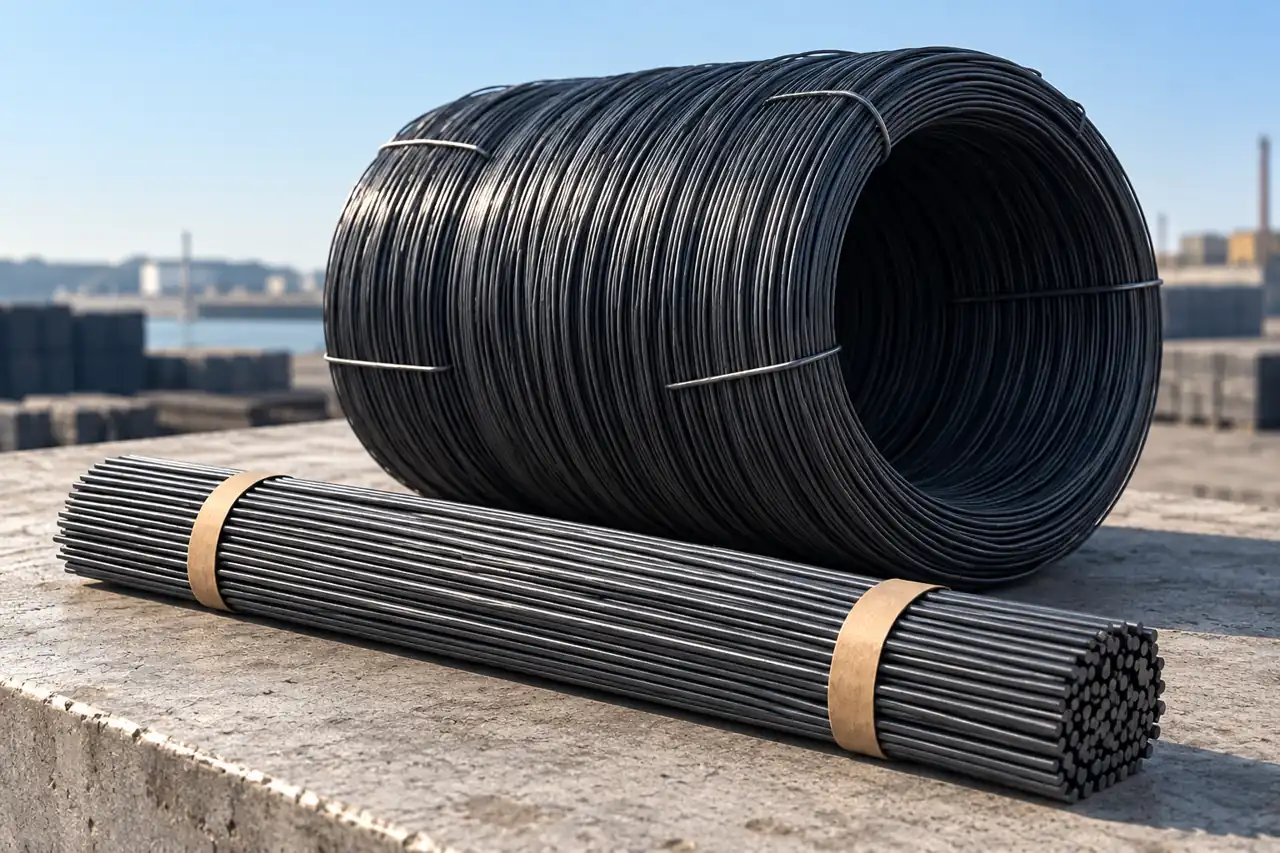
Define the usable finished length
For forming shops buying straight wire lengths, specify feedstock condition, free-state straightness and cut-end quality together. Relia can review a material-and-processing enquiry against its annealed carbon-wire catalogue; a coil listing alone does not confirm an available cut-to-length service. The useful deliverable is wire that feeds, locates and forms correctly after it is released from its bundle, rather than pieces with aligned ends. Send the grade, diameter, finished length, downstream operation and inspection setup so the offer can identify the actual processing provider and a representative first-sample acceptance plan.
- Wire inputIdentify grade, section and supplied condition needed for the downstream operation.
- Released geometrySet length and free state straightness with a reproducible support and measurement setup.
- End and handlingDefine cut end quality and bundle support around actual feeding or assembly needs.
Selection context and decision detail
| Buyer requirement | Relia response | Evidence or condition |
|---|---|---|
| Straight lengths that feed correctly | Review wire and processing scope | Grade, condition, free-state geometry and trial |
| Traceable acceptance | Incoming/process/final records can be provided | Confirm the actual covered stages and results |
| Customer-owned or supplied stock | Review responsibility in the offer | Provider, material balance and service terms |
Separate wire manufacture from the finished-length service
Separate wire manufacture from the actual straightening and cutting responsibility proposed for the order.
Relia manufactures steel wire and performs drawing, annealing and galvanizing in-house. Incoming, in-process and final inspections are performed, and corresponding batch records can be provided. Ask which records cover the selected wire and which cover any subsequent straightening and cutting; particular instruments and sampling frequencies remain order-specific.
The annealed-wire listing has ten diameter labels from 1 to 10 mm; its 1.5 mm and BWG19 references are not automatically equivalent. The U-type binding-wire listing describes a different prepared form, not a straight-length specification. Confirm whether the offer supplies finished lengths or processes buyer-owned stock.
- Material supplied with the jobConfirm grade, condition, coil identity and output quantity
- Buyer-owned materialRecord receipt, suitability, rejects and unused wire
- Straightening and cuttingName the actual provider and accepted finished condition
Measure straightness after release from the bundle
Check straightness after bundle release using the same specimen and support arrangement for comparison.
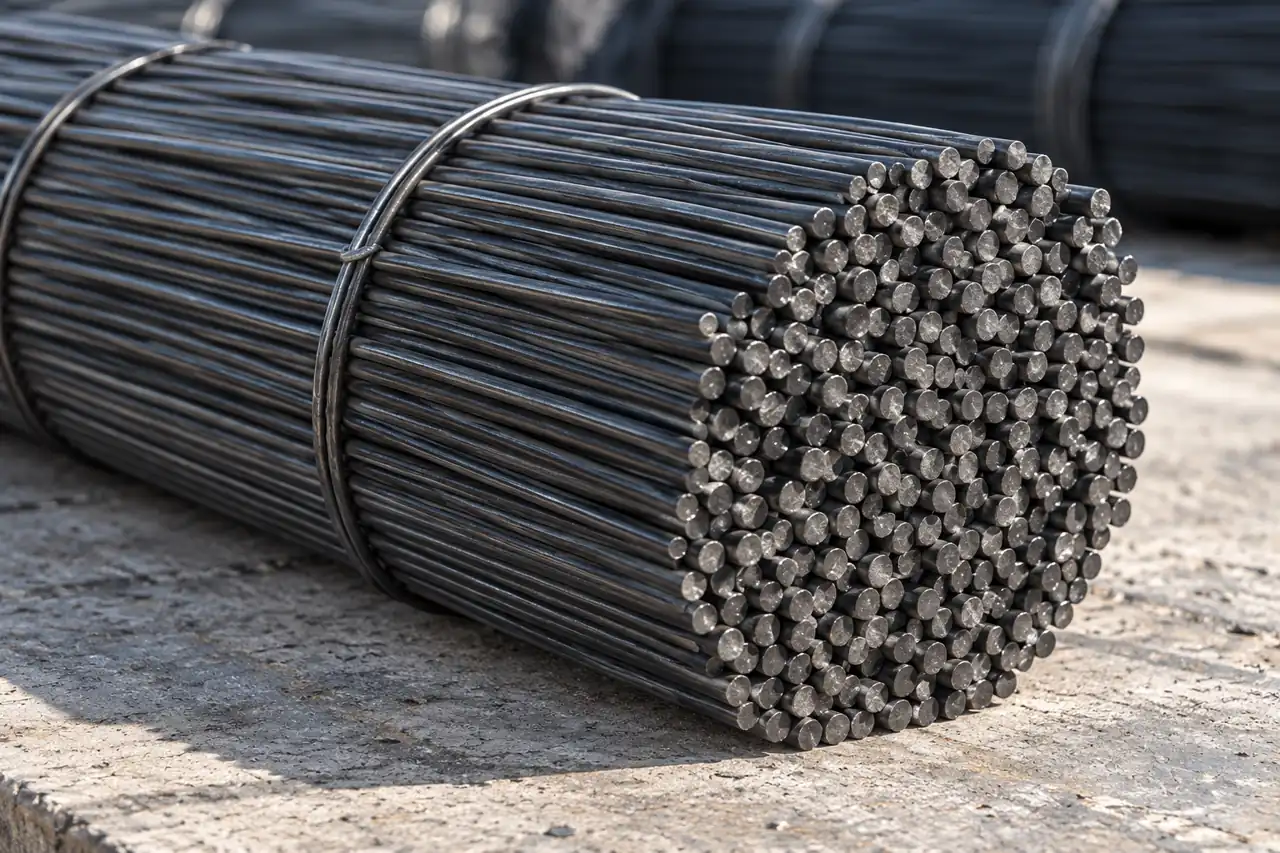
Measure the length after release
Define length tolerance separately from straightness. A strapped bundle can suppress curvature that reappears after the ties are removed. State the free specimen length, support arrangement, orientation and maximum permitted departure from the reference. If your feed guide is the functional limit, retain a separate feeding trial rather than converting its performance into an unexplained straightness number. Compare the sample and production lengths with the same setup and record individual results, not only a bundle average.
- Specimen and supportState free length, orientation and support before comparing the departure from straightness.
- Individual readingsRecord length and straightness results without hiding local differences inside a bundle average.
- Functional feedingKeep the downstream guide or feeding trial separate from the dimensional measurement result.
Product references for your shortlist
Open the product details, then discuss the exact specification for your application.
Annealed carbon wire feedstock
A starting material candidate when straightening and cutting need an agreed wire grade, section and delivered condition.
Straightening changes curvature through controlled bending
Incoming wire condition and controlled bending influence the curvature left after straightening.
Roll straightening applies alternating elastic-plastic bends; springback leaves the final curvature. Incoming coil set, yield behaviour and wire diameter therefore influence the required arrangement. Drawing and annealing change the starting mechanical condition, so a setting accepted on one wire is not automatically valid for another.
Excessive contact or unsuitable tooling can mark a coating or surface. Record the input condition, relevant processing setup, free-state result and any surface change. The mechanism explains the checks to request; it does not establish a particular straightener owned by Relia.
- Incoming wireGrade, diameter, condition and coil set
- Controlled bendingActual provider and selected straightening arrangement
- Release and cutAssess springback on unrestrained lengths
- VerifyStraightness, length, surface and end condition
Cut-end geometry must suit feeding and forming
Specify cut end form independently from length so the next feeding or joining operation works.
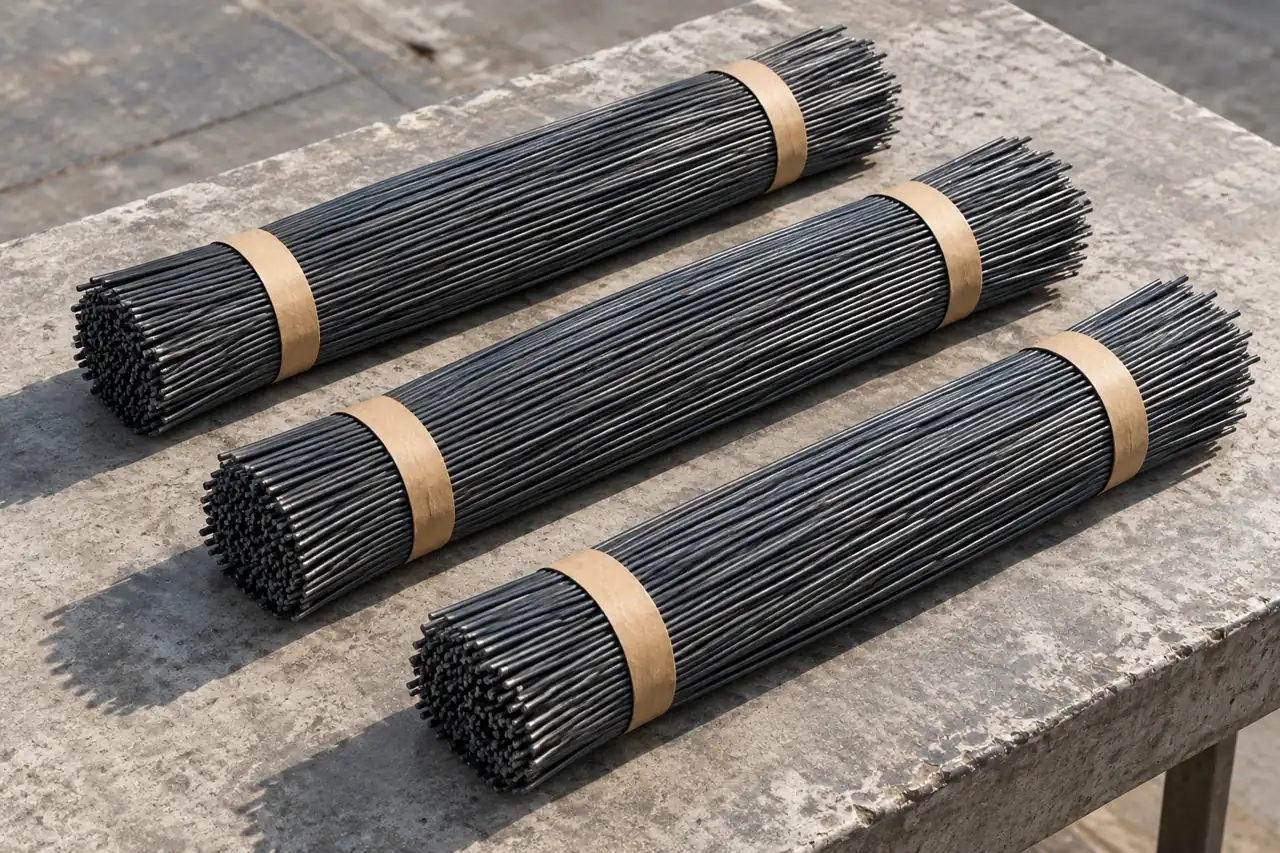
Read length and cut ends independently
Sheared ends may have a burr or local deformation even when the overall length passes. State whether the next step uses an end stop, welding contact, automatic feeder or hand assembly. Define the permitted end form and any deburring separately. Keep a close sample of an accepted and rejected end with the measurement basis; photographs show a location but do not establish burr height or squareness without the agreed check.
- Finished lengthCheck the required supply dimension using the agreed measuring and tolerance basis.
- Cut end formAssess burrs, deformation and squareness against the intended stop or joining interface.
- Downstream responseRetain accepted and rejected end samples with the relevant feeding or forming result.
Approve the material and the processing result together
Approve the intended wire and processing result together with the downstream functional check.
Use the intended grade, diameter and supply condition for the first sample. Record the input coil or lot, specimen identification, length readings, straightness setup and end/surface observations. Run the agreed downstream feeding or forming check and identify its operating conditions.
A sample made from softer wire or a different coating cannot release the ordered material silently. Approve one controlled specification and require a documented decision on later changes to material condition, cutting route or finished dimensions.
- Input identityConnect the sample to the actual wire lot
- Geometric evidenceRetain length and free-state straightness readings
- Functional evidenceRecord feeding/forming outcome and test conditions
- Release referenceApproved revision and outstanding deviations
Account for yield without promising a universal loss rate
Reconcile accepted lengths, crops, rejects and unused material on a clearly agreed quantity basis.
For customer-owned wire, agree the quantity basis at receipt and after processing. Separate accepted lengths, trial pieces, rejected lengths, crop loss, scrap and unused stock. Record a reason for significant exceptions before disposition. A material balance is a commercial and traceability requirement; it is not proof of a guaranteed yield. Keep charges for material, processing, extra end preparation and packing visible so competing offers cover the same output.
- InputAccepted received quantity and material reference
- Useful outputAccepted lengths by size and quantity basis
- ExceptionsTrial, rejects, crop loss and rework disposition
- BalanceUnused material and scrap ownership
Support the lengths through handling and transport
Support the actual lengths through transport and repeat the free state check at receiving.
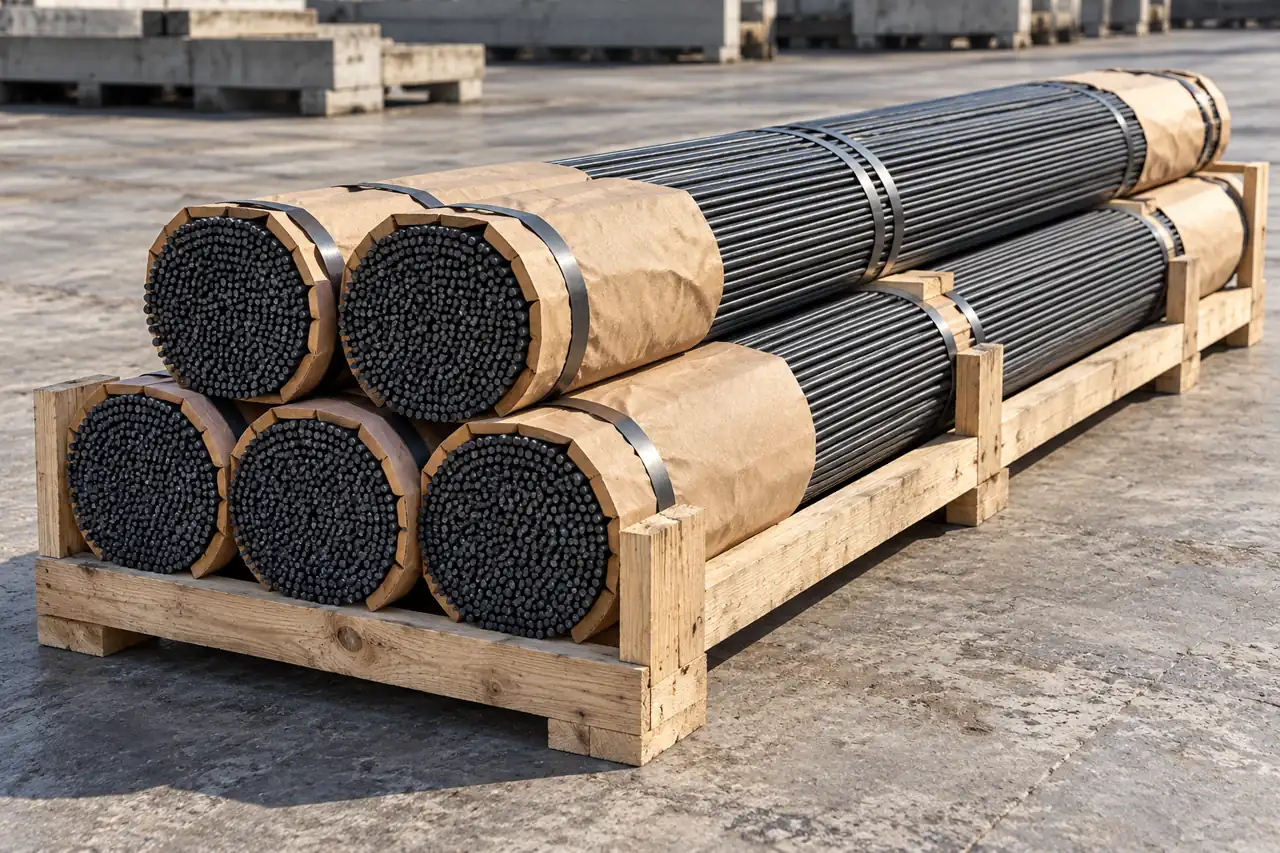
Protect geometry through receiving
Choose bundle weight, support spacing and handling method around the actual length and section. A tight strap can preserve end alignment while leaving long pieces vulnerable to bending between supports. Agree protection for ends, coatings and moisture-sensitive surfaces, and identify each bundle against its material and dimensional schedule. On receipt, document packing condition before releasing ties; then repeat the defined free-state checks rather than accepting transport alignment as dimensional evidence.
- Support the bundleChoose unit mass and supports suited to the actual wire length and section.
- Preserve the surfacesAgree protection for ends, coating and moisture sensitive wire during the transport route.
- Release and recheckRecord package condition before repeating the defined free state acceptance measurements.
Use the deviation pattern to locate responsibility
Use the deviation pattern and retained input and output samples to locate the processing problem.
If lengths fail, retain unprocessed wire, finished specimens and the associated records. A whole bundle showing curvature after unpacking calls for review of incoming condition, straightening and transport support; one local end defect points toward cutting or handling. Keep those possibilities open until comparable evidence exists. Define the claim notification, examination and rework decision in the order instead of assuming an automatic replacement or a standard remedy.
- ContainSeparate affected bundles and preserve identification
- CompareInput condition, processed samples and receiving observations
- ResolveAgree cause review and authorized disposition
- RetainLink the decision to the order revision
Define the straight length and its next operation
Send a finished length specification with the measurement setup and actual material ownership arrangement.
Tell us how the released length must feed or locate in your process. We can review the material and clarify the processing and sample acceptance scope.
Qingdao Relia Industries Co., Ltd.
Contact address: Shuyuan Road, Qingdao, Shandong, China
- Wire grade diameter and condition
- Finished length schedule and quantities
- Free state straightness measurement setup
- Cut end and surface criteria
- Downstream operation and bundle support
Enquiry scope and supporting detail
Send the wire candidate or material specification, exact diameter, length schedule, quantity and destination. Add the straightness setup, end and surface criteria, downstream operation, material-ownership arrangement and required records. We can then clarify the material offer, processing responsibility, trial requirements and packing. Sample terms, service availability, price and delivery timing need the actual quotation.
- Wire identityGrade, condition, diameter and source lot
- Finished resultLength, straightness, ends and functional check
- Supply scopeProvider, material balance, records and packing