

Finished Welded Mesh Rolls and Panels for Import Buyers
Define finished welded mesh as one complete combination of opening, wire size and delivered form. This guide helps you choose rolls or panels, distinguish clear gaps from pitch and check welded joints, coating and edges. Use the item schedule to compare offers by the same usable geometry and prepare a representative receiving or fitting check.
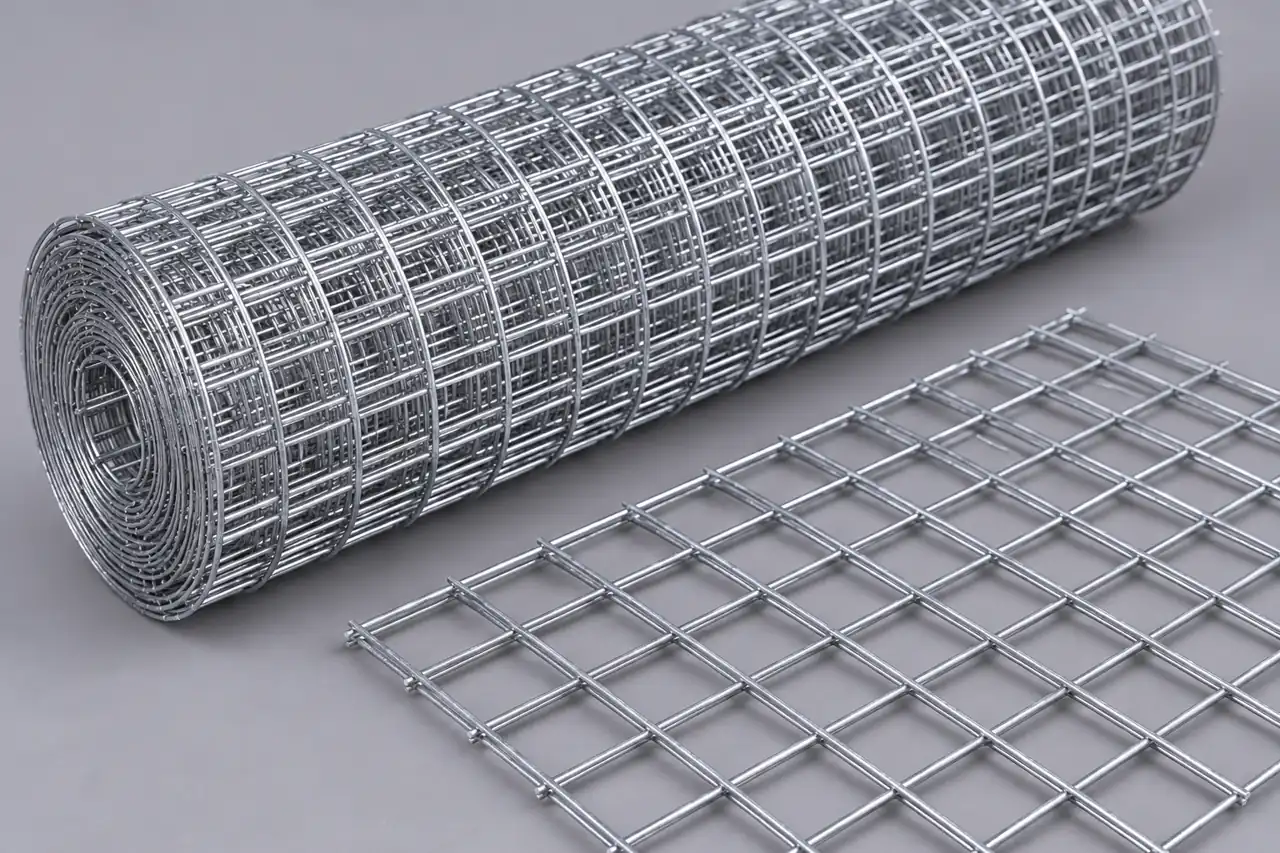
Choose the form around receiving and use
For importers buying finished welded mesh, start with the opening, wire diameter and delivery form needed by the end user. Rolls suit applications that can tolerate uncoiling and subsequent cutting; panels need an agreed flatness and edge definition for fitting or fabrication. Choose galvanized square welded mesh against a complete item schedule, then verify the welded intersections and finish as well as overall size. The listed product is a supply candidate, with the selected opening and wire combination fixed in the technical offer. Send the application and receiving requirements to establish that combination.
- Mesh rollsDefine uncoiling and later cutting needs for the intended enclosure or fabrication.
- Mesh panelsSet flatness and edge requirements for direct fitting or subsequent fabrication.
- Complete itemFix opening, wire size and dimensions with the chosen delivery form.
Selection context and decision detail
| Buyer requirement | Relia response | Evidence or condition |
|---|---|---|
| Usable opening and fit | Define aperture, wire size and roll/panel form | Technical offer fixes dimensions and measurement basis |
| Sound finished mesh | Review welded intersections and selected coating route | Application-specific joint and surface acceptance |
| Comparable imported items | Reconcile dimensions, quantities and lot records | Producer and inspection responsibilities accompany the item |
Wire production supports a separate finished-mesh proposal
Confirm the finished-mesh producer and welding responsibility separately from the manufacture of its starting wire.
Relia manufactures steel wire with in-house drawing, annealing and galvanizing. For finished welded rolls or panels, the offer must also identify the actual mesh producer, welding scope and selected coating route. Own wire production does not by itself confirm in-house mesh welding or galvanizing after fabrication.
Relia performs incoming, in-process and final inspection in its confirmed manufacturing scope and can provide corresponding batch records. Agree which wire, welding, coating and finished-mesh records apply to the supplied item, including the producer's responsibility where relevant. The buying decision concerns the finished mesh, not only its starting wire.
- WireConfirmed drawing, annealing and galvanizing scope
- MeshActual welding producer and release responsibility
- CoatingSelected before/after-welding route
- EvidenceWire, joint, coating and finished-item records
Opening and pitch describe different dimensions
State clear opening or centre pitch explicitly because the wire thickness makes those dimensions different.
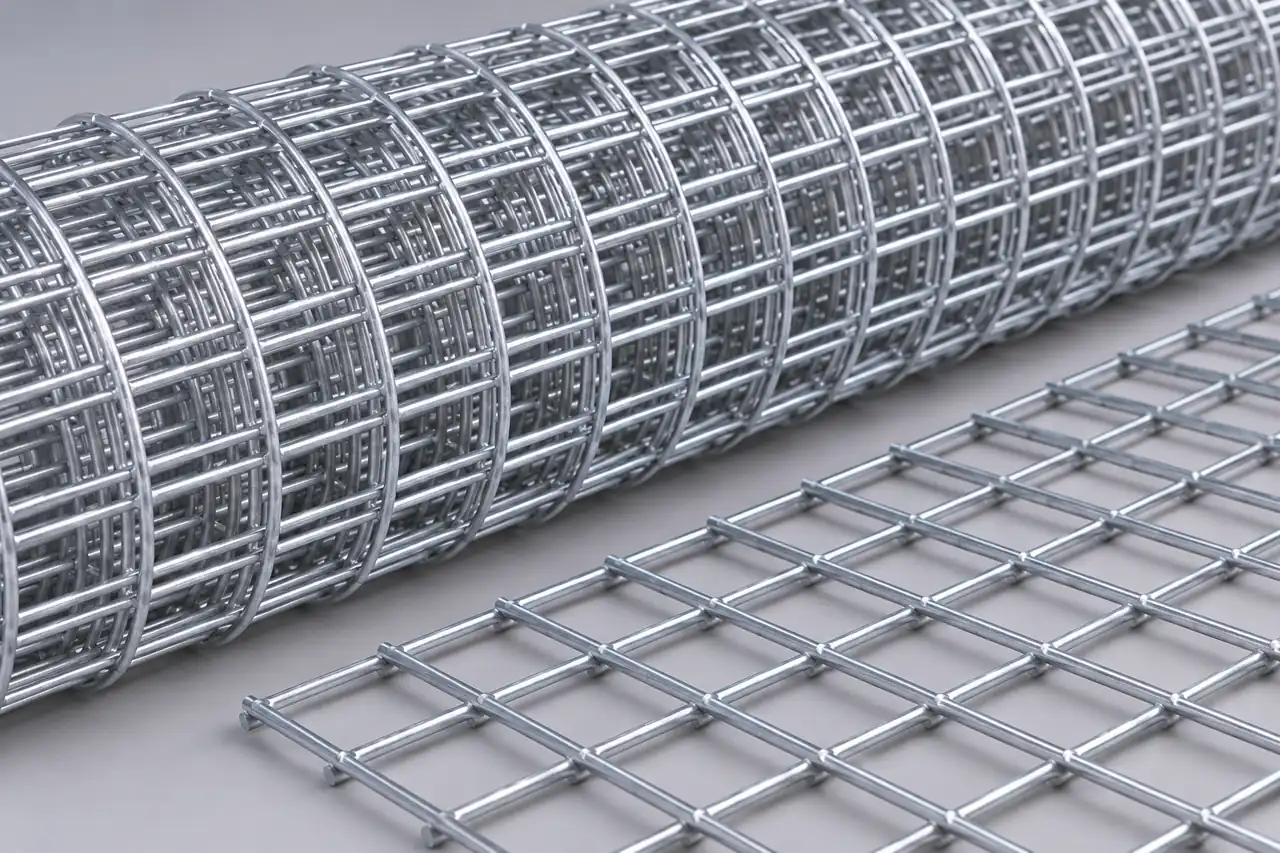
Keep the two spacing dimensions distinct
A clear opening is the gap between wires; centre pitch includes wire thickness. Confusing the two can change containment, fit and effective open area even when both quotations use the same nominal mesh description. Define measurement direction and reference, particularly where inch mesh terms accompany millimetre dimensions.
The actual catalogue includes a 0.6 mm wire option and a 6 mm or customised aperture field, while other sizes are enquiry references. Specify the exact offered pair, tolerance and whether diameter means bare wire or the finished coated size. The image illustrates mesh form without establishing either dimension.
- Clear openingMeasure the usable gap between adjacent wires in each specified direction.
- Centre pitchMeasure between wire centres, including the effect of the wire thickness.
- Wire sizeState bare or finished coated diameter with the selected spacing definition.
Product references for your shortlist
Open the product details, then discuss the exact specification for your application.
Galvanized square welded mesh
A finished roll or panel candidate for an explicitly defined opening, wire diameter and end-use acceptance schedule.
Welding and coating sequence influence the finished joint
Specify the welding and galvanizing sequence so joint and coating checks address the actual finished mesh.
Resistance welding joins crossing wires through local heating under pressure. Its joint quality depends on the selected wire condition and welding process, rather than the wire tensile value alone. A visibly touching intersection is not evidence of an acceptable welded connection.
Define whether the wire is galvanized before welding or the fabricated mesh is galvanized afterwards. These routes present different coating conditions at the joint. Inspect the agreed critical locations and establish a joint acceptance method suitable for the intended use. ASTM A740 is relevant only when the selected hardware-cloth product and specified route fall within its scope.
- JoiningLocal resistance heating under pressure
- EffectConnection at each wire crossing
- FinishCoating sequence and joint condition
- AcceptanceAgreed joint check and lot evidence
Acceptance should include form and joints
Accept dimensions, delivered form, welds and finish together rather than treating mesh weight as sufficient evidence.
Check opening consistency in both directions, wire size on the agreed basis, overall width and length, squareness and the specified edge condition. For panels, include flatness or bow; for rolls, define the condition in which dimensions and uncoiling behaviour are assessed.
Specify the weld checks and coating evidence required for the application, then connect them to the inspected lot. Mesh used for a general enclosure does not automatically satisfy structural reinforcement, machine guarding or a particular animal-containment design. Those uses require their own design and acceptance criteria.
- GeometryOpening · diameter basis · dimensions
- FormSquareness · edges · flatness/uncoiling
- JointsApplication-specific welded connection checks
- FinishAgreed coating condition and record
Representative samples show more than surface brightness
Review samples in their fitting or uncoiling condition and separate geometry, joint and finish problems.
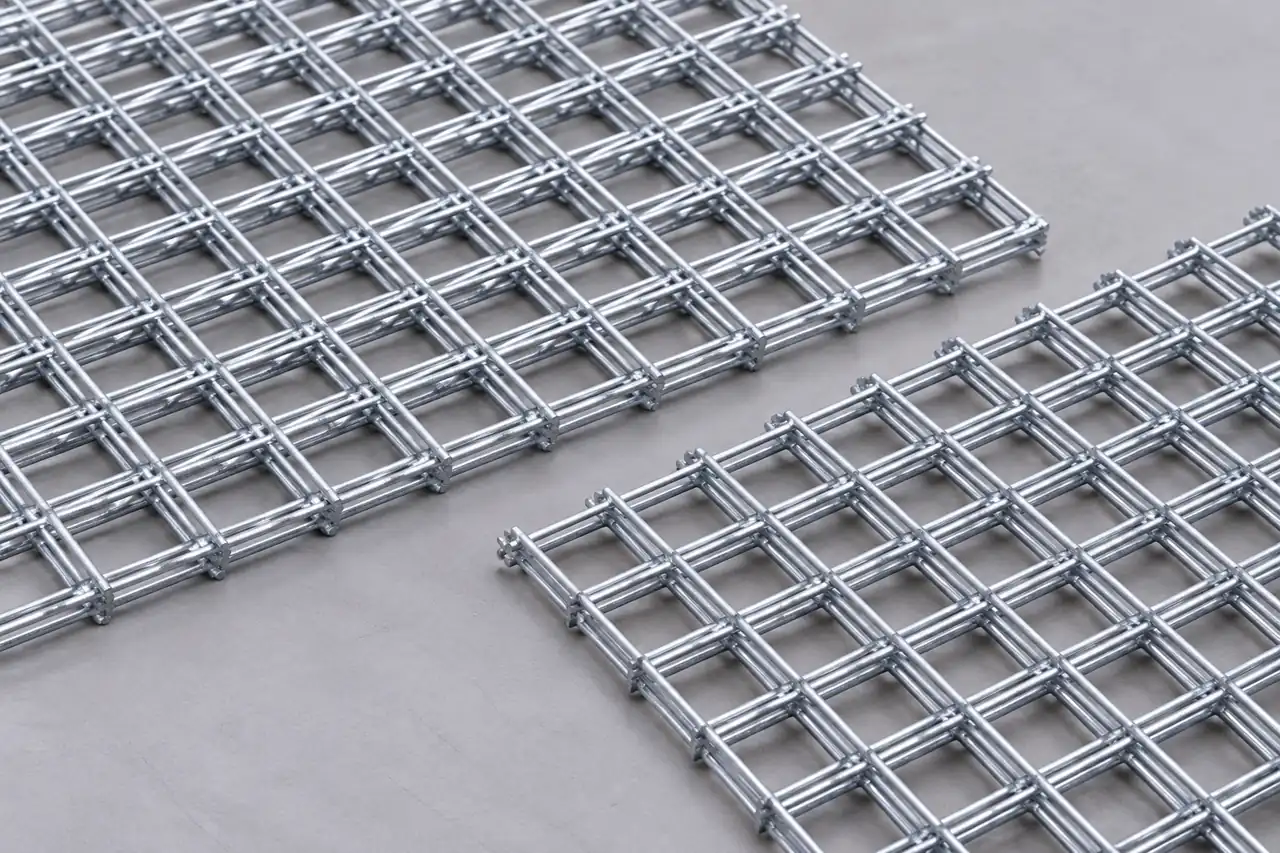
Inspect the sample in its working form
Compare a roll sample after the agreed uncoiling method with a panel sample in its intended fitting orientation. Look for distorted openings, loose intersections, excessive curl, protruding cut ends and coating damage at joints or edges. Record the sample specification and inspection conditions alongside photographs.
The AI-assisted images show relevant welded-grid forms; they are not the actual approved sample or evidence of weld strength. If a trial fitting fails, separate a geometry problem from a weak joint or a finish problem before changing the whole mesh specification.
- Geometry checkLook for distorted openings, curl and protruding ends in the intended orientation.
- Joint checkInspect loose intersections using the acceptance method agreed for the application.
- Finish checkReview coating damage at joints and edges separately from dimensional problems.
Comparable quotations use a complete mesh item
Compare each complete mesh item on an explicit area, mass or package quantity basis.
Quote each opening and wire-diameter combination with its material, coating route, finished dimensions and roll or panel form. State the tolerances and edge treatment used for acceptance. Where price is expressed by mass, area or package, reconcile the unit with the defined mesh dimensions and quantity.
Mesh weight alone is not a substitute for checking the delivered geometry. Different wire sizes or pitches can produce a superficially similar roll with different usable openings. List the evidence and producer responsibility on the same item schedule so apparent price differences can be compared meaningfully.
- Mesh identityOpening · wire · material · coating route
- Delivered formRoll/panel dimensions and tolerances
- Price basisArea, mass or package reconciled to quantity
- ReleaseProducer and finished-item acceptance scope
Packing protects usable edges and item identity
Protect usable edges and preserve each mesh variant and lot through bundled or rolled delivery.
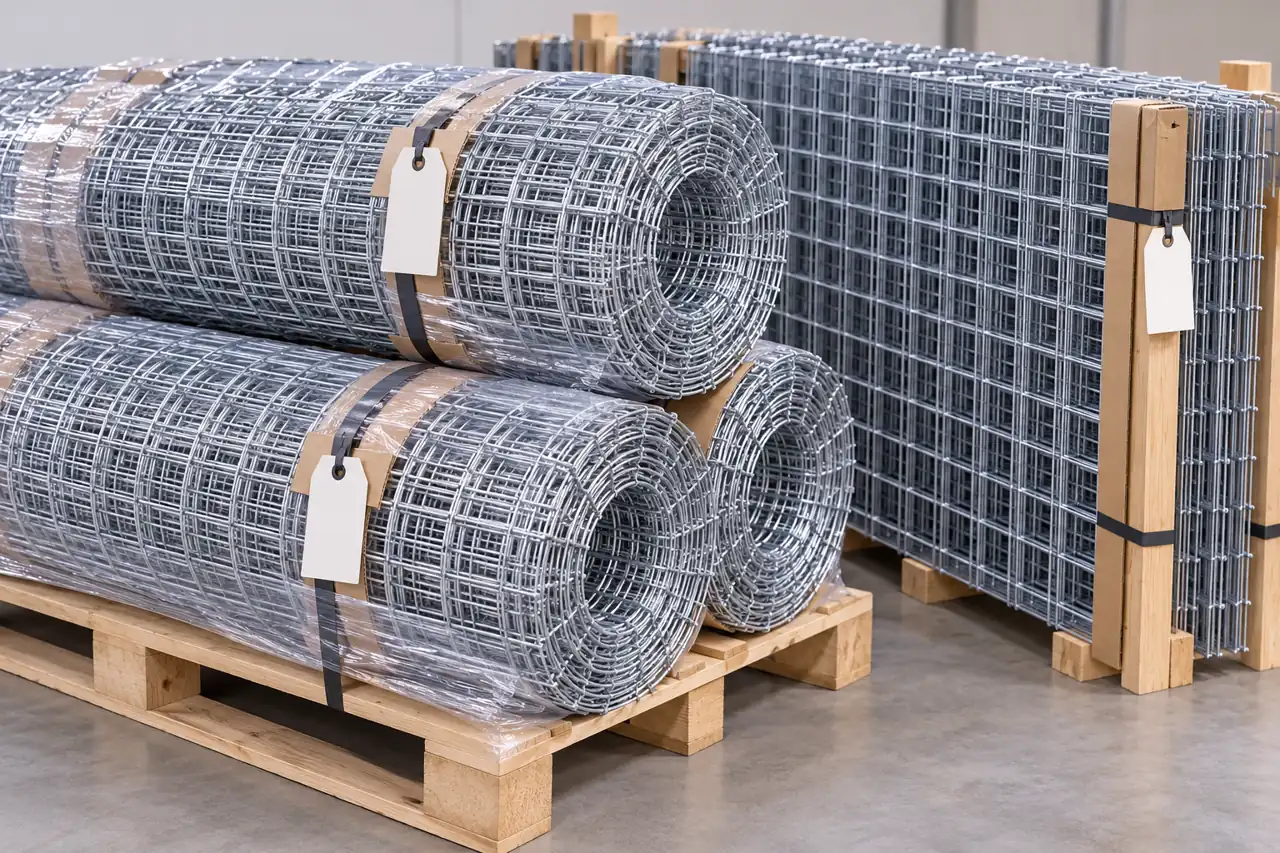
Keep delivered mesh identifiable and usable
Protect the mesh against crushing, edge distortion and coating damage during transport and handling. Roll ties or panel bundles should suit the agreed form without concealing damaged outer layers. Buyers should define how different apertures, dimensions or finishes remain distinguishable at receiving.
Reconcile package count with the item schedule and retain the lot linkage to the accepted records. The pictured rolls and panel stacks illustrate delivery forms, not a promised packing system, warehouse stock or loading service. Any special labels or protection requirements need to be included in the offer.
- Physical protectionProtect against crushing, edge distortion and coating damage during the agreed handling.
- Variant identityKeep different openings, sizes and finishes distinguishable at the receiving point.
- Lot reconciliationMatch package counts and item references with the accepted delivery records.
Repeat orders preserve geometry and route
Retain the accepted geometry, delivery form and coating route when reviewing a repeat or changed source.
Keep the accepted item revision, sample reference, opening definition, wire size basis and coating route for reorders. A change from panels to rolls can introduce new flatness and handling concerns even when the mesh itself has the same nominal dimensions.
If the producer, welding route or finishing sequence changes, review the evidence against the original acceptance criteria. Preserve the affected lot identity when reporting loose welds or damaged coating. Wire for woven fences and wire feedstock for mesh production are related purchases, but neither replaces the finished-product acceptance defined here.
- ApproveComplete item revision and sample
- ReceiveMatch geometry, route and lot evidence
- RepeatPreserve size basis and delivery form
- Review changeProducer, welding or coating sequence
Define the finished-mesh item schedule
Send an end-use schedule that defines mesh geometry, form, finish and the evidence needed for release.
Share the end use and the mesh form your team needs to receive. We can review the exact combination and the sample checks that matter for fitting.
Qingdao Relia Industries Co., Ltd.
Contact address: Shuyuan Road, Qingdao, Shandong, China
- Clear opening or centre pitch
- Wire size and coating basis
- Roll or panel dimensions
- Edge and joint acceptance
- Quantity units and destination
Enquiry scope and supporting detail
Send the intended use, clear opening or pitch, wire diameter and tolerances, finished width and length, and roll or panel quantity. Add edge finish, flatness or uncoiling requirements, galvanizing route and the weld/coating evidence needed for acceptance. Include the receiving unit and destination in the commercial brief.
Relia can clarify the proposed mesh combination, source and inspection responsibilities against that schedule. Agree a representative sample and the finished-mesh release criteria before using the item as the reference for repeat imports.
- End useOpening/pitch · required function
- MeshWire diameter · material · coating route
- FormRoll/panel size · edges · flatness
- AcceptanceJoint checks · sample · quantity basis