

Deformed Rebar Procurement Against Project Bar Schedules
Order reinforcing bar from the approved grade and bar schedule, then define whether delivery is straight stock or fabricated shapes. This guide connects mechanical and bend requirements with rib and size checks, splice responsibilities and bundle identity. It helps procurement preserve the project revision through cutting, bending and receiving without treating grade names as interchangeable.
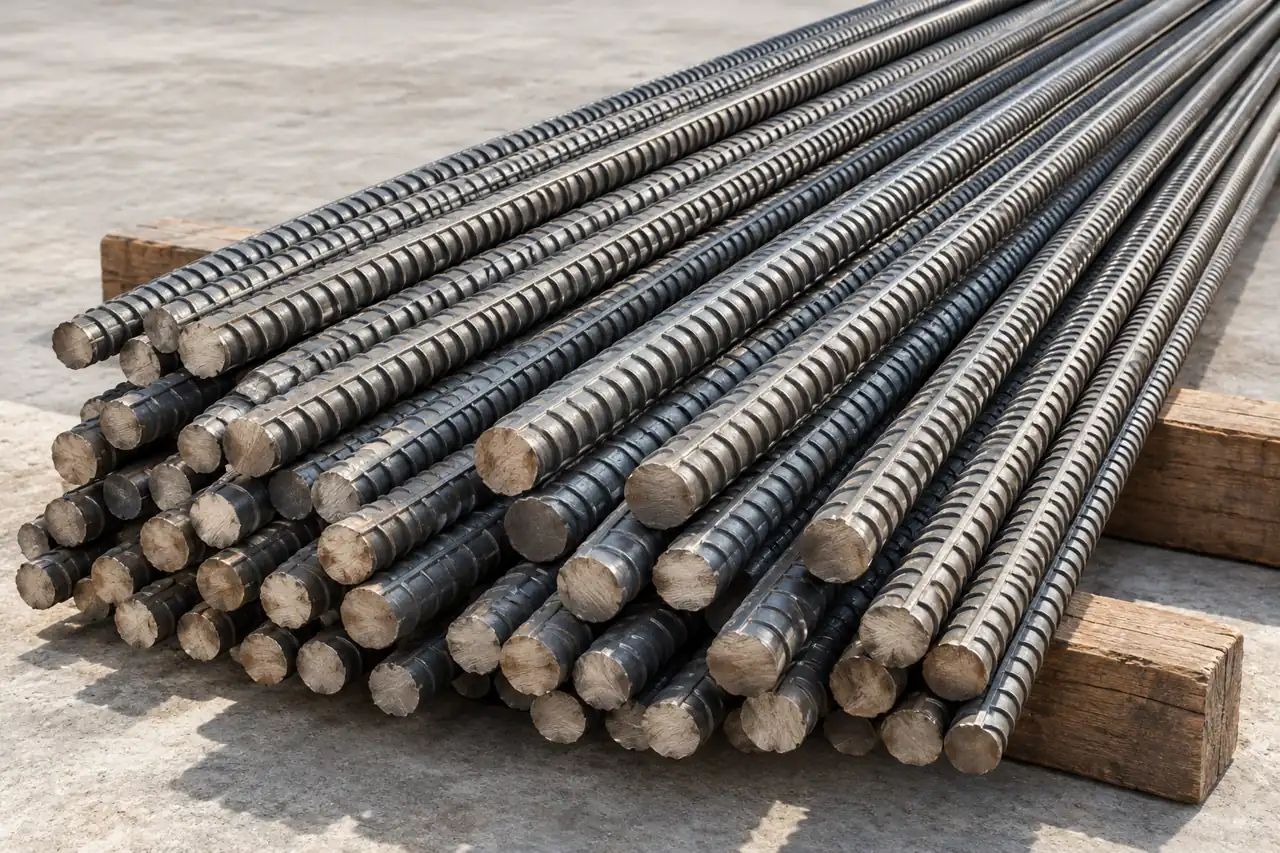
Carry the approved bar schedule into supply
For a reinforcement order, buy the engineer's grade and bar schedule rather than treating several national grade names as equivalents. Start with the approved standard edition, bar sizes, shapes and required ductility, then define straight or fabricated supply and acceptance records. Relia supports rebar selection and supply, while its steel flat-product rolling does not confirm a reinforcing-bar route. Send the schedule and splice/bending details so the offer can identify actual bars and preserve material linkage through cutting and site receipt before structural approval.
- Project basisRetain the required standard edition, grade and approved reinforcement drawing revision.
- Delivery formSpecify straight stock or controlled cut and bent shapes by bar mark.
- Release packageConnect quantities and geometry with represented material evidence and site identification.
Selection context and decision detail
| Buyer requirement | Relia response | Evidence / condition |
|---|---|---|
| Project reinforcement identity | Rebar supply and selection support | Approved standard/edition, grade and bar schedule |
| Usable straight or fabricated bars | Producer/processing scope defined | Size, rib basis, shapes and splice requirements |
| Traceable delivery | QC and batch-record scope agreed | Represented tests and bundle-to-piece linkage |
Rebar supply needs an actual grade and production responsibility
Identify the actual rebar producer and processing providers separately from the confirmed flat-steel rolling scope.
Relia supports reinforcing-bar supply and selection; rebar melting, rolling, thermal treatment and cut/bend fabrication are not confirmed as in-house. Define the producer and each supplied processing stage in the offer. Incoming, in-process and final company QC and corresponding batch records are confirmed, with actual bar-specific evidence agreed.
Product 729 names ASTM A615 Grade 75 and HRB400/500 as different references, describes 6 m length and gives a standards-family option without a diameter. Select the project's actual grade, edition and dimensions rather than treat the catalogue as a compliant bar schedule.
- RevisionApproved drawings and schedule
- SizesRequired bar diameters
- LengthsStock or defined processed form
- QuantityCounts and order basis by line
Yield strength alone does not define the required reinforcement
Compare the required strength, ductility and bend properties together rather than substituting by a similar strength number.
The project may require a particular combination of yield, tensile behavior, elongation and bend performance under its selected standard. A grade with a similar strength number does not automatically provide the same ductility or welding basis.
Use represented material and mechanical evidence for the actual grade. Any substitution must be assessed against the design requirements rather than a cross-market name comparison.
- Strength and ductilityReview required yield, tensile behaviour and elongation under the selected project standard.
- Bend performanceRetain the actual required forming or bend acceptance alongside the strength evidence.
- Welding basisReview the separate welding requirement rather than assuming similar grade strengths establish equivalence.
Product references for your shortlist
Open the product details, then discuss the exact specification for your application.
Project deformed-rebar enquiry
A reinforcement candidate to define by one project grade, actual bar size and straight or fabricated delivery schedule.
Deformations and nominal size need the selected product basis
Use the selected product basis for nominal size and deformation checks instead of reading only across rib peaks.
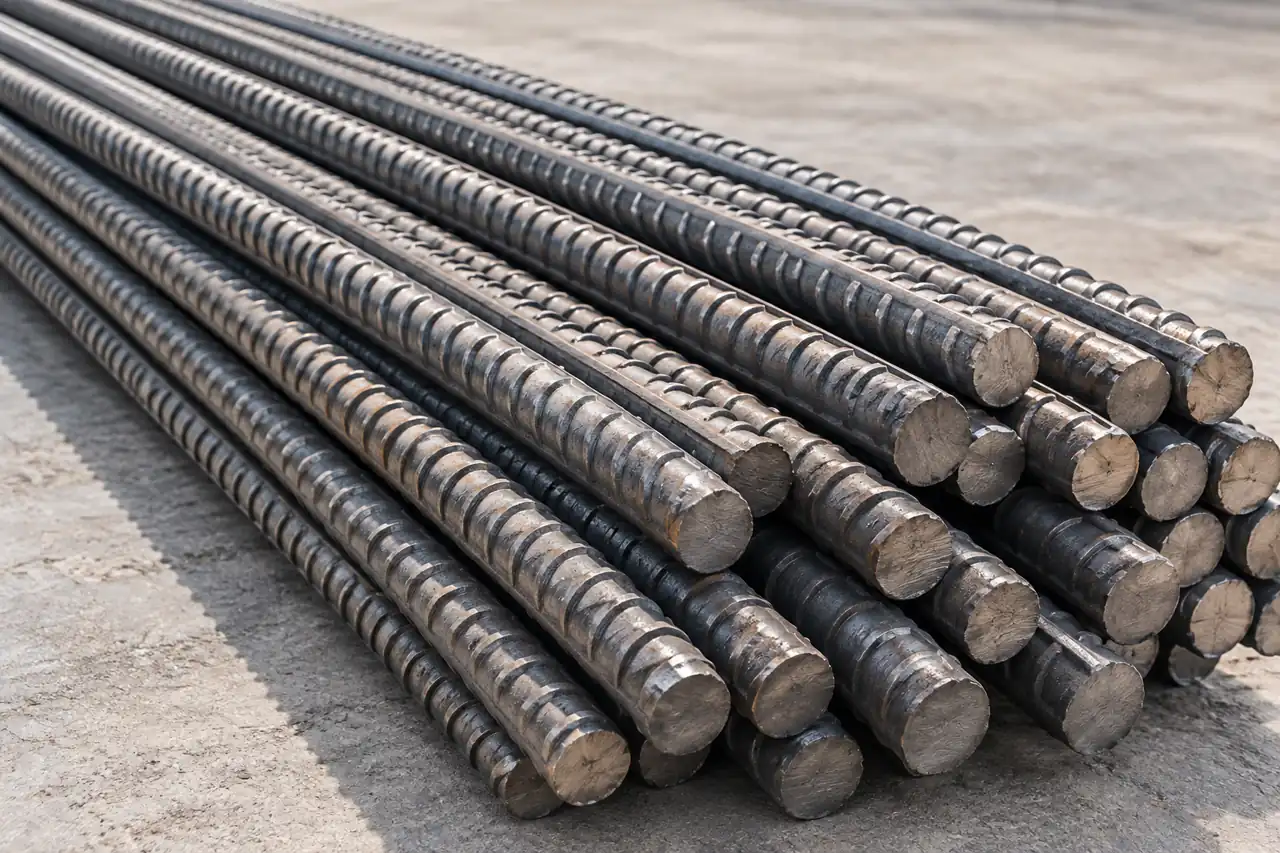
Check size and ribs under the chosen basis
The ribs help transfer force between steel and surrounding concrete, but their appearance alone does not establish the specified deformation geometry or bond behavior. Nominal bar size is also not simply a caliper reading across the highest ribs.
Define the applicable size, mass/dimensional and deformation checks, then retain represented results. The images illustrate deformed-bar form, not approved rib measurements.
- Nominal sizeUse the selected product definition rather than a reading over the highest ribs.
- Deformation geometryDefine required rib or deformation checks for the actual bar specification.
- Represented resultsRetain mass, dimensional and deformation evidence linked with the supplied material.
Rolling and later processing should retain the material state
Retain the delivered material state when defining subsequent straightening, bending or other project-controlled processing.
The actual production route establishes the delivered bar condition. Subsequent straightening, bending or other work can introduce local deformation and must remain within the applicable project/product basis.
Specify whether you are accepting straight stock or finished shapes. Do not infer an unconfirmed quench/temper route or on-site re-bending permission from broad hot/cold wording.
- MaterialActual standard and grade
- TestingProject-required methods and results
- IdentityHeat or lot linkage
- ReceiptDocuments matched to delivered bundles
The bar schedule should define shape and cut-length datums
Define bar marks, shape conventions and bend details so procurement, fabrication and receiving interpret the same schedule.
Provide bar marks, diameters, shape/dimension conventions, quantities and the approved bend details. Overall length and bend geometry need a common interpretation across procurement, fabrication and site receipt.
Cutting or bending services require their own assigned provider and dimensional acceptance. A correct material record cannot resolve a wrong hook or bar mark.
- Bar identitiesState bar marks, diameters and quantities for each approved reinforcement line.
- Shape conventionsDefine the dimension conventions and approved bends used by procurement and fabrication.
- Cut-length datumsUse a common interpretation of lengths and bends for processed-bar acceptance at receiving.
Welded splices require composition and procedure review
Review chemistry and the qualified procedure separately when a welded splice forms part of the project.
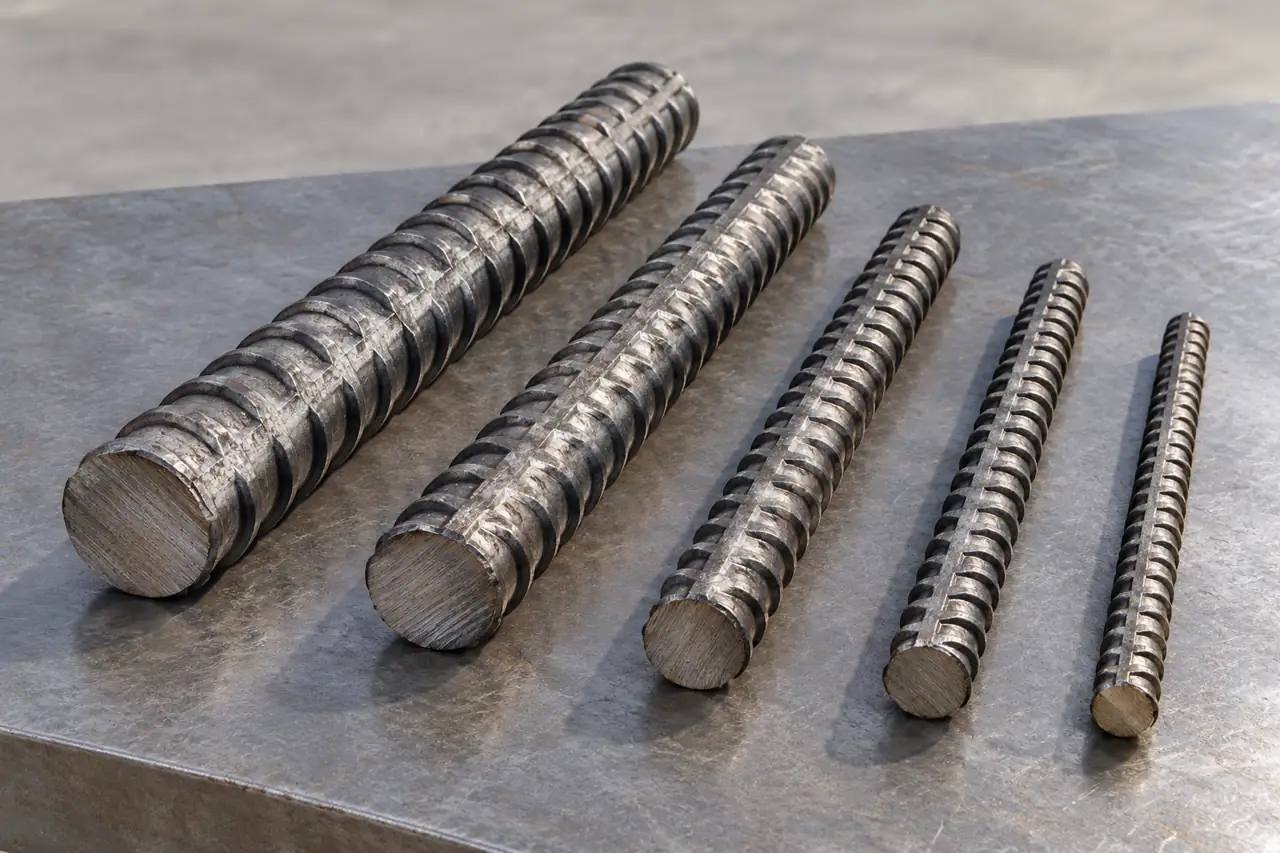
Keep splice routes and their evidence distinct
A carbon-rebar specification is not a universal weldability guarantee. Where welding is required, the selected chemistry, intended service and qualified procedure must be reviewed by the responsible parties.
Keep this separate from a mechanical splice or simple tied assembly. No preheat recipe, welding capability or approved splice resistance is supplied by this guide.
- Welded spliceReview selected chemistry and the actual qualified welding procedure with responsible parties.
- Mechanical spliceUse the specified coupling and project acceptance rather than borrowing welding approval.
- Tied assemblyPreserve the scheduled placement and tie requirements without implying a welded connection.
QC evidence should follow bars through subdivision
Preserve represented material evidence and batch linkage through bundles and any cut or bent pieces.
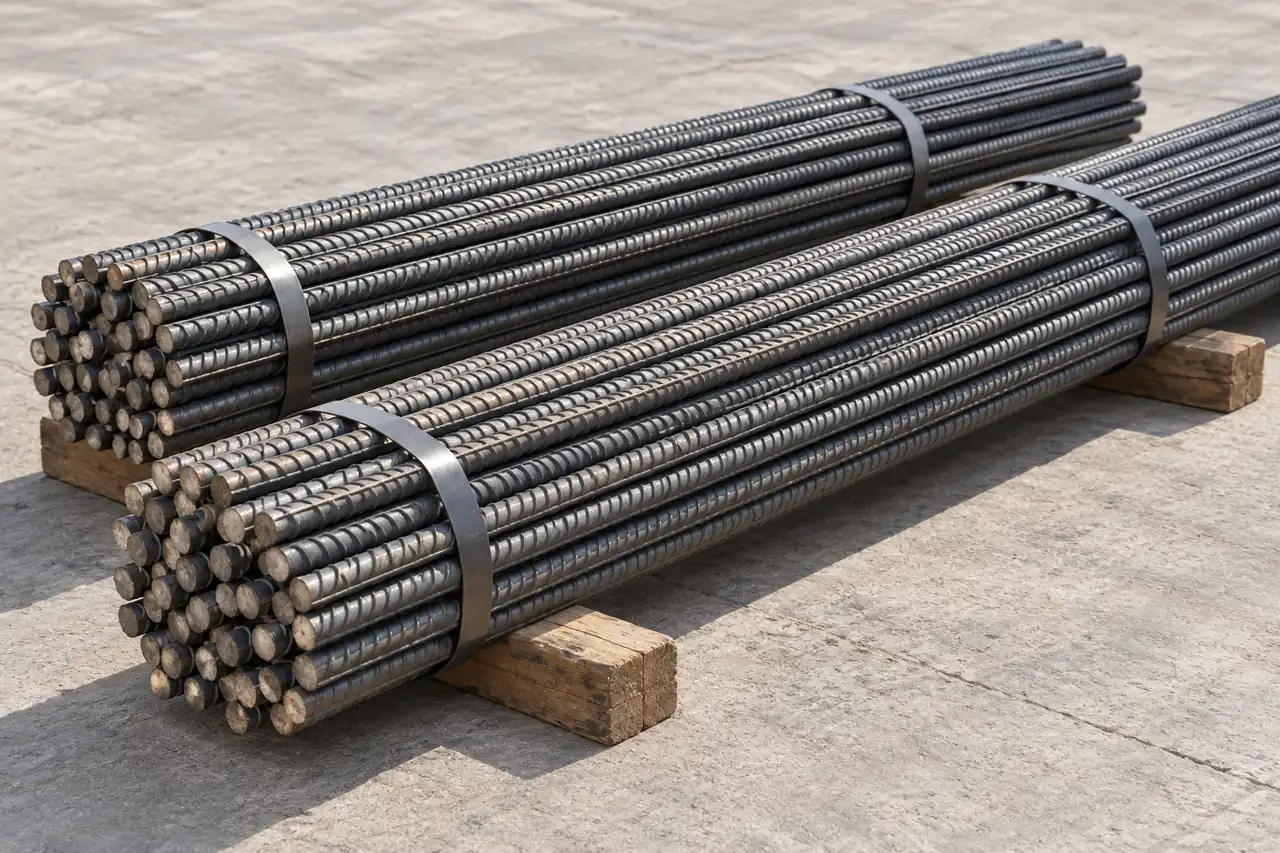
Keep bar records connected through subdivision
Agree represented chemistry, mechanical/bend and deformation/dimensional records under the selected material basis. Preserve producer and batch linkage through bundles and any cut or bent pieces as required.
Company QC stages do not imply a particular laboratory, instrument, sampling rate or certificate. Each record must state the material and characteristic it represents.
- Material recordLink actual chemistry and required mechanical or bend results with producer identity.
- Bundle linkagePreserve heat or lot references on the original supplied bar groups.
- Processed piecesCarry the required identity into cut or bent pieces and their schedule marks.
Receiving should reconcile physical bundles with the schedule
Reconcile physical bundles with accepted marks, shapes and quantities before distributing reinforcement across the site.
Check bar marks, selected diameter/length or fabricated shape, quantity and package condition before distribution across the site. Record any damage or surface concern in its full-member and bundle context.
A visually similar bundle is not evidence that grades or shapes can be mixed. Preserve identification until the project acceptance and placement controls have used it.
- TechnicalAccepted grade and bar schedule
- ProcessingConfirmed additional operations
- EvidenceMaterial and inspection scope
- DeliveryBundle limits and lot sequence
Prepare the reinforcement and evidence schedule
Send the approved reinforcement schedule so material, processing and substitutions remain within the project’s design controls.
Share the approved grade and bar schedule your project needs to preserve. We can review actual material and processing scope with records and receiving identity tied to each line.
Qingdao Relia Industries Co., Ltd.
Contact address: Shuyuan Road, Qingdao, Shandong, China
- Project standard edition and grade
- Bar sizes marks and quantities
- Straight lengths or shape schedule
- Bend and splice requirements
- Batch evidence and site identification
Enquiry scope and supporting detail
Send the project standard/edition and grade, bar sizes, straight lengths or shape schedule, quantities and splice requirements. Include required material, bend and dimensional evidence plus site identification needs. We can then define an actual supply and processing offer, with substitutions and structural acceptance left within the project's approved design process.
- MaterialStandard, grade and size basis
- ScheduleLengths, forms and quantities
- EvidenceHeat records and inspection
- ProjectApproval and receiving requirements