

Hygienic Stainless Tube for Food and Beverage Projects
Specify hygienic tube around the contact surface, cleaning environment and joints your process needs. This guide connects exact alloy and tube geometry with internal-finish checks, joining and protected delivery. It helps you define the incoming tube package while keeping installed cleanability and cleaning validation with the responsible project team before fabrication begins.
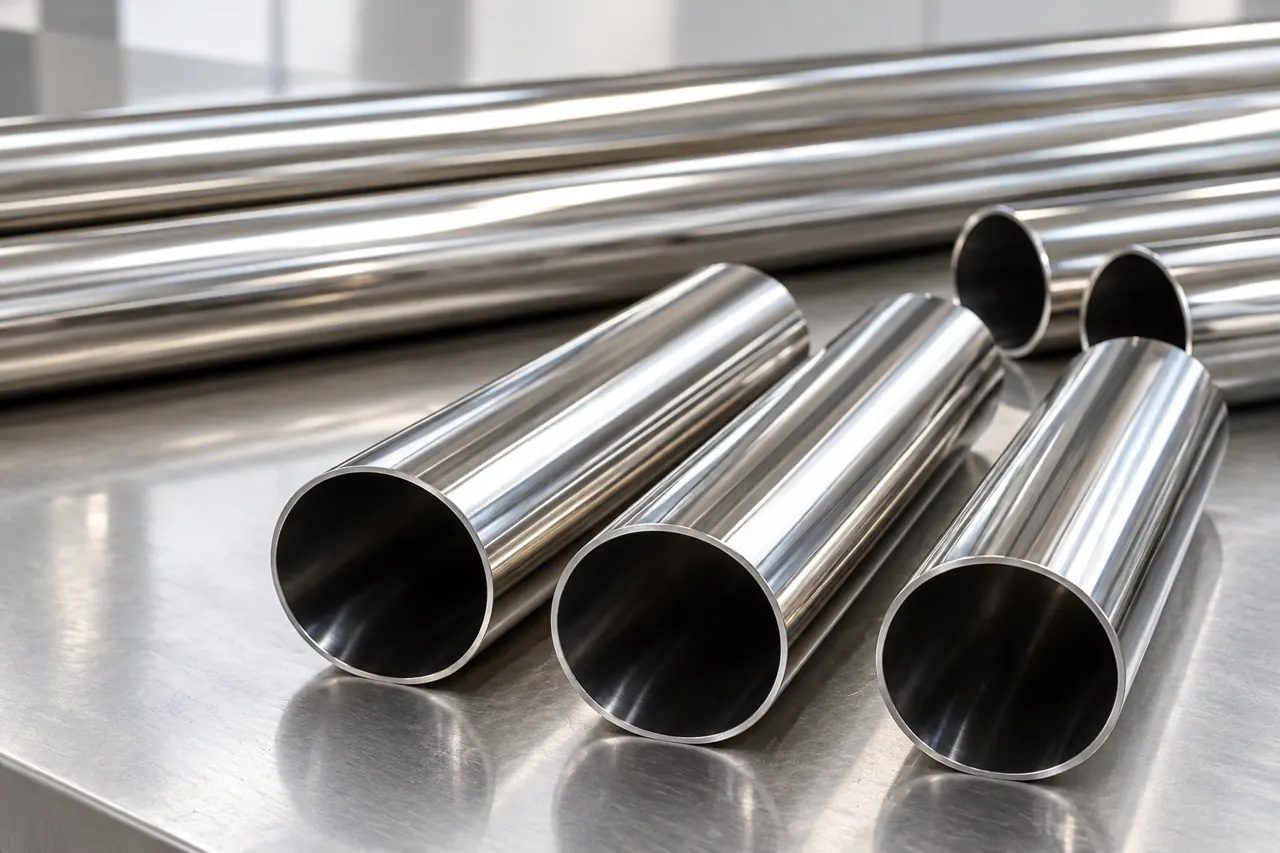
Connect product contact with the tube package
For food or beverage pipework, buy the contact surface, tube geometry and joint acceptance your process needs rather than a mirror finish alone. Start with the selected alloy, cleaning regime and applicable sanitary specification, then define outside size, wall and internal-surface criteria. Relia manufactures steel pipe, but an A270 or 3A phrase in a title does not establish compliant tubing or a qualified process installation. Send the line and joining brief so the offer can identify the real tube and the evidence needed before fabrication and cleaning validation.
- Process requirementDescribe the medium, cleaning regime and applicable contact-surface requirement for the line.
- Tube definitionSelect exact alloy, measured dimensions and the internal surface acceptance criteria.
- Installed acceptanceAssign joining and cleaning evidence beyond the incoming tube release.
Selection context and decision detail
| Buyer requirement | Relia response | Evidence / condition |
|---|---|---|
| Defined contact tube | Welded/seamless pipe manufacture | Selected alloy, route and actual dimensions |
| Usable hygienic surface | Tube-specific finish/evidence review | Internal criteria and actual treatment responsibility |
| Qualified installation boundary | QC records plus assigned downstream checks | Tube identity separate from joints and cleaning validation |
Sanitary supply needs an explicit tube and evidence scope
Define the selected tube route and represented evidence within the confirmed welded and seamless steel-pipe manufacturing scope.
Relia manufactures welded and seamless steel pipe, performs incoming, in-process and final inspection, and can provide corresponding batch records. The selected stainless route and inspection requirements must be defined for this tube. No universal sanitary certification, electropolishing or installation capability is inferred.
Product 1713 records seamless type with mixed route wording, a 2.5 mm actual wall option and no outside dimension. Title 2/6 inch requests and 304/304L/316/316L references need an exact size convention and alloy. Several finish names supply no measured sanitary surface result.
- ApplicationActual product-contact duty
- MaterialSelected grade and tube standard
- DimensionsOutside size, wall and length
- SurfaceRequired internal and external finish
Material selection should include the cleaning environment
Select the alloy with actual process and cleaning conditions while keeping identity separate from system cleanability.
Specify the product-contact medium, cleaning chemicals, temperature and any chloride exposure relevant to material selection. Select the actual alloy and low-carbon variant where required by the engineering and fabrication basis.
A stainless label or exterior shine cannot verify the represented composition or predict every cleaning regime. Keep material identity separate from system-cleanability acceptance.
- Product-contact mediumDescribe the actual fluid and relevant exposure conditions for the tube.
- Cleaning exposureInclude cleaning chemicals, temperature and relevant chloride conditions in the material brief.
- Selected alloyConfirm the exact designation and any low-carbon variant required by the engineering basis.
Product references for your shortlist
Open the product details, then discuss the exact specification for your application.
Hygienic stainless-tube enquiry
A stainless-tube candidate to define by actual alloy, measured geometry and contact-surface requirements for a food or beverage line.
The internal surface needs a defined assessment
Specify the internal assessment and finish operations because one roughness result cannot describe every defect or crevice.
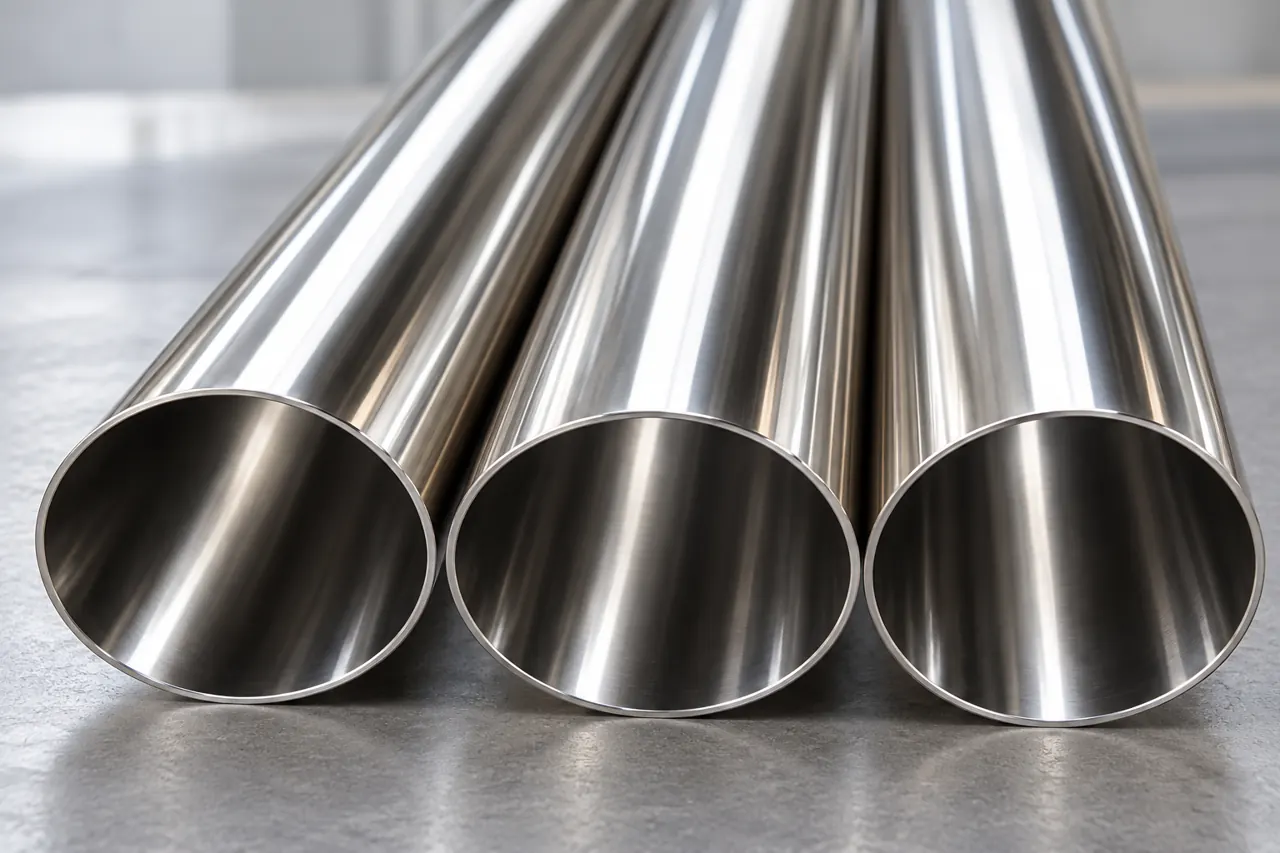
Define what the internal assessment must show
Specify the required internal finish, allowable surface features and measurement method/locations under the selected standard or project brief. A roughness value describes a sampled texture; it does not by itself show every crevice, defect or retained contaminant.
Mechanical polishing and any electrochemical treatment are different operations. Identify the actual supplied condition and assigned provider rather than combining finish names into a single approved surface.
- Surface criteriaState the required internal finish and the surface features that are unacceptable.
- Assessment basisDefine measurement method and locations under the selected standard or project brief.
- Operation identityIdentify polishing or electrochemical treatment separately with its actual supply responsibility.
Outside geometry controls joint alignment
Match actual tube dimensions and end preparation to fittings because nominal inch wording does not ensure alignment.
Define measured OD, wall, ovality, end squareness and length for the actual tube and fitting system. Nominal inch wording does not ensure a mating clamp or weld-end interface.
Check alignment on representative tube and fittings before installation. A correctly polished tube can still create an unsuitable joint if dimensions or end preparation are wrong.
- Outside fitSet measured OD and ovality limits for the actual fitting or clamp interface.
- Wall and endsSpecify wall, length and end squareness against the intended joint preparation.
- Alignment trialCheck representative tube and fittings before installation introduces the final joint.
Joining can change an accepted tube surface
Assign joint and post-joining acceptance separately because fabrication changes an incoming tube’s internal condition.
A welded installation adds a root profile, affected surfaces and potential alignment or cleaning difficulties. Agree the joint procedure, internal acceptance, post-joining cleaning and required evidence with the responsible fabricator.
Incoming tube approval does not approve every field weld. Preserve tube identity through subdivision and joining so the installed evidence represents the actual material and joint sequence.
- Internal jointDefine root profile, alignment and affected-surface acceptance for the actual procedure.
- Post-joining conditionAssign cleaning and the required internal checks to the responsible fabricator.
- Material connectionPreserve tube identity through cutting and joining so the evidence represents the installation.
Cleanability belongs to the installed geometry and process
Assess installed drainability, seals and access alongside the actual cleaning process rather than relying on tube finish alone.
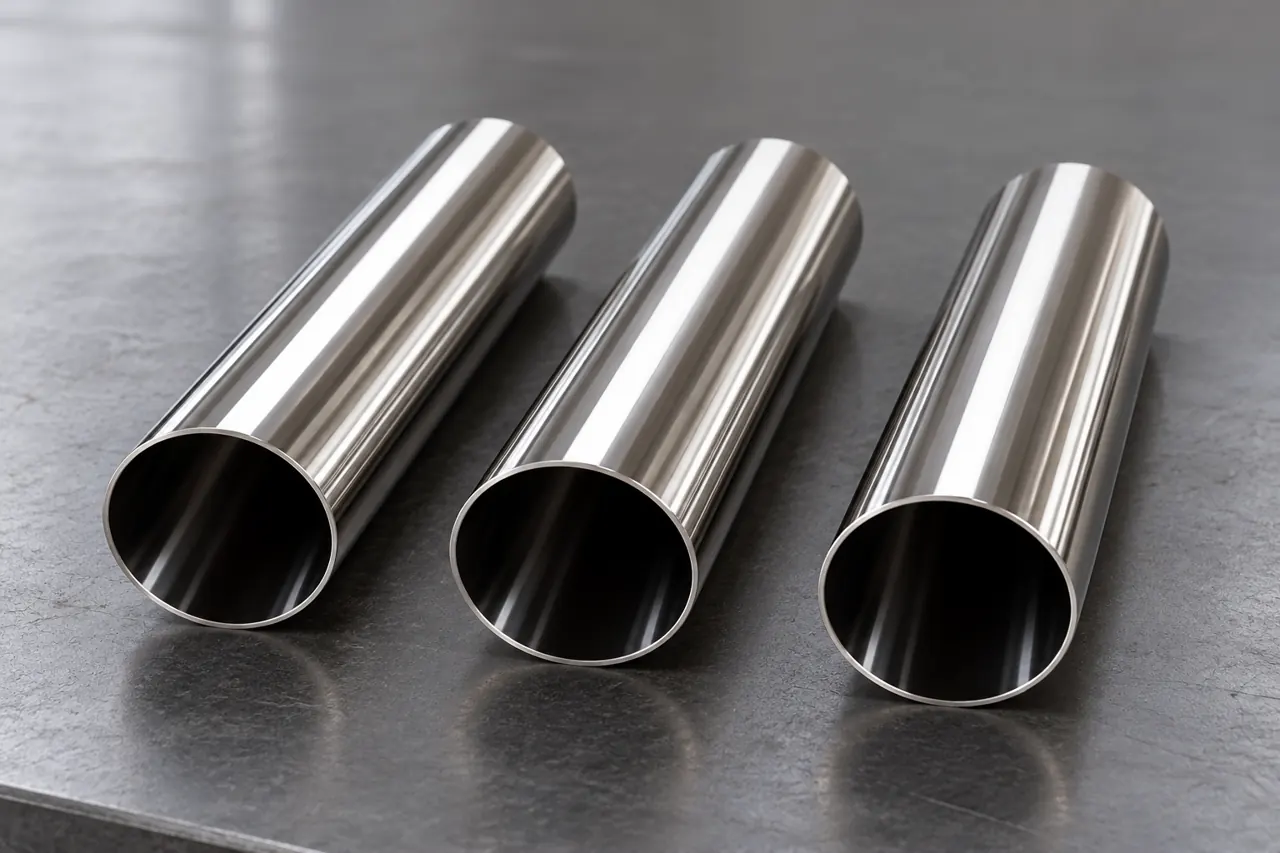
Review cleanability beyond surface texture
Drainability, joints, seals and inaccessible regions influence residue removal alongside surface texture. The relevant cleaning process must reach the surfaces under its actual conditions.
Equipment cleanability assessment and a specific food process are distinct evidence scopes. A sanitary-tube reference alone does not validate a completed CIP regime or establish food approval.
- Installed geometryCheck drainability, seals, joints and regions that are difficult to reach.
- Cleaning accessConfirm the relevant cleaning route reaches surfaces under its actual operating conditions.
- Process evidenceRetain the installation assessment and process validation as distinct project records.
Protected ends help preserve the accepted condition
Preserve accepted end and surface condition using agreed protection that suits the required cleanliness stage.
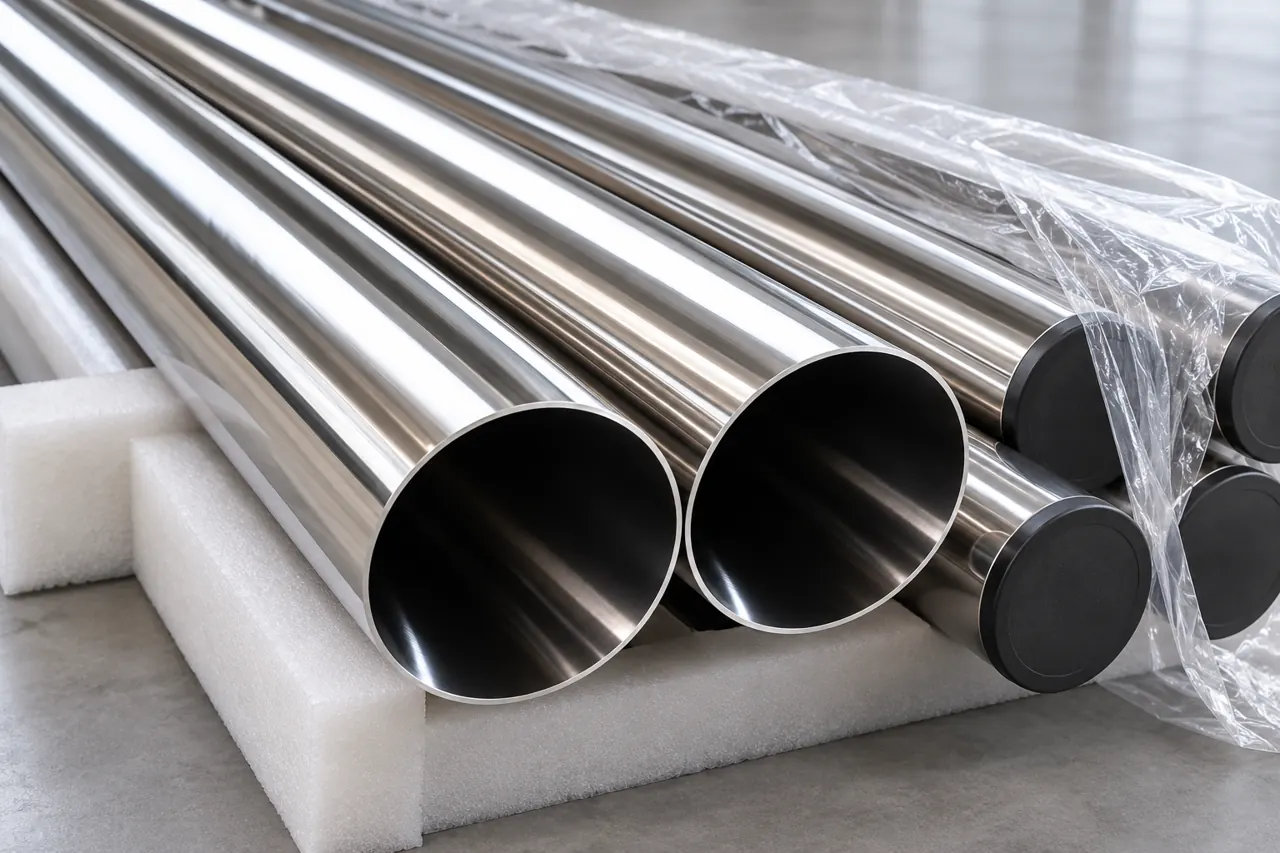
Preserve the approved tube before fabrication
Agree end closures, surface protection and handling compatible with the required cleanliness stage. Inspect the package, ends and visible surfaces before cutting or installation. Protection is useful only when it does not introduce an unacceptable residue.
The capped-tube image illustrates a preservation concept; it does not demonstrate sterile packaging or a verified cleanliness result.
- End protectionAgree closures that preserve the required condition without adding unacceptable residues.
- Surface handlingSpecify protection and handling suitable for the intended cleanliness acceptance stage.
- Receiving checkInspect package, ends and visible surfaces before cutting or installation changes them.
Release records should separate tube and installation acceptance
Keep tube, joint and cleaning-validation records separate but connected to the supplied batch and installation.
Connect selected alloy/route, dimensional checks and agreed internal-surface evidence to the supplied batch. Keep installation joint and cleaning-validation evidence as additional records with defined responsibility.
No particular roughness instrument, seam test, inspection frequency, 3A authorization or pressure rating is presumed from broad catalogue wording.
- TubeMaterial, dimensions and inner surface
- JointAlignment, root and affected condition
- InstallationSeals, drainability and access
- ProcessActual cleaning validation and responsibility
Define the contact surface and line interface
Send the contact and line requirements so the actual tube offer and downstream responsibilities can be defined.
Share the tube geometry and the process or cleaning conditions the contact surface will see. We can review the tube package while your project team defines installed acceptance.
Qingdao Relia Industries Co., Ltd.
Contact address: Shuyuan Road, Qingdao, Shandong, China
- Selected alloy and tube basis
- Actual OD wall and length
- Media and cleaning conditions
- Internal finish and fitting interfaces
- Joining and validation record scope
Enquiry scope and supporting detail
Send the selected alloy and tube basis, actual OD/wall/length, fittings and joining method. Include media and cleaning conditions, internal-finish criteria, required records and the intended installation-validation scope. We can then define a tube-specific offer and evidence package with supply and downstream responsibilities clearly assigned.
- MaterialGrade, standard and tube form
- DimensionsSize, wall, length and ends
- EvidenceInternal finish and approval scope
- SupplySample, packing and destination