

Galvanized Wire Rope Supply for Equipment OEMs
Our catalogue includes galvanized wire rope for equipment procurement. Start with the rope specification from your approved equipment design, including diameter, construction, core and lay. We can discuss the listed supply forms with you; the equipment designer must establish the required performance and acceptance for the application.
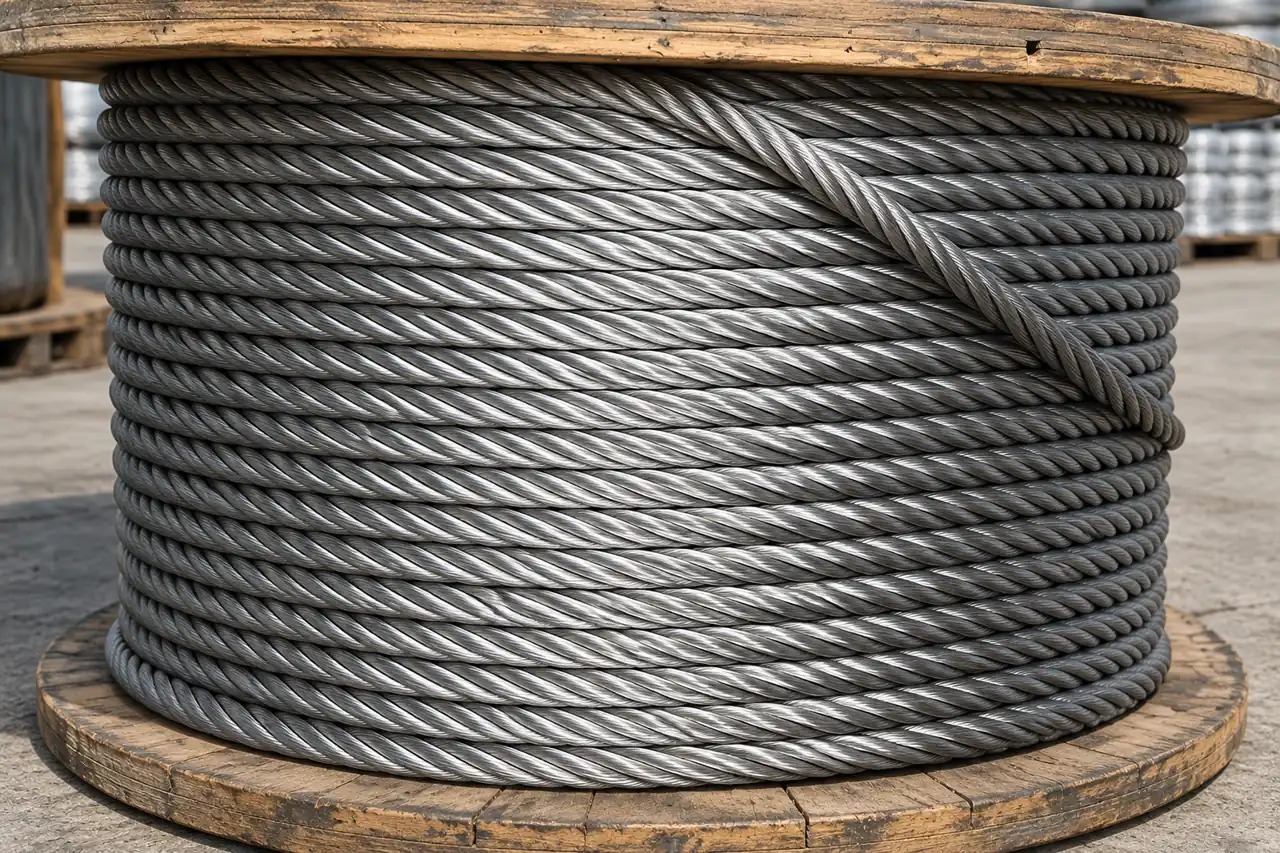
The assembly drawing defines the rope
Treat the complete rope as a designed component, not a substitute for single steel wire. Share the drawing revision, routing and the rope description used by your equipment team. Keep the specified construction and core visible when comparing offers, because matching diameter alone does not establish an equivalent rope.
A catalogue configuration is a starting reference
One of our listed products identifies 6×7 FC galvanized rope in several diameters. That is a catalogue reference to discuss, rather than a universal equipment recommendation. Confirm the selected configuration, current availability and product-specific documents in the technical offer before planning acceptance.
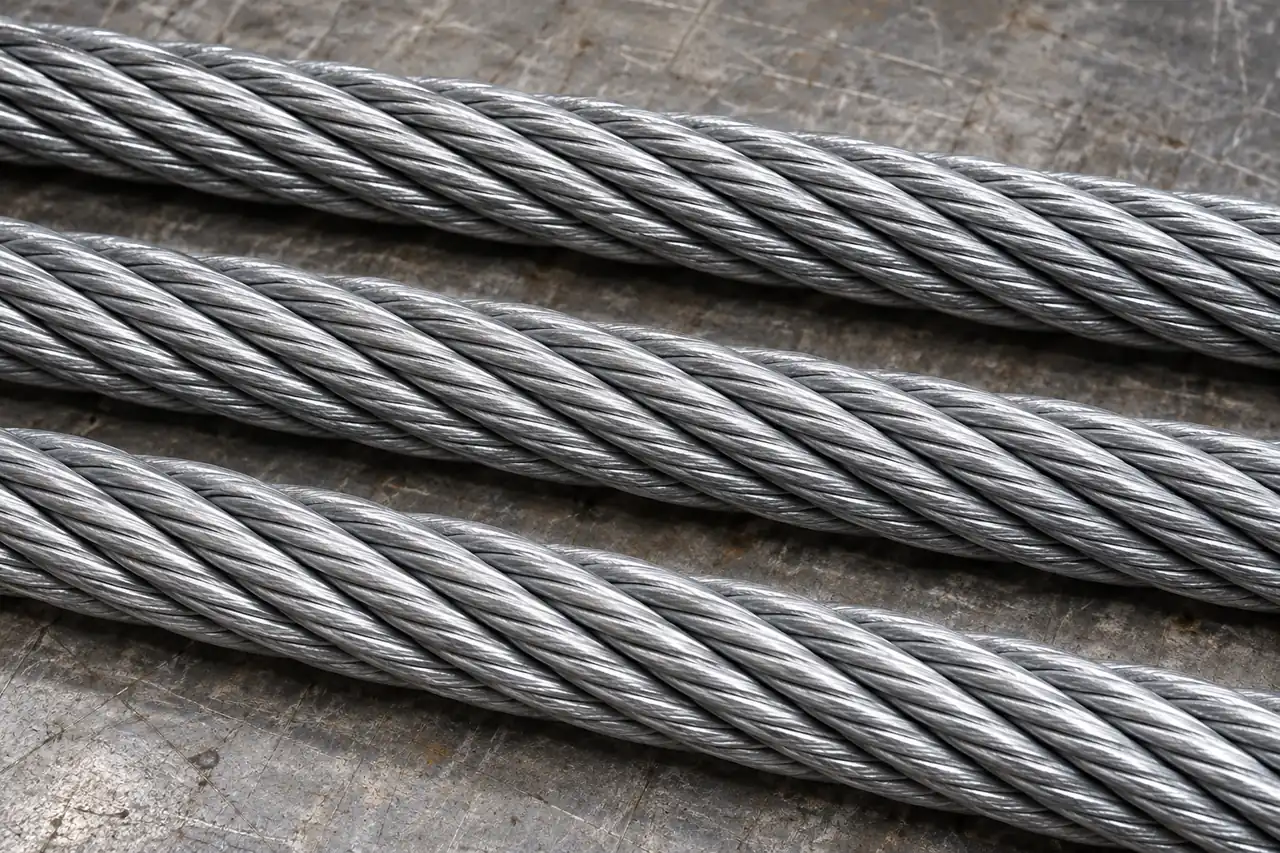
Bare rope and terminated assemblies are different supplies
State whether you need bare rope, cut lengths or an assembly with defined ends. Include termination drawings and the applicable acceptance requirements when an assembly is requested. We should confirm the actual scope offered, rather than assuming that a rope listing includes end fittings or assembly testing.
Application ratings need their own evidence
A material name or construction label does not establish a working-load rating for your equipment. Specify the performance records and testing required by the design. Review the exact rope or assembly covered by those records, with your engineering and compliance team approving suitability before installation.
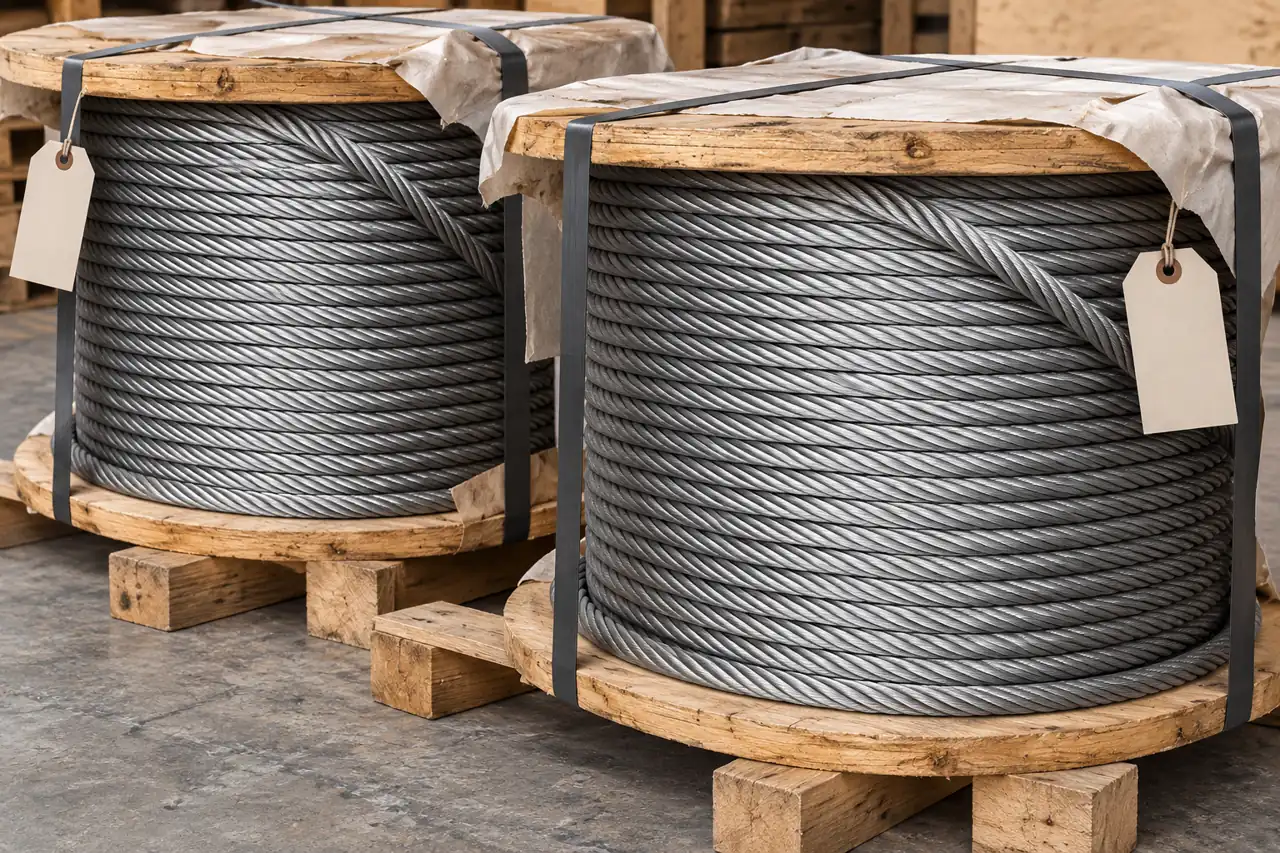
Handling starts with the reel format
Tell us the reel size, rope length and handling limits your production area can accommodate. Include the receiving and storage requirements with the enquiry. We can discuss the proposed supply format in the quotation; a reel photograph does not define the delivered length, weight or packing specification.
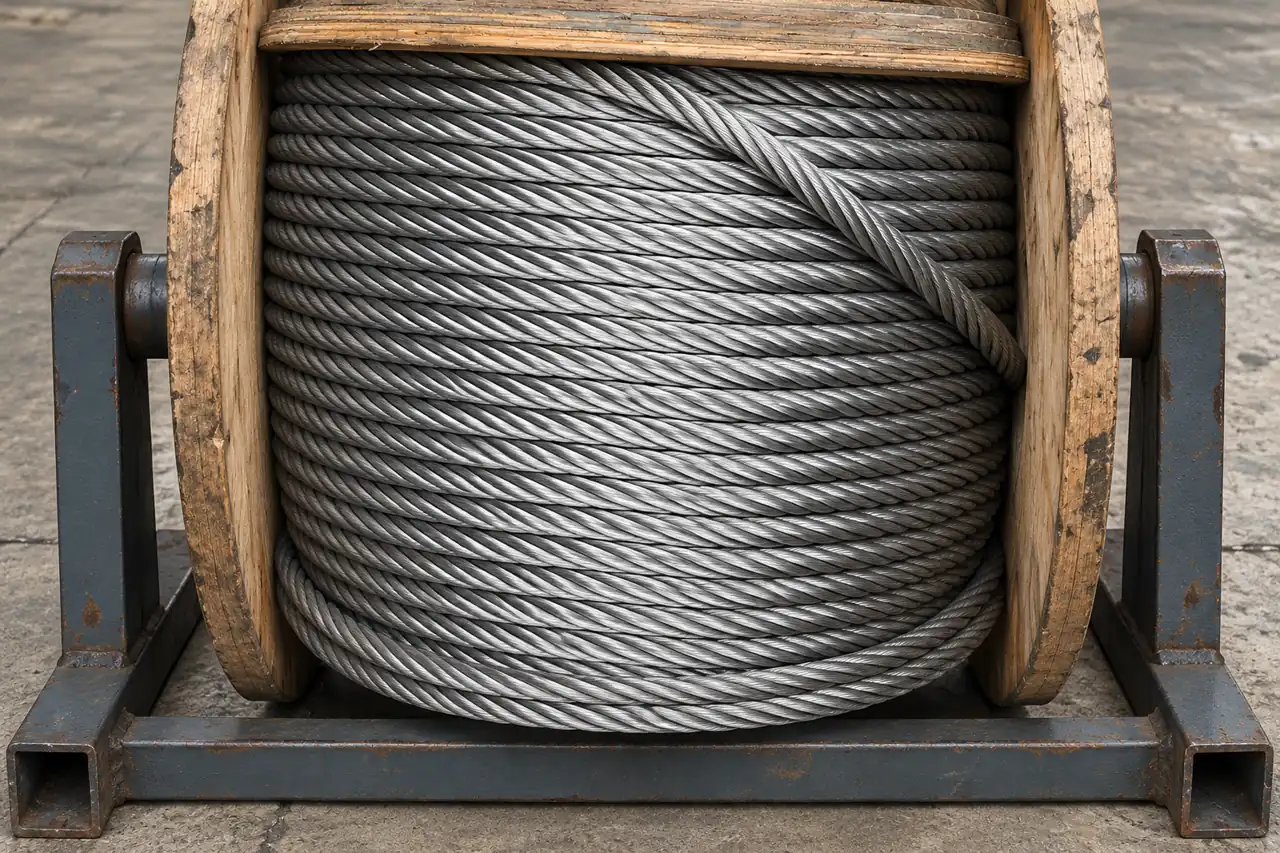
The trial should reflect the equipment duty
Where your approval process calls for a sample or trial assembly, record the configuration and conditions that the review covers. Assess the features identified by your engineering team. Keep any limit on the approval visible, so a successful trial is not extended to a different construction or duty without review.
Identification protects the approved configuration
Include product identification and any required document references in the packing brief. Keep reels and lengths separated through receiving and issue to production. This gives your team a practical way to match the material on hand to the rope and assembly requirements on the drawing.
Design changes belong in the next enquiry
A revised rope route, termination, construction or service requirement can alter the approval basis. Share the change before ordering a replacement or replenishment. We can review the new supply request while your equipment team decides whether the earlier inspection and trial scope still applies.
Send a complete rope supply brief
Send the finished rope diameter, construction, core, lay, coating and required length or quantity. Add termination details where applicable, the inspection scope and destination. Our team can discuss the listed range and confirm the proposed supply, documentation and commercial terms for the individual request.