

10B21 Cold-Heading Wire for Bolt Production Trials
Select 10B21 wire for bolt production as a combination of steel grade, delivered condition, section and surface preparation. The grade name alone does not establish how the wire will upset in your dies or what property class the finished bolt will achieve. For a useful first trial, connect the proposed wire condition to the fastener geometry, drawing reduction, heading sequence and later heat treatment where required.
Use this guide to distinguish material-related forming risks from tooling and lubrication effects. The practical objective is a feedstock specification that runs reproducibly through your chosen route, supported by traceable material and forming evidence.
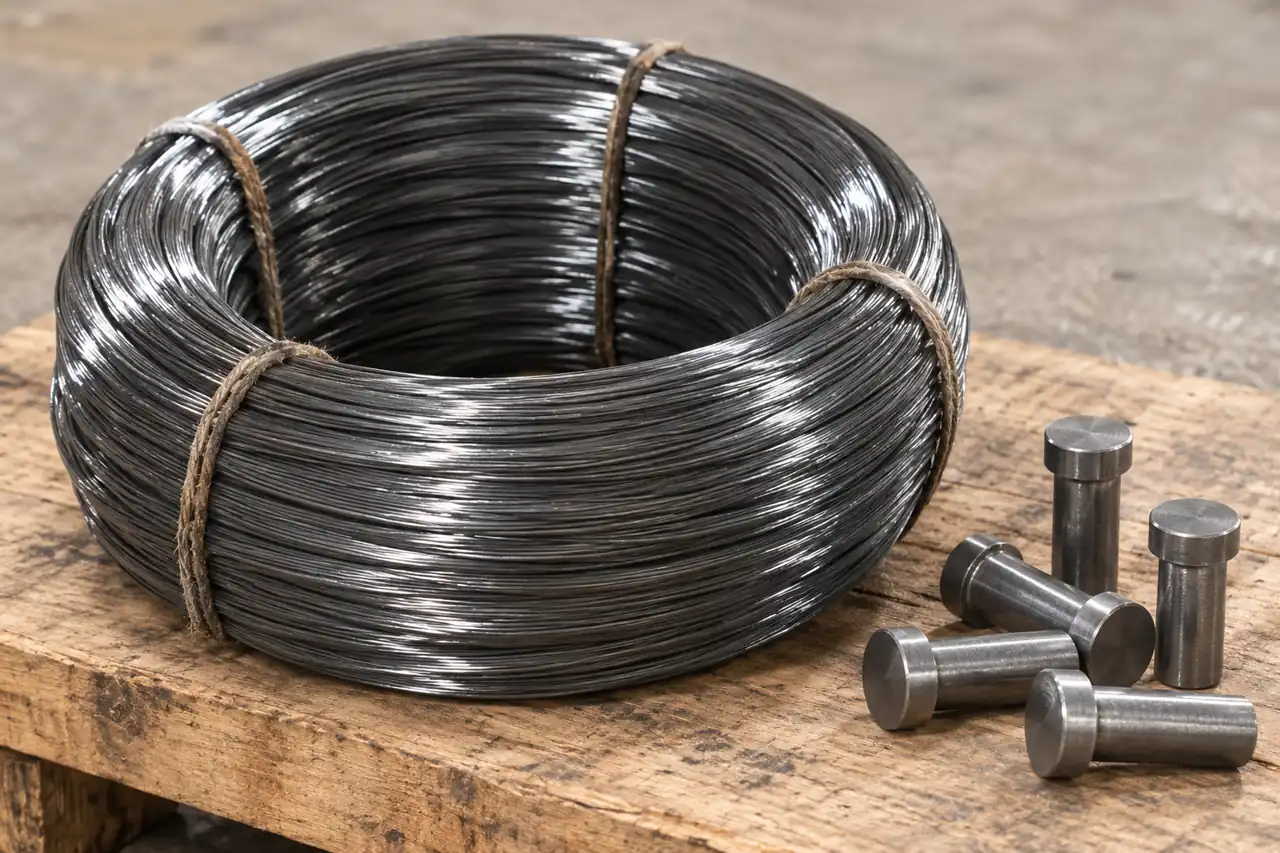
- 01Material identity10B21 grade and heat chemistry.
- 02Delivered conditionTreatment, diameter and surface preparation.
- 03Process validationHeading geometry, tooling and downstream bolt tests.
Wire Manufacturing Scope and the Catalogue Identity
Relia manufactures steel wire and carries out drawing, annealing and galvanizing in-house. For a 10B21 order, that manufacturing scope is the starting point for agreeing the actual grade-specific route and delivered condition. It does not by itself establish that a particular spheroidizing cycle, lubricant coating or automotive qualification has been approved.
The relevant listing identifies 10B21 boron steel, drawn wire and cold-heading applications. Its descriptive diameter range is 5.5–16.0 mm, without actual selectable diameter variants. Treat that range as a catalogue reference for discussion, not confirmed availability at every size. Other retained fields refer to rope, zinc-coated sheet grades and construction use; the technical offer must identify the actual solid heading wire and its intended surface.
| Catalogue information | What it supports | Order clarification |
|---|---|---|
| 10B21 / boron steel / drawn wire | Heading-feedstock enquiry | Offered grade basis, chemistry and condition |
| 5.5–16.0 mm description | Starting diameter discussion | Actual offered diameter and limits |
| ASTM A510 reference | General wire-rod/coarse-wire scope discussion | Applicable edition and individual product requirements |
| Rope and galvanized-sheet wording | No heading-wire property conclusion | Solid-wire form and actual surface preparation |
Chemistry and Surface Integrity Affect Different Stages
Boron-steel identity matters because composition and subsequent treatment influence hardenability and the final material response. A low-carbon construction-grade alternative cannot be accepted simply because it can be drawn to the same diameter. Use the governing material specification to identify the required composition and connect its heat analysis to the delivered coil.
Cold heading also concentrates existing defects. A longitudinal seam or fold can open as metal flows into a head or flange, even when the bulk tensile result appears acceptable. The relevant discussion therefore includes surface integrity and any specified decarburization or cleanliness requirements, with methods and limits chosen for the fastener. A grade label cannot replace these characteristics.
- 01ChemistryDoes the identified heat match the specified material basis?
- 02SurfaceAre seams, folds or decarburization controlled to the agreed requirement?
- 03ConditionCan the delivered structure accommodate the intended deformation?
Drawing History Changes the Load in the Heading Die
Drawing reduces section through die contact and introduces cold deformation. Additional reduction can increase strength and the resistance to further forming. That history matters when your route includes another reduction before heading. Two coils carrying the same grade and final nominal diameter can enter the header in different conditions if their preceding reduction and treatment differ.
Heading then redistributes metal under compression to create the head and other features. The required flow depends on the blank, upset geometry and number of stages. Record the intended starting diameter, intermediate operations and final shape together. Otherwise a forming failure may be attributed to chemistry when the actual mismatch is the condition entering an overly demanding stage.
- 01Starting materialIdentify grade, heat and supplied condition.
- 02Any further drawingRecord the intended reduction and surface preparation.
- 03Condition entering the headerDefine the mechanical and microstructural basis.
- 04Staged upsettingMatch blank geometry, tooling and lubrication.
Soft-Annealed and Spheroidized Are Not Identical Descriptions
An annealing description needs an intended structure and property range. Spheroidizing promotes a more rounded carbide morphology instead of a strongly lamellar carbide arrangement; this can help cold-forming response. A useful assessment links the microstructure with hardness, strength and ductility rather than relying on the word annealed alone.
Original 10B21 research studies treatment conditions and resulting mechanical properties. Other original research develops a 10B21 route designed to avoid a separate anneal through composition and controlled rolling/cooling. The procurement implication is that the grade name does not dictate one universal pre-heading cycle. Agree the route that fits your forming requirement and ask for evidence of its result; no specific Relia spheroidizing recipe is asserted here.
| Description | Useful technical meaning | Evidence to agree |
|---|---|---|
| As drawn | Condition after the stated reduction history | Dimensions and mechanical properties |
| Soft-annealed | Treatment intended to support subsequent forming | Named condition, hardness/strength and ductility |
| Spheroidized where specified | Carbide morphology relevant to forming | Microstructure method and acceptance plus mechanics |
| Alternative qualified route | Different preparation meeting the same process need | Documented route and representative trial result |
Surface Preparation Controls Friction as Well as Appearance
High contact pressure in heading makes the wire-tool interface important. A suitable lubricant system and carrier, where used, help metal move without excessive friction or pickup. A clean-looking bare surface, a zinc coating and a heading lubricant system are different surface conditions. Identify the one actually supplied and what your line adds or removes before heading.
If a trial shows scoring or die pickup, retain the affected surface and record lubrication, preparation and tooling condition. Splits at a head can have several causes, including a seam, excessive local deformation or poor material condition. Inspect the defect location and process history before changing the grade or increasing lubricant indiscriminately. These diagnostic examples are not claims of observed faults in a particular supplied lot.
| Observation | Technical possibilities to separate | Useful comparison |
|---|---|---|
| Longitudinal opening at the head | Inherited seam versus forming crack | Unformed wire surface and defect location |
| Scoring or die pickup | Friction, lubricant and tool condition | Surface preparation and tooling history |
| High forming load | Condition, blank geometry or process demand | Mechanical result and staged setup |
| Inconsistent head fill | Blank volume, feed or material flow | Blank length/diameter and station result |
Measure the Wire as Feedstock, Not as a Finished Bolt
Diameter and ovality influence feed, blank volume and die entry. For round wire, area varies with the square of diameter: small dimensional changes can alter the material available for the head at the same cut length. Record actual minimum and maximum readings, sampling locations and the agreed dimensional limits. The catalogue's generic ±1% field is not adopted here as a cold-heading tolerance.
Link chemistry, dimensions, mechanical tests and any specified surface or microstructure assessment to the trial coil. ASTM A510/A510M provides a general-requirements framework for wire rods and uncoated coarse round wire; it does not certify a finished bolt property class. Select the individual wire and fastener requirements appropriate to the order rather than using a general standard label as the whole acceptance plan.
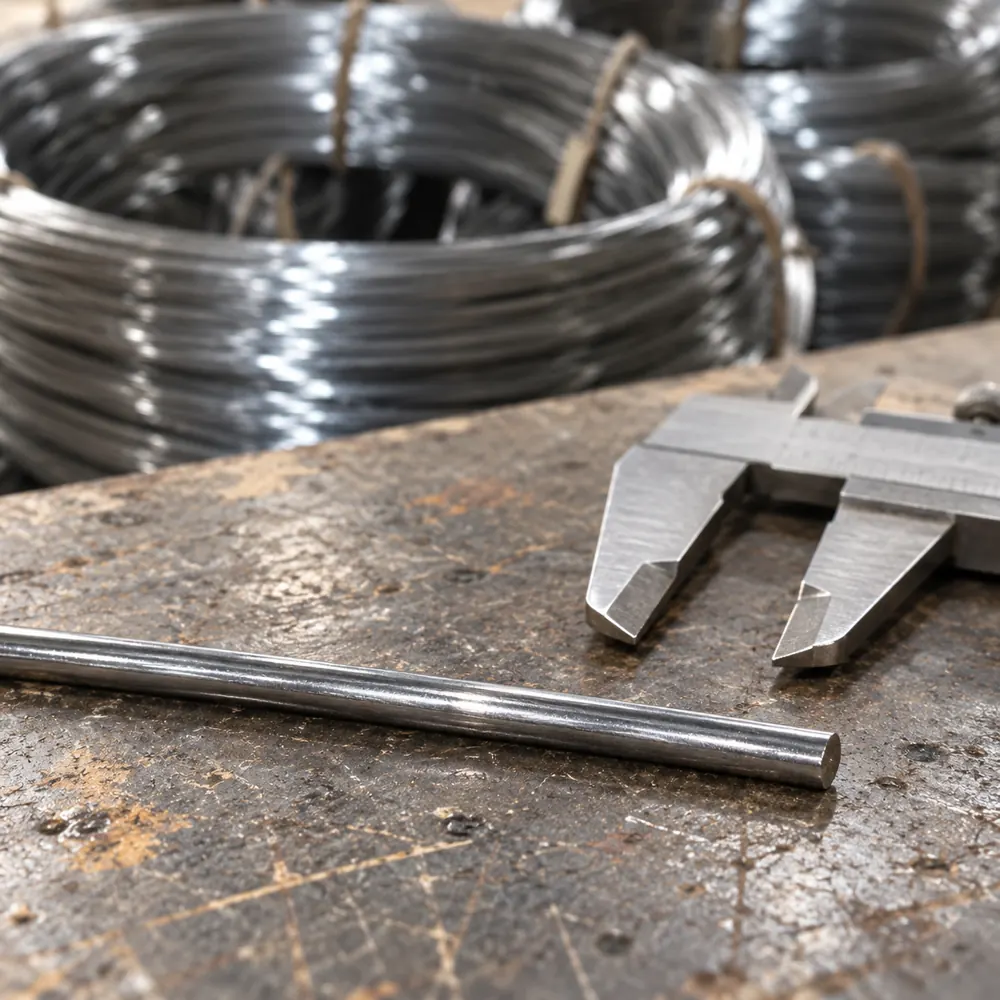
- 01IdentityGrade basis and heat linked to the coil.
- 02GeometryDiameter, ovality and blank-volume implications.
- 03ConditionMechanics, surface and specified microstructure evidence.
Finished Bolt Performance Belongs to the Complete Route
A 10B21 wire approval is a feedstock decision. The bolt's final properties also depend on forming, thread production and any specified heat treatment or coating. Establish the downstream route before interpreting a successful heading trial as proof of a finished fastener rating. Testing at the component stage answers a different question from a wire tensile test.
During validation, mark which samples represent the raw wire, headed part and completed fastener. This lets a later fracture, dimensional error or coating issue be investigated at the correct stage. The flow below describes a representative buyer production route; it does not imply that Relia performs every downstream operation or supplies a qualified finished bolt.
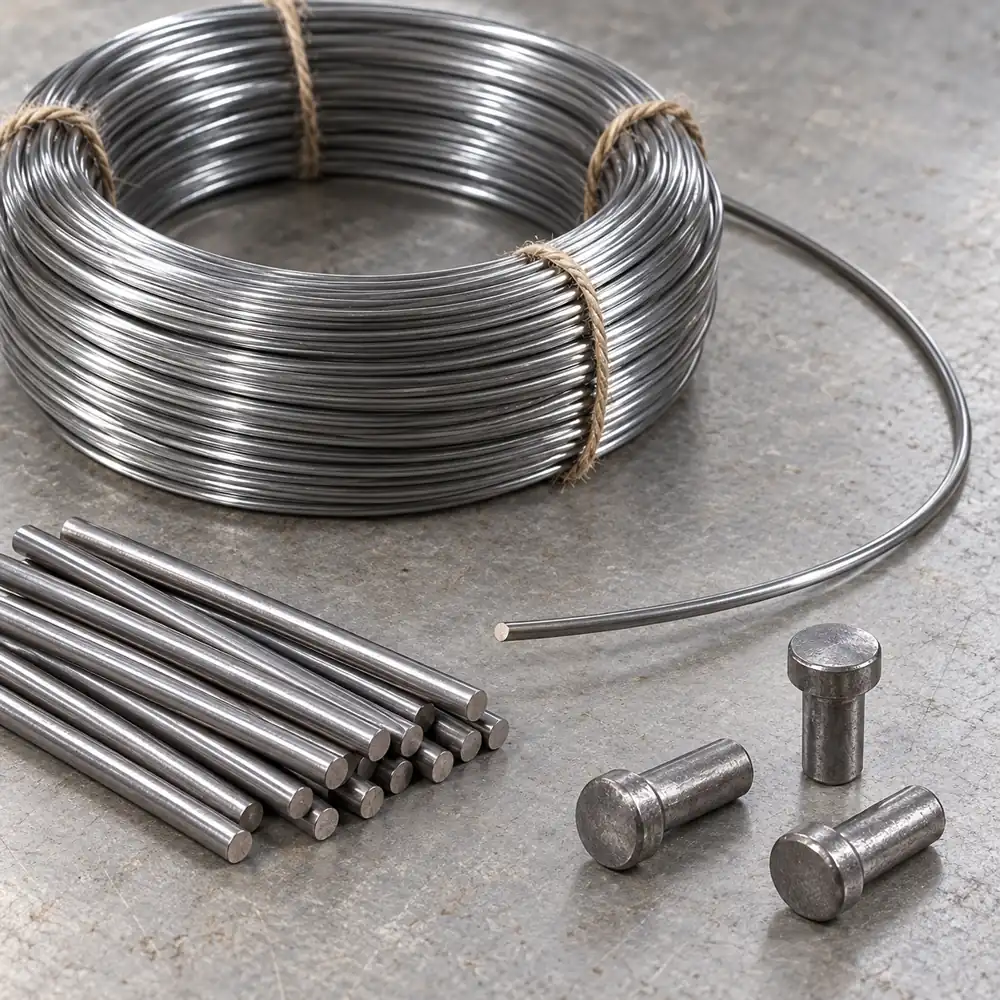
- 01Wire acceptanceRelease the defined grade, condition and section.
- 02Prepare and headApply the specified preparation and forming sequence.
- 03Create threads and complete treatmentUse the approved route, including heat treatment where required.
- 04Test the finished fastenerVerify dimensions and required final properties separately.
A Production Trial Should Leave an Explainable Release Basis
Use a representative fastener, die set and operating range, and retain the coil identity throughout the trial. Record feed stability, scrap type, defect location and any machine adjustments. A trial that only reports passed gives little help when a later coil behaves differently. The release basis should identify both the accepted feedstock and the process conditions under which it worked.
For repeat orders, control changes to grade source, delivered condition, diameter and surface system. If a change is proposed, determine which evidence must be repeated rather than treating every change as equivalent. Commercial quantity, packaging and delivery can then be agreed against a defined product, without borrowing unverified catalogue MOQ or lead-time fields.
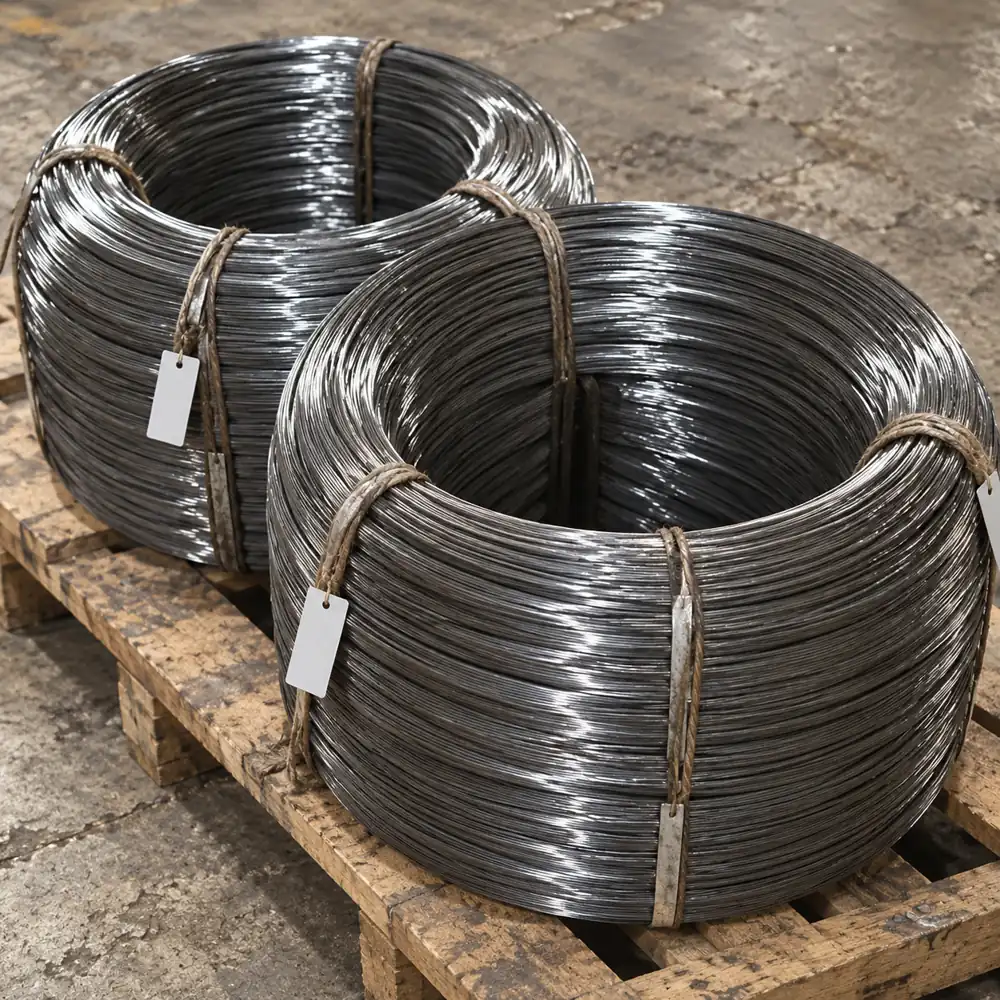
- 01Trial identityCoil/heat, drawing revision and prepared condition.
- 02Process observationsSetup, scrap categories and retained defect samples.
- 03Release revisionApproved feedstock and changes that trigger review.
Send the Fastener Drawing and Intended Preparation
Send your fastener drawing, required starting diameter, specified 10B21 material basis and the operations before and after heading. Include the required supplied condition, lubrication/preparation route and any known split, pickup or feed problem. We can then discuss the relevant wire manufacturing operations and identify which grade-specific treatment and test evidence must be established for the offer.
Contact Qingdao Relia Industries Co., Ltd. at [email protected], +86 185 6176 2631 or WhatsApp +1 404 203 0971. The contact address is Shuyuan Road, Qingdao, Shandong, China. Use the enquiry form with the drawing revision, trial quantity and acceptance requirements.
- 01PartDrawing, blank and critical formed features.
- 02MaterialGrade, supplied section and required condition.
- 03ValidationPreparation route and wire/fastener acceptance stages.
Contact address: Shuyuan Road, Qingdao, Shandong, China
Technical references and scope
- ASTM A510/A510M: Wire Rods and Coarse Round Wire — public scope
- NPTEL: Wire and Tube Drawing
- NPTEL: Drawing Defects
- Improvement of Mechanical Properties of Spheroidized 10B21 Steel Coil Using Taguchi Method of Robust Design
- Development of non-annealing cold heading steel 10B21 hot rolled wire rod
General process and test references explain selection principles. The selected product specification and order records govern acceptance.