

Aluminium Coil for Roofing and Cladding Forming Lines
Choose aluminium forming coil around the profile, temper and visible face your line must deliver. This guide connects material state and gauge with critical bends, surface contact and payoff fit. It helps you define one real coil package and a controlled trial that judges profile geometry and appearance separately before repeat supply is approved.
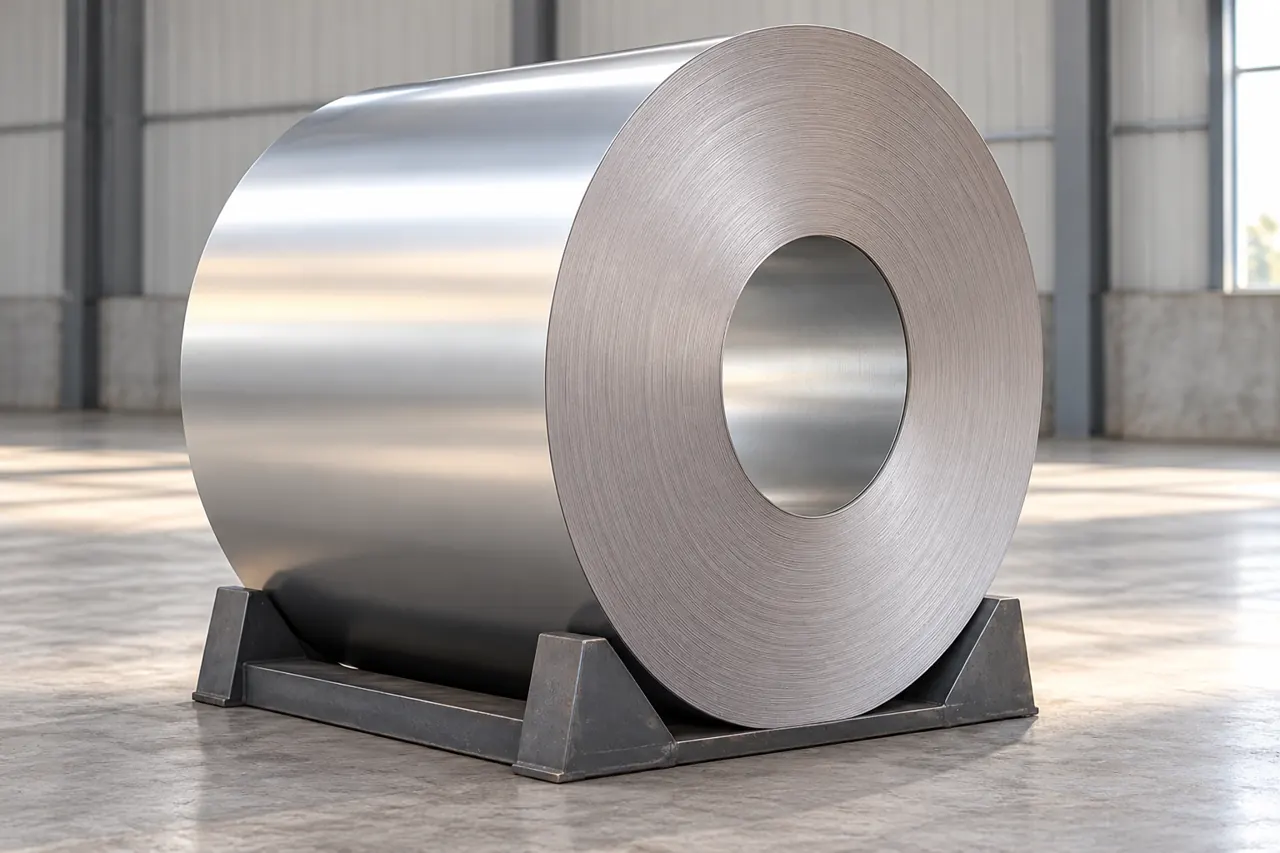
Define the coil through the formed panel
For a roofing or cladding forming line, choose aluminium coil by the alloy-temper and profile you need to make, then match gauge, width and payout to the line. A harder temper is not automatically a better choice for a tight fold, and an attractive flat face may change during forming. Relia supports aluminium supply and selection. Send the profile, visible-face brief and coil-handling limits so the offer can identify one real material package and a representative forming trial before coating or installed-panel performance is discussed.
- Profile targetIdentify critical bends, laps and visible faces on the intended panel drawing.
- Coil selectionSet actual alloy-temper, gauge and strip dimensions for the forming line.
- Trial releaseApprove geometry and appearance separately with input and setup identity retained.
Selection context and decision detail
| Buyer requirement | Relia response | Evidence / condition |
|---|---|---|
| Formable architectural input | Aluminium coil supply and selection | Selected alloy-temper and critical profile |
| Usable line package | Gauge/edge/payoff review | Actual coil form and intended forming trial |
| Repeatable acceptance | QC and batch-record scope agreed | Material, profile and visible-face evidence linked |
Aluminium coil supply needs a defined material route
Identify aluminium producer and processing responsibilities separately from the confirmed manufacture of steel plate and coil.
Relia supports aluminium coil selection and supply; aluminium rolling, annealing, heat treatment and coating ownership are not confirmed as in-house. Company incoming, in-process and final QC and corresponding batch records are confirmed. Agree the actual producer, downstream allocation and represented coil evidence for the selected offer.
Product 1282 describes coil/plate/roll forms, a 0.1–30 mm thickness label, 10–2000 mm width and multiple alloys. H24/H34 requests appear alongside T351–T851 wording. Choose actual alloy-temper, gauge and coil form rather than treat every listed combination as available.
- Producer and routeConfirm actual aluminium producer and the processing responsibility for the selected offer.
- Selected materialDefine exact alloy-temper, actual gauge and whether the proposed supply is coiled.
- Represented evidenceAgree the material, dimensional and surface records relevant to that package.
Temper describes a process state with a forming consequence
Specify the exact alloy-temper because similar hardness does not establish equivalent treatment history or forming behaviour.
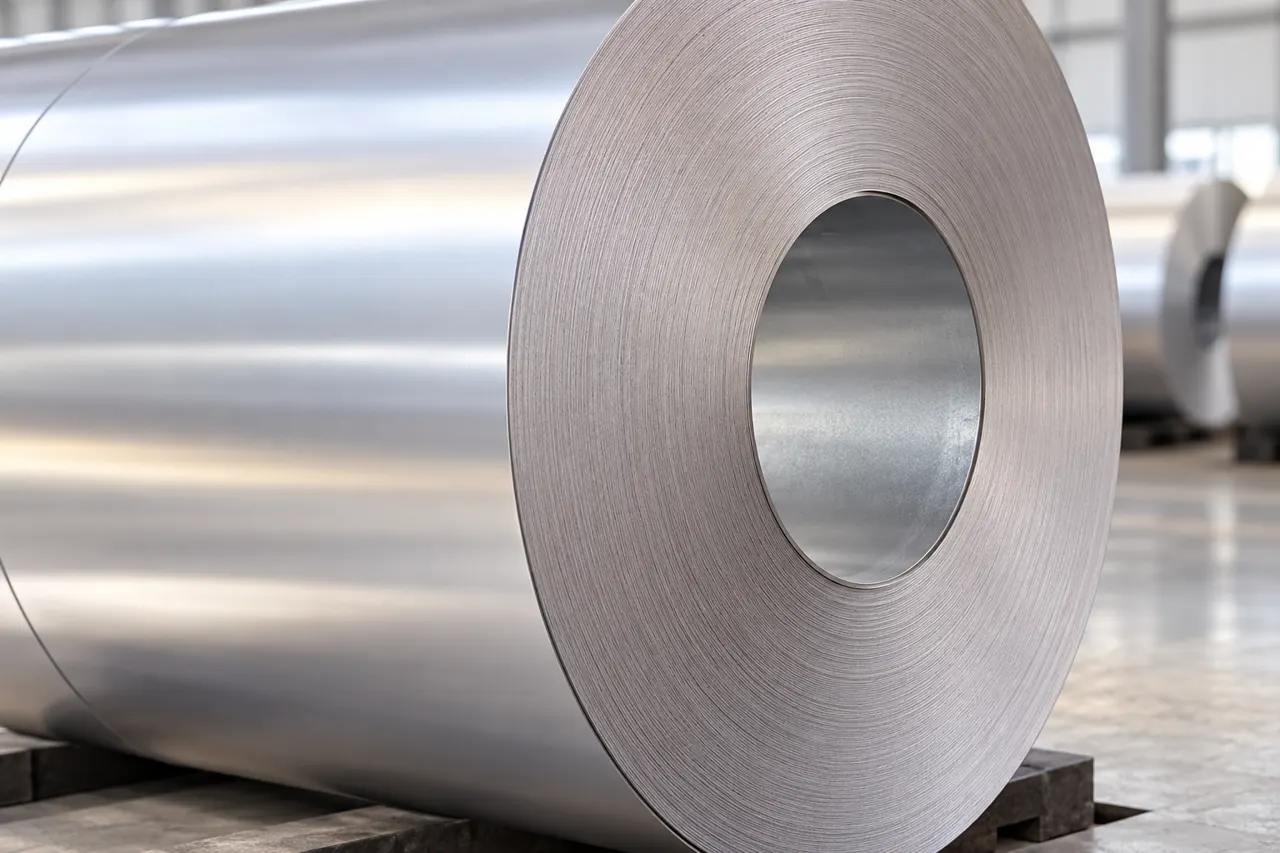
Select the actual treatment-state designation
H2 conditions involve strain hardening followed by partial annealing; H3 conditions involve strain hardening and stabilization. T tempers use different thermal-treatment histories. A similar final hardness label therefore does not prove identical material state or fabrication behavior.
Specify the exact alloy-temper and represented requirements. Do not substitute a broad T range for an H-temper order or assume one temper applies to every alloy.
- H2 conditionReview the required strain-hardened and partially annealed state for the selected alloy.
- H3 conditionReview the required strain-hardened and stabilized state as a distinct material condition.
- T conditionSpecify the actual thermal-treatment designation rather than substituting a broad family range.
Product references for your shortlist
Open the product details, then discuss the exact specification for your application.
Aluminium forming-coil enquiry
A candidate to define by one alloy-temper, actual coiled gauge and strip format for roofing or cladding profiles.
The critical bend should determine the trial geometry
Use the tightest folds and important lap features to define the actual trial instead of assuming a universal bend allowance.
Forming imposes tension and compression around bends, followed by elastic recovery when tooling releases the material. Alloy, condition, thickness, radius and direction influence whether the required profile can be produced without unacceptable cracking or geometry change.
Trial the tightest fold and important lap/edge features under the intended sequence. No universal minimum radius or springback allowance is prescribed.
- Critical geometryInclude the tightest fold and important lap or edge features in the sample.
- Material orientationRetain actual alloy, condition, thickness and direction with the intended bend sequence.
- Released profileAssess cracking and final geometry after the actual tooling releases the formed material.
Gauge and width should use the installed profile basis
Define input gauge, width and edges separately from the installed profile and its effective cover.
Define actual thickness and limits plus slit width, edge and camber requirements for the selected line. Profile and effective cover are downstream dimensions; they cannot be inferred from flat coil width alone.
Preserve the approved panel drawing and support/fastener design as separate engineering inputs. Material formability does not establish roof span, wind resistance or facade-system approval.
- Input dimensionsSpecify actual thickness and slit-width limits for the selected forming line.
- Edges and trackingDefine edge and camber requirements relevant to guides and the finished visible edge.
- Installed geometryRetain the approved profile and effective-cover basis separately from flat coil width.
Surface pickup and film need a sequence-based check
Compare incoming and formed faces consistently to locate handling, tool-contact or film-related surface changes.
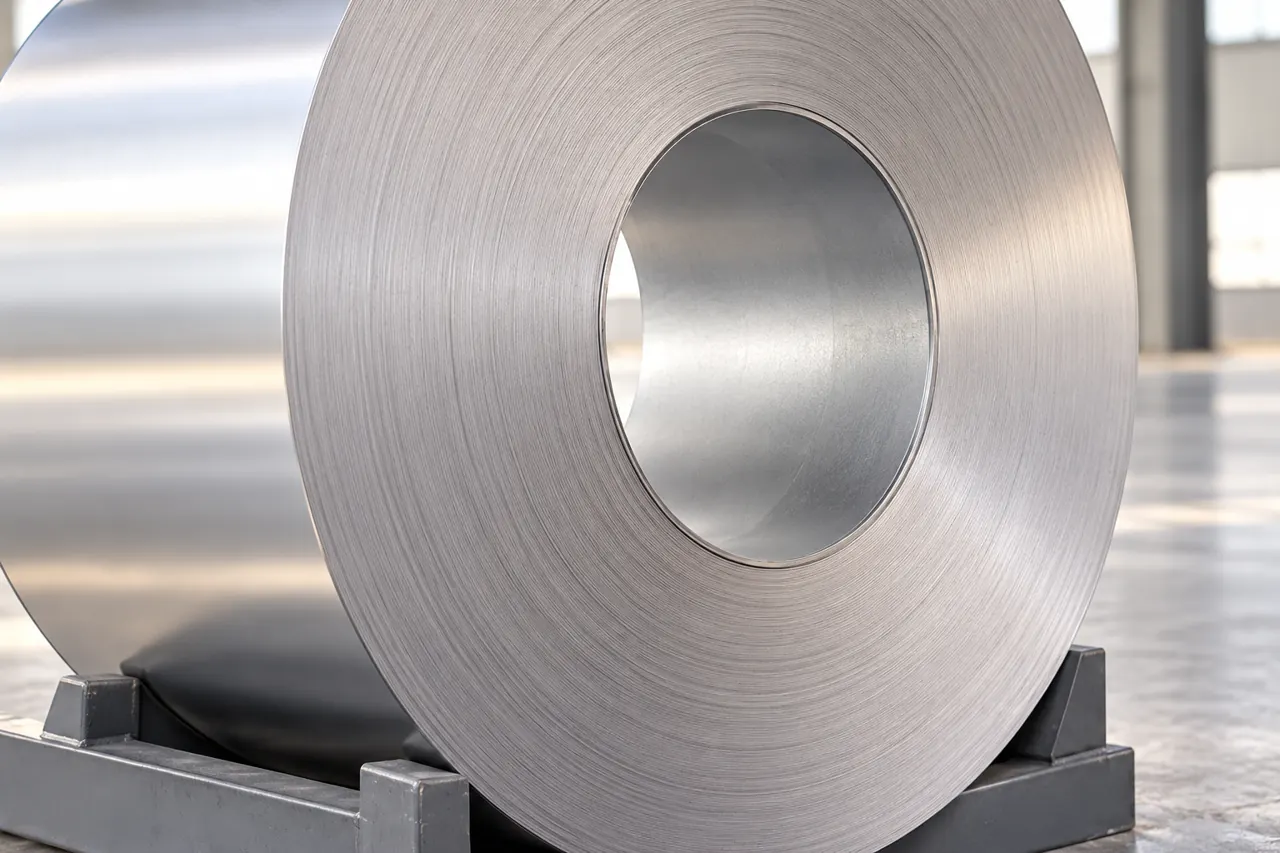
Locate surface change through the forming sequence
Aluminium surfaces can be marked by handling, debris or tooling contact. Compare retained input and formed samples at the same lighting/direction, locating marks against contact paths and bends.
If coated or protected material is requested, define the actual coating/film system, visible face and acceptance stage. The bright uncoated-looking coil illustration is not proof of a selected paint system or colour.
- Input referenceRetain the accepted face and viewing direction before the coil enters tooling.
- Formed referenceCompare marks at bends and contact paths under the same lighting conditions.
- Protection systemDefine any requested film or coating and the stage at which appearance is accepted.
The payout package must fit the actual line
Match bore, envelope, winding and handling limits to the payoff rather than assuming every thickness is coiled.
Specify coil bore, outside envelope, handling limits, winding and any permitted joints with the payoff and entry arrangement. A broad sheet thickness range does not establish that its thickest entries can be supplied on that decoiler.
Agree package protection and receipt checks for edges and outer wraps, preserving lot identity before production.
- Coil openingSpecify the bore accepted by the actual payoff and entry arrangement.
- Outer envelopeAgree outside dimensions and handling limits for the selected coiled supply.
- Winding and jointsDefine winding, permitted joints and protection of edges and outer wraps.
A line trial should measure both profile and visible face
Measure profile geometry, bend condition and visible face separately under one identified material and setup baseline.
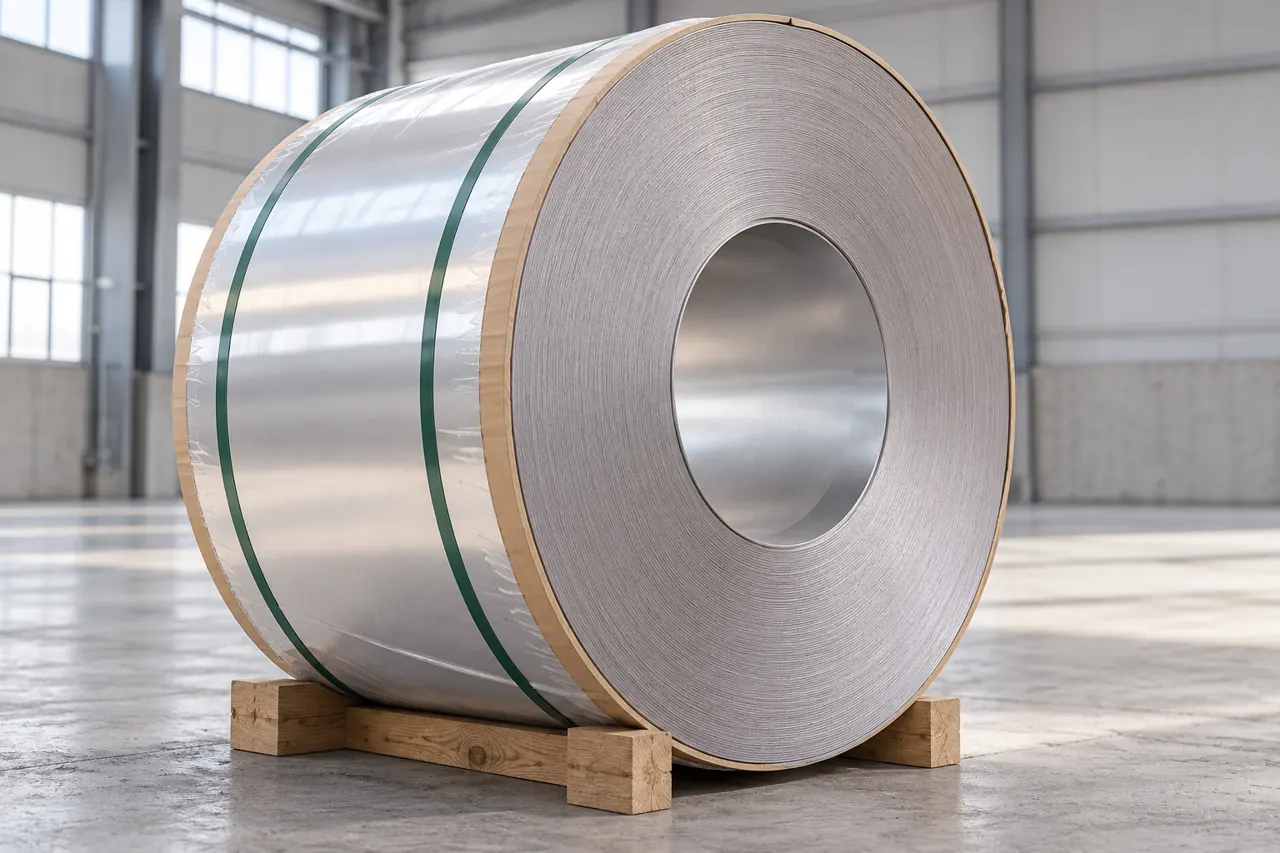
Keep the profile trial interpretable
Use the offered alloy-temper and actual gauge with the intended tools and sequence. Record critical profile/lap dimensions, bend condition and surface observations separately, retaining input identity and relevant setup.
When comparing candidates, do not change alloy, temper and tooling simultaneously. A flat coupon or a bright coil photograph cannot establish the trial result.
- Selected materialUse the offered alloy-temper and actual gauge with identified input stock.
- Actual toolingRetain the intended tools and sequence while recording the relevant setup.
- Separate resultsAssess profile and lap dimensions, bends and visible faces against their own criteria.
QC records and repeat orders should preserve the qualified package
Preserve the qualified alloy-temper, dimensions and surface package when reviewing repeat lots or changes.
Connect actual alloy-temper, dimensional checks and surface requirements to the represented batch and accepted formed sample. Review producer, condition or coating changes before substitution.
Company QC capability does not establish a particular instrument, inspection frequency, coating line, corrosion life or numerical forming guarantee. Those requirements need the selected offer and evidence.
- SpecifySelected coil combination
- TrialFormed profile and inspection
- ApproveControlled material revision
- RepeatReview changes and actual lot identity
Prepare the coil and formed-profile brief
Send the profile, selected condition and line limits so one actual aluminium coil offer can be defined.
Share the panel profile and the material state your line needs. We can review one coil package and a trial that checks critical bends, dimensions and visible faces.
Qingdao Relia Industries Co., Ltd.
Contact address: Shuyuan Road, Qingdao, Shandong, China
- Exact alloy temper and gauge
- Strip width edge and camber
- Critical bends laps and profile
- Visible face coating or film
- Payoff limits and trial evidence
Enquiry scope and supporting detail
Send actual material designation and temper, gauge/width limits, profile drawing and critical bends/laps. Add visible-face or coating requirements, payoff limits and the records used to accept a trial. We can then define one aluminium coil package and processing responsibility, with commercial conditions based on the selected form rather than a broad catalogue range.
- MaterialAlloy, temper and dimensions
- SurfaceCoating and appearance basis
- LineCoil envelope and profile trial
- SupplyRecords, packing and destination