

Galvanized Rectangular Tube for Outdoor Fence Frames
For an outdoor fence frame, specify the hollow-section geometry and the stage at which it is galvanized together. This guide helps you define bracket fit, corners and welds, then check distortion and coating around a representative frame joint. Use it to build a tube offer that matches your actual fabrication sequence.
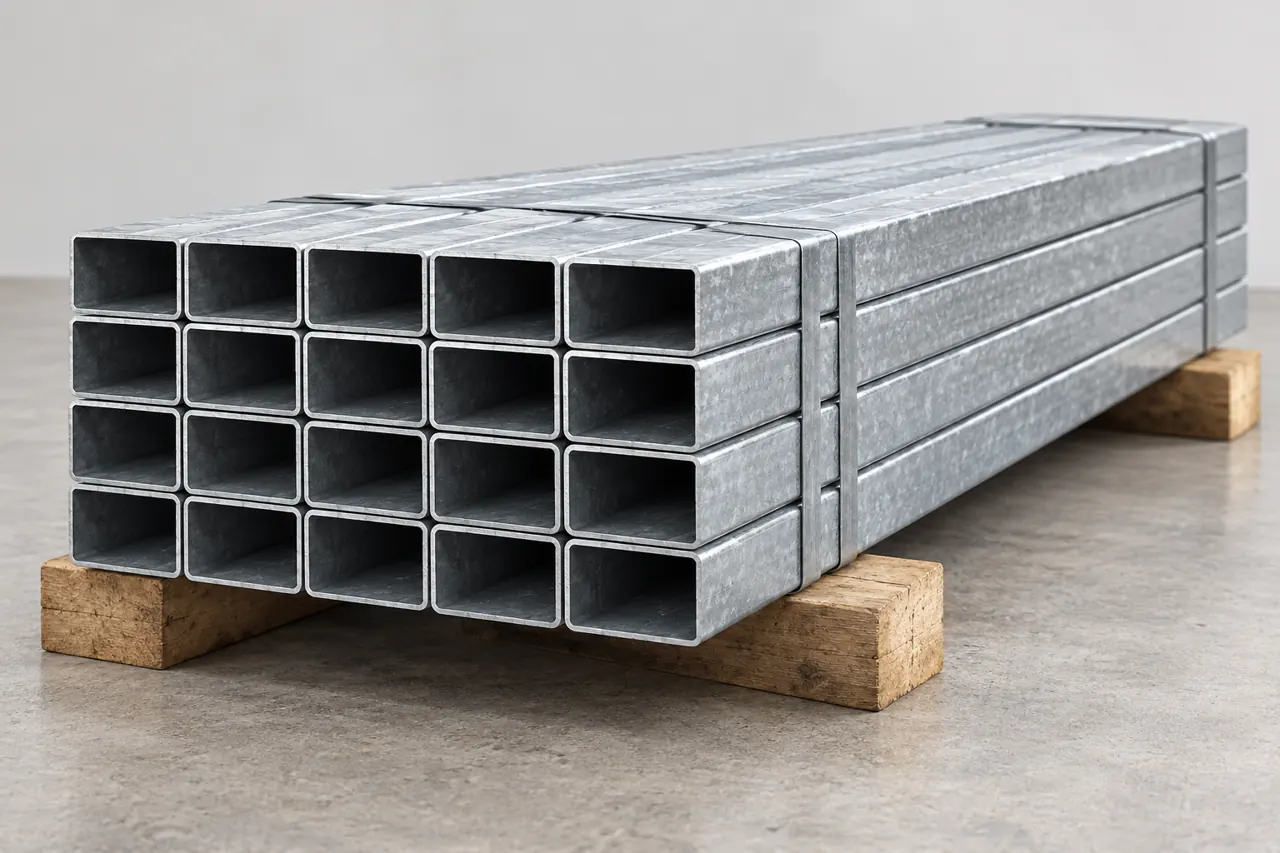
Choose tube around the frame and coating route
For welded fence frames, choose galvanized hollow section by the frame drawing and the coating sequence you will actually use. Start with the specified square or rectangular sides, wall and connection details; use round tube only where the design calls for it. Relia manufactures steel pipe, but its square-tube and round scaffold listings do not form one interchangeable fence specification. Send the section schedule and tell us whether cutting and welding occur before or after coating so the offer can address fit, exposed edges and relevant acceptance records.
- Section drawingDefine rectangular or square outside sides, wall and the connections that require fit.
- Fabrication sequenceState whether cutting and welding occur before or after the selected coating operation.
- Trial referenceCheck a representative corner for geometry and the coating condition around its joint.
Selection context and decision detail
| Buyer requirement | Relia response | Evidence / condition |
|---|---|---|
| Fence-frame fit | Hollow-section supply review | Actual sides, corners, wall and connections |
| Coating continuity | Order-specific coating/fabrication scope | Before/after fabrication route and altered areas |
| Repeatable acceptance | Incoming/process/final QC and batch records | Geometry, material and coating evidence separated |
Pipe manufacture and coating scope need separate definition
Identify the tube route, coating provider and further fabrication scope for the selected pipe-manufacturing offer.
Relia manufactures welded and seamless steel pipe, performs incoming, in-process and final inspection, and can provide corresponding batch records. The actual tube route, coating responsibility and further fabrication are defined for the selected order. Wire galvanizing capability does not establish every hollow-section galvanizing operation as in-house.
Product 1280 identifies square ERW tube but also mentions rectangular/round forms, with a 0.5–12 mm wall range and 12 m or required lengths. Product 1272 is round Q235B ERW tube with 1–9 mm wall and 6/12 m options. Neither supplies a completed rectangular fence drawing.
- Tube manufactureIdentify the actual welded or seamless route and selected grade within the offered pipe supply.
- Coating providerAssign the hollow-section coating operation separately from confirmed steel-wire galvanizing capability.
- Further fabricationState included cutting or joining and connect relevant tube and coating records to the order.
Outside sides and corners control the frame interface
Specify outside sides, wall, corners and twist against bracket and fixture interfaces, using an explicit coating-stage basis.
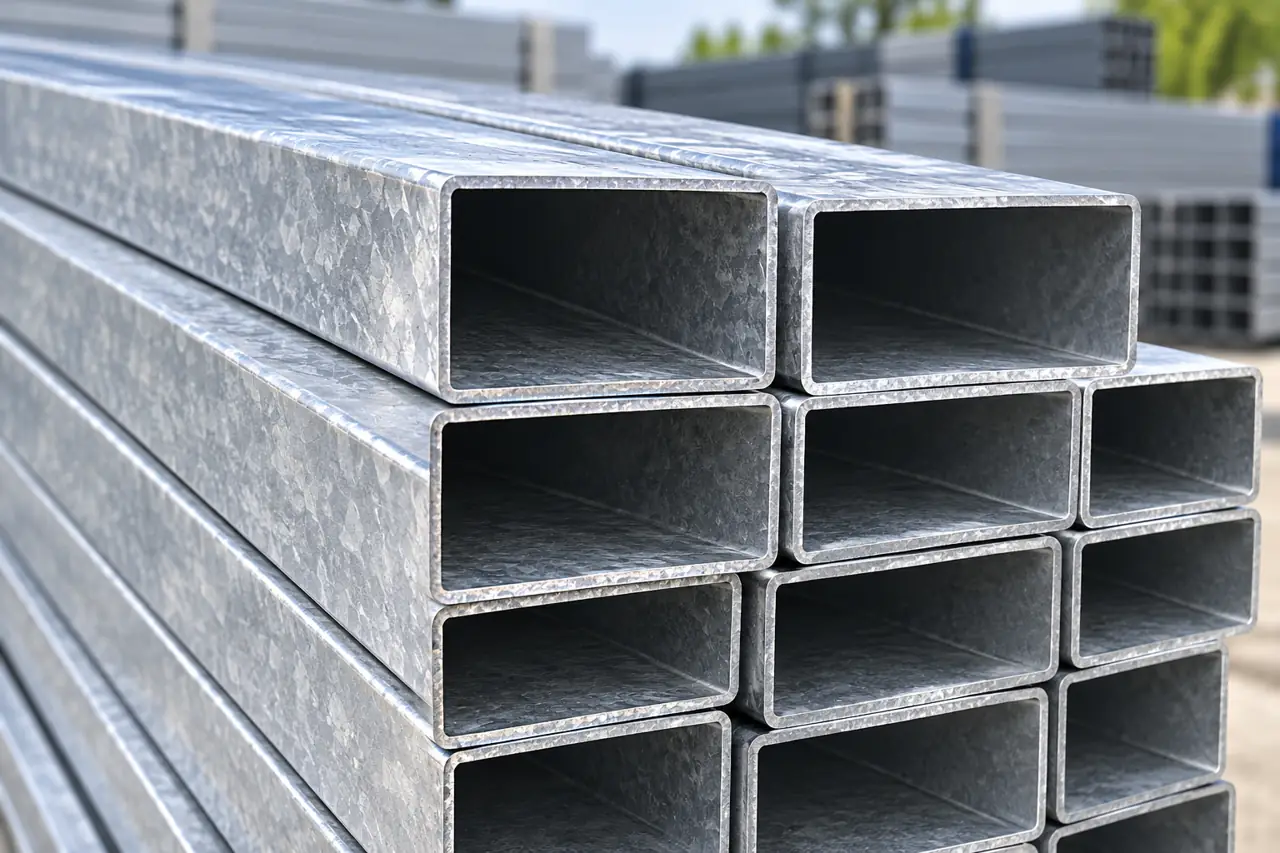
Measure the dimensions that control frame fit
Measure the required outside sides, wall, corner form and straightness rather than choosing by nominal width alone. A corner radius can affect a close-fitting bracket, and twist can prevent a frame from lying in its fixture.
Specify which dimensions are assessed before or after coating. The rectangular illustrations show the relevant form; they do not resolve the square-field ambiguity in the listing.
- Outside sidesSet actual section dimensions and wall limits against the member and bracket drawing.
- Corners and twistCheck geometry that can prevent bracket engagement or seating in the frame fixture.
- Coating stageState whether the required dimensions are assessed before or after the coating operation.
Product references for your shortlist
Open the product details, then discuss the exact specification for your application.
Galvanized hollow-section enquiry
The primary enquiry reference for a defined square or rectangular member used in an outdoor fence-frame drawing.
Round galvanized tube enquiry
A separate round-tube reference only where the fence or support drawing explicitly calls for a round member.
The coating sequence changes where steel remains exposed
Define how cuts and welds are protected when coating precedes fabrication, or access is provided when galvanizing follows it.
Tube galvanized before fabrication can expose steel at subsequent cuts or weld zones. Galvanizing a completed hollow fabrication requires cleaning and zinc access plus suitable venting and drainage. These are different production plans, with different responsibilities at joints.
Agree the sequence and treatment of altered areas. A metallic exterior does not establish the internal coating condition or a corrosion lifetime.
- ChooseCoat tube or completed fabrication
- DefineCuts, welds and hollow access
- ReviewRepair or vent/drain design
- AcceptGeometry and coating at stated stage
Closed fabrication details require a reviewed coating design
Have the fabricator and galvanizer review venting, drainage and hole details before a hollow frame is completed.
If immersion galvanizing follows fabrication, have the fabricator and galvanizer review vent/drain access and the intended immersion orientation. Do not seal hollow spaces and assume the coating process will solve access. The accepted design must also retain the fence connection requirements.
Hole layout, fabrication responsibility and any later closure should be explicit rather than improvised after the frame is welded.
- Access and drainageHave the fabricator and galvanizer review venting, drainage and the intended immersion orientation.
- Connection detailsPreserve approved fence connection requirements when locating holes and preparing the hollow frame.
- Closure responsibilityDefine fabrication and any later closure explicitly before the welded component reaches coating.
The frame trial should locate distortion before release
Trial an actual corner or panel, separating incoming shape, cut accuracy, weld distortion and coating results.
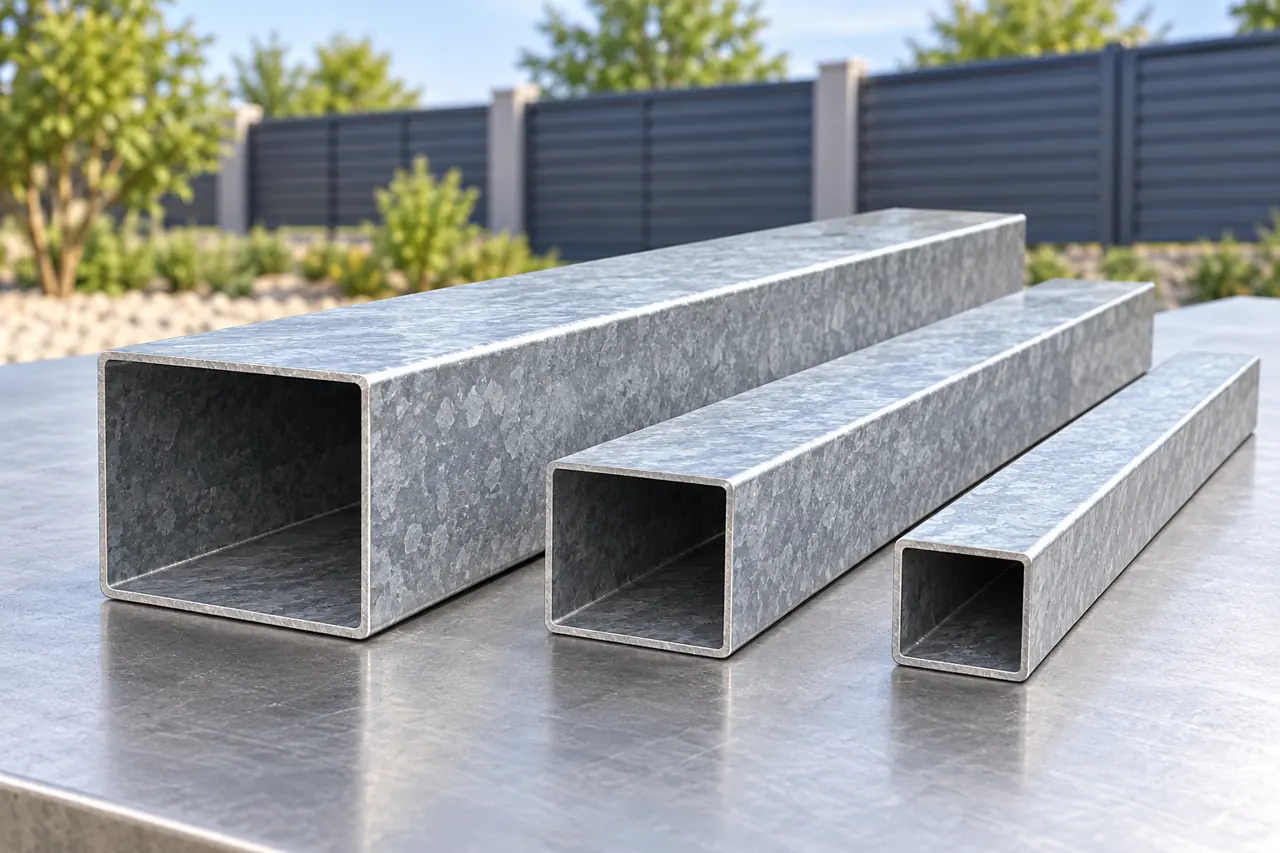
Check a representative corner before volume release
Assemble a representative corner or panel using identified section, intended cut lengths and the actual joining sequence. Check diagonals, seating and connections at the agreed stage. Then inspect coating continuity or required repair around the joint.
A skew frame is not automatically a tube-grade failure: incoming twist, cutting and welding sequence need separate observations.
- Prepare identified membersUse the selected section and intended cut lengths with the actual connection details.
- Assemble the cornerFollow the intended joining sequence and record the source of any dimensional change.
- Inspect completed conditionCheck diagonals, seating and required coating continuity or repair around the joint.
QC evidence connects section geometry with material identity
Use distinct material, geometry and coating records connected to the batch and the accepted section drawing.
Agree which batch records cover the selected grade, wall, outside dimensions and delivered coating. Material identity, geometry and coating results answer different questions; none replaces the designer's wind-load and connection assessment.
The general QC stages do not establish a particular coating gauge, seam-test method, sampling frequency or structural certification.
- MaterialSelected grade and batch
- SectionSides, wall, corners and twist
- CoatingAgreed route and delivered condition
- FrameDrawing-based corner/panel trial
Protected bundles should keep ends and surfaces identifiable
Record bundle, end and contact-point condition before cutting removes the affected member’s delivery reference.
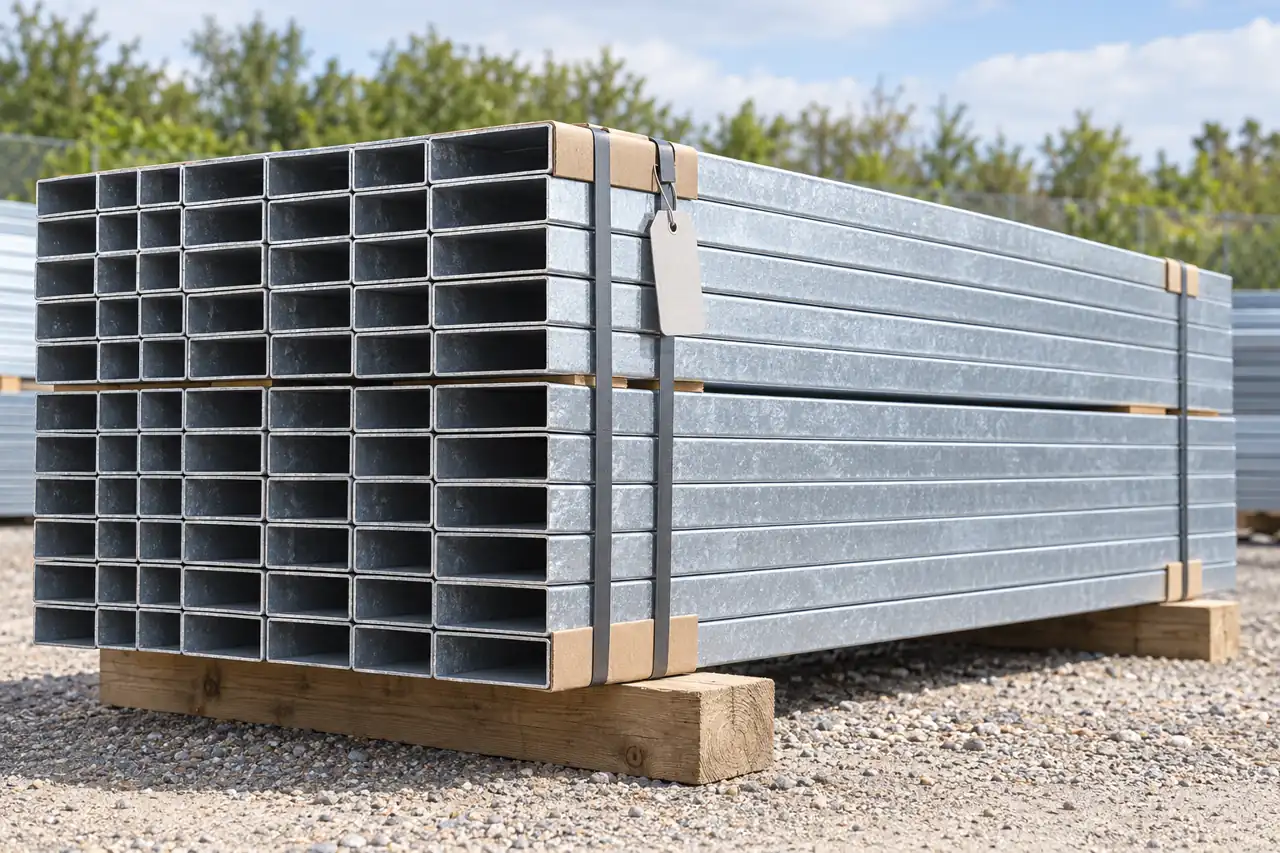
Keep the receiving evidence before cutting
Check coated contact points, end damage and bundle identity before pieces are cut. Retain photographs of the package and affected member where a discrepancy appears. A bright surface sample cannot establish the condition of the full length or hollow interior.
Use separators and agreed handling appropriate to the delivery, with storage that avoids trapped wetness.
- Bundle referenceRecord the package and affected member identity while full lengths remain distinguishable.
- Ends and contactsInspect damaged ends and coated contact points before they enter the fabrication route.
- Handling and storageAgree protection and separation that preserve surfaces and avoid trapped wetness in storage.
Repeat orders should preserve the fabricated baseline
Retain the accepted section, coating stage and corner trial, reviewing changes before treating galvanized forms as interchangeable.
Carry forward the section drawing, grade, route, coating sequence, repair scope and accepted corner trial. A round scaffold tube or a square section cannot substitute for a rectangular member simply because both are galvanized.
Review changes to wall, corner geometry or coating stage before fabrication; retain bundle-to-batch linkage for the revised offer.
- ApproveSection, grade and finish requirement
- ReceiveIdentity and agreed checks
- ReviewChanges before fabrication release
Describe the section and coating sequence
Send the connection drawing and fabrication sequence to define tube supply, processing responsibility and relevant acceptance records.
Send the frame and connection drawings so we can discuss the actual tube, coating responsibility and corner trial that determine fit and supplied condition.
Qingdao Relia Industries Co., Ltd.
Contact address: Shuyuan Road, Qingdao, Shandong, China
- Outside sides wall and corner limits
- Grade and frame drawing revision
- Bracket and connection interfaces
- Cut weld and coating sequence
- Lengths quantities and coating evidence
Enquiry scope and supporting detail
Send outside sides, wall limits, lengths, connection drawing and selected material designation. Mark any bracket fit and state when cutting, welding and coating occur. Add the required coating and dimensional evidence so a specific supply offer can define responsibility, trial acceptance and commercial terms without implying a fence-system approval.
- FrameDrawing, material and section schedule
- FinishCoating and receiving evidence
- OrderLengths, quantities and destination