

Chequered Steel Plate for Platforms and Stair Treads
For platforms and stair treads, define the base plate, raised pattern and support arrangement as separate parts of the purchase. This guide helps you specify meaningful thickness measurements, cut edges and finish, while keeping load and slip acceptance tied to the project. Use it to prepare a clear sheet or blank enquiry.
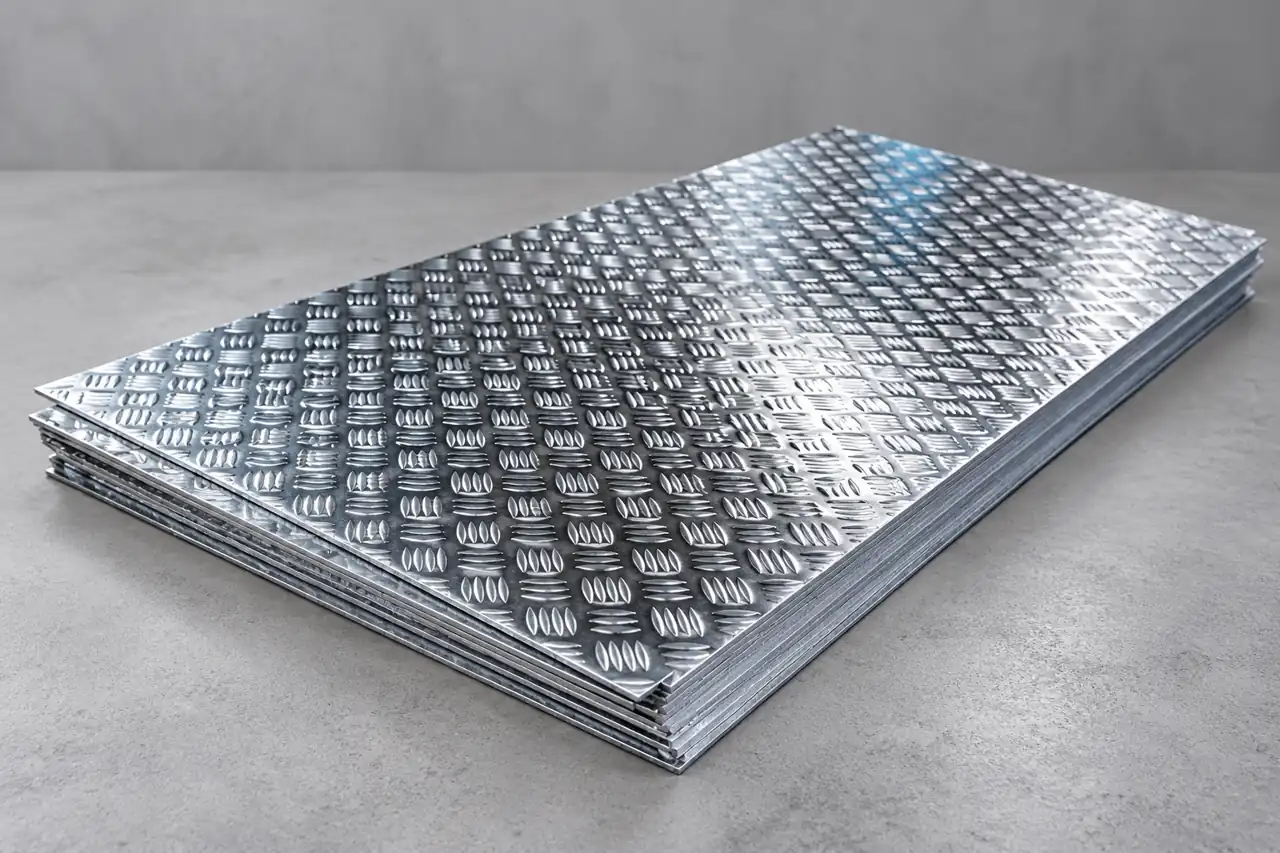
Three decisions define the flooring plate
For a platform or stair tread, specify the steel plate beneath the pattern before accepting a checker-plate description as a flooring design. You need the selected grade, base thickness, pattern geometry, support layout and finish, plus slip acceptance relevant to the actual wet or contaminated environment. Relia manufactures plate and coil, while the offered pattern and coating route must be defined. Send the platform drawing and service conditions so material acceptance, fabrication dimensions and the designer's load and pedestrian-safety requirements remain distinct decisions.
- Base materialSet the steel grade and base thickness required by the platform drawing.
- Patterned surfaceDefine relief geometry and the finish supplied on the actual walking face.
- Project acceptanceKeep load, supports and slip conditions tied to the intended complete platform.
Selection context and decision detail
| Buyer requirement | Relia response | Evidence / condition |
|---|---|---|
| Defined load-bearing section | Manufactured plate/coil scope | Grade and base-thickness basis |
| Usable pattern and finish | Offer-specific pattern/coating review | Geometry and applicable service acceptance |
| Traceable release | QC stages plus batch records | Material, dimensions and separate project tests |
Plate production and final pattern need one offered identity
Define one offered plate identity, including pattern and finish responsibility, with corresponding batch records.
Relia manufactures steel plate and coil with selected hot or cold rolling in-house. Coating is agreed per order. Incoming, in-process and final inspection are performed, with corresponding batch records available. The offered checker product still needs its pattern route and actual finish assigned.
The listing requests 2/3/5/6 mm but describes 0.1–10 mm, four width bands and an unexplained 1250 mm specification. It also records slightly oiled supply and differing zinc-coating fields. None is a complete tread drawing.
- DrawingApproved component and revision
- MaterialSpecified steel and condition
- DimensionsSupply size and base thickness
- ResponsibilityProject design and release authority
Base thickness and raised relief answer different questions
Measure base thickness independently of raised relief so pattern height is not mistaken for uniform structural section.
Base metal carries the section between supports; relief adds local height and a contact pattern. Define the drawing's thickness basis so a measurement over a raised feature is not compared with a base-thickness limit. State pattern height, spacing and orientation where they affect fit. A raised feature is not extra uniform plate thickness for a structural calculation.
- Base sectionUse the defined base-thickness location for the material spanning between the supports.
- Raised patternSpecify relief height, spacing and orientation where they affect the drawing and fit.
- Measurement basisAgree locations and limits without treating raised features as extra uniform structural thickness.
Product references for your shortlist
Open the product details, then discuss the exact specification for your application.
Checker plate for platform enquiries
A reference for a defined steel base, raised pattern and sheet or blank size for project flooring review.
Patterned contact is not a universal slip rating
Assess slip under the actual use and contamination conditions rather than relying on the checker pattern name.
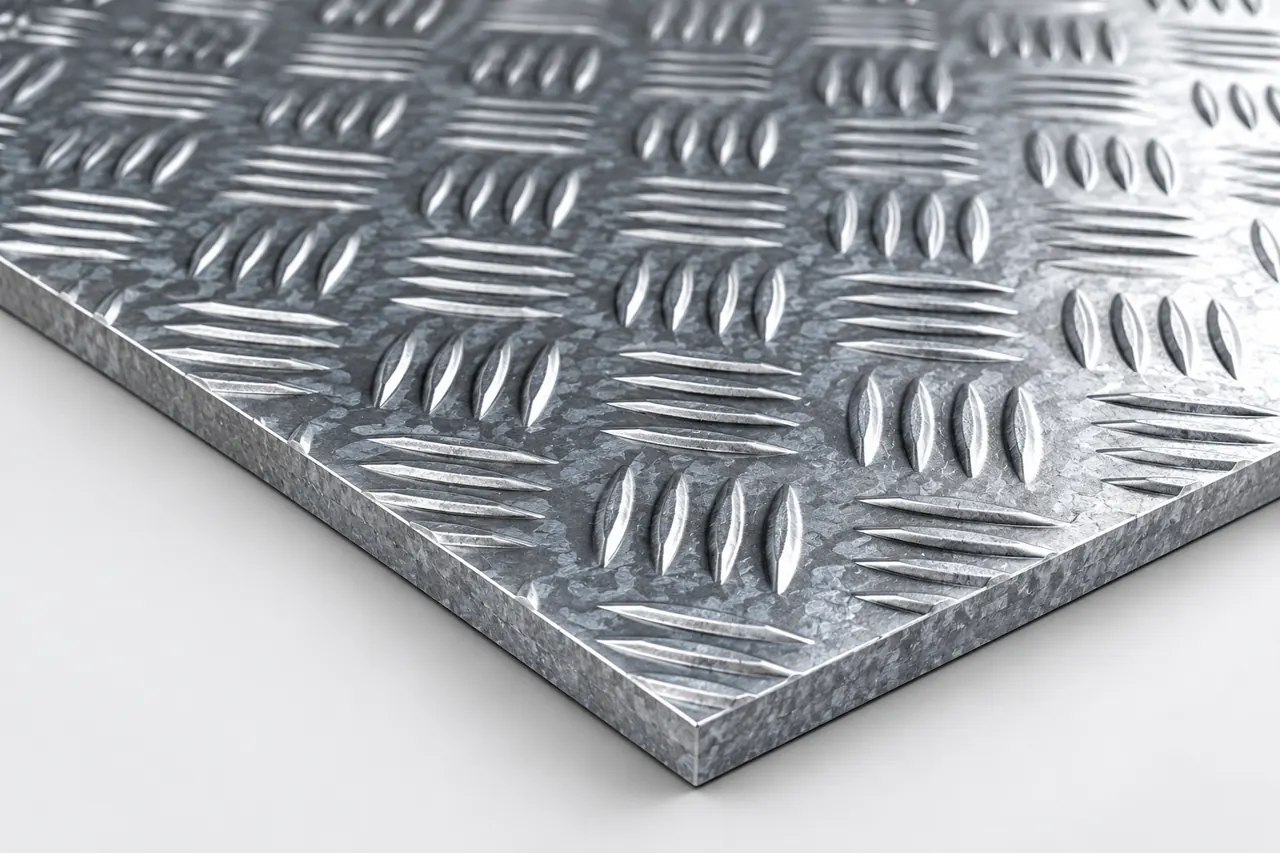
Slip acceptance needs a defined use condition
Slip behavior depends on the walking surface, contamination, footwear and use. Oil, dust or water can change the result; the word checker does not supply a test. Identify the project method and condition for assessing pedestrian performance.
Keep this acceptance separate from the material certificate and dimensional checks, and use the responsible designer's support and fixing requirements.
- Surface conditionDescribe water, oil or other contamination relevant to the walking area.
- Pedestrian useIdentify the intended footwear and use condition within the project assessment.
- Assessment basisAgree the required slip method separately from material identity and dimensional checks.
Cutting and bending change edges and seating
Specify edges, holes and bends, then check the completed blank for seating and distortion.
A plate cut across relief can leave a different local edge from a smooth sheet. Identify walking edges, fixing holes and bend lines, then agree deburring and final dimensions. Check the completed tread or platform blank for seating and distortion. Processing services named in the listing do not establish that every operation is included or performed in-house.
- Walking edgesLocate cut edges and agree deburring where the raised pattern meets the finished boundary.
- Holes and bendsDefine fixing and bend details with the final dimensions required by the drawing.
- Seating and distortionCheck the processed tread or blank on its intended seating and support interface.
Coating and temporary oil need their own acceptance
Agree coating chemistry and measurement basis, with temporary oil removal assigned before final use.
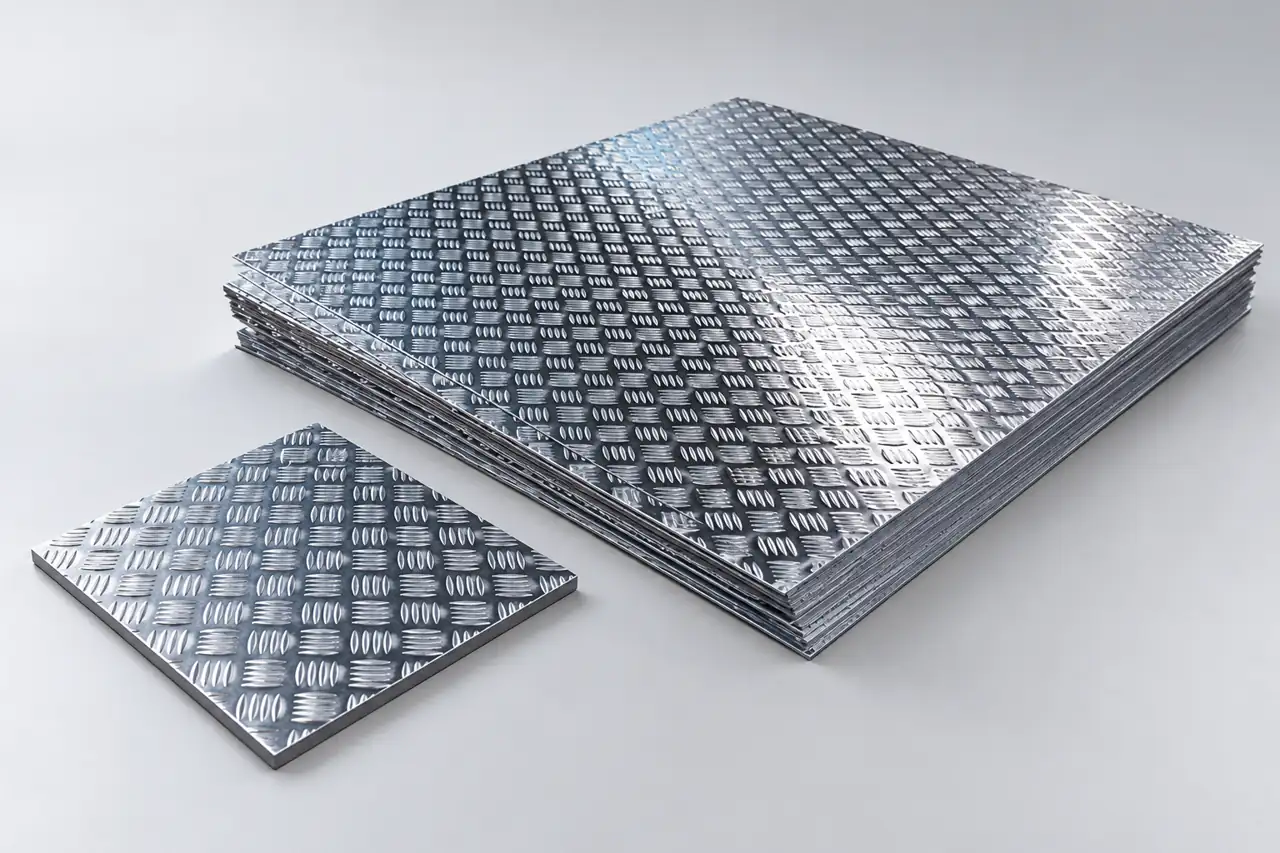
Define final surface and temporary protection separately
A metallic pattern or bright finish cannot establish zinc quantity. Select one coating chemistry, designation and test basis rather than combining the 30–275 g/m² description with another code without interpretation.
The recorded slightly oiled condition also matters to handling, joining and final use. Define who removes temporary protection or applies the final system.
- Selected coatingName the chemistry and designation applicable to the actual checker plate offer.
- Measurement basisAgree how coating quantity is assessed rather than inferring it from appearance.
- Temporary oilAssign removal or further preparation before the plate reaches its final use.
Records should separate material, pattern and fabricated geometry
Keep material, base-thickness and pattern evidence distinct from structural loading and pedestrian slip acceptance.
Agree how the batch identity connects to grade evidence, base-thickness readings and pattern/blank dimensions. Use the confirmed QC stages to define the represented characteristics, not to imply a particular gauge or test frequency. Structural loading and slip results require their own appropriate evidence; neither follows automatically from a measured sheet thickness.
- BatchPlate identity and material record
- SectionBase thickness and measurement basis
- BlankPattern and final dimensions
- ProjectIndependent load/slip acceptance scope
A representative trial includes the support interface
Evaluate a representative cut piece with the intended support and fixing arrangement under the project procedure.
Evaluate a cut piece with its intended support, fixing and edge arrangement under the project procedure. Record geometry and any movement, marking or coating damage separately. A hand-sized appearance coupon cannot demonstrate the behavior of a supported tread. The retained sample should identify what it actually represents.
- Representative pieceUse the intended cut geometry rather than a small appearance coupon for the trial.
- Supports and fixingsEvaluate the specified support and fixing arrangement through the approved project procedure.
- Separate observationsRecord movement, marking and coating damage separately from the required geometric acceptance.
Receiving checks should preserve the approved pattern revision
Retain grade, pattern, coating and blank dimensions together, documenting receiving damage before trimming removes its location.
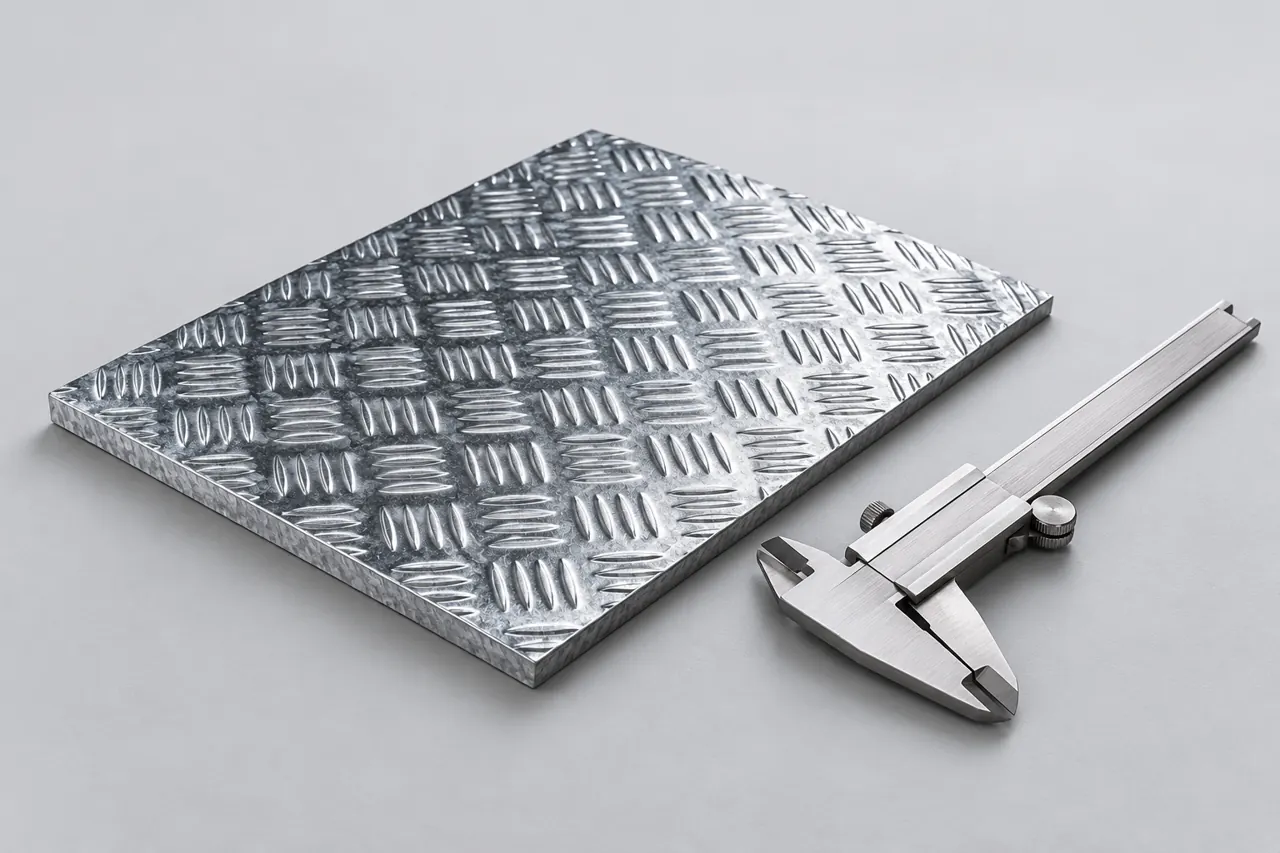
Preserve pattern and package references at receipt
Record damaged corners, package condition and affected plate identity before trimming. Compare base thickness and final blank size using the agreed method. Repeat orders should retain grade, pattern, coating, oil/protection and cut geometry together; similar-looking relief is not proof of identical section or performance.
- Damage contextRecord corners, package condition and affected plate identity before trimming the stock.
- Dimensional comparisonCheck base thickness and blank size using the agreed locations and method.
- Repeat referenceRetain pattern, coating and protection requirements alongside the accepted grade and dimensions.
Define the tread or platform blank
Send the platform drawing, service conditions and acceptance basis to define the plate and processing package.
Share the platform drawing and service conditions so we can discuss the base plate, pattern and processing scope with the relevant supply records.
Qingdao Relia Industries Co., Ltd.
Contact address: Shuyuan Road, Qingdao, Shandong, China
- Grade and base thickness limits
- Pattern drawing and blank sizes
- Support span and fixing details
- Walking conditions and slip assessment
- Coating oil and edge requirements
Enquiry scope and supporting detail
Send grade, base thickness and limits, pattern drawing, blank sizes, support/fixing details and required finish. Add the contamination and pedestrian-use condition governing slip assessment. We can define the plate and processing offer with the appropriate batch records, while load and complete-platform acceptance remain tied to the project design.
- SpecificationMaterial · base thickness · pattern
- ScheduleSheet or blank dimensions · quantities
- DeliveryProcessing · marking · packing