

Monel 400 and K500 Bar for Pump and Valve Projects
For a drawing that specifies Monel 400 or K-500, buy the alloy and treatment state together. This guide helps you define traceable bar stock, plan machining allowance and separate material records from service approval. You can then compare offers against one clear component specification rather than a combined alloy-family label.
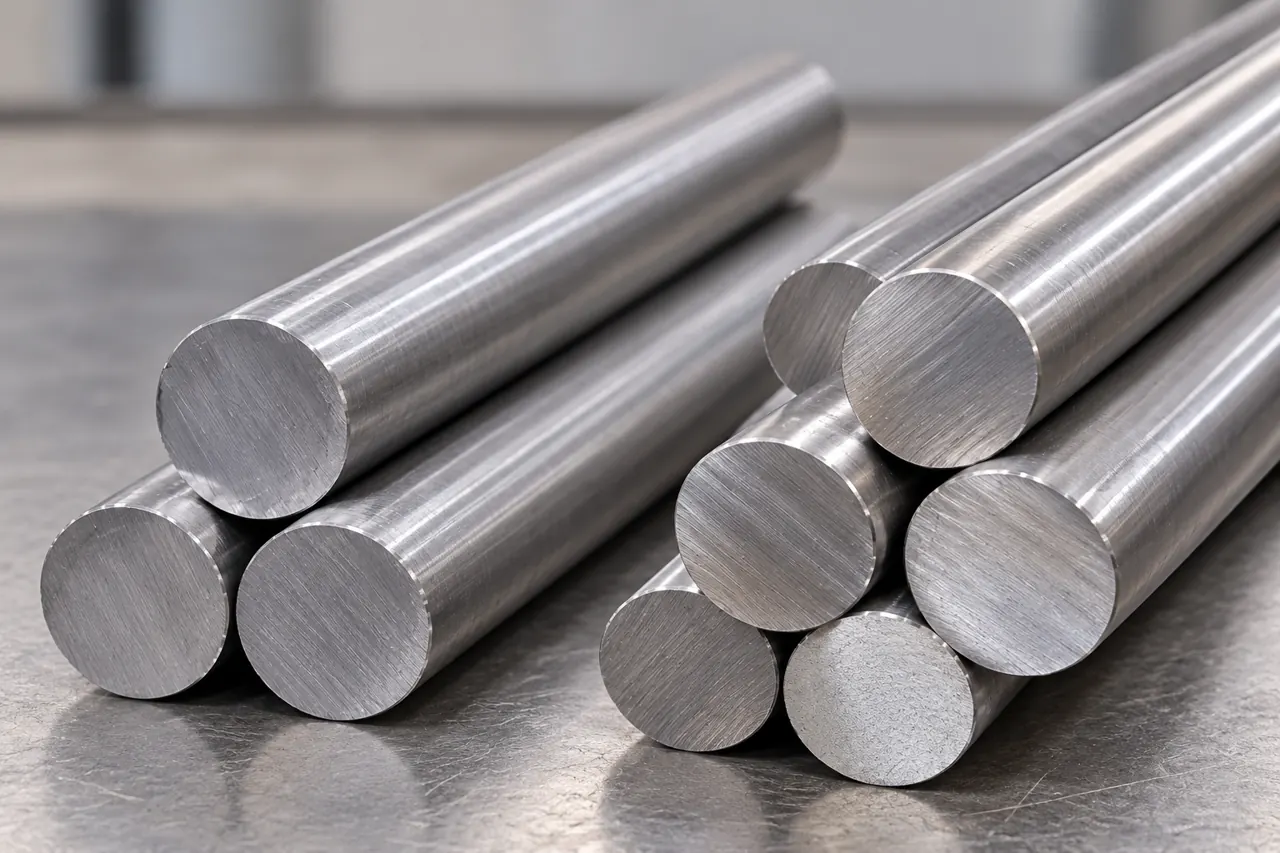
Make alloy and condition one purchase decision
For a pump or valve drawing that specifies Monel 400 or K-500, select the alloy and delivered heat-treatment condition as one requirement before comparing rod prices. K-500's precipitation-hardening response makes it different from a simple 400 substitution, and the service environment still needs engineering review. Relia can discuss the listed nickel-alloy bar supply, but the catalogue's combined names and mechanical figures do not qualify a specific shaft or stem. Send the material specification, condition and component drawing so identity, machining stock and required evidence can be settled together.
- Specified alloyUse the exact designation on the approved pump or valve material schedule.
- Treatment stateDefine the supplied condition before comparing properties, stock dimensions or machining plans.
- Acceptance packageConnect bar identity and required records with the actual component specification.
Selection context and decision detail
| Buyer requirement | Relia response | Evidence / condition |
|---|---|---|
| Specified alloy and condition | Nickel-alloy bar supply review | One designation; 400 and K-500 not automatic substitutes |
| Usable machining input | Route and allowance discussion | Treatment state and part sequence |
| Verifiable material | QC stages with batch records | Agreed chemistry/mechanical test scope |
The bar offer must name one alloy and condition
Define one bar offer and its inspection scope without extending the manufacturing claim to nickel-alloy production or ageing.
Relia supports the nickel-alloy bar enquiry; nickel-alloy melting, bar manufacture and ageing are not established as in-house. Incoming, in-process and final inspection are performed, with corresponding batch records available. Agree what those records demonstrate for the offered alloy and delivery condition.
The listing body names Monel 400 bar/rod, while its title adds K500, C276 and C22 and a field says plate. The 10–50 mm request is not an actual option. Define bar form and one material specification.
- DrawingApproved number and revision
- AlloyExact requested designation
- ConditionSpecified supplied state
- AuthorityProject material approval responsibility
Precipitation hardening changes the meaning of the delivered condition
K-500 treatment and prior condition influence its properties, so it is not an automatic substitute for alloy 400.
K-500 is an age-hardenable nickel-copper alloy; its strength and hardness depend on treatment and prior condition. Alloy 400 and K-500 are therefore not interchangeable just because both are nickel-copper materials. The engineering specification must identify the permitted grade, condition and property basis. Do not transfer a producer's example furnace cycle or typical property table into the offered batch.
- SpecifyOne alloy and permitted condition
- PrepareAgreed treatment and stock route
- VerifyRepresented chemistry and mechanics
- MachineApproved component sequence
Product references for your shortlist
Open the product details, then discuss the exact specification for your application.
Monel bar for specified components
A supply enquiry reference for one defined nickel-alloy bar specification and treatment state used in a pump or valve project.
Chemistry and mechanical properties need linked evidence
Link chemistry and mechanical results to the represented alloy, lot and treatment condition before adopting acceptance limits.
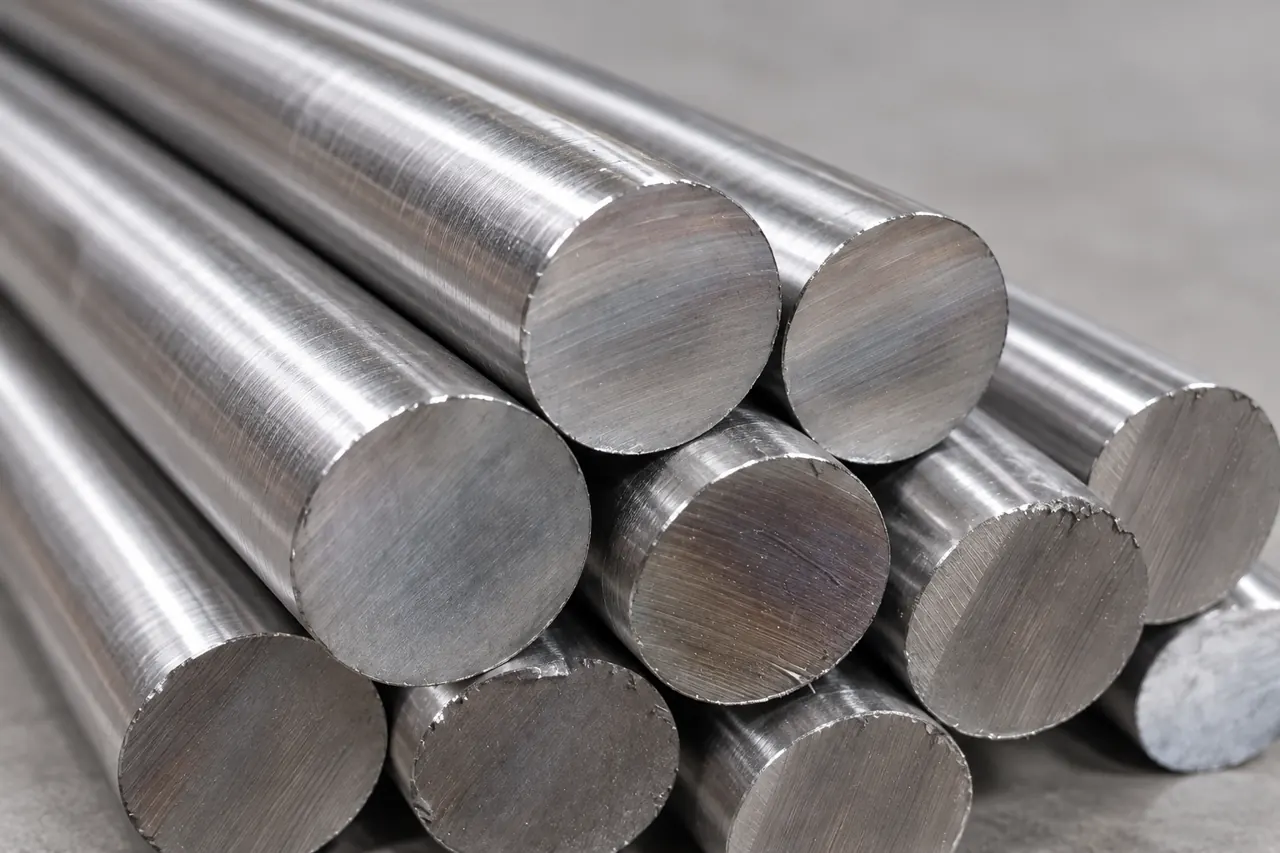
Link each result to represented material
A represented chemistry result addresses material identity, while a mechanical result addresses a tested sample in a defined condition. The listing's 538 MPa and 30% entries lack a selected grade/condition basis and are not adopted as the order limits. Request the agreed material designation, lot and condition together with any required test scope.
- Chemistry evidenceUse the represented composition to confirm the selected alloy identity and lot.
- Condition evidenceIdentify the treatment state applying to the bar and its required properties.
- Mechanical evidenceCompare results only with limits appropriate to that alloy and supplied condition.
Machining stock should account for the delivery route
Set diameter, surface and allowance around the actual treatment and machining sequence for the component.
Define bar diameter, straightness, surface and clean-up allowance for the shaft, stem or sleeve. Decide whether machining occurs before or after a specified treatment and who controls any later dimensional change. A bar that suits roughing in one condition may require a different plan in a harder condition. The route needs to follow the drawing rather than a generic hot/cold-rolled label.
- Starting barSpecify diameter, straightness, surface and the material needed for the required clean-up.
- Treatment timingDecide whether machining precedes or follows the specified treatment for the actual component.
- Dimensional controlAssign responsibility for dimensional change after any later operation in the approved sequence.
A sample verifies the defined sequence rather than the alloy family
Use identified stock in the intended sequence, preserving treatment state and dimensional observations with the trial.
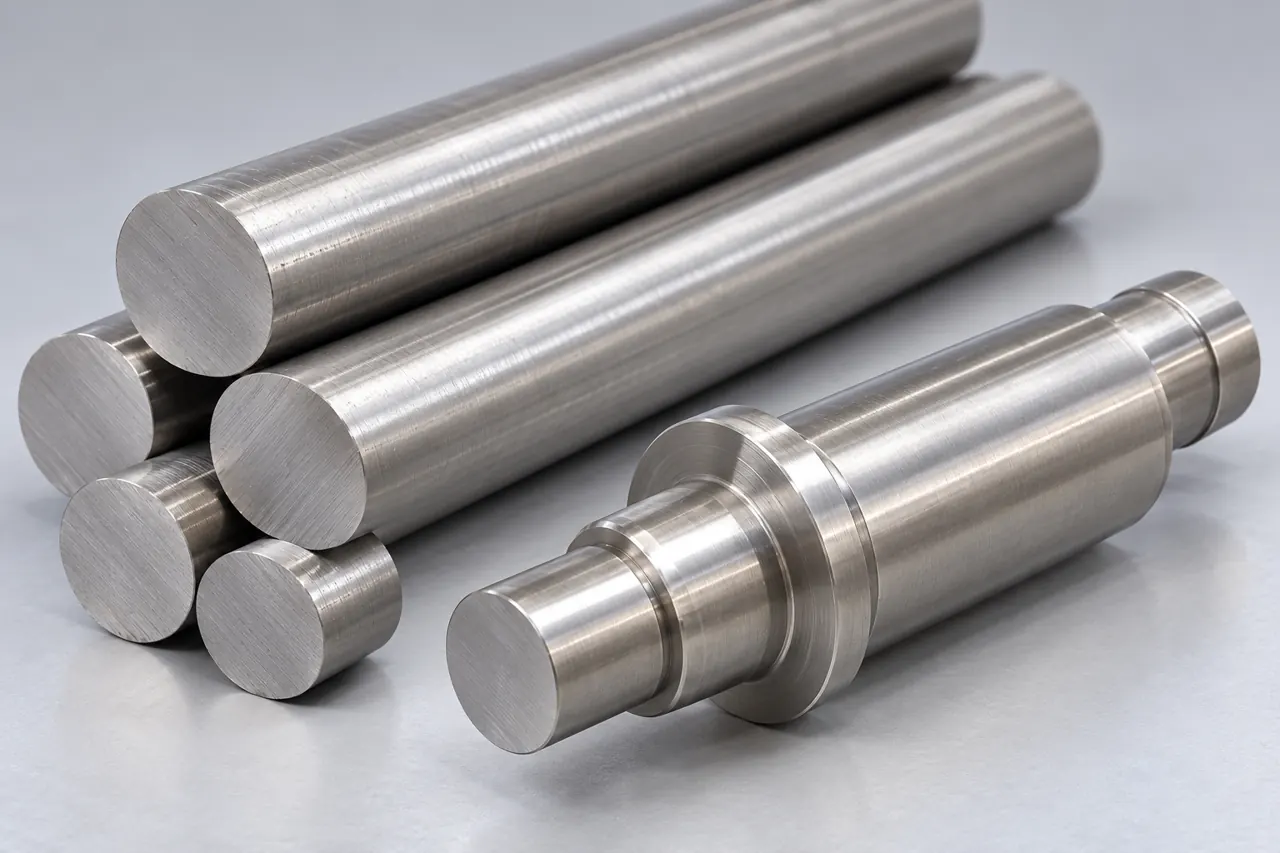
Trial the intended component sequence
Use identified stock to evaluate the intended machining and dimensional acceptance. Record the treatment state and any subsequent operation. A turned sample in the illustration communicates component form, not evidence of its alloy, ageing condition or actual service test. Preserve trial notes so a successful result can be connected to repeat material.
- Identify starting stockRecord alloy, batch and treatment condition before machining the representative bar.
- Use planned operationsFollow the intended treatment and machining sequence with responsibilities clearly assigned.
- Retain dimensional evidenceKeep the trial observations connected to the stock state actually evaluated.
Corrosion acceptance follows the full service conditions
Keep corrosion selection tied to the complete service conditions rather than a general corrosion-resistant alloy description.
Provide fluid composition, concentration, temperature and relevant flow or mechanical conditions to the responsible designer. A general corrosion-resistant alloy description is not a universal pump/valve rating. Even a correctly identified bar may not meet every environment or joint requirement. Keep service selection and any qualification test separate from the stock supplier's dimensional release.
- Fluid exposureProvide the fluid composition and concentration required for the responsible designer’s material review.
- Operating conditionsInclude temperature and relevant flow or mechanical conditions affecting the intended duty.
- Separate qualificationKeep service selection and any required testing distinct from release of the bar dimensions.
Cut-stock identity should survive segregation and receipt
Preserve alloy and condition through cut lengths and receipt because metallic appearance cannot distinguish nickel grades.
Keep alloy and condition legible through cut lengths and separate mixed grades during handling. Record the source batch before machining removes markings. A clean metallic appearance cannot distinguish 400, K-500 or another nickel alloy. Packaging and receiving records should preserve the material schedule rather than rely on visual sorting.
- SeparateAlloys, conditions and heats
- MarkTraceable stock reference
- ReconcileBars, records and packing list
- ConfirmOrder-specific quantity and timing
Repeat orders should review condition changes before release
Carry the exact specification, treatment state and evidence into repeat orders, reviewing producer or preparation changes.
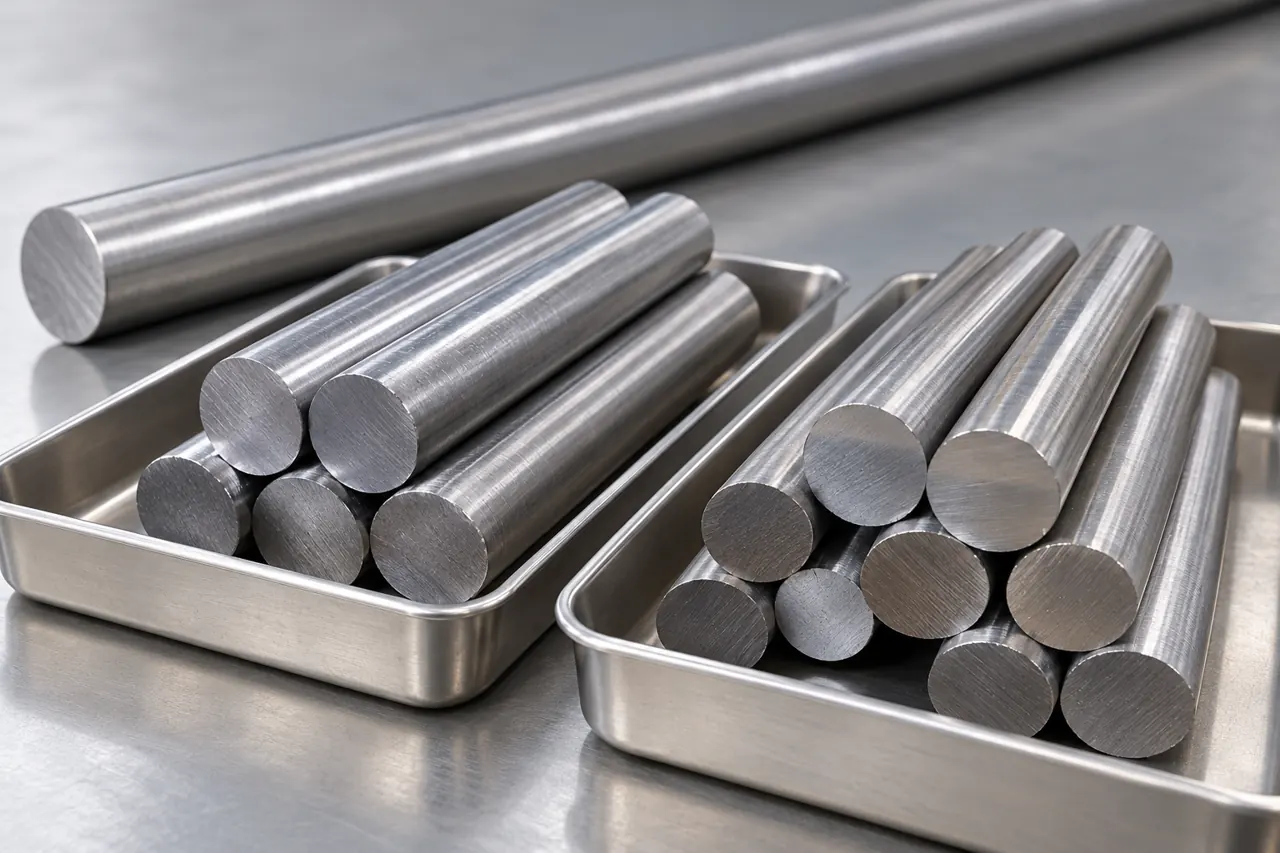
Keep the next bar comparable
Carry the exact alloy specification, treatment state, dimensions and required evidence into each order. Review a proposed change in producer or preparation route against the approved part sequence. Match test records to represented material, and keep commercial quantity and timing specific to the offer rather than borrowing a broad catalogue promise.
- Material specificationCarry the exact alloy designation and treatment requirement into each repeat enquiry.
- Preparation routeReview producer or stock-preparation changes against the previously accepted component sequence.
- Represented recordsMatch required test evidence to the material offered for the next order.
Define the alloy bar and treatment state
Send the material specification, condition and component drawing to define a traceable bar and processing offer.
Share the component drawing and exact material condition so we can discuss a traceable bar offer and the records required for your stock acceptance.
Qingdao Relia Industries Co., Ltd.
Contact address: Shuyuan Road, Qingdao, Shandong, China
- Exact alloy and material specification
- Required supplied treatment condition
- Bar diameter length and allowance
- Chemistry and mechanical evidence requirements
- Service basis and component drawing
Enquiry scope and supporting detail
Send the component drawing, exact material designation, supplied condition, diameter/length and clean-up requirements. Add required chemistry/mechanical records and the service-selection basis. We can then define a traceable bar offer, identify additional treatment or machining responsibility, and separate stock acceptance from qualification of the completed pump or valve.
- MaterialAlloy · condition · project reference
- StockCross-section · dimensions · quantity
- ApprovalRecords · inspection · marking