

Cut-Wire Media Approval from Trial Sample to Volume Order
Move from a cut wire sample to volume supply by keeping material identity and the production lot connection explicit. Define the alloy, dimensions and particle condition that made the trial useful. This guide helps you preserve that approval, set the first lot release checks and decide which later changes need another review.
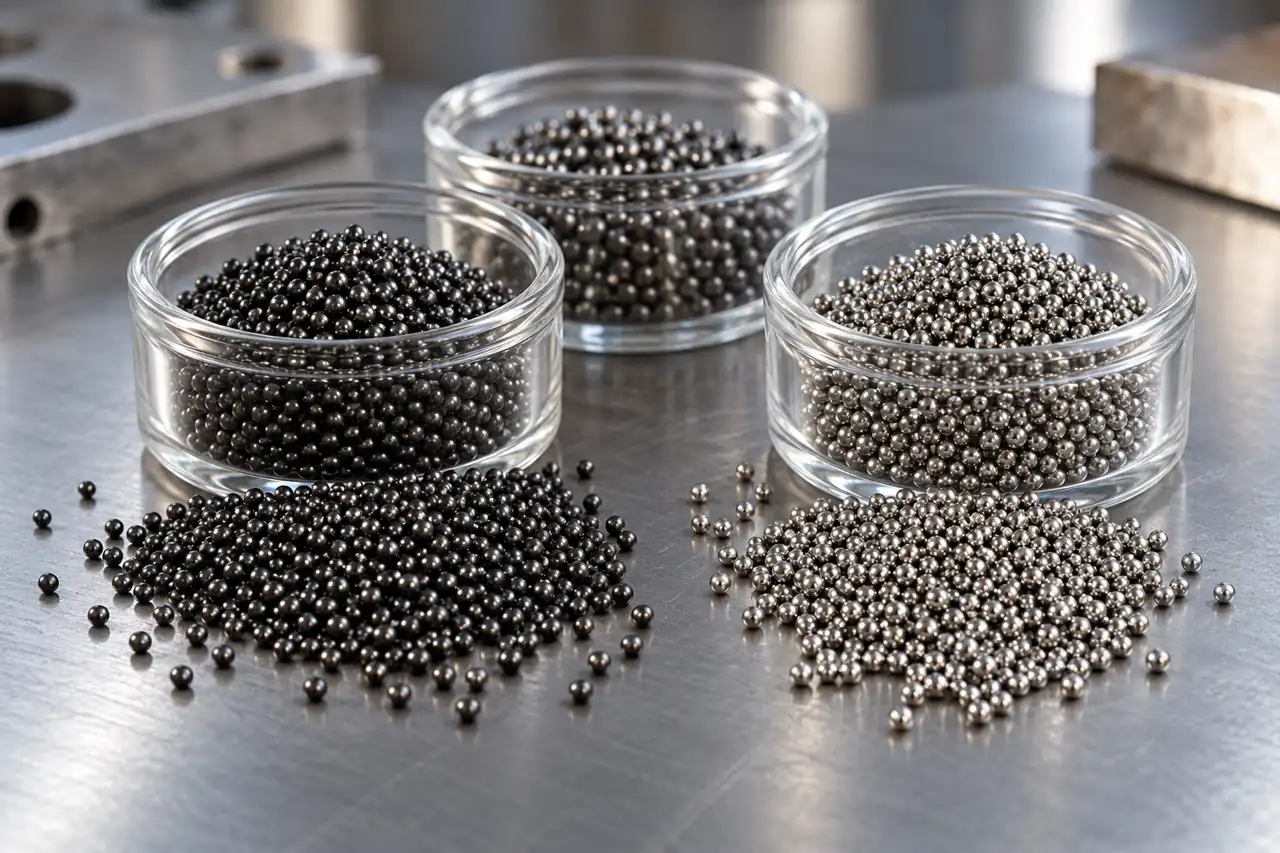
Bridge the sample to production supply
For buyers moving from a cut-wire media trial to volume supply, approve the sample's identity and the production-lot bridge together. Relia can review carbon-steel and stainless cut-wire catalogue candidates; alloy, size, supplied particle condition and actual producer must be confirmed for the selected offer. A good finish on one test part does not show that a hand-selected sample represents the later shipment. Send the trial objective, sample source, acceptance methods and intended volume so technical approval defines what stays unchanged and which first-lot evidence is required before routine use.
- Define the candidateFix material, dimensions and the required particle condition for the trial sample.
- Approve the trialKeep the actual workpiece result and represented material identity with the written specification.
- Release the volumeCompare the first offered lot with the approved condition and declared production basis.
Selection context and decision detail
| Buyer requirement | Relia response | Evidence or condition |
|---|---|---|
| A representative approval sample | Review actual cut-wire candidate and source | Alloy, geometry, condition and lot identity |
| Batch evidence | Corresponding QC records can be provided | Actual producer and covered stages identified |
| Volume continuity | Define first-lot bridge and change rules | No automatic equivalence from a shared title |
Identify the cut-wire offer and the record responsibility
Identify actual cut wire production and record responsibilities separately from confirmed wire and cast abrasive manufacture.
Relia manufactures steel wire and cast steel shot/grit, but confirmed wire and cast-media stages do not establish in-house cut-wire cutting or conditioning. Incoming, in-process and final inspections are performed and corresponding batch records can be provided; ask which producer and stages the selected cut-wire records represent.
The carbon cut-wire entry has seven CW labels and seven separately selectable diameter choices. The stainless entry spans 0.2–2.0 mm but leaves alloy and conditioning unresolved. Confirm the selected producer, supplied geometry and material before a sample is prepared.
- Product identityCarbon or selected stainless alloy and actual producer
- Particle identityDiameter, cut length/condition and grading basis
- Evidence identitySample source, covered stage and represented lot
Establish what the sample actually represents
Record the sample source and any special preparation before using it to represent later supply.
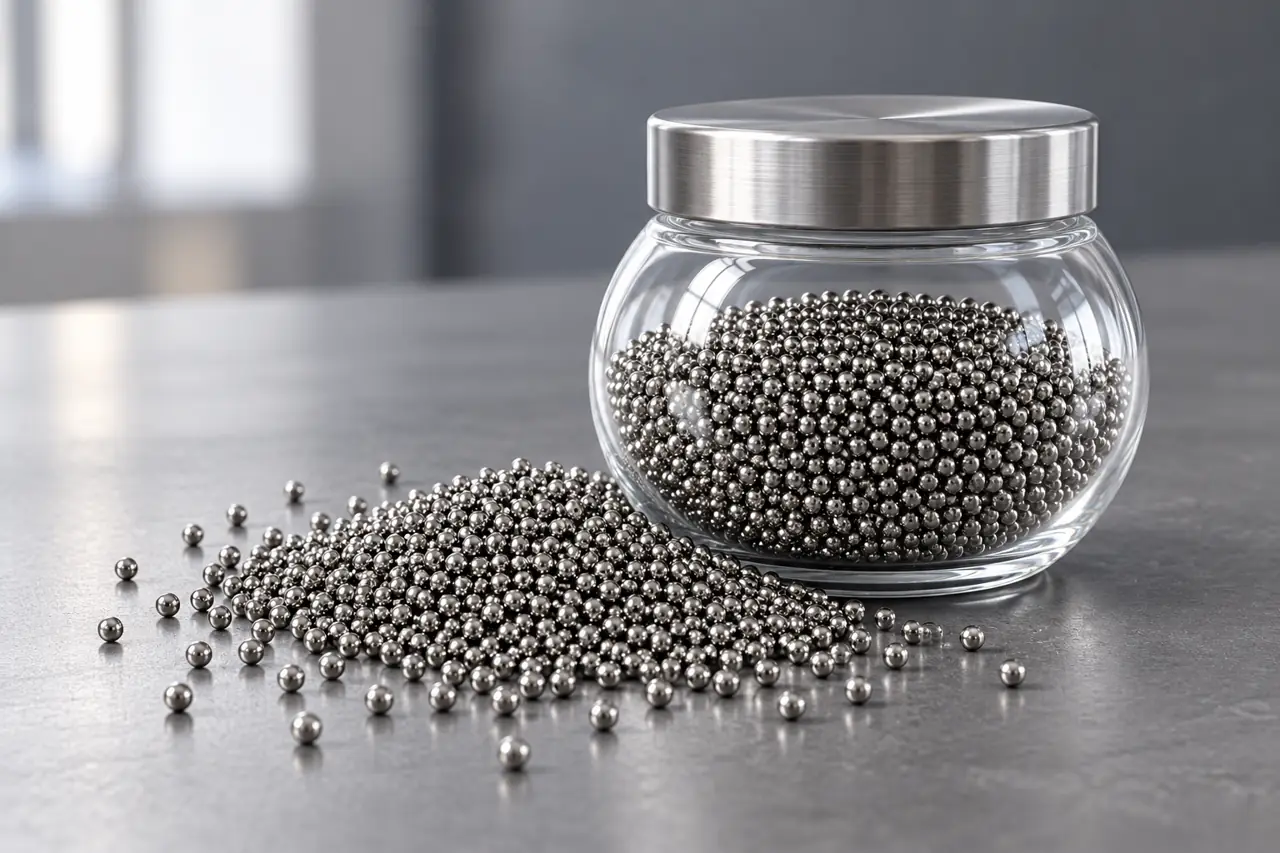
Know what the sample represents
Record whether the sample came from an identified production lot, retained stock or another stated source. Identify any screening, conditioning or selection performed only for the sample. A jar without a source connection may support early exploration, but it cannot establish shipment consistency. Retain enough agreed reference material for the planned comparison and preserve its container, date and identity without assuming a universal retention period.
- Source connectionIdentify the production lot, retained stock or stated source behind the sample.
- Special preparationRecord screening, conditioning or selection performed specifically for the trial material.
- Retained referenceKeep the agreed sample identity and container with the source and preparation record.
Product references for your shortlist
Open the product details, then discuss the exact specification for your application.
Carbon steel cut wire candidate
A candidate for sample approval that needs an explicit CW label, diameter and supplied particle condition.
Stainless cut wire candidate
A candidate for trials requiring a defined stainless material and particle condition before the production lot is approved.
Freeze the supplied condition before the trial
Freeze material, dimensions and particle condition before interpreting cleaning or peening trial results.
Cutting wire produces short particles; as-cut cylinders and rounded conditioned media have different contact geometry. A spherical appearance alone cannot prove cut-wire origin or a specified conditioning class. Define actual material, dimensions, condition and inspection basis before testing.
If a cleaning or peening specification names particular media, use its applicable requirements. ISO 11124-5 concerns cut steel wire for blast cleaning, while SAE J441 guides cut-wire selection/use; neither title certifies the offered sample or qualifies an entire peening process.
- MaterialActual grade/alloy and wire-derived route
- GeometryDiameter, cut length and accepted particle form
- ConditionAs-cut or defined conditioning requirement
- BaselineWritten specification and sample-source reference
Design a trial that can support the release decision
Define the workpiece decision and comparable trial conditions while keeping media and process acceptance distinct.
State whether the trial judges cleaning, appearance, dimensions, contamination or an engineered peening requirement. Record the representative part, starting condition, machine, load arrangement, settings and working mix. Note manual intervention that will not occur in normal production. A media test and a workpiece/process test answer different questions; link their records while preserving their separate acceptance criteria.
- InputIdentified sample and incoming characteristics
- ProcessPart, machine, settings and mix state
- ResultDefined surface, dimension or engineered-process criteria
- DecisionAccepted application and explicit limits
Retain the material and the process result together
Retain the physical reference, written particle limits and the actual process result together.
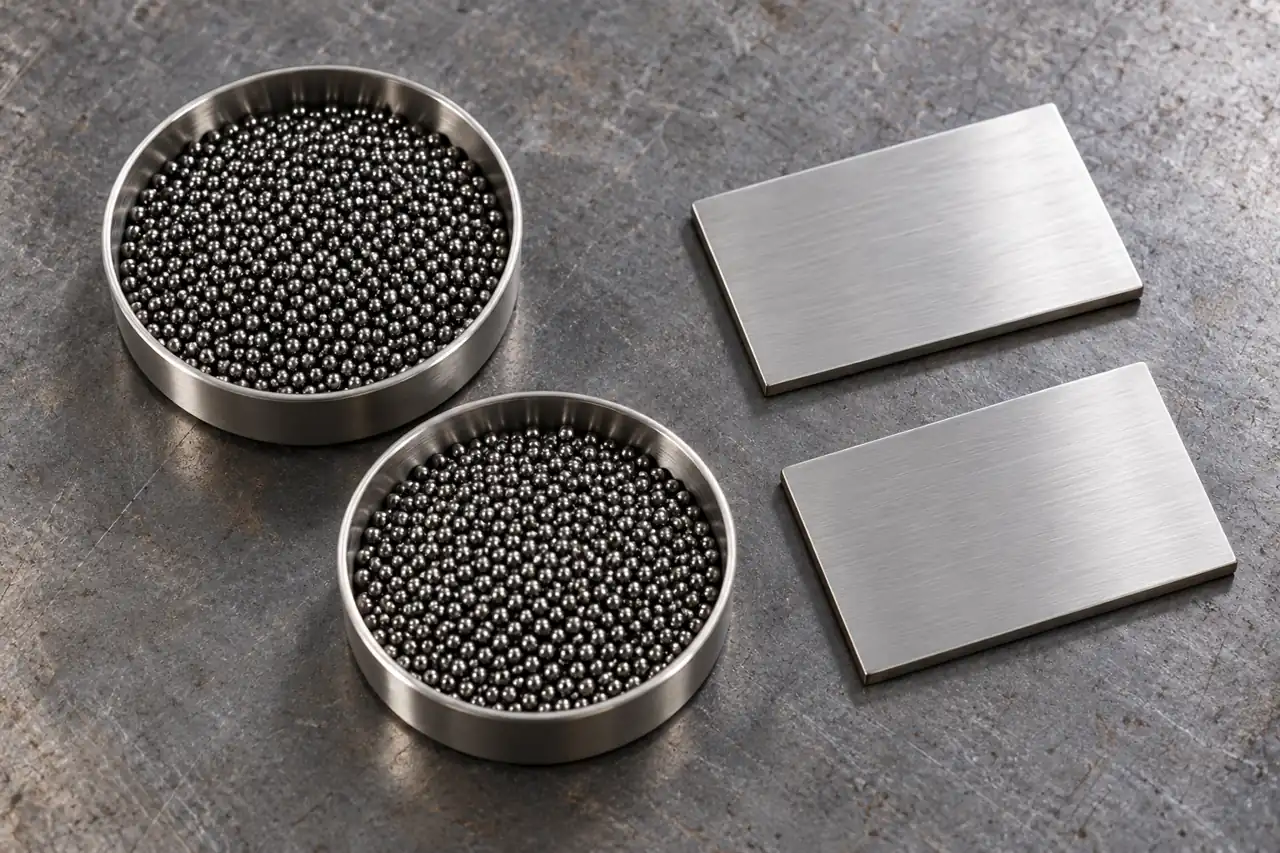
Keep three approval references together
Keep the accepted sample identity with its inspection evidence, trial conditions and approved part observations. A physical reference supports comparison but does not replace written particle limits. The rounded media in this illustration are not proof of the offered alloy, wire-derived route or conditioning. If the buyer changes the substrate or machine, review whether the old application result still answers the new decision.
- Written particle limitsRetain the material, dimensions and supplied condition that define acceptable media.
- Physical material referenceKeep the identified accepted sample available for the agreed later comparison.
- Process resultRecord the representative part, machine conditions and accepted observations from the trial.
Create a release gate for the first volume lot
Create a first volume lot release gate that declares differences from the approved sample.
Require a statement that the volume offer matches the approved material, particle condition and grading revision, with any difference declared. Agree actual batch records and incoming checks for the represented shipment. A sample manufactured or selected by a different route needs a documented bridge rather than an assumption. Release the first lot only after the technical team resolves deviations; a successful trial does not itself reserve capacity or confirm delivery terms.
- ComparisonApproved sample/specification versus offered lot
- EvidenceActual material, condition and size records
- ExceptionDeclared difference and technical decision
- ReleaseNamed shipment lot and accepted order revision
Carry lot identity from package to machine
Keep the media lot identity usable from the filled package through machine addition.
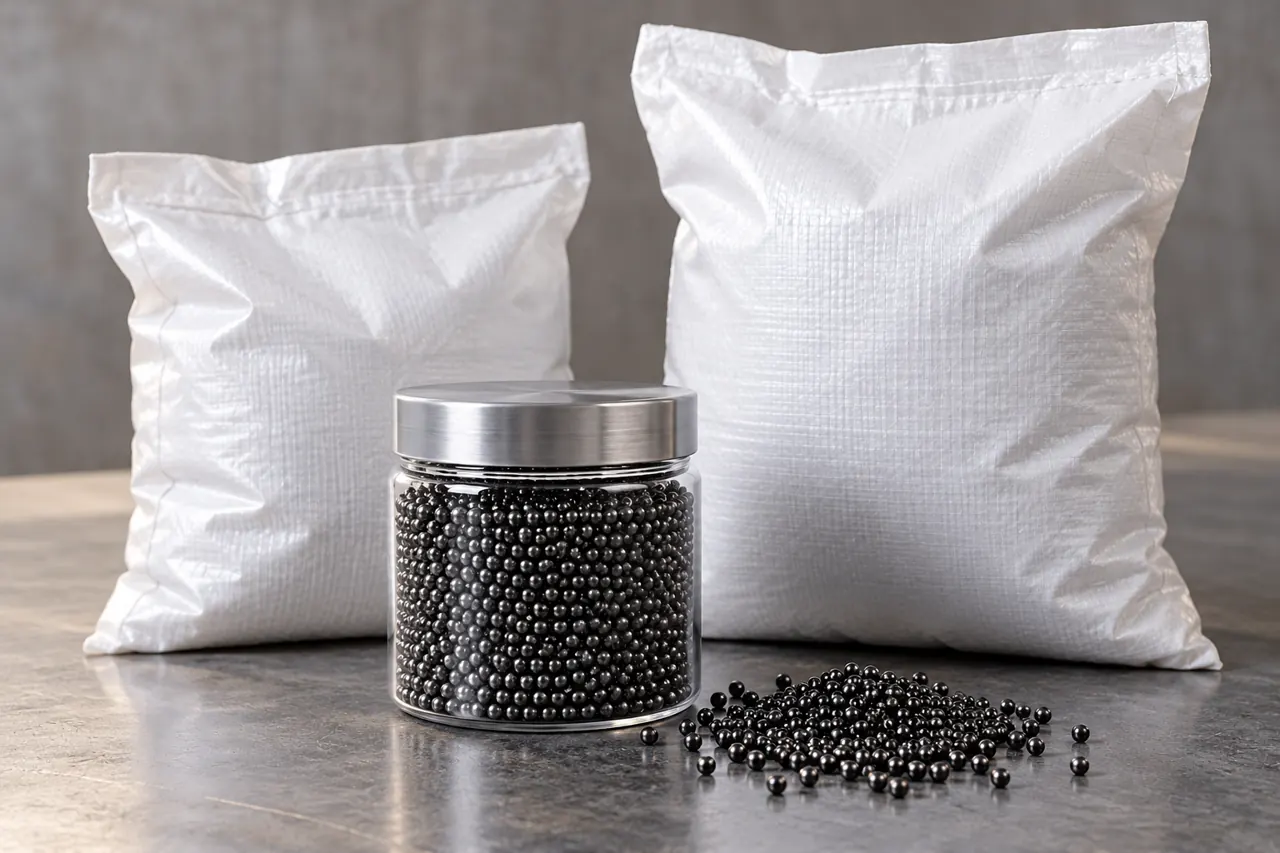
Maintain lot identity into the machine
Specify the actual pack format, net quantity and material/lot reference, then match them with the packing list. Preserve identity after containers are opened and keep trial candidates separate from routine hopper additions. Agree moisture and contamination protection relevant to the actual media and handling. A suitable laboratory jar cannot establish volume-pack strength or the traceability of an unmarked operating mixture.
- Identify the packDefine net contents and the material lot reference on the actual supplied unit.
- Match the receiptReconcile package identity and quantities with the accepted material and packing list.
- Control machine additionKeep trial and routine media distinct and preserve identity after containers are opened.
Define which changes require renewed approval
Review material, particle and producer changes before treating another order as equivalent repeat supply.
Review proposed changes to alloy, diameter, cut length, particle condition, grading or producer before describing an order as a repeat. Keep artwork or pack changes separate unless they affect protection or identity. If performance differs, retain unused material and machine/workpiece records rather than compare only photographs of the finish. Confirm sample arrangements, minimum quantities and the actual volume-supply terms independently from technical approval.
- RetainApproved media and bounded application
- DeclareProposed material/process/source differences
- ReviewRelevant incoming and process comparisons
- AuthorizeRepeat release or a new qualification
Prepare the sample to production bridge
Send the sample source, trial record and first lot acceptance requirements as one approval package.
Share what the sample represented and what the trial accepted. We can clarify the cut wire candidate and the evidence needed before the first volume lot is released.
Qingdao Relia Industries Co., Ltd.
Contact address: Shuyuan Road, Qingdao, Shandong, China
- Chosen material dimensions and particle condition
- Sample source and preparation record
- Workpiece trial objective and settings
- First lot checks and acceptance
- Volume quantity packing and destination
Enquiry scope and supporting detail
Send the trial objective, chosen cut-wire candidate, actual material and particle condition, sample-source information and acceptance methods. Add the recorded trial context, intended volume, first-lot checks, packing and destination. Relia can clarify the actual producer, available evidence and quotation scope so sample approval becomes a defined purchasing baseline rather than an unlimited performance promise.
- SampleSource, material, geometry and condition
- ApplicationTrial settings, result and approval limits
- VolumeMatched lot, records, packing and terms