

Galvanized Coil Feedstock for Roofing-Sheet Forming
Choose galvanized roofing coil around the profile you form and the equipment that handles it. This guide helps you specify the substrate, coating and coil envelope together, then separate coating damage from forming or tracking problems. Use it to prepare an offer and trial based on usable roofing output.
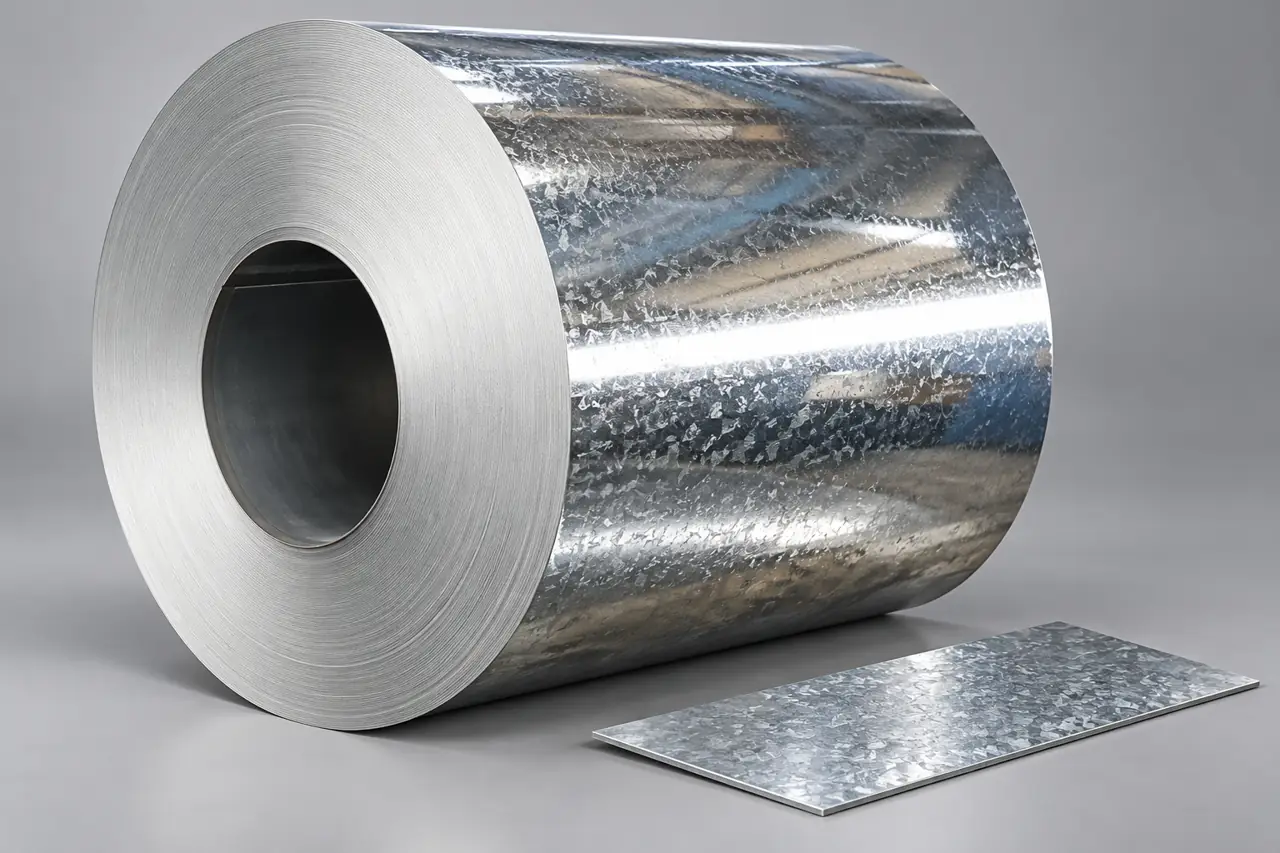
Connect coil selection to usable roofing
If your roofing line is sensitive to cracking, coating marks or unstable feeding, select galvanized coil around the profile and decoiler before comparing price per tonne. Start with the required substrate grade and actual thickness, then specify zinc or aluminium-zinc coating separately and check coil width, bore and handling limits. Relia manufactures plate and coil, while coating responsibility is confirmed for the selected order. Send the profile drawing and acceptance basis so a representative forming trial can connect the offered material to usable roofing output.
- Profile requirementStart with the roofing geometry and the bends that control material demand.
- Material packageChoose substrate grade, actual thickness and coating identity as a single specification.
- Line interfaceCheck coil dimensions and handling limits before planning a representative forming trial.
Selection context and decision detail
| Buyer requirement | Relia response | Evidence / condition |
|---|---|---|
| Profile-ready input | Manufactured plate/coil and selected rolling | Actual grade/thickness and forming trial |
| Defined coating | Coating scope agreed per order | Chemistry, designation and mass basis |
| Traceable coil release | Incoming/process/final QC with batch records | Agreed sampled characteristics and package identity |
Rolling and coating have distinct responsibilities
Identify the selected rolling and coating responsibilities, then agree batch records for the actual offered coil.
Relia carries out hot or cold rolling in-house for the selected plate/coil product. Coating, galvanizing and colour coating are agreed per order; they are not all asserted as in-house. Incoming, in-process and final inspection are performed, with corresponding batch records available.
The 0.7 mm GI listing instead offers broad thickness bands and custom supply, describes 600–1250 mm width and combines DX51D+Z/AZ wording. Select the actual thickness, substrate and coating chemistry; the title does not create a separate stocked 0.7 mm variant.
- RollingSelected hot/cold route in-house
- CoatingResponsibility and chemistry per order
- QCIncoming, process and final inspection
- RecordsBatch-linked scope agreed with acceptance
The decoiler interface is part of material usability
Match width, bore, outside envelope and handling mass to the decoiler before approving a trial package.
Width, bore, outside envelope and permitted handling mass must suit the receiving and payoff equipment. Winding and edge condition influence tracking and guide contact. A coil can match the nominal steel specification yet be unusable on a particular line.
Keep physical limits distinct from preferences, and record which offered package was used in the trial. A broad width range is not a demonstrated machine interface.
- Width and edgesSet usable strip width and edge condition for the actual guides and tracking arrangement.
- Bore and envelopeMatch the coil support interface, outer dimensions and handling mass to the decoiler.
- Winding and payoffRecord the supplied winding arrangement used in the representative line trial.
Product references for your shortlist
Open the product details, then discuss the exact specification for your application.
Galvanized coil for roofing trials
A coil enquiry reference for a defined substrate and metallic coating to be evaluated on your roofing line.
Coating designation needs an unambiguous measurement basis
Specify coating chemistry and mass basis explicitly, keeping substrate thickness distinct from finished coated thickness.
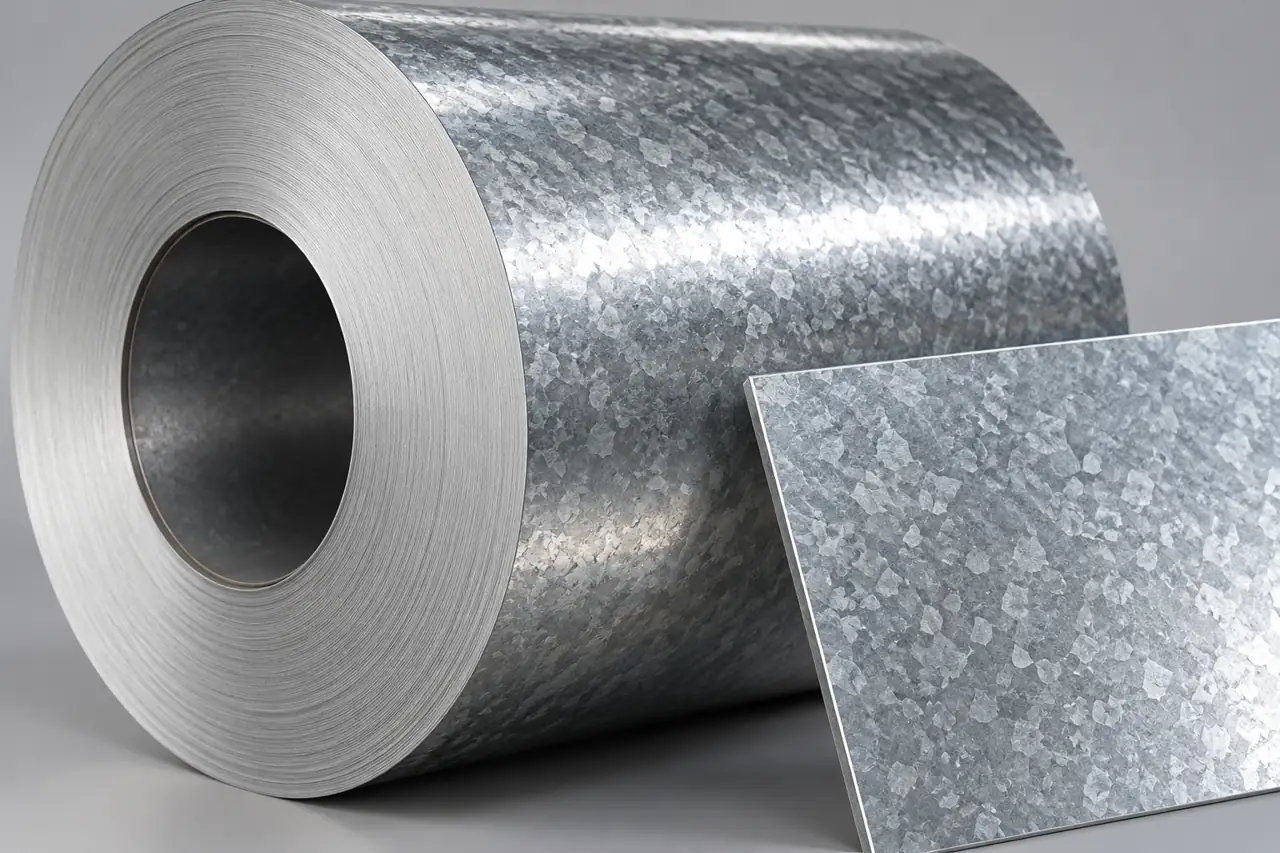
Make the coating basis explicit
Zinc-coated and aluminium-zinc-coated substrates are different identities, even when both show a metallic pattern. State the selected coating standard/designation and whether its mass requirement is total both sides or per side. Specify substrate versus finished coated thickness separately.
Spangle and brightness cannot measure coating quantity. Use the agreed coating evidence and identified sample, without transferring an assumed zinc mass from a photograph.
- Coating chemistrySelect zinc or aluminium-zinc identity rather than relying on a metallic appearance.
- Mass conventionState whether the specified coating mass covers both sides or each side.
- Thickness basisKeep substrate thickness and finished coated thickness distinct in the written acceptance.
Roll forming connects substrate behavior with coating strain
Review profile radii and tooling conditions alongside material behavior when investigating cracks or surface marks.
The strip passes through successive forming stations rather than one final bend. Profile radii, alignment, tension and friction influence where strain and surface contact accumulate. An unsuitable material condition can crack; a tooling or pickup problem can mark an otherwise acceptable coating.
Run the intended profile and retain the coil identity, settings and results. Change one meaningful variable at a time when comparing candidates.
- InputIdentified grade, coating and coil
- FormProfile stations and setup
- InspectCritical bends plus assembly geometry
- ReleaseRetain samples and approved limits
Inspect bends and profile geometry as different results
Inspect bend damage and assembly geometry separately, retaining flat and formed samples from the same coil.
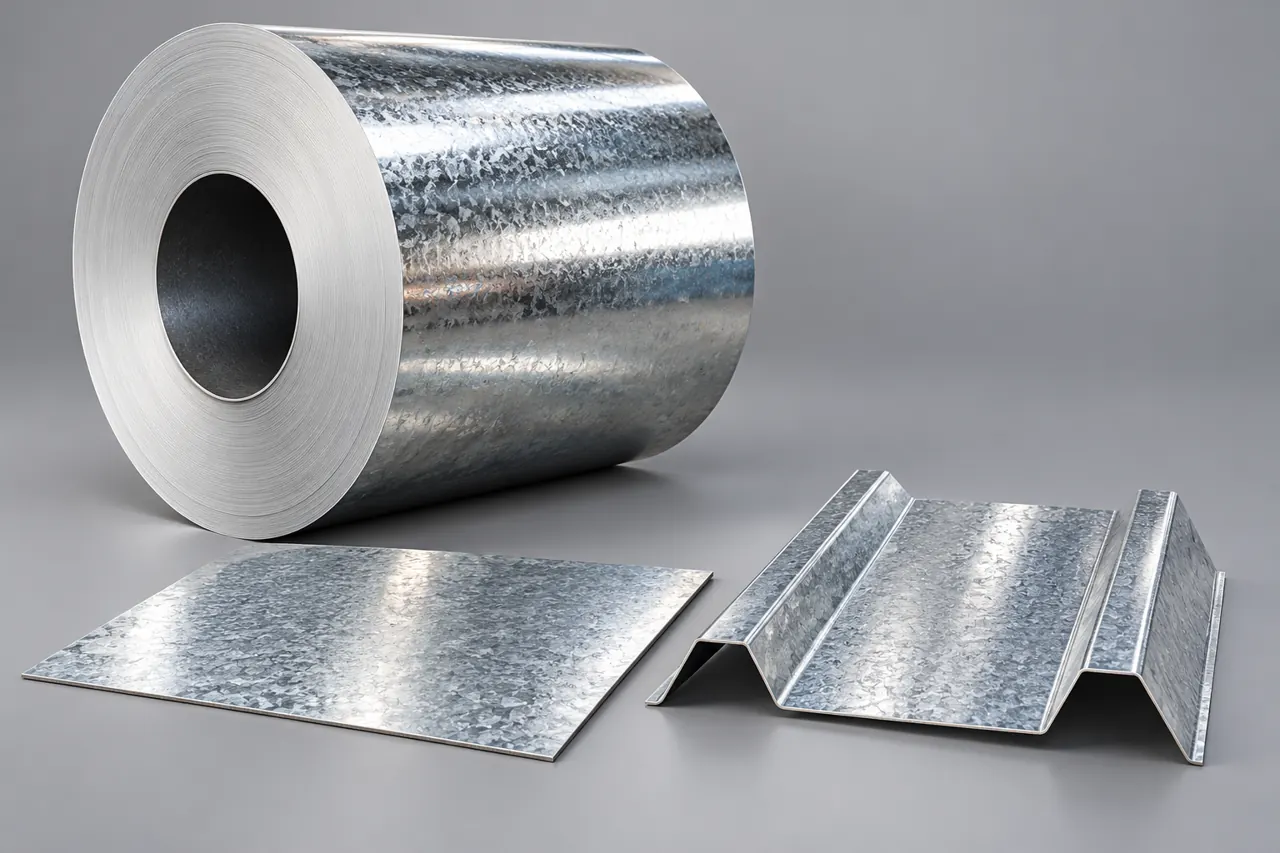
Two samples help separate failure mechanisms
Inspect the most demanding bend and formed edges for substrate cracking or coating damage, then measure the profile features needed for assembly. Springback or tracking can change dimensions without the same failure mechanism as coating flaking.
Retain a flat input coupon and a formed sample. They help distinguish an incoming material issue from damage introduced during forming, without extending one successful profile trial to every roof design.
- Flat inputRetain an identified incoming coupon to preserve the starting material and surface.
- Demanding bendsInspect the formed radii and edges for substrate cracking or coating damage.
- Assembly geometryMeasure profile features separately to reveal springback, tracking or setup effects.
QC records need to follow the offered coil
Link material, dimensional and coating evidence to the offered coil and the relevant acceptance characteristic.
Use the confirmed incoming/process/final QC framework to agree the evidence relevant to the selected grade, thickness, coating and package. A chemical record identifies represented material; a dimensional or coating result addresses its own sampled characteristic.
The written offer should identify the rolling/coating responsibility and record scope. No numerical inspection frequency, particular gauge or coating line is inferred from the general manufacturing facts.
- SourceProduct-specific supply relationship
- MaterialGrade and substrate records
- CoatingAvailable evidence for the offer
- ProjectRequired source or document restrictions
Moisture and movement create separate storage risks
Record wetness and package movement damage separately so storage stain is not mistaken for a forming failure.
Close-packed coil turns can retain moisture; relative movement can produce contact marks. Keep the packaging and storage brief connected to the transport and unloading conditions. Protection does not make a wet package self-drying.
At receipt, record wetness, wrapper damage and the affected coil position before further processing. Classify storage stain separately from a forming crack so the evidence addresses the likely cause.
- Trapped moistureRecord wetness between close-packed turns and wrapper condition before processing changes the evidence.
- Relative movementLocate rubbing or contact marks that can arise during transport and handling.
- Receiving evidenceKeep the affected coil position and identity with photographs of the original package.
Repeat orders preserve the approved input and package
Preserve the approved substrate, coating and coil envelope together with the retained forming sample.
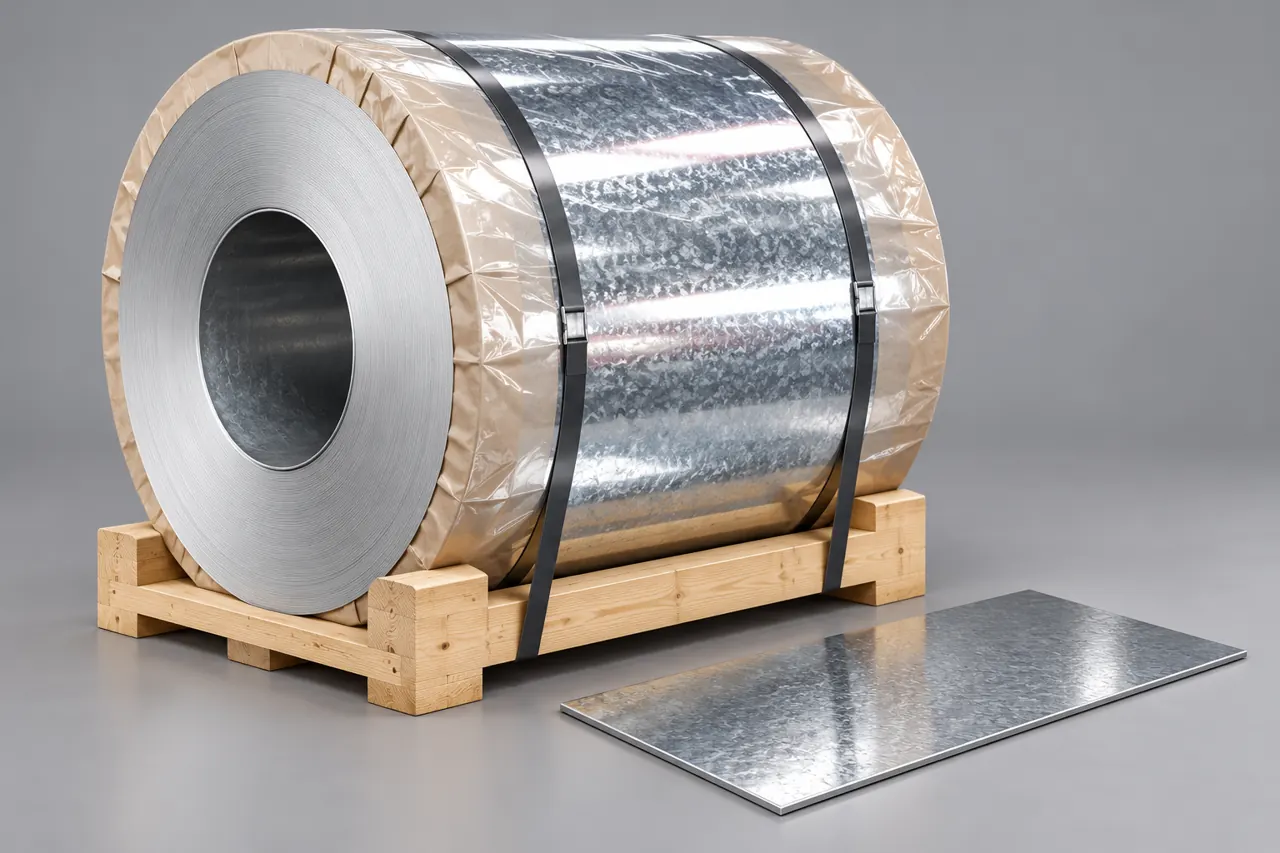
Repeat the complete approved input
Retain substrate designation, actual thickness basis, coating identity, usable width and coil envelope as one revision. Keep the forming sample and line conditions connected to it. A coating or package substitution can affect output even when nominal thickness remains unchanged.
Agree quantity, pack arrangement and schedule for that exact order; catalogue durability and warranty labels do not become a roofing performance guarantee.
- Steel and thicknessRetain the accepted substrate designation and the actual thickness measurement basis.
- Coating identityCarry the selected chemistry and coating acceptance forward into the next order.
- Coil and trialKeep the package envelope connected to the profile sample and line conditions.
Define the roofing coil trial
Send the profile, coating basis and receiving limits so the offer supports a meaningful line trial.
Share the profile drawing and decoiler limits so we can discuss an identified coil package, its coating responsibility and the samples needed for release.
Qingdao Relia Industries Co., Ltd.
Contact address: Shuyuan Road, Qingdao, Shandong, China
- Profile drawing and critical radii
- Substrate grade and thickness basis
- Coating identity and mass convention
- Width bore and handling envelope
- Trial quantity and acceptance records
Enquiry scope and supporting detail
Send the roofing profile, selected steel and coating requirement, thickness limits, width, bore and handling envelope. Add the critical formed dimensions, surface restrictions and the test/document basis you will use for release. We can then review a specific coil route and a meaningful forming trial, with coating responsibility and commercial terms written into the offer.
- MaterialSubstrate · tolerance · coating
- LineWidth · bore · coil limits · profile
- SupplyQuantity · records · destination