

Fused Alumina Abrasives for Metal Grinding and Polishing
Choose fused alumina around the metal, removal stage and abrasive system you use. This guide helps you define composition and grading, distinguish loose grain from finished wheels or belts, and compare cutting with final scratches. A controlled trial then shows whether the selected grain delivers useful removal within your finish and contamination limits.
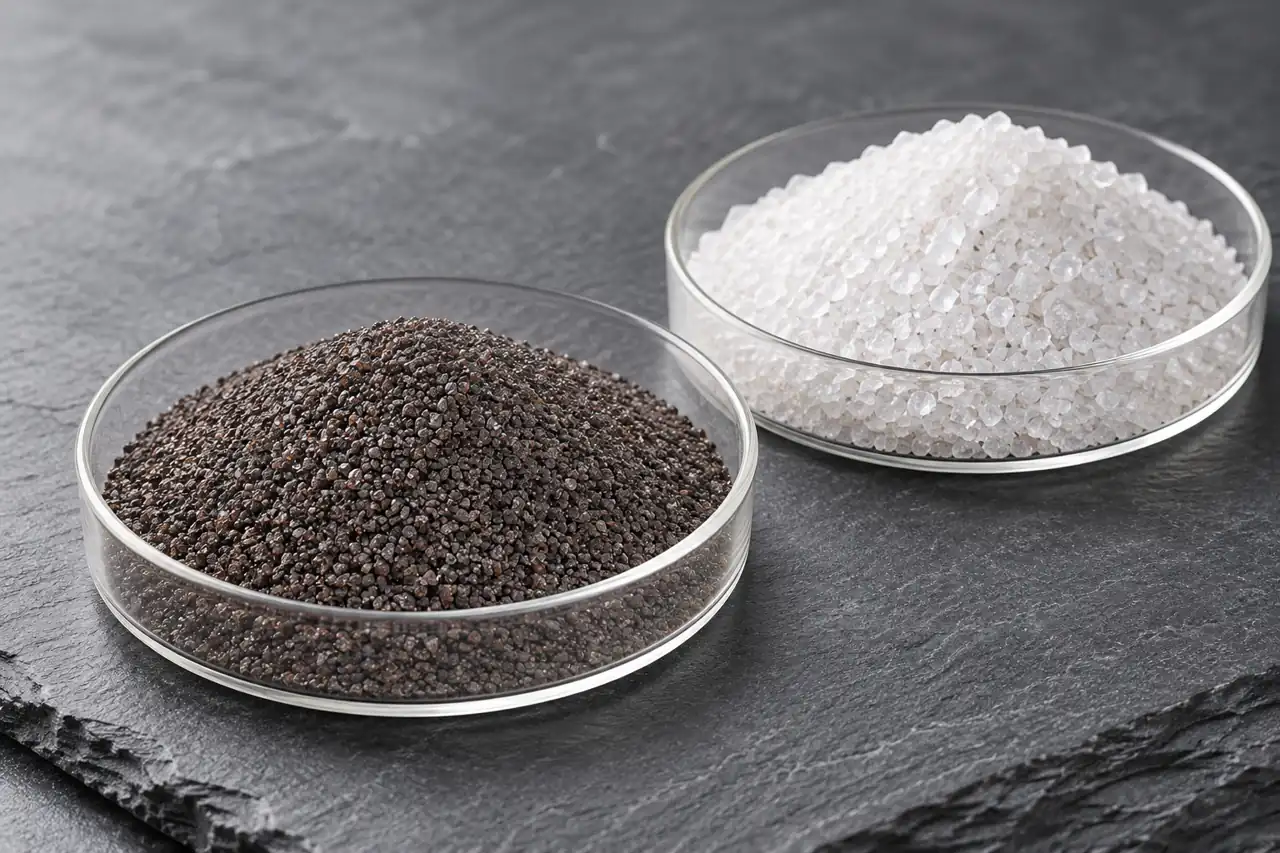
Choose grain for a defined finishing stage
For metal grinding or polishing, choose a defined alumina abrasive by chemistry, grading, grain shape and the actual delivery system: loose grain, bonded tool and coated abrasive are different products. Brown and white colour alone cannot select cutting behavior or final finish. Relia supplies the listed fused-alumina enquiries and can discuss their real material and grading conflicts. Start with the metal, stock removal, finish requirement and process medium, then compare removal, scratches, contamination and abrasive consumption in a controlled trial. Confirm the selected composition and particle population before treating a high-purity title or generic grit number as an approved polishing specification.
- Metal and allowanceDescribe the starting surface and the material that the abrasive must remove.
- Grain specificationSet composition, grading and particle condition for the selected process candidate.
- Delivery systemIdentify loose grain, bonded tool or coated abrasive before comparing the final result.
Selection context and decision detail
| Buyer requirement | Relia response | Evidence or condition |
|---|---|---|
| Metal-finishing grain | Discuss brown/white oxide supply candidates | Chemistry and abrasive delivery system must be specified |
| Real catalogue identity | Resolve grading and white/alumina-zirconia conflict | No purity or ceramic hardness inferred from colour/title |
| Evidence and trial | Corresponding batch records available | Removal, scratches and contamination assessed on actual process |
Fused alumina is an individually defined supply item
Identify the selected oxide producer and relevant material records separately from the confirmed cast-steel abrasive manufacturing route.
Relia manufactures steel wire and cast steel shot/grit; fused alumina has a separate selected producer and supply route. Our confirmed cast-steel melting and atomization do not establish oxide fusion in-house. The offer should identify the actual material, grain production and any treatment relevant to your process.
Incoming, process and final inspection are performed and corresponding batch records can be provided. Agree the evidence that represents the selected oxide supply, including composition and distribution, and any additional grain or application testing required.
- SupplySelected oxide producer and material
- RouteFusion/grain production identified per offer
- EvidenceComposition, distribution and relevant batch records
The brown-alumina entry needs one grading convention
Specify actual chemistry and a named grading convention rather than deriving metal-finishing performance from colour or hardness.
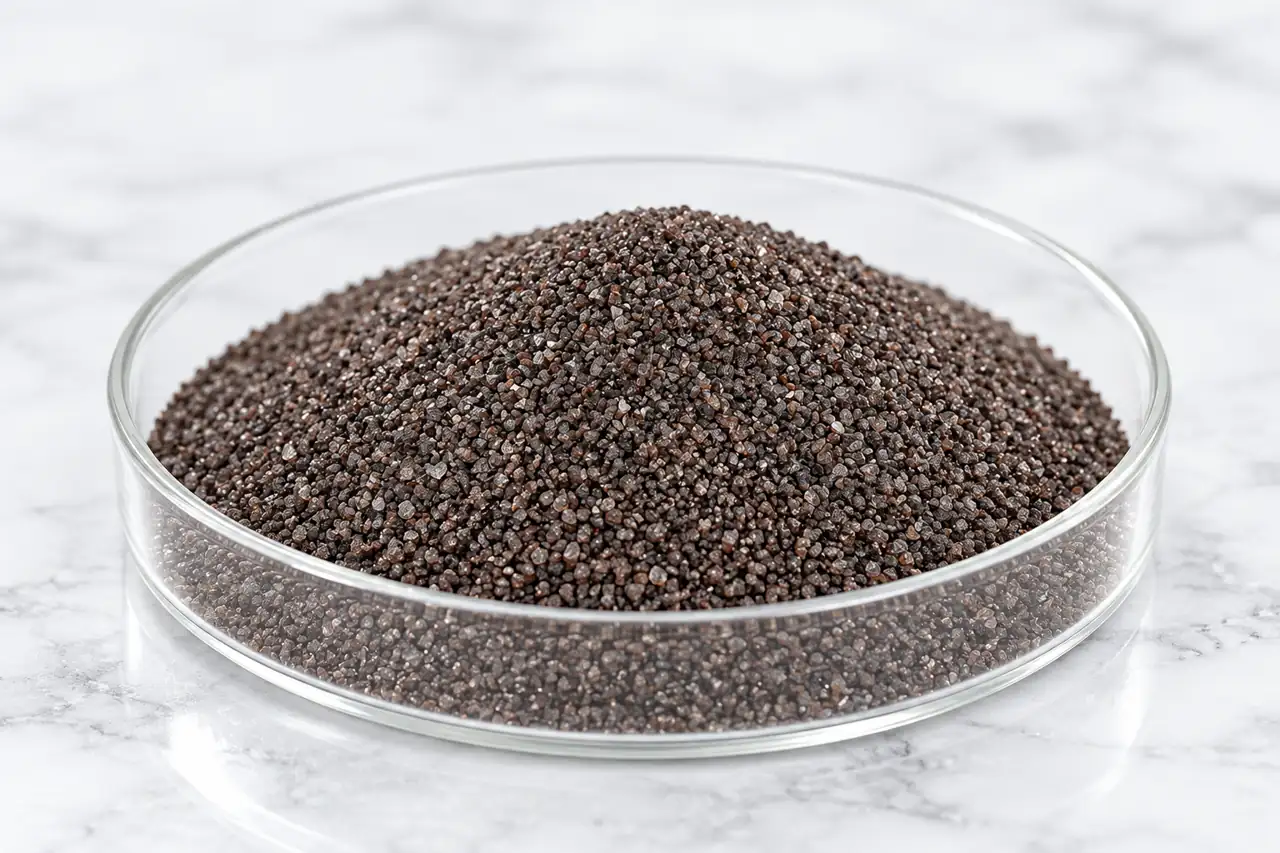
Define the brown-alumina trial input
The brown listing offers Aluminum Oxide with Other and numeric 20–170 grit labels. Its body also lists 0–1, 1–3, 3–5 and 5–8 mm families and primarily describes refractory use. Those are not automatic equivalents of every numeric option.
High-purity wording supplies no numerical alumina content. For grinding or polishing, select actual chemistry, impurity limits, grading and angular condition with the intended process. Refractory application wording and a Mohs 9 reference cannot establish a particular metal-removal rate or finish.
- Actual chemistrySet required composition and impurity limits rather than relying on high-purity wording.
- Named gradingUse one grading convention and distribution instead of equating numeric grit with millimetre families.
- Angular conditionReview the selected grain geometry alongside the intended metal and process contact conditions.
Product references for your shortlist
Open the product details, then discuss the exact specification for your application.
Brown fused-alumina grain enquiry
A grain-supply reference for a defined oxide composition and distribution evaluated in a metal grinding or polishing stage.
White fused-alumina enquiry
A separate material enquiry where the selected white-alumina chemistry and particle distribution match the intended finishing requirement.
Fusion and crushing influence the grain supplied
Fusion, cooling, crushing and classification establish different aspects of composition, grain structure and cutting geometry.
A representative fused-oxide route melts the selected feed, cools the fused material, then crushes and classifies it into grains or powder. Composition and thermal history affect the material, while crushing and classification establish particle geometry and distribution. These are process links to verify with the selected producer, not a claim that Relia owns that furnace.
Sharp contact edges remove material; fracture and dulling change the working grain during use. Hardness alone does not describe friability, particle strength or how a bonded or loose-abrasive system renews cutting edges.
- Fuse and coolMaterial and structure develop
- CrushParticle edges and geometry created
- ClassifySelected grain/powder population
- VerifyChemistry, distribution and application trial
The white-alumina reference contains a chemistry conflict
Resolve white-alumina versus alumina-zirconia identity before comparing purity or trialing a selected particle distribution.
The white entry requests 99.5% alumina in grit or powder, but its actual material option says Alumina-Zirconia with only 20 and 170 grit selections. White fused alumina and alumina-zirconia are not one automatically equivalent composition.
Obtain a coherent offered material designation and analysis before trial. Define the grading system and distribution rather than substituting a broad 0–8 mm body range. The preserved steel-scale HRC field is not adopted as ceramic hardness evidence.
- TitleWhite alumina, 99.5% requirement
- Actual optionAlumina-Zirconia
- Grit options20 and 170
- AcceptanceOne resolved chemistry and distribution
Stock removal and final scratches need separate checks
Measure useful removal and final scratches separately, retaining the finishing stage and subsequent clean-up needed.
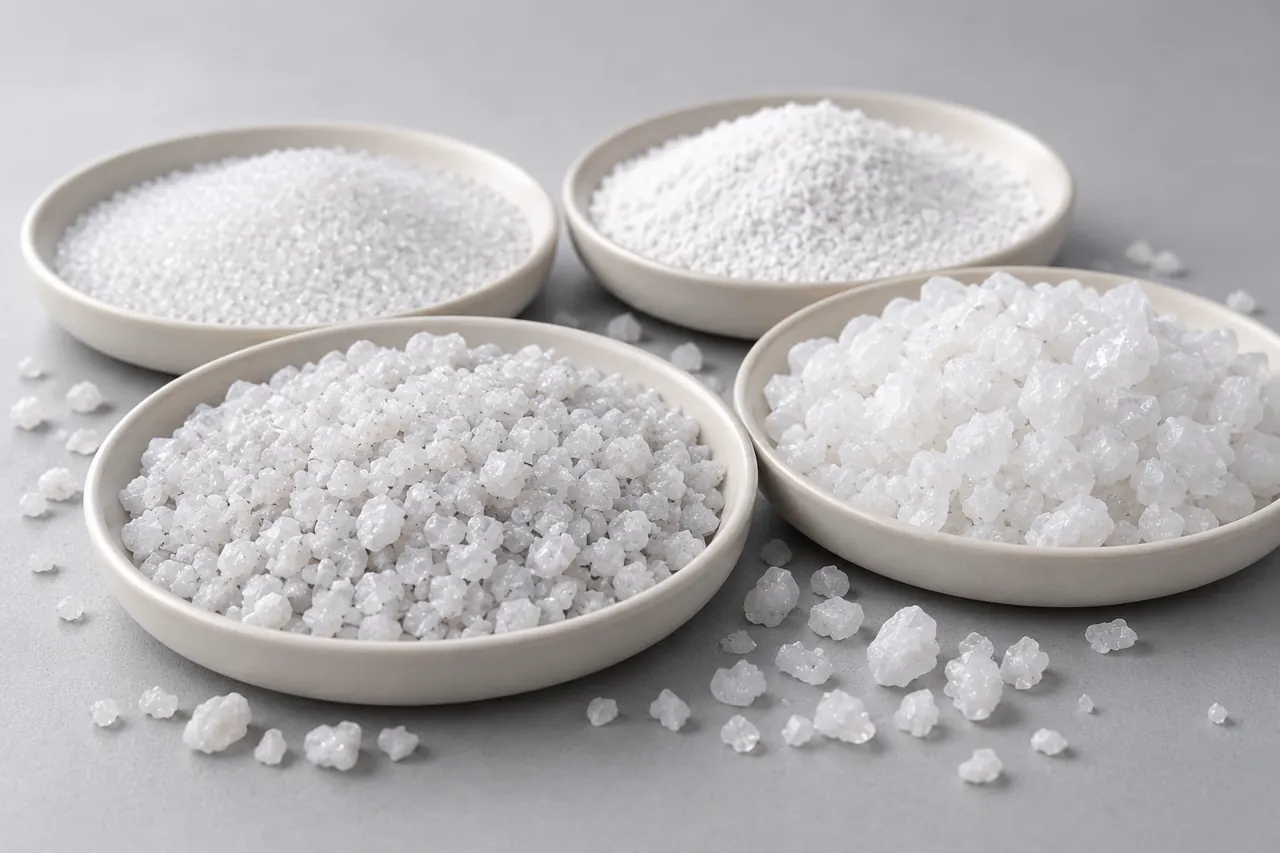
Compare removal and finish as separate outcomes
A candidate that cuts quickly may leave scratches outside the finishing allowance. Compare the actual metal, starting surface, pressure/contact, tool or slurry and process time. For multi-step finishing, retain the stage at which the grain is used and the subsequent removal needed.
The white grains and powders shown are AI-assisted form illustrations. They do not identify a measured particle size or chemistry. Assess final appearance or roughness through the agreed method, and check contamination or embedded grit where the next operation requires it.
- Cutting resultRecord useful stock removal under the same metal, contact and process-time conditions.
- Surface resultAssess scratches and required appearance or roughness at the actual finishing stage.
- Next operationCheck embedded grain or contamination where later cleaning, coating or polishing requires it.
A grain specification does not define a finished abrasive tool
Keep grain approval distinct from wheel, belt or slurry performance because the surrounding product construction also controls behavior.
In a bonded wheel or coated belt, bond, backing, grain orientation and product construction also control behavior. Loose-grain supply cannot inherit a finished-tool rating or operating limit. Specify whether you buy grain for your formulation or an actual abrasive product.
Keep any tool qualification with its manufacturer and applicable requirements. For a loose polishing trial, define slurry or carrier, concentration and cleaning instead. This prevents a grain-only comparison from being interpreted as approval for every wheel, belt or metal-finishing operation.
- Loose grainMaterial, distribution and carrier
- Bonded toolGrain plus bond and construction
- Coated productGrain plus backing and coating
- ApprovalActual product/process acceptance
Samples should preserve brown and white identities
Retain brown and white material samples with actual composition, grading and producer references rather than colour alone.
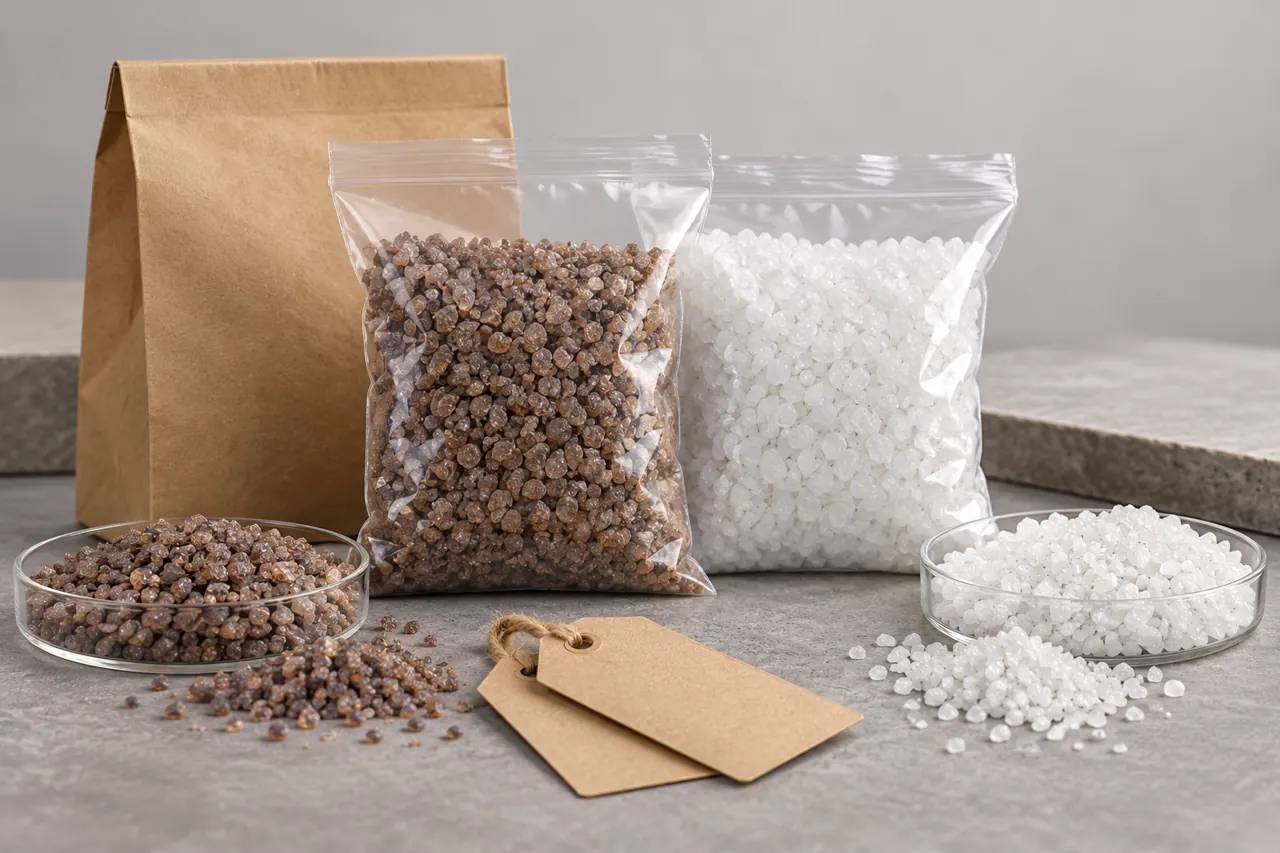
Keep composition and grading attached to the sample
Retain the actual composition and grading samples separately with their producer and batch references. Plain bags and colour are not enough to prevent a white-alumina/alumina-zirconia substitution. Match corresponding inspection records with the material actually sampled.
The pictured sample packs are illustrative rather than evidence of an agreed marking or packaging service. Specify net contents, contamination protection and order-line identity for the selected supply.
- Material identityRetain brown and white candidates separately with their actual composition and producer references.
- Particle referencePreserve selected distributions so a later supply can be compared with the approved grain.
- Handling protectionSpecify order-line identity and contamination protection for the material actually supplied.
Replenishment depends on measured application behavior
Compare accepted finish, rework and additions, then preserve the approved composition and grain condition for replenishment.
Record useful removal, accepted finish, rework and abrasive additions under comparable conditions. A low purchase price can be offset by deeper scratches, contamination or a different cleaning burden. Do not transfer a wear or thermal rating from a different oxide product.
Retain the approved composition, size distribution, particle condition and process reference. Review formulation, producer or grain-treatment changes before treating them as equivalent repeat supply.
- BaselineComposition, grading and process
- MeasureRemoval, finish and rework
- RetainBatch and physical samples
- ReviewSource or grain-treatment change
Describe the abrasive stage and accepted surface
Send the metal, removal target and delivery route so the selected material and trial address the actual finishing stage.
Send the metal and finishing stage so we can discuss a resolved grain specification and a sample comparison of useful removal, scratches and contamination.
Qingdao Relia Industries Co., Ltd.
Contact address: Shuyuan Road, Qingdao, Shandong, China
- Workpiece metal and starting surface
- Removal target and finish limit
- Loose bonded or coated delivery
- Required composition and grading system
- Trial conditions and sample quantity
Enquiry scope and supporting detail
Send the workpiece metal and starting surface, required removal/finish, and whether the abrasive is used loose or in a bonded/coated product. Identify required chemistry and impurity limits, grading convention and current grain reference. Add pressure/contact or slurry conditions and the acceptance method.
Request a resolved brown or white material offer and corresponding batch evidence. Include trial quantity, packing and destination; composition, sample arrangements and commercial terms are confirmed for the selected oxide supply.
- ApplicationMetal, process and target surface
- MaterialGrading basis and impurity requirements
- TrialQuantity, comparison method and records