

Steel Sheet Piles for Excavation and Cofferdam Projects
Buy sheet piles as a defined section and interlock package for the engineered wall and driving plan. This guide connects profile geometry and full-length condition with installation, sealing and receiving checks. It helps you preserve compatible locks and separate material release from completed-wall and water-control acceptance before the supply reaches the site.
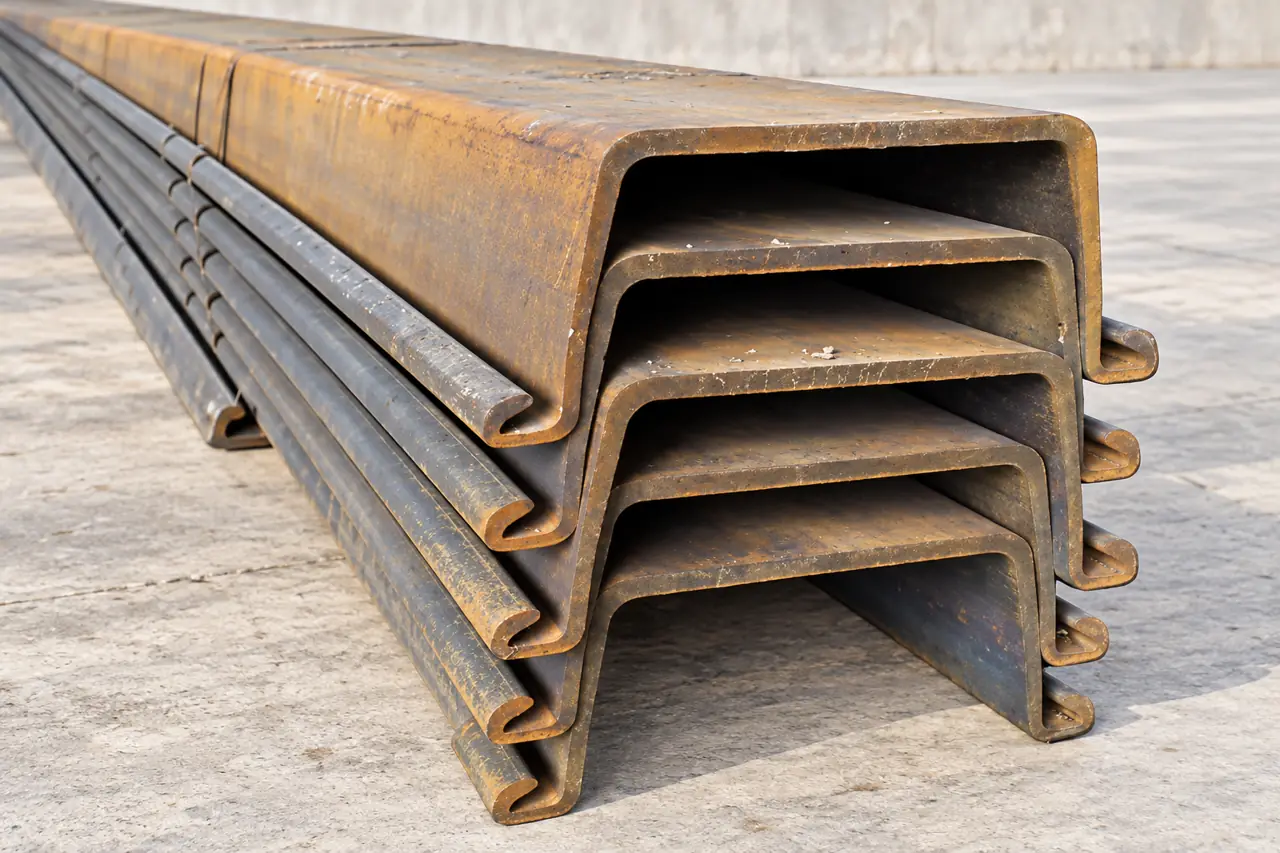
Carry the engineered wall into the pile order
For an excavation or cofferdam, buy sheet piles against the engineered wall and installation plan rather than a U, Z or dimension label alone. Start with the approved section, interlock, grade and length, then define driving, sealing and surface requirements. Relia's sheet-pile listing supports a selected-profile supply enquiry, but provides no retaining capacity or watertightness result. Send the wall layout and section schedule so the offer can preserve interlock compatibility and identify material, geometry and site responsibilities before piles arrive at the project.
- Wall scheduleRetain approved section, interlock, grade and lengths for the actual project.
- Supply packageAssign material, cutting, welding and surface scope to the selected offer.
- Site acceptanceKeep driving and water-control requirements connected as additional project responsibilities.
Selection context and decision detail
| Buyer requirement | Relia response | Evidence / condition |
|---|---|---|
| Compatible wall input | Sheet-pile supply review | Approved section, interlock, grade and lengths |
| Installable delivery | Producer/processing scope assigned | Full-length shape, lock condition and driving plan |
| Defined acceptance | QC and batch-record scope agreed | Supplied-pile evidence separate from wall/water results |
Sheet-pile supply needs a profile-specific responsibility
Identify the pile producer and interlock-processing scope separately from confirmed flat-steel rolling ownership.
Relia supports sheet-pile supply and selection. Confirmed steel plate/coil rolling does not establish hot-rolled sheet-pile production, interlock forming or installation as in-house. Assign the actual producer and any cutting, welding, sealing or coating scope in the offer. Incoming, in-process and final QC and corresponding batch records are confirmed, with pile-specific representation agreed.
Product 1304 offers a 600×210×18 mm dimension entry and names hot-rolled U/Z/straight-web forms. The listed grades are alternatives. Select one section and interlock drawing rather than apply that dimension to every profile.
- DesignCurrent section and project revision
- MaterialSpecified standard and grade
- ConditionNew or other accepted supply state
- ScheduleLengths and quantities by line
The interlock is an assembly interface along the full pile
Check interlock compatibility and full-length shape together because a short mating sample cannot represent the whole pile.
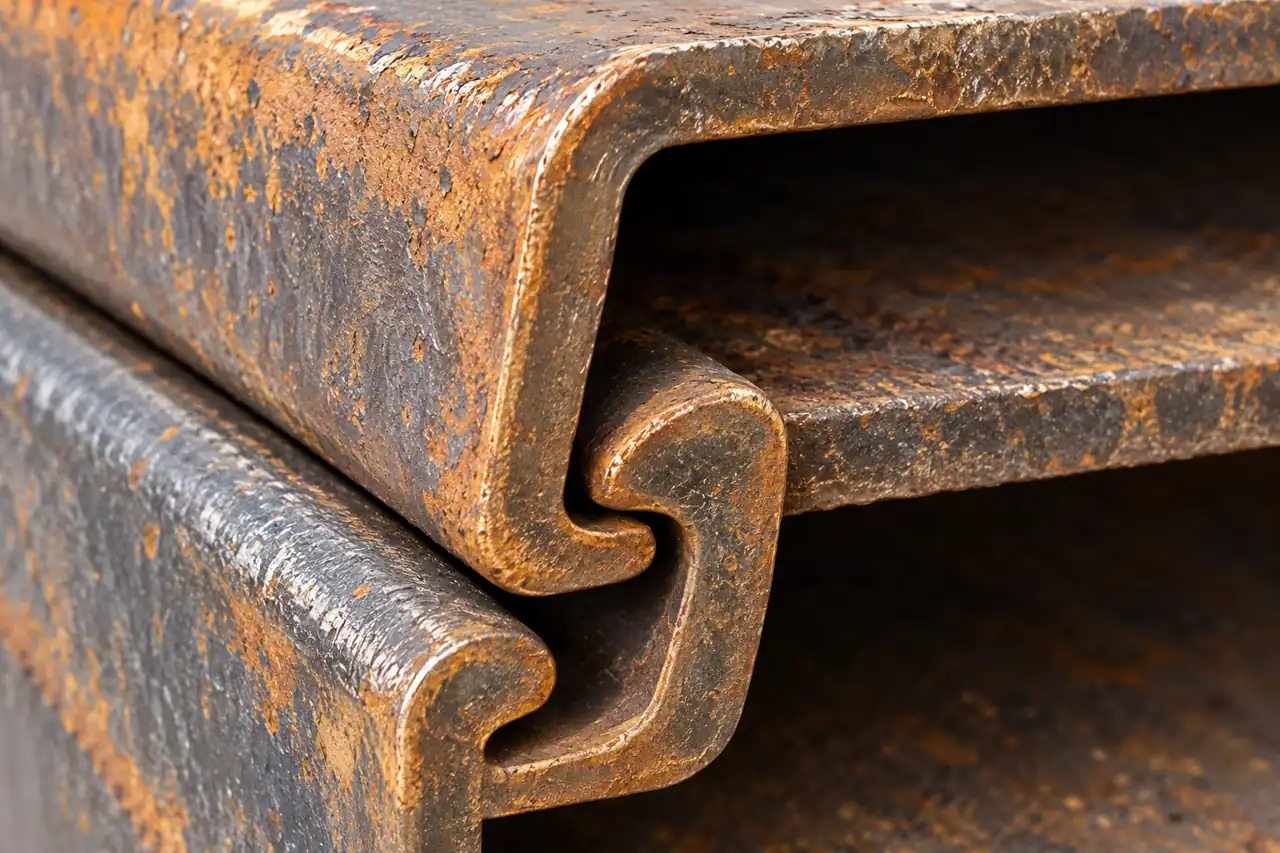
Check compatibility along the supplied pile
Define the mating lock geometry, orientation and supplied condition together with the section drawing. A compatible short sample is useful but does not assess full-length straightness, twist or damage that can hinder threading.
Specify the intended fit/inspection basis and preserve the selected lock revision. The U-shaped illustrations show the relevant form, not a dimensioned manufacturing drawing.
- Mating lockDefine the lock geometry, orientation and actual condition against the section drawing.
- Short fitUse a compatible short sample for the agreed local interface review.
- Full-length formAssess straightness, twist and damage that can hinder threading beyond the sample.
Product references for your shortlist
Open the product details, then discuss the exact specification for your application.
Project sheet-pile section enquiry
A pile candidate to define by one profile, actual interlock and material grade against an engineered wall schedule.
Section and installation choices work with the ground
Preserve ground, water, support and driving assumptions because steel thickness alone does not establish wall suitability.
The project design must consider soil, groundwater, retained height, supports or anchors and the intended driving method. These affect wall behavior and installation feasibility together with pile length and section properties.
A steel grade or greater thickness cannot replace the geotechnical and structural design. No catalogue application label establishes excavation stability.
- Ground and waterRetain soil and groundwater conditions from the actual engineered wall reference.
- Wall arrangementKeep retained height, pile length and required supports or anchors with the section.
- Installation routeReview the intended driving method alongside the project’s structural and geotechnical design.
Driving can change an initially acceptable interlock
Record incoming and driven condition separately so installation effects remain visible when threading or alignment problems appear.
Handling, alignment and driving can damage an end or lock, create deviation or complicate the next connection. The installation plan should identify guidance, sequence and observations appropriate to the site.
Separate receiving condition from installation records so a threading problem can be investigated without assuming every cause lies in the steel chemistry.
- ReceiveRecord ends, locks and full-length shape
- AlignFollow approved installation sequence
- DriveObserve actual pile and lock condition
- AssessSeparate site effects from incoming state
Interlock fit and watertightness are different outcomes
Define leakage acceptance separately from mechanical interlock fit and assign the actual sealing or verification scope.
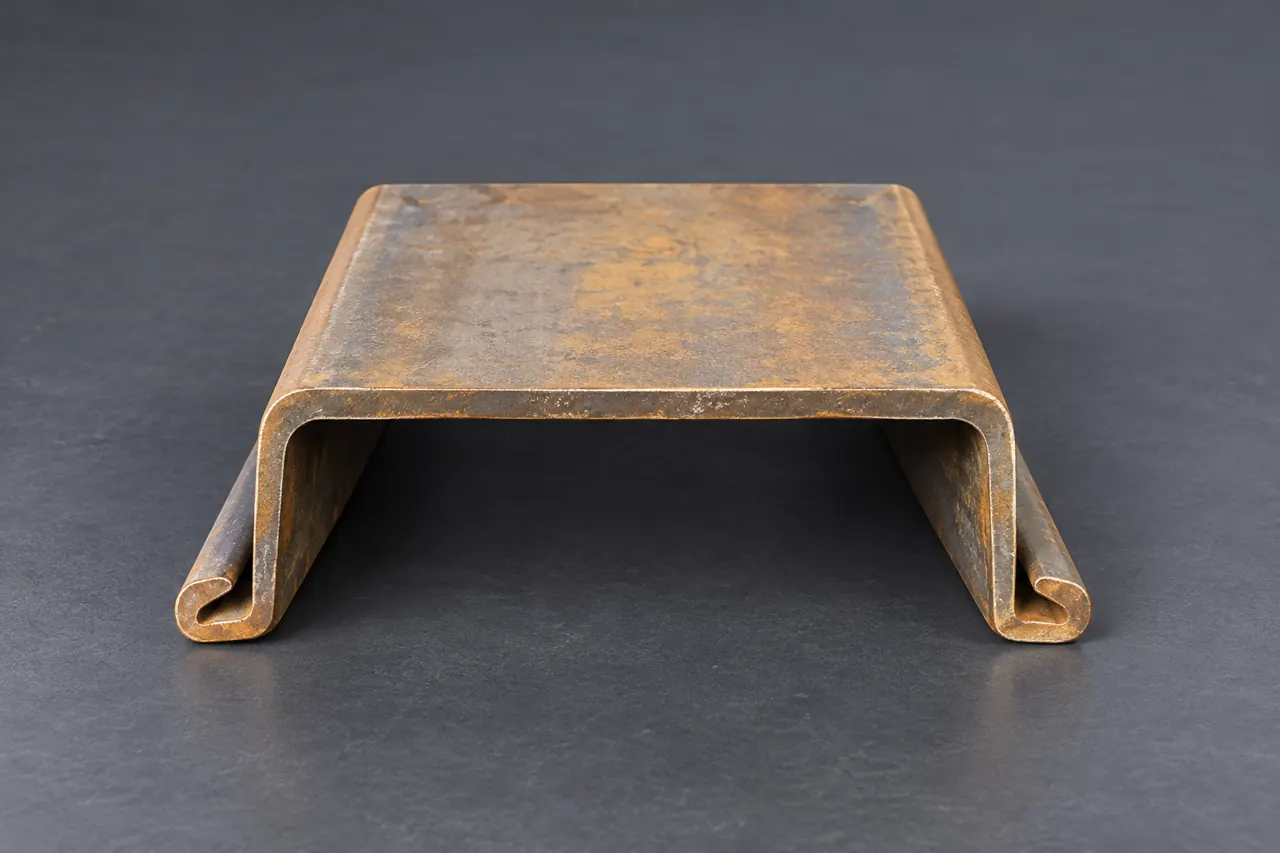
Separate lock fit from water control
A mechanically connected wall is not automatically impermeable. Water control depends on the actual locks, sealing or welding plan, installation and project conditions. Define the required leakage acceptance and assign its verification.
Any seal must be compatible with the selected interlock and driving plan. A generic sealing method from another product cannot be treated as supplied with this pile.
- Mechanical connectionCheck the intended interlock fit against the selected supplied geometry.
- Water requirementDefine leakage acceptance for the actual wall and project conditions.
- Assigned sealingConfirm any seal or weld scope against the lock and driving plan.
Cutting and welded details require the wall revision
Control cuts, lengths and welded details through the approved wall schedule and responsible design review.
State pile lengths, end cuts, corners, connections and any welded details against the approved schedule. Assign preparation and coating/repair responsibility where the specified surface changes.
Material supply records do not approve field modifications. Return a section, length or connection substitution for the responsible designer's review.
- Lengths and cutsSet pile lengths and end details against the current accepted schedule.
- Connections and weldingDefine corners, connections and any welded details through the approved wall revision.
- Surface responsibilityAssign preparation and coating repair wherever the selected processing changes the specified surface.
Receiving should protect locks and preserve bundle identity
Protect locks and retain bundle context before driving changes the original end and full-length condition.
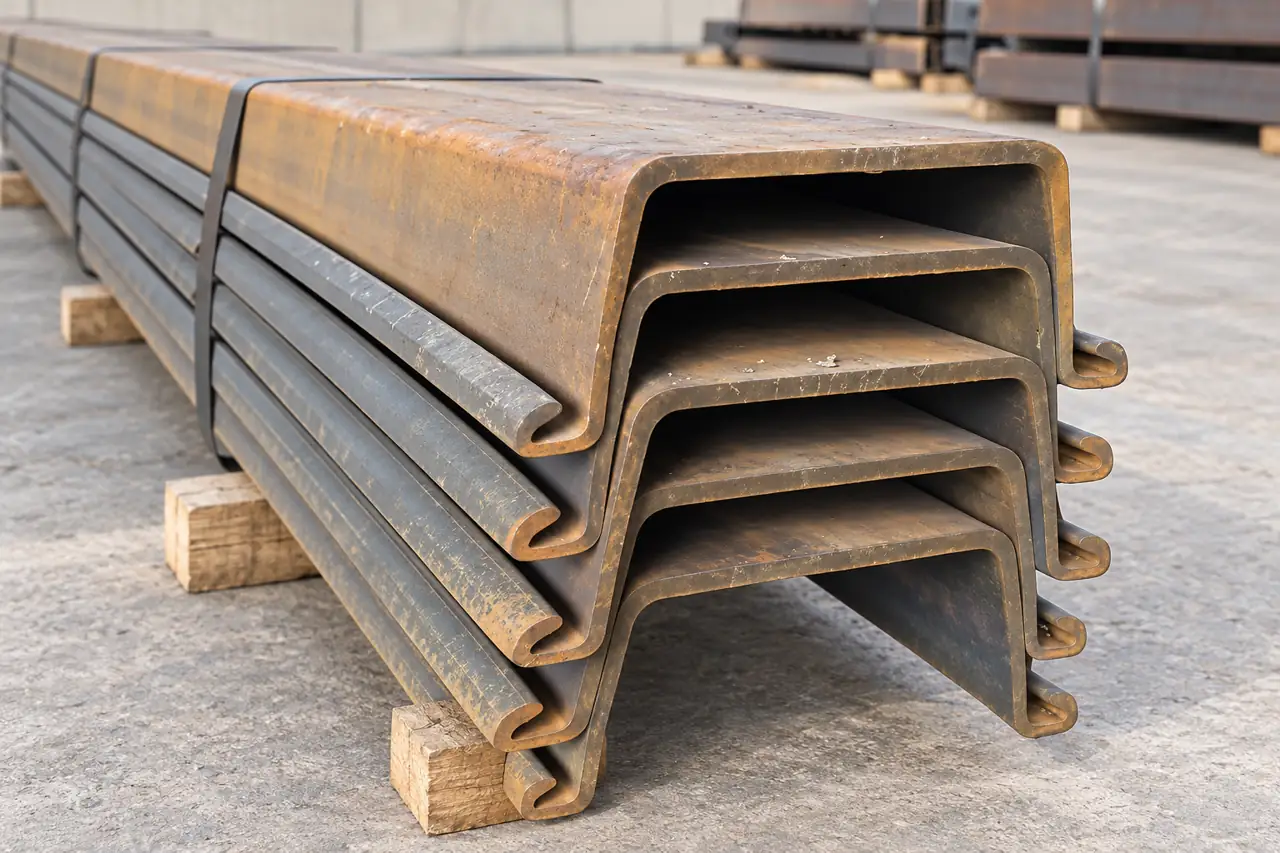
Retain the original receiving condition
Check ends, lock damage, full-length shape and package support before driving. Record the affected pile and wider bundle context for a discrepancy, then retain the link to represented material and dimensional records.
Visible mill surface or rust colour is not a measured thickness-loss result. Assess any condition against the actual acceptance basis.
- Lock protectionInspect ends and lock damage before the pile enters the driving sequence.
- Whole-pile shapeCheck relevant full-length form and the package support used during delivery.
- Bundle evidenceKeep the affected pile and wider bundle connected with material and dimensional records.
The release package separates material and completed-wall evidence
Keep material, section and fabrication evidence separate from site alignment, water-control and completed-wall acceptance.
Agree grade and condition records, supplied section/interlock checks and the defined fabrication scope. Keep site driving, alignment, water-control and wall acceptance as additional responsibilities.
The general QC facts do not specify a particular test method, survey accuracy, inspection frequency or certified retaining/waterproof rating.
- Material releaseRetain grade, condition and actual section or interlock records for the supplied piles.
- Fabricated scopeVerify the agreed cutting or welded details against the approved revision.
- Site acceptanceAssign driving, alignment, water-control and completed-wall evidence as additional project responsibilities.
Prepare the pile and installation schedule
Send profile, lock and installation requirements so a pile-specific supply and record package can be agreed.
Share the engineered wall reference and the locks the project needs to preserve. We can review a defined pile supply package and the incoming evidence required before driving.
Qingdao Relia Industries Co., Ltd.
Contact address: Shuyuan Road, Qingdao, Shandong, China
- Profile and interlock drawings
- Grade lengths and pile quantities
- Ground and installation design reference
- Cut weld and surface scope
- Water-control and receiving acceptance
Enquiry scope and supporting detail
Send selected profile and lock drawings, grade, length schedule, surface condition and fabrication details. Add the engineered wall/ground reference, driving approach and required water-control acceptance. We can then define a pile-specific supply and record package, with site scope and commercial terms explicitly assigned.
- SectionDesignation and interlock drawing
- MaterialStandard, grade and condition
- ScheduleLengths, quantities and processing
- ProjectApproval and receiving requirements