

Second-Source Steel Shot Approval After Batch Variation
Approve a second shot source by comparing the same incoming properties and the same blasting task. This guide helps you preserve affected samples, separate new shot from the used hopper mix and run a fair trial. Use the result to define a bounded first-lot release rather than replace one unexplained variation with another.
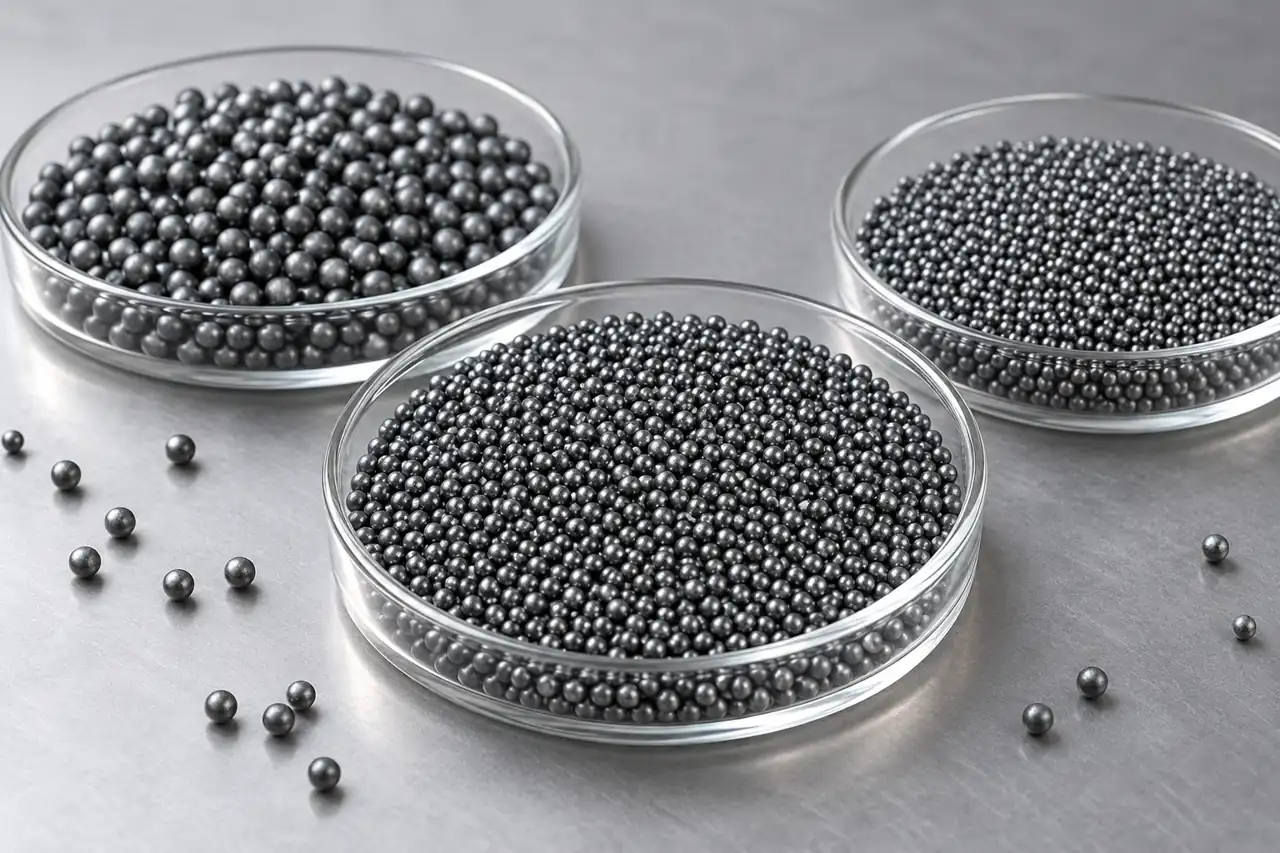
Build a comparable second-source decision
For blast-line buyers investigating batch variation, qualify a second steel-shot source against the same incoming specification and a controlled operating comparison. Relia manufactures cast steel shot and can review its listed candidate, with actual grading, particle condition and acceptance evidence defined for the offer. Retain the affected supply and distinguish new material from the working mix before changing supplier or machine settings. Send the existing specification, batch records, retained samples and process symptoms so the proposed lot can be compared fairly and a first delivery can be released against a written baseline.
- Retain baselinePreserve affected lot identity, samples and accepted incoming requirements before changing supply.
- Compare candidateUse matching methods to compare the proposed shot with the retained baseline.
- Release narrowlyApprove the defined application and first-lot evidence after a controlled operating trial.
Selection context and decision detail
| Buyer requirement | Relia response | Evidence or condition |
|---|---|---|
| A comparable alternative shot | Review actual cast-shot specification | Same grading, shape and hardness basis |
| Production and batch evidence | In-house cast route and batch QC records | Selected lot, methods and covered results |
| Controlled replacement decision | Define trial and first-lot release | Separate incoming material from operating mix |
Connect the alternative shot to its actual production evidence
Connect the proposed cast-shot identity and acceptance limits with the actual manufactured lot and available records.
Relia performs cast-steel abrasive melting, atomization, heat treatment and grading in-house. Incoming, in-process and final inspections are performed, and corresponding batch records can be provided. Identify the actual proposed lot and required report scope; this confirms neither a particular instrument nor universal standard compliance.
The cast-shot listing gives 42–53 HRC but combines Casting/forging choices, Other grit and an irregular-shape field. Agree the cast route, required shot geometry and full distribution. Those unresolved catalogue fields cannot serve as the second-source acceptance specification.
- Existing baselineAccepted specification, method and affected lot
- Candidate identityActual cast shot, shape, hardness basis and grading
- Evidence boundaryRepresented batch records and agreed first-lot checks
Compare distributions through the same sampling and sieve basis
Compare representative samples using the same grading convention, sieve limits and reporting method.
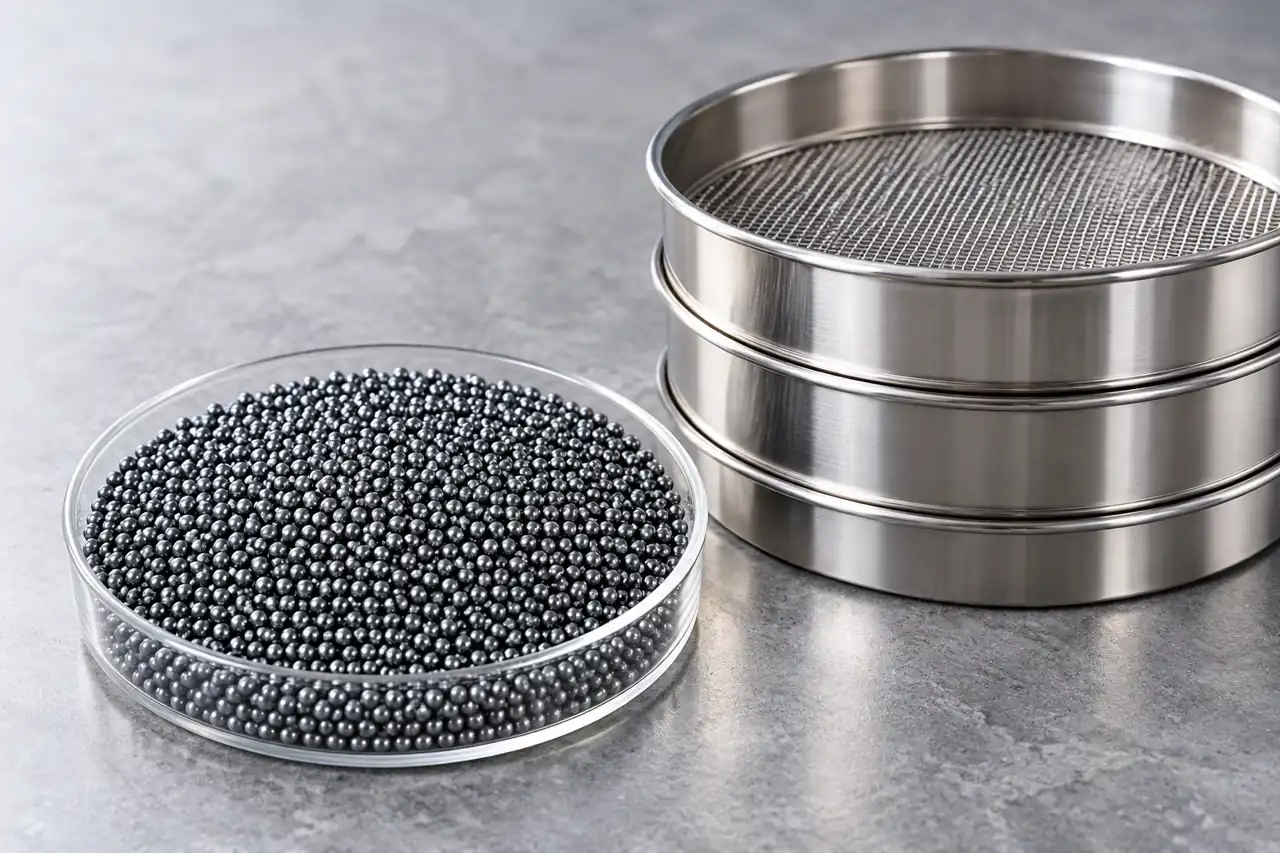
Compare the whole incoming size population
Choose one grading designation and its applicable sieve limits. Obtain representative incoming samples from the baseline and candidate, then compare results using the same method and reporting basis. ISO 11125-2 addresses particle-size determination by sieving. A nominal size on two bags does not prove that coarse tails or fine fractions match. Keep test date, sample/lot identity and results together, and resolve missing information rather than treating it as a passing result.
- Sample identityIdentify the lot represented by each baseline and candidate sample.
- Same sieve basisUse the same applicable limits and reporting method for both samples.
- Distribution tailsCompare coarse and fine fractions as well as the nominal grade.
Product references for your shortlist
Open the product details, then discuss the exact specification for your application.
Cast steel shot for second-source trials
A cast-shot candidate to compare with an accepted incoming baseline and the defined blast-line application.
Production stages explain which other properties to retain
Retain material, hardness and particle-form requirements because equal size labels do not establish equivalent shot.
Melting sets material composition; atomization creates the cast-particle population; heat treatment changes the supplied condition; grading selects the size distribution. Matching one size label therefore cannot establish matching hardness, structure or particle form. Different contact and breakdown behaviour can change the operating mix even when new-shot sizing looks similar.
Request the material, shape/defect and hardness evidence relevant to the selected specification. Keep the scale and method explicit: the catalogue HRC range is not a measured value for an unidentified lot.
- MaterialComposition and actual cast-shot identity
- Particle formationRequired shape and relevant defect evidence
- Supplied conditionHardness/structure basis for the represented lot
- PopulationAccepted sieve fractions and distribution tails
Distinguish incoming shot from the working mixture
Sample unopened stock, the working mixture and separator discharge separately before attributing variation to new media.
A machine hopper contains worn particles and material removed from workpieces, not only the latest new-shot delivery. Separate samples of unopened stock, the working mix and separator discharge. Record media additions, inventory changes, wheel/nozzle condition, feed and separator observations. ISO 11124-3 concerns new high-carbon cast-steel media when that specification applies; it does not certify a used operating mixture. A source investigation should preserve that difference.
- New materialUnopened-lot sample and incoming report
- Working mixHopper sample at a recorded time
- RecoverySeparator waste, useful-shot loss and carry-out
- Machine contextSettings, wear and workpiece starting condition
Trial the second source without hiding the cause
Hold workpieces and machine conditions comparable while recording candidate additions, accepted output and rework.
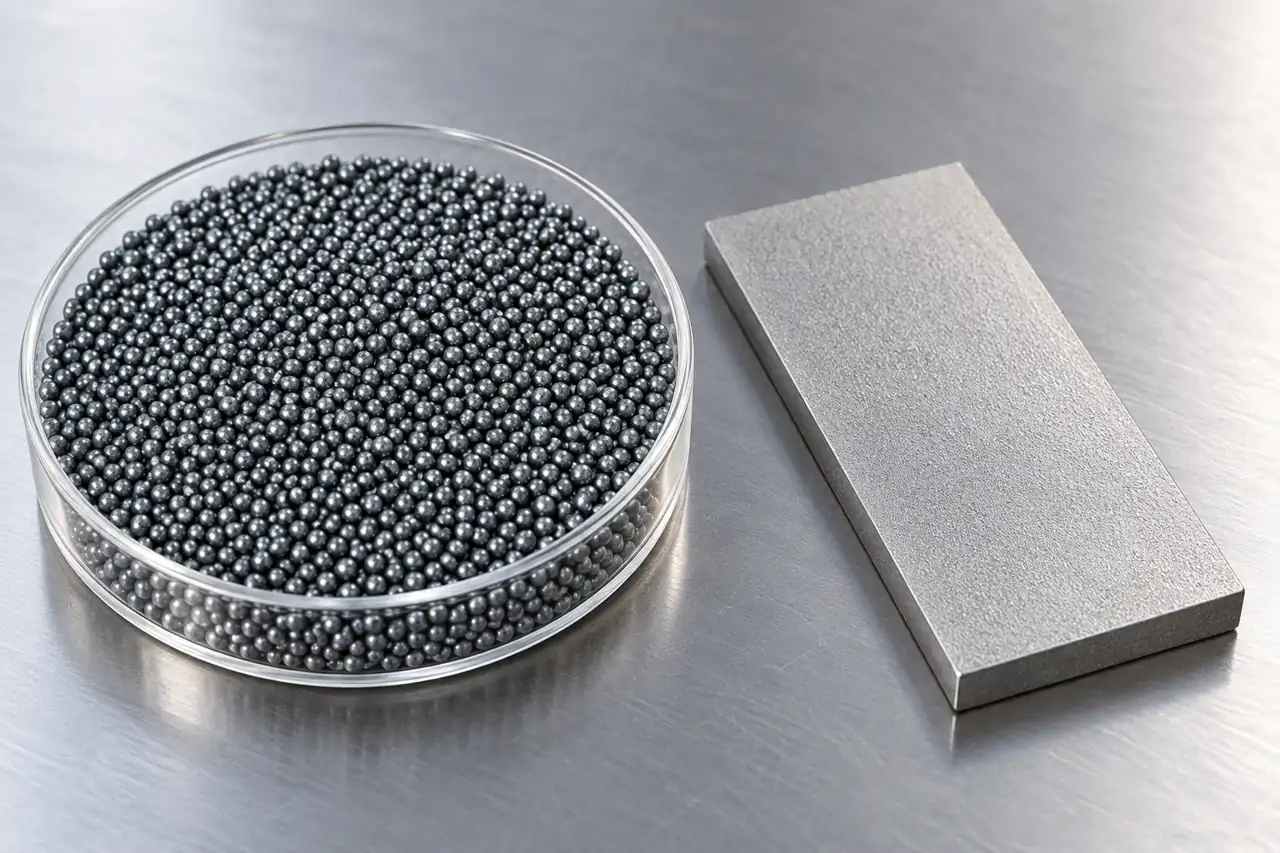
Keep the operating comparison fair
Use comparable workpieces, residue and load presentation. Define accepted cleaning or surface criteria before testing and record machine settings, candidate additions and the state of the working mix. Where practical, change one relevant variable at a time. Compare accepted output, rework and actual additions over a stated inventory period; a faster cycle or a fresh fill alone is not evidence of lower steady-state consumption or better repeat supply.
- Workpiece baselineUse comparable starting residue, geometry and load presentation for the trial.
- Machine baselineRecord settings and working-mix state while tracking each candidate addition.
- Accepted outputCompare accepted parts, rework and additions over a stated inventory period.
Release a first delivery against a bounded approval
Limit approval to the tested shot and application, then define the first-delivery records and checks.
State which lot and application the trial approves and what remains to be checked on the first production delivery. Agree the required batch reports, material identity, grading/condition limits and any retained sample. A successful second-source trial should not release unrelated shot sizes, hardness conditions or workpieces. Sample quantity, recurrence plan and commercial commitments require the actual offer rather than an assumed capacity reservation.
- Approved scopeSelected shot and defined application
- First-lot gateRequired records and incoming comparison
- Change ruleReview material, condition, grading or source changes
- Order termsCurrent quantities, packing and timing
Retain the comparison after bags are opened
Preserve sample, pack and machine-level lot identity so the original comparison remains usable after opening.
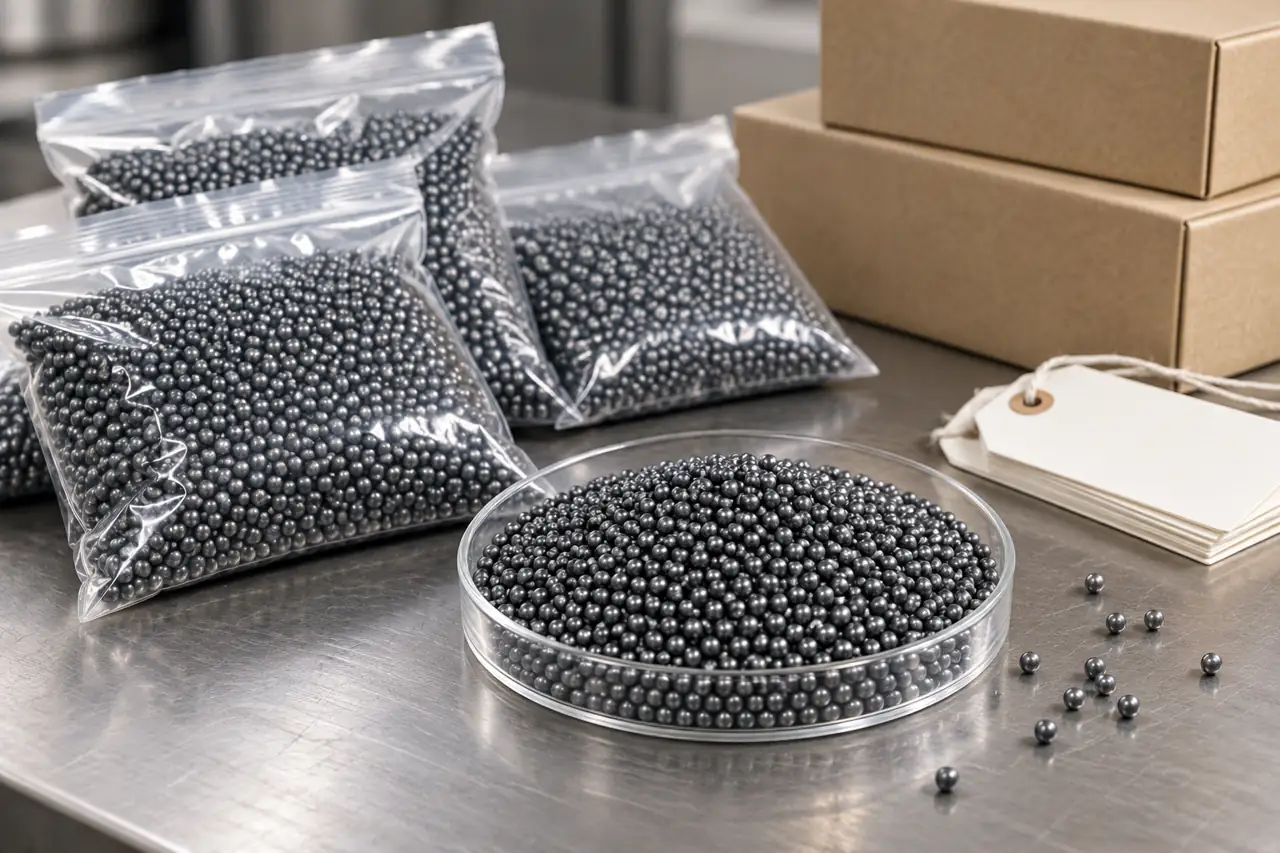
Retain a usable reference after opening
Keep sealed comparison material with the specification revision and trial result. Ensure pack and packing-list references identify the delivered lot, then preserve that identity at the machine. Protect samples from moisture or mixing. The illustrations show sample-control concepts; neither an unmarked jar nor pictured bags establish a documented retained sample, supplied package or batch approval.
- Comparison sampleKeep sealed identified material with its specification revision and trial result.
- Delivery connectionLink package references with the actual delivered lot and packing list.
- Machine connectionPreserve that lot identity as media enters the operating mixture.
Investigate a repeat deviation through the same method
Investigate later deviations through the same baseline before assigning cause or authorizing material disposition.
Hold the affected lot and repeat the agreed comparison with identified material. Check whether the deviation concerns new-shot grading, particle condition, working mix, equipment or the incoming workpieces before assigning cause. Preserve measured results and operating changes. Define notification, examination and authorized disposition in the order; the investigation record should explain the decision rather than promise a fixed replacement or claim outcome.
- ContainAffected material, marks and samples
- CompareSame incoming methods and baseline
- CorrelateWorking mix, machine and accepted output
- DecideAuthorized material/process disposition
Prepare the second-source comparison
Send the affected-lot evidence and operating context so a second-source proposal addresses the actual variation.
Share the current shot baseline and the variation you are investigating. We can review a candidate lot and the records needed for a controlled comparison.
Qingdao Relia Industries Co., Ltd.
Contact address: Shuyuan Road, Qingdao, Shandong, China
- Current shot specification and methods
- Affected lots and retained samples
- Machine settings and working mix
- Trial acceptance and replenishment records
- First-lot quantity and destination
Enquiry scope and supporting detail
Send the current shot specification, affected lot references and comparable test results, with retained-sample information and process symptoms. Add machine/workpiece context, acceptance criteria, trial quantity, expected repeat demand and destination. Relia can define the candidate and available batch evidence with you. Actual sample, grading, documentation, packing and delivery terms must be settled before release.
- BaselineSpecification, methods and affected lots
- TrialCandidate, machine context and accepted result
- SupplyFirst-lot records, quantities and current terms