

Nickel Alloy Plate for Specified Chemical-Equipment Projects
Select nickel-alloy plate for the chemical environment and fabricated condition the component will actually see. This guide connects service chemistry, temperature and local conditions with one exact alloy, delivered state and plate geometry. It helps you distinguish material identification from welded-component qualification and organize the evidence your project team needs before releasing supply.
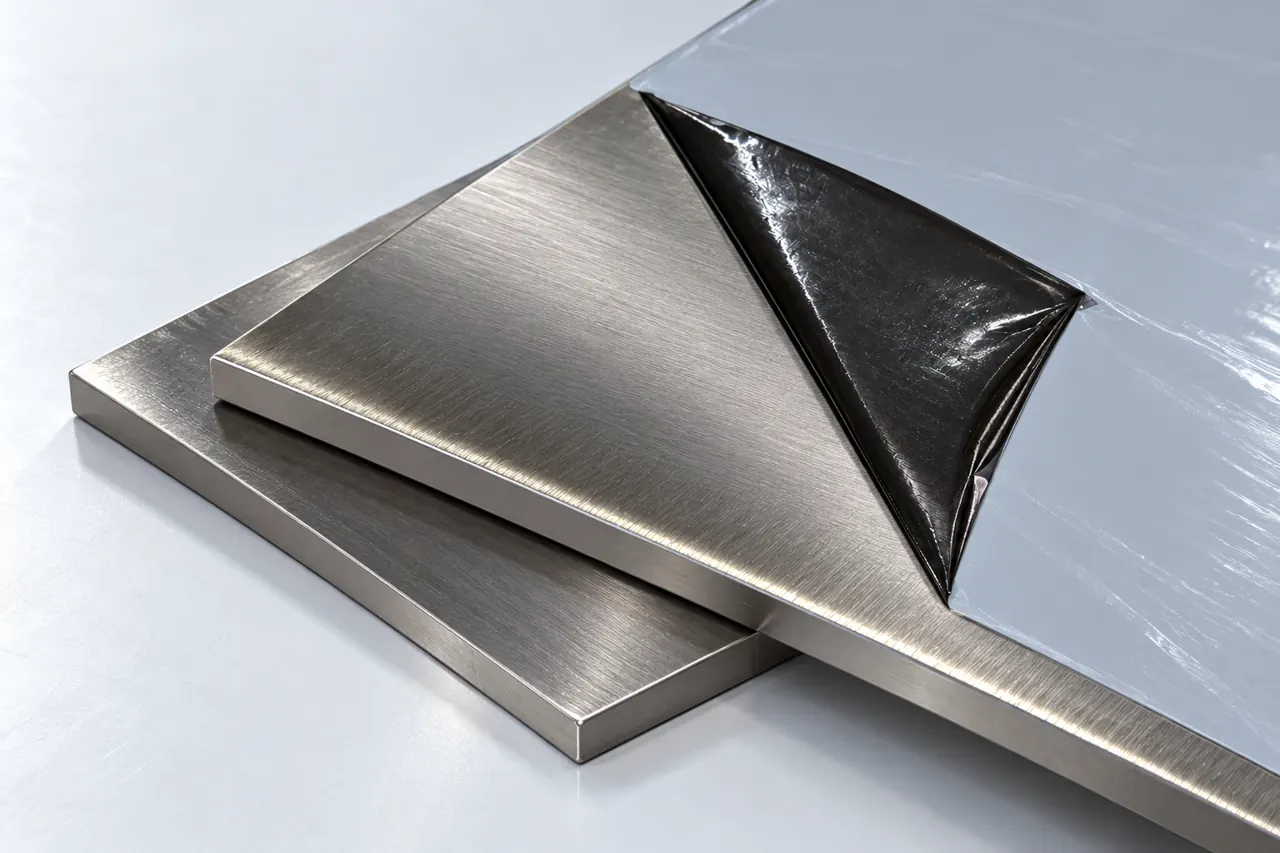
Connect the service to one plate specification
For chemical equipment, choose nickel-alloy plate from the actual process environment and component specification before comparing C-276, C-22 or another alloy name. Start with concentration, temperature, impurities and the joint condition your engineer must qualify. Relia's flat-stock reference can support a selected-grade supply enquiry, but its mixed Monel and Inconel fields do not establish an equivalent material. Send the service and fabrication brief so the offer can identify one alloy, delivered condition and traceable plate evidence without turning generic corrosion data into a plant-life promise.
- Service briefDescribe the actual stream, temperatures, impurities and relevant cleaning or upset conditions.
- Material selectionName the exact alloy, product basis and required delivered plate condition.
- Fabrication evidenceIdentify the forming, welding and service assessment needed for the component route.
Selection context and decision detail
| Buyer requirement | Relia response | Evidence / condition |
|---|---|---|
| Service-based alloy choice | Nickel plate selection support | Actual environment and engineering qualification |
| Identified plate | Selected-grade supply review | One designation, condition and actual producer |
| Traceable release | QC and batch-record scope agreed | Identity, geometry and fabricated-service evidence |
Nickel plate supply needs a selected alloy and producer
Define the actual nickel-plate producer and processing allocation separately from confirmed steel plate rolling.
Relia supports nickel-alloy plate selection and supply; the confirmed steel plate/coil rolling scope does not establish nickel-alloy melting, rolling or solution treatment as in-house. Company incoming, in-process and final QC and corresponding batch records are confirmed. Define the producer, processing allocation and represented evidence for the actual plate.
Product 898 requests C-276/C-22 but also contains Monel 400 material, Inconel model and generic mechanical/composition fields. There are no actual size options. Select one grade and product basis rather than merging these incompatible identities.
- ProjectSelected alloy and product standard
- ConditionRequired delivered material state
- OfferActual proposed plate identity
- ApprovalNamed project review responsibility
Corrosion screening should reproduce the relevant environment
Record bulk chemistry, local conditions and credible cleaning or upset exposure for meaningful corrosion screening.
Temperature and concentration can change a medium's attack; impurities, oxidizing conditions, deposits and stagnant crevices can change the local environment further. Record both normal service and credible cleaning or upset conditions.
Published alloy data helps screen candidates, but results from a laboratory acid do not directly predict a mixed plant stream. Qualification belongs to the actual service and responsible engineering review.
- Bulk streamChemistry, temperature and concentration
- Local conditionDeposits, crevices and stagnation
- OperationCleaning and credible upset
- Material stateDelivered and fabricated condition
Product references for your shortlist
Open the product details, then discuss the exact specification for your application.
C-276 or C-22 plate enquiry
A flat-stock starting point for selecting one exact nickel alloy and delivered condition against a chemical-equipment specification.
C-276 and C-22 are distinct material choices
Select C-276, C-22 or another exact alloy as a distinct material with represented records.
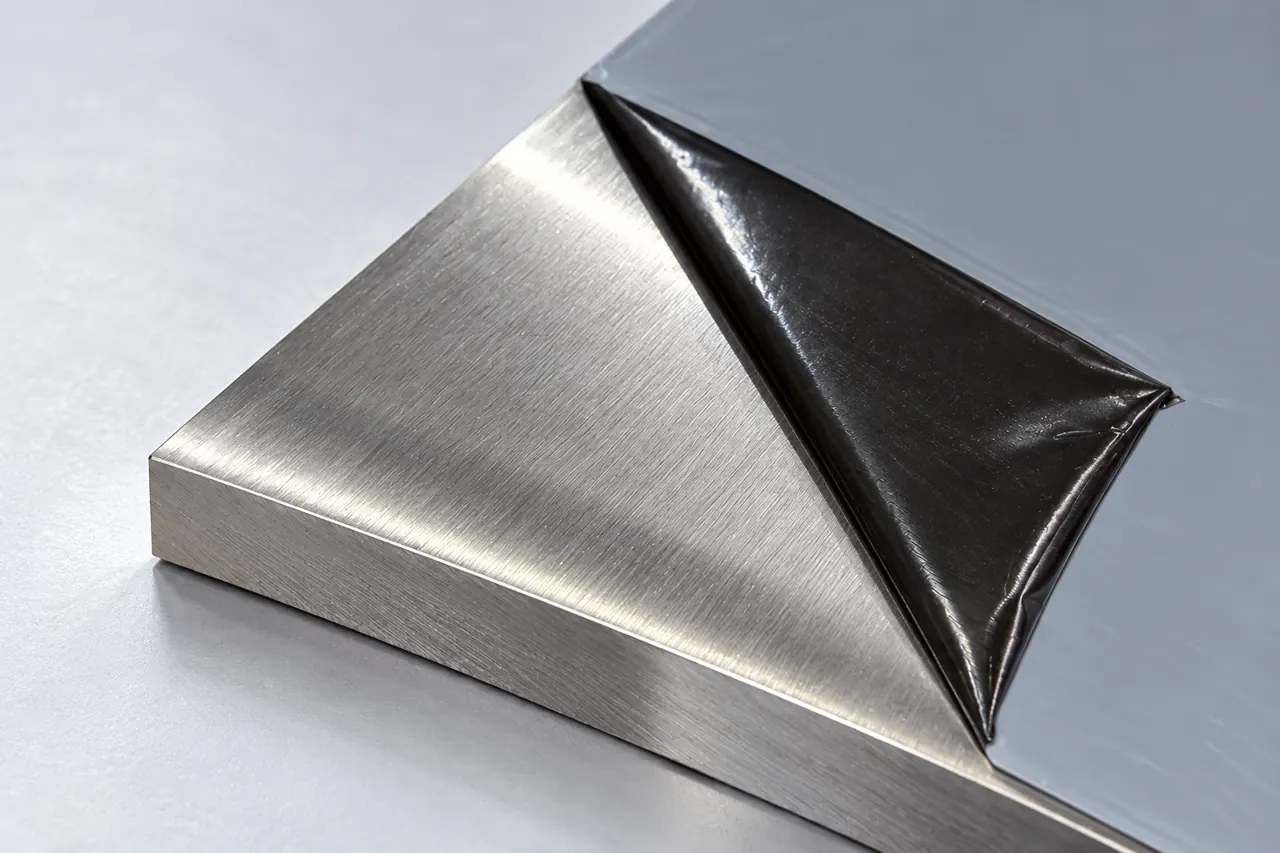
Keep candidate alloy identities separate
Use an exact material designation and applicable product standard to define the selected nickel-chromium-molybdenum alloy. A Monel-derived nickel field or generic tensile number cannot identify either grade.
Retain represented chemistry and required condition/mechanical records. Similar colour and nominal thickness do not justify substitution between alloy families.
- C-276 requestDefine the exact product specification and required records for this selected alloy.
- C-22 requestReview as a separate material option against the actual project environment.
- Other alloyIdentify a different designation explicitly rather than merging another alloy family’s properties.
Working and heat history affect the fabricated material
Include delivered and fabricated condition because working and heat history can change the material being assessed.
Rolling and forming alter deformation state, while heat treatment establishes the agreed delivered condition. Later cold work or welding can change the local condition again. Define the plate condition and the fabrication operations that the component qualification will represent.
Do not infer a specific solution-treatment route or thermal cycle from the catalogue's hot/cold rolled wording. Any required treatment needs an assigned provider and record.
- Delivered plateIdentify the actual alloy and treatment condition represented by the supplied material records.
- Later deformationInclude cold work or forming that changes the component’s material condition.
- Joining historyRepresent the relevant welding and treatment route in the required component qualification.
Cut blanks need geometry and fabrication allowance
Define blank dimensions and allowance around edge preparation, forming and the finished component envelope.
Specify actual thickness, width, length, flatness and the material left for edge preparation or final machining. Identify rolling direction where the design or forming plan requires it.
A plate accepted for incoming dimensions may still require a separate formed or welded qualification. Cutting and edge preparation are offer-specific responsibilities, not proof of a completed vessel capability.
- Plate dimensionsSpecify actual thickness, width, length and flatness for the ordered plate.
- Fabrication allowanceLeave material for the required edge preparation or final machining operation.
- Rolling directionIdentify direction where the component design or forming plan requires it.
Welded condition requires evidence beyond parent plate
Assess the actual welded condition separately from parent-plate evidence under the responsible fabrication procedure.
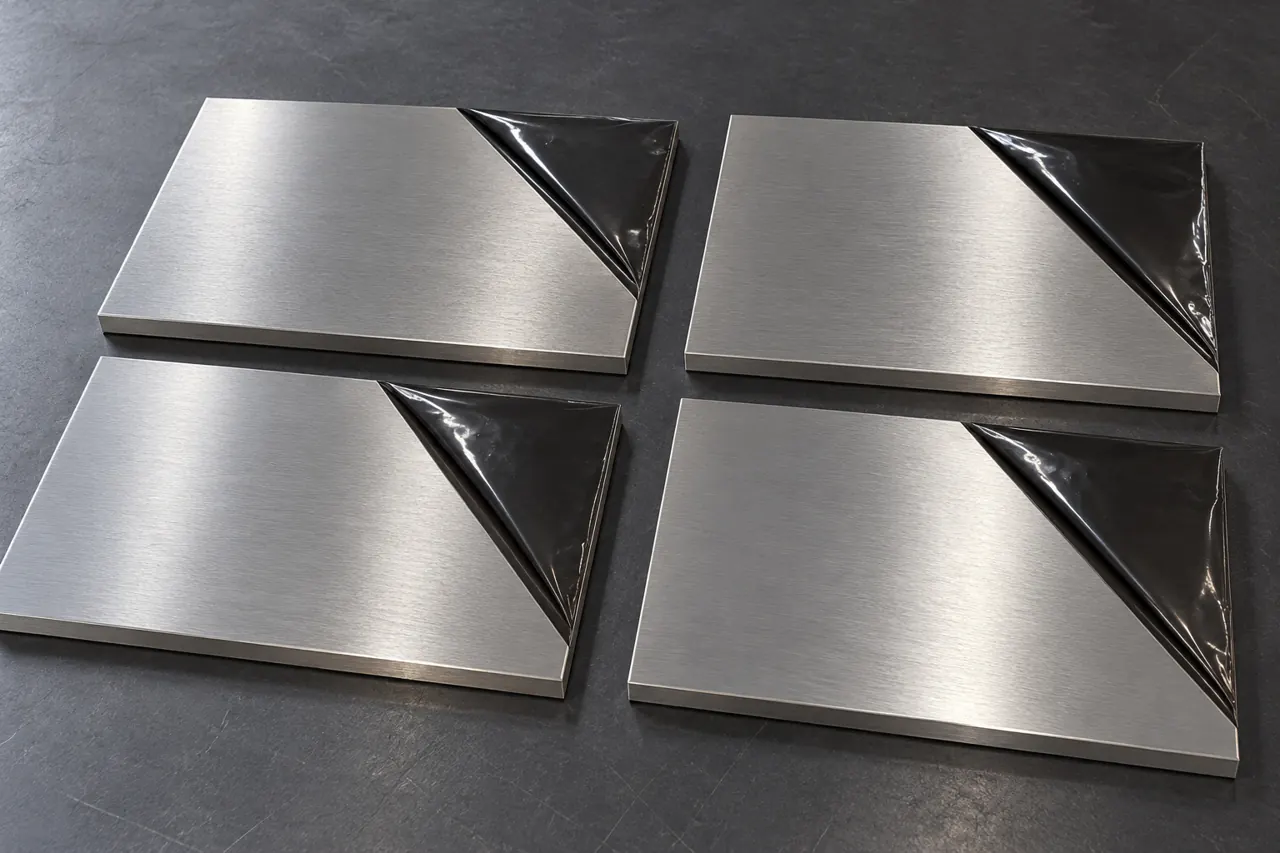
Represent the fabricated joint
The joint includes weld metal, heat-affected material and the actual surface/cleaning condition. A parent-plate corrosion result alone cannot represent every joint. Assign filler/procedure selection and any required joint assessment to the responsible fabricator.
Keep identity through cutting and welding so a retained coupon represents the actual component route rather than an unrelated clean sheet.
- Parent plateKeep actual heat identity and required delivered-condition records with the plate.
- Welding routeAssign filler and procedure selection to the responsible fabricator for the component.
- Joint assessmentReview required evidence for weld metal, affected material and the actual cleaning condition.
Surface protection preserves identity without proving suitability
Use surface protection to preserve handling condition without treating it as proof of alloy or service suitability.
Agree visible-face restrictions, film compatibility and contamination controls for handling and fabrication. Remove protection at the stated stage and check the underlying face.
The film-covered plate images illustrate protection and product form. They cannot prove C-276/C-22 identity, corrosion resistance or a particular producer's heat treatment.
- Protection compatibilityAgree film and visible-face restrictions that suit the selected plate and process.
- Contamination controlDefine handling practices that preserve the required surface condition before fabrication.
- Underlying inspectionRemove protection at the agreed stage and check the actual plate face.
Release evidence should separate identity, geometry and service
Link identity, geometry and service qualification to the selected plate while keeping their evidence scopes distinct.
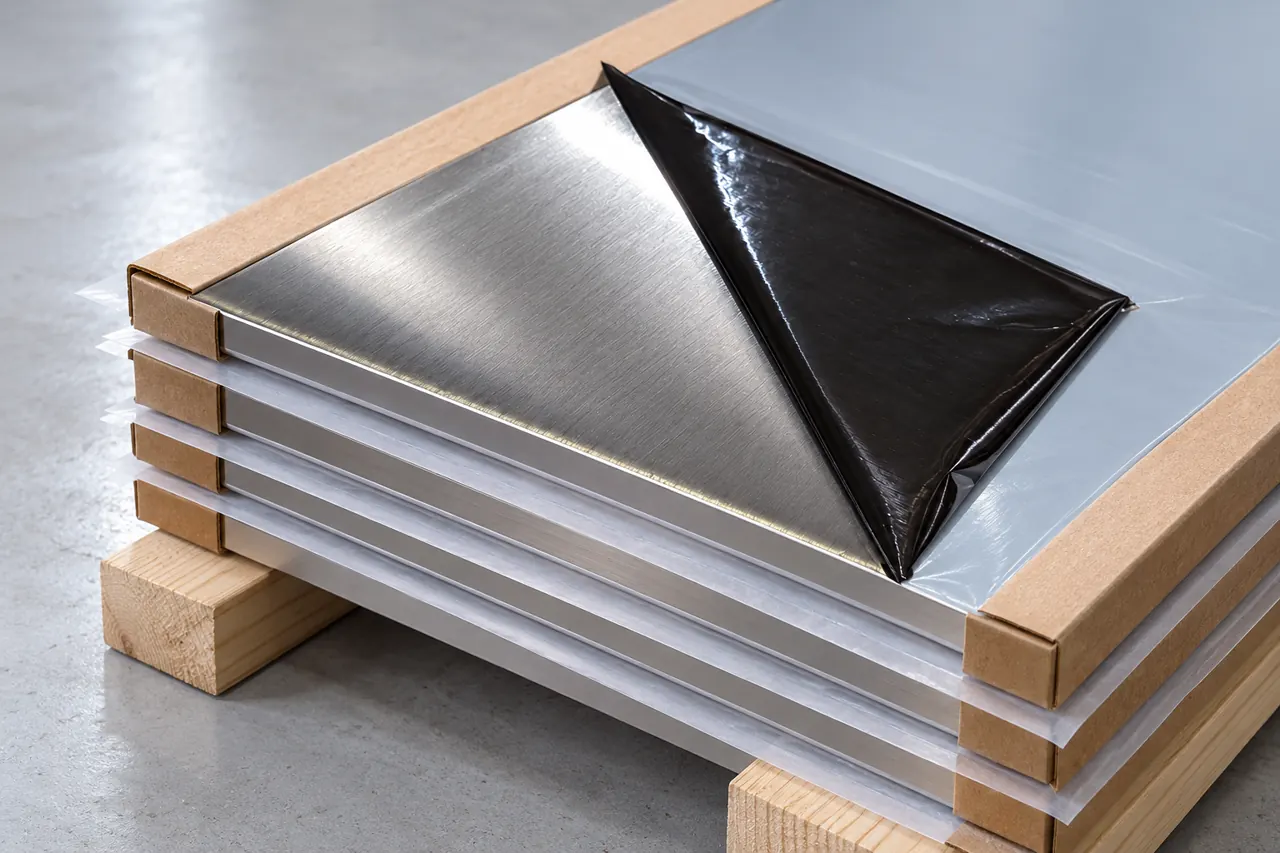
Release three connected evidence scopes
Use chemistry and condition records for represented plate identity, dimensional records for the supplied geometry, and application qualification for the actual environment and fabricated condition. Link each to the selected plate and component revision.
No certificate, specific laboratory instrument, corrosion rate, operating limit or inspection frequency is presumed from the listing.
- Material identityUse represented chemistry and condition records for the actual selected alloy plate.
- Supplied geometryCheck dimensions and allowance against the delivered plate or blank revision.
- Service qualificationConnect the project environment and fabricated condition with the required engineering assessment.
Define the alloy plate and service environment
Send the environment and fabrication brief so a specific alloy-plate offer can be reviewed against project needs.
Share the component specification and the process environment it must withstand. We can review an exact plate identity and the material, geometry and fabrication evidence required by your project.
Qingdao Relia Industries Co., Ltd.
Contact address: Shuyuan Road, Qingdao, Shandong, China
- Selected alloy and product basis
- Temperature concentration and impurities
- Cleaning and credible upset conditions
- Plate dimensions and delivered condition
- Forming welding and qualification scope
Enquiry scope and supporting detail
Send selected or candidate alloy, applicable product basis, dimensions and delivered condition, together with concentration/temperature ranges, impurities and cleaning conditions. Add forming, welding and required qualification evidence. We can then define a specific plate supply package and identify the unresolved service questions before commercial release.
- MaterialAlloy, standard and condition
- GeometryPlate or blank dimensions
- EvidenceHeat records and inspection scope
- ProjectApproval sequence and delivery