

Wedge Anchor Supply for Project Approval
Define a wedge-anchor order from the fixing detail and the concrete configuration your project has approved. This guide connects thread, length and embedment with exposure, installation and assessed product evidence. It helps you separate component conformity from design and site acceptance so the actual assembly can be reviewed before ordering or substitution.
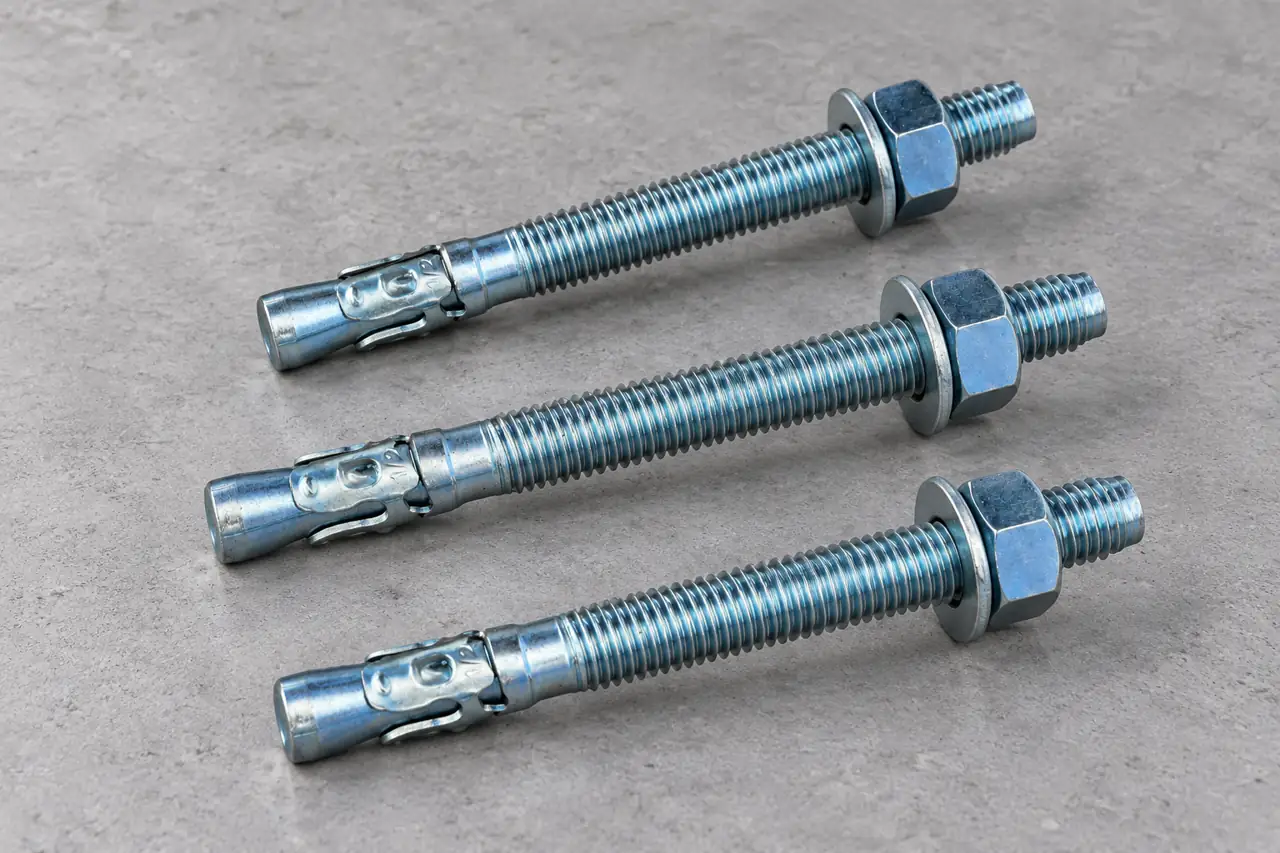
Connect the fixing design to the supplied assembly
For a project anchor order, begin with the substrate, loads and approved installation detail rather than a generic kilogram capacity. Select a wedge anchor only where its assessed configuration covers the actual concrete and duty, then match thread, total length, fixture thickness and embedment. Relia supports anchor supply and selection; manufacture and installation are not confirmed as in-house. Send the fixing drawing and approval basis so the offer can identify one material/coating configuration and the evidence needed for design and site acceptance.
- Project conditionDescribe substrate, concrete condition, loads and the approved fixing arrangement.
- Selected anchorDefine actual material, thread, length, embedment and complete assembly configuration.
- Approval reviewConnect applicable product evidence with the design and assigned installation acceptance.
Selection context and decision detail
| Buyer requirement | Relia response | Evidence / condition |
|---|---|---|
| Assessed project fixing | Wedge-anchor supply and selection | Actual concrete, duty and tested configuration |
| Compatible physical assembly | Thread/length/material review | Fixture, embedment, hole and coating defined |
| Traceable acceptance | QC records plus required product/site evidence | Component checks separate from design and installation |
Anchor supply needs a tested configuration and actual producer
Identify the actual anchor producer and represented assessment separately from general component inspection records.
Relia supports fastener supply and selection. Anchor manufacture, product assessment and site installation are not confirmed as in-house. Company incoming, in-process and final QC with corresponding batch records is confirmed; agree actual producer, component checks and represented product evidence rather than infer an approval from general inspection.
Product 3910 identifies AY1766 wedge anchors, a 50–300 mm length range and multiple materials/finishes. No single thread, embedment or tested substrate configuration is selected. The generic capacity field and broad application list are not an anchor design value.
- DesignApproved fixing and drawing revision
- ProductSpecified identity and dimensions
- ApplicationProject-defined substrate and duty
- ApprovalAuthorized reviewer and document list
Expansion transfers load through a defined concrete interface
Use the selected product’s assessed expansion and installation basis because concrete contact conditions govern load transfer.
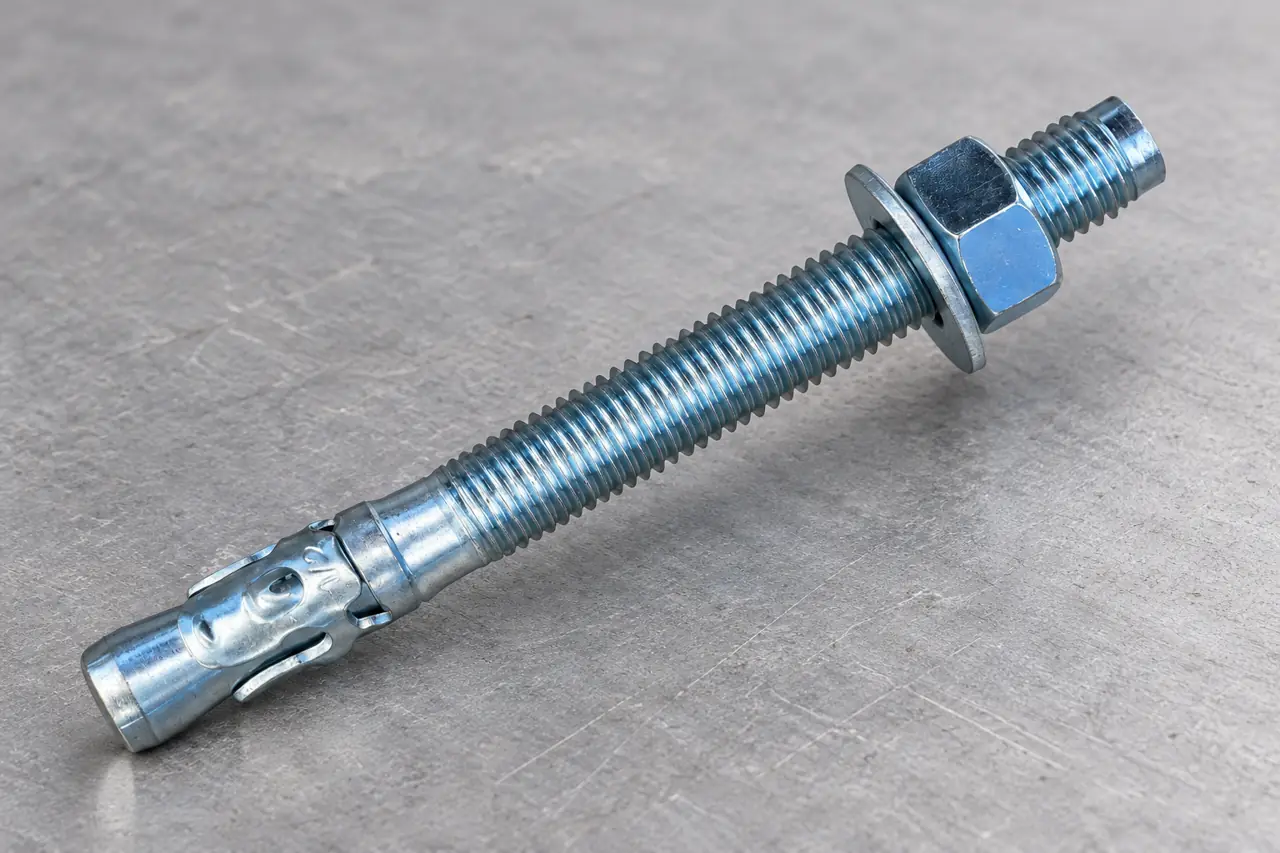
Keep the concrete interface within the assessed scope
A torque-controlled wedge anchor expands at its working end as the specified setting action develops. The resulting contact transfers load into surrounding concrete, so hole geometry and the assessed installation condition matter alongside steel strength.
Use the actual product instructions and relevant assessment for the selected anchor. This guide provides no installation torque, drill size or unverified load table.
- Expansion actionUse the selected anchor instructions for its actual torque-controlled setting arrangement.
- Hole conditionRetain the specified geometry and installation condition represented by the product evidence.
- Load transferHave the responsible design review apply that configuration to the actual concrete duty.
Product references for your shortlist
Open the product details, then discuss the exact specification for your application.
AY1766 wedge-anchor enquiry
A fixing candidate to narrow to one thread, actual length and material-coating configuration for project approval.
Total length and embedment are different dimensions
Define fixture thickness, total length and embedment separately so the fixing geometry is not inferred from bolt length.
Total anchor length must accommodate the fixture, washer/nut and the required installation geometry as defined by the actual product. Effective embedment is a separate working dimension; it is not obtained by treating the full bolt length as embedded.
Mark fixture thickness, embedment, hole depth and any stand-off or gap on the fixing detail. Resolve metric/inch thread and nut/washer compatibility before ordering.
- Total lengthComplete supplied anchor dimension
- FixtureActual plate and assembly thickness
- EmbedmentAssessed working anchorage depth
- HoleProduct-specific drilled geometry
Concrete condition and edge geometry limit the configuration
Preserve concrete condition, member thickness, edges and spacing when reviewing the selected anchor configuration.
Cracked or uncracked concrete, member thickness, edges and nearby anchors influence the actual anchorage behavior. Concrete breakout, pull-out, splitting and steel failure are different potential limits to assess under the applicable design basis.
A wedge-anchor reference for concrete cannot be extended automatically to brick, hollow masonry or sheet metal. Those substrates need their own assessed fastening solution.
- Concrete conditionIdentify cracked or uncracked concrete and the actual member thickness.
- Edges and spacingRetain edge distances and nearby-anchor geometry for the assessed fixing configuration.
- Failure limitsHave the responsible design review consider concrete, pull-out, splitting and steel limits.
Material and coating should match the exposure
Select the actual assembly material and coating for exposure rather than treating several finish names as one condition.
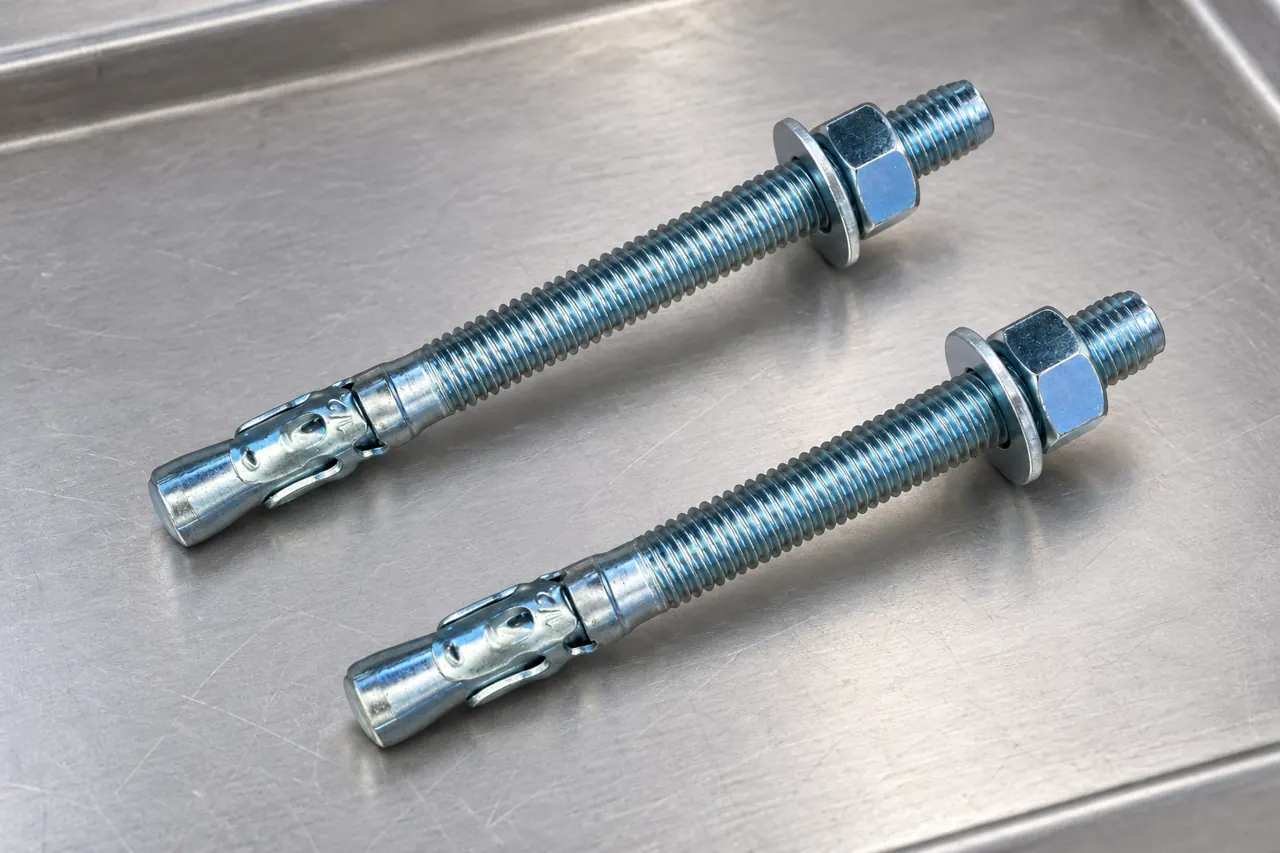
Select the actual material and finish package
Select actual carbon or stainless steel and the required coating/condition from the fixing design and environment. Zinc plated and hot-dip galvanized are different supply choices; visual colour alone does not establish the selected coating.
Confirm compatibility of the complete anchor assembly and any required exposure evidence. A broad finish list provides no universal corrosion life or approved outdoor service.
- Carbon-steel optionDefine the selected steel and surface treatment required by the fixing design.
- Stainless optionConfirm the actual stainless designation and assessed assembly where that material is requested.
- Exposure evidenceReview coating and assembly compatibility against the specified environment and approval scope.
Installation evidence should represent the actual anchor and hole
Assign drilling, cleaning, setting and verification through the selected instructions and actual project installation plan.
Agree who drills, cleans, sets and verifies anchors according to the selected product instructions and project plan. Record the actual configuration and required installation observations.
A torque observation is meaningful only with the specified product and method; it is not a standalone proof of design capacity. Any project proof testing needs its own defined scope and responsible reviewer.
- Product instructionsActual offered anchor reference
- ProjectSpecified installation and approval basis
- ResponsibilityAuthorized design and installation teams
- ReleaseAccepted product and documents retained
Product assessment and project design answer separate questions
Apply the actual assessment to project loads and geometry instead of treating a product test as project approval.
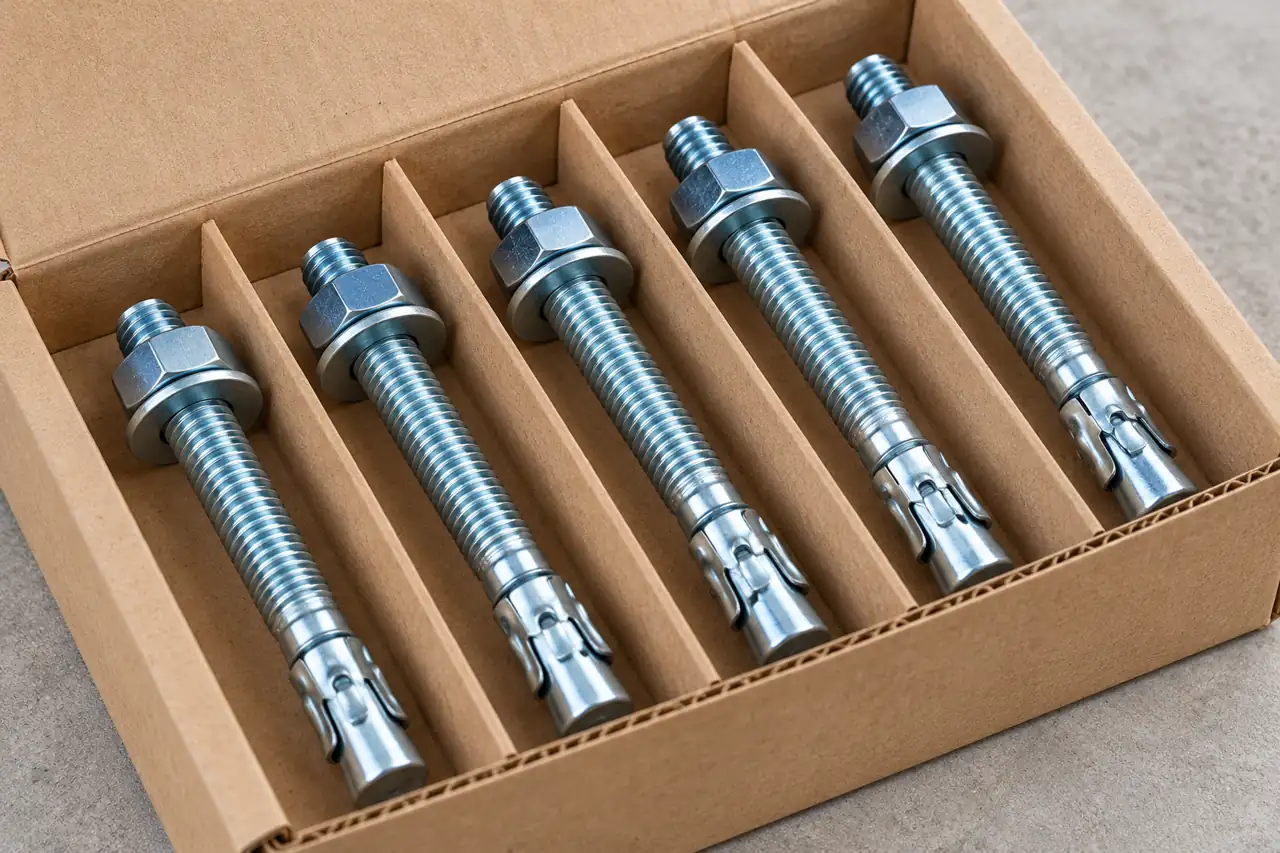
Separate assessment, design and batch evidence
Request the actual assessment/tested configuration where required, then have the responsible designer apply it to loads, substrate, edges and anchor group. A test for another size or material does not automatically cover the offered item.
Company batch QC supports supplied-component evidence; it does not create an ETA, seismic qualification or project approval.
- Product assessmentCheck that the required evidence covers the offered size, material and configuration.
- Project designApply relevant limits to actual loads, substrate, edges and anchor group geometry.
- Supplied componentUse lot-linked records to verify the actual assembly against the accepted product revision.
Receiving should keep the complete assembly identifiable
Keep thread, length, expansion end, assembly parts and coating identifiable through receiving and site distribution.
Check selected thread/length, expansion-end condition, nuts/washers, coating and package identity against the accepted revision. Keep different configurations separated before site installation.
The illustrations show wedge-anchor form and packaging only. They contain no scale, assessment number, installed embedment or verified coating result.
- ProductAccepted anchor identity and sizes
- EvidenceApplicable approval and records
- PackingUnit count and batch separation
- TermsQuantity and delivery responsibility
Prepare the fixing and approval brief
Send the fixing and approval requirements so a specific anchor assembly and evidence package can be reviewed.
Share the approved fixing detail and the actual concrete and exposure conditions. We can review one anchor assembly and the evidence your designer and installation team need.
Qingdao Relia Industries Co., Ltd.
Contact address: Shuyuan Road, Qingdao, Shandong, China
- Concrete condition and design reference
- Thread length and fixture thickness
- Embedment spacing and edge distances
- Material coating and exposure
- Assessment and installation evidence scope
Enquiry scope and supporting detail
Send substrate and concrete condition, load/design reference, actual thread/length, fixture thickness, embedment, edge distances and spacing. Include exposure/coating, required assessment and installation/inspection scope. We can then define a specific anchor supply and evidence package for project review, with commercial terms tied to that selected configuration.
- IdentityProduct, sizes and drawing
- MaterialSpecified base and finish
- ApprovalActual document and sample scope
- SupplyPacking, quantity and destination