

Baling Wire Replacement for Automatic Recycling Lines
For an automatic recycling baler, choose replacement wire that both feeds through the machine and makes a reliable production tie. This guide helps you compare strength, closing ductility and coil geometry, then trace failures to the feed path, twist or loaded span. Use actual released bales to define the successful replacement baseline.
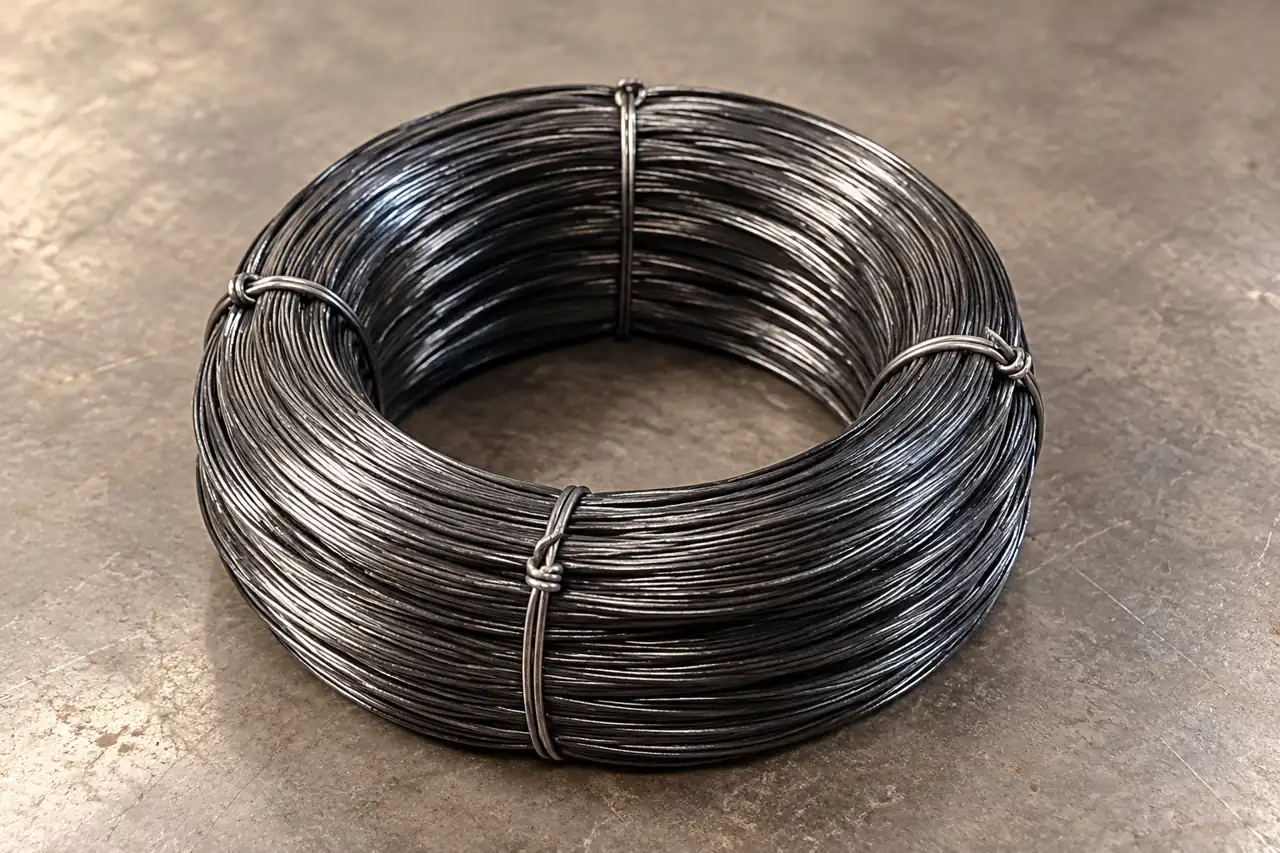
Choose wire for feeding and the loaded tie
For an automatic recycling baler, replace wire against the machine-approved section, package and tie requirement, then validate it with the actual bale material and expansion load. Black annealed wire is a candidate where the required strength and closing ductility are established; the softest coil is not automatically the correct replacement. Relia manufactures steel wire with in-house drawing and annealing and can review the listed baling-wire enquiry. Start with the current wire, knot or twist mechanism, payoff arrangement and failure location. Compare feed stability, completed ties and released-bale behavior before adopting a lower-priced or differently packaged supply.
- Machine interfaceStart with the approved section, carrier and tying-head requirements of the baler.
- Bale dutyDescribe the recycled material and expansion load represented by the production trial.
- Replacement decisionCompare feed stability, completed closure and behavior after the bale is released.
Selection context and decision detail
| Buyer requirement | Relia response | Evidence or condition |
|---|---|---|
| Automatic baler replacement | Own wire drawing and annealing capability | Machine-approved section and completed tie govern selection |
| Stable feeding | Define the actual coil/payoff arrangement | Material and package changes assessed separately |
| Wire evidence | Incoming, process and final batch records available | Representative bale trial verifies application result |
Wire processing and batch evidence anchor the comparison
Define the selected drawing and annealing condition, with batch records supporting the offered wire rather than machine approval.
Relia manufactures steel wire and performs drawing, annealing and galvanizing in-house. For black annealed supply, identify the selected drawing/annealing sequence and black uncoated surface in the offer. Incoming, process and final inspection are performed and corresponding batch records can be provided.
Those records support the offered wire condition and dimensions. They do not establish a machine approval or a completed bale's retained load. Use the baler maker's permitted wire and your defined tie acceptance to connect incoming evidence with a production comparison.
- Wire routeSelected drawing and annealing condition
- InspectionCorresponding incoming, process and final records
- ApplicationMachine and completed-tie approval
The black-wire listing needs one grade and actual section
Specify one grade, actual section and black annealed surface instead of treating every wire family as equally flexible.
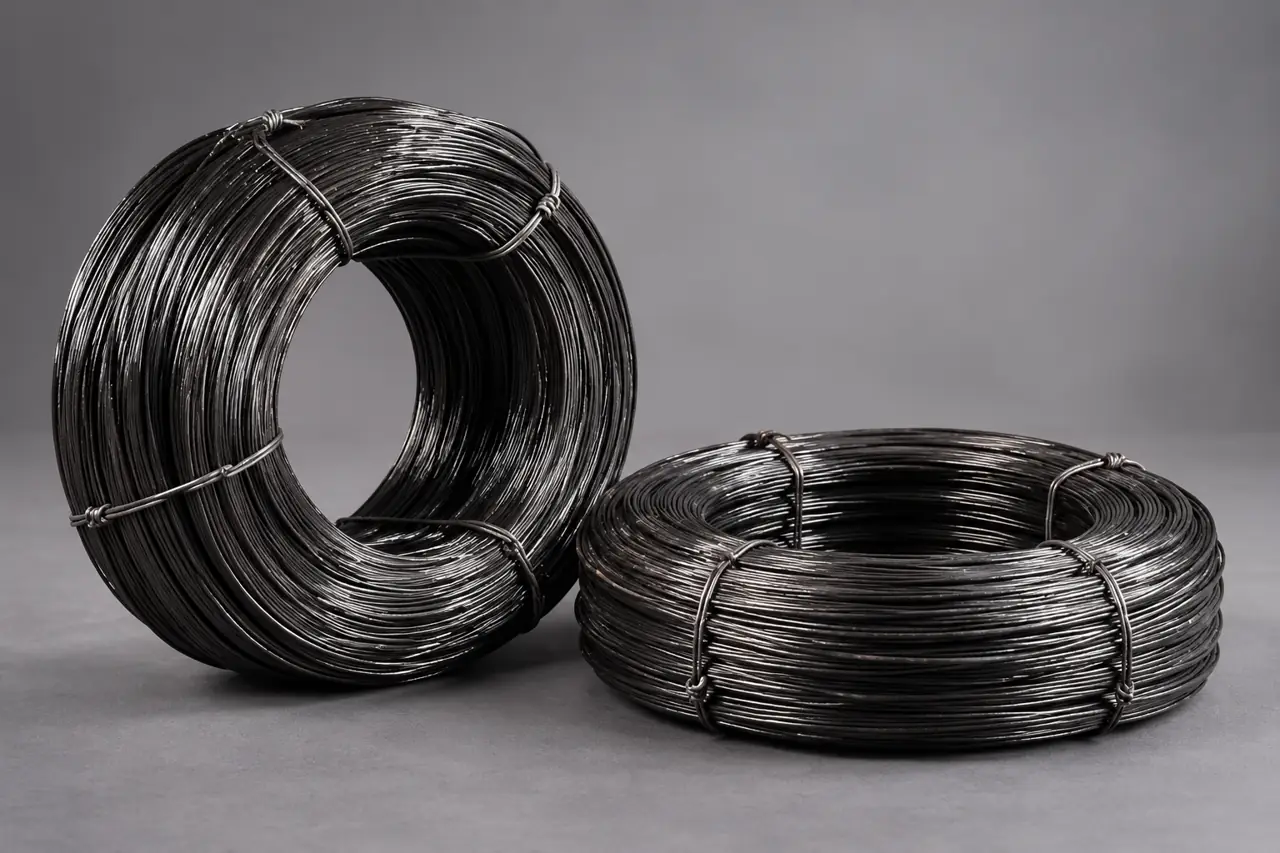
Define the black annealed wire being offered
The Q195 black-annealed entry also retains low-, medium- and high-carbon family fields and several surface/process alternatives. Select the actual designation and annealed condition rather than treating them as equally flexible. Its actual diameter menu has ten choices from 1 to 10 mm within a broader descriptive range.
Specify round section, numerical limits and the required black surface. The catalogue's soft and form-stable wording has no measured feeding or tie result. A generic tolerance field does not define every location, condition or acceptance method for baler wire.
- Material gradeChoose one actual carbon designation rather than a combined low-to-high-carbon family.
- Measured sectionSpecify round diameter and numerical limits for the wire entering the machine.
- Supplied conditionIdentify the annealed state and required black surface in the replacement offer.
Product references for your shortlist
Open the product details, then discuss the exact specification for your application.
Black annealed baling-wire enquiry
A wire reference for a defined black annealed condition and package evaluated on an automatic recycling baler.
Strength and closing ductility are complementary requirements
Balance tensile load capacity with local closing ductility because a successful twist and a loaded span face different demands.
The wire carries tensile load as a bale expands, while the tying head imposes localized bending or twisting. A higher strength condition can change forming response; insufficient strength can allow a correctly formed tie to fail under the bale load. Evaluate both in the supplied state.
Drawing changes deformation history, and annealing changes condition for subsequent forming. Record diameter, mechanical-test basis and the actual tie mechanism together. At equal applied force, a smaller metal section carries greater stress, so nominal-size substitutions need a fresh technical review.
- SectionDiameter and measured limits
- ConditionStrength and forming ductility
- ClosingActual knot/twist demand
- BaleReleased-load acceptance
Package geometry can stop a satisfactory wire
Check winding, cast, helix and package geometry when a wire stops before reaching the tying head.
Payoff tension, cast, helix, winding crossovers and distorted coils can cause misfeeds before the tying head makes a joint. A material change and a package change should not be hidden inside the same replacement description.
Specify carrier or coil geometry, unit mass, payout direction and the machine's loading method. Observe the feed path and relate a stop to its coil position. If the wire runs when manually freed, investigate tangles and delivery before concluding that the steel grade is unsuitable.
- Coil geometryOpening, envelope and unit mass
- WindingCrossovers and payout direction
- Wire setCast and helix
- Feed observationStop location and tension behavior
The trial includes tie formation and bale release
Trial representative bale material and release conditions, retaining both successful and failed ties with the operating record.
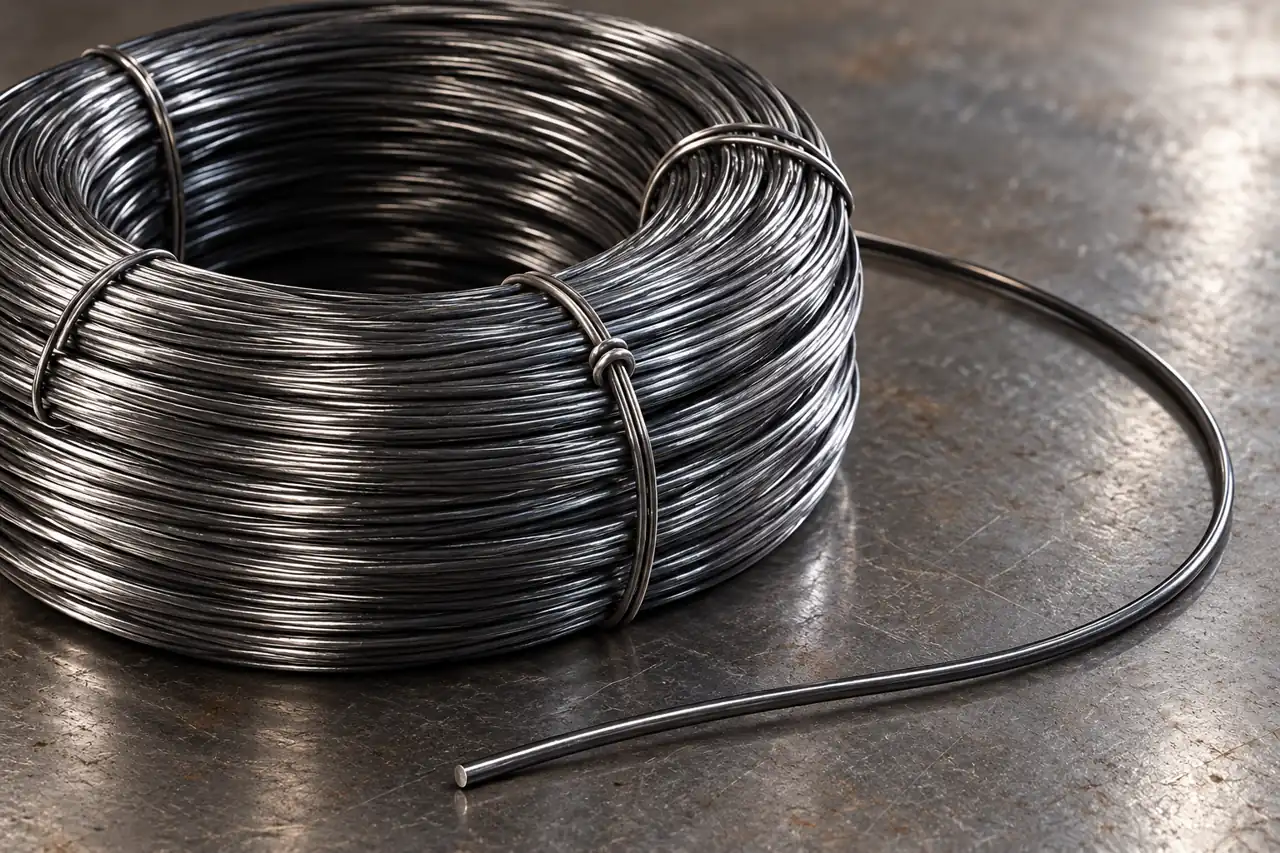
Trial the complete production tie
Run representative recycled material, bale dimensions and density within the approved operating route. Record feed stops, tying-head adjustments, failed locations and the behavior after release. A wire that closes on an empty or lightly loaded trial does not establish performance on the production bale.
The illustrated coil and retained length are AI-assisted references; no bale or joint test is shown. Preserve actual failed and successful ties with the wire lot and operating conditions so acceptance describes the duty actually assessed.
- Run representative materialUse the approved bale dimensions and production material within the intended operating route.
- Record the cycleCapture feed stops, tying-head adjustments and the location of each failed closure.
- Assess after releaseRetain successful and failed ties with the actual released-bale condition and wire lot.
Failure location directs the investigation
Use the failure location to distinguish local twist problems, span loading, loose closures and coil-feed faults.
A break at the twist can involve excessive local deformation, tool condition or a surface flaw. A straight-span break under expansion suggests a different load/section review. A loose tie without fracture calls for knot or closing geometry checks. Retain the fracture or failed closure instead of recording every fault as weak wire.
Review baler condition and waste variability with diameter, supplied condition and surface evidence. A different bale material or density can change the load even when the replacement wire is unchanged.
- Twist fractureLocal bend demand, flaw or tool
- Span fractureSection, condition and bale load
- Loose closureJoint geometry and closing setup
- Feed stopCoil and delivery path
Transport and receiving should protect payoff behavior
Inspect crushed turns, moisture and coil condition before release because transport damage can change payoff behavior.
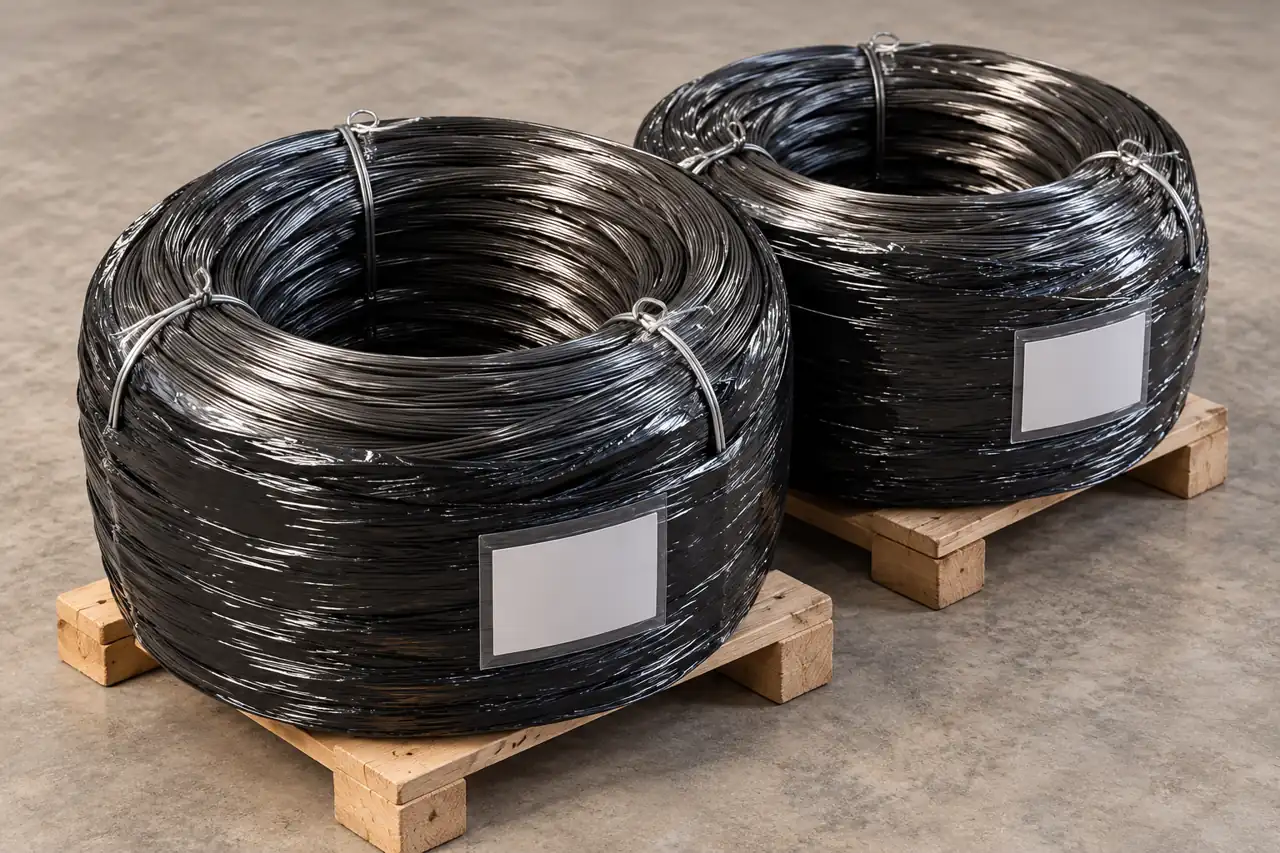
Protect the coil’s ability to pay off
Coils distorted during handling can feed differently from an undamaged sample. Agree supports, restraint and protection for the actual package and receiving equipment. Keep wire identity and corresponding records available after the outer protection is removed.
The wrapped coils and blank tags are an AI-assisted packing scene, not an actual dispatch or guaranteed carrier design. Check moisture, rust, crushed turns and pack identity before releasing the coil to the automatic feeder.
- Package supportAgree restraint and handling arrangements suited to the actual coil and receiving equipment.
- Receipt conditionInspect crushed turns, rust and moisture before the coil enters the automatic feeder.
- Wire identityKeep the material and batch reference available after the outer protection is removed.
Accepted production is the useful cost denominator
Compare wire use, stops and rejects against accepted bale output, preserving the approved material and package revision.
Compare wire used, feed stoppage, tie rejects and accepted bale output under comparable conditions. A lower price per tonne can be offset by lost tying cycles or rehandling; a heavier wire can alter consumption and the machine's closing demand. Use actual recorded quantities.
Carry the approved grade, section, condition, package and trial reference into replenishment. Review proposed changes before treating them as equivalent replacement. The catalogue does not establish a universal tied-bale capacity or service-life promise.
- TrialComparable bale duty
- RecordWire use, stops and tie rejects
- CompareAccepted bale output
- RetainApproved material and package revision
Describe the baler and failed tie
Send the baler, current wire and failed-closure evidence to define a relevant replacement offer and production trial.
Share the approved wire range, coil arrangement and failed tie so we can discuss a replacement candidate and a trial on representative production bales.
Qingdao Relia Industries Co., Ltd.
Contact address: Shuyuan Road, Qingdao, Shandong, China
- Baler model and tying-head type
- Current grade diameter and coil dimensions
- Recycled material and bale duty
- Failure location and retained tie
- Trial acceptance and required quantity
Enquiry scope and supporting detail
Send the baler model and approved wire range, current grade/diameter, coil or carrier dimensions and tying-head type. Include recycled material, bale size/density reference, failure location and any retained tie or feed-stop record. State the wire and completed-tie acceptance needed for a representative trial.
Request the offered black-annealed condition, dimensional basis, corresponding batch records and package arrangement. Add quantity and destination; sample supply and current commercial terms are confirmed for the selected baling-wire offer.
- BalerModel, payoff and tying requirements
- WireCurrent specification and package dimensions
- TrialRepresentative material, acceptance and demand