

Metal Laser-Cutting Equipment for Fabrication Shops
Choose a laser configuration by the parts it must produce and the edges your next operation needs. This guide connects material and difficult features with actual source power, assist gas, table handling and site services. It helps you define representative factory and site acceptance around one offered build rather than compare power labels alone.
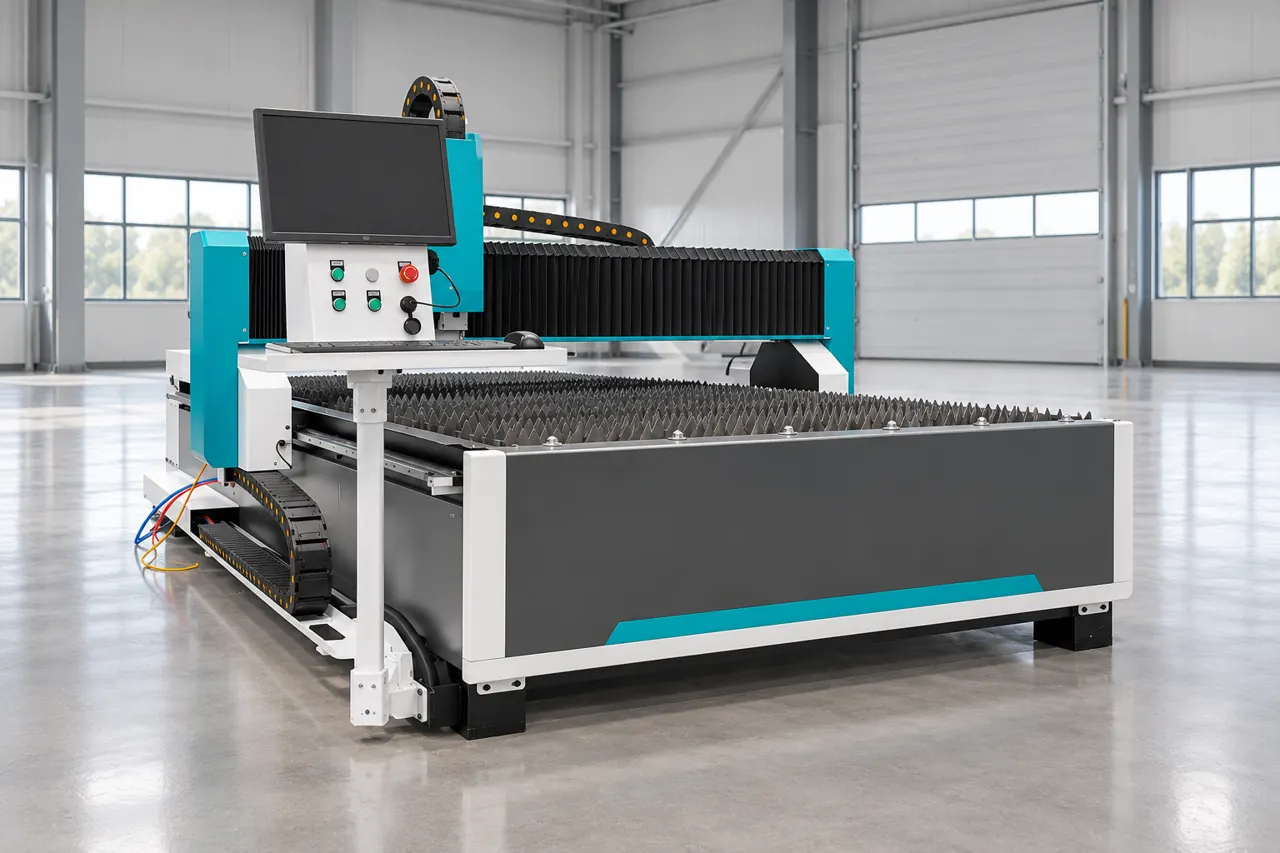
Start from accepted parts rather than a power label
If you are buying a sheet laser, choose the configuration that makes your required parts, not the highest power named in a mixed title. Start with steel grade, thickness, smallest holes and downstream edge requirements, then compare actual source power, usable table and utilities. Relia supplies equipment and selection support rather than manufacturing the laser. Send representative drawings and material samples so a defined 3015 configuration can be evaluated for dimensions, dross and production handling before its acceptance and commercial terms are fixed.
- Production partsIdentify materials, thicknesses, difficult features and required downstream edge condition.
- Offered buildSelect actual source, head, control and usable table configuration for the trial.
- Accepted resultAssess part dimensions, edges and handling through agreed factory and site checks.
Selection context and decision detail
| Buyer requirement | Relia response | Evidence / condition |
|---|---|---|
| Required steel parts | Equipment supply and selection support | Actual material, thickness and limiting features |
| Matched machine build | Verified model/configuration review | Source/head, work area and utility interfaces |
| Reviewable performance | Maker and workpiece trial evidence | Dimensions, dross and factory/site baseline |
The supplied machine must have one verified configuration
Confirm one delivered maker and configuration because title power requests do not define the actual offered models.
Relia supports equipment supply and selection; machinery manufacture is not claimed. Company incoming, in-process and final QC with corresponding batch records is confirmed. Define the actual maker, configuration checks, outgoing evidence and site commissioning rather than imply that company QC proves a manufactured laser result.
Product 970 actually offers 3015-1500W/3015-3000W, while the title requests 2000/4000/6000 W. The 3000×1500 mm work-area description and named components require confirmation on the actual delivered build; no thickness capacity or cut-tolerance result is supplied.
- Model and powerSelect the actual offered designation and source power for the machine build.
- Installed packageConfirm source, head, controls and component identities on the proposed configuration.
- Working-area evidenceVerify usable table and represented machine checks rather than adopting a title capacity.
Source power is only one input to a usable cut
Use the actual material and feature trial because beam power interacts with focus, gas delivery and motion.
The focused beam supplies energy and the assist jet removes material from the kerf. Focus, nozzle/gas delivery, material and motion interact with power to influence penetration and edge condition. More nominal power does not resolve a misaligned nozzle or an unsuitable process setup.
Select the offered source/head/control package and require a trial for the actual sheet rather than extrapolate a universal capacity table.
- DefineSteel, thickness and feature
- ConfigureActual source, head and gas
- TrialRecorded drawing and process setup
- AcceptDimensions and downstream edge condition
Product references for your shortlist
Open the product details, then discuss the exact specification for your application.
3015 fibre-laser equipment enquiry
An equipment candidate for reviewing the actual 1500 W or 3000 W option against representative sheet-part acceptance.
Assist gas affects the edge that downstream work receives
Select the assist-gas route with the downstream edge requirement rather than using nominal power as the only criterion.
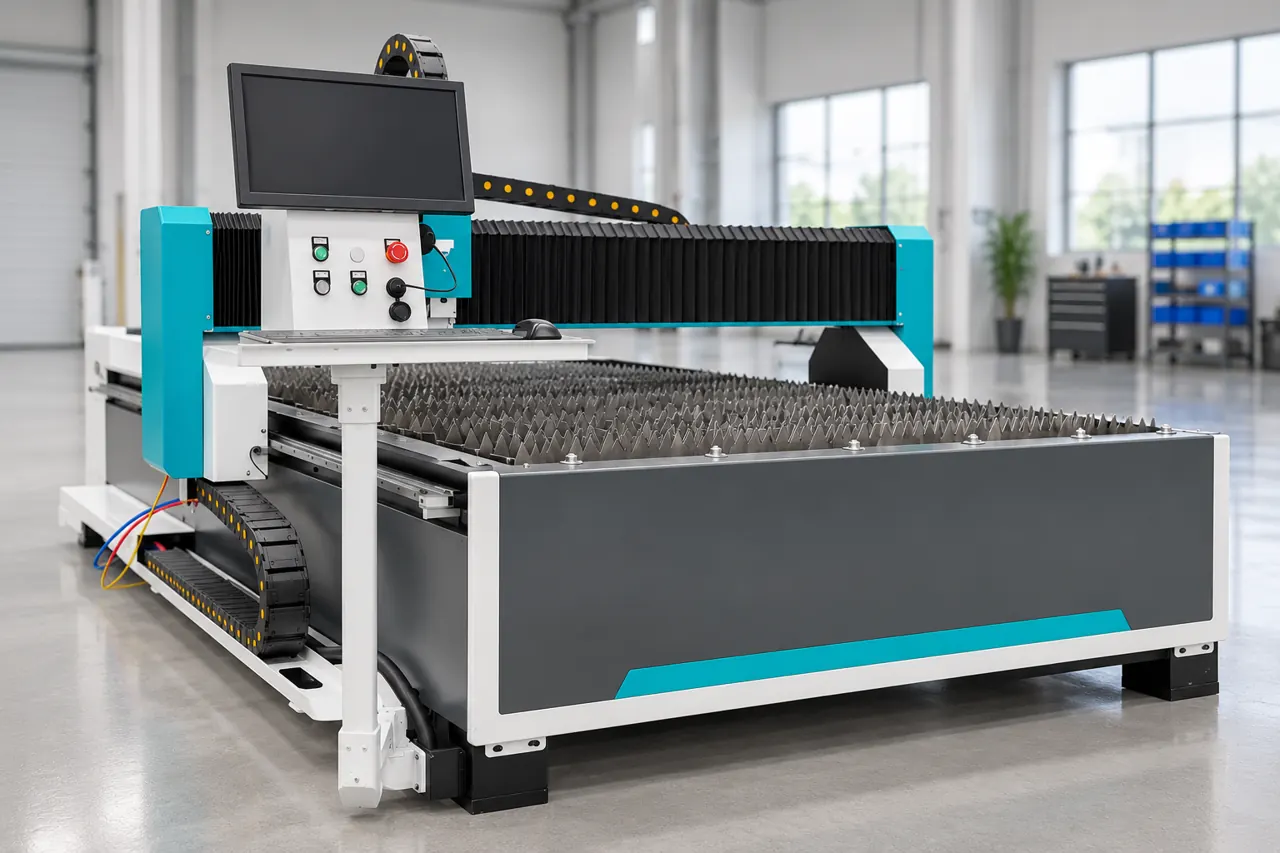
Choose the assist route around the required edge
Oxygen can add reaction heat and leave an oxidized edge; an inert assist route removes molten material without that same oxygen reaction. The choice affects later welding, painting or other edge-sensitive work.
Define the required cut-face condition and actual available gas supply with the machine maker. No generic gas-pressure or consumption value is adopted as the offered machine requirement.
- Oxygen routeReview reaction heat and the oxidized edge against the next fabrication operation.
- Inert routeAssess melt removal and required cut-face condition with the actual available gas.
- Maker confirmationAgree the selected gas supply and machine interface through the delivered-build documentation.
The drawing should include the difficult features
Include the smallest relevant holes, slots and direction changes so the trial represents real production limits.
Trial the smallest relevant hole, narrow slot, sharp change of direction and long contour using the selected material and thickness. Inspect feature size, taper, edge condition and distortion separately.
A large rectangular coupon can hide the behavior that limits real parts. Retain the drawing/program revision and the material identity with the accepted sample.
- InputRepresentative drawing and material
- MachineRecorded offered configuration
- TrialAgreed conditions and responsibility
- ResultPart inspection against acceptance
Dross and dimensional error need different diagnosis
Diagnose attached dross separately from dimensional error before assuming both need more source power.
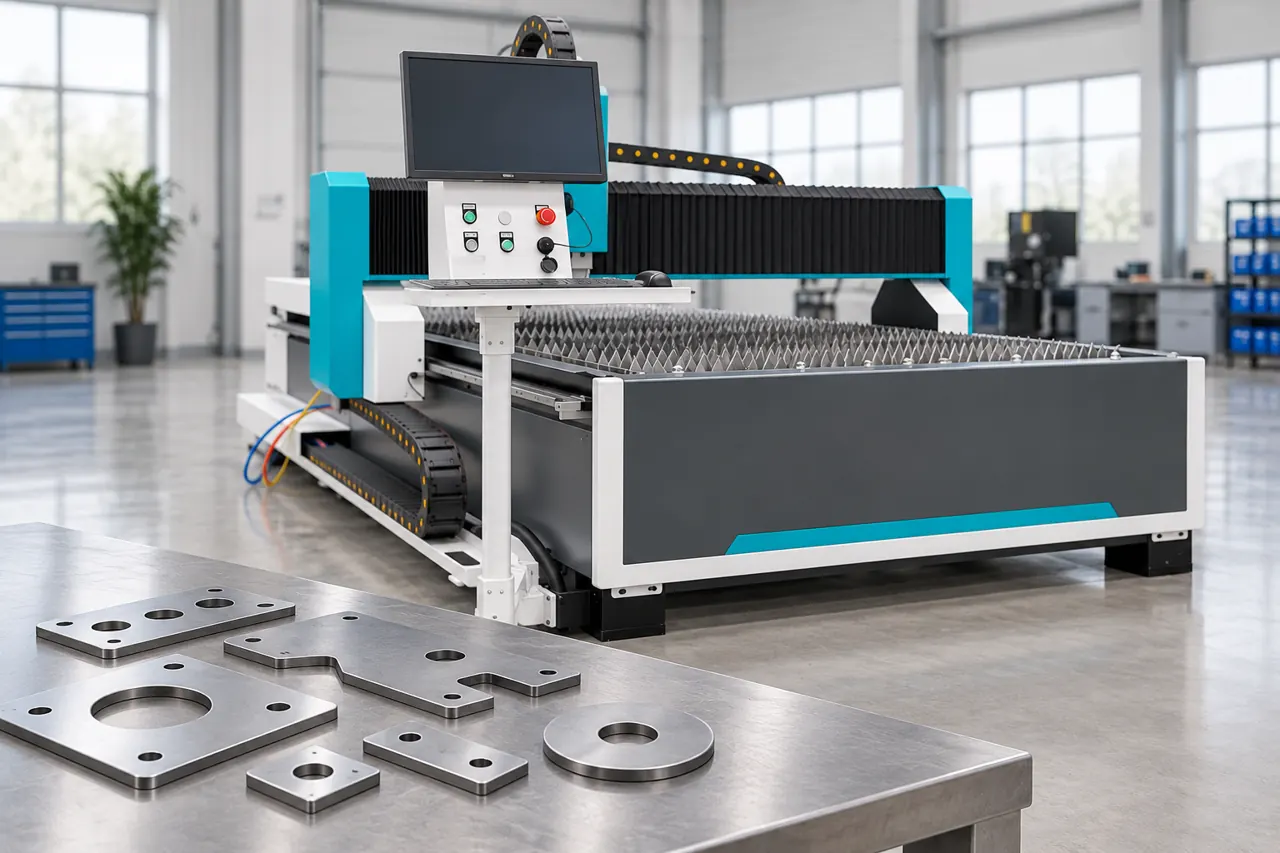
Separate attached material from dimensional mismatch
Dross is resolidified material attached to the cut edge. A dimensional mismatch may instead involve kerf compensation, motion, thermal effects or the measurement basis. Check the relevant cause before treating every defect as insufficient power.
Record source settings, focus/nozzle, assist gas and cutting conditions as represented by the trial. Pictures locate defects; agreed measurements define acceptance.
- Dross resultRecord resolidified material on the edge with nozzle, focus and gas conditions.
- Dimension resultAssess feature size using the agreed basis and relevant kerf or motion context.
- Targeted diagnosisInvestigate the corresponding cause before changing several settings or the source rating.
Table handling and utilities belong to productive capacity
Include sheet handling, extraction and utilities when assessing the production cycle and actual installation interface.
Usable sheet dimensions, support arrangement, loading access and unloading of small parts affect the actual production cycle. Set these alongside cooling, gas, electrical and extraction requirements for the selected build.
Confirm enclosure, interlocks and site interfaces through actual machine documentation. An open-table illustration is not evidence of a complete installation or verified protective configuration.
- Sheet operationsDefine loading access, support and small-part unloading for the intended sheet format.
- Required servicesConfirm cooling, gas, electrical and extraction requirements for the actual supplied build.
- Protective configurationVerify enclosure, interlocks and site interfaces through the actual machine documentation.
Factory evidence and site acceptance should use the same baseline
Use one identified configuration and workpiece baseline for factory evidence and subsequent site acceptance.
Agree configuration identification, required functional checks and a workpiece acceptance plan, then distinguish factory trial from performance after installation. Retain component identities and the represented software/program state as appropriate.
Video/report availability and a high-accuracy label supply no actual numerical result, brand authentication or certification by themselves.
- Factory evidenceRetain actual configuration identity and the agreed functional and workpiece checks.
- Site acceptanceAssess the installed machine against that same represented build and part baseline.
- Configuration recordKeep relevant component and software or program identities connected with the acceptance results.
Consumables and support should follow the actual build
Define consumables and support around the supplied build while retaining the accepted material and feature references.
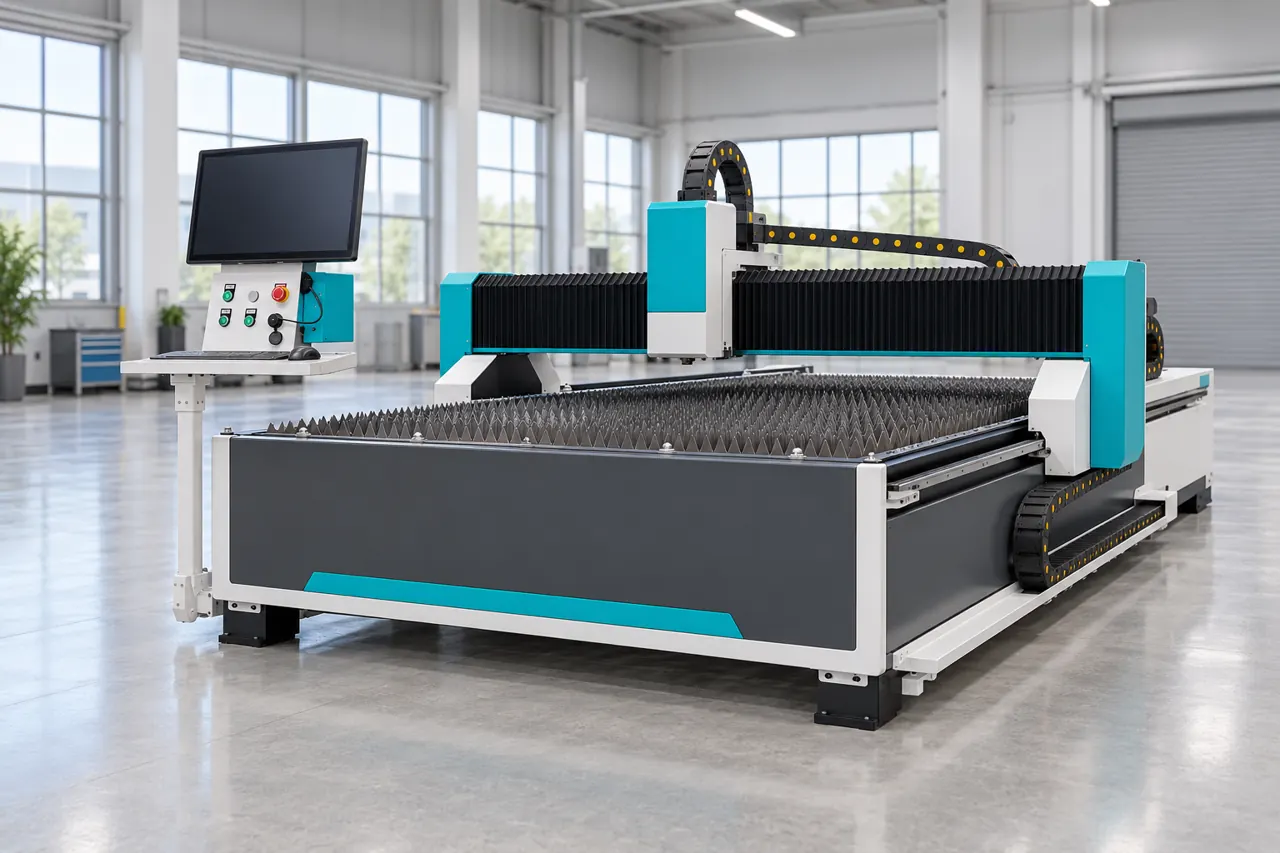
Keep consumables tied to the delivered build
Identify required nozzle/optics and other consumables by the supplied configuration, together with documentation and the agreed service responsibility. A named component family does not establish local stock or a service response time.
Preserve accepted material/feature combinations and settings for later review when a consumable, program or production material changes.
- Part identificationIdentify required nozzle, optics and other consumables through the supplied machine configuration.
- Support scopeAgree documentation, maintenance and parts responsibility with the actual equipment offer.
- Accepted baselineRetain material, feature and setup references for changes in parts or consumables.
Prepare the laser part and site brief
Send representative steel parts and site limits so the actual configuration and acceptance responsibilities can be agreed.
Share representative parts and the edges your next operation needs. We can review an actual equipment configuration and a trial that includes your material, handling and site interfaces.
Qingdao Relia Industries Co., Ltd.
Contact address: Shuyuan Road, Qingdao, Shandong, China
- Material grades and thickness mix
- Drawings and smallest critical features
- Required dimensions and edge condition
- Sheet handling and available utilities
- Factory and site acceptance scope
Enquiry scope and supporting detail
Send material grades and thicknesses, representative DXF/drawings, smallest features and required dimensions/edge condition. Include intended sheet format, production mix and available site utilities. We can then define the actual model/power package, maker and trial evidence, with installation, support and commercial responsibilities agreed for that build.
- WorkMaterials, sheets and part drawings
- TrialQuality and output acceptance
- SiteServices and handling constraints
- OfferConfiguration, support and delivery