

Recurring Galvanized Wire Supply with Call-Off Orders
Plan recurring wire demand with one approved specification and a clear distinction between forecast and firm release. Keep size, condition and coil format visible for each delivery. This guide helps you define the release response, batch evidence and receiving baseline without treating a planning schedule as an automatic stock or delivery commitment.
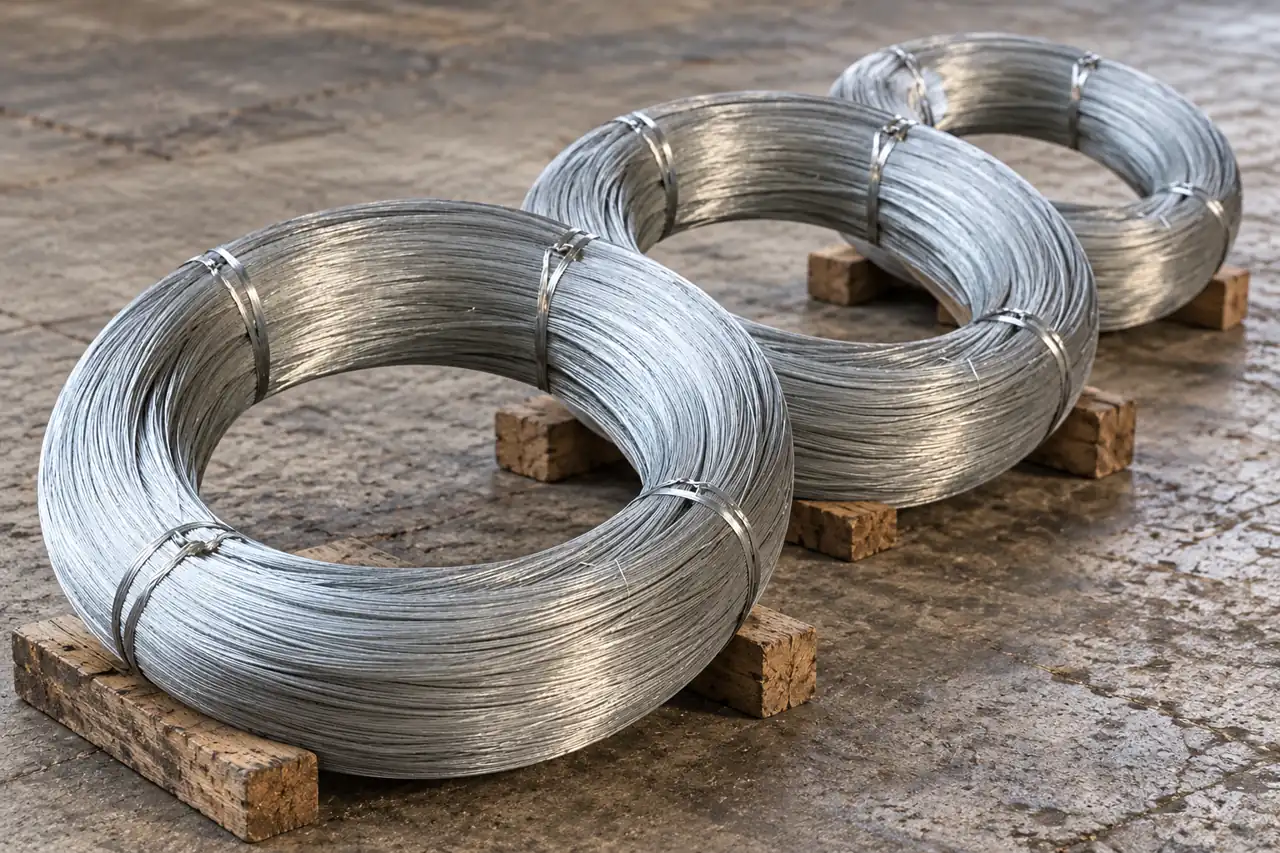
Separate planning from commitment
For buyers planning repeat galvanized-wire demand, separate the forecast from each committed release and carry one approved specification into every delivery. Relia manufactures steel wire with in-house drawing, annealing and galvanizing and can review the listed hot-dipped candidate against your application and package needs. A recurring schedule does not itself reserve stock, production capacity or a delivery date. Send the selected wire condition, release quantities, forecast horizon and receiving constraints so a proposed call-off arrangement defines what is firm, what remains planning information and which batch evidence accompanies each lot.
- Demand forecastUse anticipated quantities as planning information under the actual agreed commercial arrangement.
- Firm releaseIdentify the accepted product revision, quantity and delivery boundary for each committed supply.
- Technical baselineCarry the approved wire condition and package requirement across the separate releases.
Selection context and decision detail
| Buyer requirement | Relia response | Evidence or condition |
|---|---|---|
| Repeatable galvanized wire | Review actual manufactured wire and selected route | Complete material/size/condition/coating revision |
| Controlled lot evidence | Corresponding batch inspection records available | Required methods, limits and report coverage agreed |
| A workable release schedule | Review forecasts and firm orders separately | Capacity, stock, dates and change rules confirmed |
Connect the release plan to the manufacturing scope
Connect each release with the selected wire manufacturing route, final condition and actual commitment terms.
Relia performs wire drawing, annealing and galvanizing in-house. Incoming, in-process and final inspections are performed, and corresponding batch records can be provided. Agree the selected wire route, supplied condition and report coverage rather than assume every product receives identical processing.
Treat a forecast as planning information until the agreement defines otherwise. Each firm release needs a product revision, quantity, delivery boundary and accepted timing. Buffer stock, dedicated capacity, release windows and cancellation rights require actual confirmation; confirmed factory production does not establish those commercial arrangements.
- ForecastDemand estimate and review horizon
- Firm releaseAccepted revision, quantity and timing
- Manufacturing evidenceSelected route, condition and represented lot
- Agreement boundaryOnly expressly confirmed stock/capacity commitments
Retain the wire condition that controls use
Preserve material, section, condition and coating together because each can change production behaviour.
Drawing reduces the wire section and changes its strain condition; annealing, where selected, changes the mechanical condition and forming response. Galvanizing adds zinc protection, with the required coating and adhesion basis defined for the order. Those stages affect tieability, bending, payoff and final dimensions.
Specify material, actual cross-section, finished dimensions, mechanical condition and coating requirements. ASTM A641 distinguishes wire temper and coating classes; regular coating has no specified minimum coating mass. A hot-dipped description alone therefore cannot supply a numerical coating requirement.
- Drawn sectionFinished size and relevant mechanical requirements
- Selected annealingAgreed supplied condition and forming response
- Zinc coatingRequired coating basis and adhesion acceptance
- Released wireComplete revision linked to the delivery lot
Product references for your shortlist
Open the product details, then discuss the exact specification for your application.
Galvanized wire for recurring releases
A candidate for repeat wire supply when section, condition, coating and coil presentation are controlled for each release.
Build demand by actual size and package variant
Build demand by approved size and coil variant rather than treating total mass as interchangeable wire.
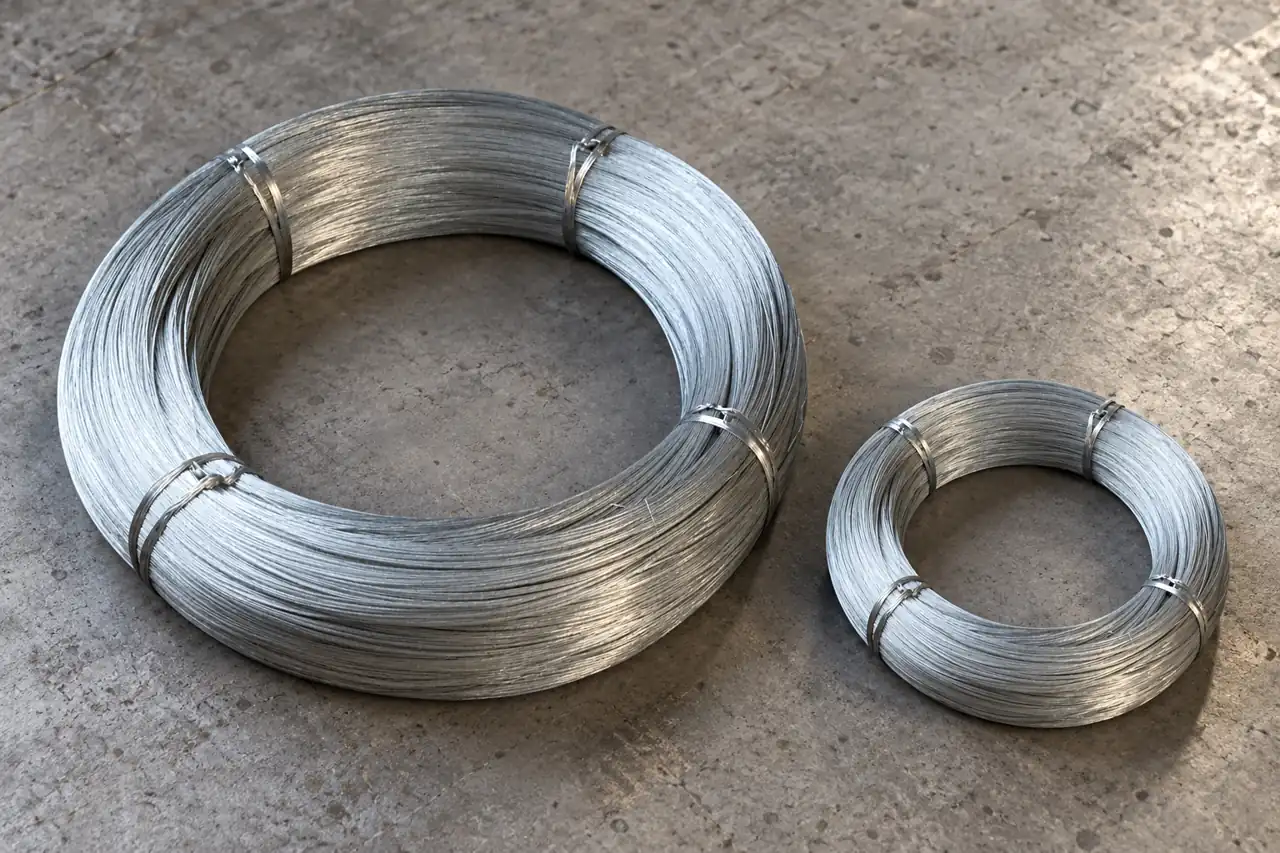
Plan demand by actual variant
The candidate offers 1.8, 2, 2.5, 3, 5, 8 and 10 mm choices. A 0.8 mm title request needs a separate response; it is not an actual listed option. Confirm the cross-section because a flat-wire field appears beside diameter choices. Map demand to each accepted size, condition and coil format instead of treating total tonnage as interchangeable. Similar-looking coils do not prove equal wire size or payoff behaviour.
- Selected sectionIdentify each accepted metric size or shaped section rather than one total tonnage.
- Delivered conditionKeep grade, mechanics and coating requirement attached to the demand for each variant.
- Coil presentationInclude the approved unit format and payoff requirements in the release item.
Define the evidence carried by every release
Specify the dimensional, mechanical and coating evidence represented by each supplied lot.
Link each delivered lot to the approved specification revision and corresponding records. Agree which dimensional, mechanical and coating results are required, their methods, acceptance limits and represented lot. A chemical analysis identifies material composition; it cannot replace a tensile, coating or dimensional result. Keep the actual method and reporting scope explicit without assuming a named instrument, test frequency or certificate that has not been confirmed.
- IdentitySpecification revision, lot and package references
- DimensionsActual section and agreed measurement basis
- Mechanical conditionRequired properties, method and accepted limits
- CoatingAgreed coating/adhesion evidence and reporting scope
Define how a proposed release becomes accepted
Define when requested quantity and timing become accepted instead of assuming automatic replenishment.
State the notice required for each requested release and the point at which quantity and timing become committed. Separate material readiness, production completion, dispatch and transport. Define how forecasts are updated and how changes are reviewed. A schedule is useful only when both sides understand the response mechanism; do not infer automatic replenishment, held stock or a fixed manufacturing lead time from the words call-off supply.
- PlanForecast revision and intended demand mix
- RequestProduct lines, quantities and requested dates
- ConfirmAccepted scope, timing and delivery point
- ReleaseLot records, packing identity and dispatch basis
Keep the payoff package within the approved baseline
Keep the payoff package within the same revision as the approved wire condition.
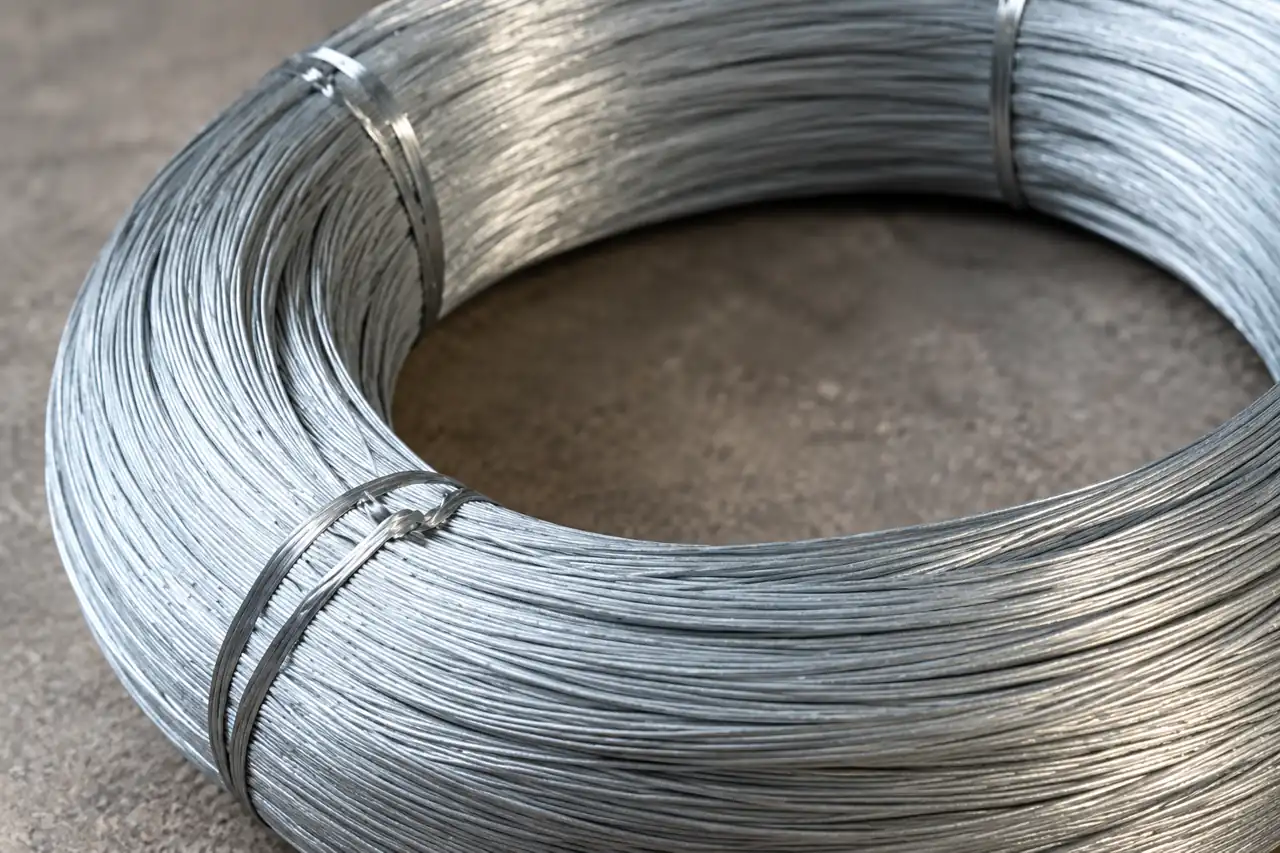
Preserve the package the line approved
State coil net mass, inner/outer dimensions, winding/payout requirements, tie arrangement and handling limits as applicable. Package changes can alter handling and payoff even when wire chemistry and diameter remain unchanged. Review the first selected format with the actual receiving and feeding operation, then carry its revision into later releases. The pictured coil and tie illustrate format review; they establish neither a supplied coil weight nor a successful payoff test.
- Coil geometryState inner and outer dimensions and usable mass for the actual payoff.
- Winding and accessDefine payout, tie and handling details relevant to mounting and feeding.
- Format validationKeep the first selected package review with the wire specification used for later releases.
Preserve call-off lot identity during receipt and use
Connect coil references and receiving checks before released lots enter stock or production.
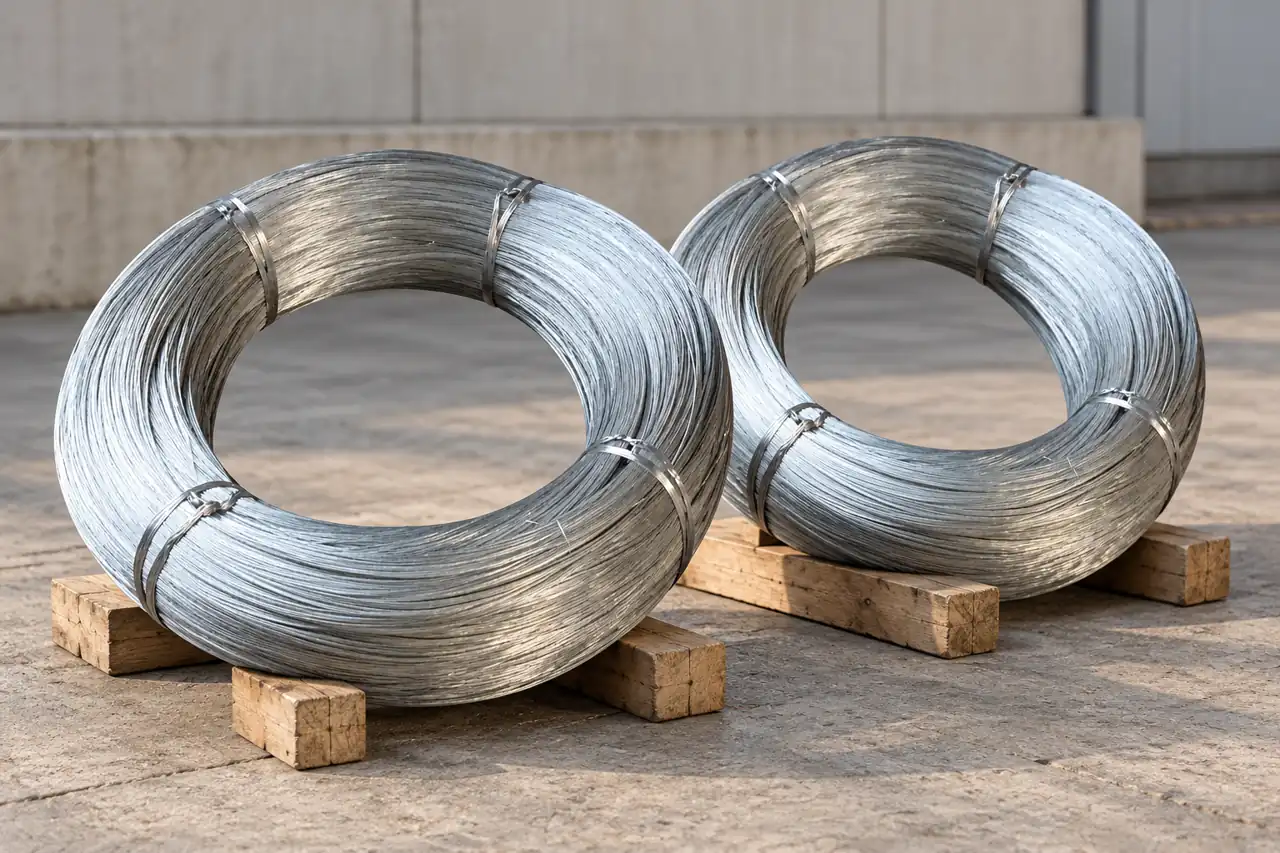
Retain each release lot through use
Connect the packing list, coil references and incoming checks before coils enter stock. Keep released lots distinguishable and protect them against moisture and handling damage under the agreed packing/storage basis. Record visible condition at receipt and retain the lot connection as coils move to production. The support blocks pictured here are a handling illustration, not an approved export package or proof of corrosion protection.
- Reconcile the receiptMatch coil references, quantities and packing list with the required incoming checks.
- Keep lots distinctProtect and identify material before it enters shared stock or production.
- Preserve the connectionRetain the lot reference as individual coils are issued to the line.
Review changes and interruptions through the same baseline
Review material, package and schedule changes against the accepted baseline before the affected release.
Identify changes to material, dimensions, supplied condition, coating, coil format or planned delivery before the affected release is accepted. Assess their impact on forming, payoff and downstream stock rather than carrying over approval automatically. Define communication, containment and authorized disposition for a missed release or deviation. Repeated past orders do not establish an unqualified replacement, compensation or continuity guarantee.
- NotifyAffected release and proposed specification/date change
- AssessForming, coating, payoff and stock consequences
- AgreeRevised scope, evidence and practical response
- RecordAuthorized release or deviation disposition
Define the recurring wire and release plan
Send per variant demand and firm release needs with the controlled wire specification.
Share the wire condition your line has approved and the quantities you expect to release. We can review the candidate and clarify the proposed commitment and evidence arrangements.
Qingdao Relia Industries Co., Ltd.
Contact address: Shuyuan Road, Qingdao, Shandong, China
- Material section and final condition
- Coating and payoff package requirements
- Forecasts by approved variant
- Firm quantities dates and delivery boundary
- Required lot inspection records
Enquiry scope and supporting detail
Send the selected material, cross-section, finished size, mechanical condition and coating requirements with coil/payout limits. Add per-variant forecasts, firm-release quantities, requested dates, inspection records and destination. Relia can review the manufactured wire and proposed schedule. Actual availability, commitment windows, stock arrangements, packing and commercial terms must be confirmed for the agreement.
- Wire baselineMaterial, section, condition and coating
- Release scheduleVariant quantities, forecast and firm demand
- Delivery evidenceLot records, packing, destination and agreed timing