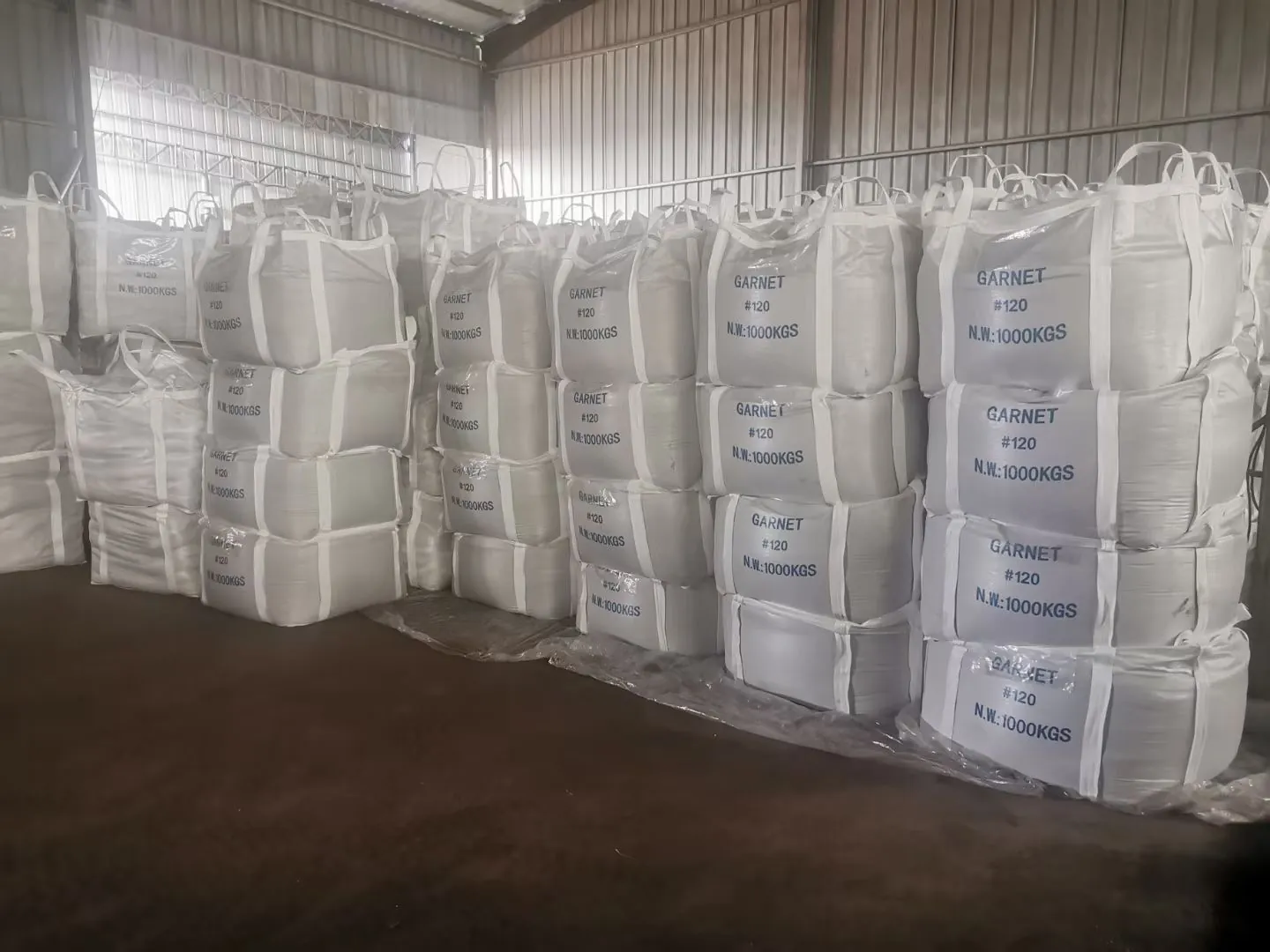
80-mesh garnet procurement for waterjet cutting shops
Choose an 80-mesh garnet proposal by matching its actual grading evidence to your waterjet setup and cutting target. We can review the catalogue candidate with you, but a mesh name alone does not approve nozzle compatibility or cut quality. Confirm the proposed lot, then test it under your established equipment conditions.
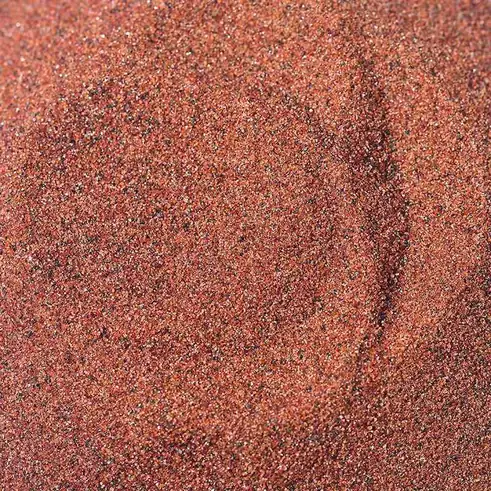
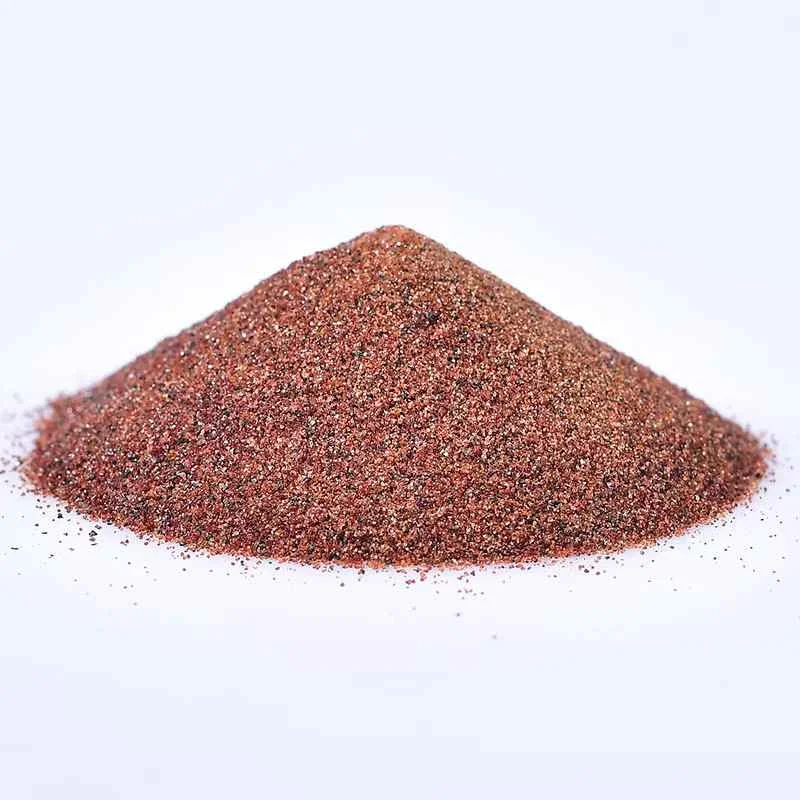
Inspect the proposed abrasive rather than its colour
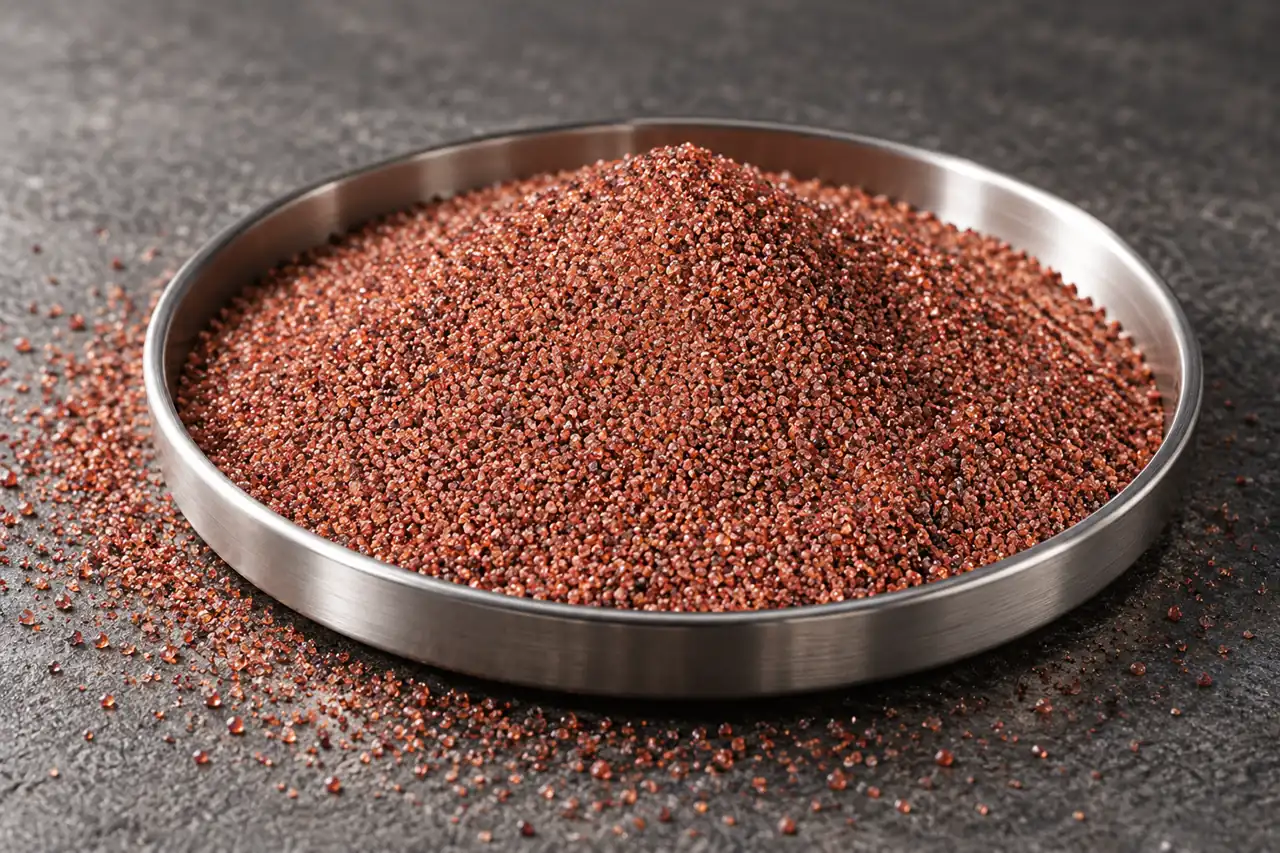
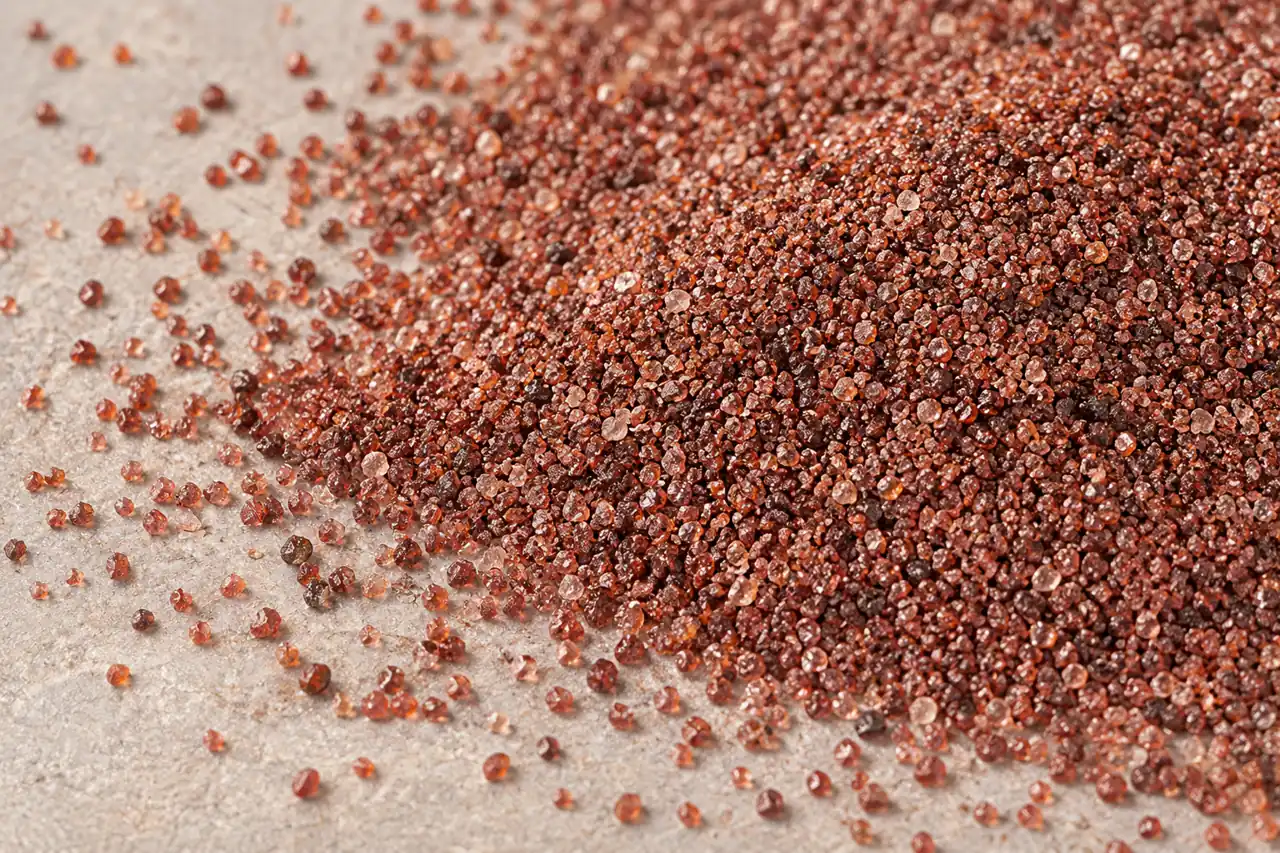
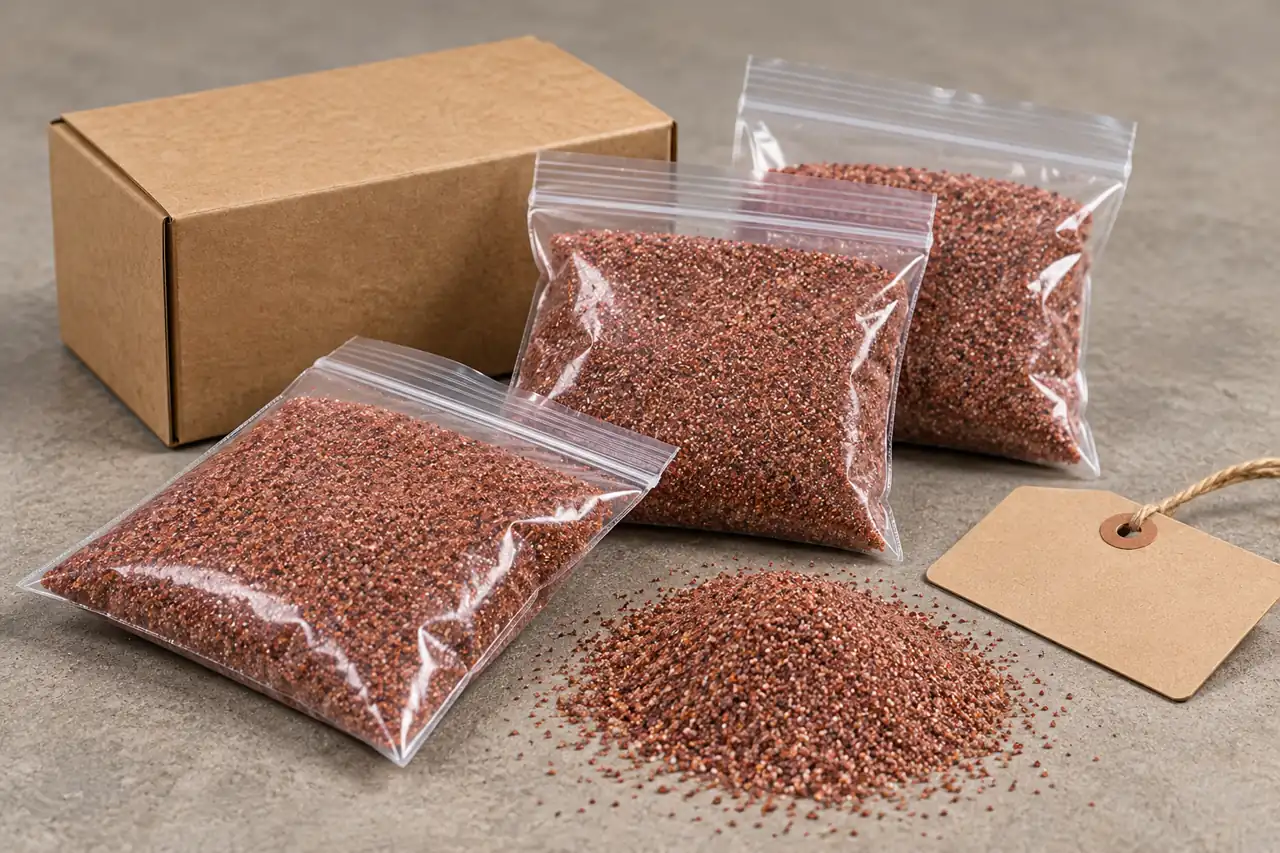
Our relevant catalogue reference identifies an 80-mesh garnet enquiry for stone and metal cutting. Ask for the actual grading basis and lot information behind the offer. Grain colour is useful for identifying a sample visually, but it does not establish mineral composition, cleanliness or a measured particle-size distribution.
Describe the waterjet and work material
Provide the equipment model, nozzle-related requirements and your work material with its thickness. Identify the edge quality, dimensional result and production conditions you need to evaluate. Follow your equipment guidance when setting up the trial. The supplier's abrasive description should be reviewed against that brief before a sample is loaded.
Keep the grading basis explicit
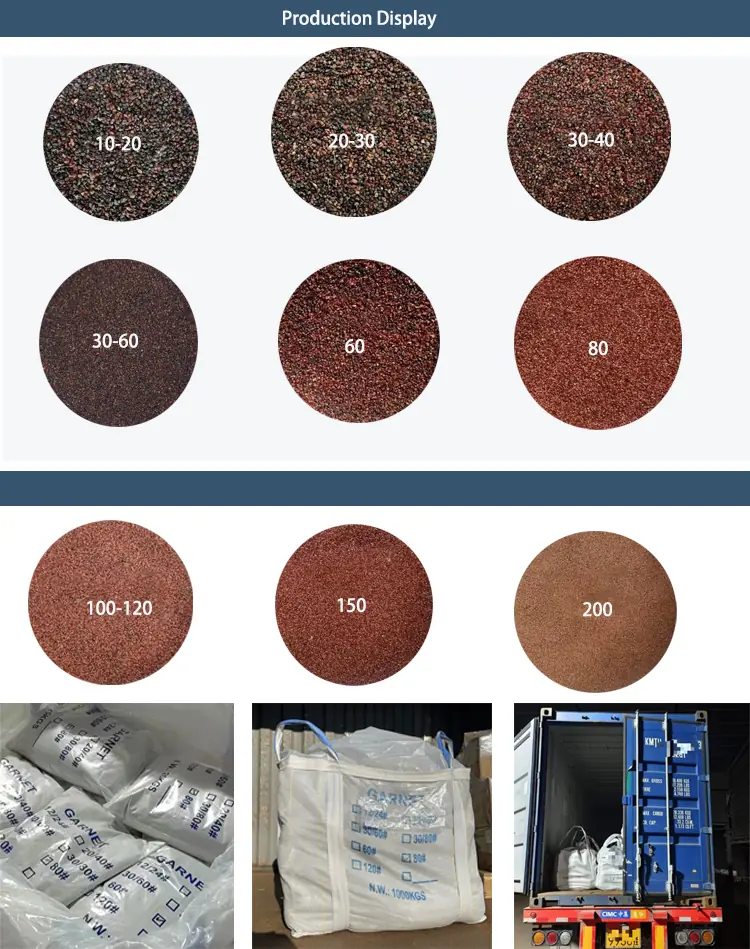
Ask which sieve or particle-grading method defines the offered 80-mesh material and request the available distribution record. Different labels can conceal different acceptance limits. Put the agreed basis into the sample and repeat-order specification, with any oversize, fines or cleanliness requirements your equipment and process team considers necessary.
Run a cutting trial with a useful reference
Use the same work material and representative geometry for the current and candidate abrasive. Identify the abrasive lots and record equipment settings, feed observations and cut results. Keep the comparison within the established equipment procedure. A clean-looking sample edge without its settings is difficult to interpret or reproduce in production.
Record supply conditions beside the cut results
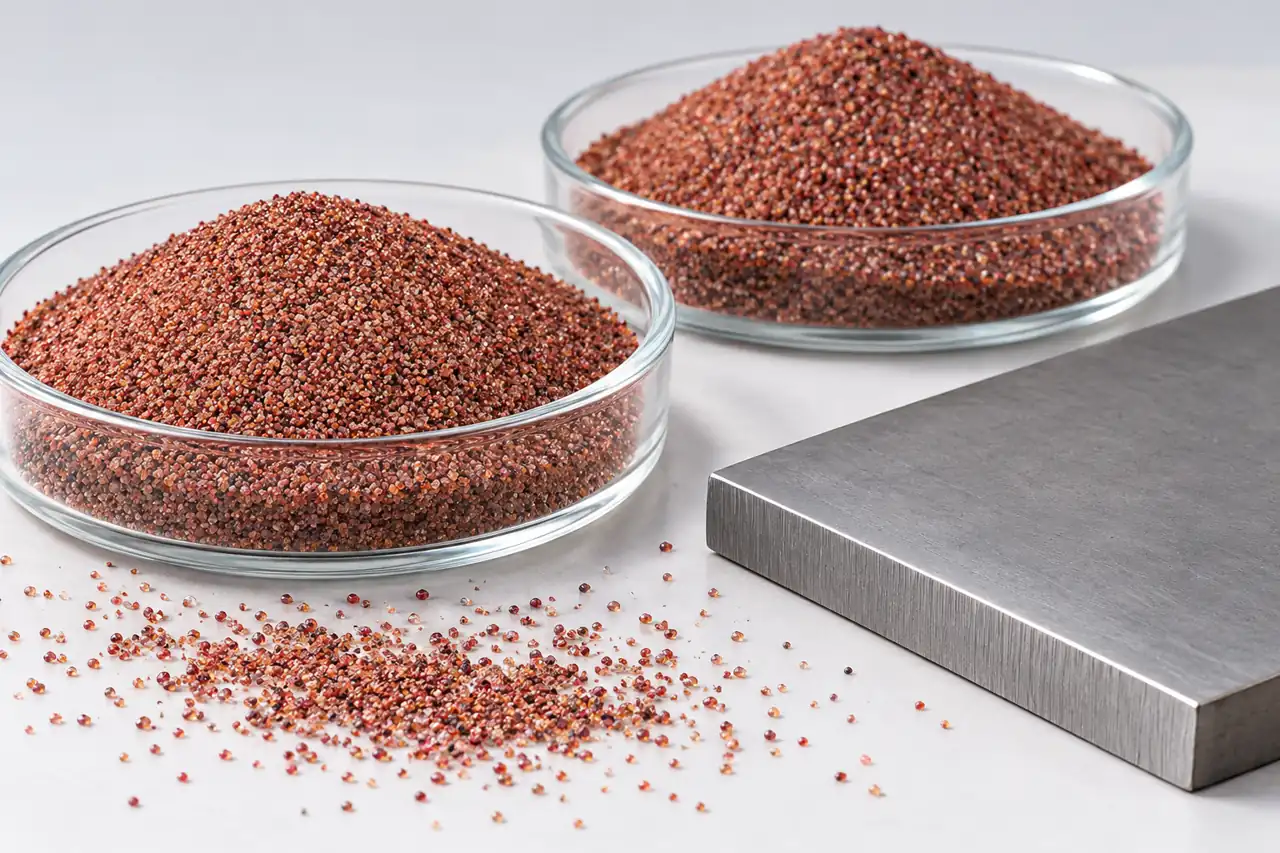
A cutting result alone does not describe how the abrasive arrived or fed. Note the package condition, any visible contamination and the agreed observations during loading and use. Retain an unused sample of the candidate lot so a later receiving concern can be compared with the material used in the original trial.
Confirm the proposed garnet supply source
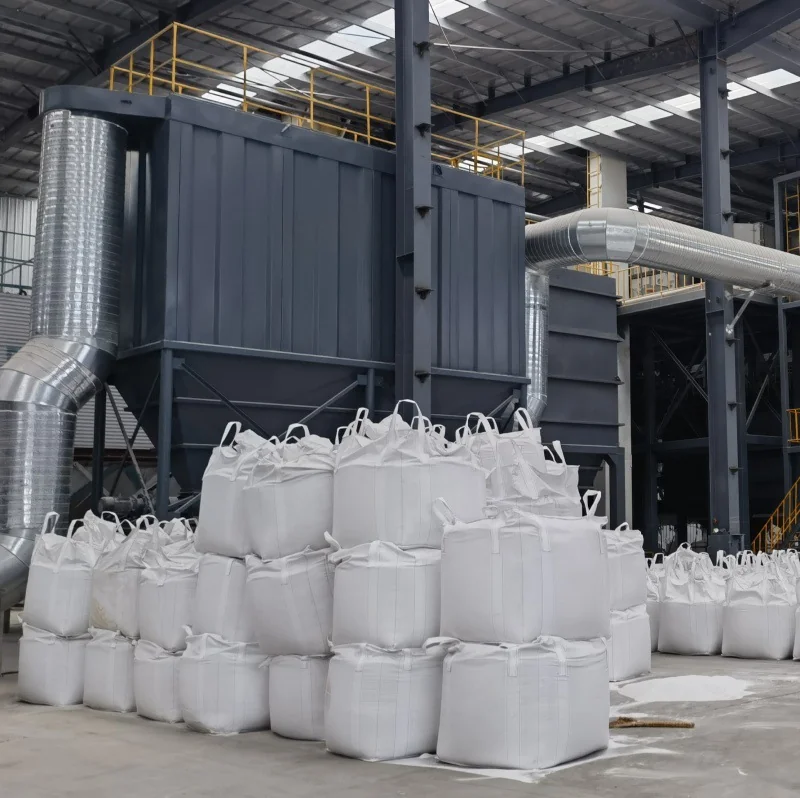
Qingdao Relia Industries Co., Ltd. carries a wider industrial materials catalogue alongside its steel wire and steel shot focus. For this enquiry, confirm the garnet source, available inspection data and supply responsibility. A catalogue listing does not establish in-house mineral processing or a particular test programme for every delivery.
Keep abrasive dry and distinctly labelled
Agree the actual package, unit mass, protective arrangement and lot marking in the quotation. Inspect damaged or compromised packaging before releasing a delivery for use. Storage and handling should follow the confirmed material and equipment guidance. Keep different abrasive grades apart, especially when similar sacks are received together.
Turn trial approval into a repeat specification
Reference the accepted grading basis, source description and trial lot when placing the next order. Compare the first repeat shipment with that record before unrestricted use. Review a change in the abrasive proposal explicitly; the same 80-mesh wording should not replace the evidence that supported the original approval.
Send a cutting-specific abrasive brief
Share the waterjet setup, applicable nozzle guidance, work material and target cut result. Include your current abrasive, requested grading records, trial quantity and repeat demand. We can review the relevant garnet proposal and confirm source, packing, documentation and commercial terms for evaluation at your shop.