

10B21 Cold-Heading Wire for Bolt Production Trials
Our catalogue lists 10B21 cold-heading boron steel wire for bolts and automotive fasteners. Use that grade as the start of a production enquiry, then define the diameter, supplied condition and forming requirements. We can discuss a wire candidate with you; a grade name alone does not qualify a finished fastener.
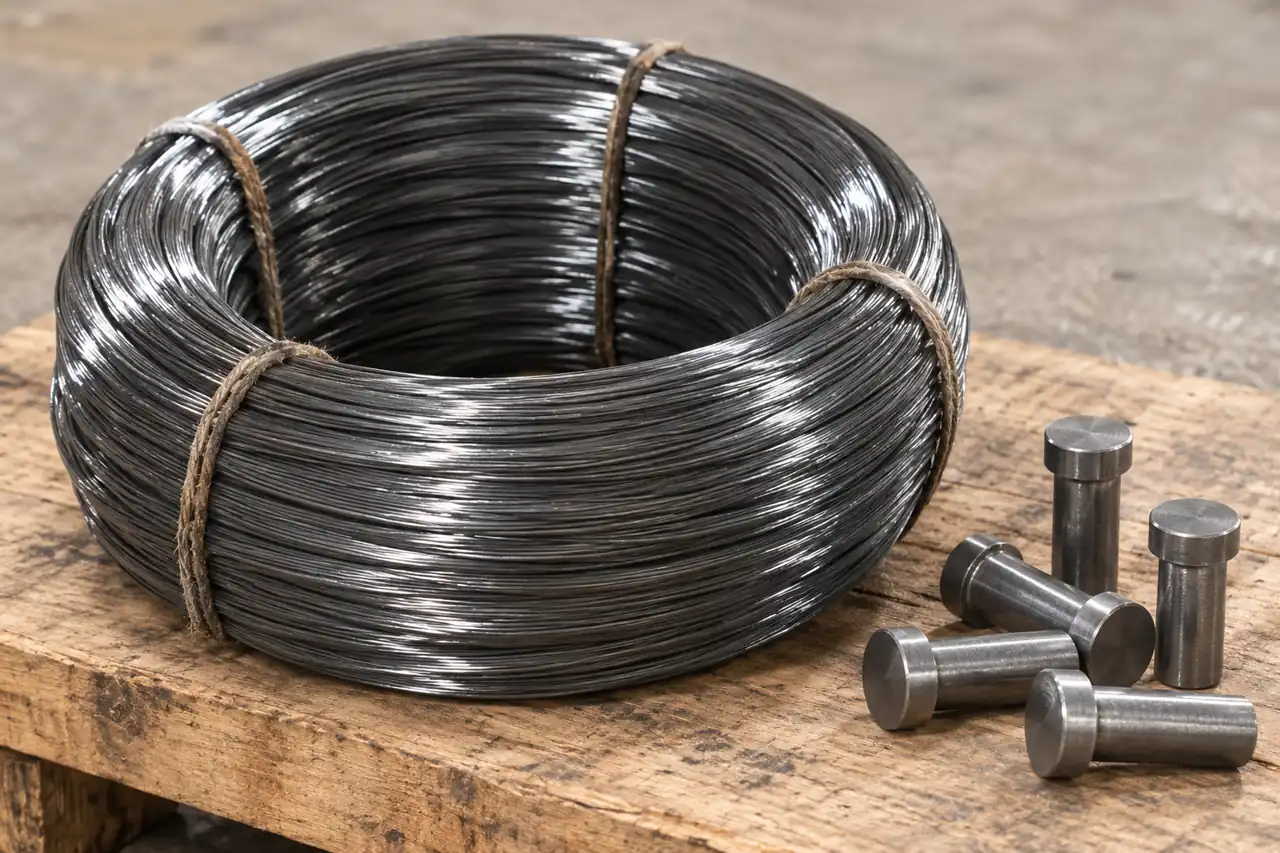
The bolt route sets the wire requirement
Share the bolt drawing and the operations that the wire must pass through. Heading, further forming and any later treatment belong in the review. Identify mandatory material requirements separately from preferences, and leave the approval of the final fastener specification with your responsible engineering team.
Supplied condition matters before the first heading
Include the condition needed by your line instead of ordering solely by 10B21 designation. State any required mechanical properties and the applicable acceptance document. We should confirm what is being offered before you assess the candidate against your existing material or plan a trial quantity.
Surface condition deserves a separate review
Tell us the surface condition your feeding and heading process requires, including any coating or lubricant compatibility requirement. Photograph an existing defect when it helps explain the problem. A photograph is a useful reference, but the accepted surface criteria should be written into the material brief.
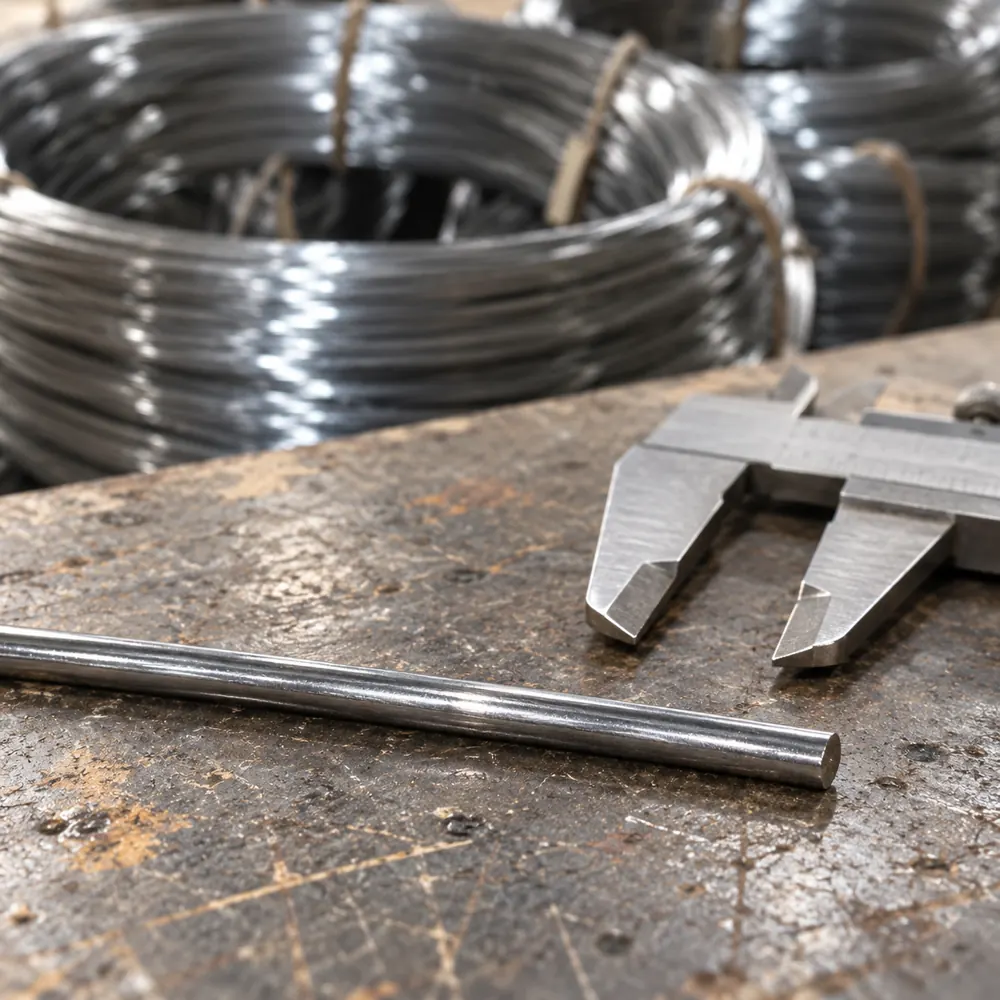
Material records connect the grade to the batch
Specify the material documents and traceability your purchasing programme needs. Review the product identity, relevant batch or heat reference and the properties covered by the record. Keep unrelated catalogue fields out of the approval basis; the selected wire specification and the offered material evidence must agree.
A heading trial separates assumptions from results
Agree a representative trial lot and record the machine setup, tooling and acceptance criteria. Assess the formed parts for the features your production team identifies as critical. Keep the actual observations with the wire reference, so the decision to progress to volume production has a clear basis.
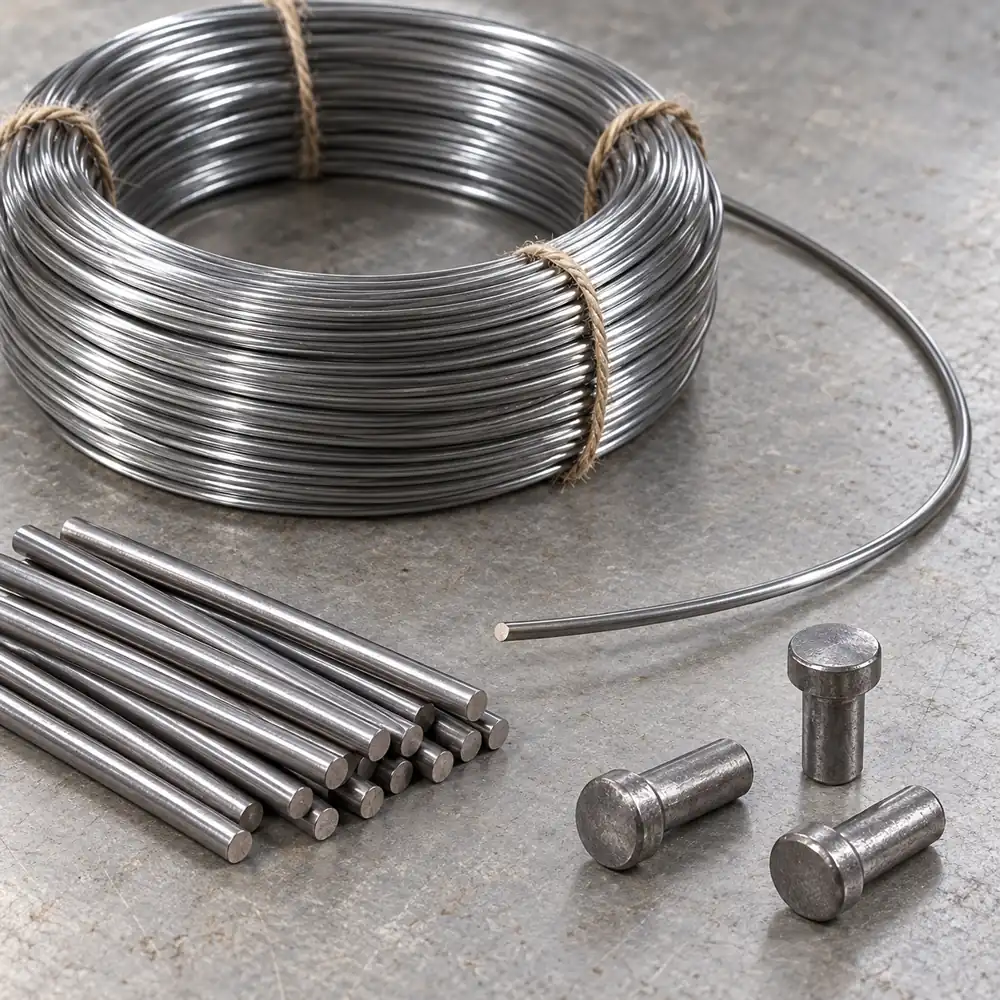
Coil handling is part of production fit
Share coil-weight limits, inside diameter, payoff arrangement and handling constraints. These details belong beside the material requirement, because a change in coil form can affect line feeding. Ask us to confirm the proposed supply form in the offer rather than relying on an illustrative coil photograph.
The accepted reference carries into bulk supply
Once your trial is approved, retain the wire specification, sample reference and acceptance record together. Include any agreed surface or coil requirements in the purchase description. The next order can then refer to an accepted production input instead of a loosely remembered sample.
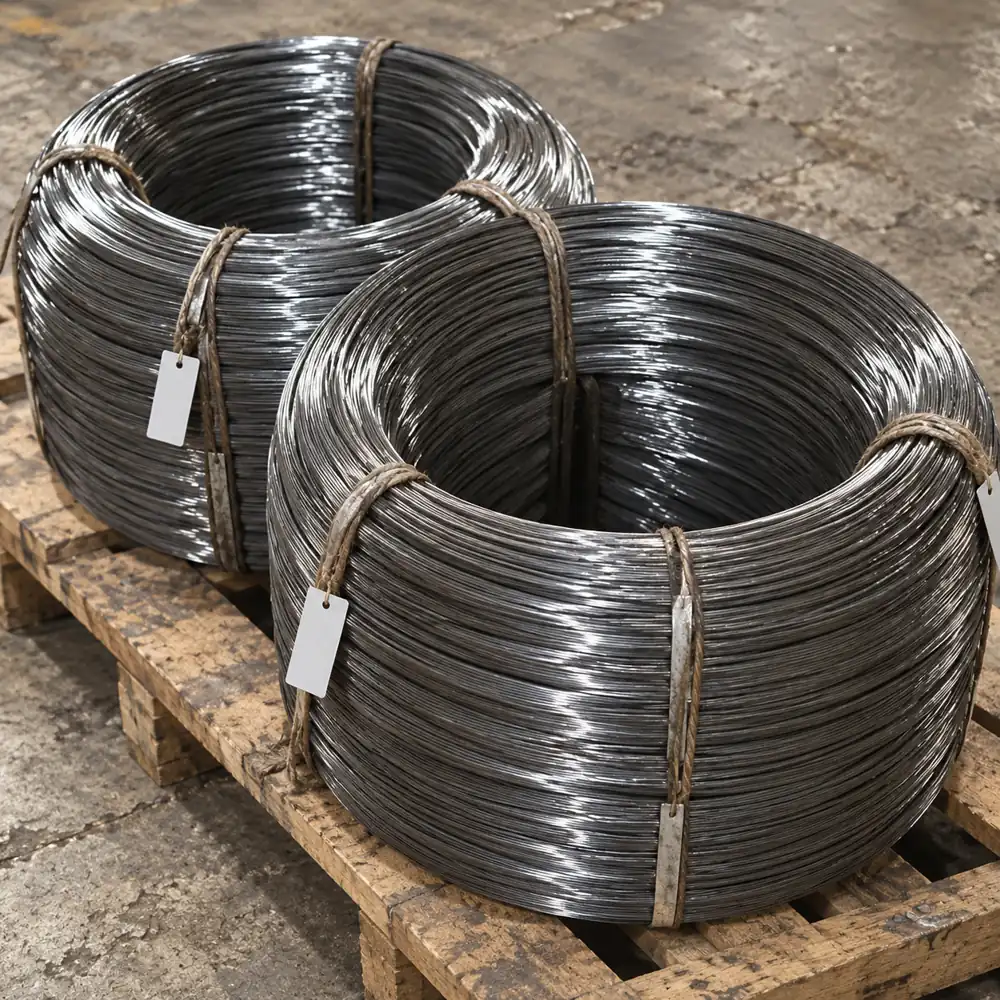
A supplier change needs a visible comparison
When moving from an existing source, list the characteristics that must remain the same and any proposed differences. Record those differences before a production run. This makes the review useful to both purchasing and production, and keeps a price comparison from hiding a change in material condition.
Send the wire and forming brief together
Send the 10B21 requirement, drawing reference, wire diameter, supplied condition and trial or bulk quantity. Add surface, coil, inspection and destination details. Our team can discuss the listed wire with you and confirm the material offer, sample arrangements and order terms for the particular request.