
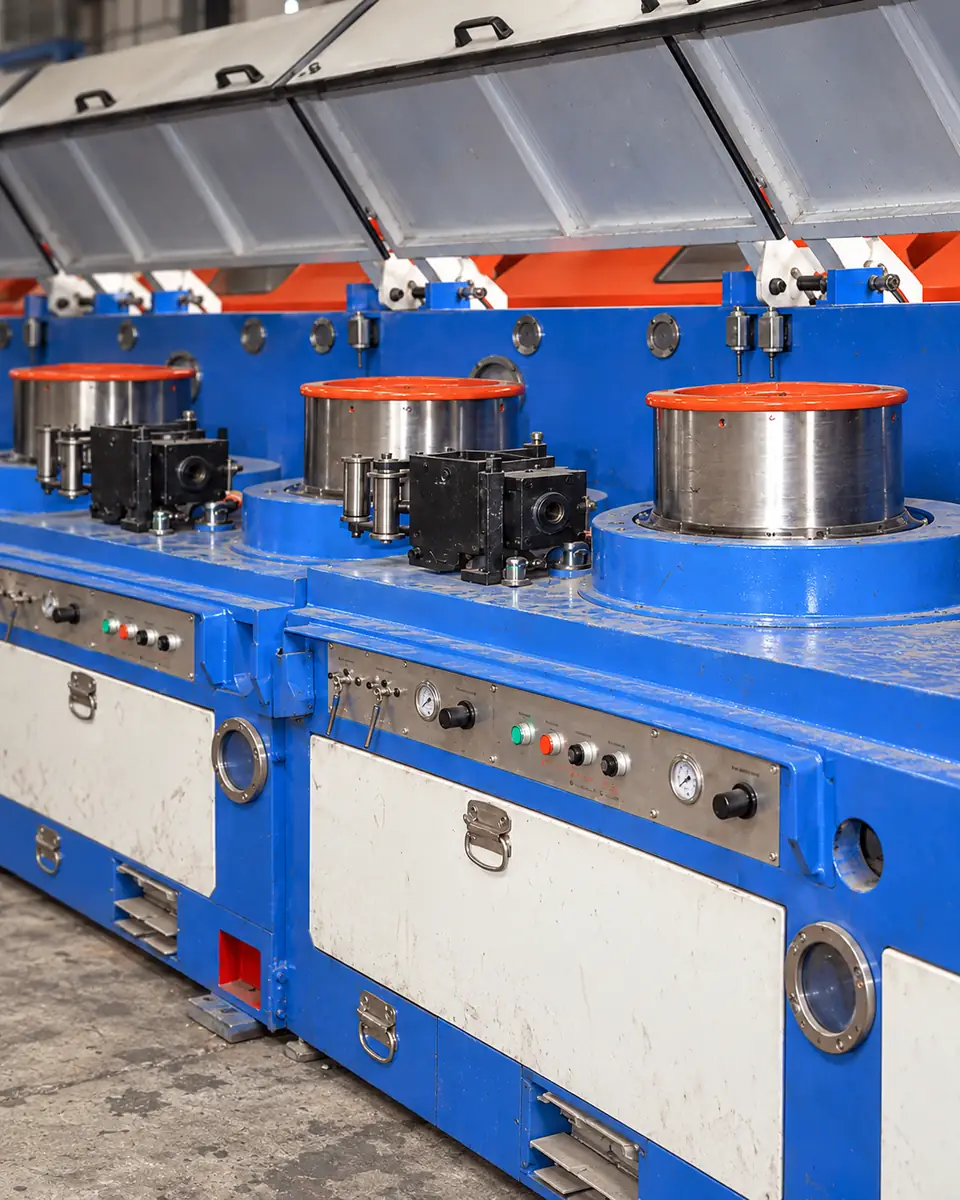
Plan a surface-treatment trial around the workpiece and the required result. Media selection starts with substrate, current surface condition and acceptance criteria, then moves to the actual machine and inspected abrasive batch.
Define the Task Before Choosing the Media
| Application | Describe the workpiece | Agree the trial result |
|---|---|---|
| Foundry cleaning | Casting material, component geometry and the surface contamination to address | Required cleanliness and acceptable surface condition |
| Forging-scale removal | Forging material, scale condition and surfaces requiring treatment | Scale-removal and surface acceptance for the next operation |
| Metal deburring | Component material, burr location and edge requirements | Acceptable burr condition without assuming a universal removal result |
| Aluminum die-casting finishing | Alloy or casting identity, starting appearance and critical features | Agreed finished-surface sample and component acceptance |
A media reference used on a steel casting cannot automatically be carried over to an aluminum casting. Reassess the material, particle form, machine acceptance and required result for the changed workpiece.
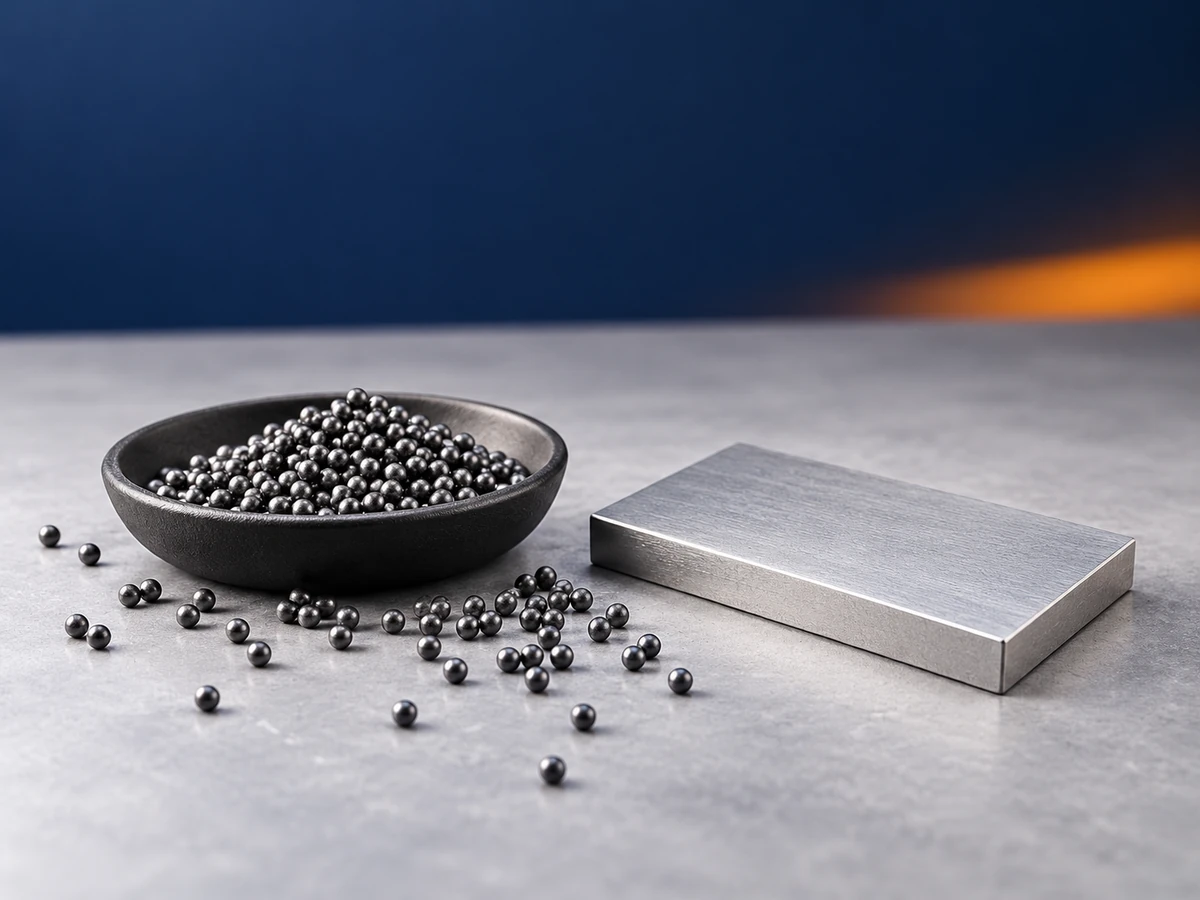
Prepare the Inputs for a Useful Trial
Identify the machine and its media requirements, the workpiece material and geometry, and the current surface condition. Record the proposed media specification, relevant operating procedure and the agreed inspection method. Operating limits and settings must come from the actual equipment and qualified process.
If contamination matters, identify the prohibited materials or substances and the method used to check acceptance. A material-family label alone does not demonstrate a contamination-free finished part.
- Product or existing-media reference.
- Workpiece material and representative sample condition.
- Machine type and permitted media specification.
- Required final appearance, cleanliness or profile.
- Dimensional, edge or contamination restrictions.
Separate the Results You Need to Measure
Visible appearance and dimensional preservation are different acceptance questions. State both when both matter, with the relevant drawing, sample or measurement criteria. An acceptable-looking finish does not by itself prove dimensional conformity.
Define a required surface profile using the applicable measurement and acceptance criteria. A particle-size label does not guarantee the profile on a particular substrate.
A high-efficiency description is not a measured cleaning rate. If rate or consumption matters to the comparison, state how the representative trial will record it and what conditions must remain comparable.
Keep Different Treatment Goals Distinct
A blast-cleaning application does not establish a qualified shot-peening process. Where a design calls for peening, define its separate process and inspection requirements; do not infer intensity, coverage or fatigue improvement from a general media description.
For alumina, polishing and refractory use require different acceptance criteria. Polishing concerns the workpiece and required finish; a refractory formulation needs its own chemistry, particle distribution and thermal-material requirements. A purity number does not qualify both applications automatically.
The applications described here are planning contexts supported by the product catalogue. They are not named customer projects or demonstrations of a guaranteed finish on every component.
Record the Selected Specification and the Actual Result
- Agree the media identity, shape, grading and condition.
- Confirm equipment acceptance and the representative workpiece.
- Record the inspection criteria before evaluating the trial.
- Compare actual observations with those criteria.
- Confirm the final order specification and evidence separately.
Compare abrasive-selection requirements and prepare the inspection checklist. Send the application brief through Contact Metal Wire Shot.