Cast Grinding Media for Cement-Mill Procurement
Evaluate cast grinding media by mill compartment and operating conditions rather than buying one generic ball mix. Our catalogue contains cast-media candidates, including a listing described for mineral mills. Suitability for your cement mill still needs a defined material offer, agreed inspection and a trial matched to the intended duty.
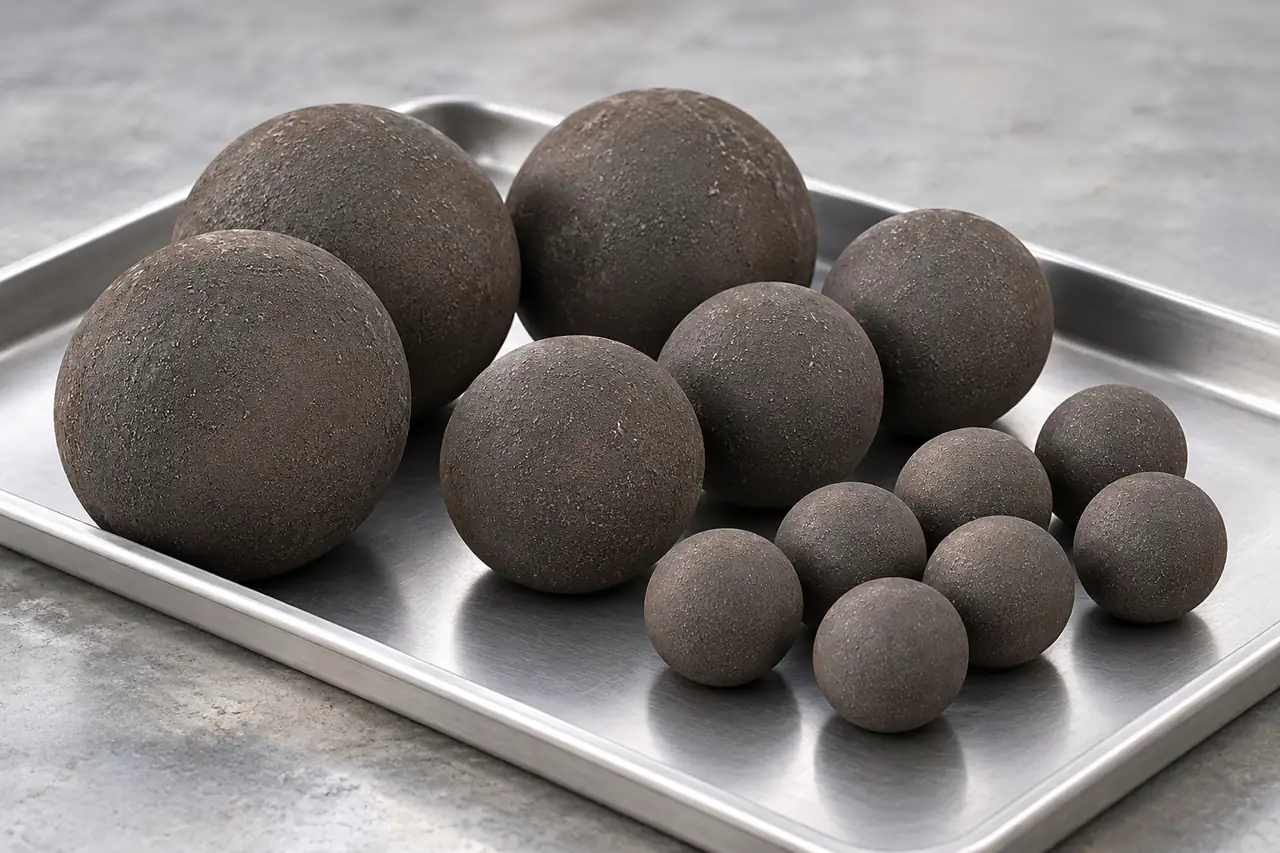
Describe each compartment as a separate duty
Give the mill configuration, existing charge and the purpose of each compartment in your enquiry. Include the feed and product conditions that your technical team uses to assess performance. A proposed ball distribution should be reviewed against that context, rather than copied from an unrelated installation or catalogue description.
Identify the actual cast-media offer
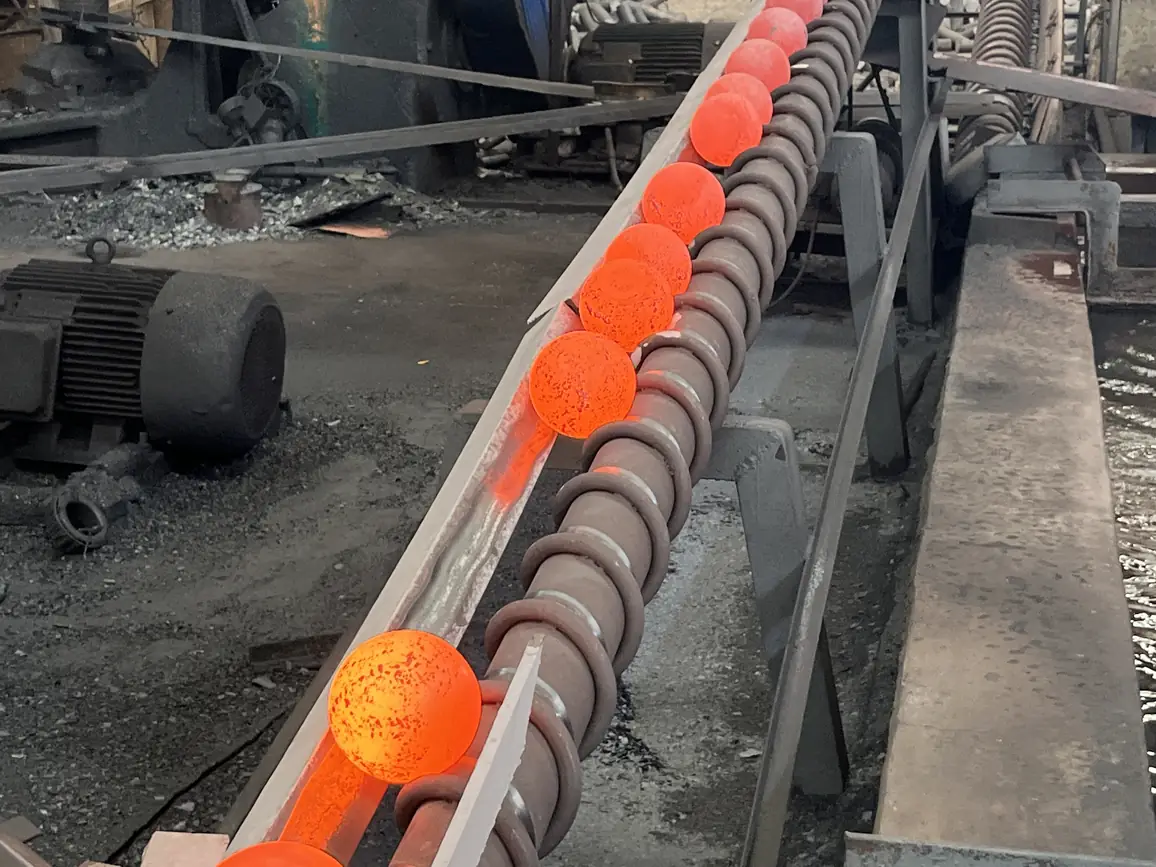
Ask for the material designation, production route and proposed diameter mix of the offered balls. Keep cast and forged alternatives separately identified. A supplier’s broad grinding-ball range does not establish one shared chemistry, heat treatment or performance level for every size and application.
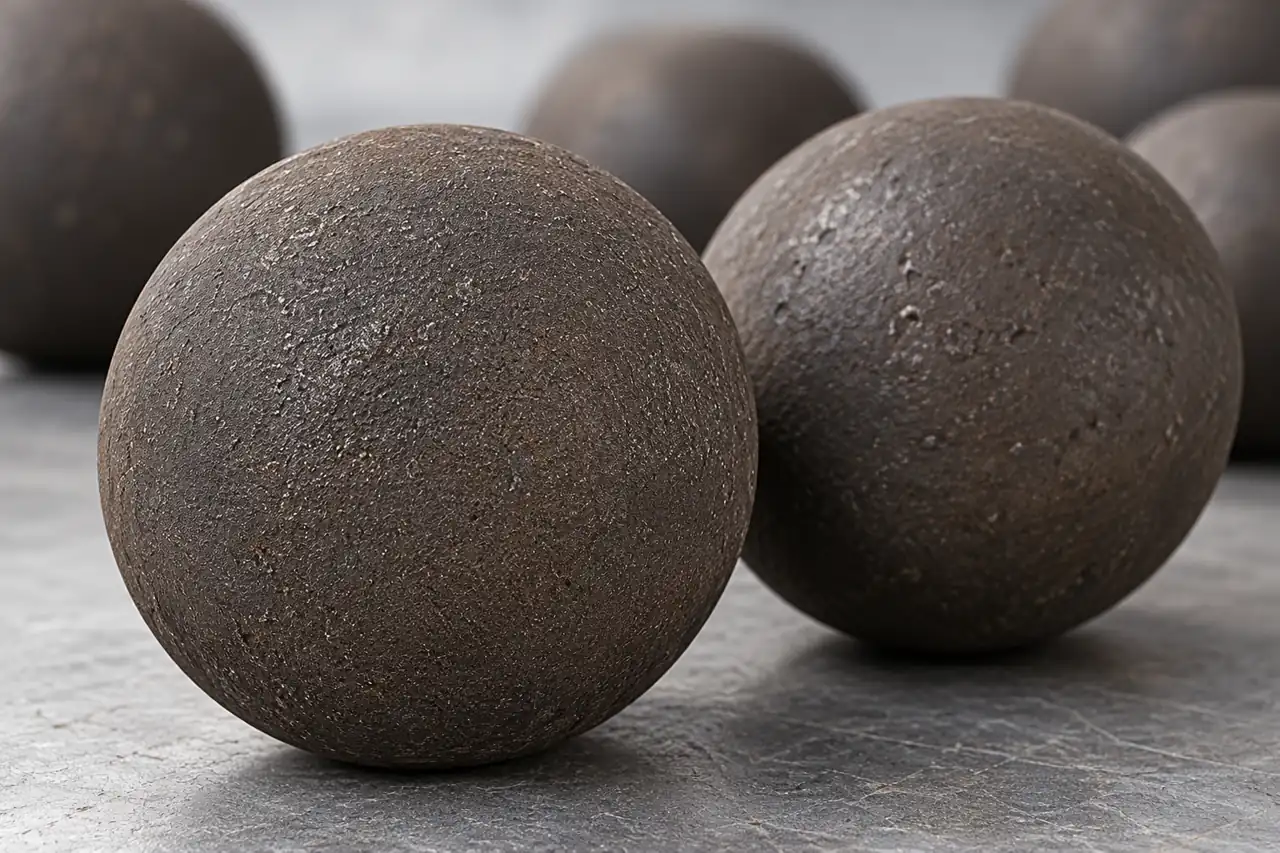
Set the inspection basis before the trial
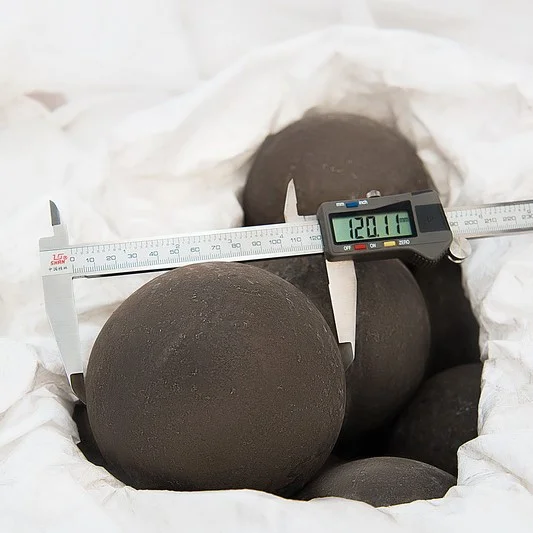
Agree the dimensions, surface condition and material or hardness checks relevant to the proposed specification. State the required method and document scope instead of comparing isolated numbers. If a test result is offered, confirm its sample identity and whether it represents the material proposed for the trial.
Keep trial measurements comparable
Choose the evaluation period and measurements with the mill team before loading trial media. Record operating changes that could affect the comparison, including changes in feed or mill operation. Avoid assigning a performance difference to the media alone when the trial conditions moved at the same time.
Inspect the recovered media condition
Where the agreed trial method permits recovery and inspection, review representative balls for the specified condition checks. Keep photographs and measurements linked to their source and trial period. A few visually clean balls cannot demonstrate the breakage or wear performance of the whole charge without a defined sampling basis.
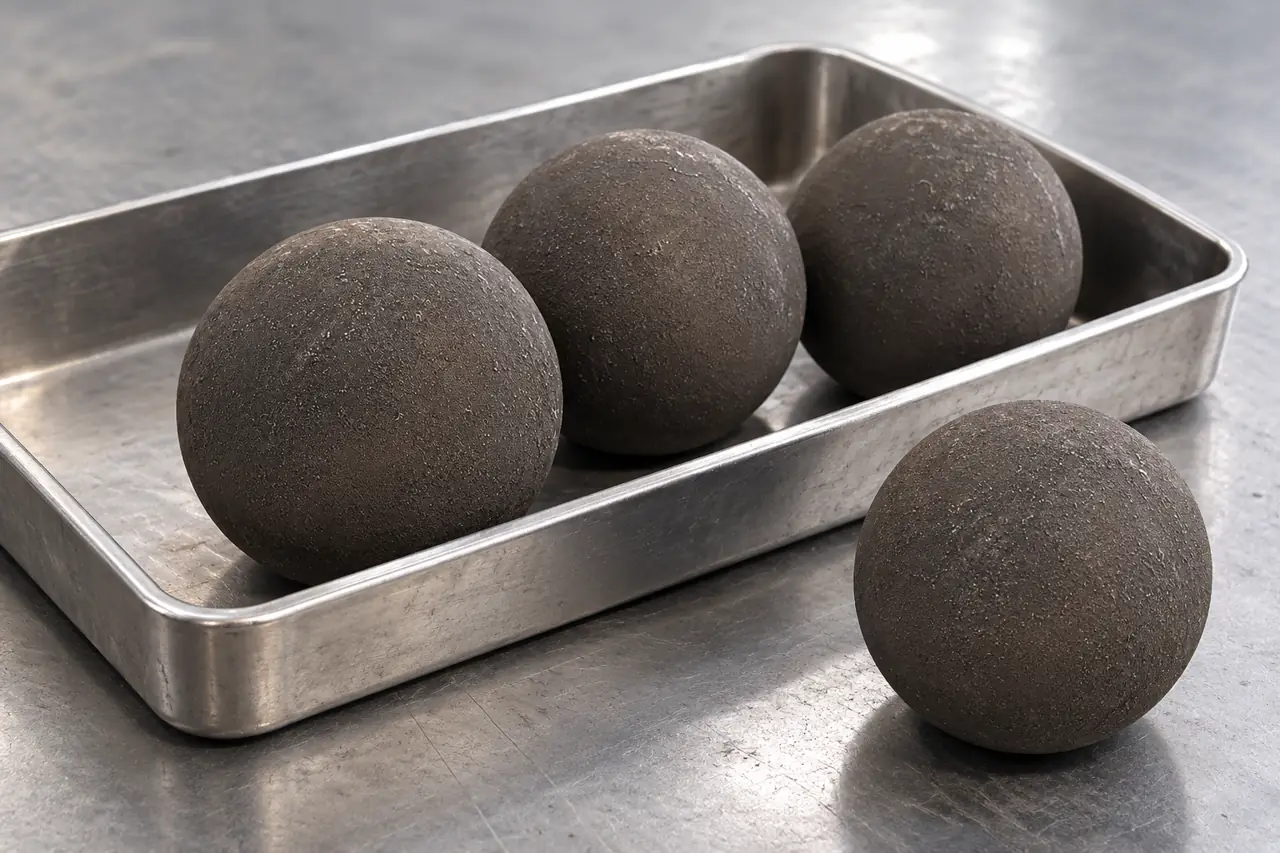
Define the evidence needed for a volume decision
Combine the offered material records, receiving checks and mill trial observations in one decision record. State which sizes and compartments the approval covers. If the trial used a selected sample, clarify its relationship to the proposed volume lot before applying the result to a larger purchase.
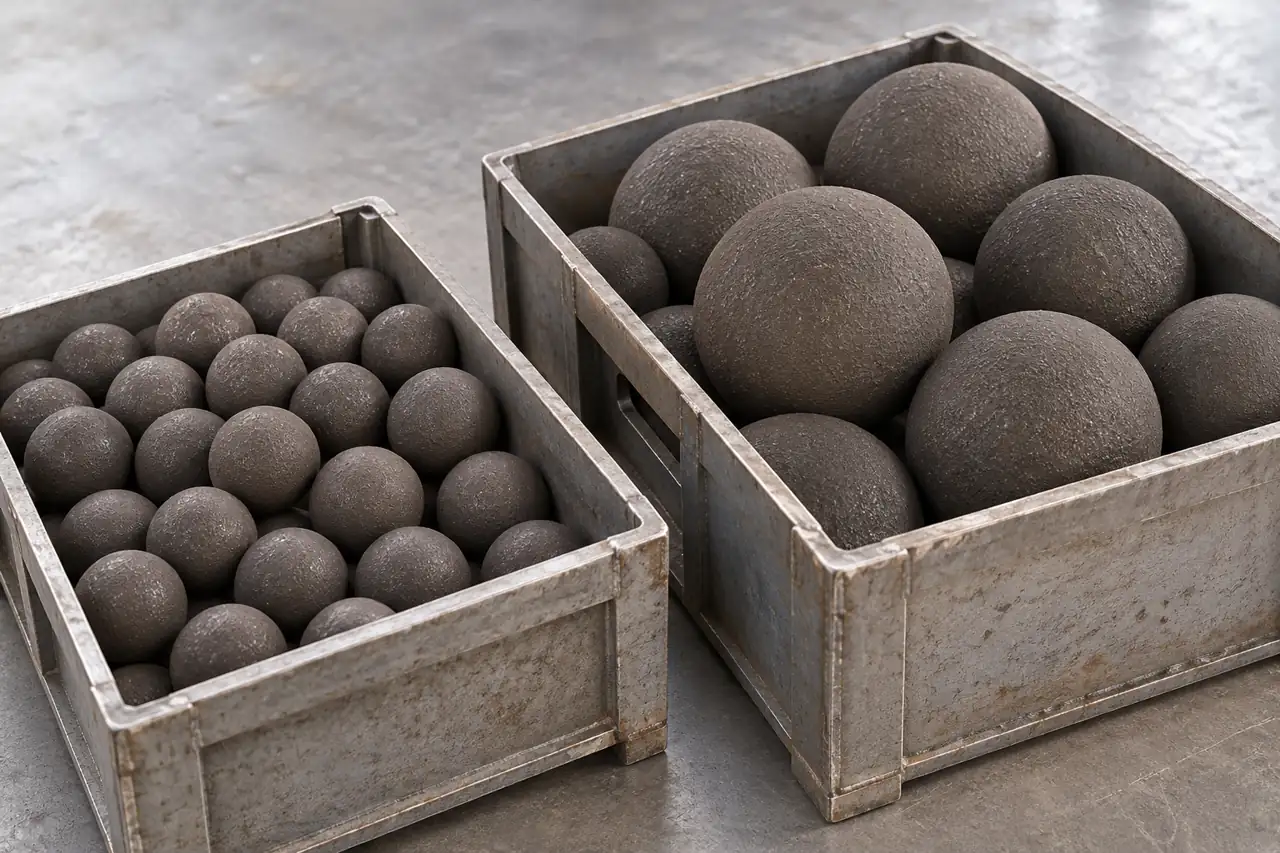
Plan packing around size separation and receipt
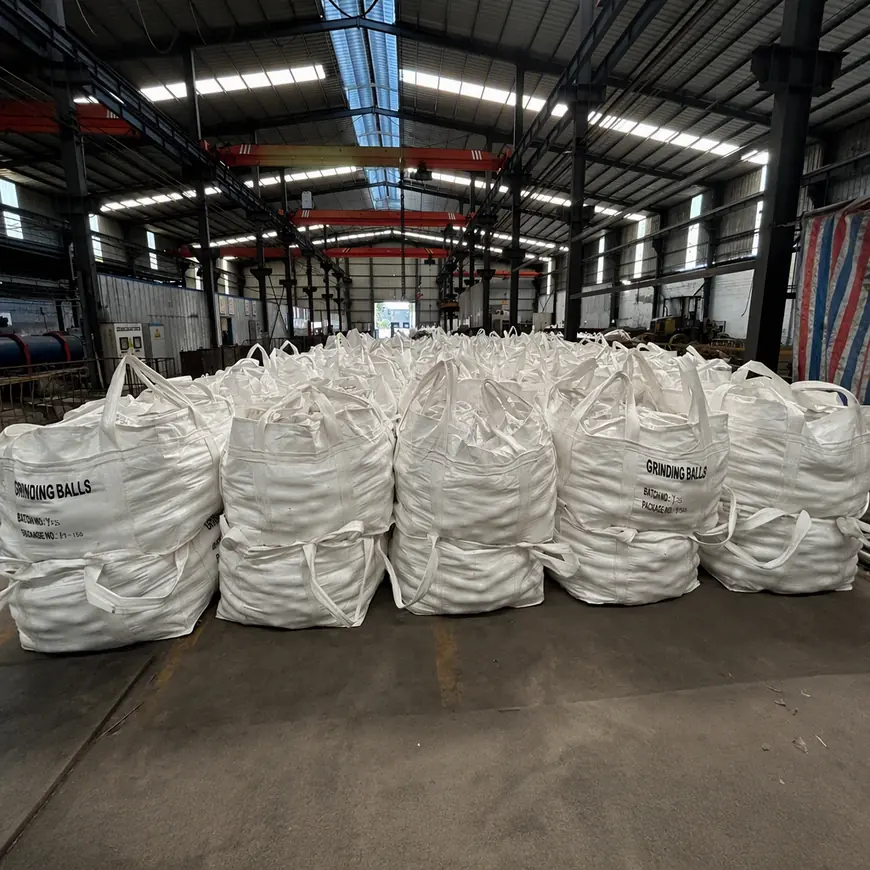
Specify quantities by ball size and identify the handling and receiving limits at the plant. Confirm the actual bag, drum or bulk packing proposal before ordering. Keep size mixes and lot identities clear in the packing list so the mill team receives the approved charge plan rather than an ambiguous total mass.
Confirm who supplies the proposed media
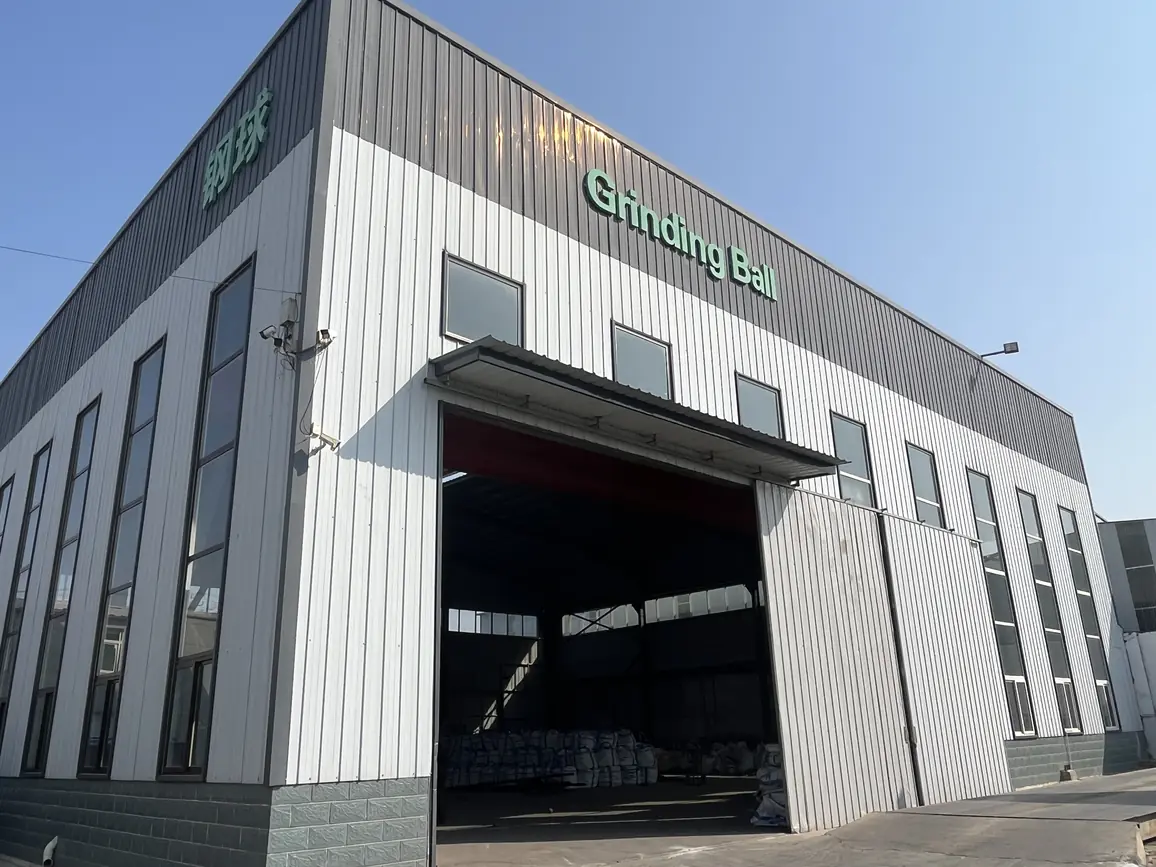
Ask us to confirm the production or supply relationship for the actual cast-media line and the available documents. Our broader materials catalogue is not evidence that every item is made in the same facility. Evaluate the identified offer and its records against the requirements that matter to your mill.
Send a compartment-based grinding-media enquiry
Share the mill and compartment brief, current ball mix, proposed trial quantity and acceptance plan. Add material preferences, inspection documents and receiving conditions. We can discuss a relevant catalogue candidate and confirm the actual quotation scope; the mill team can then compare the proposal against its defined operating objective.