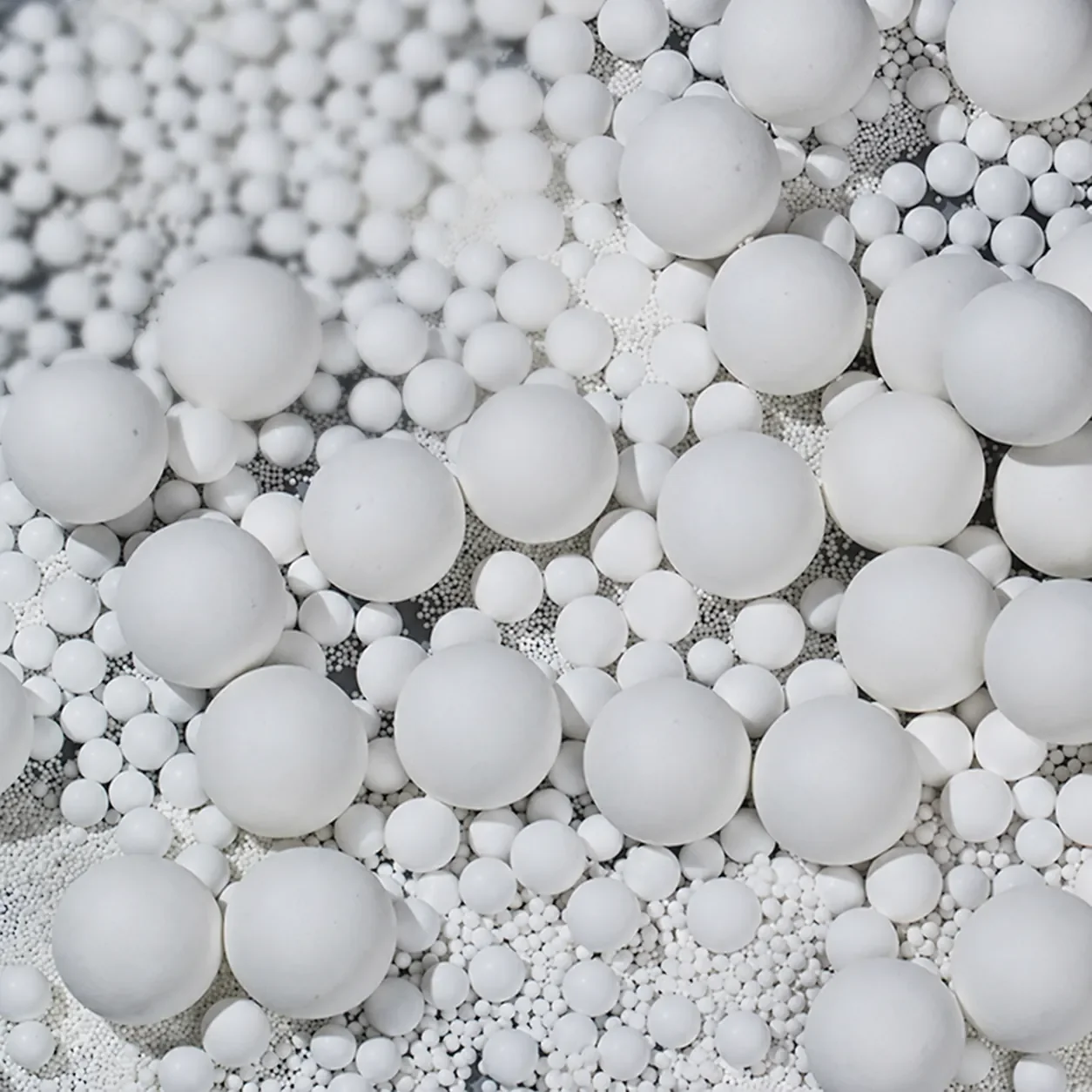
Alumina Grinding Balls for Ceramics and Fine Powders
Evaluate alumina grinding balls against the powder’s contamination limits and the mill trial you can measure. Our catalogue lists industrial alumina-ball candidates with several nominal purity and size descriptions. Confirm the actual composition, size and batch evidence of the offered product before treating a catalogue purity label as approval for your powder.
The powder specification sets the contamination limits
Identify the powder composition, prohibited or limited impurities and the finished-product acceptance method. Add the current media and the reason for changing supply. This turns a broad request for high purity into an evaluation brief that can distinguish the material’s composition from its effect on your actual process.
Ball size and nominal purity need separate confirmation
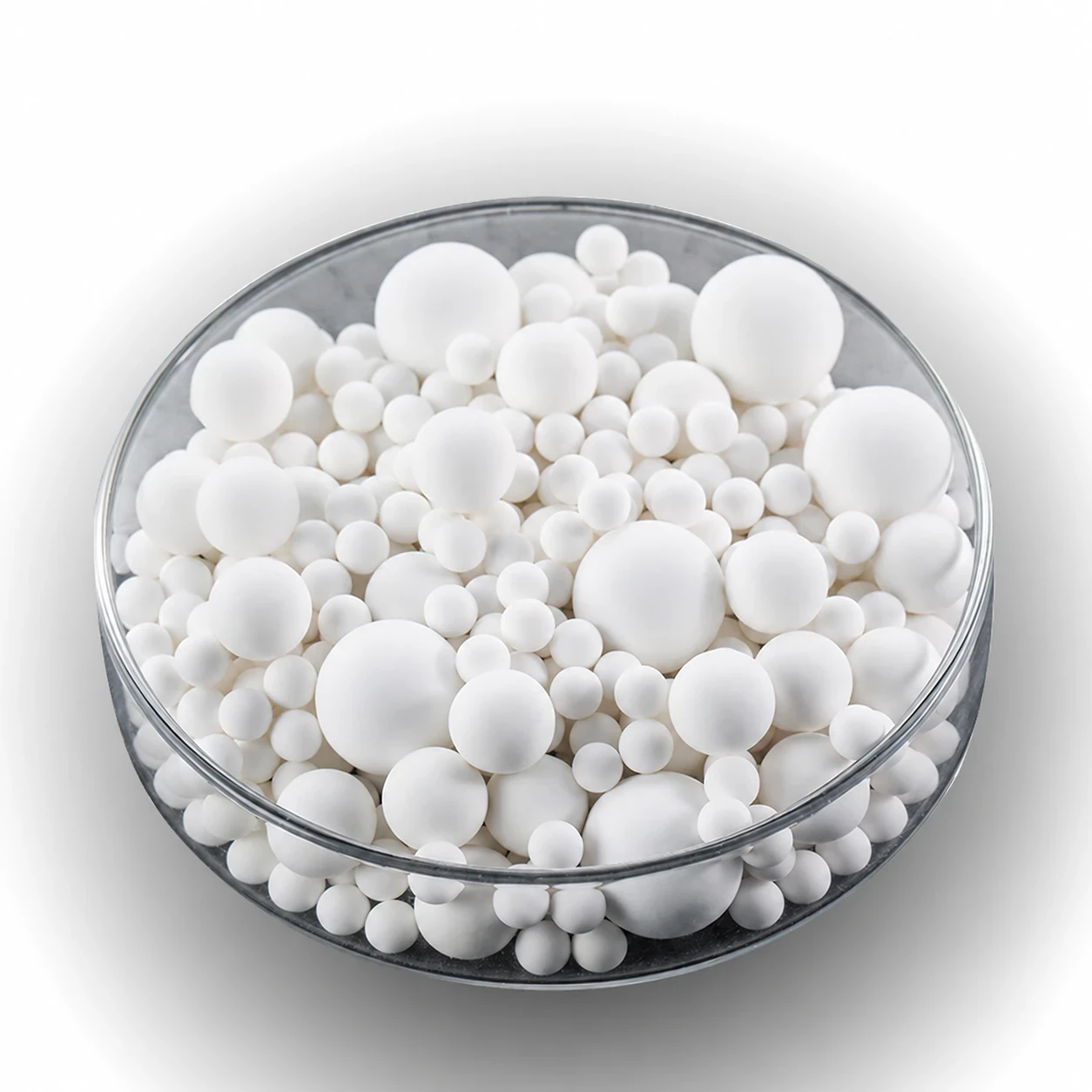
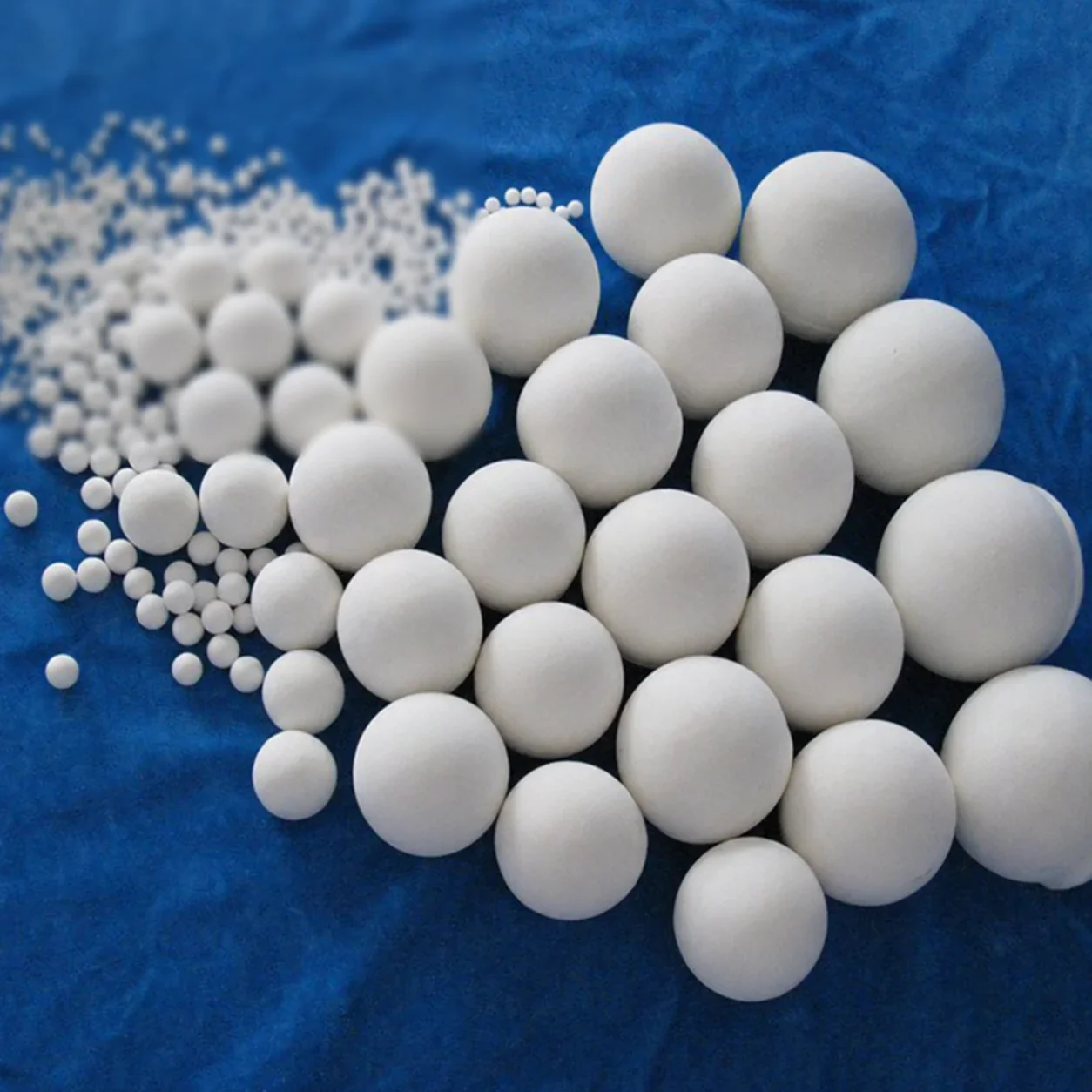
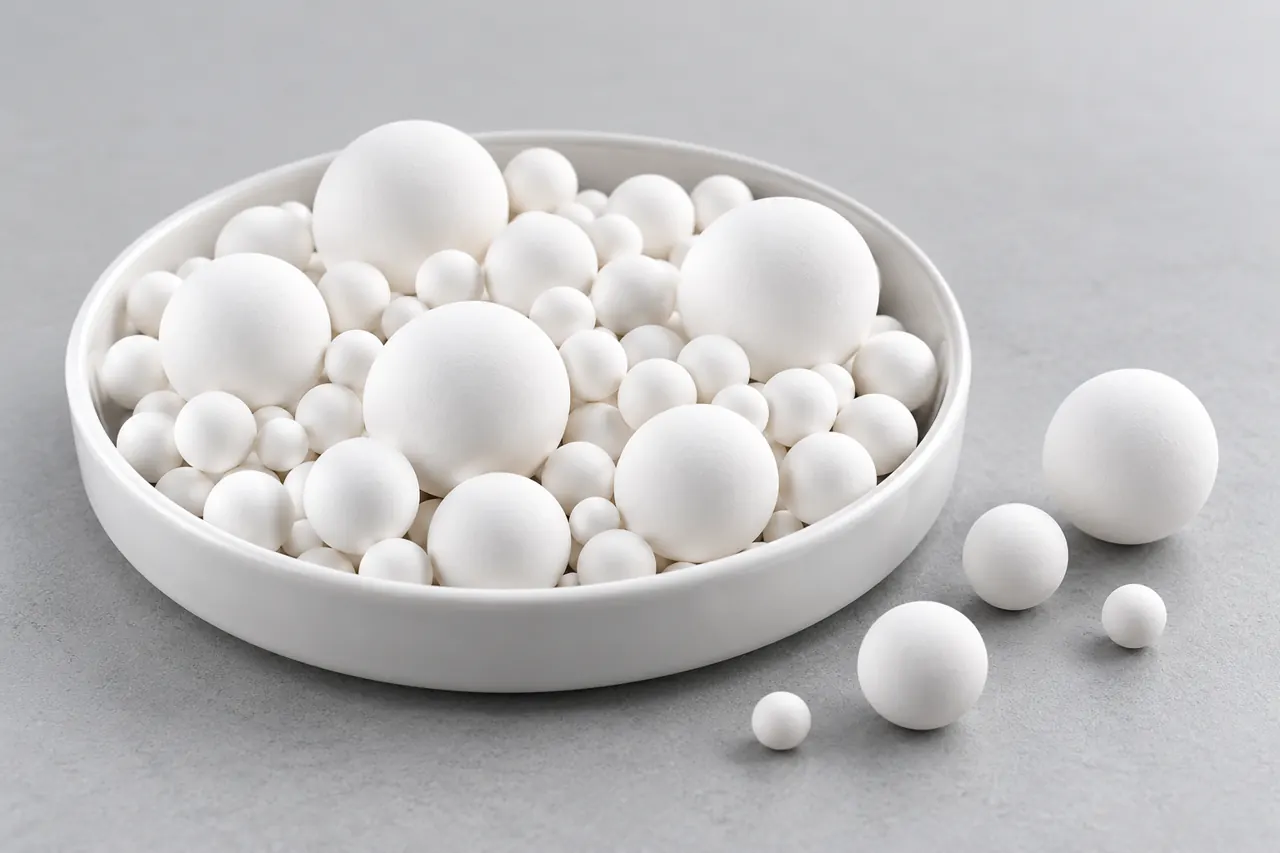
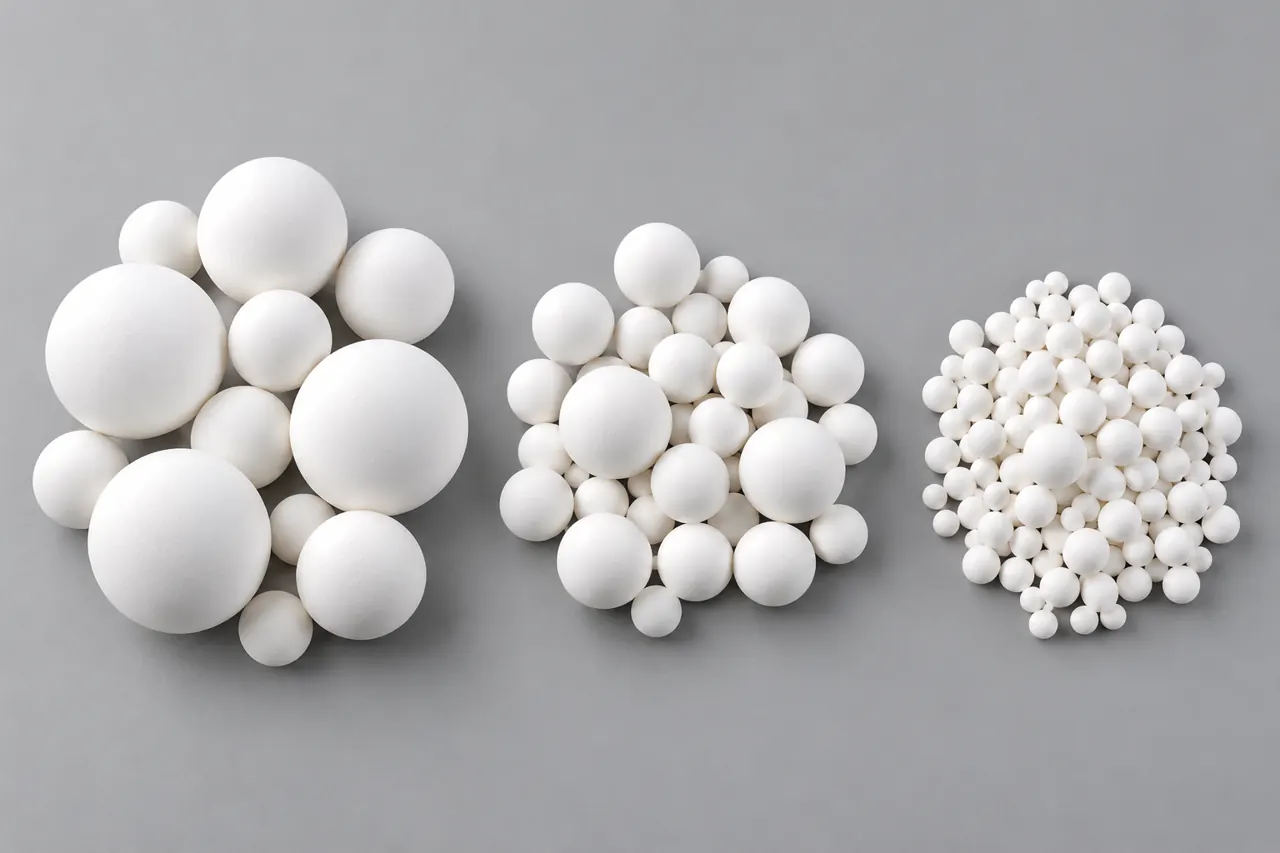
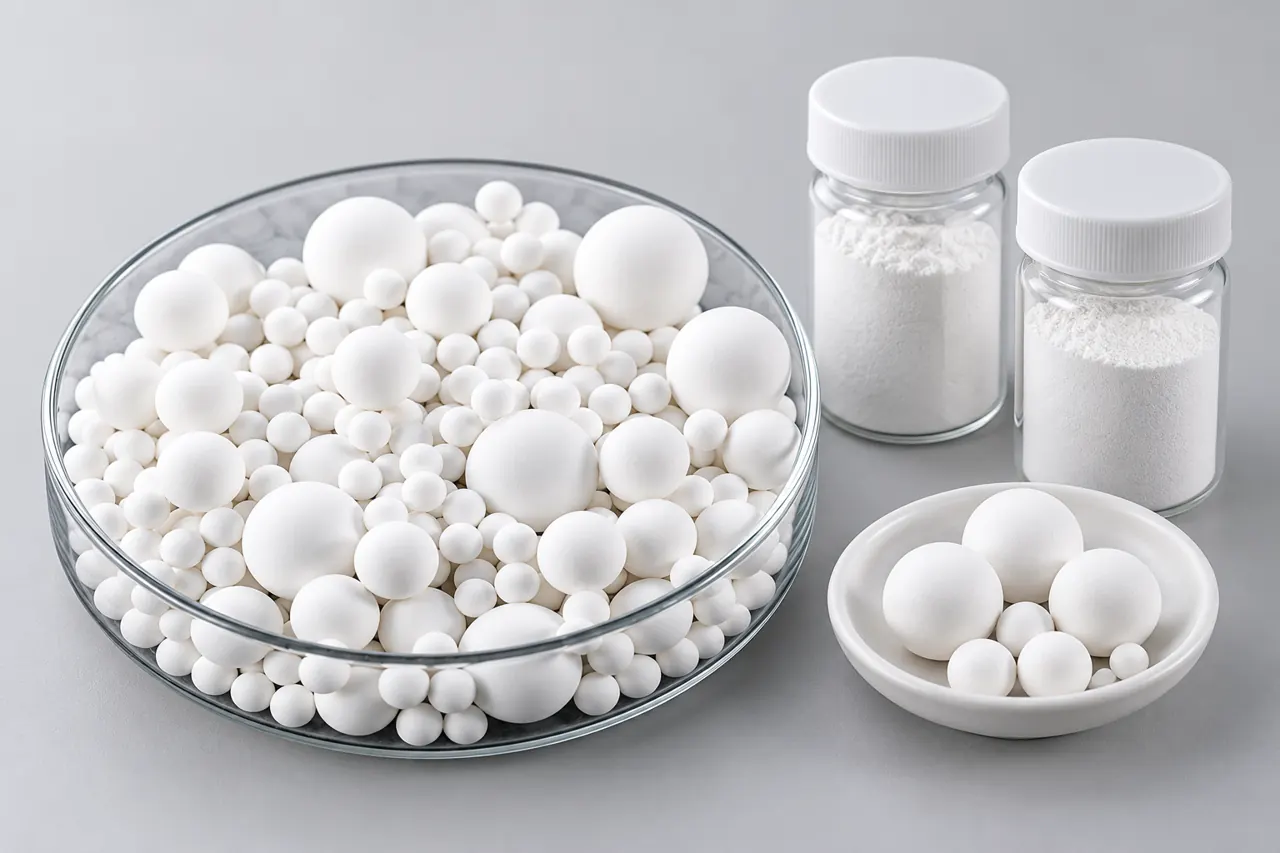
List the requested ball diameters and quantity of each size, then state the composition requirement and supporting test basis. Confirm the actual offered range with us. A mixed display of ball sizes is useful for orientation, while the purchase specification should identify only the sizes and material approved for your mill.
Composition evidence should identify the offered batch
Ask for the claimed alumina content, relevant impurity information and available test records, including their method and lot connection. Keep a supplier declaration distinct from independent testing if your approval requires the latter. A purity percentage without its basis leaves important questions about the material unresolved.
A mill trial should preserve the comparison conditions
Agree representative powder, media loading and operating conditions with your process team. Record which conditions remain the same and which deliberately change. Include the actual candidate batch and size mix in the trial record, so a result can be interpreted against the current media instead of a shifting baseline.
Test the powder rather than inferring low contamination
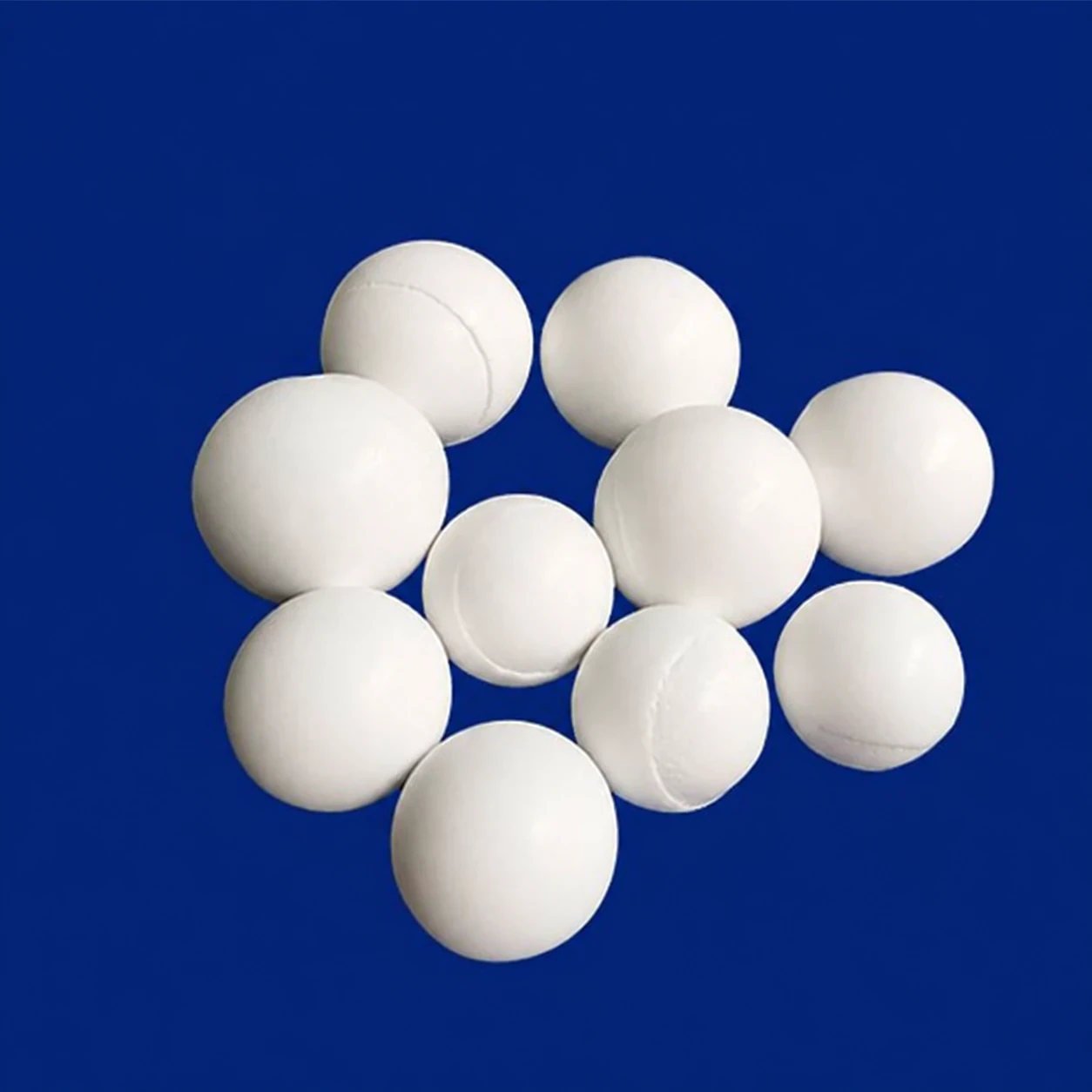
Assess the milled powder using your specified contamination and product-quality checks. Record media condition and any material loss observations under the same trial scope. A clean white ball photograph cannot prove low contamination, and a nominal purity claim cannot substitute for the result your finished powder requires.
Supplier review should confirm the ceramic supply scope
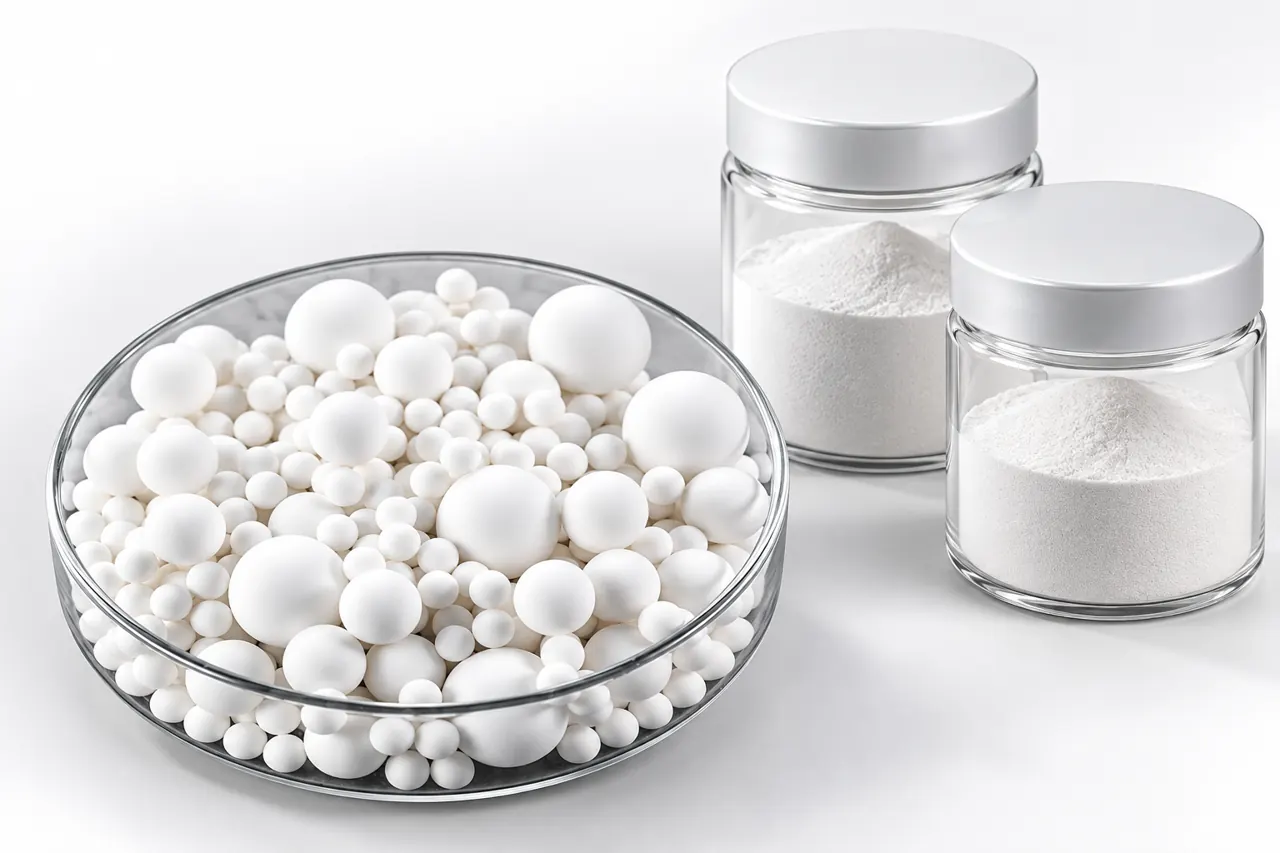
Our catalogue extends beyond our steel-wire and steel-shot focus. For alumina balls, confirm the actual manufacturing or sourcing relationship, proposed grade and document scope. This allows you to compare a specific supply rather than assuming that all catalogue materials share the same production route or inspection arrangements.
Retained samples help explain a failed comparison
Keep unused candidate balls, powder before and after the trial, and the run records together. If an impurity or product issue appears, identify the lot and the relevant test result. Preserve the observation without immediately attributing it to the balls when the powder input or equipment condition may also have changed.
Approval should carry into the next delivery
State the accepted material, ball sizes and trial boundaries in the supply specification. Define packing separation and lot identification for repeat orders, and confirm quantities and timing for the actual request. Review a proposed composition, source or size-mix change before using the previous trial as approval.
Send the powder and media evaluation brief
Share your powder application, current media, composition limits and required ball sizes. Add the trial conditions, evaluation quantity, required records and destination. Our team can confirm a specific catalogue candidate and available sample and document scope for your process review.