Cut-Wire Media Approval from Trial Sample to Volume Order
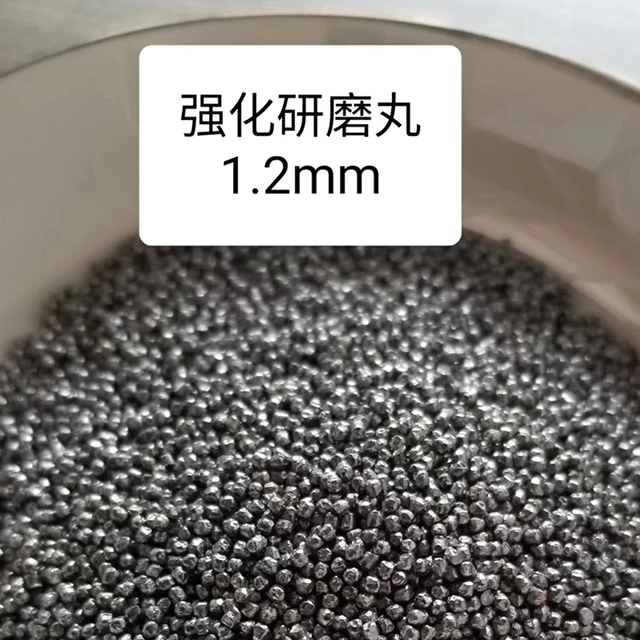
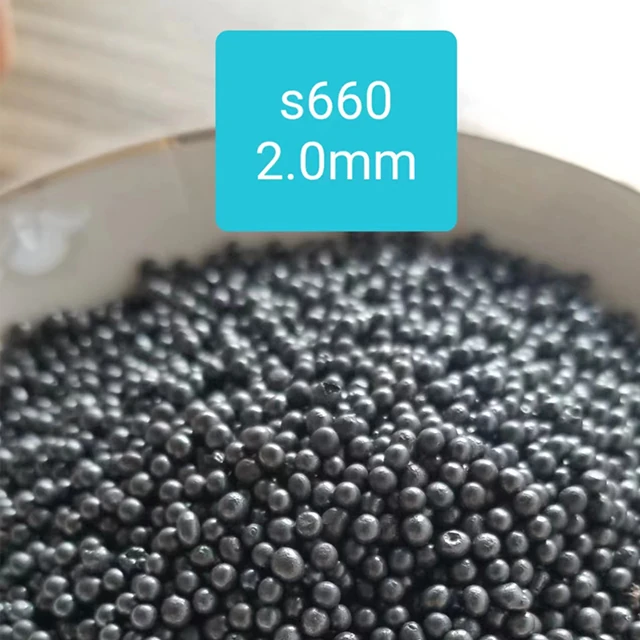
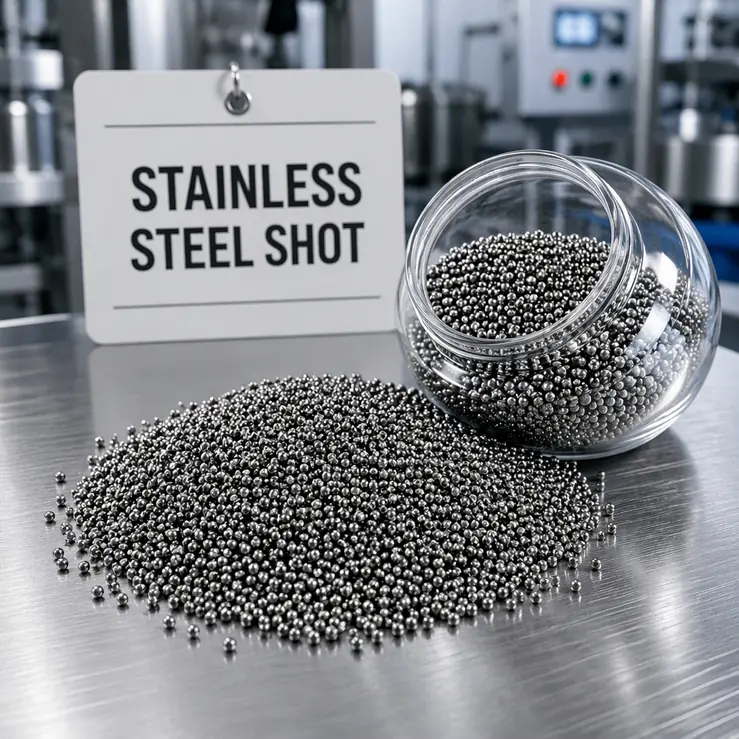
A successful cut-wire trial is useful only when you can connect the approved sample to the proposed volume supply. Our catalogue includes steel and stainless media candidates. Record the sample source, material, particle condition and grading basis before trial, then define what must remain unchanged when production quantities are ordered.
Define the decision the trial must support
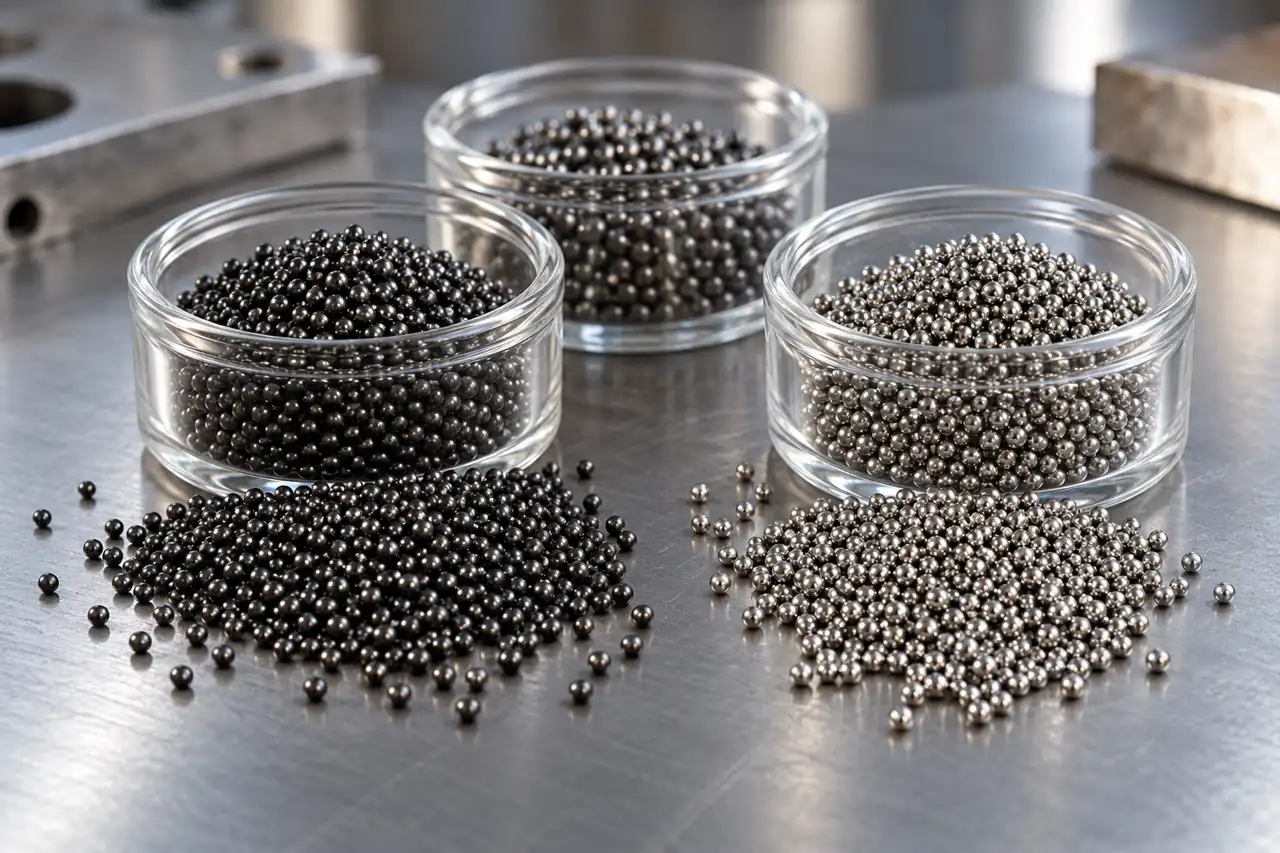
Write the trial objective and release decision before requesting a sample. Identify whether you are assessing cleaning, finishing or another specified process result. Keep the part and machine context attached, while leaving size-selection details to the application review; this approval record focuses on whether the sample can represent later supply.
Identify where the sample came from
Ask whether the sample is taken from an identified production lot, retained stock or another stated source. Record any selection or preparation that affects its representation. A small jar without a source link may still be useful for initial exploration, but it cannot demonstrate how the proposed volume lot will compare.

Freeze the supplied media description
Keep material identity, particle condition, grading basis and the relevant inspection requirements together. Resolve ambiguous product names before trial. If the offer later changes one of those fields, review the difference explicitly rather than assuming that the same commercial title represents the same approved media specification.
Record the buyer’s actual trial conditions
Capture the representative part, machine, loading and process conditions used in the trial. Note unusual preparation or manual intervention that may not occur in normal production. The buyer’s test record and supplier’s material record answer different questions; both need to remain connected to the sample identity.
Retain material and result references together
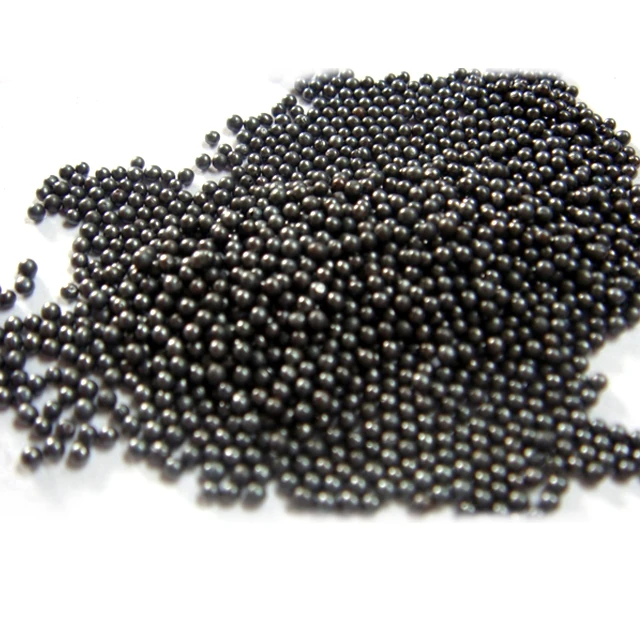
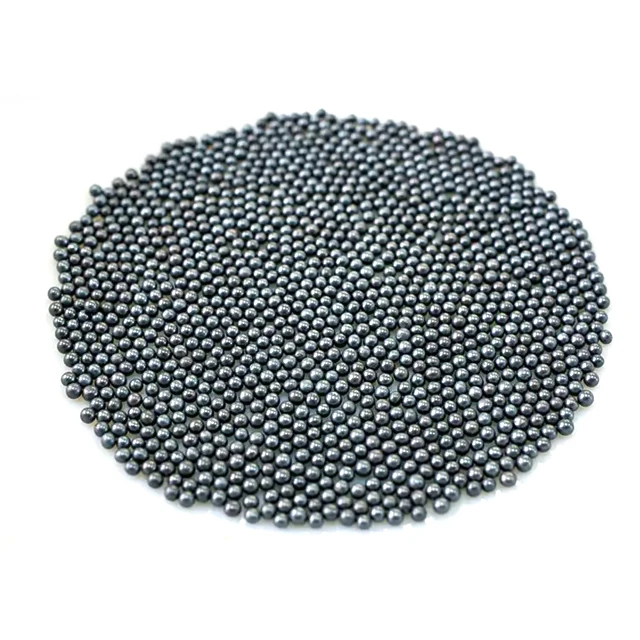
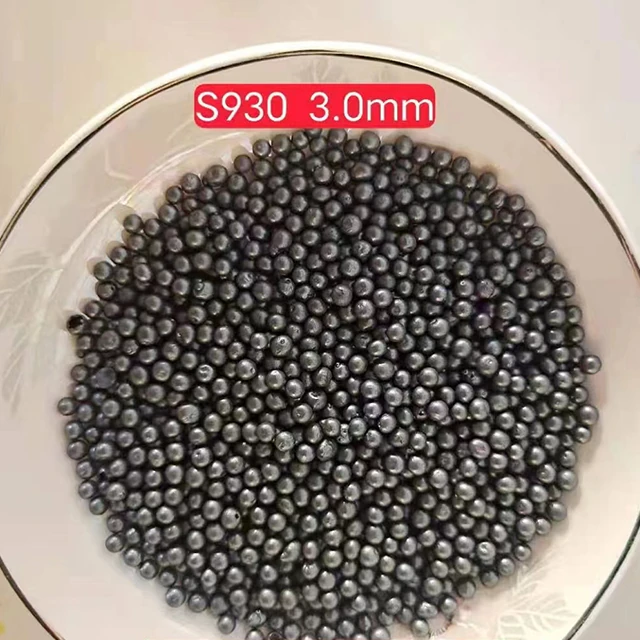
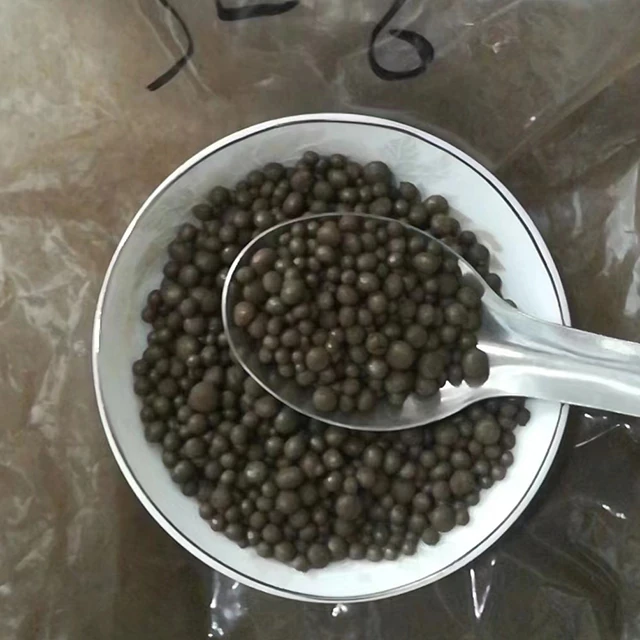
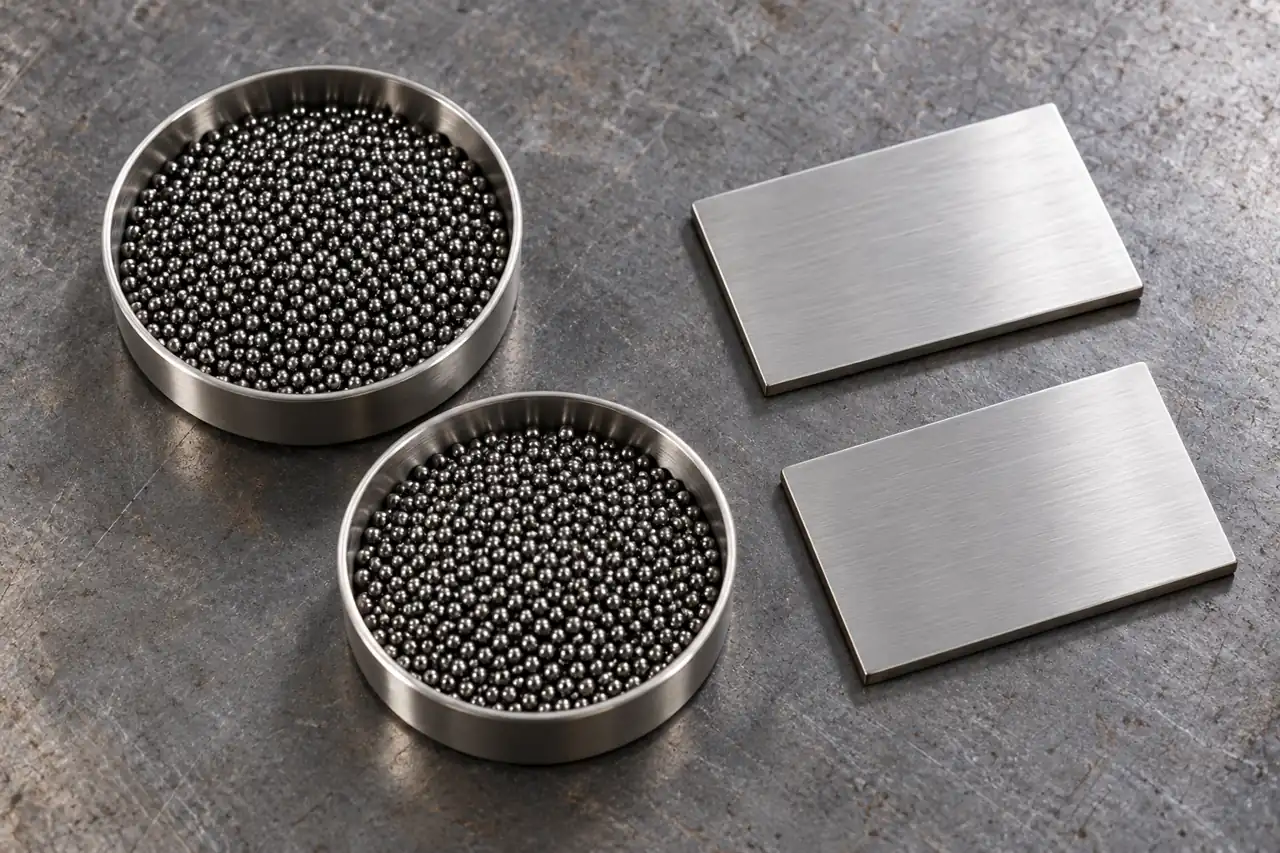
Where agreed, retain an identified media sample alongside the trial report and accepted part observations. Use it as a comparison reference within a defined process, not as a substitute for written requirements. The illustrations here show sample-control concepts; they are not retained company specimens or evidence of a completed customer trial.
Set a bridge from sample to the first volume lot
Agree the records and checks that will connect the volume offer to the approved sample. Clarify whether the production lot uses the same material specification and particle condition. A trial approval should state its limits, including the need to review a different source, grade or manufacturing condition before release.
Keep shipment identity visible at the machine
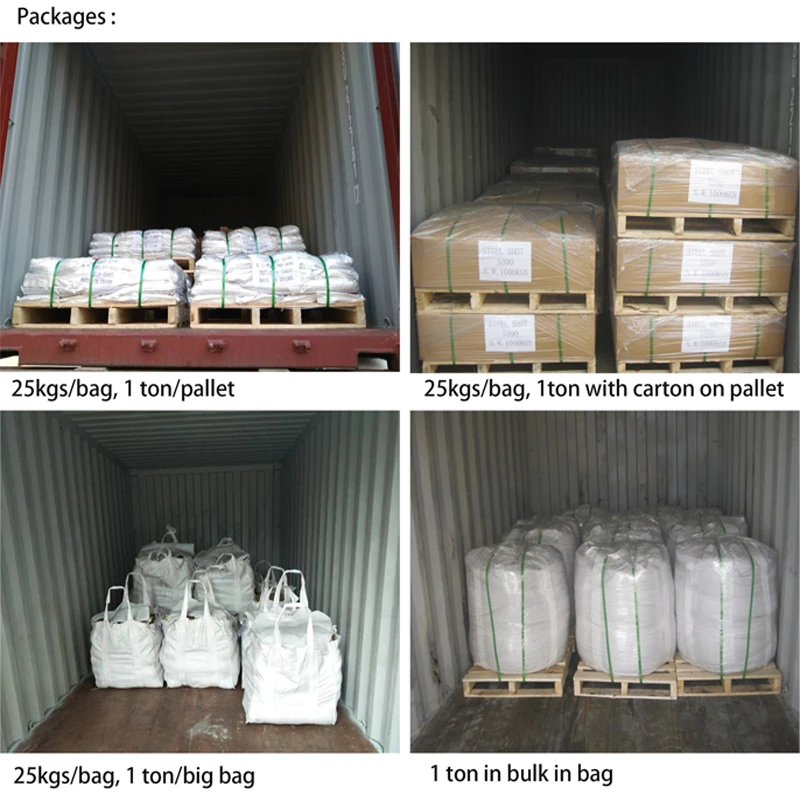
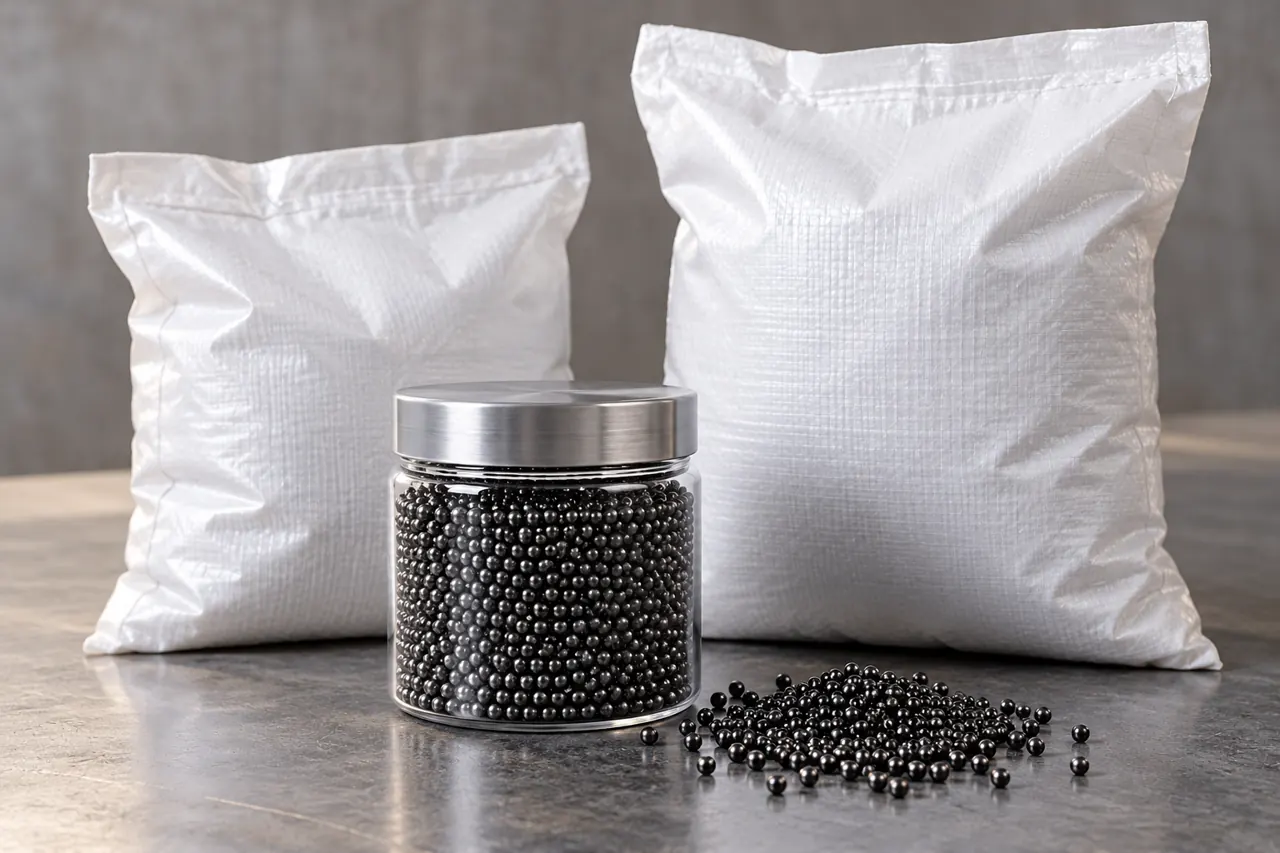
Define labels, package quantities and packing-list references for the production delivery. Preserve lot identity after bags or drums are opened, and keep trial candidates separate. Confirm the actual packing proposal with the order; a suitable sample container does not establish the protection or identification of a volume shipment.
Review changes before treating an order as a repeat
Record which changes require renewed approval, including material, grading, particle condition and supply source. Keep acceptance limits and the current revision accessible to purchasing and production. Sample availability, minimum quantities and delivery scheduling remain conditions to confirm in the actual volume offer, even after a technical trial succeeds.
Send a sample-to-volume procurement brief
Share the trial objective, proposed media description, machine context and acceptance plan. Add the sample-source information you need, intended volume and first-lot review steps. We can discuss the catalogue candidates and confirm the actual sample, documentation and quotation scope before you decide how to progress toward volume supply.