Custom Cut-Wire Shot Specification and Manufacturing Review
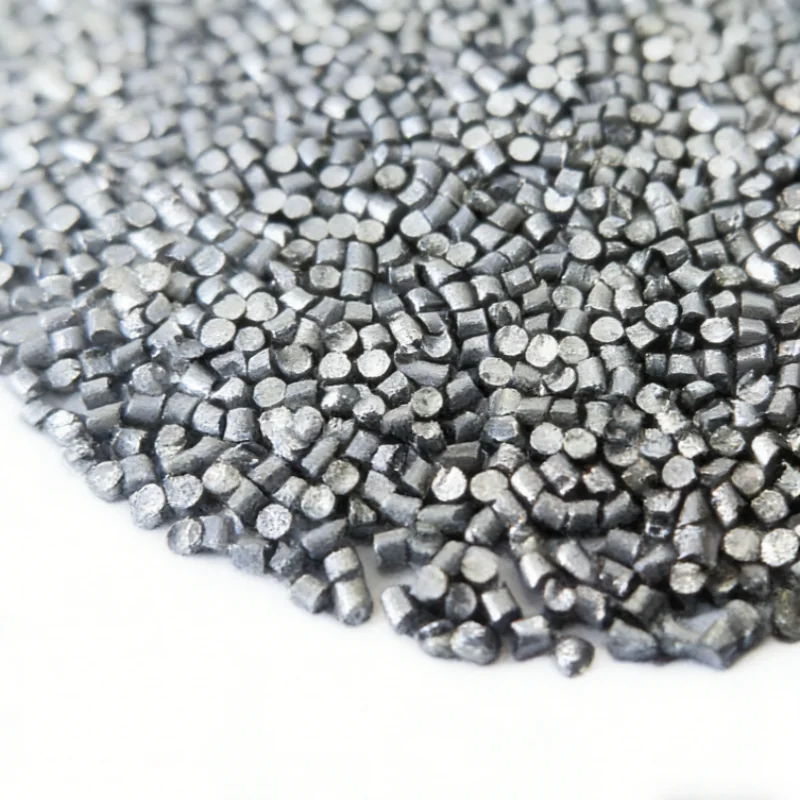
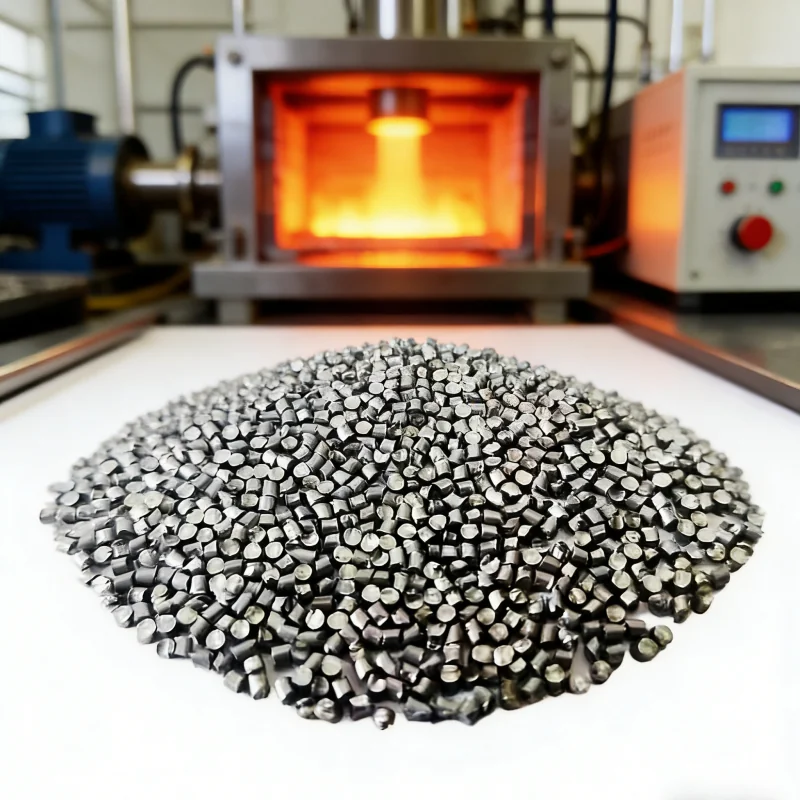
A custom cut-wire shot request needs three separate definitions: wire diameter, cut length and required conditioning. We manufacture steel wire and steel shot and list cut-wire candidates for enquiries. Send the material and approval brief so the actual manufacturing feasibility can be confirmed before you commit to a custom order.
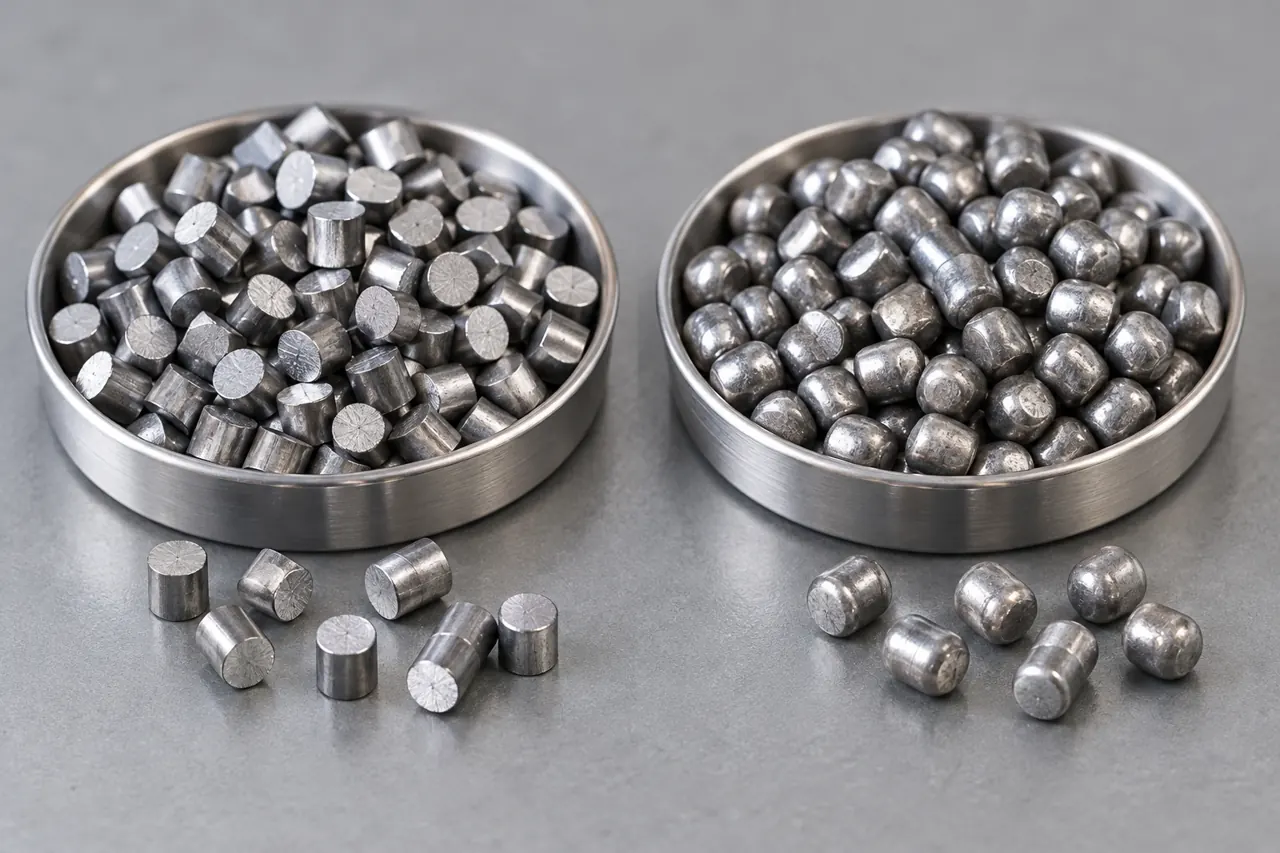
Diameter and cut length are separate manufacturing inputs
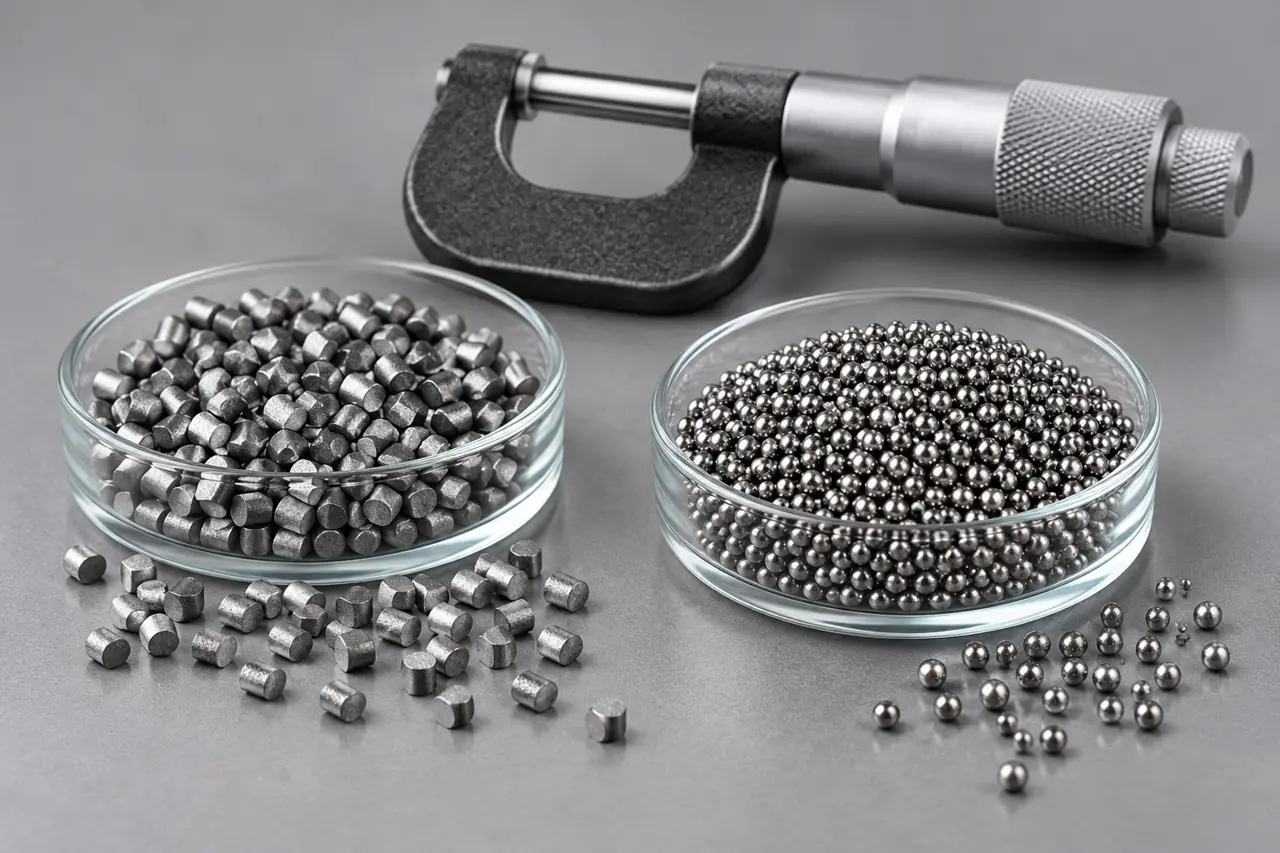
Describe the wire diameter and cut length independently, including the measurement and acceptance basis. Then identify the required particle condition. A single commercial size label may leave one of these fields unresolved, making a custom quotation difficult to compare or a finished sample difficult to accept.
The material candidate should match the intended process
State carbon steel, stainless steel or the exact material your process specifies, and ask us to confirm the proposed option. Keep material identity separate from particle shape. The linked entries provide cut-wire enquiry candidates; their broad catalogue descriptions are not approval for every material and conditioning combination.
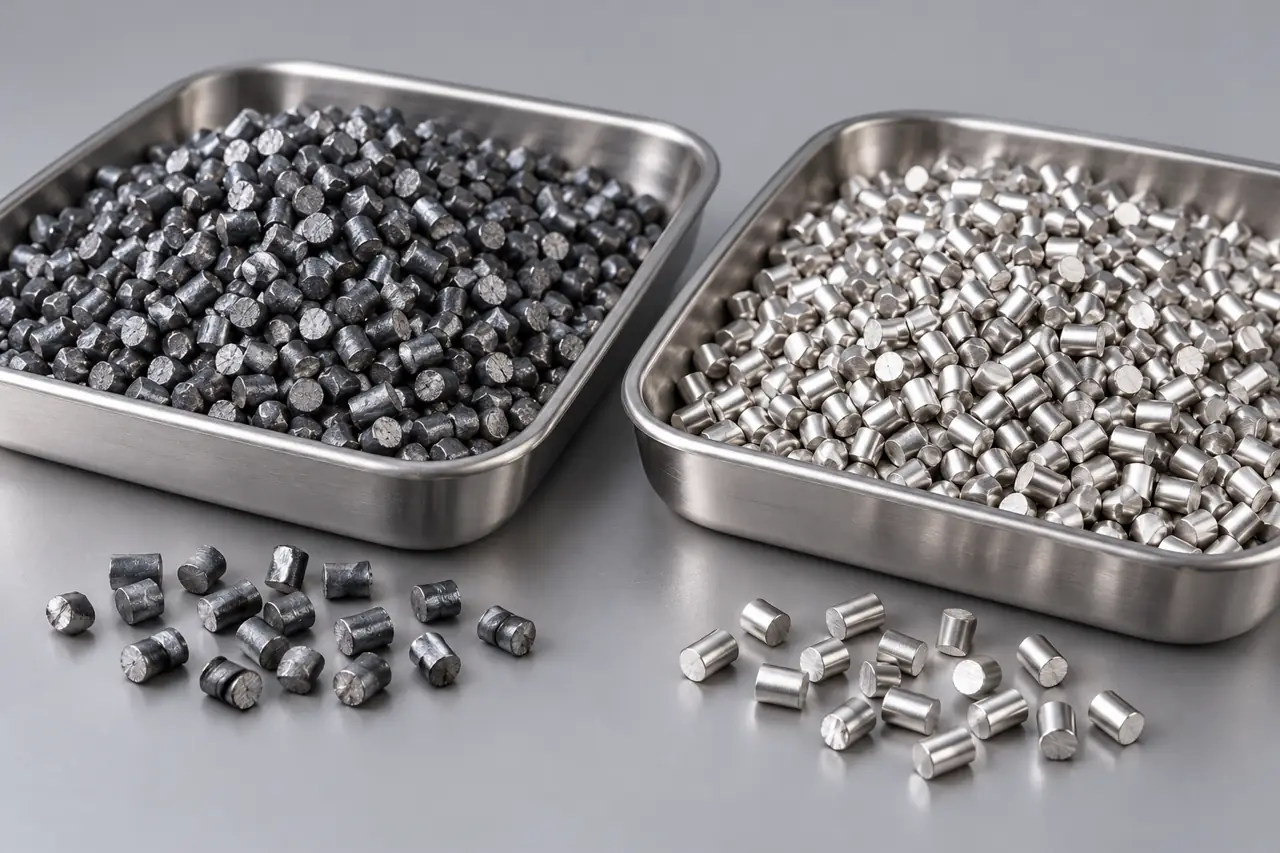
Conditioning needs an agreed acceptance reference
Describe the required conditioning in the terminology and inspection basis used by your process specification. Include representative images or an approved sample if available. Confirm how particle form will be assessed rather than asking for a vague rounded product that buyer and supplier may interpret differently.
Feasibility should be confirmed before sample commitment
Ask for review of the requested material, dimensions, condition and quantity together. Identify any requirement outside the actual supply range and resolve it before trial arrangements. A custom enquiry starts a feasibility discussion; it does not establish arbitrary dimensions, a minimum order quantity or a guaranteed manufacturing result.
The approval sample needs measured characteristics
Retain the sample identity and request the available dimensional and material evidence relevant to your requirement. Assess particle form using the agreed method. Where process performance matters, your team should define a separate controlled trial rather than treating dimensional acceptance as approval of the entire application.
Commercial terms should follow the confirmed candidate
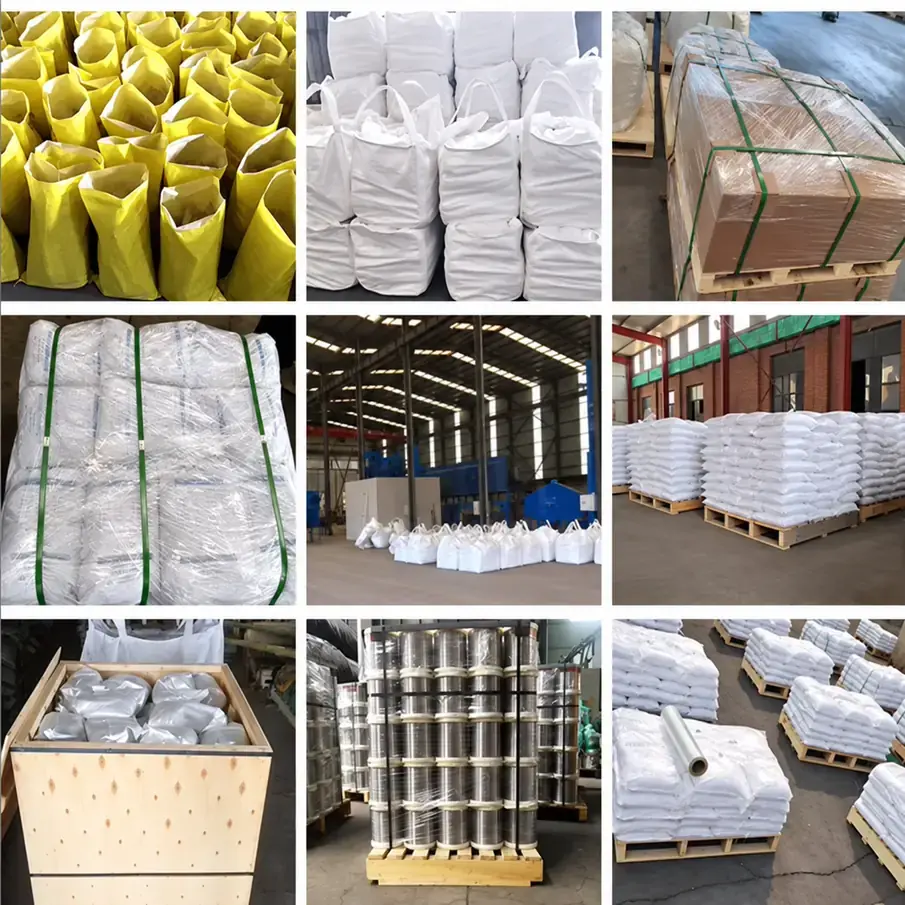
Request sample and production quantities, packing and document scope against the feasible specification. Confirm trial, production and dispatch timing separately. Record any setup or order constraints actually included in the proposal without turning a general catalogue price or old lead-time entry into a custom-order promise.
A retained reference helps resolve particle differences
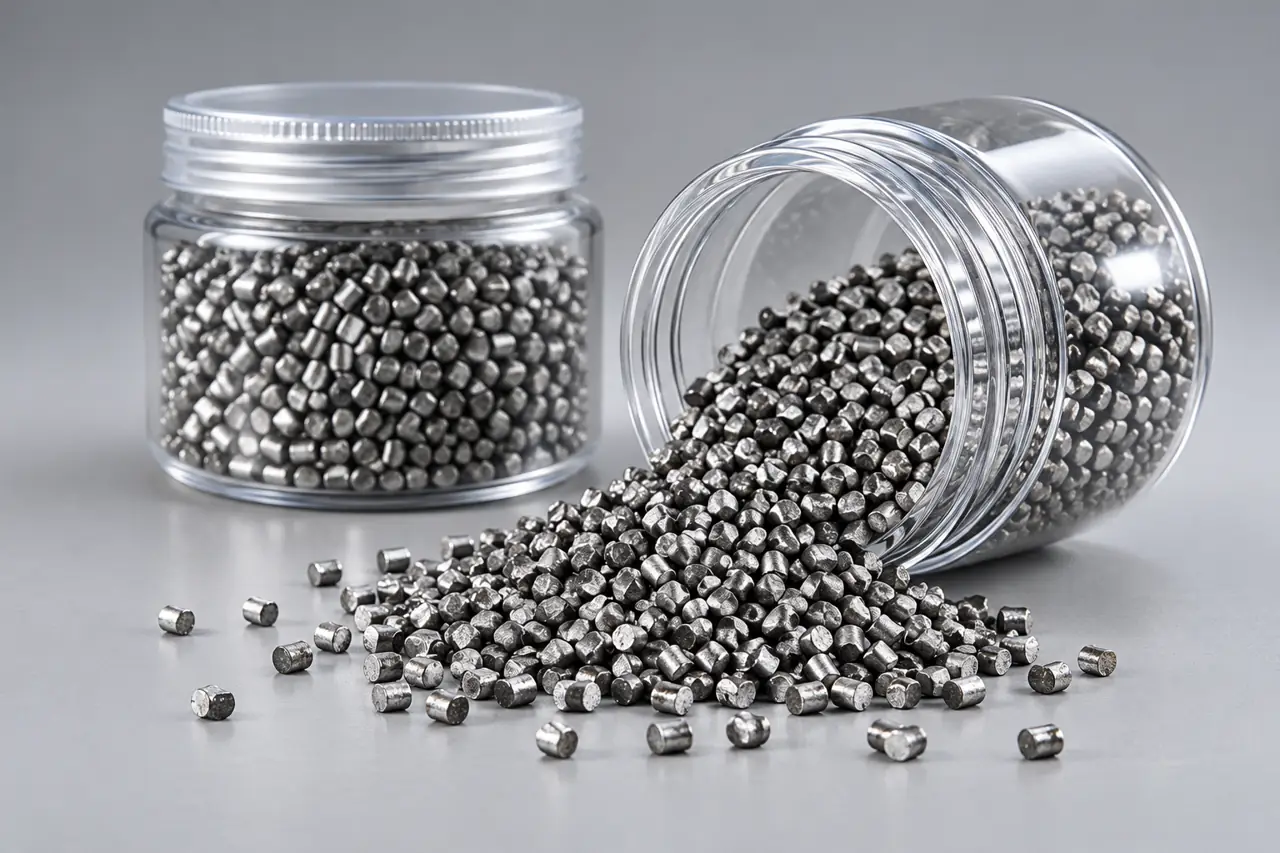
Keep an approved physical sample with the specification revision and relevant records. If a delivered batch differs, isolate it and preserve representative particles and package identity. Share the measured discrepancy using the original method, distinguishing material, dimensions and conditioning instead of reporting an unexplained size issue.
Repeat orders need the complete custom revision
Carry the accepted material, diameter, cut length and conditioning into every reorder. Link the batch labels and documents to that revision and review proposed changes before release. A matching short product name is not enough to preserve the custom combination agreed during the sample process.
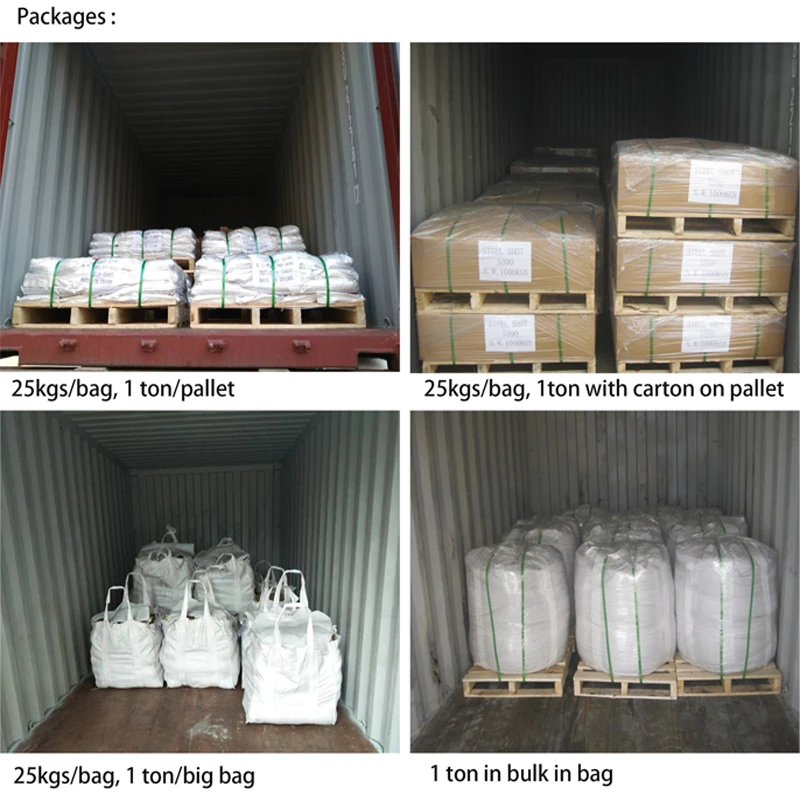
Send the complete custom-media brief
Provide material, wire diameter, cut length, conditioning and the intended application. Add the acceptance method, trial quantity and document needs, followed by packing and destination. Our team can review the actual feasibility and confirm a specific candidate, sample arrangement and commercial scope.