Recurring Galvanized Wire Supply with Call-Off Orders
A call-off agreement needs more than an annual tonnage estimate. Define the approved wire specification, release mechanism, package format and delivery responsibility for each order. Our galvanized-wire catalogue provides product candidates; scheduling arrangements and any reserved stock or capacity need a specific commercial agreement rather than an assumed standing commitment.

Separate forecasts from committed releases
State which demand figures are planning forecasts and which become binding order quantities. Define the release reference, due-date basis and confirmation step. This distinction helps both sides see when material is authorized for supply and prevents a changing forecast from being treated as an accepted production or delivery instruction.
Keep one controlled wire specification
Attach the approved material, diameter, zinc requirement, surface condition and coil format to the agreement. Use a revision reference on each call-off. A recurring order should not rely on a broad galvanized-wire name when a changed diameter or package could affect the buyer’s forming line or receiving process.
Map demand to the actual product mix
Break forecast and release quantities down by wire size and packing format. Identify uneven demand or project peaks that need separate review. Do not assume that a total annual volume can be moved freely between specifications without affecting available material, packaging or the confirmed delivery plan.
Agree batch records for recurring deliveries
Specify which inspection and material records accompany each lot and how receiving matches them to the wire. Set the acceptance and exception process in advance. A successful first shipment supports one decision; it does not remove the need to identify later lots or review a change in the supplied specification.
Confirm the real scheduling mechanism
Ask how releases will be acknowledged, when delivery dates become confirmed and how constraints will be communicated. Record responsibility for forecast updates and order changes. A catalogue product page cannot demonstrate available monthly capacity, reserved production time or a guaranteed transit period for a recurring agreement.
Keep the payoff package stable across releases
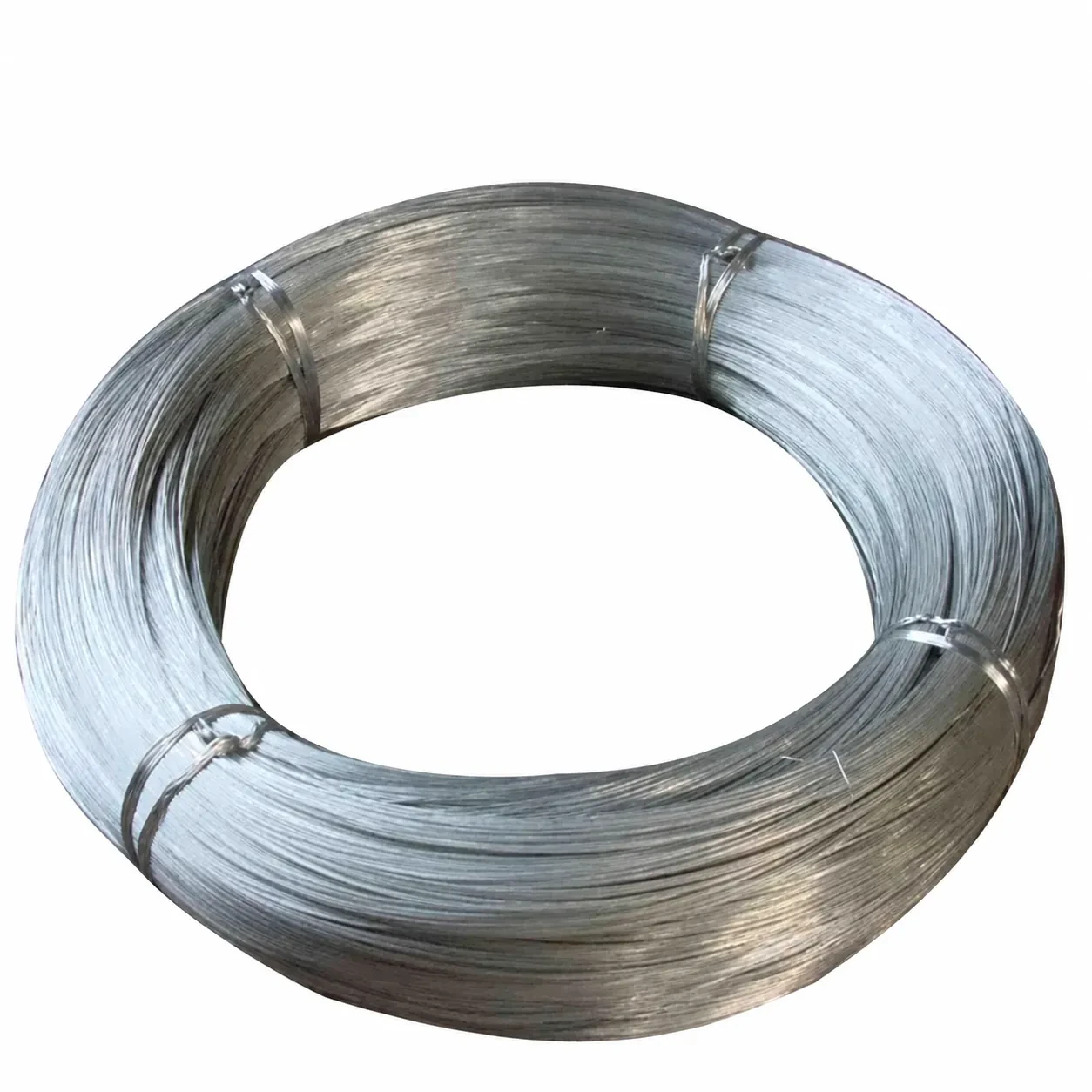
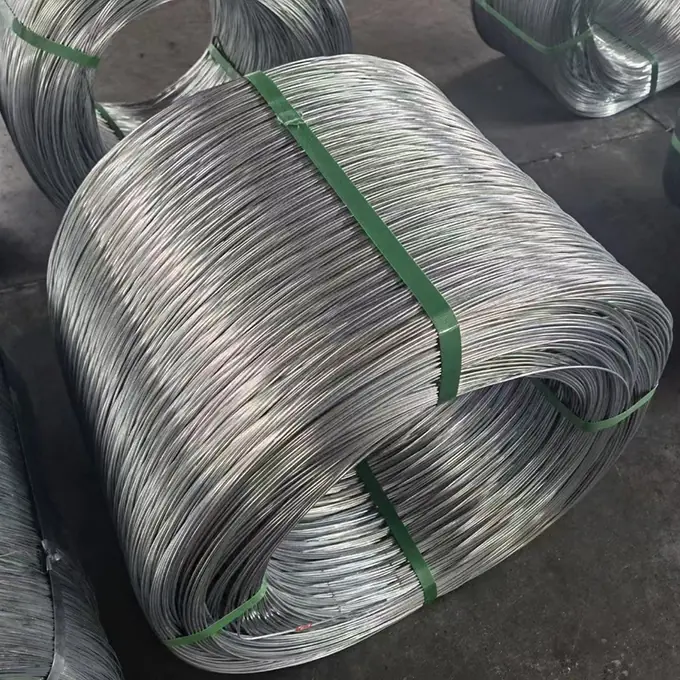
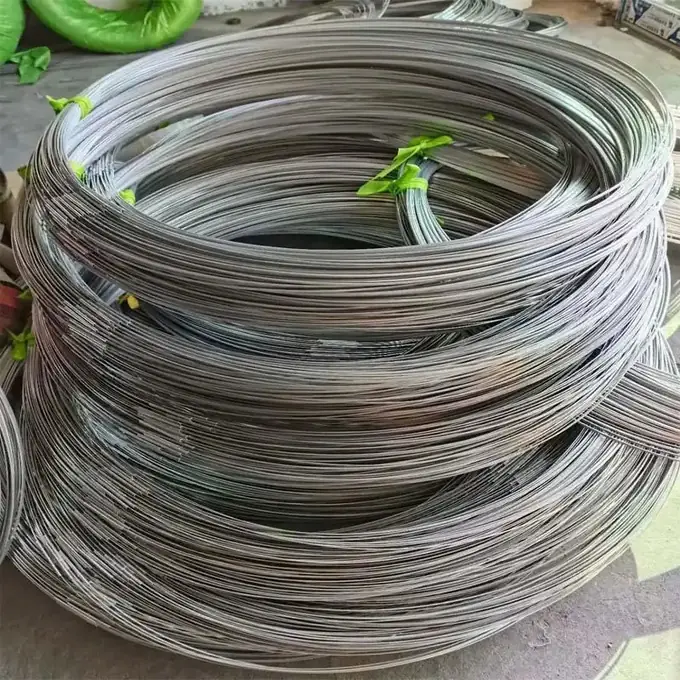
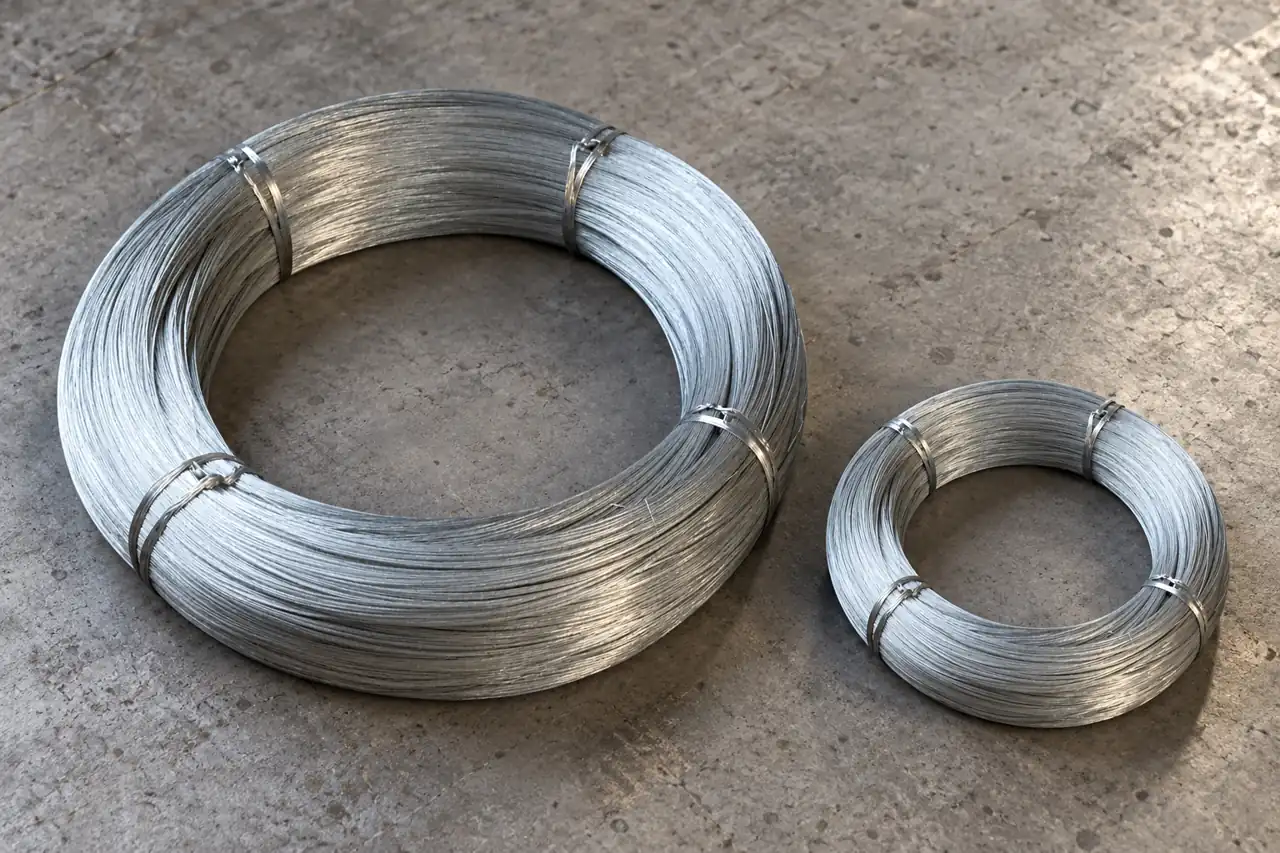
Define coil weight, opening, outside size, winding and tie arrangement that your operation accepts. Include any permitted variation and marking requirements. A change in package can disrupt the line even when the wire dimensions remain the same, so review it through the controlled agreement rather than treating it as a routine substitution.

Plan packing and receipt around the call-off lot
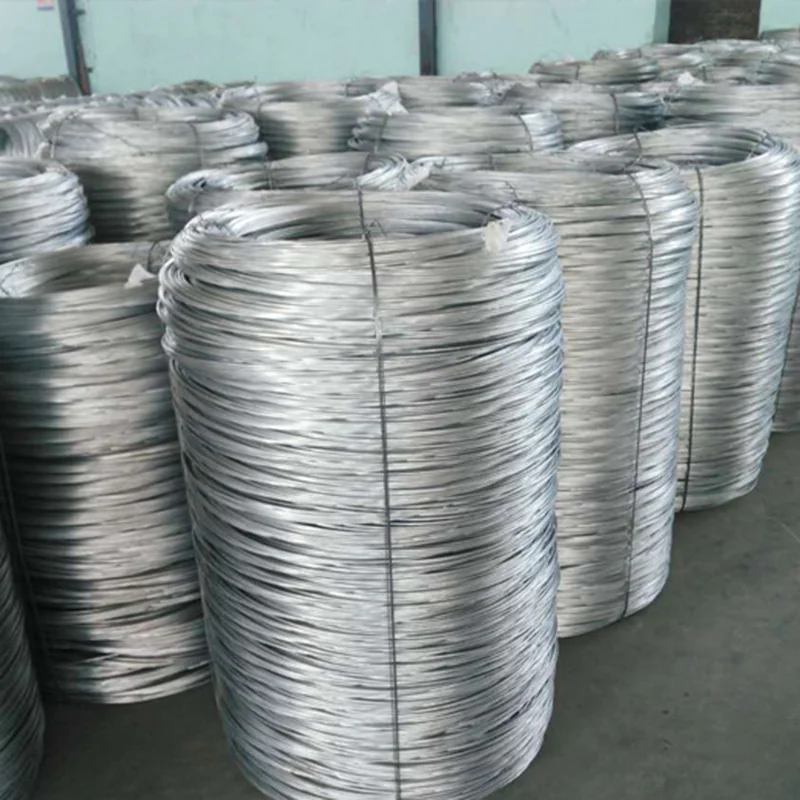
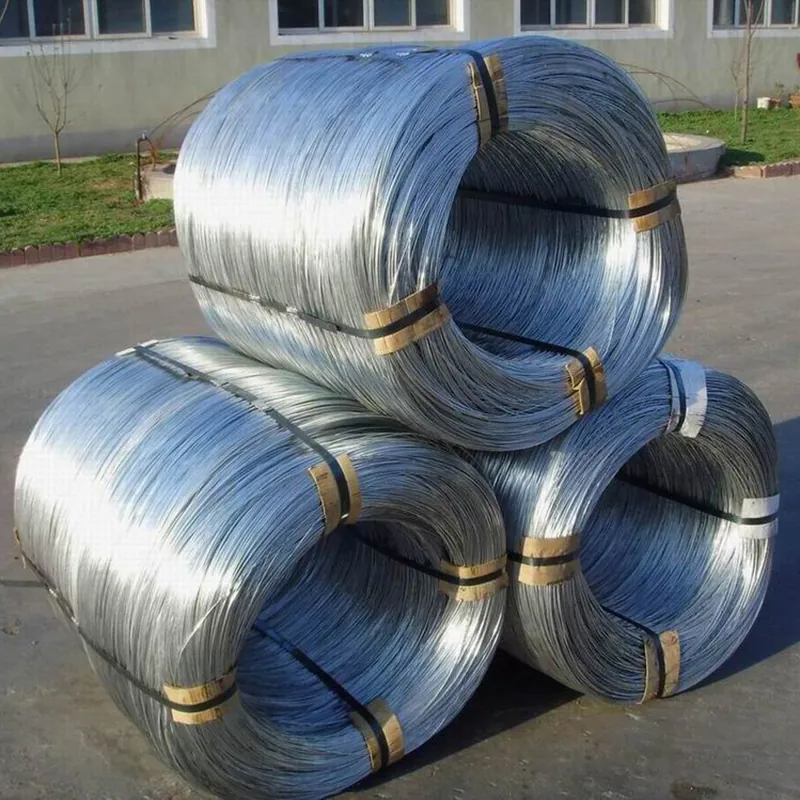
State package quantities, pallet limits and lot identification for each shipment. Keep different wire specifications distinguishable in the delivery documents and physical load. Confirm the actual packing and receiving plan with the supplier; illustrative coils or pallets do not establish the agreed logistics service.

Write change and interruption rules into the agreement
Define how specification changes, deferred demand and a disputed delivery will be reviewed. Agree any cancellation or stock-ownership terms explicitly. The purpose is to keep technical approval and commercial authorization visible when demand changes, rather than assuming that a standing relationship resolves every exception automatically.
Send a recurring-wire supply brief
Share the approved wire specification, expected size mix and forecast horizon. Add call-off fields, package limits, document needs and destination. We can discuss the catalogue candidate and confirm the actual scheduling and commercial proposal, including any commitments that require separate agreement before recurring releases begin.