Conductive Steel Balls for Electroplating Tooling
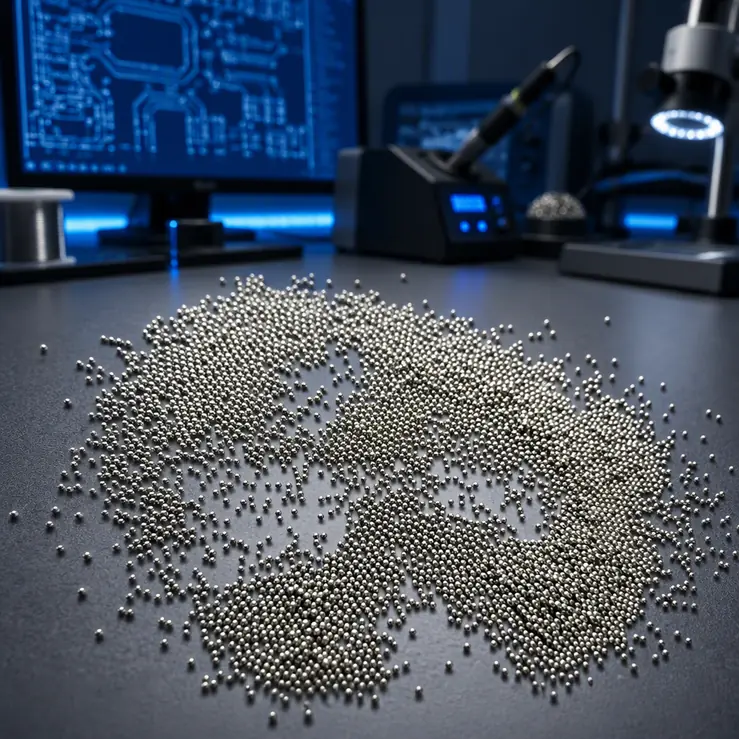
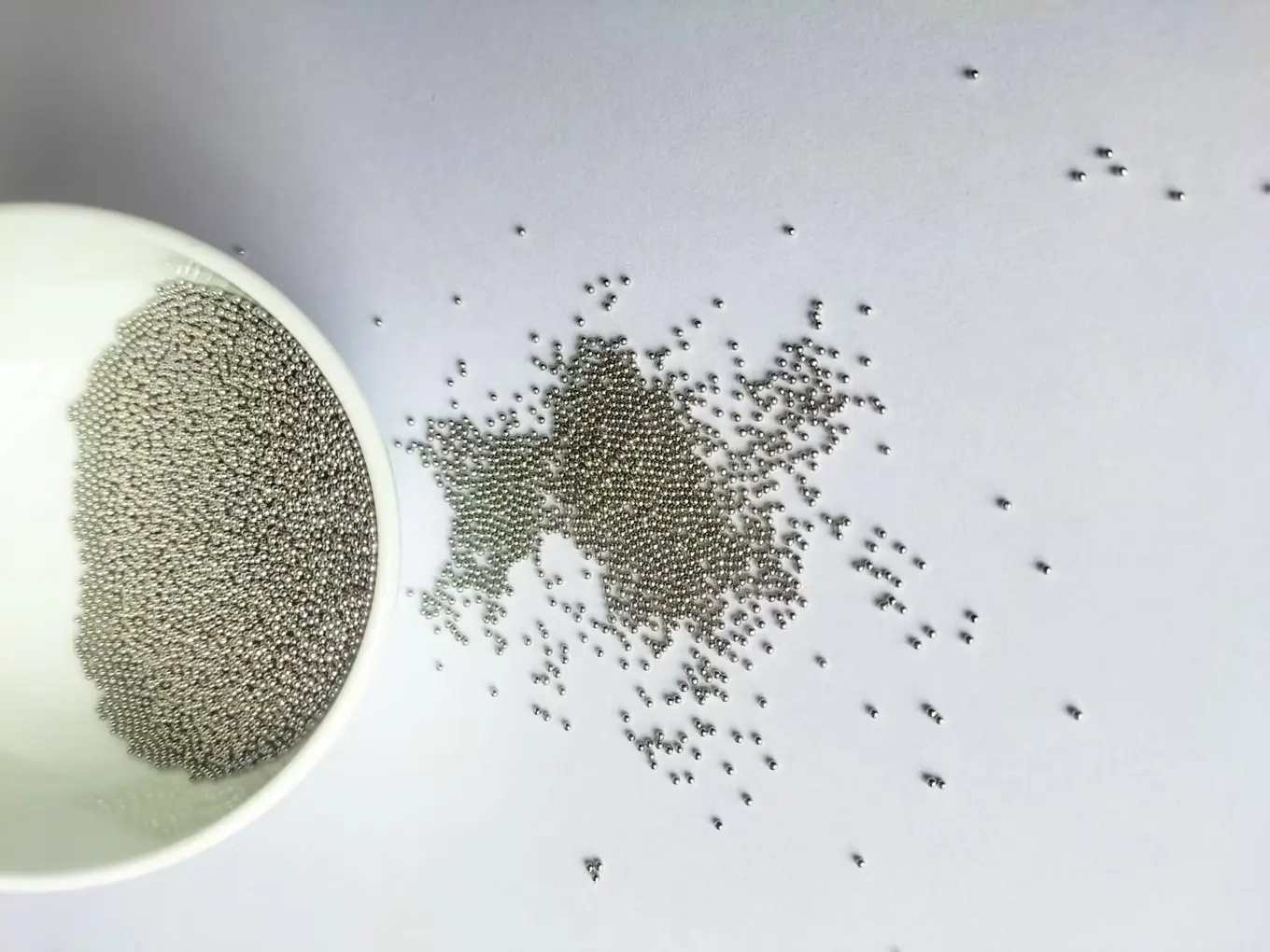
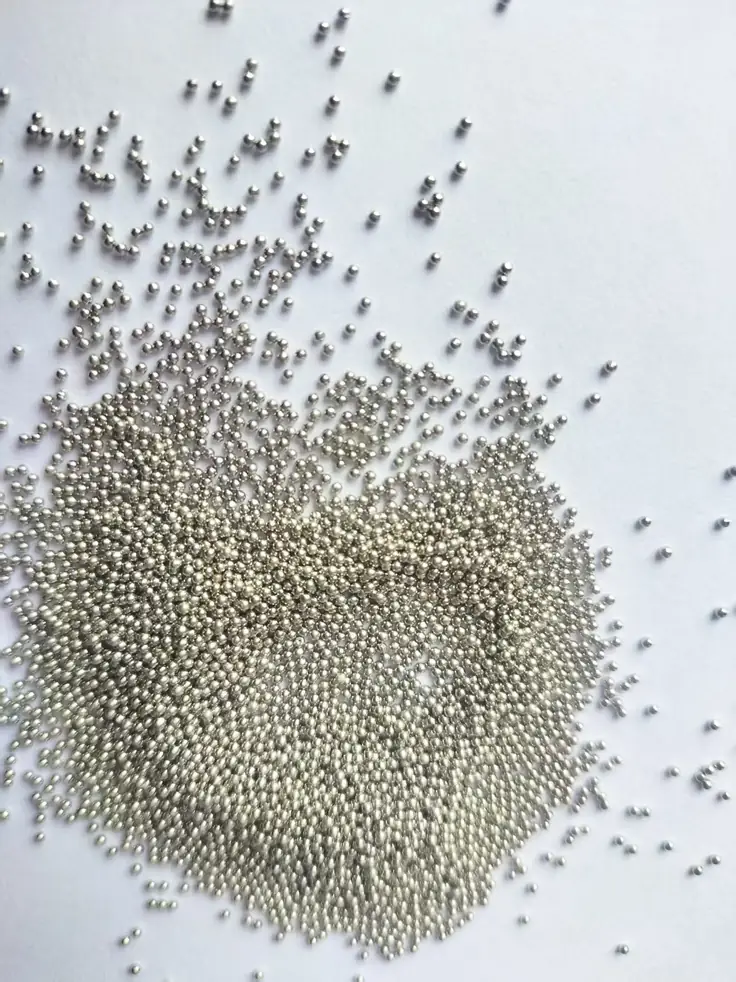
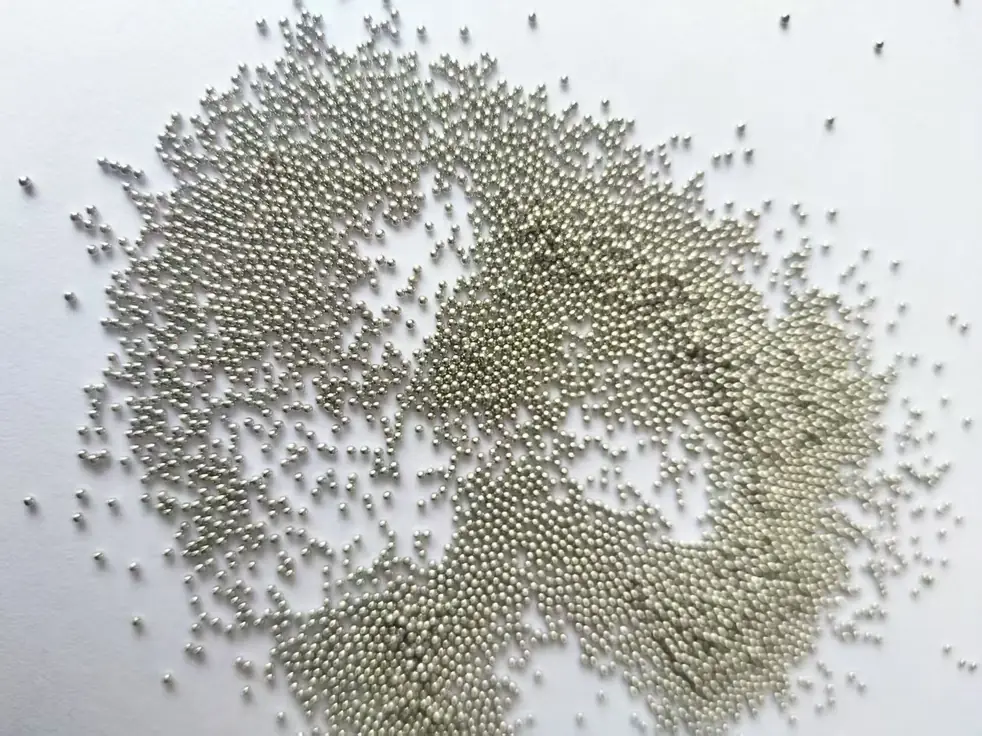
For electroplating tooling, evaluate conductive steel balls as a process-specific material, with the required size distribution and material identity confirmed first. Our catalogue includes a conductive-ball enquiry. Share the tooling arrangement and acceptance criteria so a proposed sample can be reviewed without substituting generic blasting media or assuming a conductivity result.
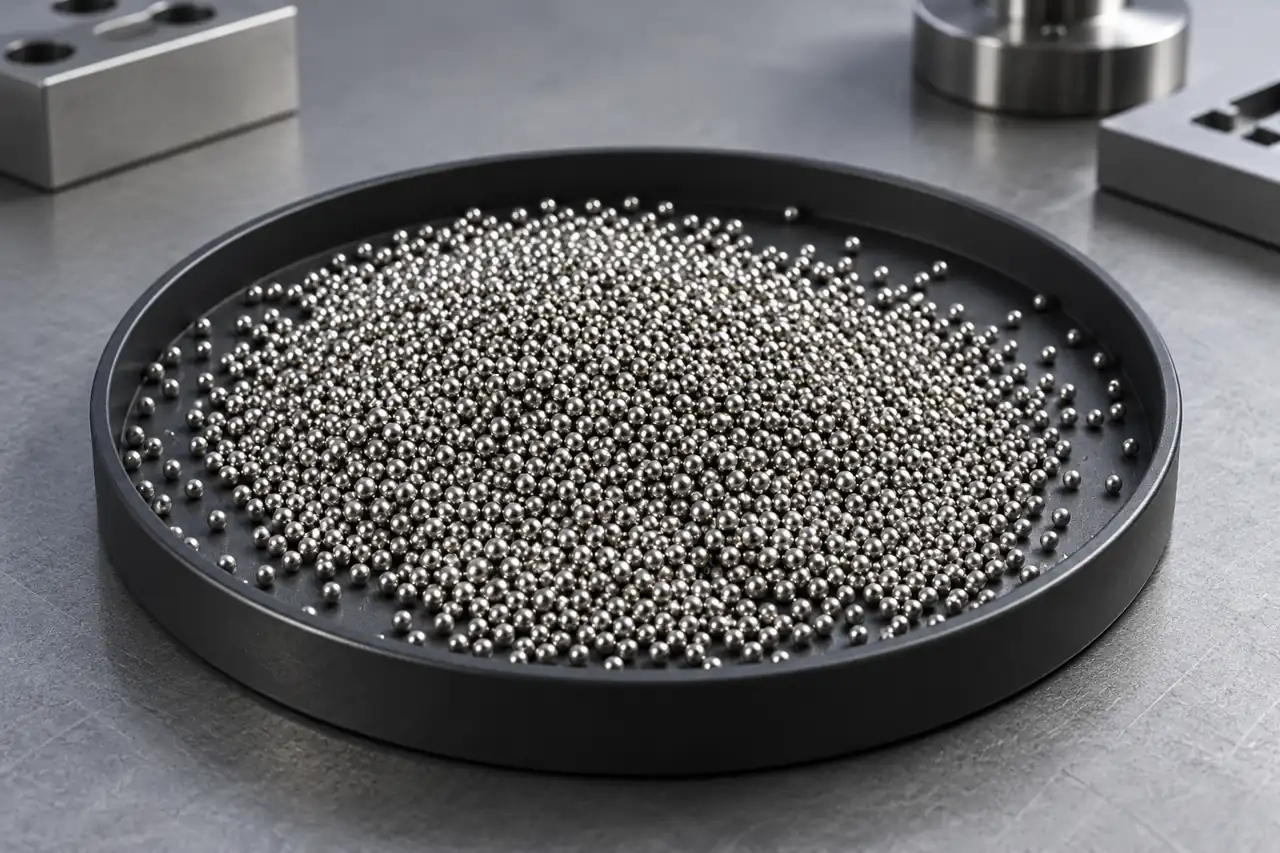
Tooling duty determines the evaluation brief
Describe how the balls are used in your electroplating tooling and identify the process conditions relevant to material approval. Include contamination restrictions, handling and the checks your team needs. A conductive-ball product name does not establish suitability for every bath chemistry or tooling arrangement.
The catalogue item is a candidate for confirmation
The linked listing identifies conductive steel balls for electroplating enquiries. Confirm the actual offered material and sizes rather than treating the family description as an approved specification. Keep this tooling use separate from abrasive cleaning or peening-media selection, where different acceptance decisions apply.
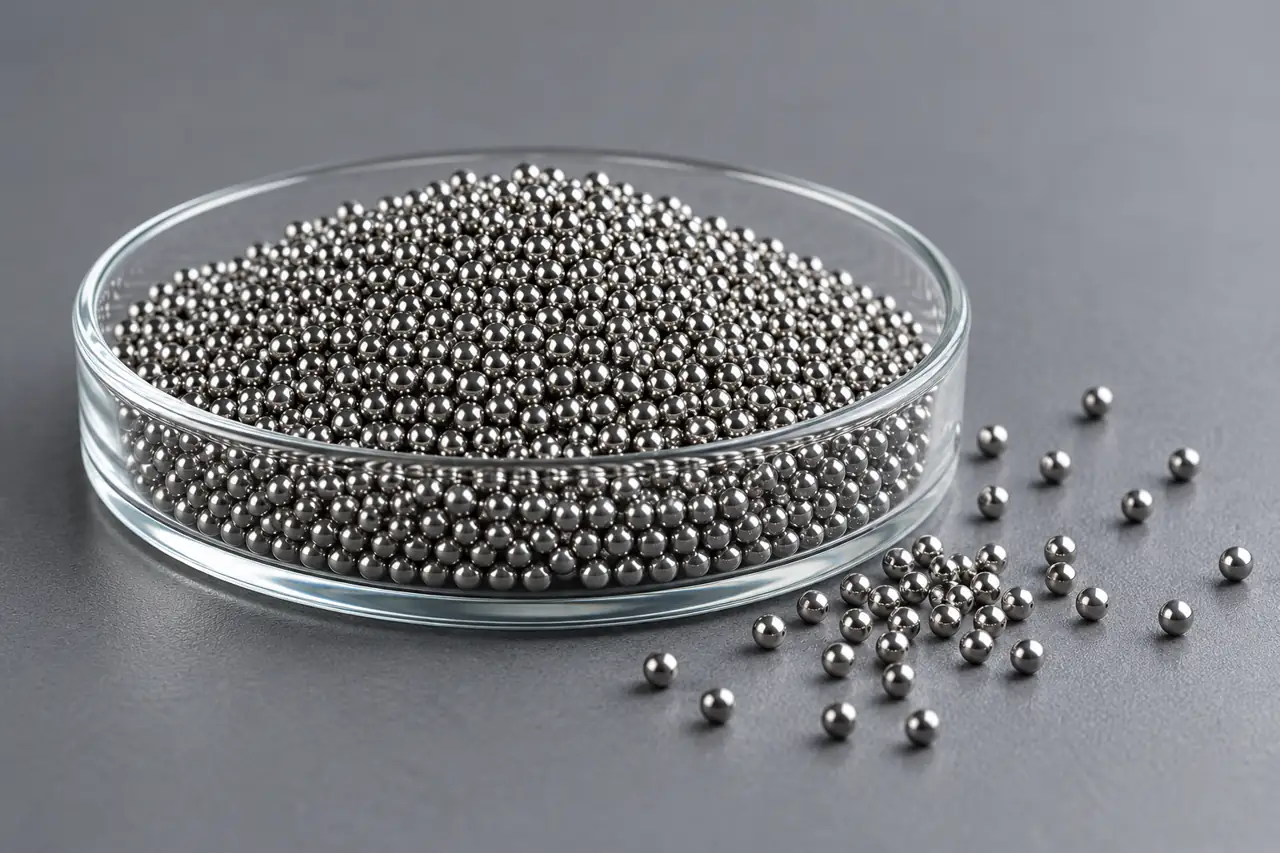
A size range does not describe its distribution
State the required size basis and permissible distribution, together with the agreed measurement or screening method. Define the quantity and sample representation needed for evaluation. Two supplies can share a broad nominal range while presenting different mixes to the tooling, so the acceptance basis should be explicit.
Material identity needs its own evidence
Request the actual material designation, supplied surface condition and available composition or batch records. Identify any process-specific document requirement before the trial. Do not infer an alloy from the balls’ shine or use a general steel certificate as proof of an unidentified tooling sample.
Trial results should come from the intended tooling
Evaluate the candidate in your actual or representative tooling under the conditions defined by your process authority. Record material identity, loading and the required observations. Any electrical, compatibility or durability conclusion should come from that agreed trial, not an illustrative photograph or an unsupported supplier-life claim.
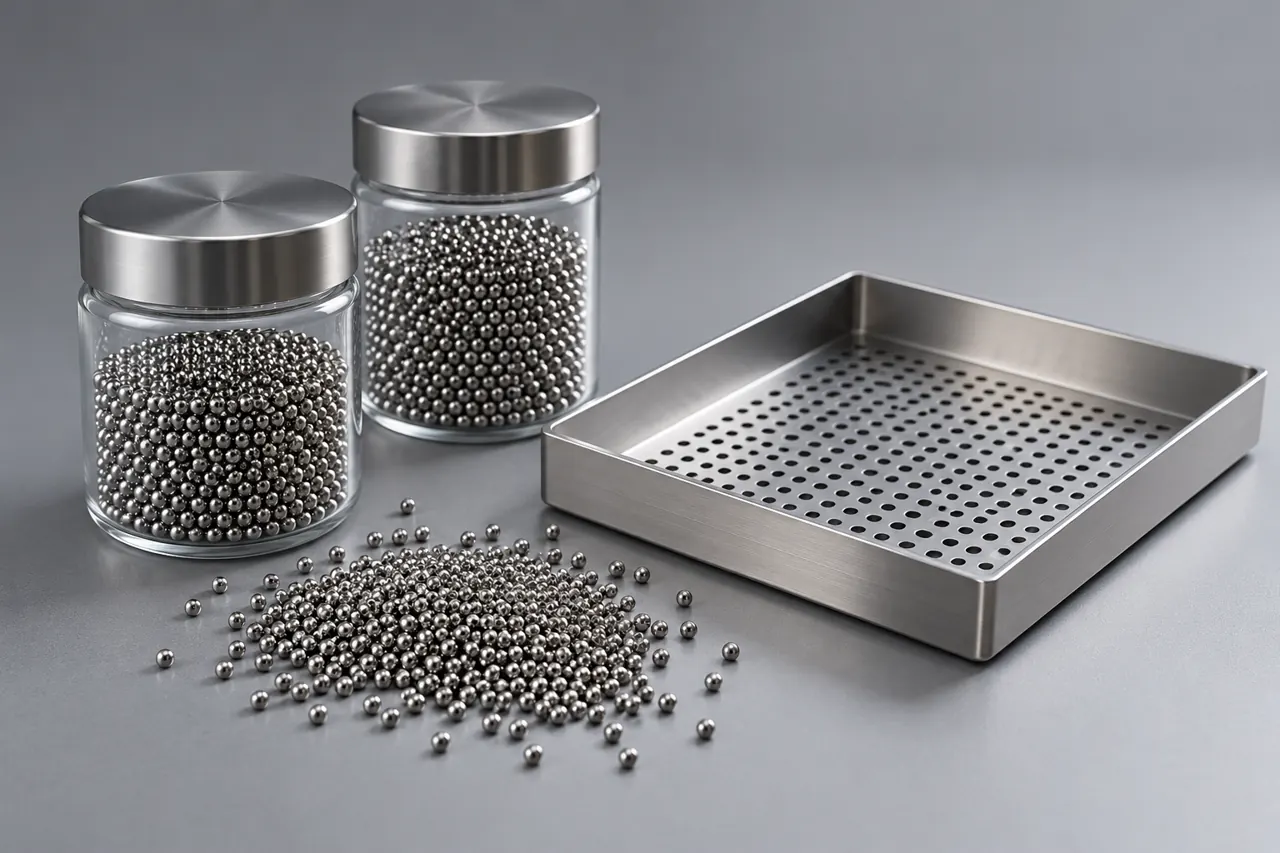
Supply review should expose the remaining questions
Confirm the product-specific manufacturing or sourcing relationship and the evidence available for the proposed balls. Our broader industrial catalogue does not prove that every component shares the same production route. Keep unresolved composition, size or process requirements visible until the responsible buyer authority accepts the material.
Retained material makes a deviation review concrete
Keep unused sample balls, package identity and trial records after evaluation. If a later lot behaves differently, preserve the affected supply and relevant process observations before mixing or reuse. This supports a review of the actual material alongside changes in tooling, bath or operating conditions.
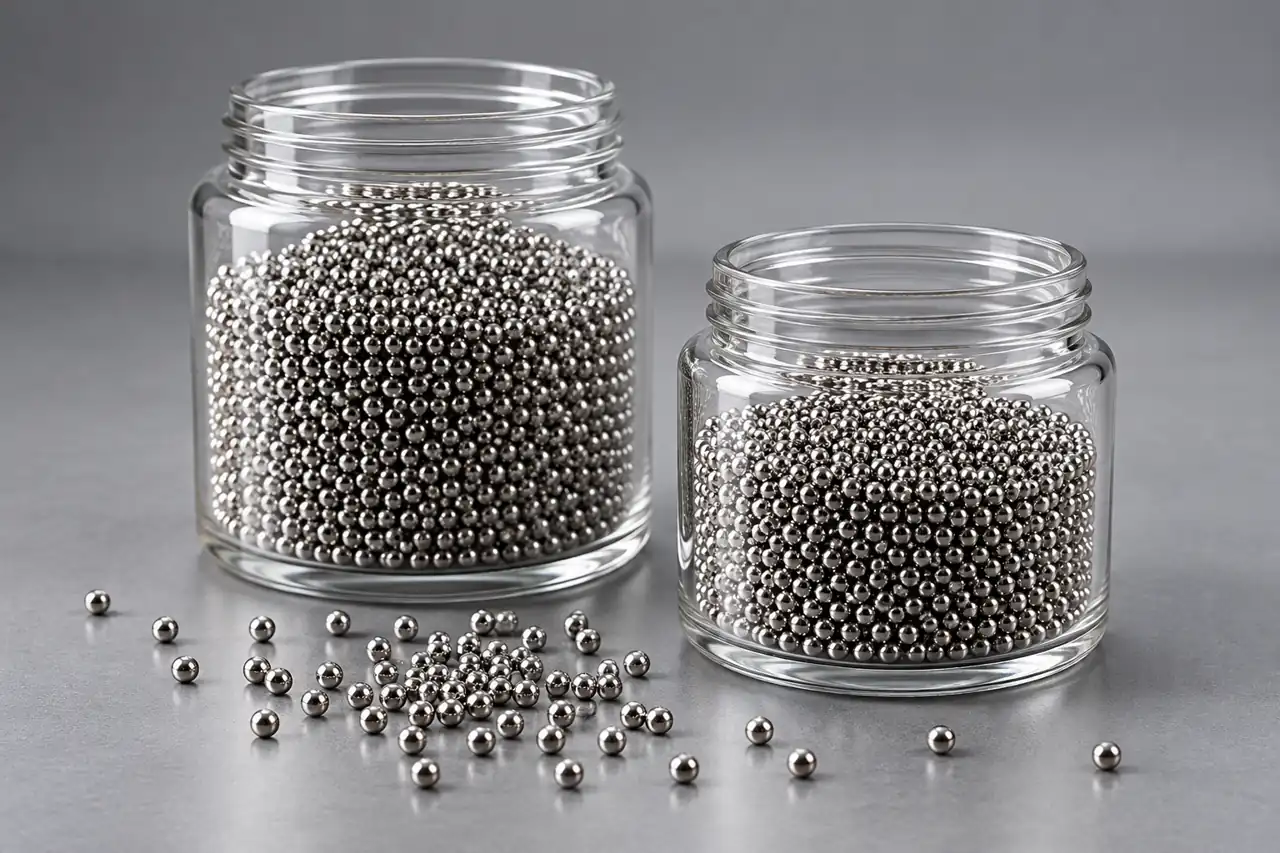
Repeat orders should preserve the process approval scope
Carry the accepted material, distribution and surface requirements into the order, with packing and lot-identification needs. Review a proposed change before relying on the previous trial. Confirm quantities, package units and delivery terms for the actual request; the product listing alone does not establish standing commercial conditions.
Send a tooling-specific material enquiry
Provide the electroplating-tooling use, material restrictions, required size distribution and acceptance method. Add trial quantity, record needs and packing requirements. We can discuss the listed conductive-ball candidate and confirm a specific supply proposal for your process team’s evaluation.