Mixed-Specification Wire Orders for Import Distributors
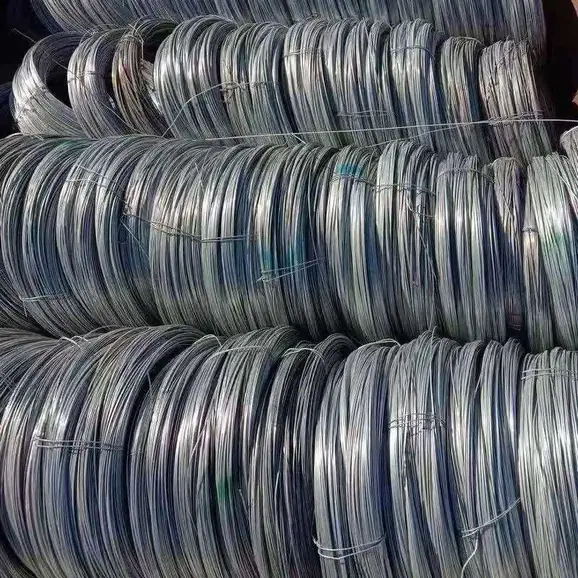
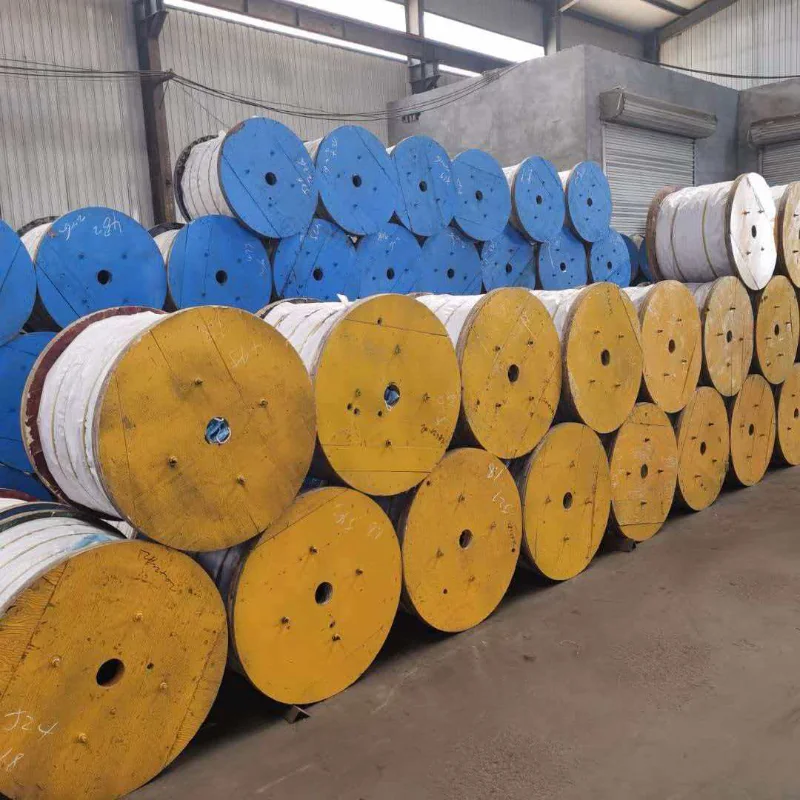
Build a mixed wire order as a line-by-line specification schedule, with diameter, coil weight and packing defined for each SKU. We list galvanized and binding-wire enquiries. Share the actual assortment so combined-order feasibility can be confirmed without assuming that every size, pack format or material shares the same supply conditions.
Each SKU needs a complete product identity
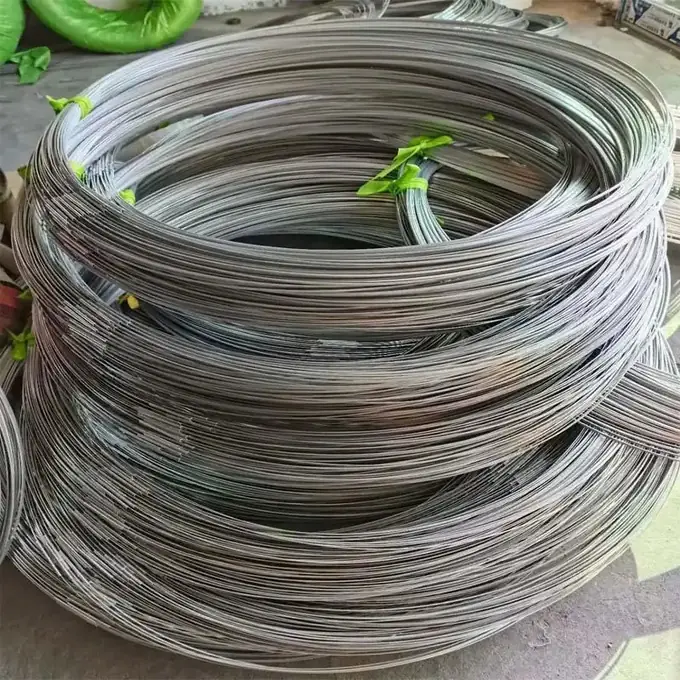
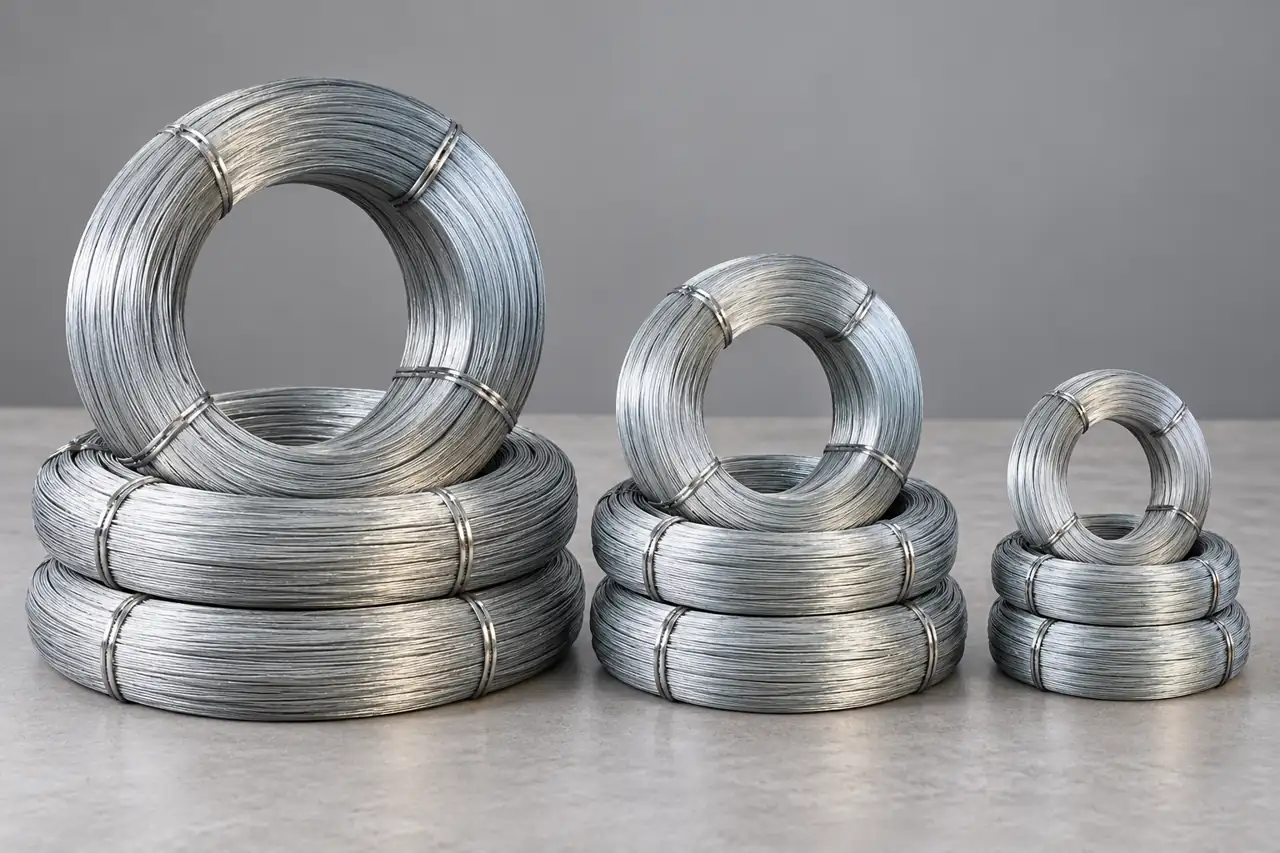
Separate galvanized wire, binding wire and any finished form in the schedule. State material, surface condition and intended use where they affect acceptance. A shared distributor stock name should not conceal different wire specifications supplied to different customers or sold in different units.
Diameter and coil weight create different variants
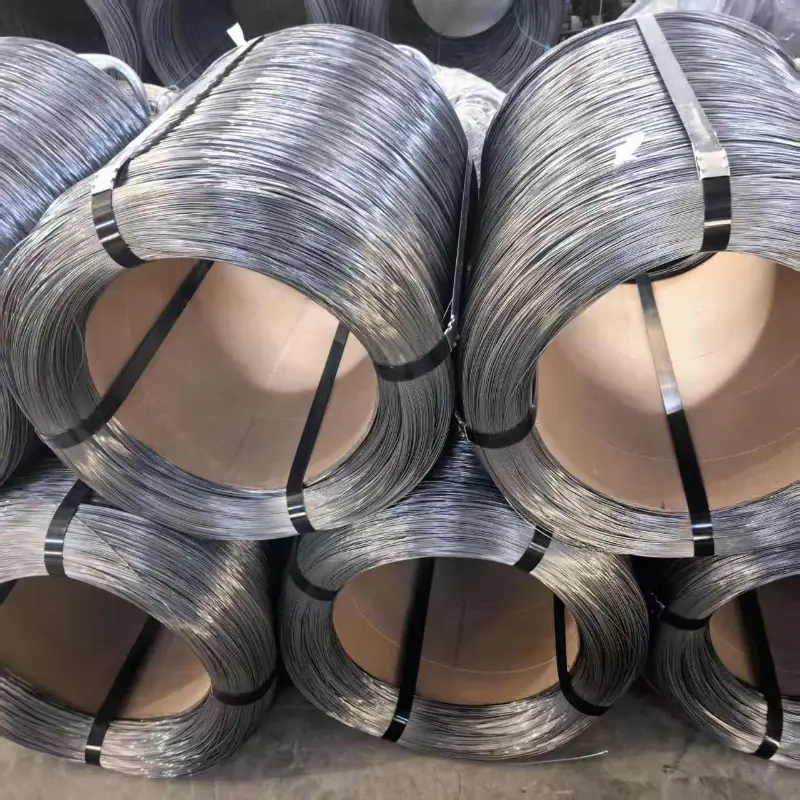
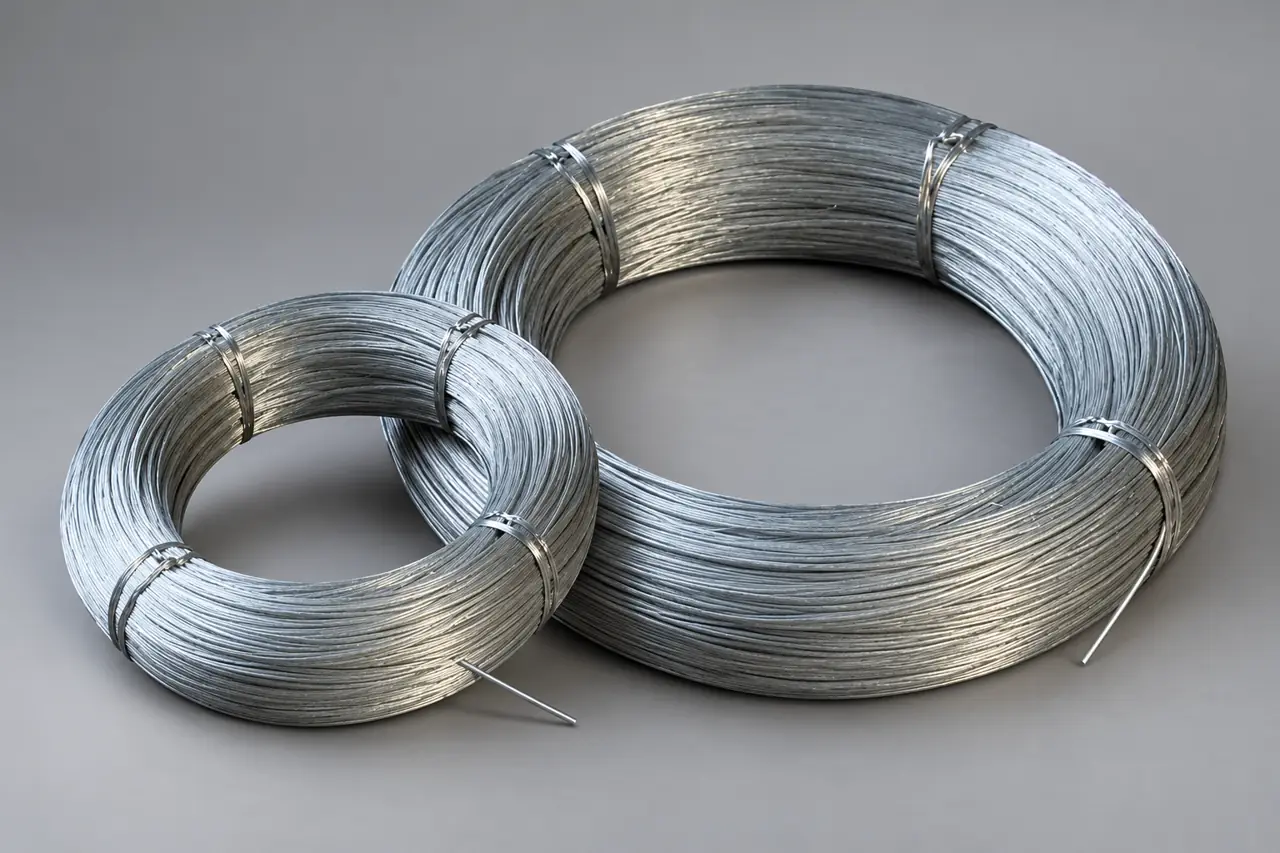
Specify actual wire diameter and its tolerance separately from net coil mass. Add the required coil dimensions and purchase unit. Gauge terminology needs its defined basis; a numerical gauge label alone may not give the same diameter reference to the buyer, supplier and receiving team.
Quantities should use one explicit basis per line
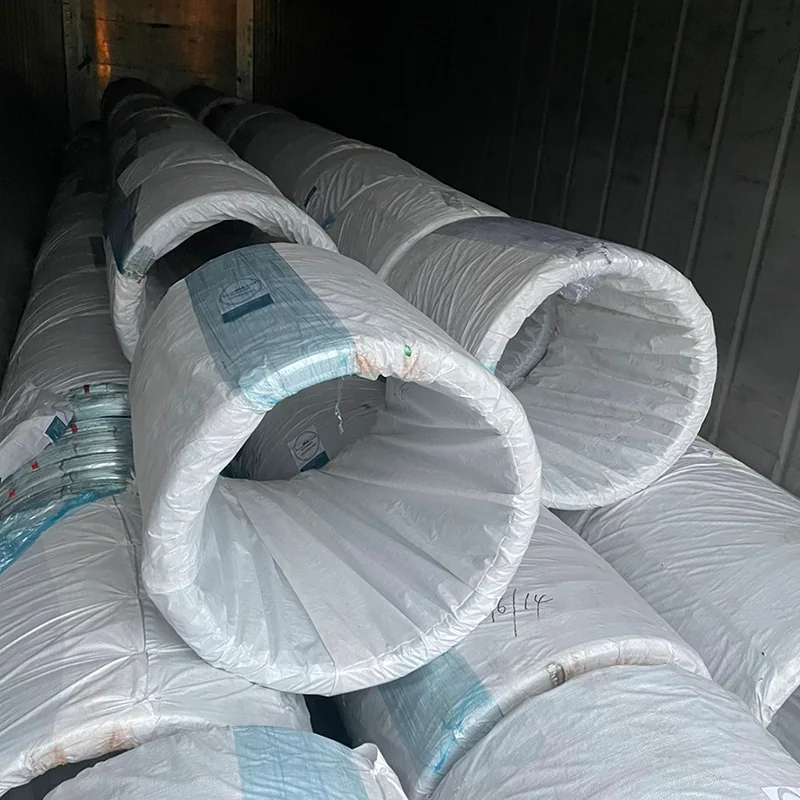
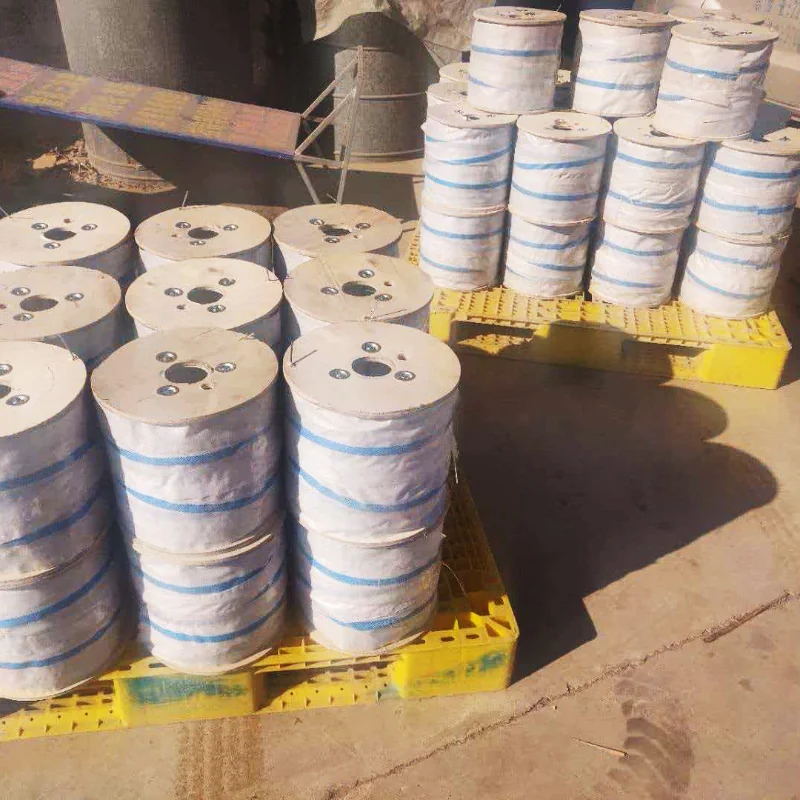
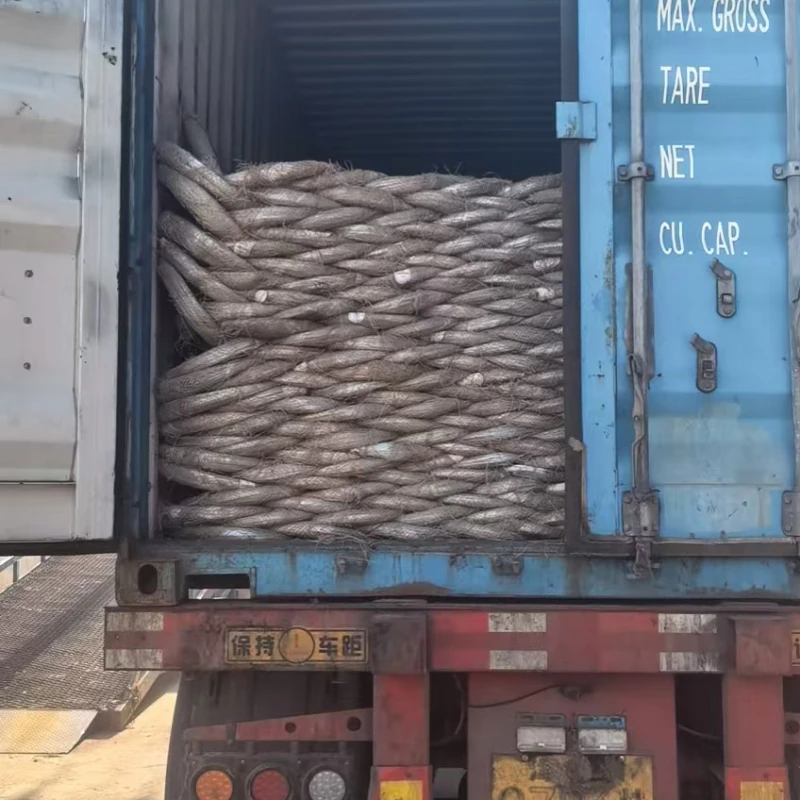
Show whether the requested quantity is coils, pieces, net mass or another defined unit. Keep net contents distinct from gross shipment weight. If your warehouse receives in one unit and sells in another, state the conversion information needed on the package and packing list.
Mixed-order conditions need actual confirmation
Ask which specifications can be supplied together and what quantity, packing or scheduling conditions apply to each. Confirm the manufacturing or sourcing relationship for the lines that matter to your approval. Our focus on wire and shot does not establish that every catalogue variant is made by the same route.
Samples should represent the individual variants
Keep each evaluation sample tied to its SKU, material and offered condition. Where handling or tying matters, trial the intended format with the relevant customer operation. Approval of one diameter or coil arrangement should not automatically release every other variant in a mixed distributor order.
Labels should connect SKU and manufacturing lot
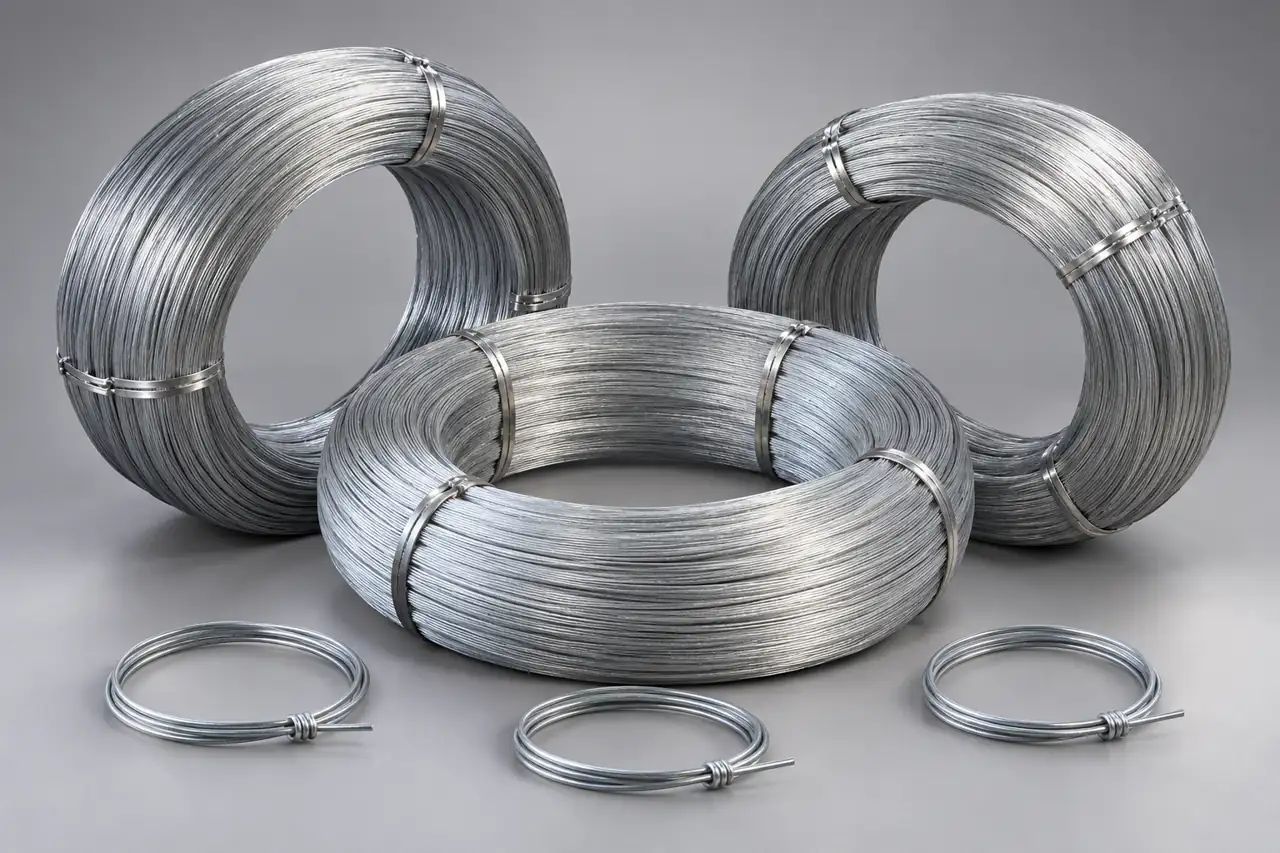
Specify both the distributor reference and the supplied lot information needed for traceability. Agree which fields appear on coils, outer packages and pallets. A warehouse code identifies what you sell; the material lot identifies the supply being reviewed, so keeping both visible helps resolve later discrepancies.
Receiving segregation prevents a small error from spreading
Check line identity and quantity before distributing stock. Keep a mismatched or damaged package separate and retain its labels and sample. Photograph the complete package and observed issue, so a review can identify the actual variant instead of relying on a general wire description.
Compare complete offers and control later changes
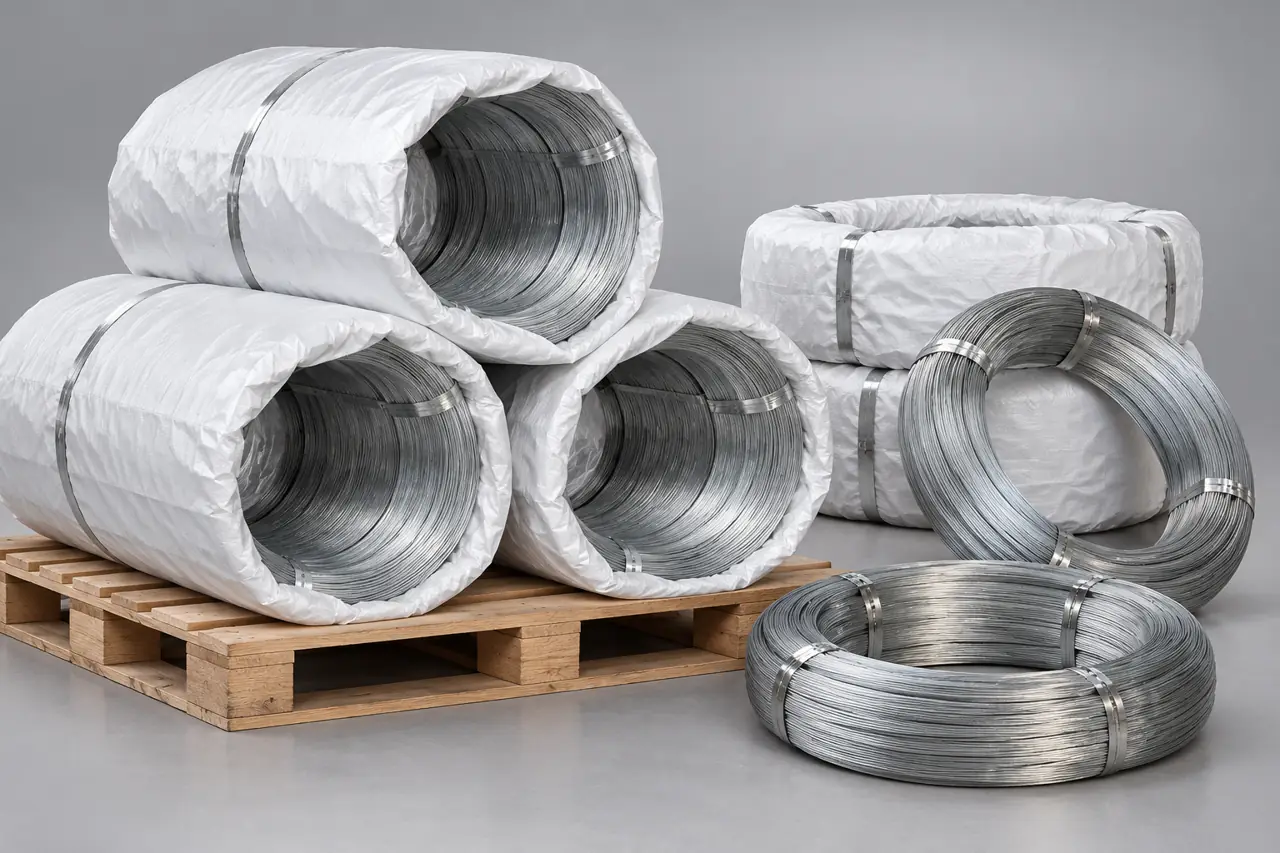
Compare the same specifications, quantities, packing and delivery scope before judging the order total. Carry accepted revisions into replenishment requests and review substitutions explicitly. Confirm any private labeling or consolidation requirement as a specific term rather than assuming a mixed order includes additional distributor services.
Send the full assortment schedule for review
Provide the SKU list, wire requirements, diameter, coil format and quantity per line. Add sample needs, packing marks and destination. We can discuss the listed candidates and confirm a specific mixed-order proposal with supply conditions stated separately for the relevant specifications.