Own-Brand Steel Shot and Grit for Import Distributors
Bring the media specification and the packaging brief to the same enquiry, with separate approval records for each. We supply steel-abrasive enquiries from China. For an own-brand project, confirm the actual neutral or custom-packaging proposal before committing artwork, launch quantities or a repeat-order programme.
Define the product behind each distributor code
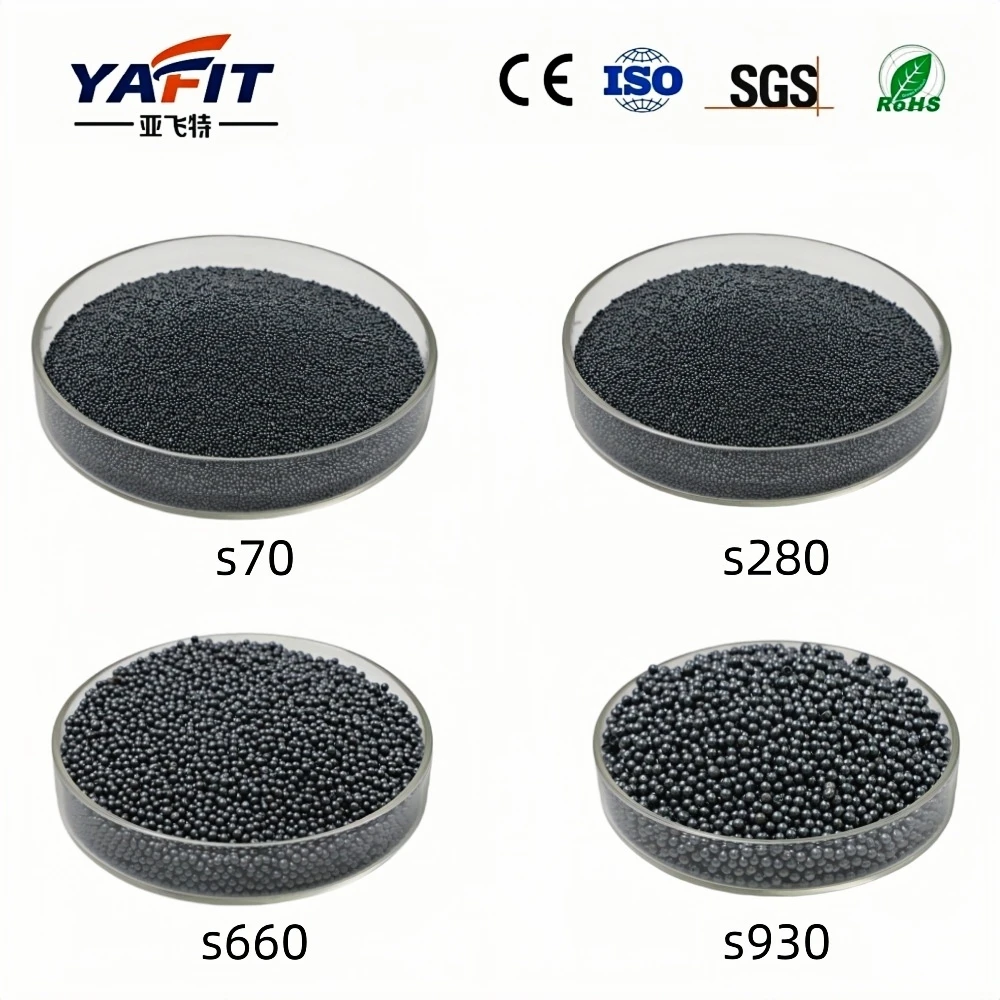
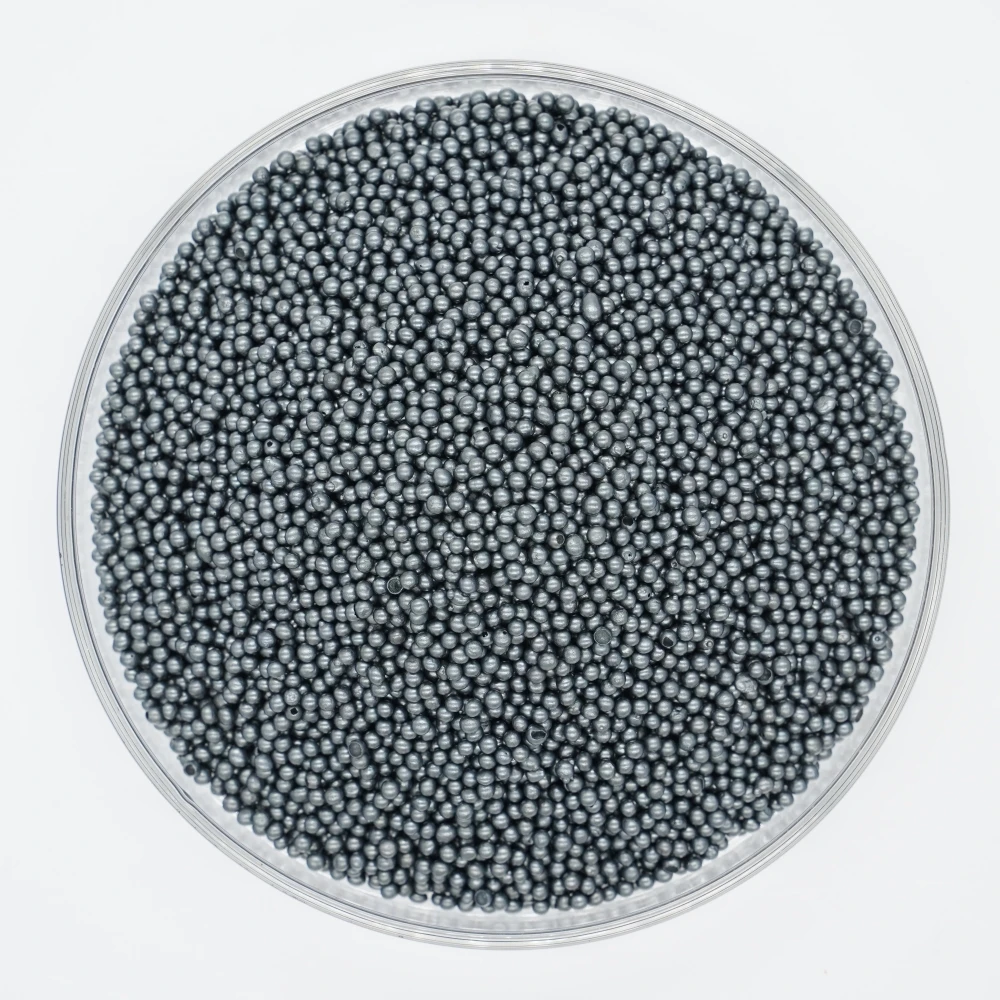
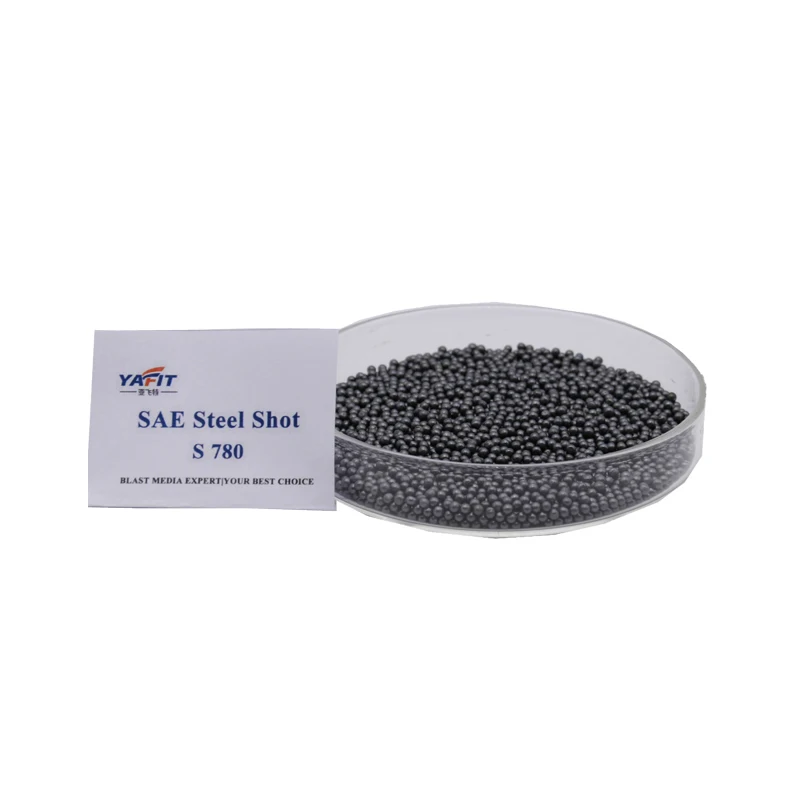
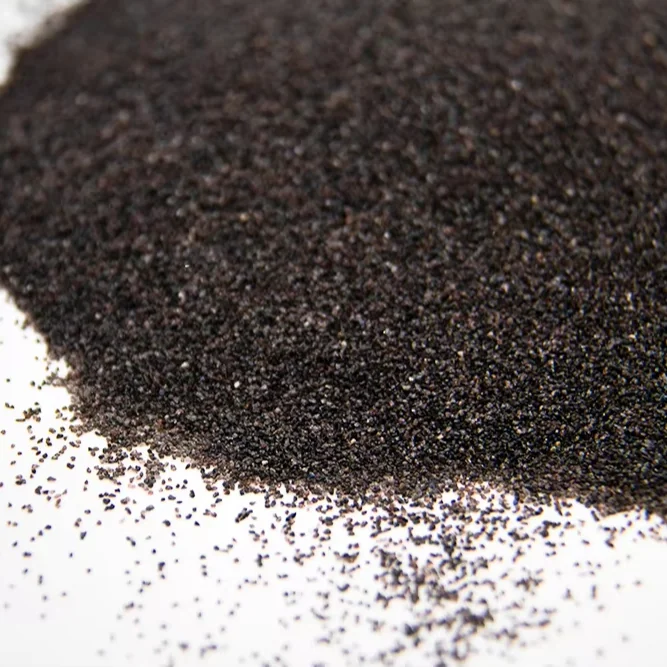
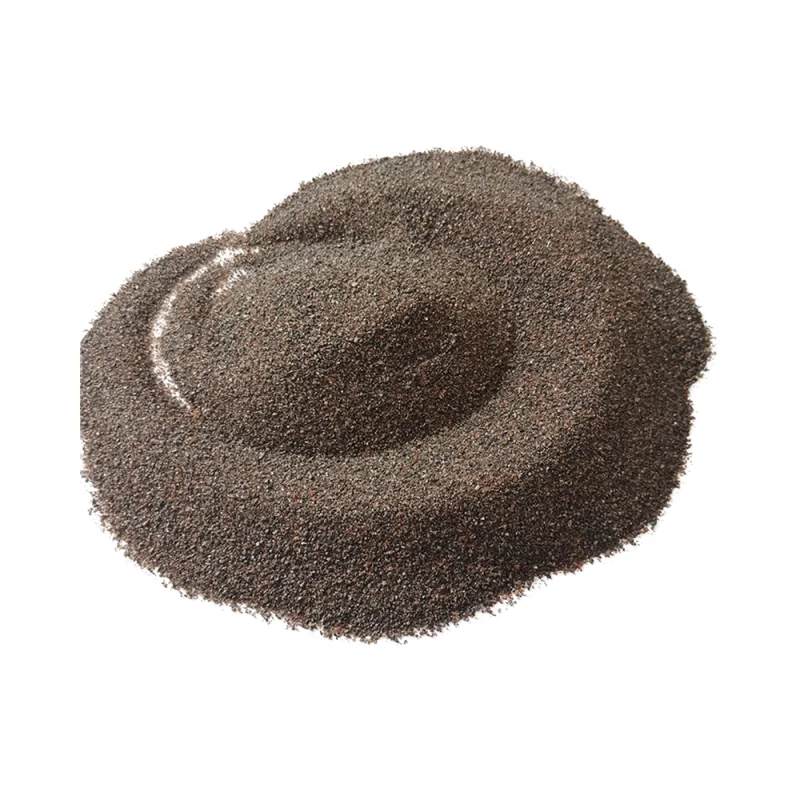
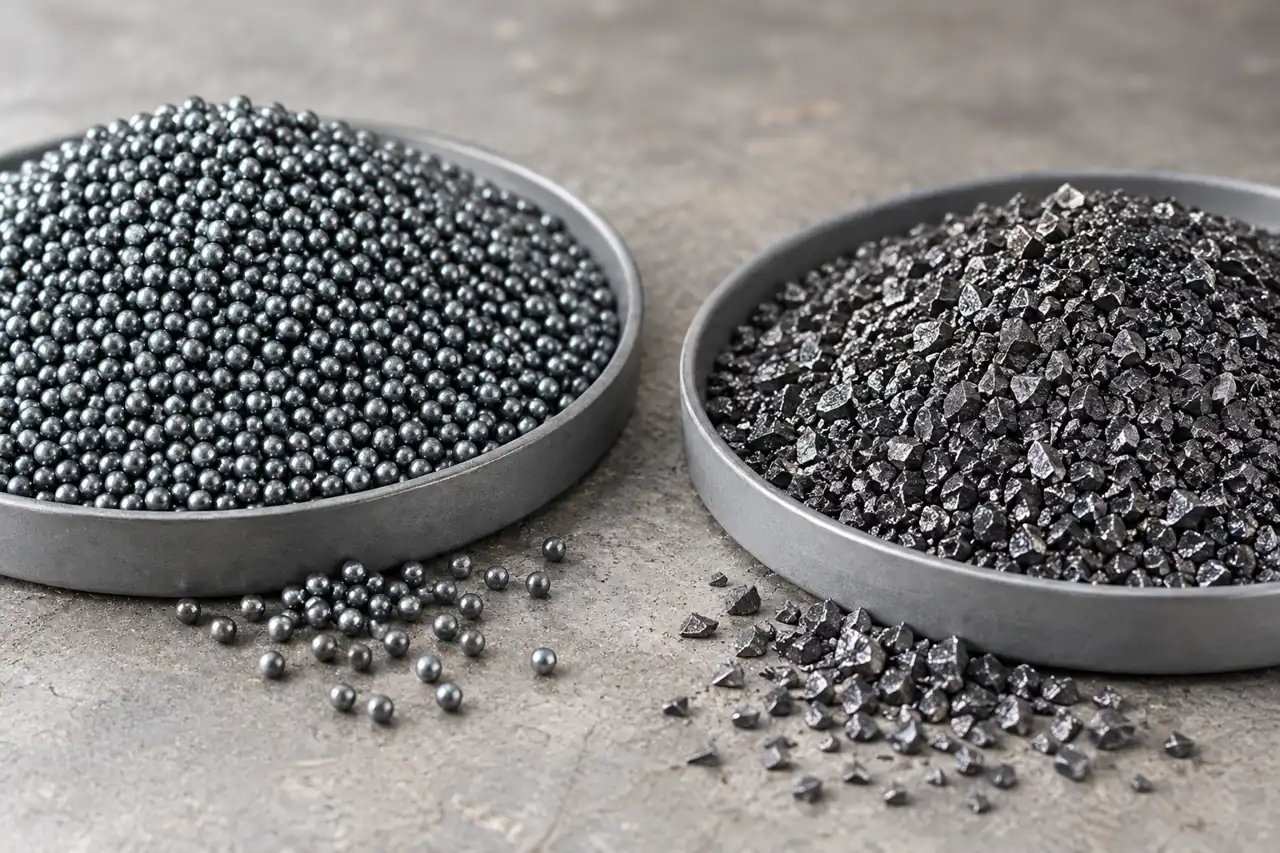
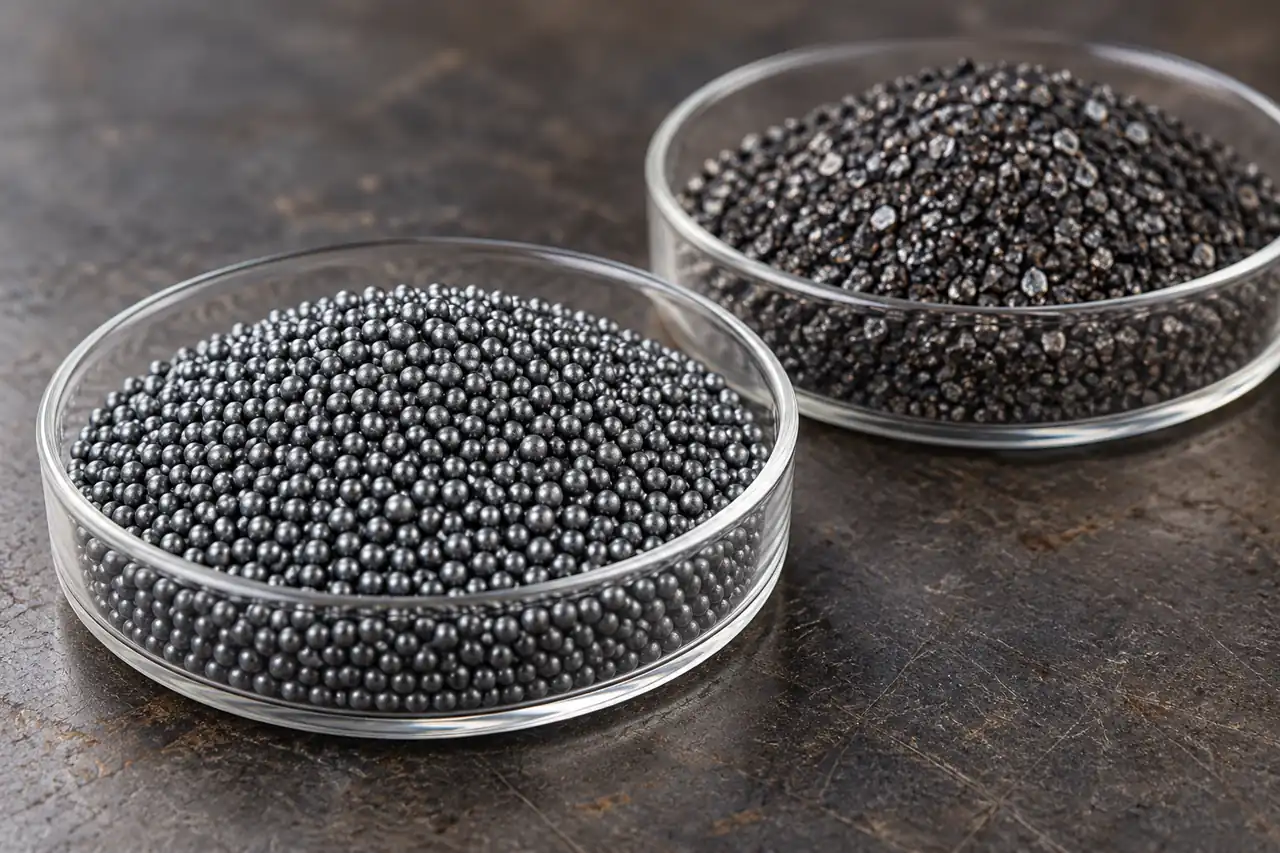
Start with a product-code schedule that distinguishes rounded shot from angular grit. Record the required size system, material, hardness basis and intended application. A distributor code is useful for ordering, but it should point to an approved specification rather than replacing the technical description.
Approve the abrasive before the branded package
Review the media sample and applicable records independently of bag colour or artwork. Our catalogue contains separate shot and grit candidates; resolve their actual offered specifications before approval. Attractive packaging cannot establish particle shape, grading consistency or the result in your customer’s blasting process.
Make the packaging request a defined scope
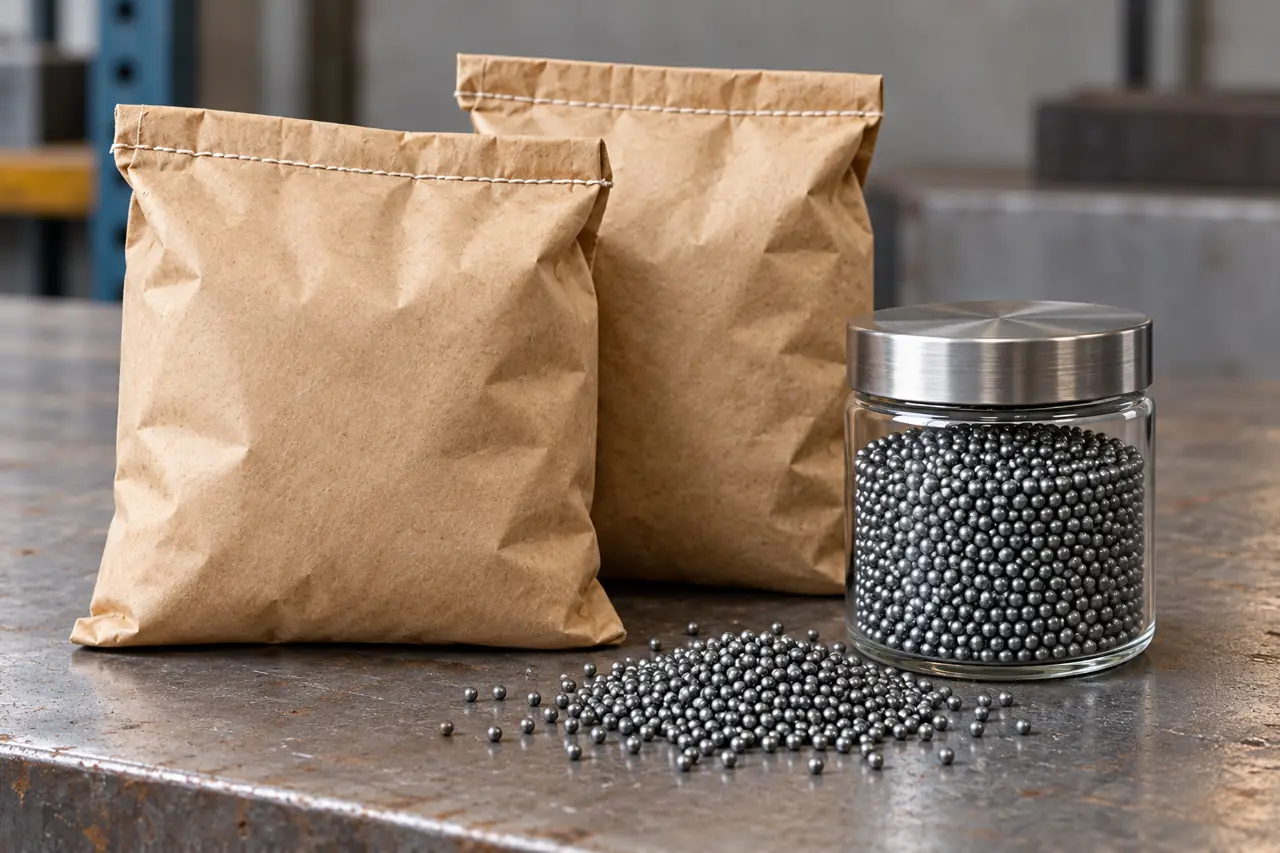
Send the required package material, net contents, closure and handling arrangement, together with the label language and layout. Ask which parts can be included in the actual offer. Keep neutral packaging, applied labels and printed packaging as distinct requests because their preparation and order conditions may differ.
Keep the batch identity readable after rebranding
Plan a link between the distributor code, supplier lot, packing list and applicable material records. Decide how that reference remains visible on individual packages and pallets. An own-brand label should retain the information needed to investigate a delivery instead of concealing which material was supplied.
Review a packaging sample for practical use
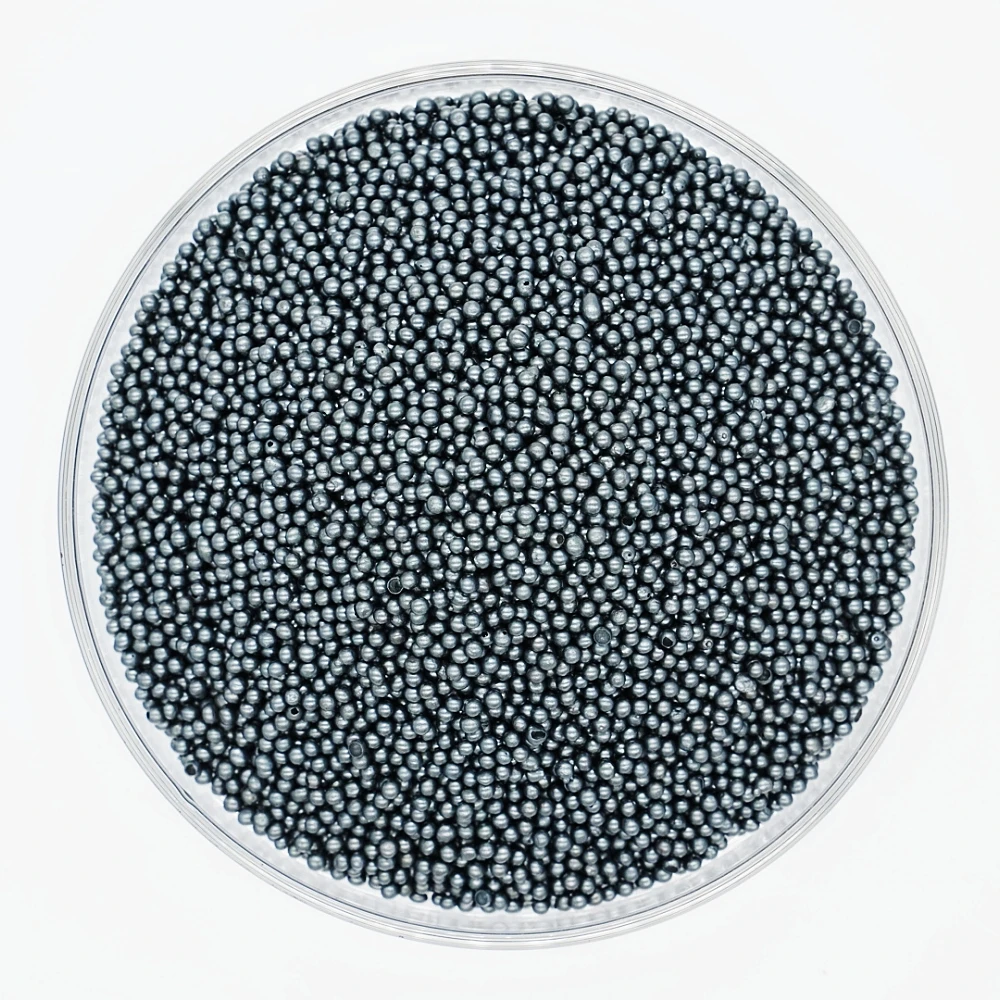
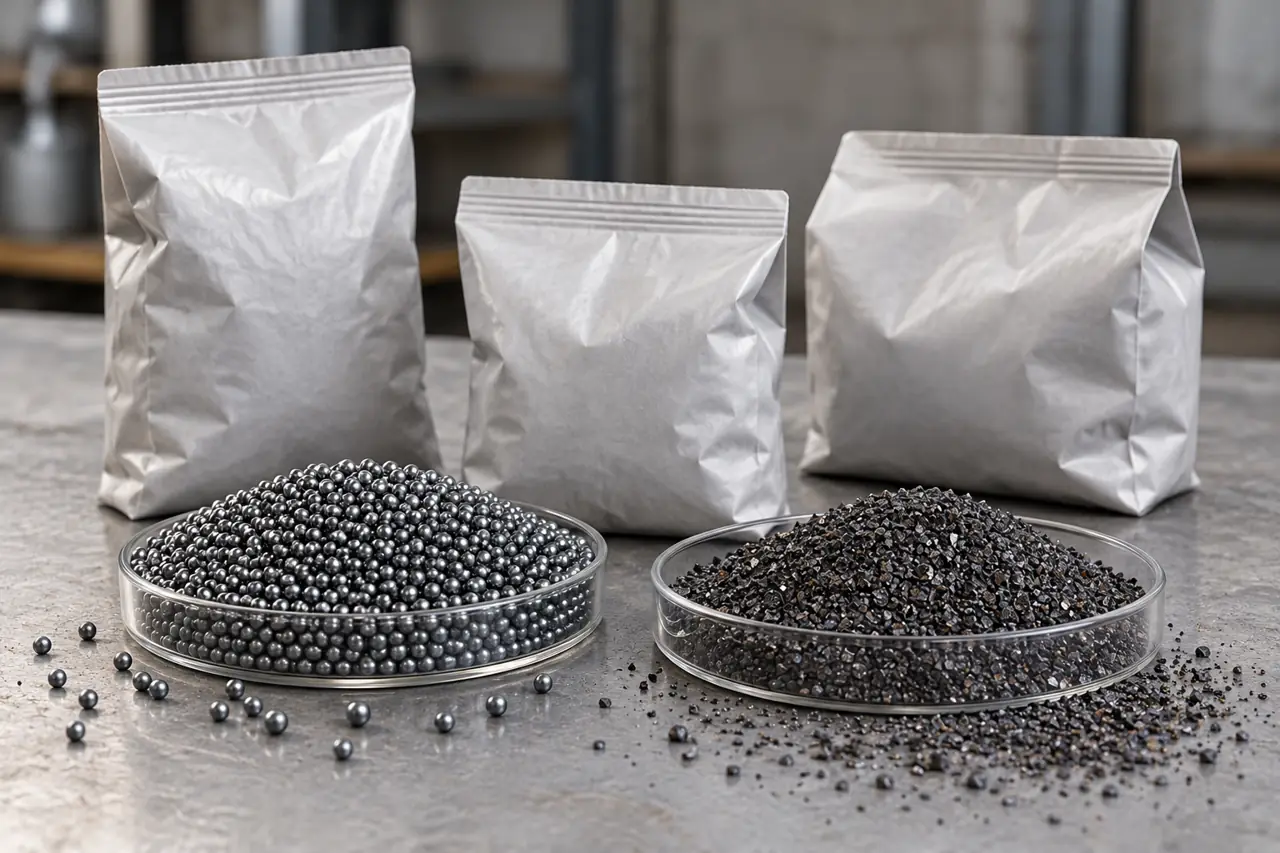
Where packaging samples are agreed, check the proposed closure, readability and handling against your receiving and resale needs. Record the accepted version and any open points. The illustrations on this page explain a neutral-packaging concept; they do not show a completed private-label contract or an approved shipping pack.
Control artwork separately from material changes
Give each approved artwork file a revision and identify who can authorize changes. Keep product claims and any conformity marks within their verified scope. A new design should not silently change the media description, and approval of a graphic file should not be treated as approval of a different material.
Set the commercial basis for the first branded order
Separate media quantity from packaging preparation, printing or label costs in the proposal. Confirm sample arrangements, any minimum quantities, unused packaging responsibility and delivery scope. These conditions belong to the specific quotation; a catalogue entry alone does not establish an available private-label programme.
Keep the repeat order tied to two baselines
Reference both the approved media specification and the packaging revision when reordering. If a complaint concerns a label or mixed identity, preserve unopened packages, lot marks and the packing list. If it concerns performance, retain the material and process evidence as well, so the two issues can be reviewed separately.
Send a distributor product and packaging brief
Share your shot or grit schedule, expected order quantities and target package format. Attach the proposed label fields and artwork requirements, with the destination and required records. We can discuss the product candidates and confirm the actual packing and commercial scope for your own-brand evaluation.