First Direct Import of Steel Wire or Shot from China
Begin with one clearly described product, quantity and destination, then compare offers on the same delivery and acceptance basis. We handle steel-wire and steel-shot enquiries from China. A first import becomes easier to review when the technical requirement, packing plan and commercial responsibilities are written down together.
Turn the intended use into an orderable product
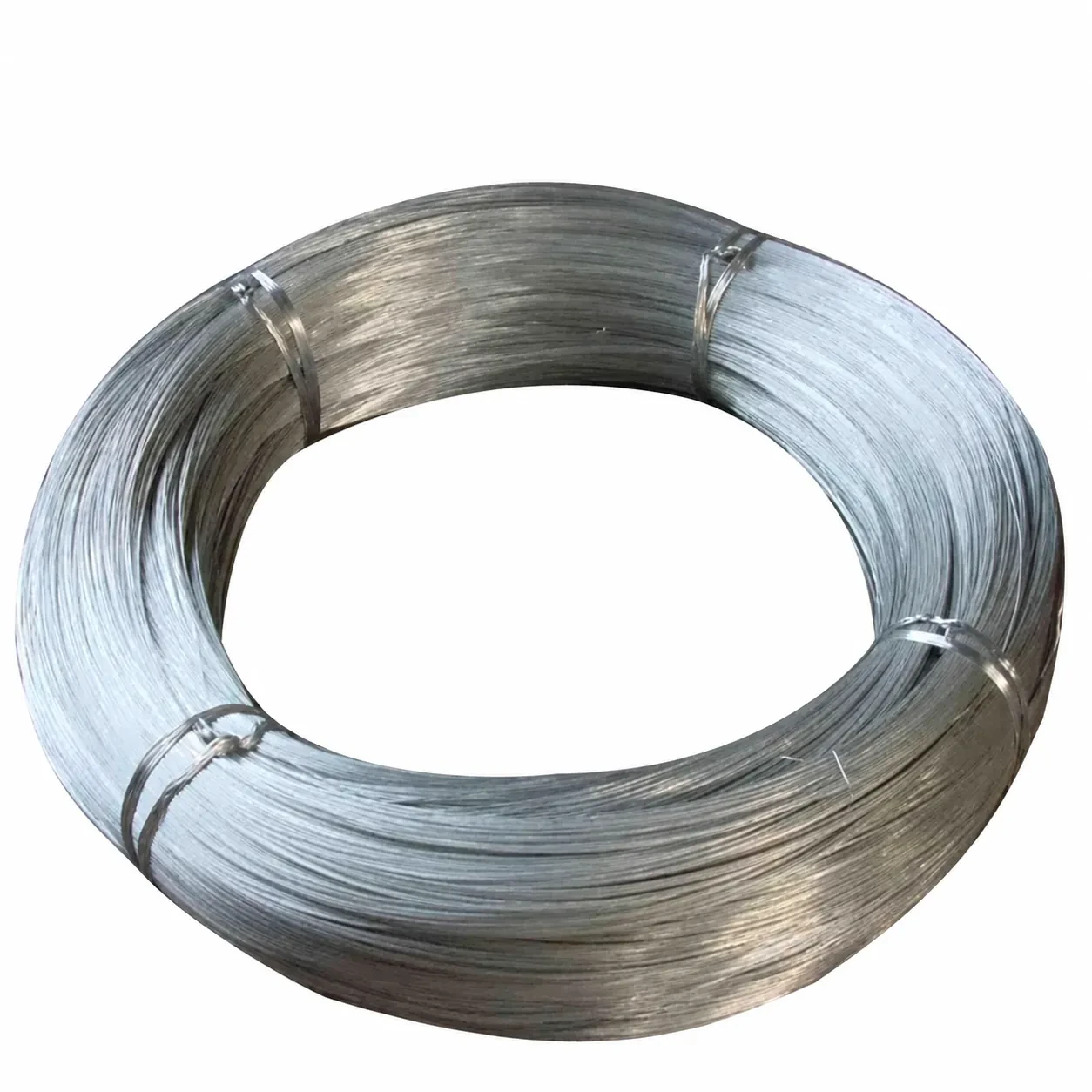
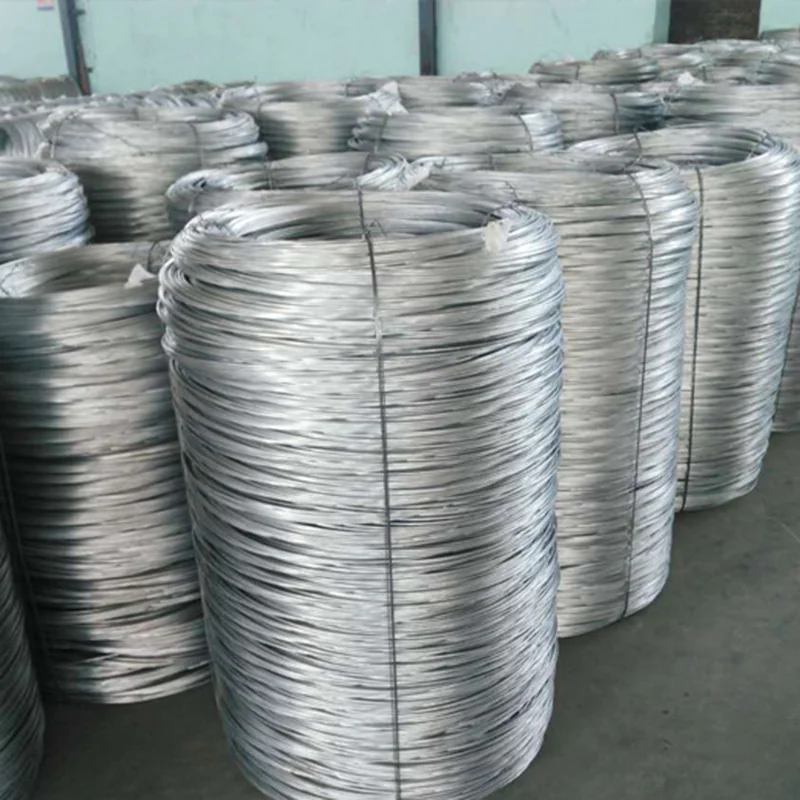
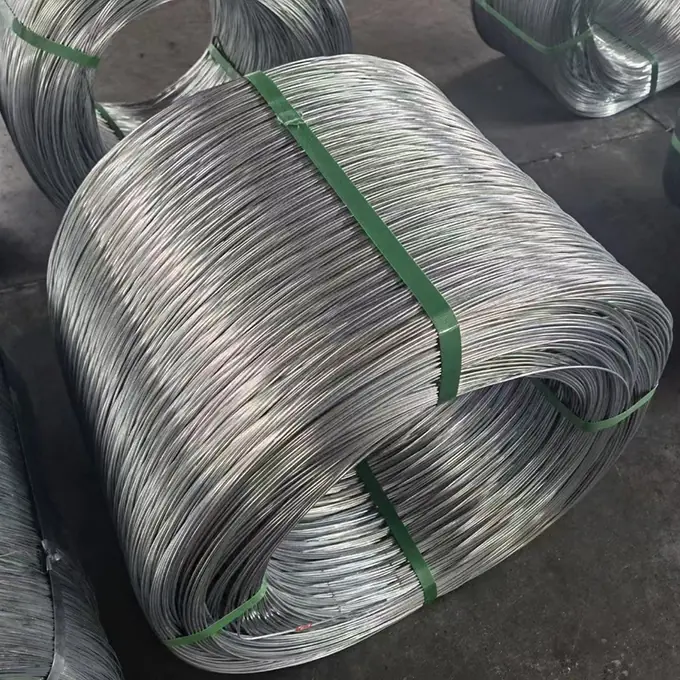
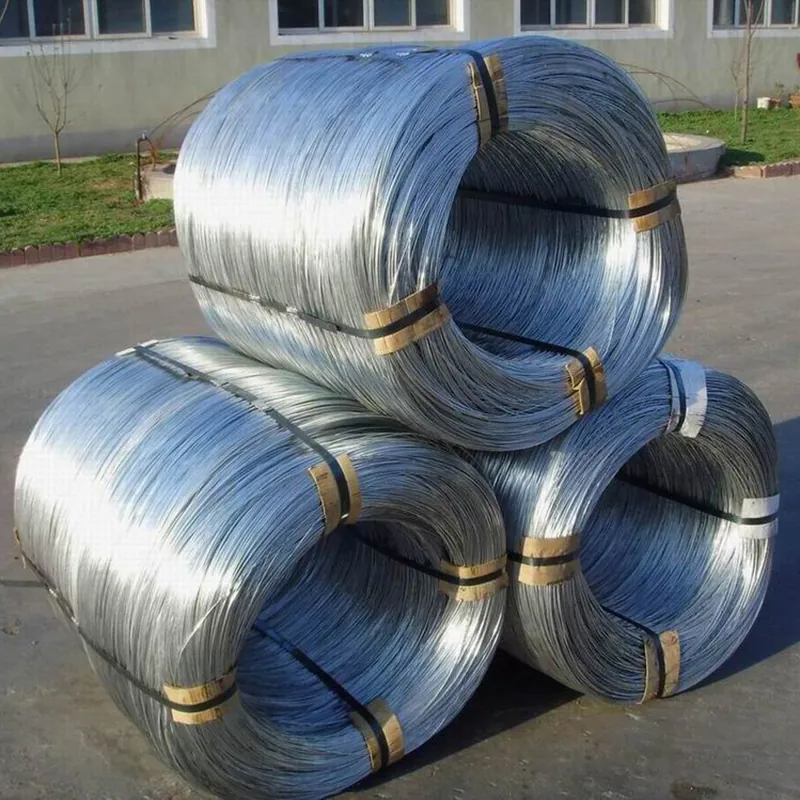
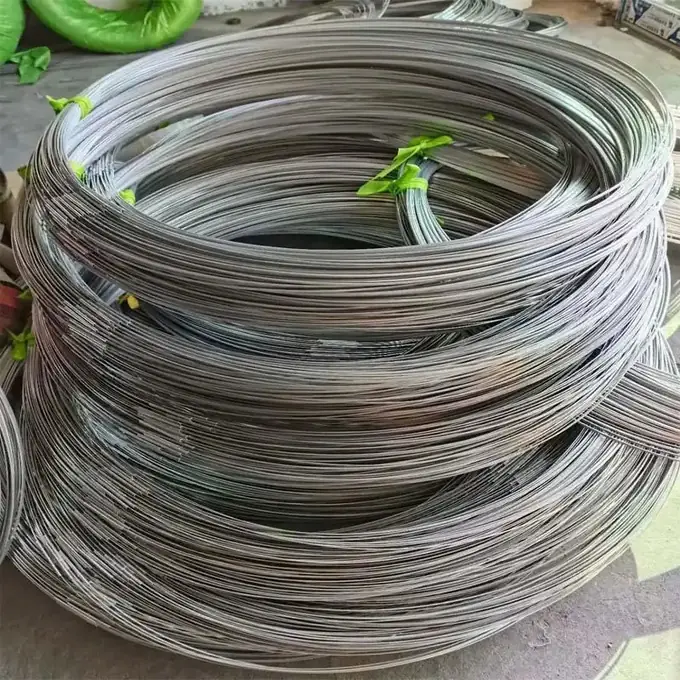
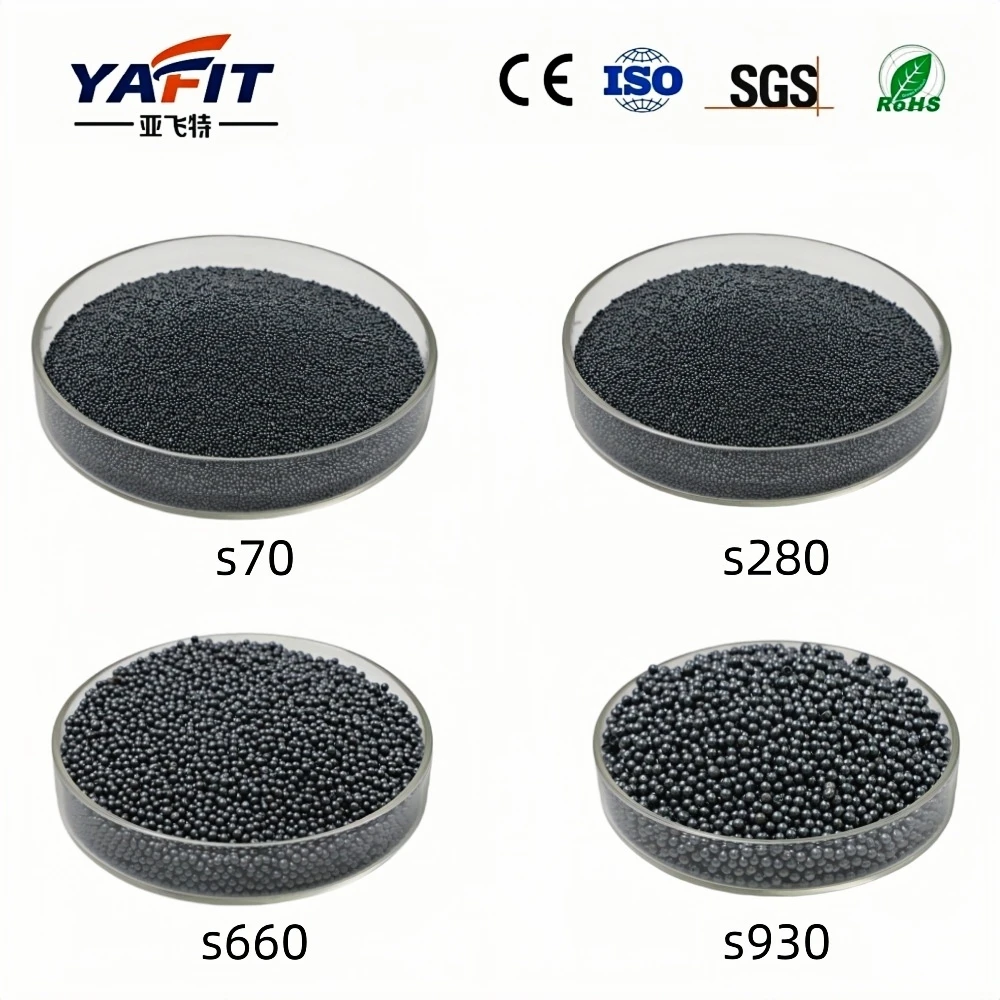
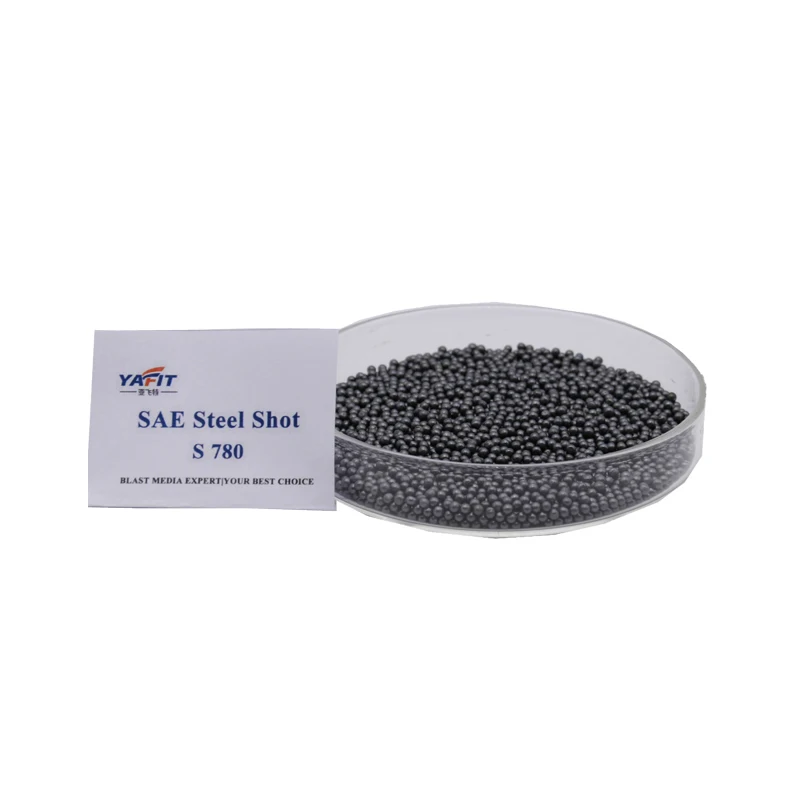
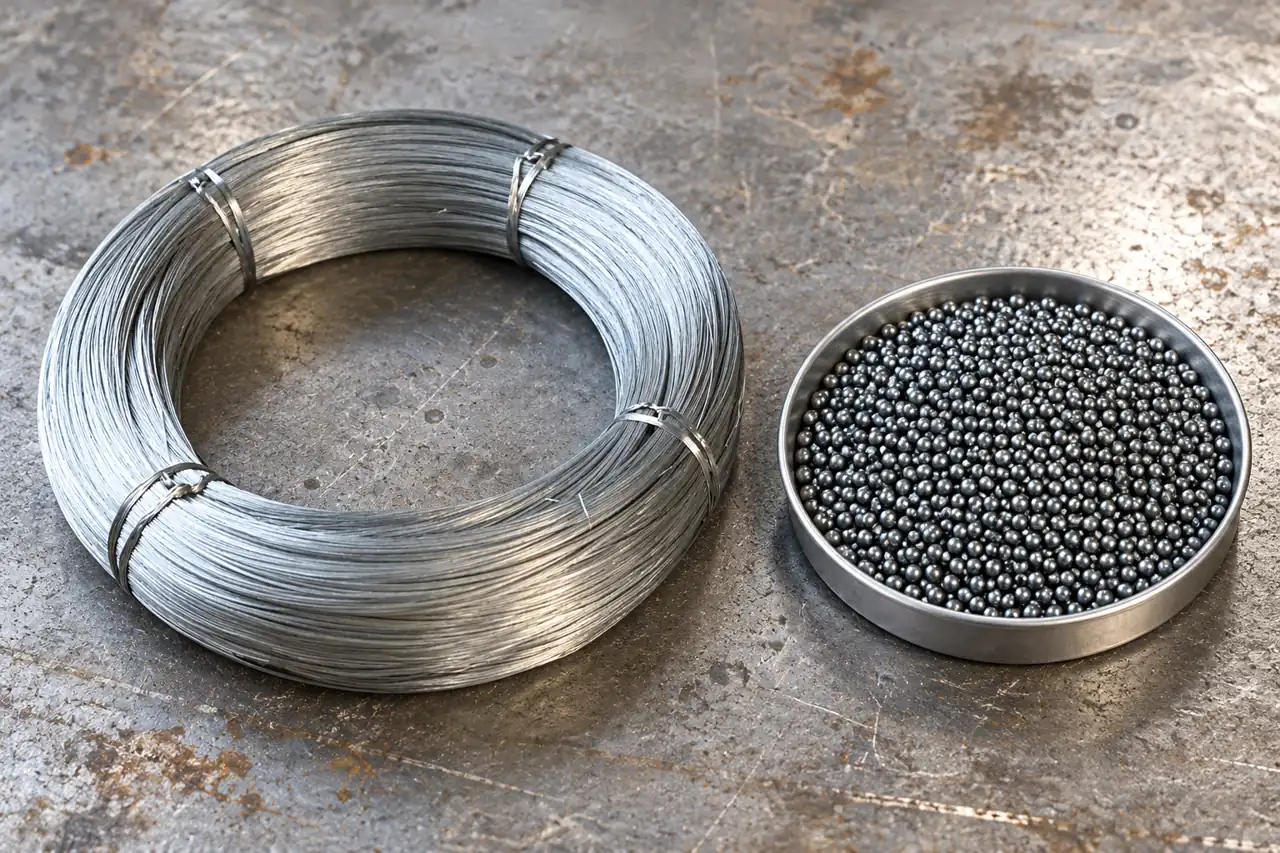
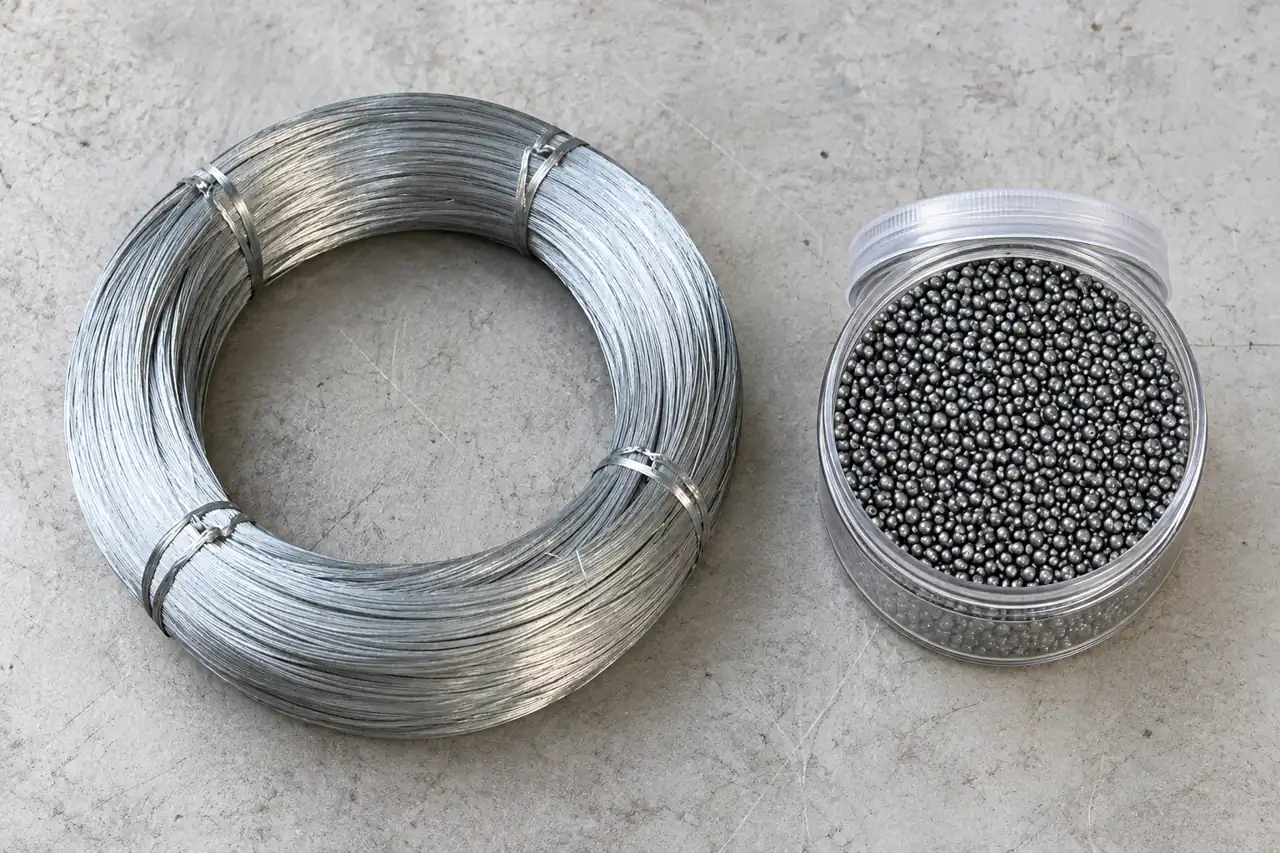
For wire, specify the material, diameter, supplied condition and usable coil format. For shot, identify the media form, grading and application requirements. Avoid selecting only from a photograph or copying a broad product name; the first quotation needs enough detail to distinguish the intended item from nearby alternatives.
Connect the candidate sample to an approval decision
If a sample is needed, agree its source, quantity, costs and evaluation purpose. Keep its identity with the result of your process trial. A sample approval should define what you accepted and what remains to be checked on the ordered lot; it should not become an unlimited approval of every later shipment.
Specify the destination and delivery boundary
Give the actual delivery location and ask for a named quotation basis with its included services. Identify who arranges each transport stage and which destination responsibilities remain with you. Confirm import requirements with the appropriate local adviser or agent; this purchasing guide does not establish tariff rates or clearance eligibility.
Compare the whole quotation scope
Put competing offers against the same specification, quantity, packing and delivery point. Separate product cost from any separately quoted packing, transport or document work. Record exclusions and items awaiting confirmation. A lower price for a different wire condition or a shorter delivery scope is not yet a like-for-like alternative.
Check packing against your receiving operation
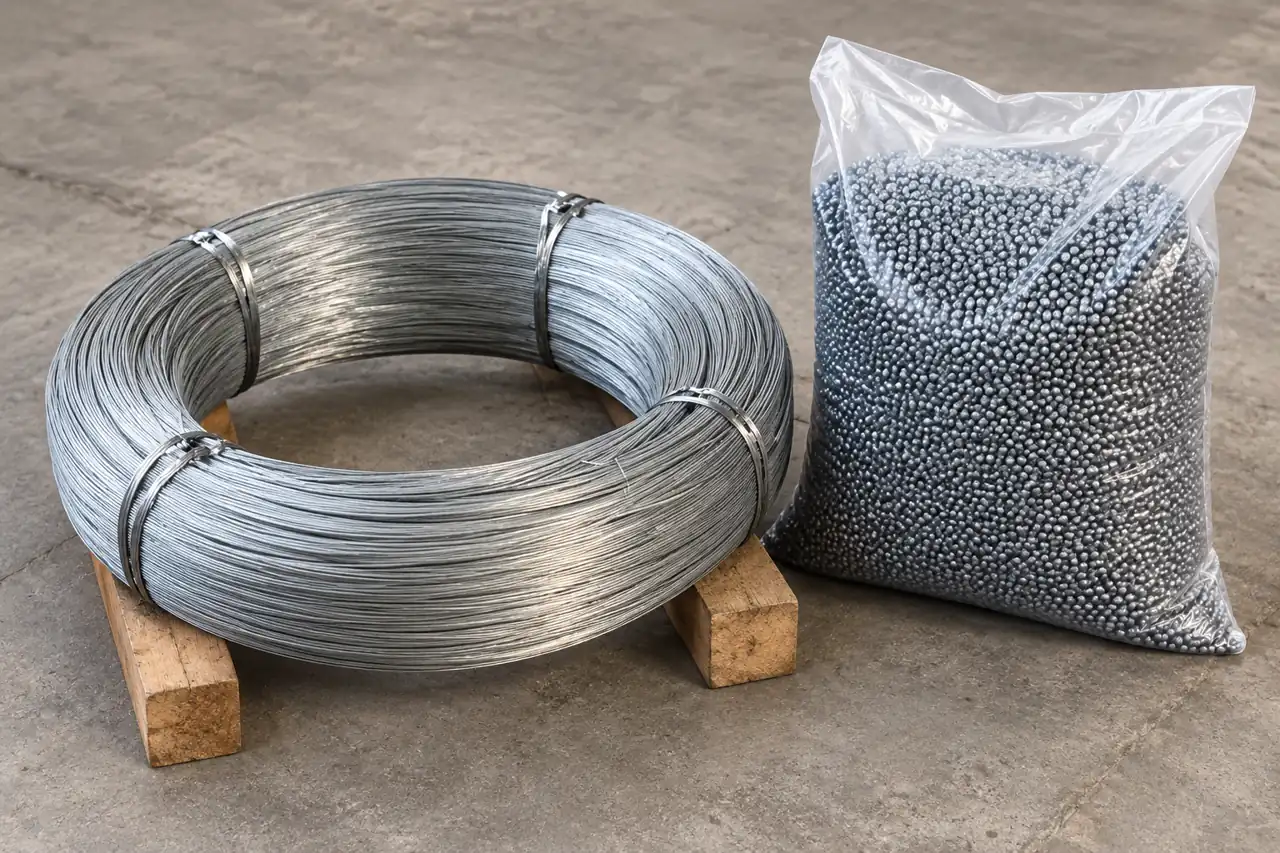
Tell us how the shipment will be unloaded, stored and issued to production. For wire, the coil dimensions and payoff arrangement matter after arrival; for media, the package quantity and identification matter during handling. Confirm the actual proposal instead of treating an illustrative pallet or sack as a promised shipping method.
Agree the documents before authorizing the order
List the commercial, packing and product records required for the actual shipment. Check which can be supplied, how they identify the goods and when they will be available. Ask for a product-specific response; a generic certificate or an unrelated material report should not fill a missing requirement.
Prepare a first-receipt check that preserves evidence
Arrange incoming checks around the approved specification and the receiving risks. Record package condition, identity and quantity before the goods are mixed into stock or used. Keep representative material where agreed. Early photographs and lot references make a discrepancy easier to investigate than a description assembled after the packaging is discarded.
Keep the first order limited to its confirmed scope
Review the supplier identity and the exact product responsibility, then settle unresolved technical and commercial points before release. The first order can establish a working baseline for later purchases. It should not be described as proof of every catalogue capability, future lead time or available monthly volume.
Send a complete first-import enquiry
Provide the product description, intended use and quantity, with the destination and required delivery point. Add sample needs, packing limits and the document list. We can clarify the catalogue candidate and the actual quotation scope so your first-order comparison starts with the same purchasing assumptions.