Hooked-End Steel Fibre for Approved Concrete Specifications
Purchase hooked-end steel fibre against the approved concrete specification, with length, diameter and end geometry stated separately. We list hooked-end steel-fibre enquiries. Send the project’s material and acceptance requirements so a candidate can be assessed without treating a fibre photograph or catalogue size as proof of concrete performance.

The concrete design defines the material requirement
Provide the project specification and revision, including the required fibre designation and acceptance criteria. Keep dosage, concrete design and structural performance approval with the responsible engineering team. This procurement review identifies the supplied fibre; it does not prescribe a mix or establish the performance of the finished concrete.
Hook shape, length and diameter need separate confirmation
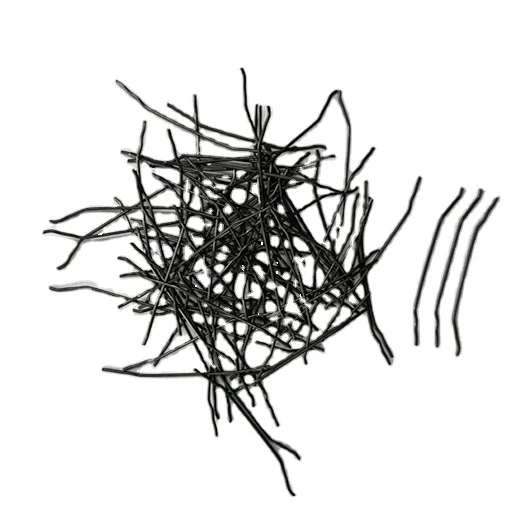
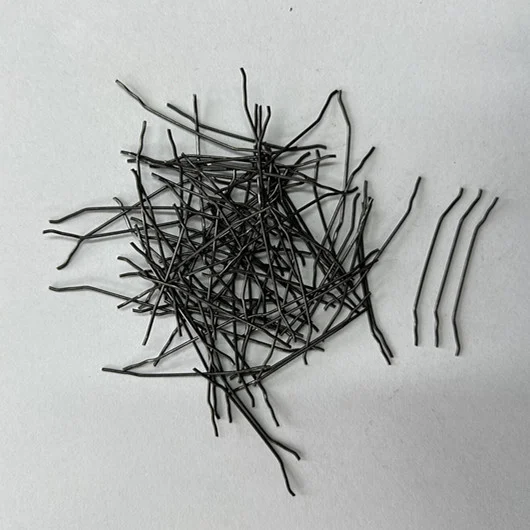
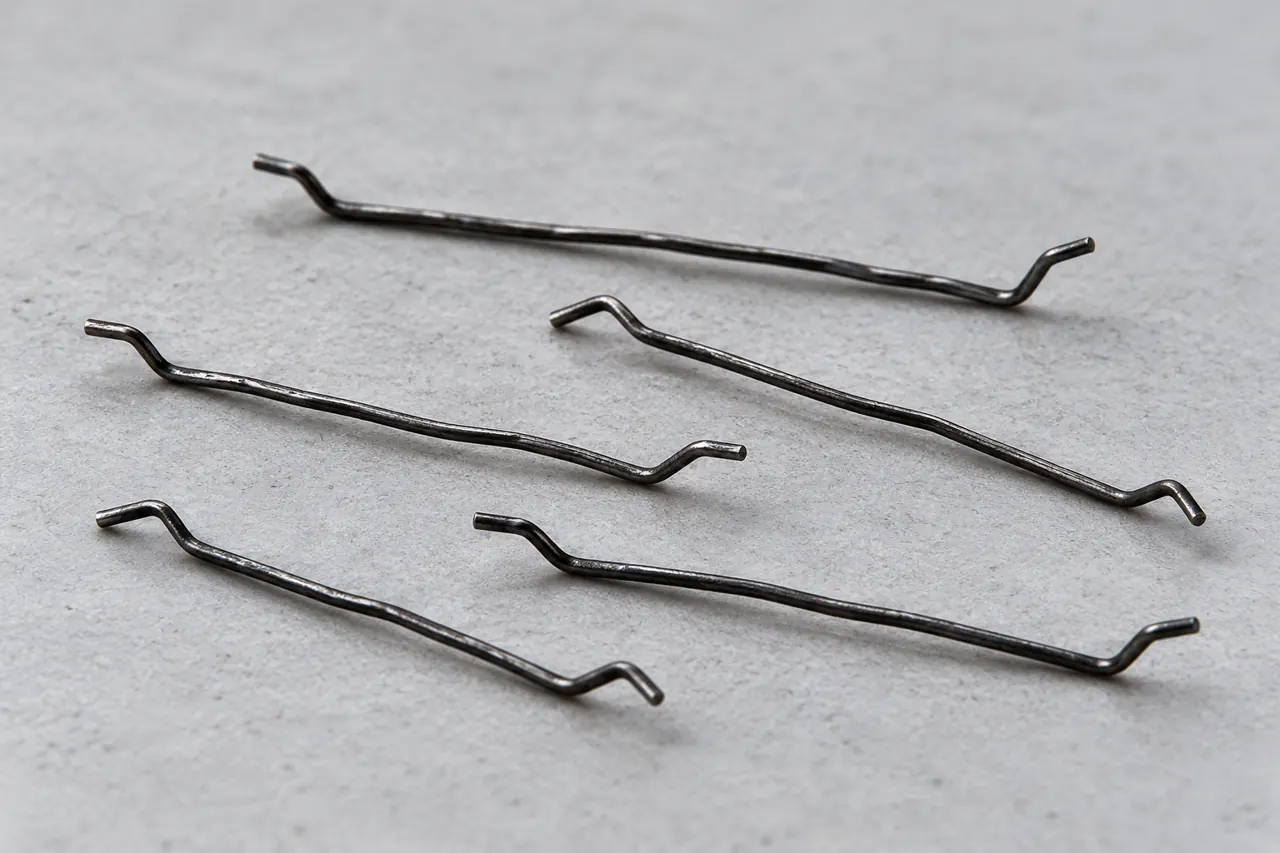
Show the required end geometry and state how length and diameter are defined in the project documents. Ask us to confirm the actual offered fibre. A general hooked-end label leaves room for differences in geometry and supplied condition that should be resolved before the sample is approved.
A sample should represent the proposed material
Identify the lot represented by the sample and request the records required by your purchase specification. Keep shape and dimensions connected to that material identity. An attractive pile of fibres cannot establish the actual dimensional distribution or the project’s required material properties.
Inspection methods should match the specified features
Define the measurement basis for dimensions and the document or test requirements for the material. Ask which evidence is available for the actual offer and which needs separate confirmation. Avoid replacing a defined inspection requirement with general claims about strength, crack control or long service life.
Any concrete trial needs the project’s own acceptance plan
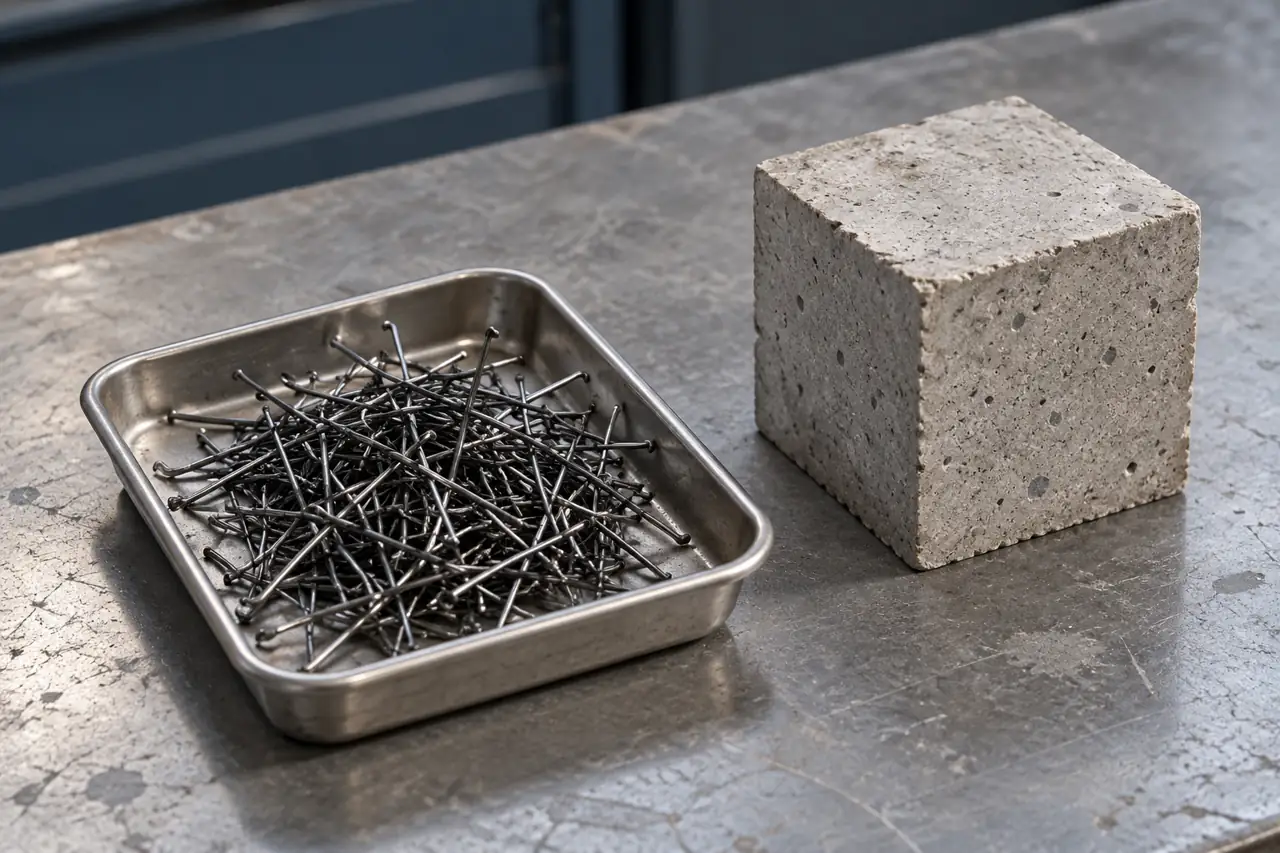
Where a trial is required, record the candidate fibre and the concrete-production conditions defined by your technical team. Inspect the specified outcomes and preserve the records. A material sample can support identification, while approval of concrete behaviour requires the project’s separate evaluation.
The offer should define the actual fibre supply scope
Confirm the product-specific manufacturing or sourcing relationship, packing unit and record scope. Our wider equipment and materials catalogue does not establish that every component is made in-house. Keep any unresolved fibre requirement visible until the project authority accepts the proposed material.
Packing needs a usable quantity and lot basis
State the required net contents, package format and identification, then confirm the actual arrangement in the offer. Reconcile package quantities with the project order and retain lot separation. Do not confuse package mass or delivery quantity with an approved concrete dosage.
Retained fibres help resolve a geometry dispute
If received fibres differ from the approved sample or records, hold the affected packages and preserve representative pieces. Record measurements using the agreed definitions, with labels and photographs. For a concrete-trial concern, retain the related production and inspection records alongside the material evidence.

Send the approved fibre specification and quantity brief
Provide the required end form, length, diameter, material acceptance and document list. Add evaluation quantity, packing needs, project volume and destination. We can discuss the listed hooked-end fibre candidate and confirm a specific supply proposal for your material approval.