Deformed Rebar Procurement Against Project Bar Schedules
Procure deformed rebar from the project’s approved standard, grade and bar schedule. Our catalogue includes reinforcing-bar references, but a list of ASTM and HRB designations is not one interchangeable approval. Confirm the actual material, diameters, lengths, marking and inspection documents before the order is released.
Use the current approved bar schedule
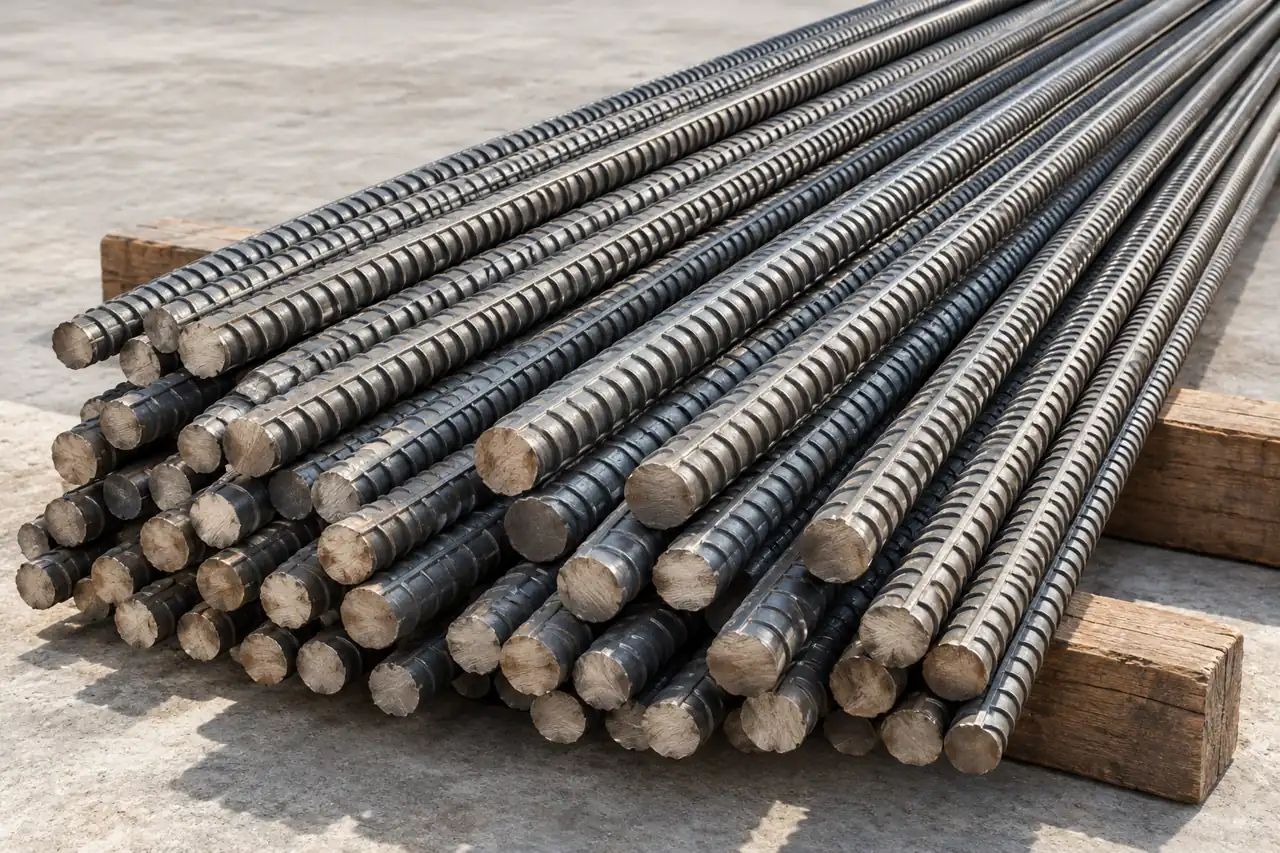
Send the drawing revision and schedule with bar sizes, lengths and quantities. Separate straight stock from any requested cut or bent form, and identify which dimensions the supplier must deliver. A total project tonnage does not describe the product mix or authorize the supplier to infer fabrication details.
Resolve grade and standard references before quoting
Keep the required material standard and grade exactly as specified by the project. Ask the supplier to identify any different proposal as a deviation. Similar grade numbers, strength labels or catalogue grouping do not authorize substitution; the project’s authorized technical team determines whether an alternative is acceptable.
Define the dimensional acceptance basis
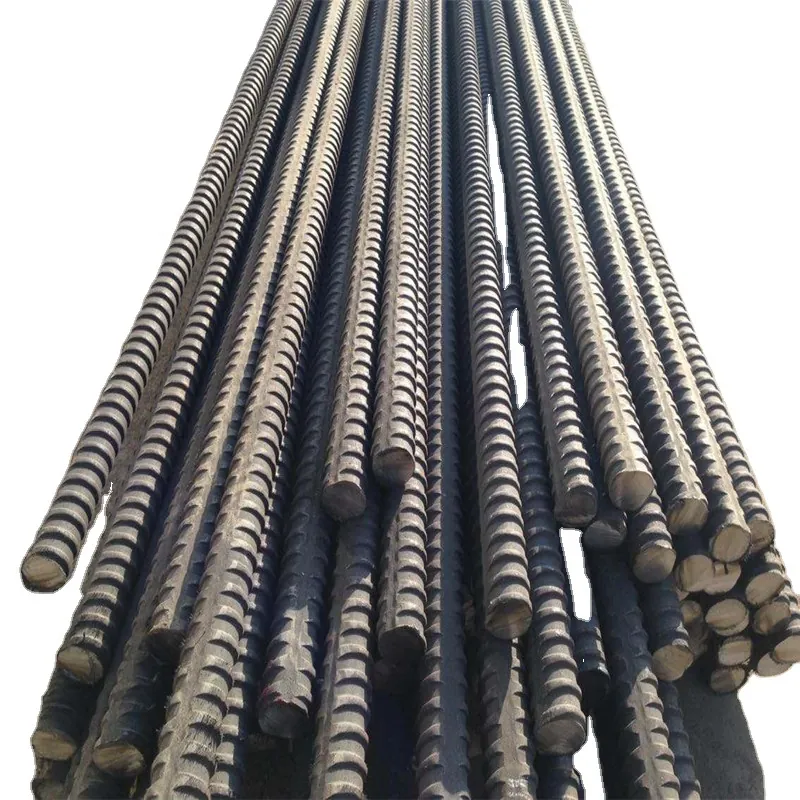
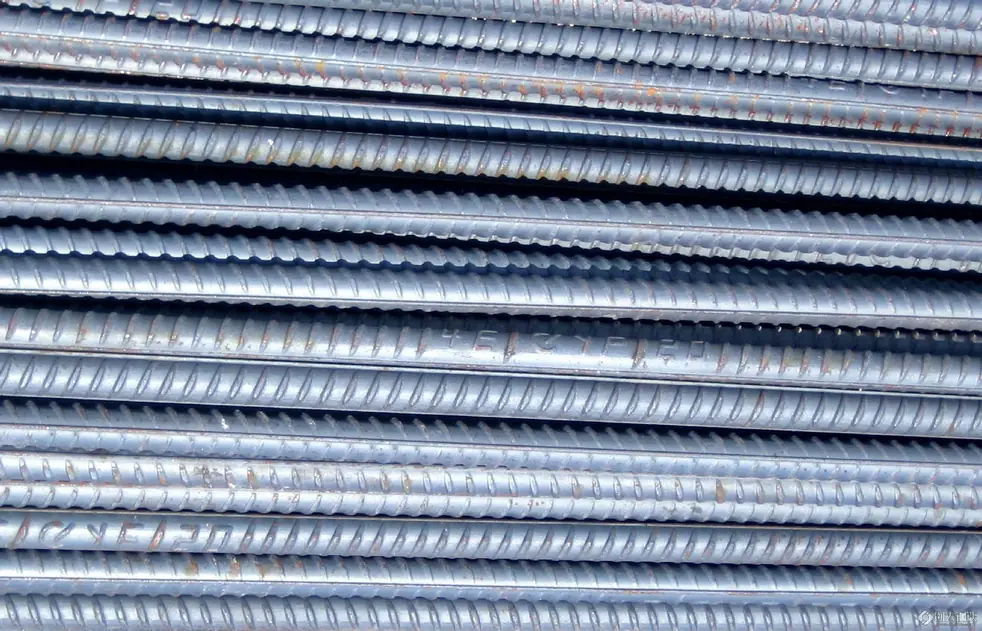
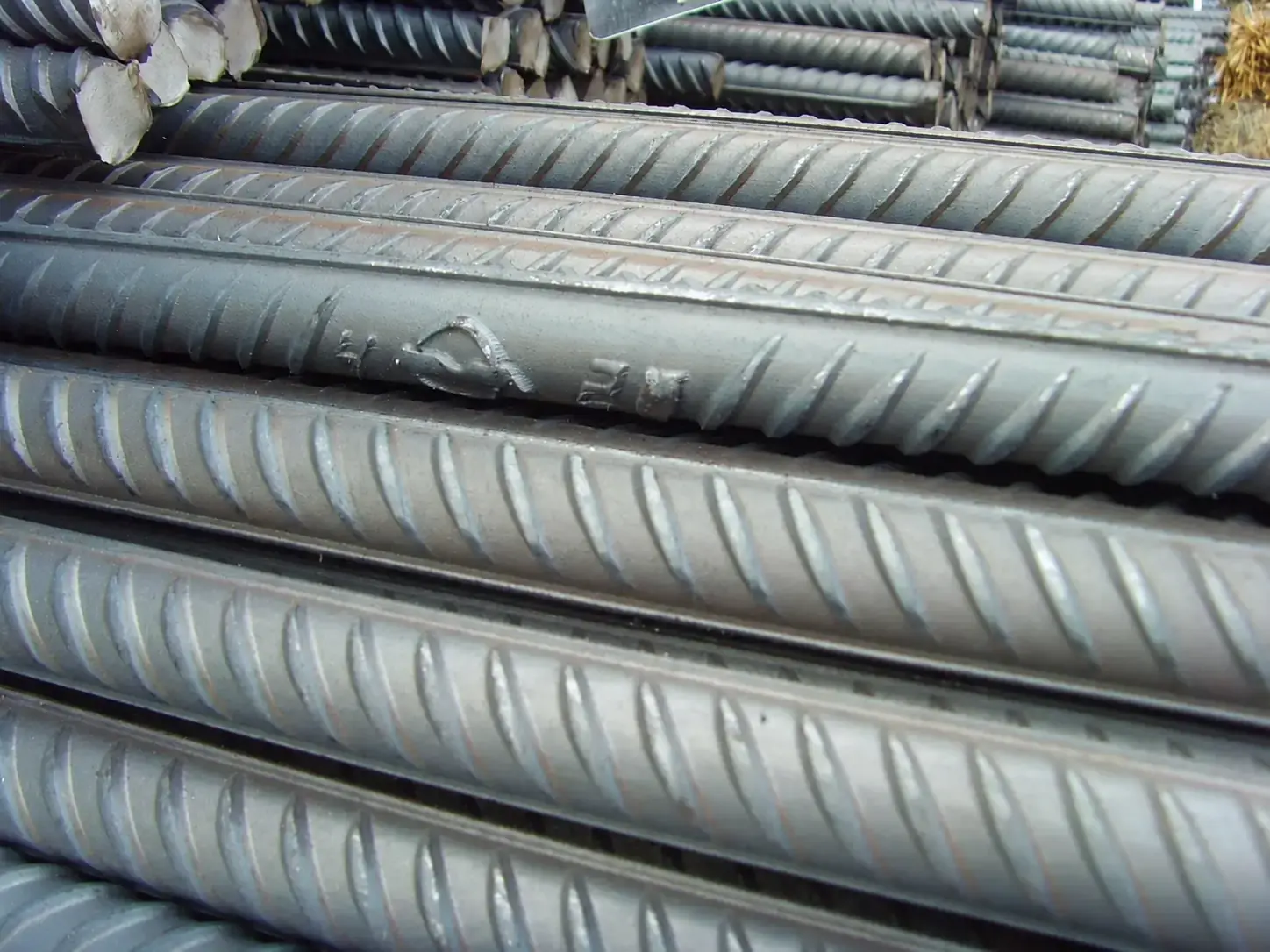
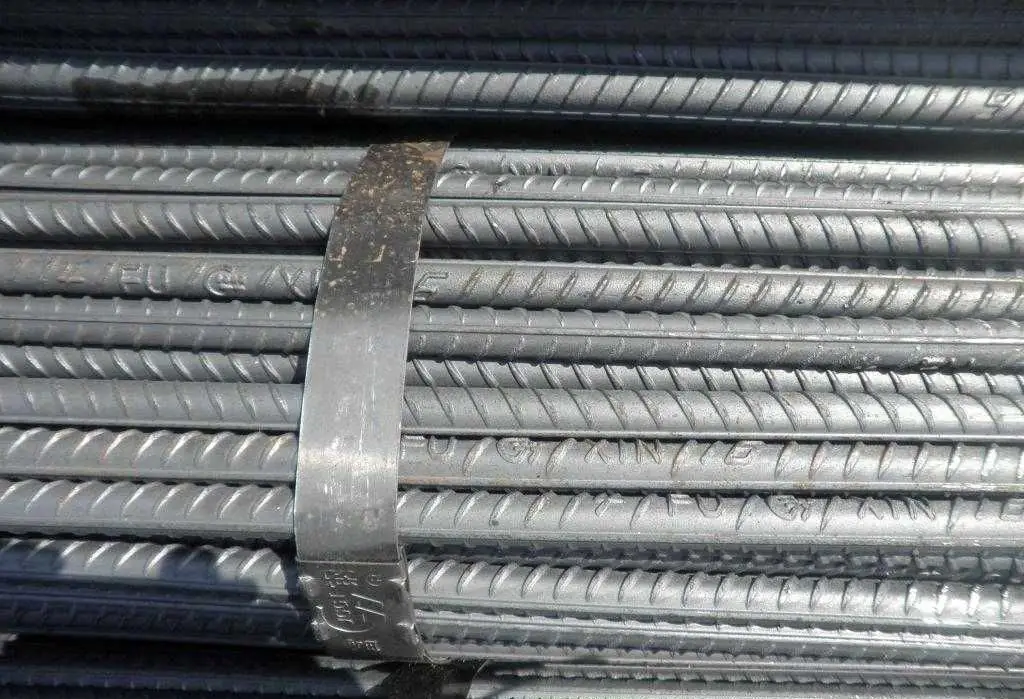
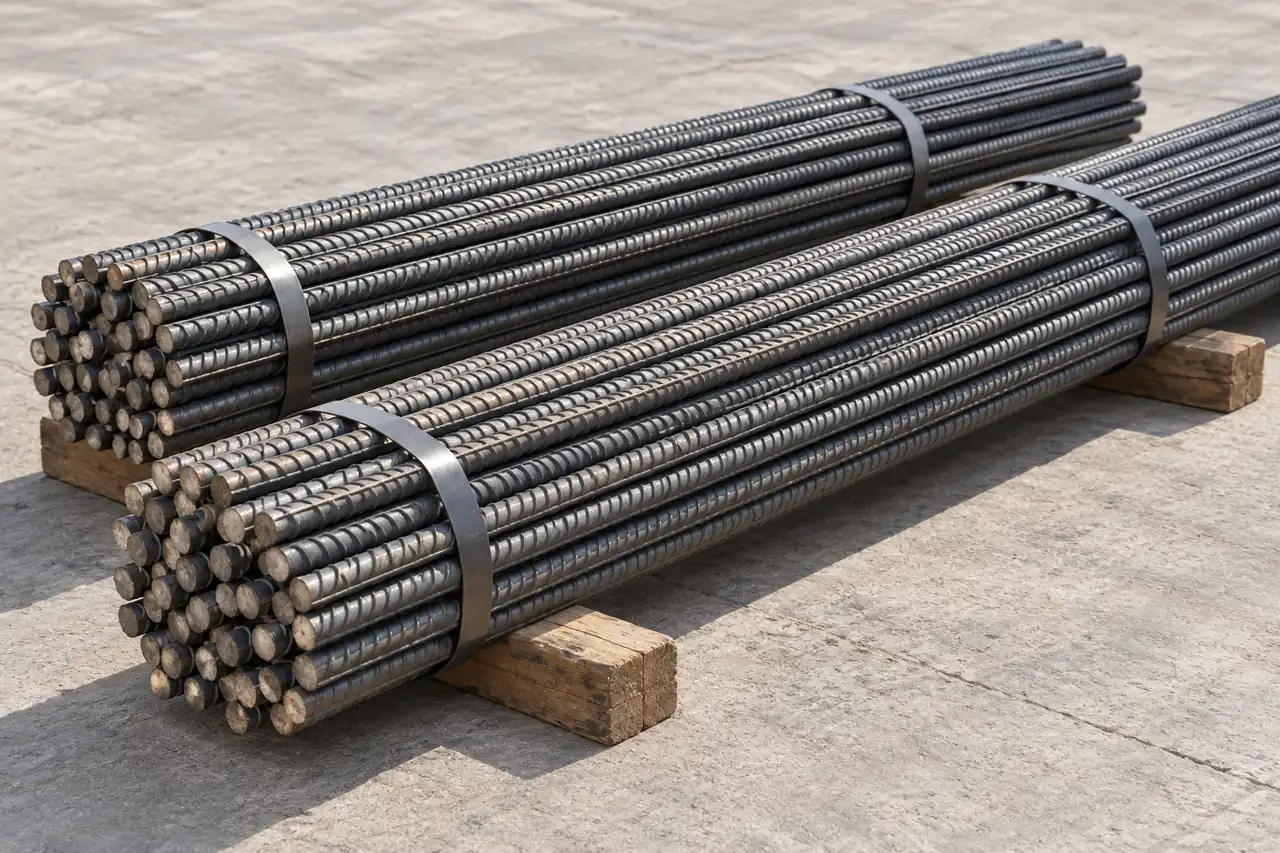
State the diameter or nominal-size system, dimensional tolerances and length requirements from the governing project documents. Agree any required checks of deformation geometry or other bar characteristics. A visual ribbed surface can identify a general product form, but it cannot establish the selected dimensional standard or grade.
Request records linked to the delivered material
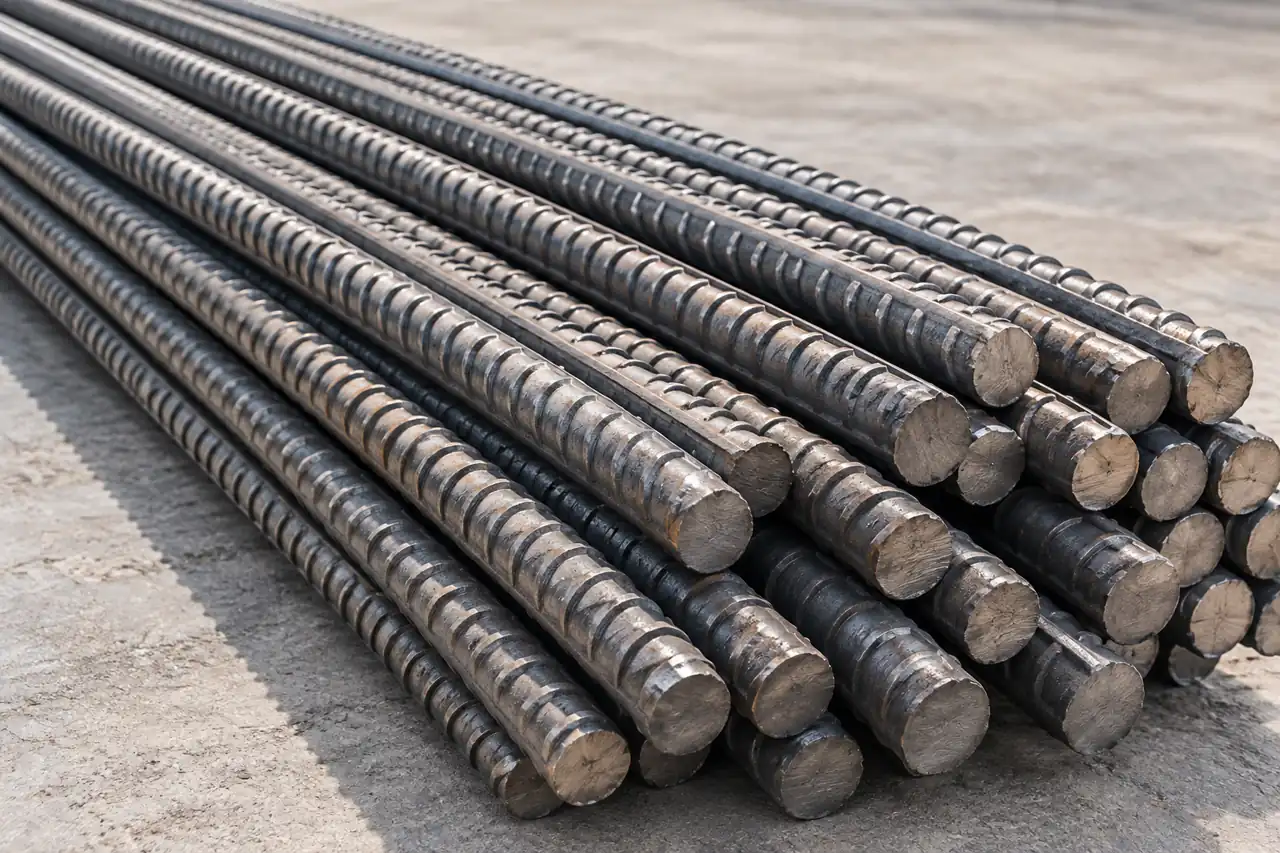
Specify the material-certificate and testing scope required by the project. Ask how heat or lot identity is carried through supply and delivery. A sample document from another batch does not prove the material being received, and a correctly titled record still needs to match the actual marked product.
Confirm the processing scope independently
If cutting, bending or other processing is required, provide the approved schedule and confirm the actual provider, tolerances and identification method. A straight-bar catalogue listing does not demonstrate every fabrication service. The project design and processing requirements should govern the offer rather than an assumed standard workshop practice.
Review samples for a defined approval purpose
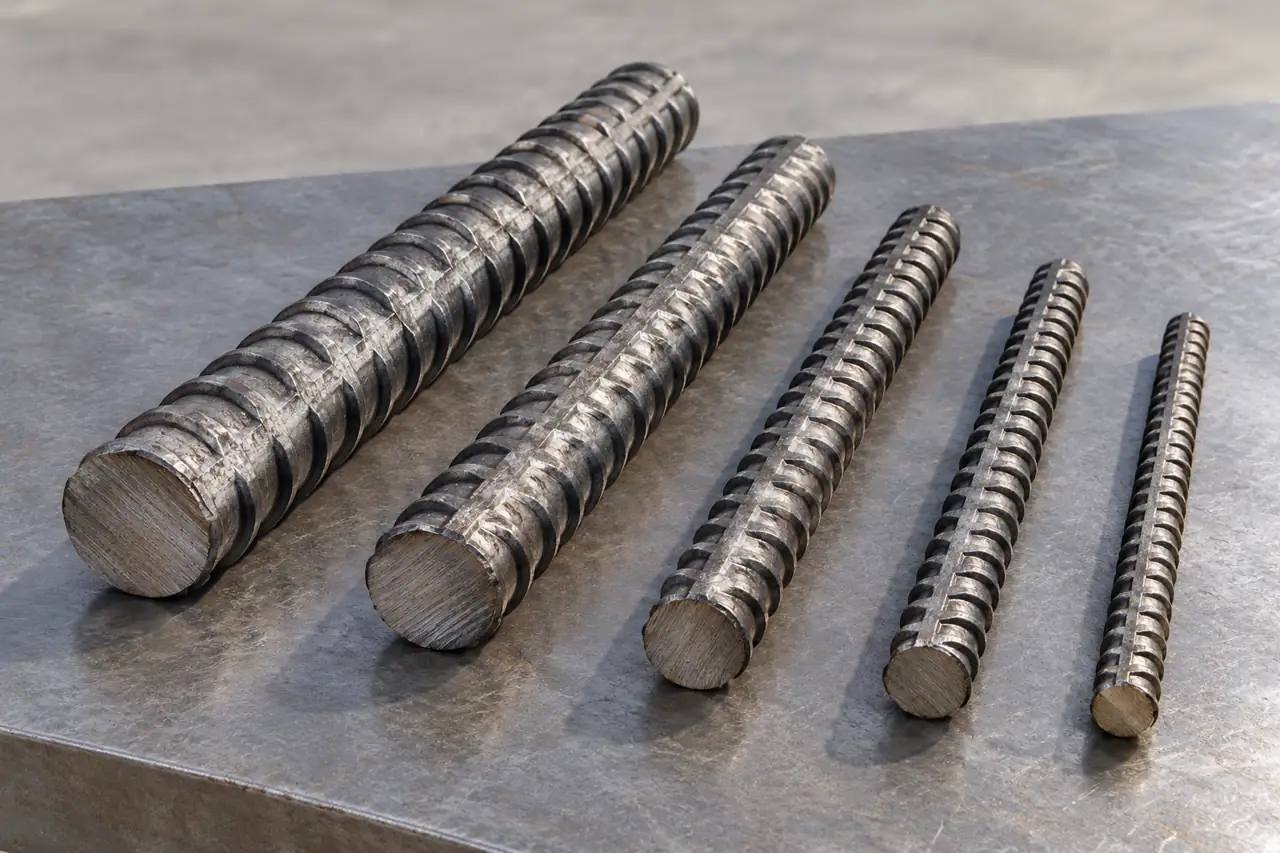
When samples or pre-delivery inspection are required, state which material and features they must represent. Record the sample identity and required tests. The project team decides the acceptance scope; a visible bar sample or a supplier photograph cannot establish the structural suitability of every later delivery.
Plan marking and bundle separation for the site
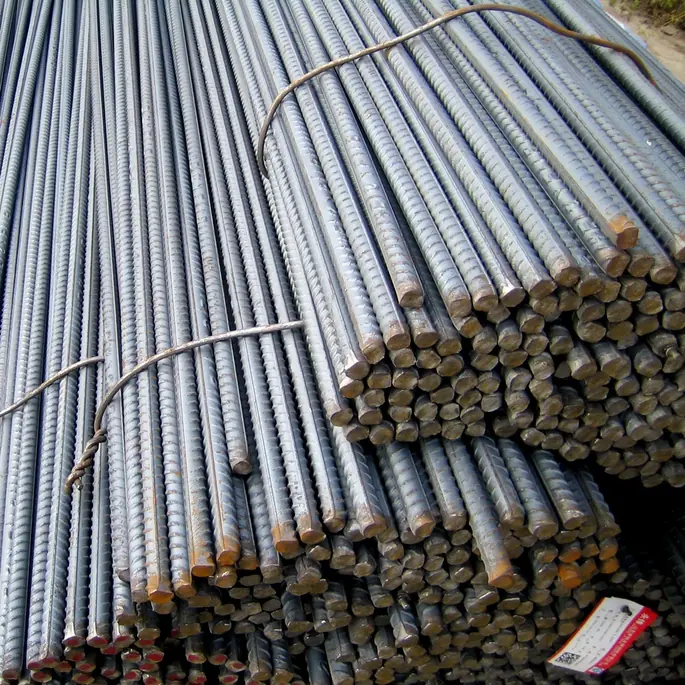
Agree bundle identification, packing-list references and the treatment of different grades, sizes and heats. Define how identity remains available after bundles are opened. Coordinate actual bundle limits with receiving, and keep damaged or unidentified material separate until the responsible project team resolves its disposition.
Compare quotations against the accepted material schedule
Use one schedule, inspection scope, destination and weight or count basis for the price comparison. Identify processing and staged-delivery charges separately when applicable. Availability, minimum quantities and delivery dates need an actual response for the project mix; a broad catalogue claim is not a confirmed delivery plan.
Send a rebar project RFQ
Share the selected standard and grade, bar schedule, drawing revision and processing requirements. Add required documents, inspection responsibility, destination and delivery sequence. We can discuss the catalogue candidate and confirm the actual supply proposal for project approval before material is accepted or technical deviations are released.