Shot Peening Media Qualification for Springs and Gears
For springs and gears, select peening media against the approved process specification before comparing purchase prices. We list cut-wire and cast-steel media for industrial enquiries. Give us the required material, particle form and qualification records so a proposed supply can be reviewed without confusing cleaning abrasives with an approved peening medium.
The process document sets the acceptance boundary
Start with the component family and its approved peening requirement. Identify the applicable document revision, machine constraints and prohibited media changes. Your engineering team should define the qualification and acceptance criteria; a supplier catalogue cannot establish fatigue performance or authorize substitution on a safety-critical part.
Cut wire and cast media need separate identities
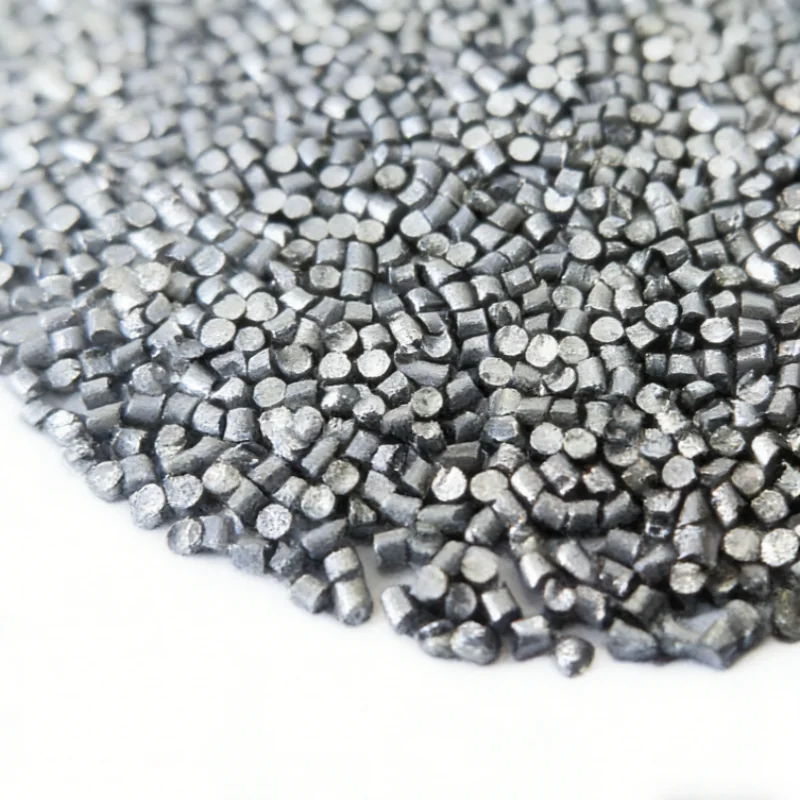
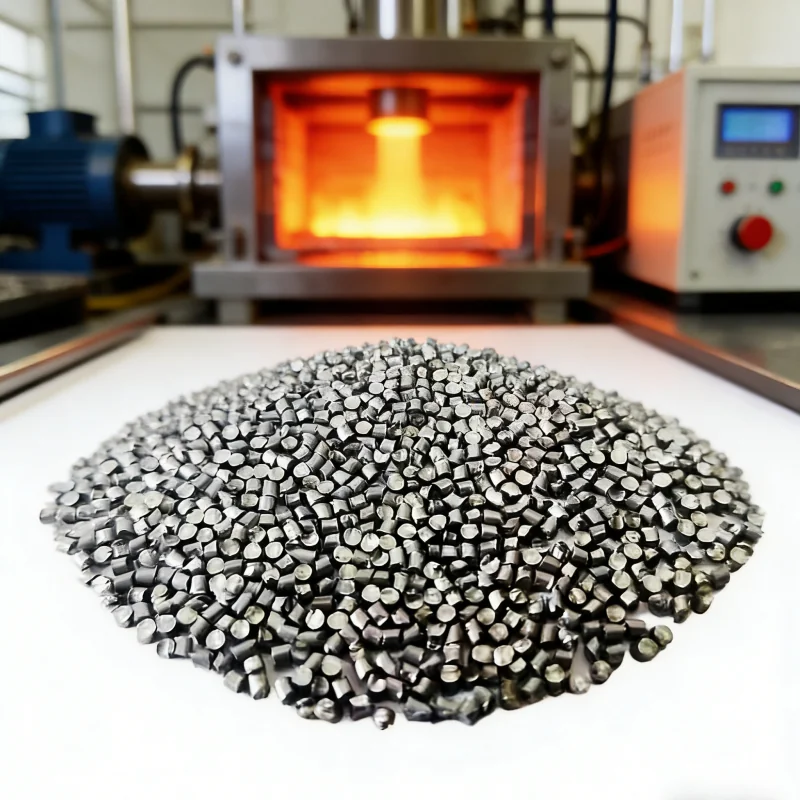
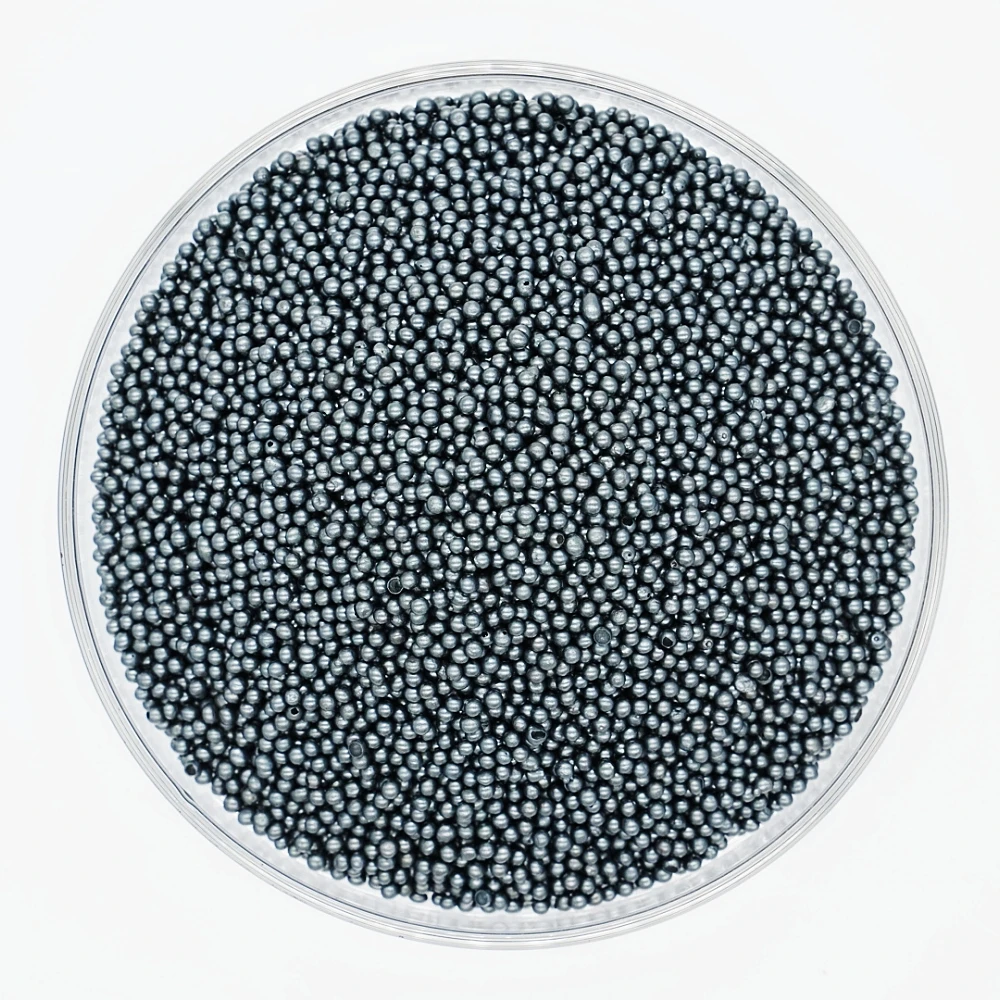
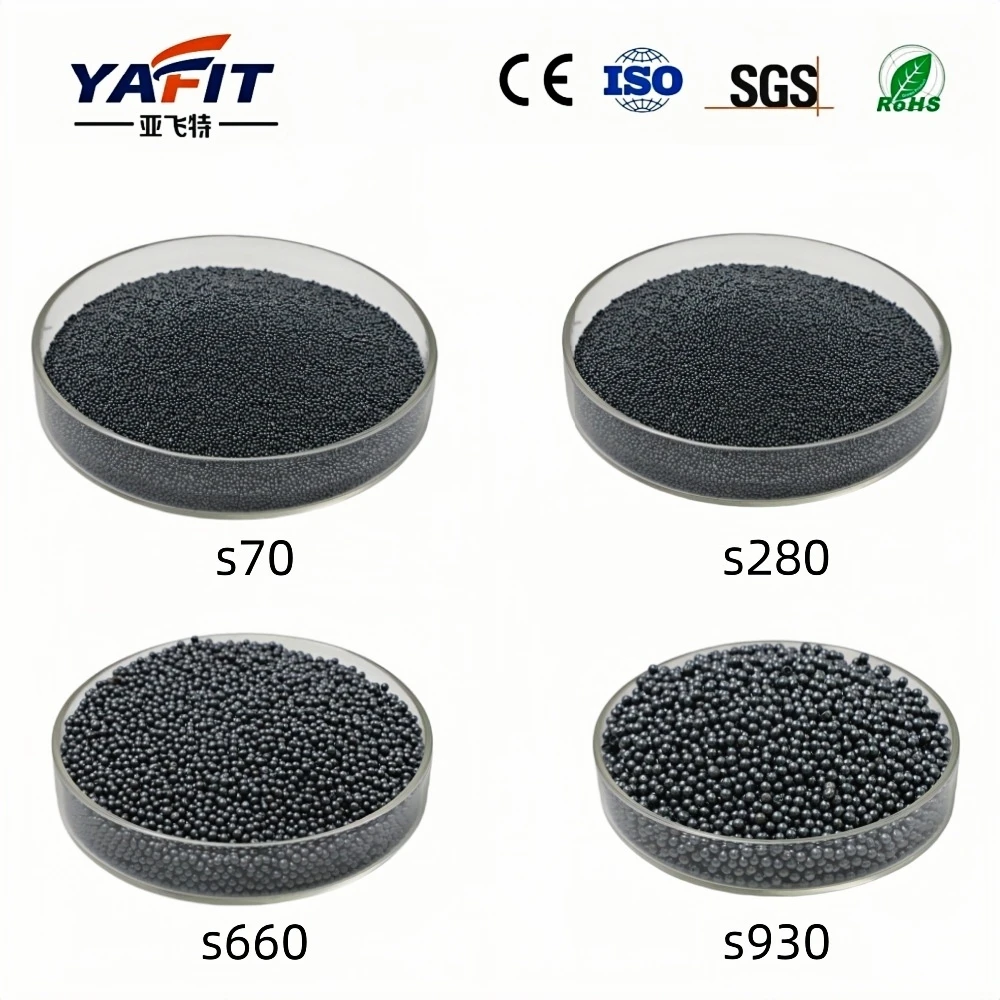
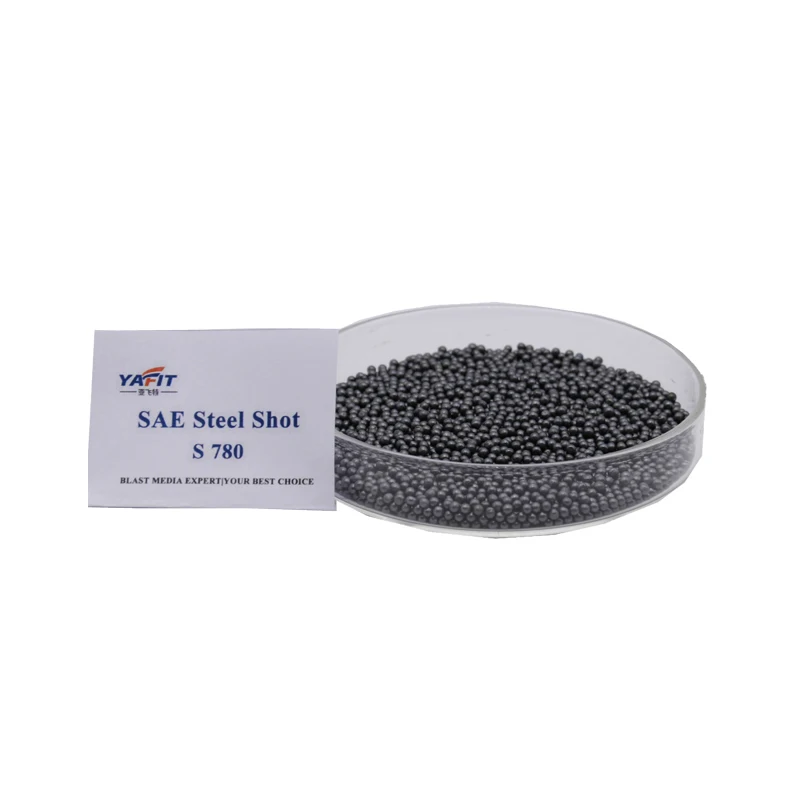
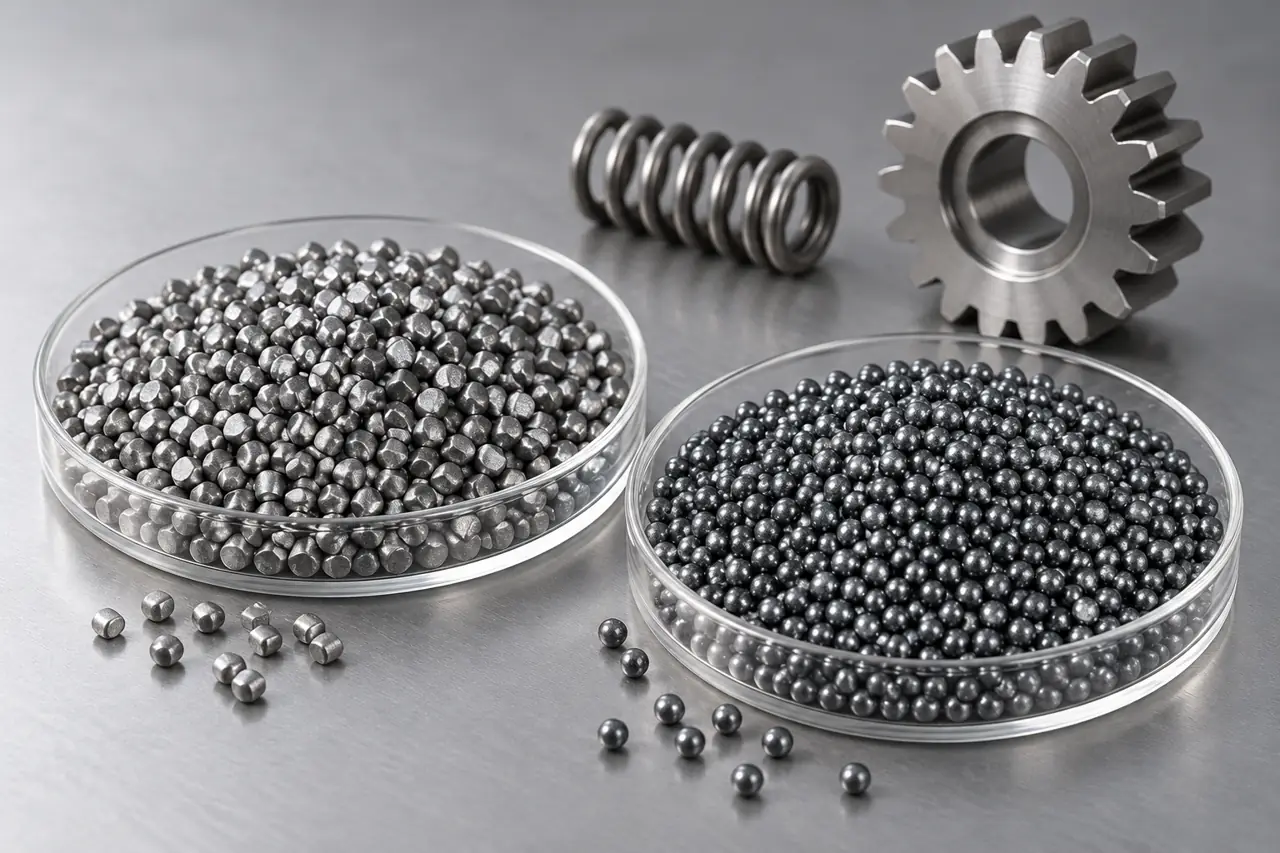
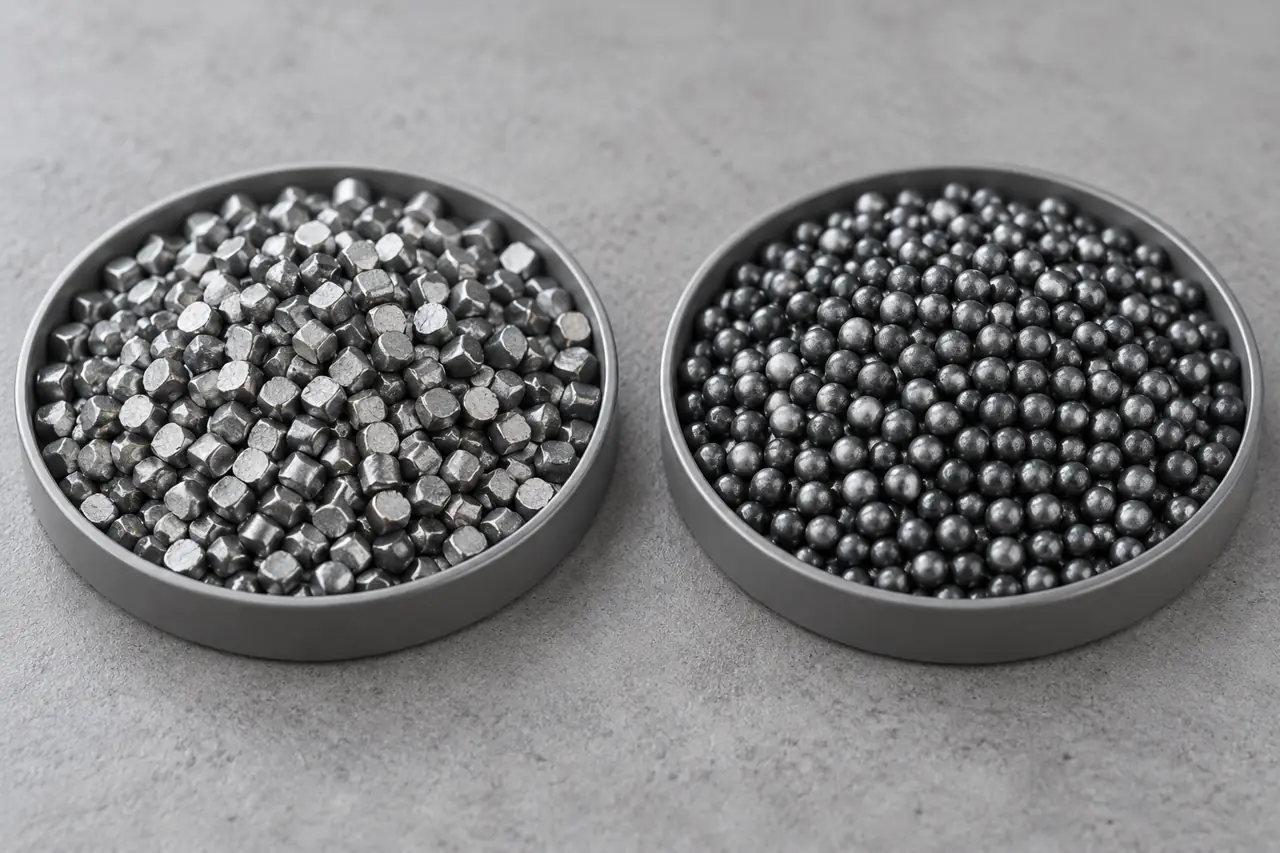
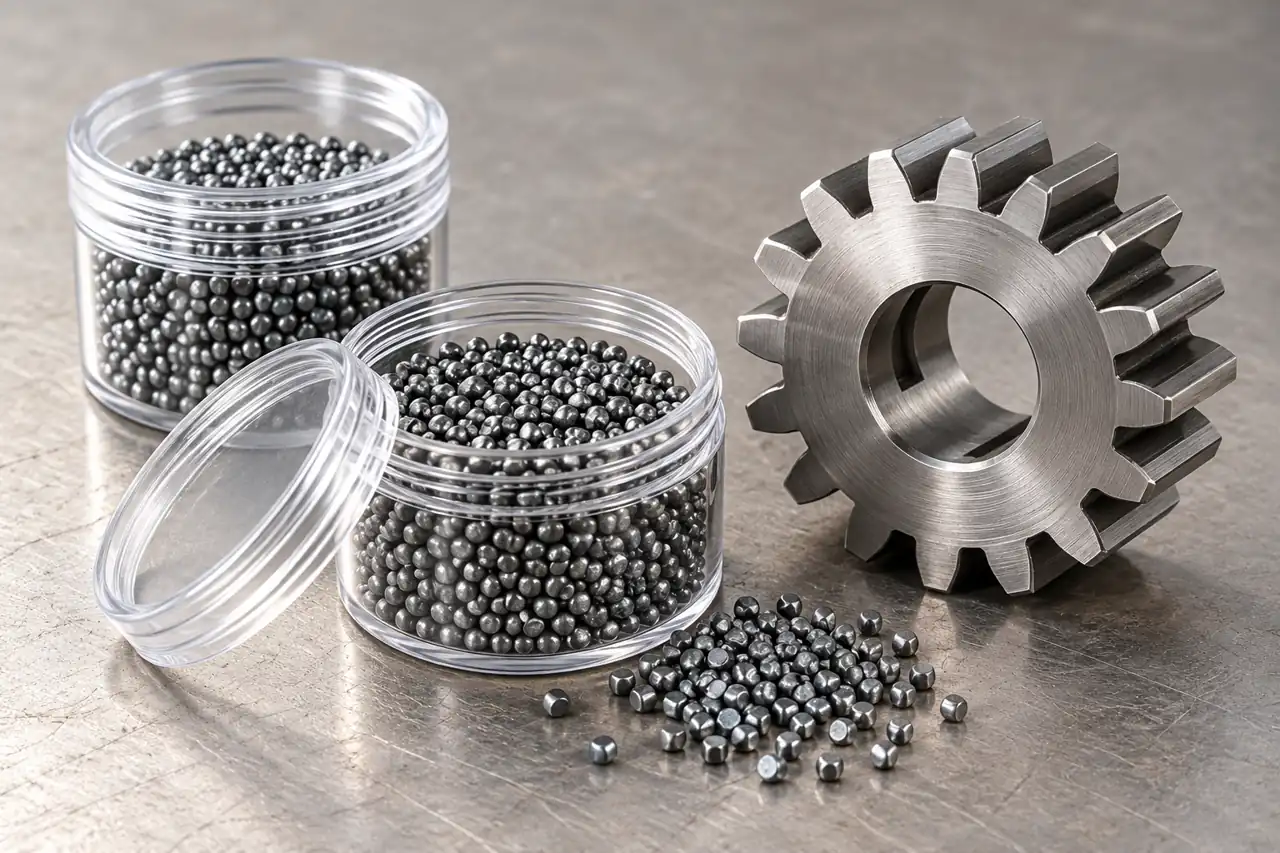
Cut-wire origin and cast origin describe different manufacturing routes, while conditioning describes the supplied particle form. Request the proposed shape designation and a representative sample rather than interpreting a general shot label as proof of roundness. The listed carbon cut-wire candidate provides a starting point for a specification discussion.
A batch file must connect each result to its sample
Build an approval file around the offered lot. Ask which material identity, size-distribution, hardness and morphology records are available, with the method and acceptance basis for each. An undated generic report is less useful than results that identify the batch proposed for your trial.
Qualification belongs on representative components
Agree a trial plan before introducing a candidate into production. Record the machine setup, media condition, representative parts and inspection method. Keep process validation separate from incoming media checks: a material sample may meet a purchase specification while the component process still needs engineering approval.
Component evidence carries more weight than appearance
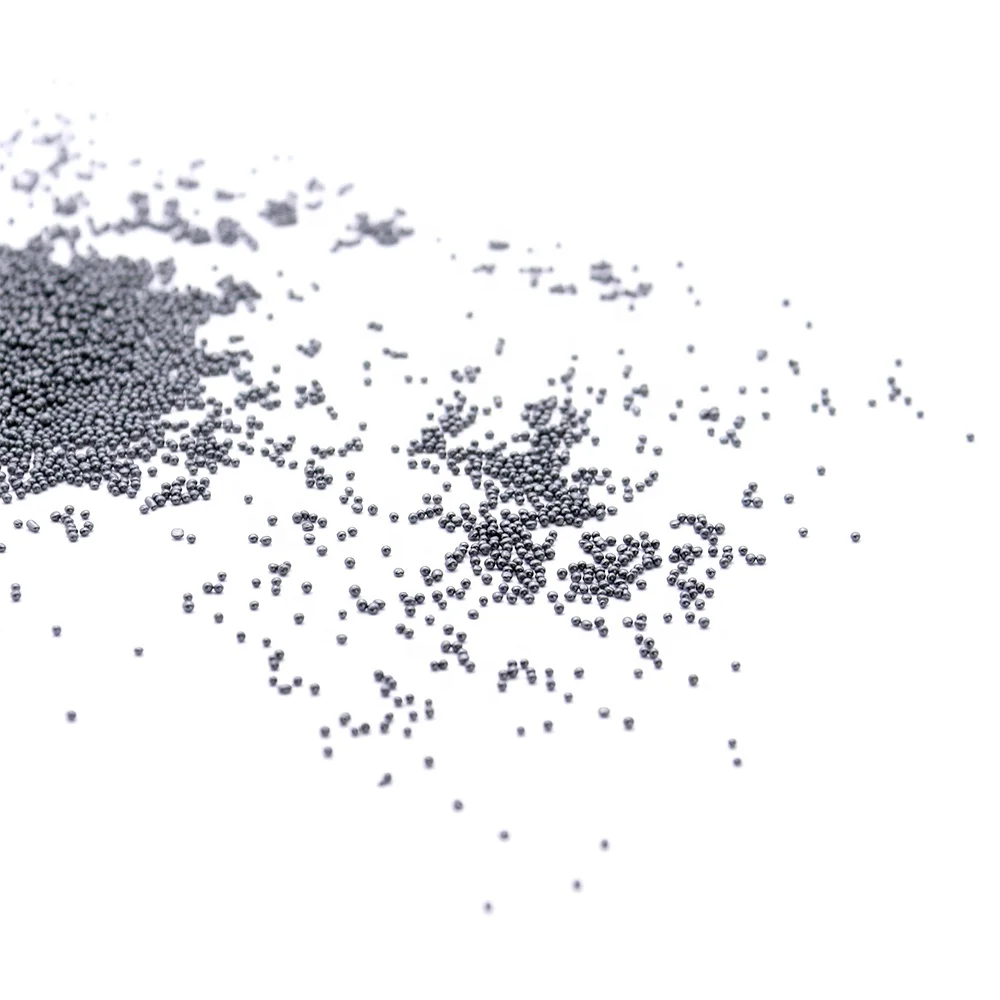
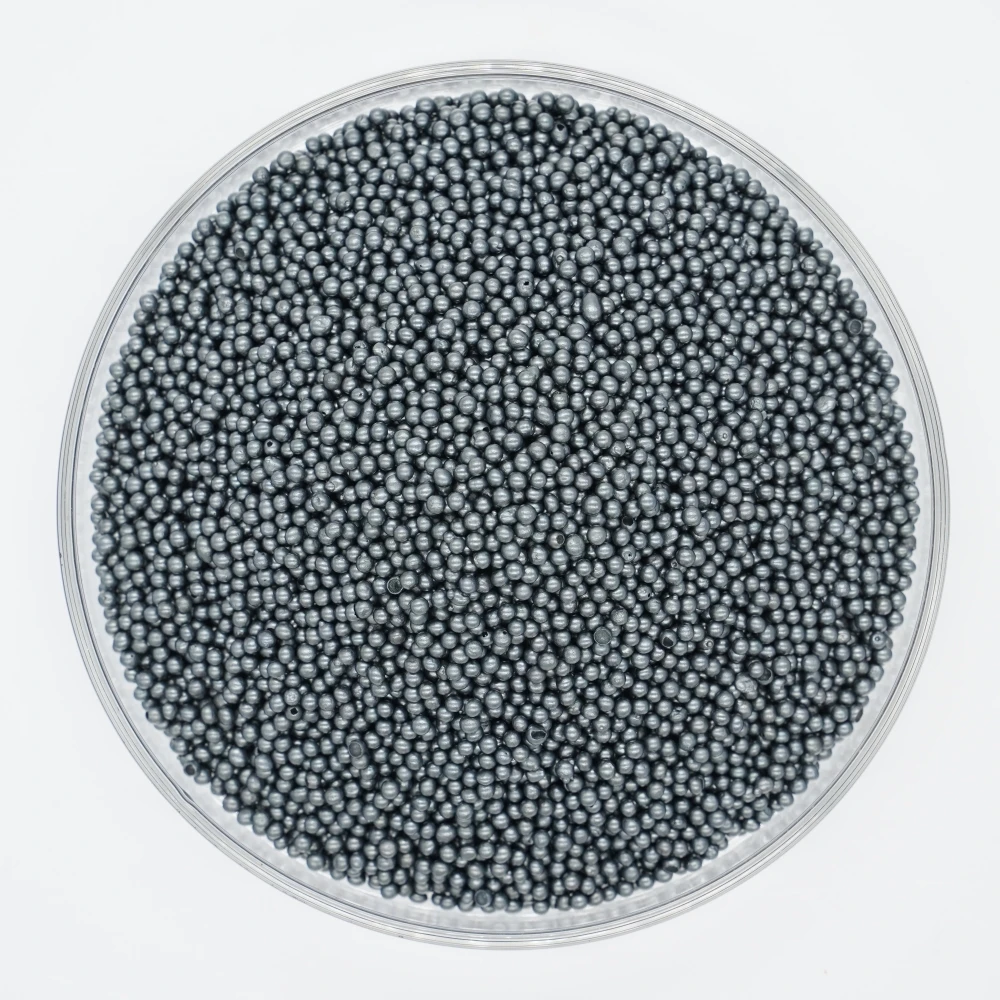
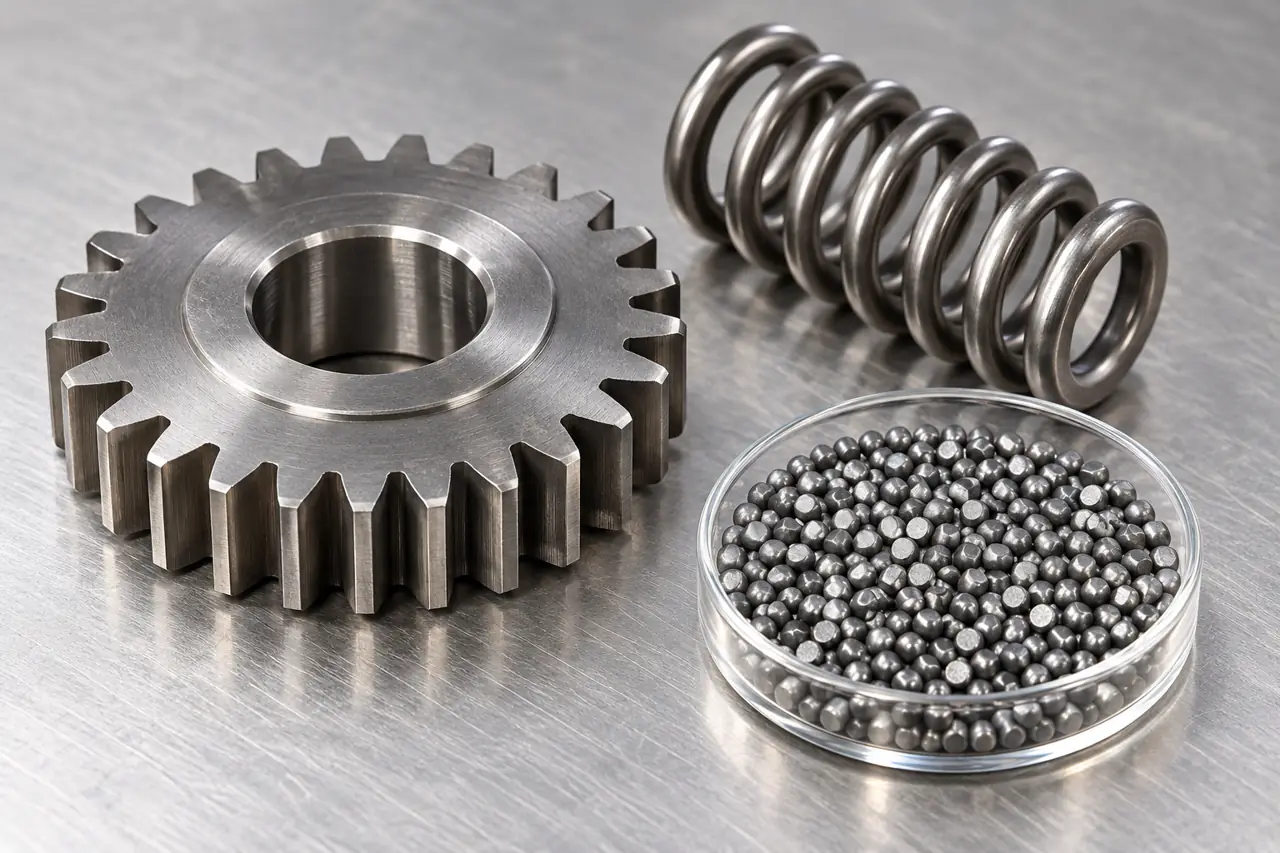
A bright gear or clean spring is not evidence of a qualified peening result. Retain the observations and measurements required by your process authority, together with the exact media reference. Use photographs to show condition and identification; use the specified tests to support the actual performance decision.
Supplier review should identify the actual supply scope
We are Qingdao Relia Industries Co., Ltd., a China manufacturer focused on steel wire and steel shot. For the proposed peening medium, request the product-specific manufacturing relationship and document scope. Confirm any requested standard, certificate or special qualification against the actual offer rather than extending a broad company description.
Retained samples help resolve a disputed lot
If morphology or material identity differs from the agreed requirement, isolate the affected supply and preserve its labels, unopened material and records. Compare the received sample with the approved reference using the agreed method. Keep machine and component records available so the investigation has a clear material and process boundary.
Repeat orders should retain the approval reference
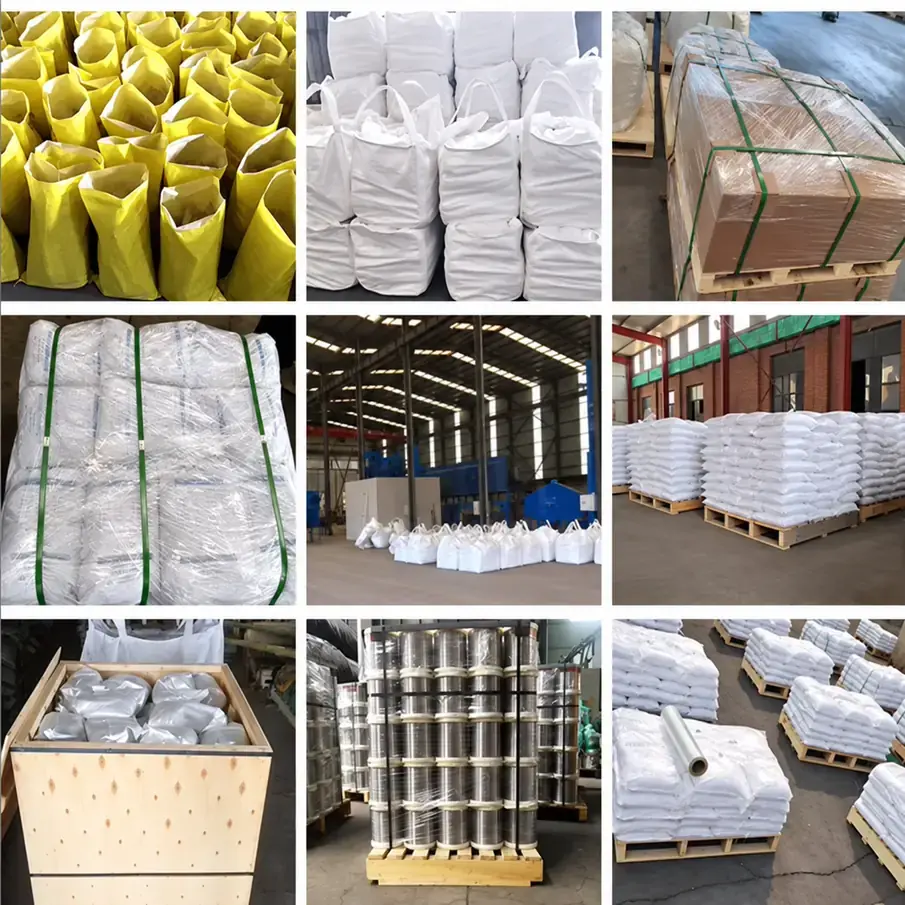
Carry the accepted specification, conditioning description and document requirements into each replenishment request. State how packing labels should connect to the batch records, and confirm sample, production and dispatch timing separately. Review a proposed material or process change before treating the next shipment as equivalent.
Send a qualification brief with the media enquiry
Share the spring or gear application, governing process document, candidate media requirements and trial quantity. Add the required batch evidence, packing identification and delivery destination. We can discuss a specific catalogue candidate and confirm the available supply and document scope for your engineering review.