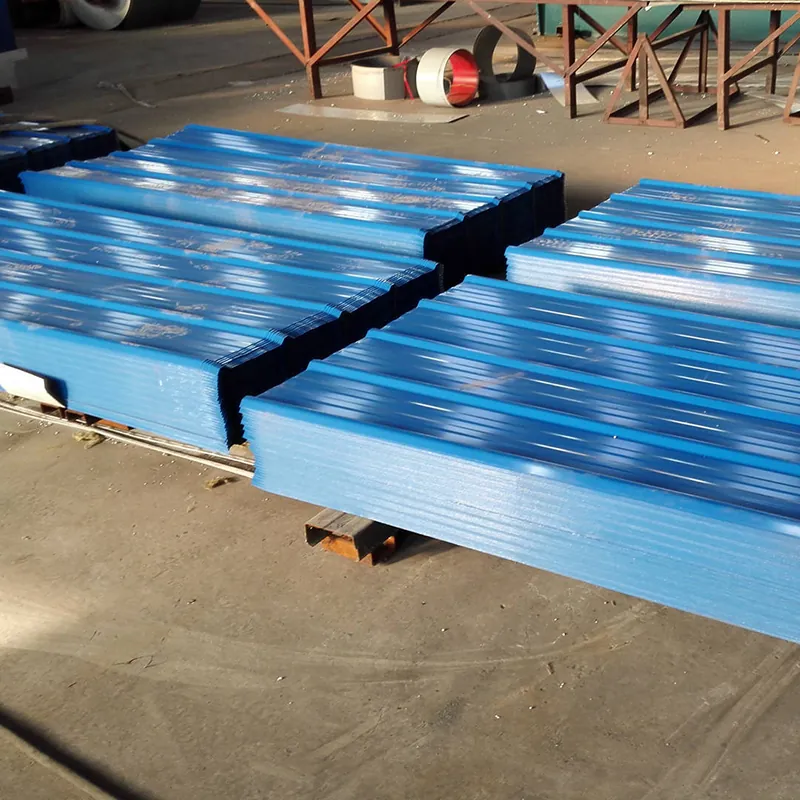
Profiled Roofing Sheets Supplied to Project Cut Lengths
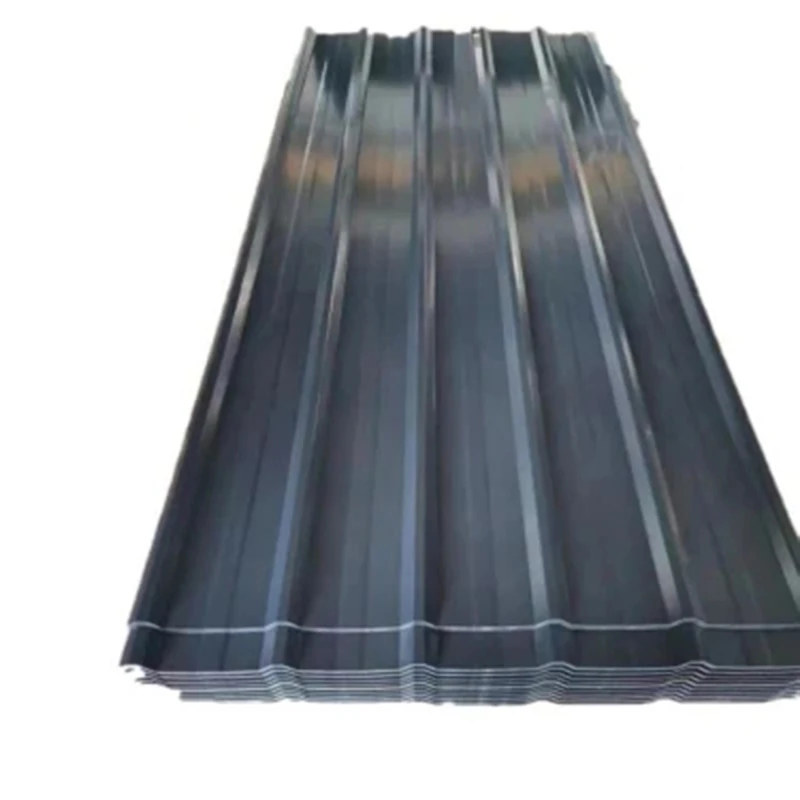
Quote finished roofing sheets from an approved panel schedule, with the profile, effective cover width and cut lengths clearly identified. Our catalogue includes profiled-sheet candidates. Confirm the actual material, coating and profile drawing before converting a roof area into a purchase quantity or treating a quoted panel as an approved match.
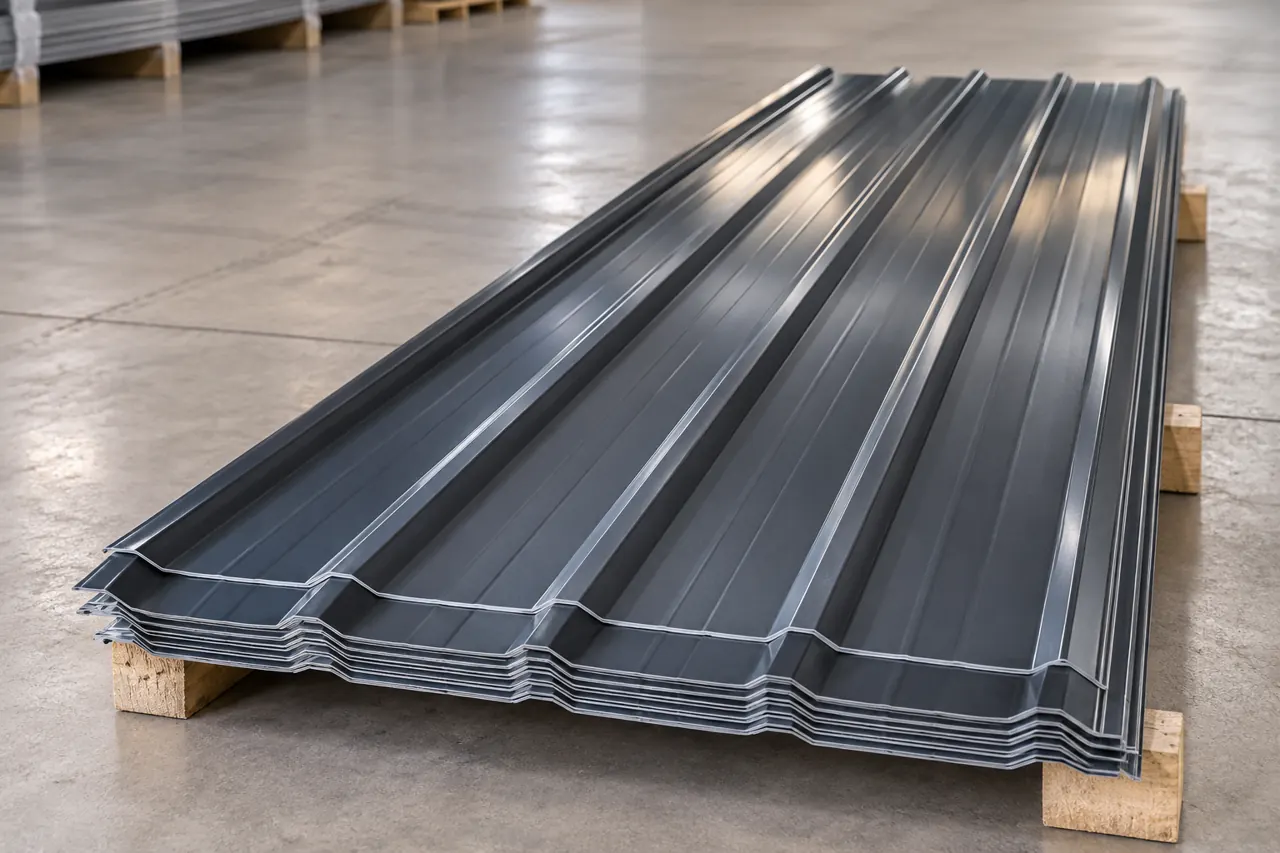
Start from the profile drawing and roof schedule
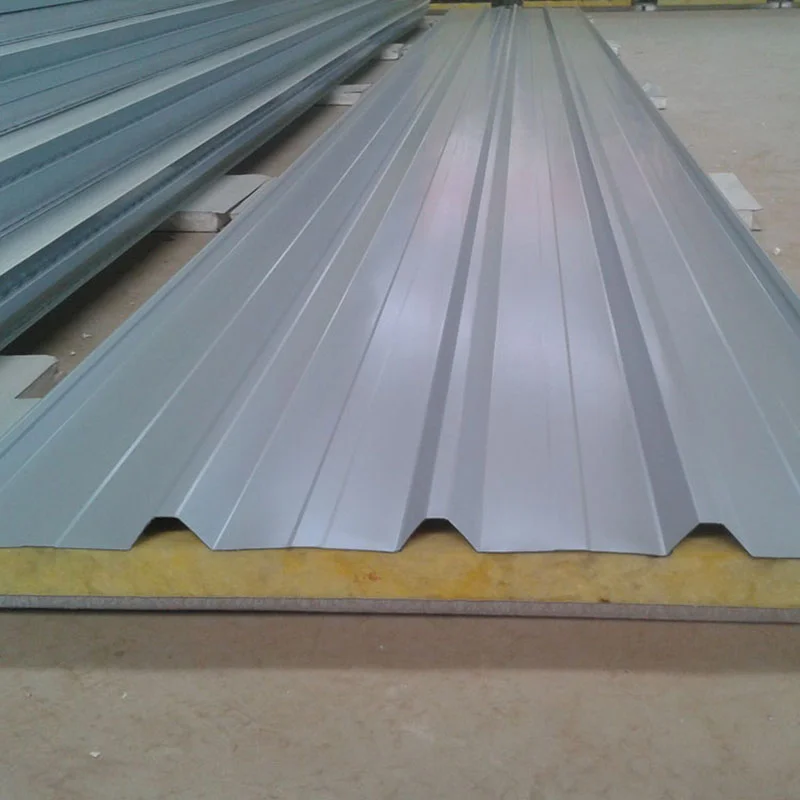
Send the specified panel profile and the current roof drawing or panel schedule. Identify the side intended to face outward and any handed or asymmetric features. A trade name or overall width does not fully describe the geometry, and a similar-looking panel may use different laps or fixing details.
Separate overall width from effective cover
The overall sheet width and the effective installed cover width serve different purposes. Keep both in the supplier response and confirm the lap arrangement with the project designer. Base quantity calculations on the approved layout rather than assuming the full physical width contributes to the roof’s coverage.
List cut lengths by panel mark
Give a quantity and finished cut length for every panel mark. Include the required length tolerance and the drawing reference that controls it. Resolve end-lap and detail allowances through the project design before releasing the order; the supplier should not have to infer them from an approximate building dimension.
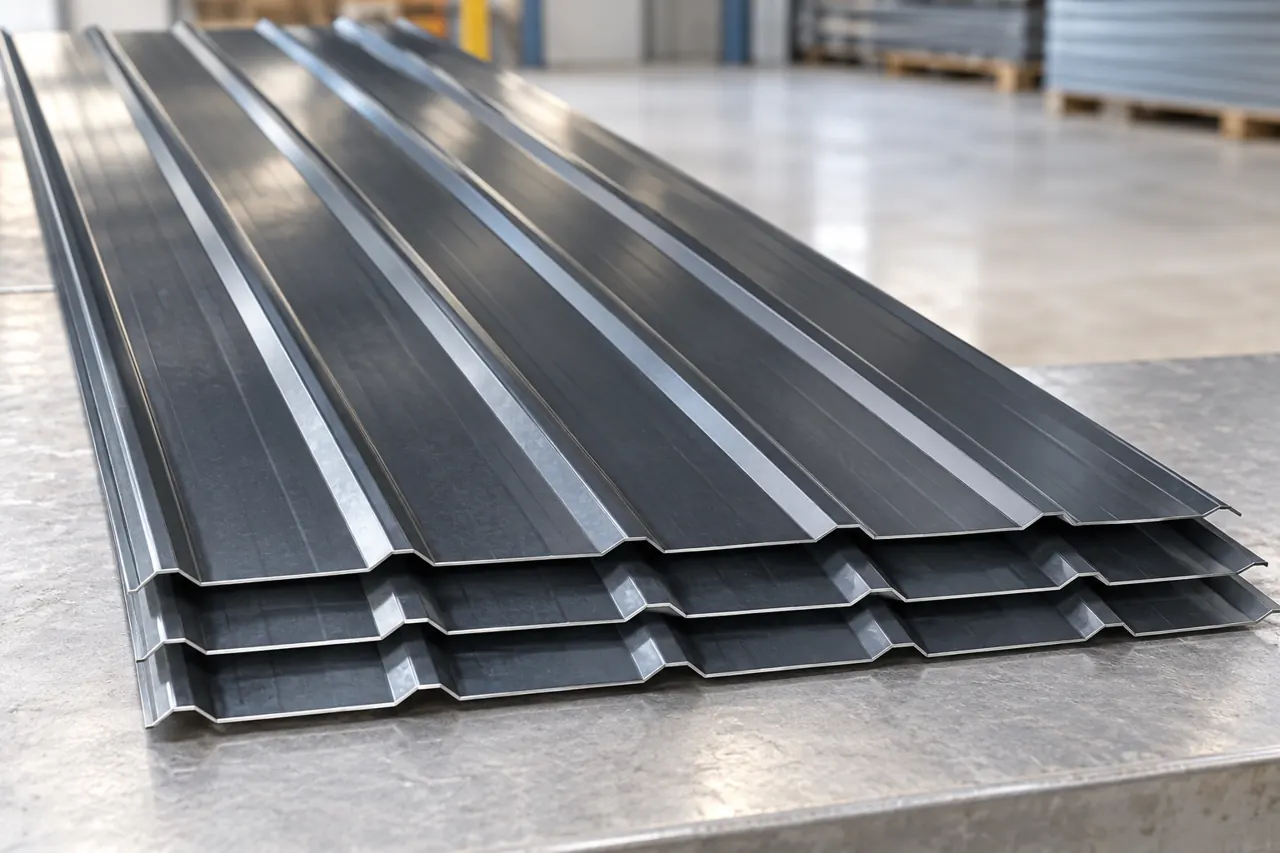
Define material and coating independently of colour
State the required substrate, thickness basis, metallic coating and paint or finish system as applicable. Agree the colour reference separately. A matching colour photograph cannot establish the material or coating specification, and a broad PPGI or PPGL description should not silently replace a project’s selected requirement.
Review a sample against the real approval needs
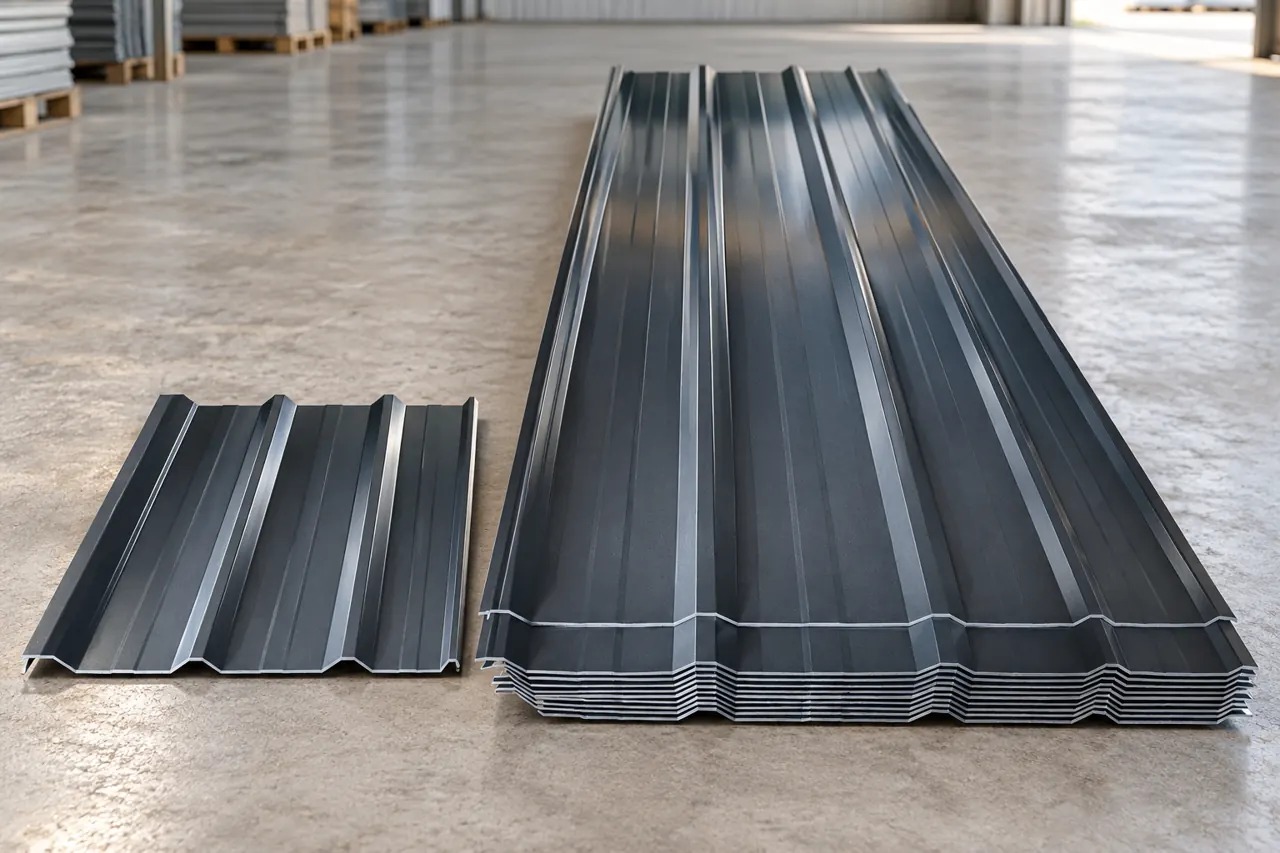
If the project requires a sample, define which features it must demonstrate: profile, colour, finish or a specified test result. Confirm whether the sample represents the proposed production material. A short profile piece can support a geometry review, but it cannot prove a long panel’s cut length or the whole shipment’s condition.
Keep fabrication scope clear in the quotation
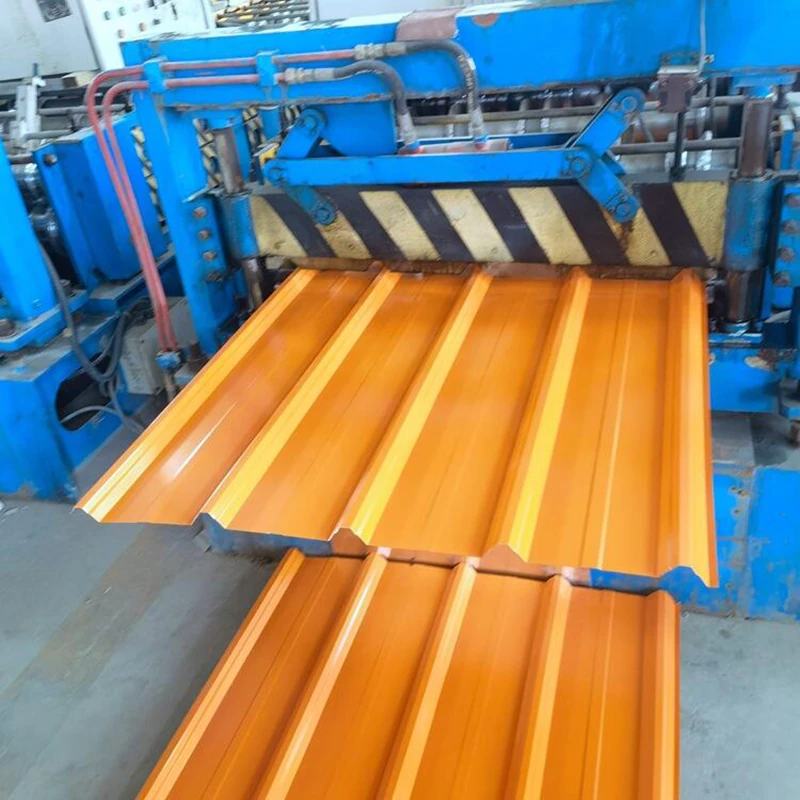
Identify which items are finished panels and which accessories or fabrication operations are separately required. Confirm the actual supply relationship and any proposed processing scope. A roofing-sheet catalogue record does not establish that design, installation, flashings or every cut-length operation are included in the offer.
Build packing around installation identification
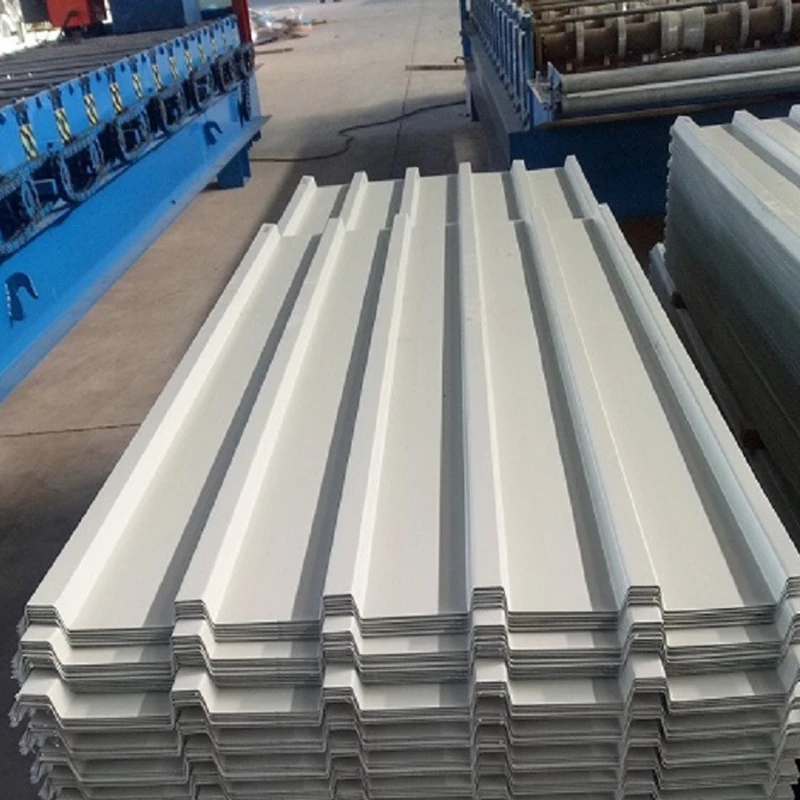
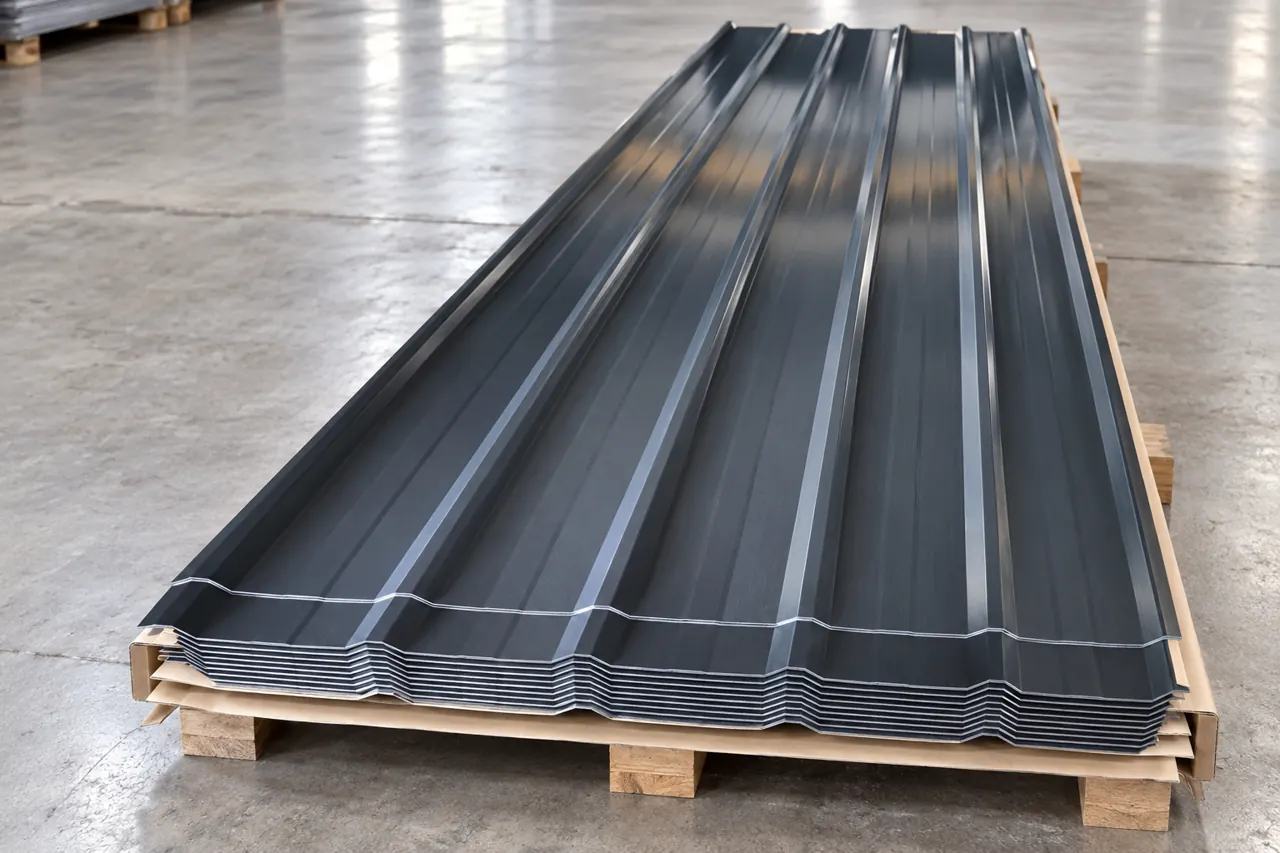
Group the panel schedule into packing units that the project team can receive and identify. Agree protection of coated surfaces, supported lengths and panel-mark references. Confirm the proposed arrangement and handling limits in the actual order; an illustrative stack does not establish the packing specification for a long-sheet delivery.
Check the schedule again before order release
Reconcile drawing revision, profile, material, panel count and cut lengths in one controlled schedule. Record who approves any deviation. A late roof-layout change can make otherwise conforming panels unsuitable for their planned location, so distinguish a material defect from an order based on an obsolete schedule.
Send a finished-panel enquiry package
Share the profile drawing, panel schedule, selected material and coating requirements. Add tolerances, sample needs, destination and packing constraints. We can discuss the catalogue candidate and confirm the actual offered scope, while your project team validates the layout, laps and final approval before production quantities are released.