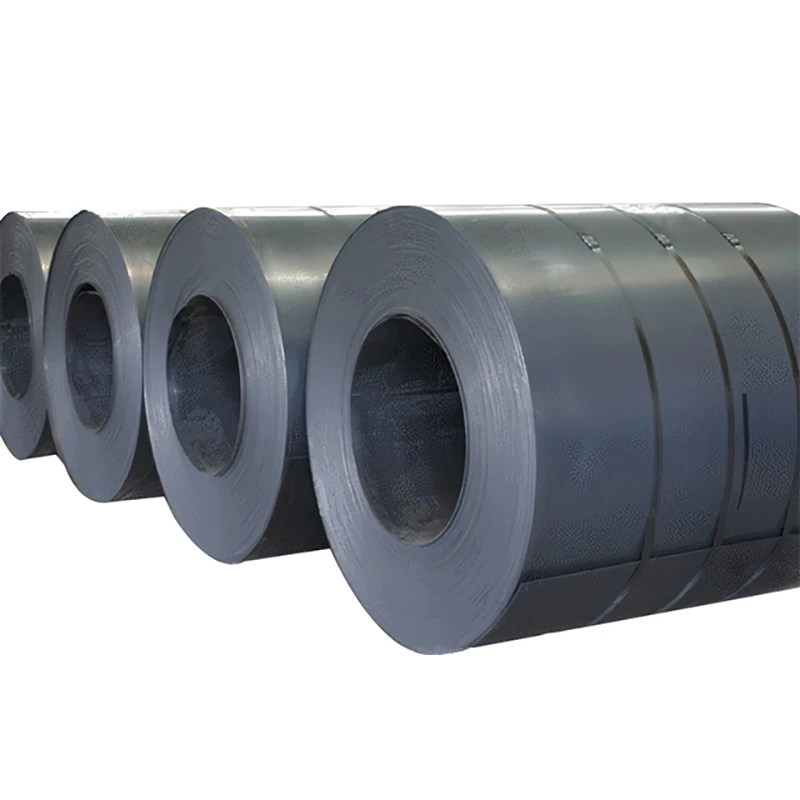
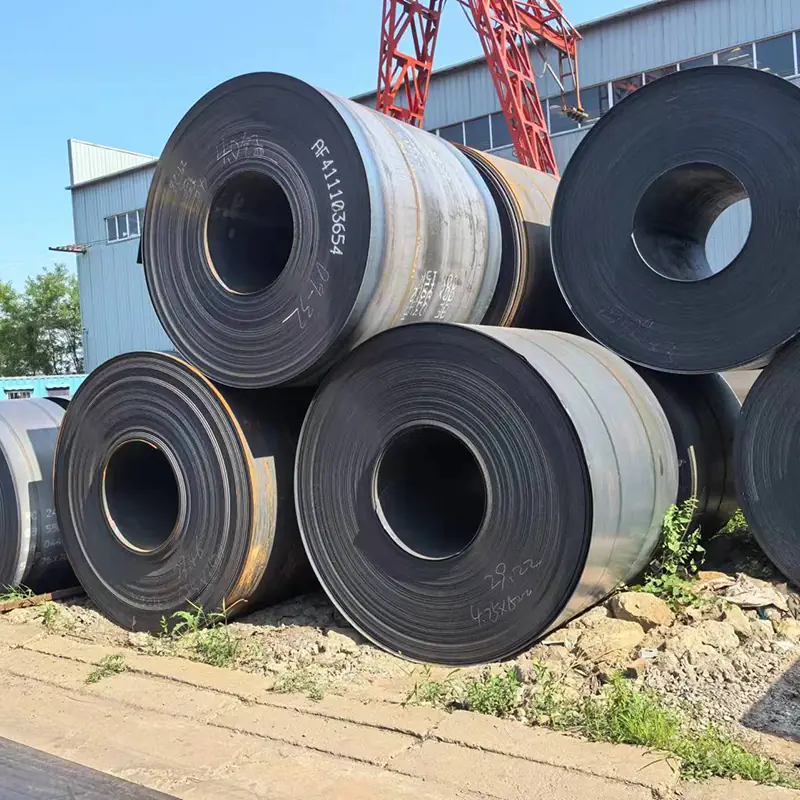
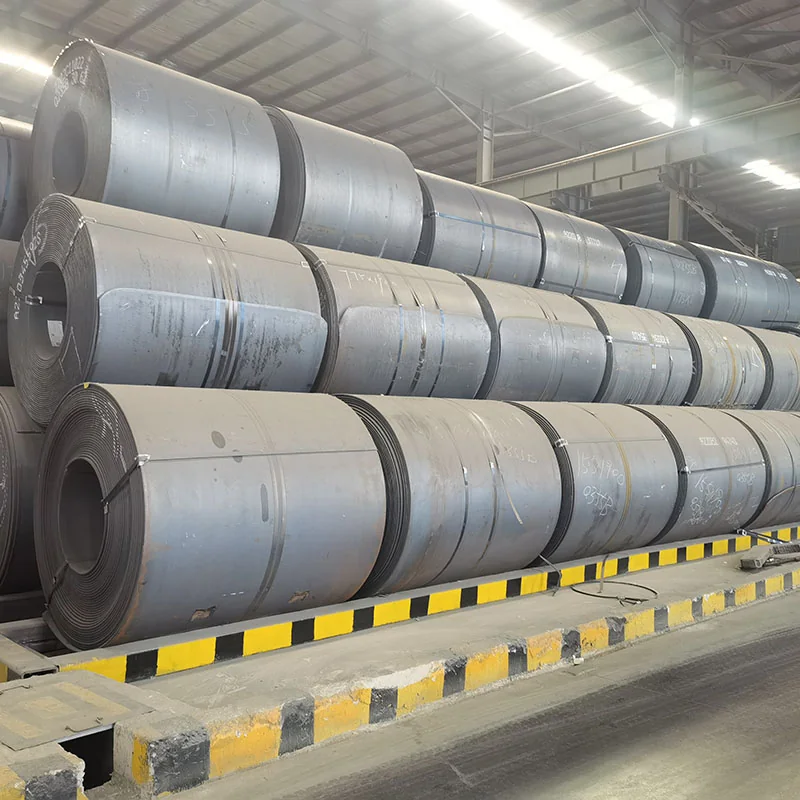
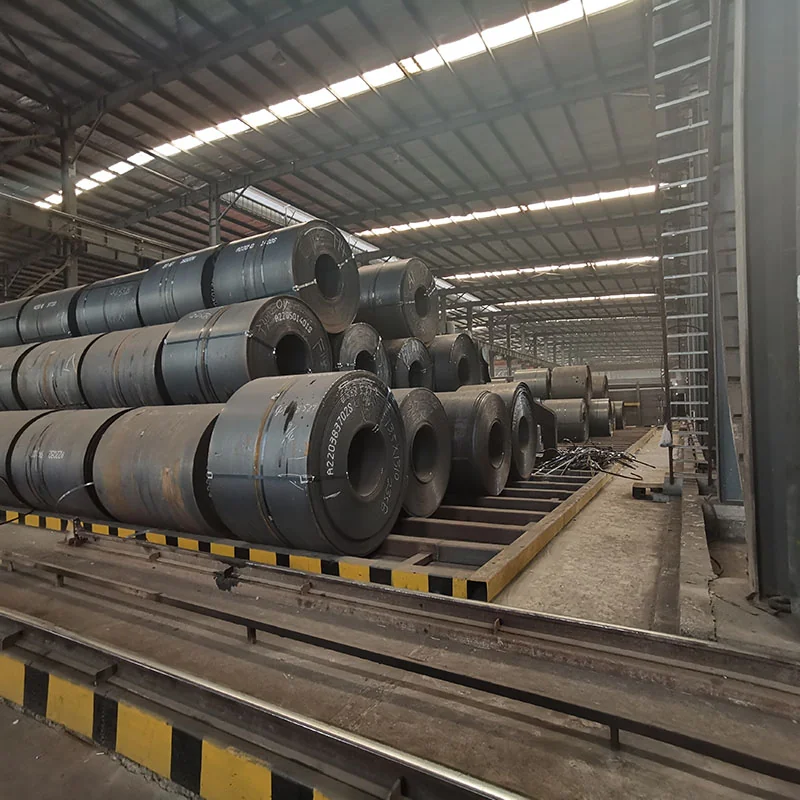
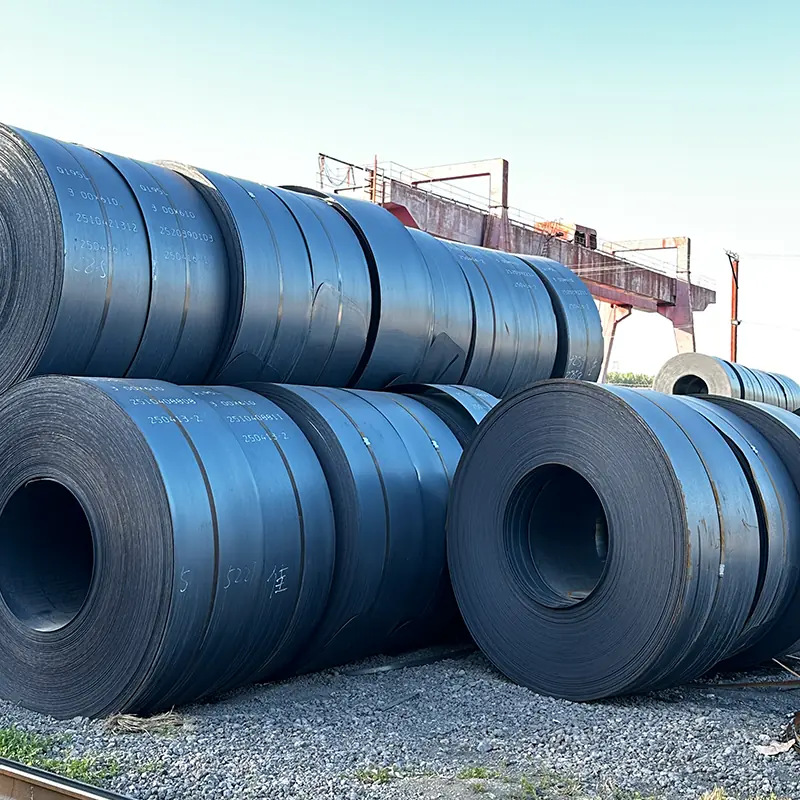
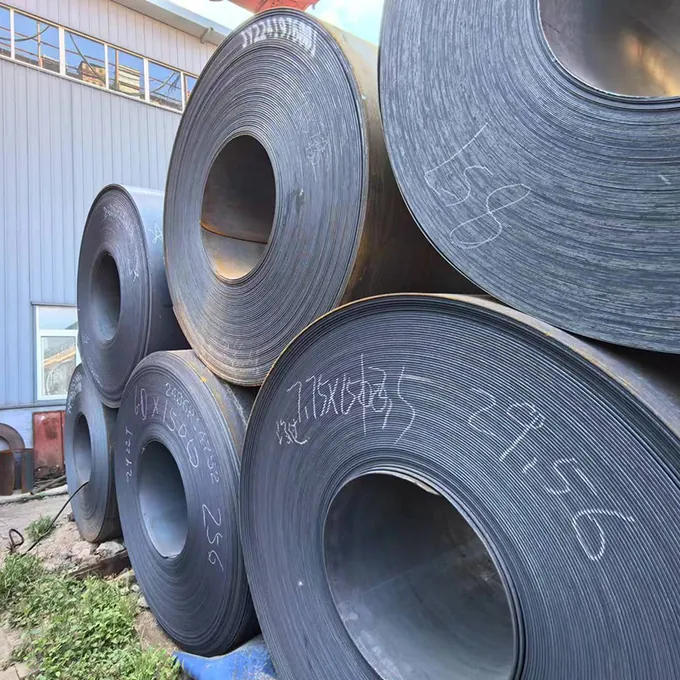
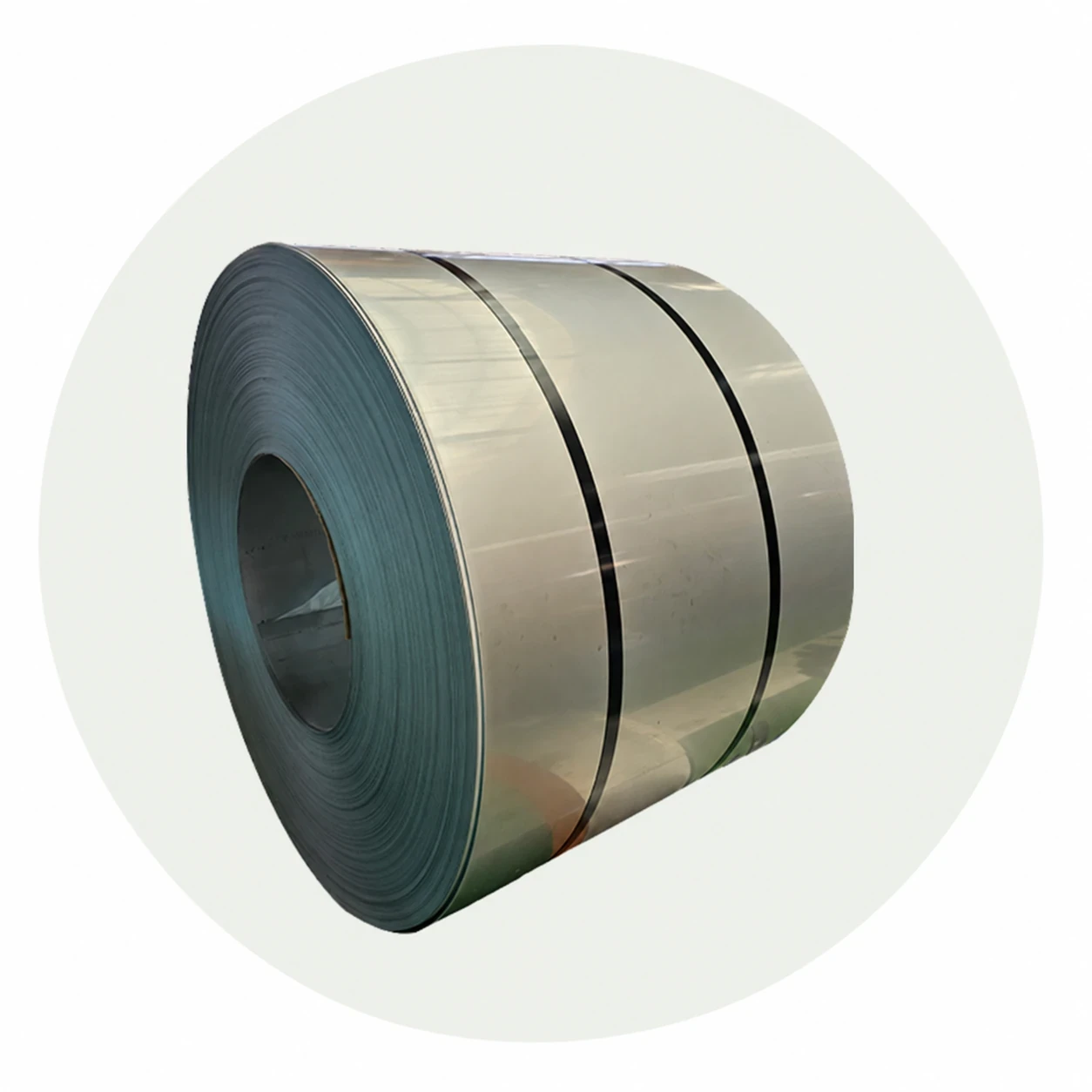
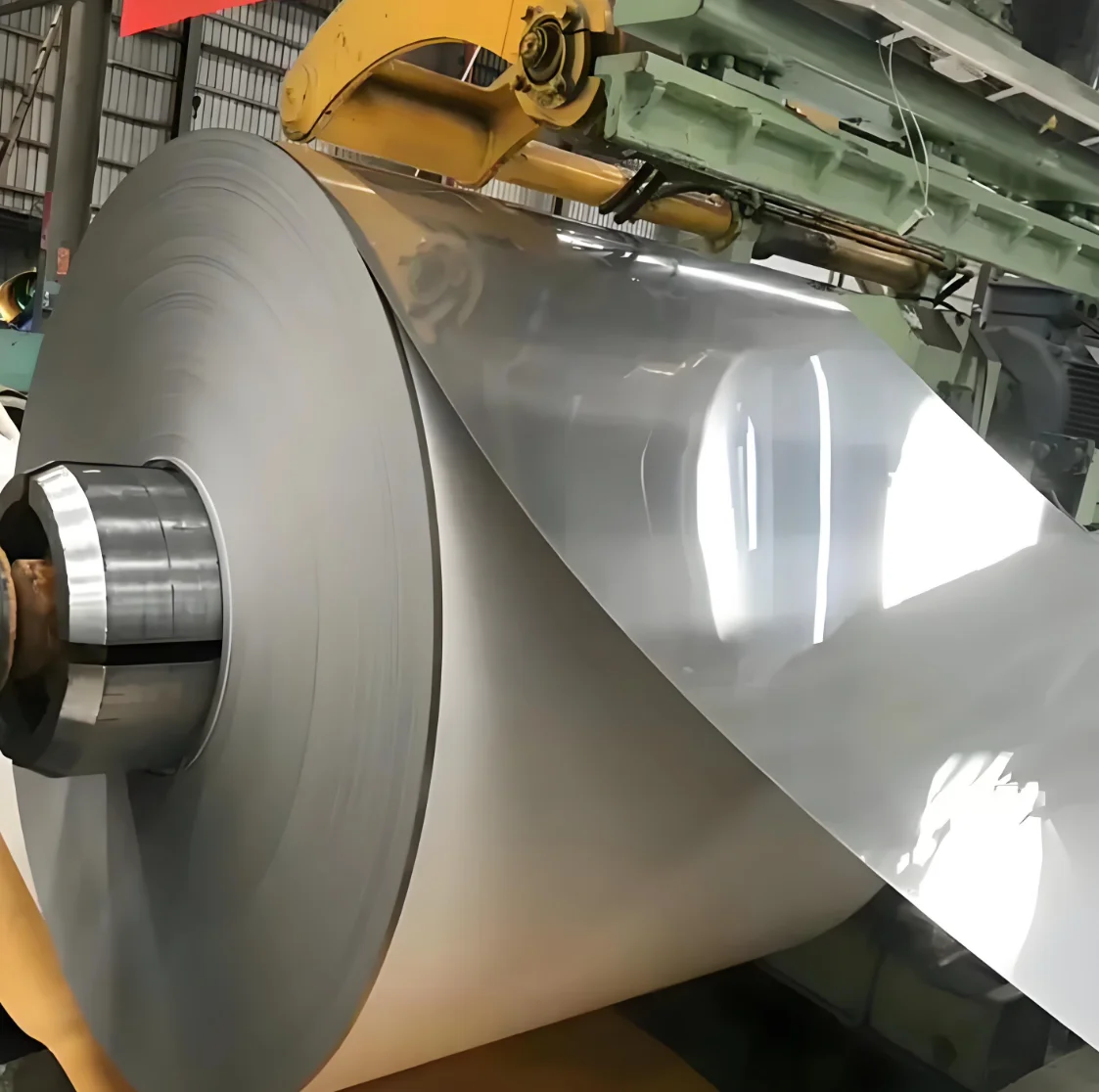
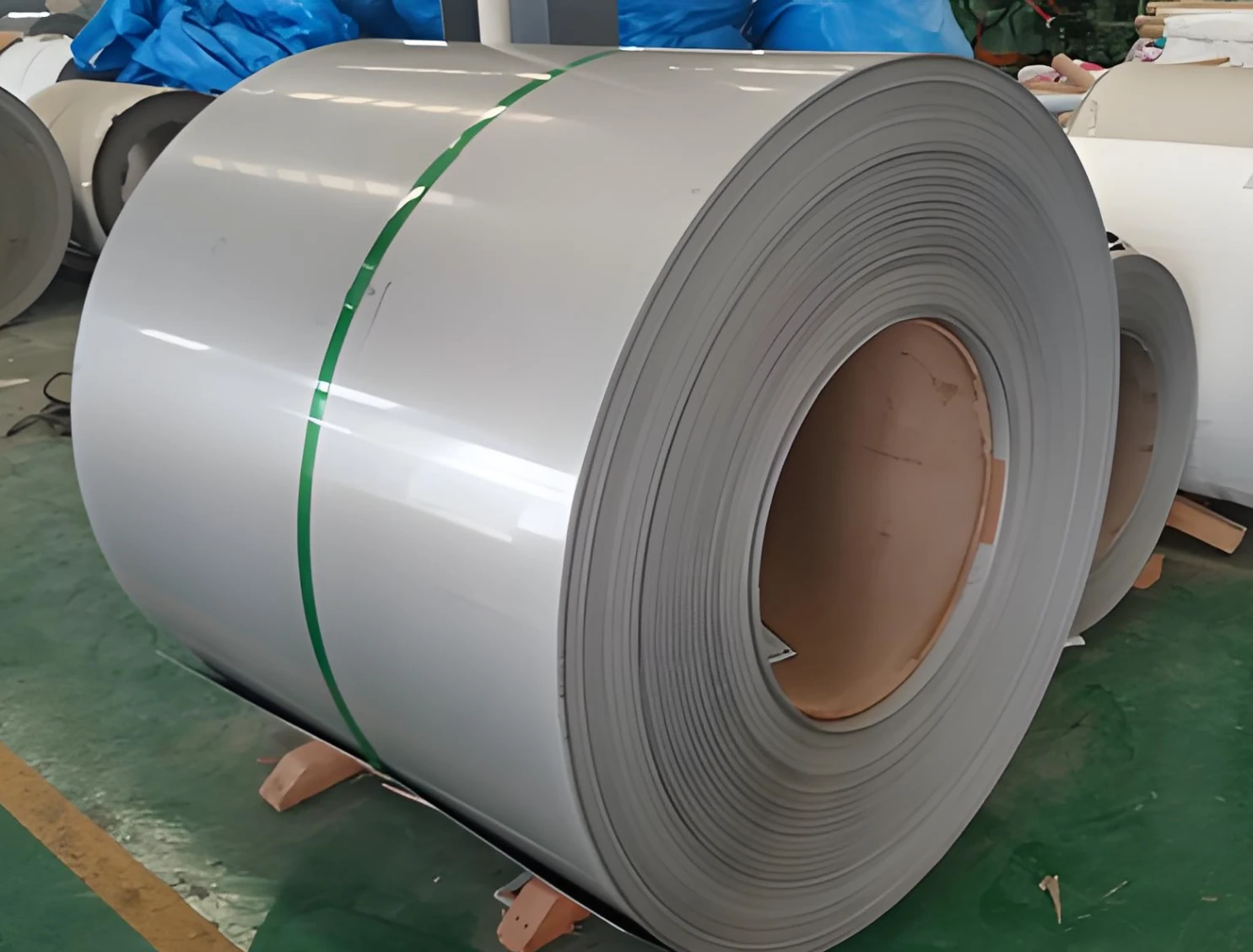
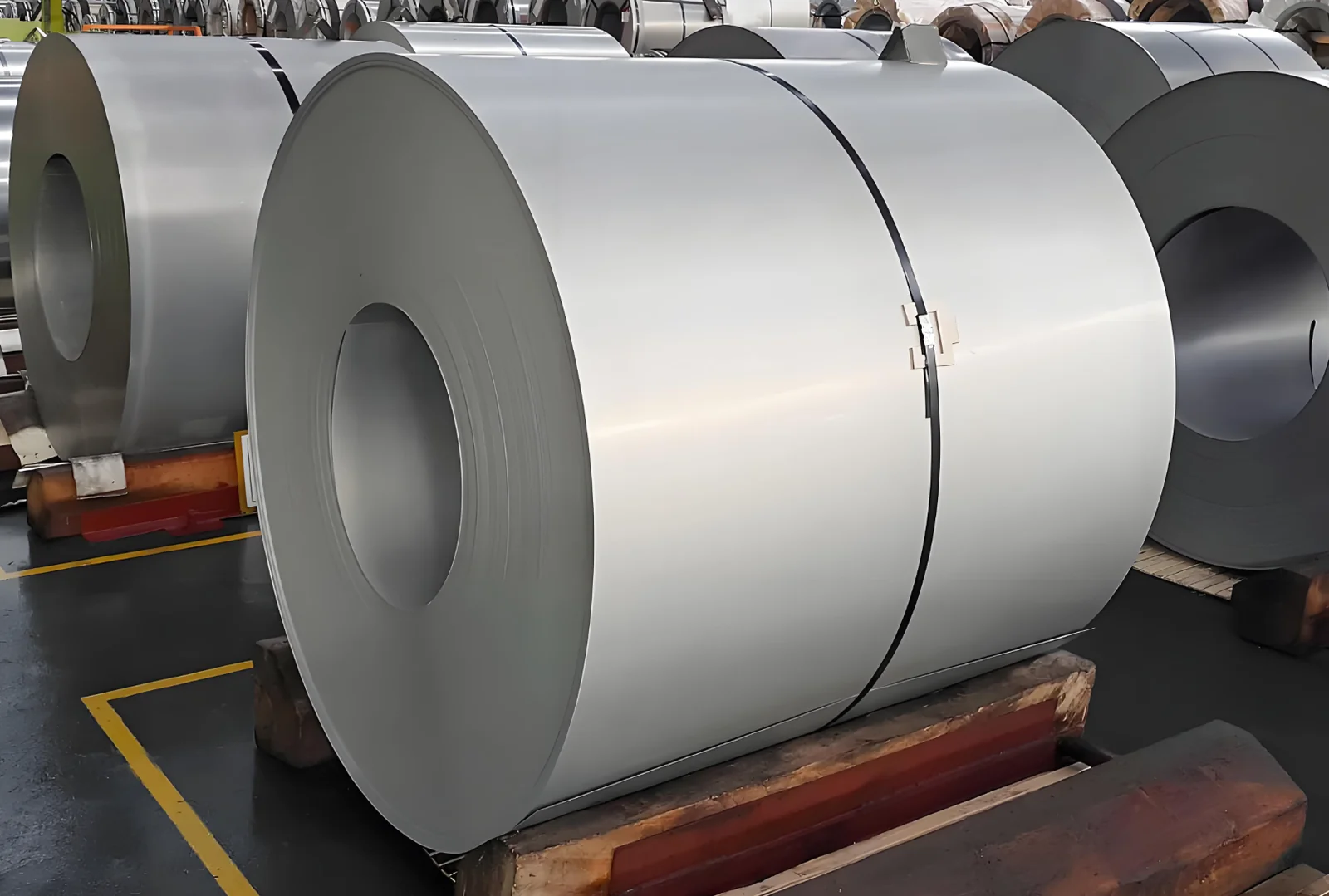
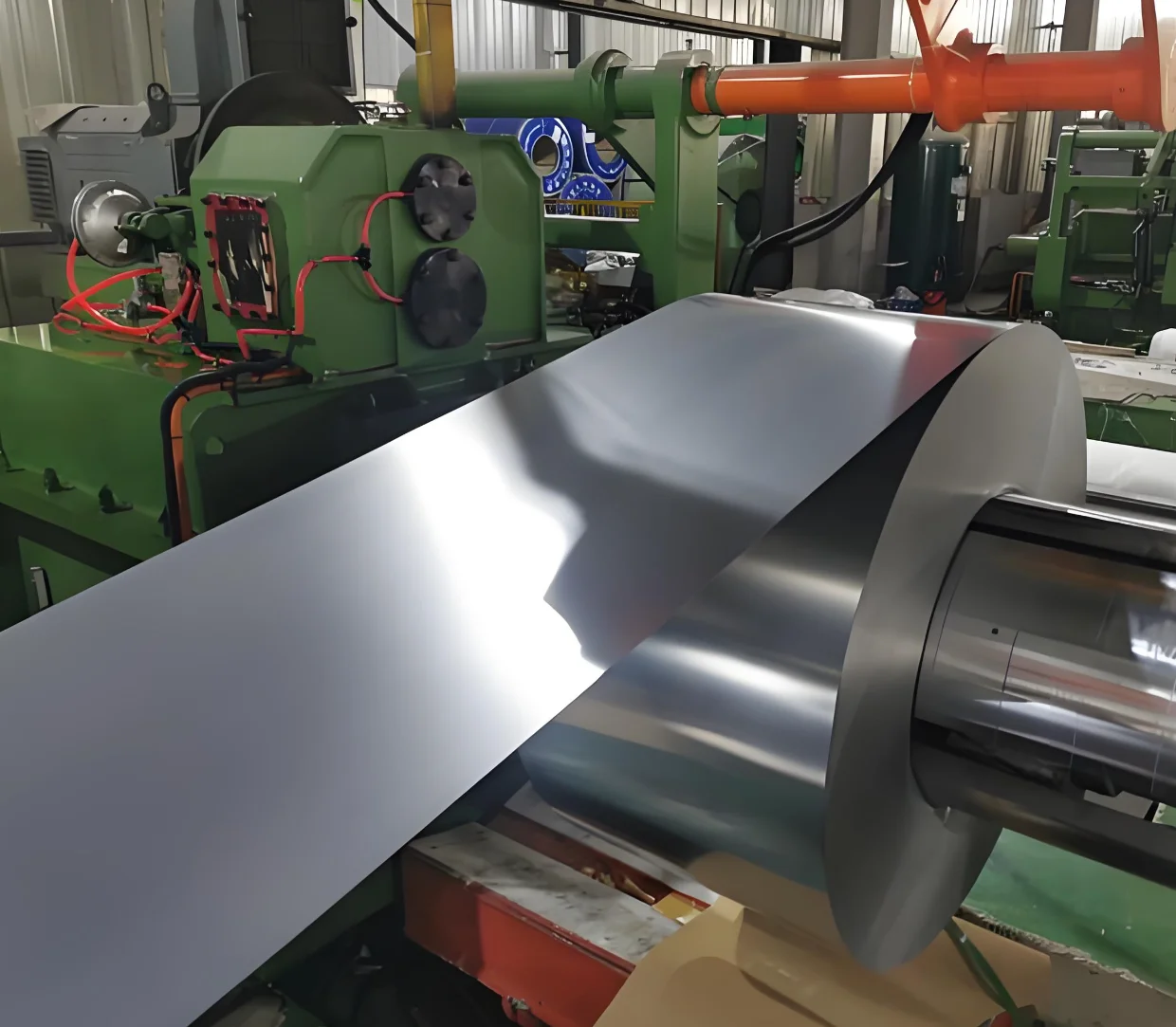
Narrow steel strip feedstock for stamping production
Specify narrow strip from your stamping and feeding requirements, including the actual material, slit width, edge condition and coil format. We can review carbon or stainless catalogue candidates, but slitting scope and achievable limits need confirmation. Approve the proposed strip through a representative feed trial before adopting it for recurring production.

Start with the feeder and stamped part
Provide the material required by the part drawing and the feeder's dimensional and coil-handling limits. Explain any observed tracking, surface or edge issue that motivates the purchase. These details help distinguish the strip properties needed for forming from the packaging and geometry needed to deliver it into the press.
Specify the slit edge in practical terms
State the width tolerance and the edge condition your process accepts, including how any burr is assessed. Identify whether the edge remains on the finished part or is removed later. A generic narrow-strip description should not be interpreted as a confirmed deburred or specially finished edge without an explicit agreement.

Keep material and thickness evidence linked
Confirm the actual grade, supplied condition and thickness basis for the proposed strip. Our carbon and stainless strip listings are distinct candidates, not interchangeable grades. Request the appropriate material and dimensional records, and ask which lot identifiers remain available after any confirmed slitting or repacking operation.
Check coil geometry against the feed line
Define the opening, outside diameter, mass limit, winding direction and orientation required by your equipment. Note whether joins or other discontinuities are permitted by your process specification. Review the exact delivered format, since a short sample length can verify surface or dimensions but cannot demonstrate how a complete coil feeds.
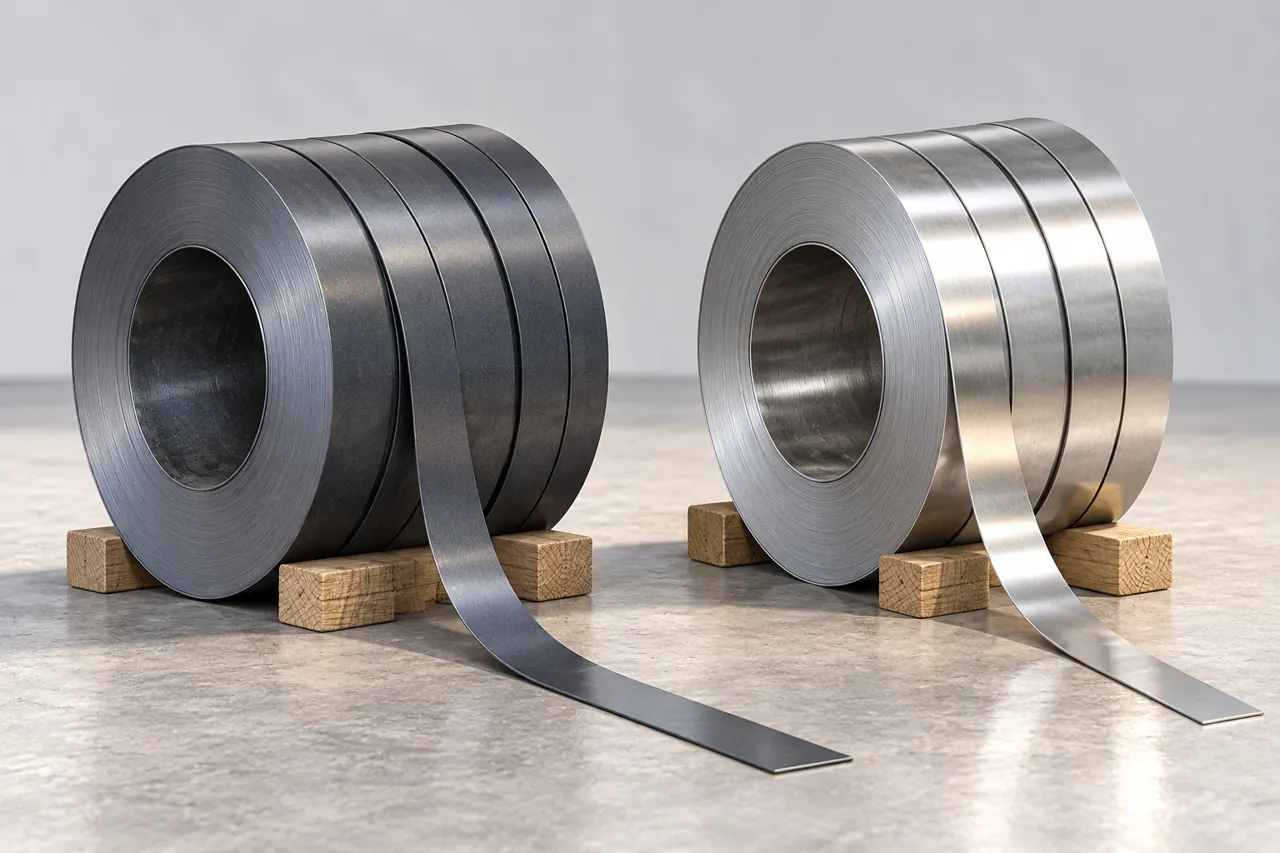
Plan a feed trial with representative material
Use a proposed delivery coil or an agreed representative package, then record tracking, straightening and feeding observations under your established settings. Evaluate the resulting stamped parts against their drawing. Keep strip lot and machine records together so a successful sample can become a controlled approval instead of an undocumented operator adjustment.
Confirm the strip and processing proposal
Ask us to state the proposed material source and whether the quotation covers existing strip, confirmed slitting or another supply route. Our broader materials catalogue does not establish every processing service in-house. Inspection responsibilities and any additional edge preparation should appear in the written scope before the trial or order begins.
Protect edges and winding during shipment
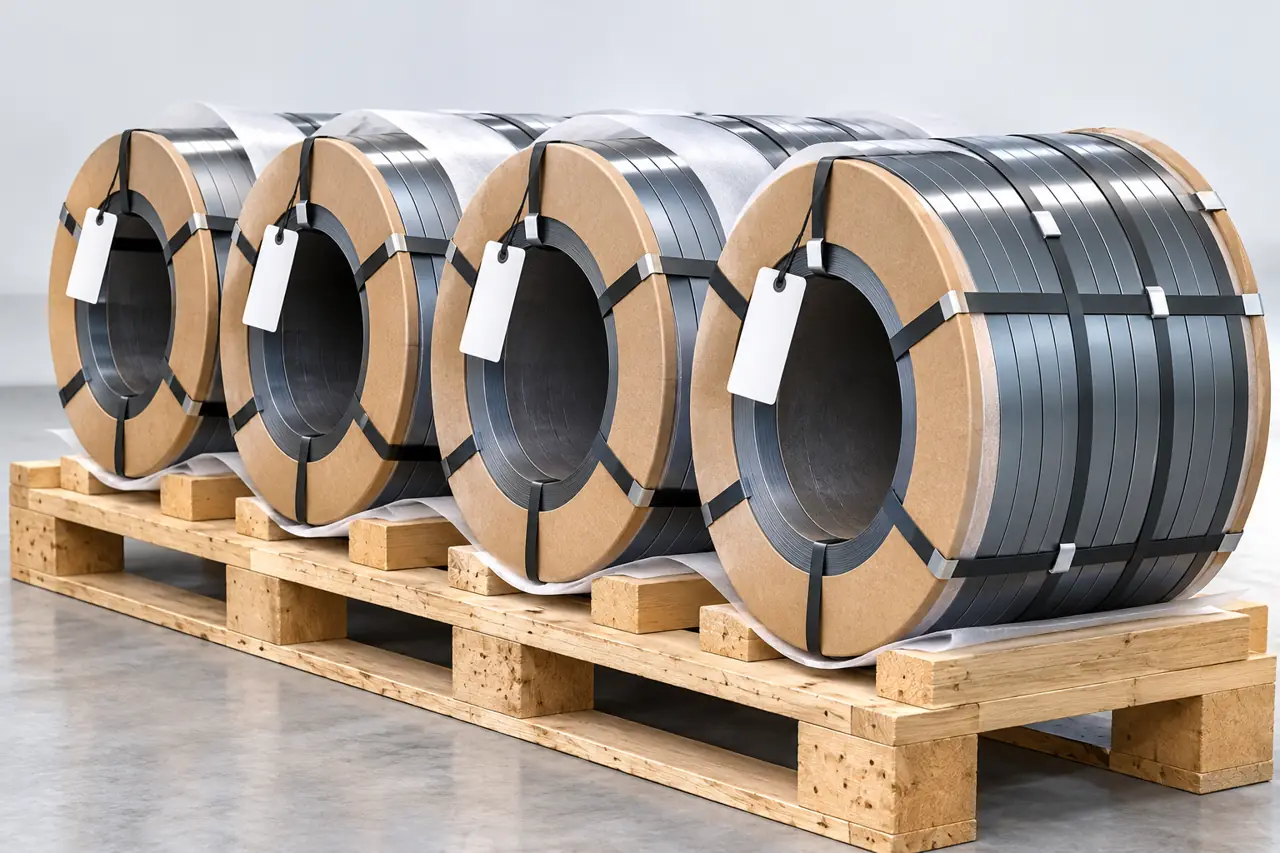
Agree coil support, edge protection and restraint that preserve the accepted condition. Separate widths and grades and keep each coil linked to its packing-list entry. Inspect disturbed winding or damaged edge protection on arrival before loading. A package can look intact externally while still requiring closer inspection at the strip edge.
Retain the feed approval for repeat lots
Keep the accepted strip specification, sample and trial settings in the purchase file. Compare the first repeat delivery with that reference before release. Review material-source or processing changes explicitly, and investigate a new feeding issue against both incoming strip records and the current feeder condition rather than assuming one cause.
Send a stamping-line strip enquiry
Share the drawing material, supplied condition, thickness, slit width and edge requirements. Add your feeder limits, winding direction, trial quantity and recurring demand. We can review the relevant strip catalogue references and confirm the available supply, processing scope, inspection evidence and commercial proposal for your stamping operation.