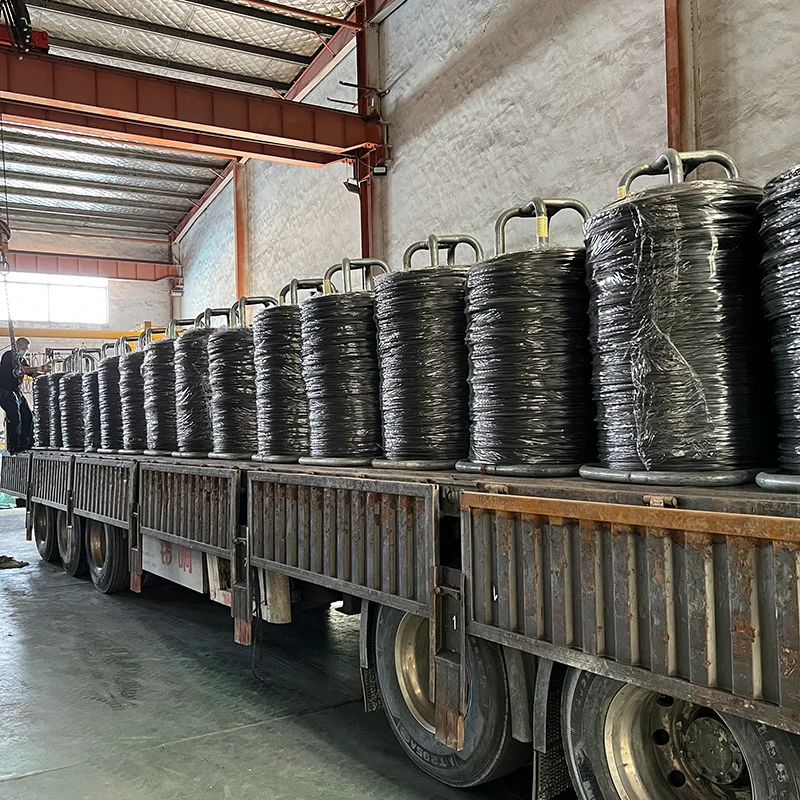
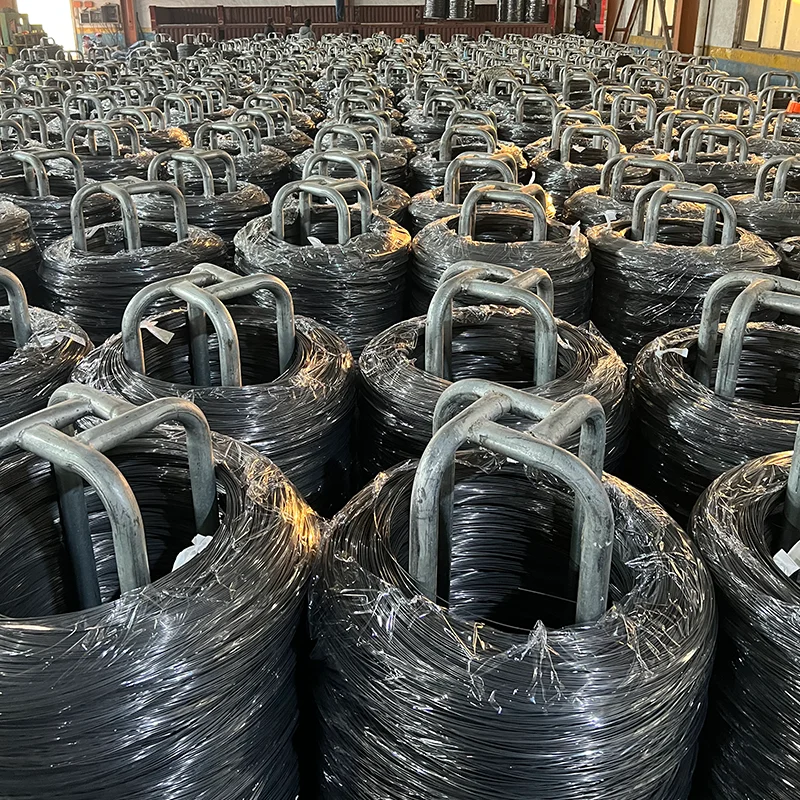
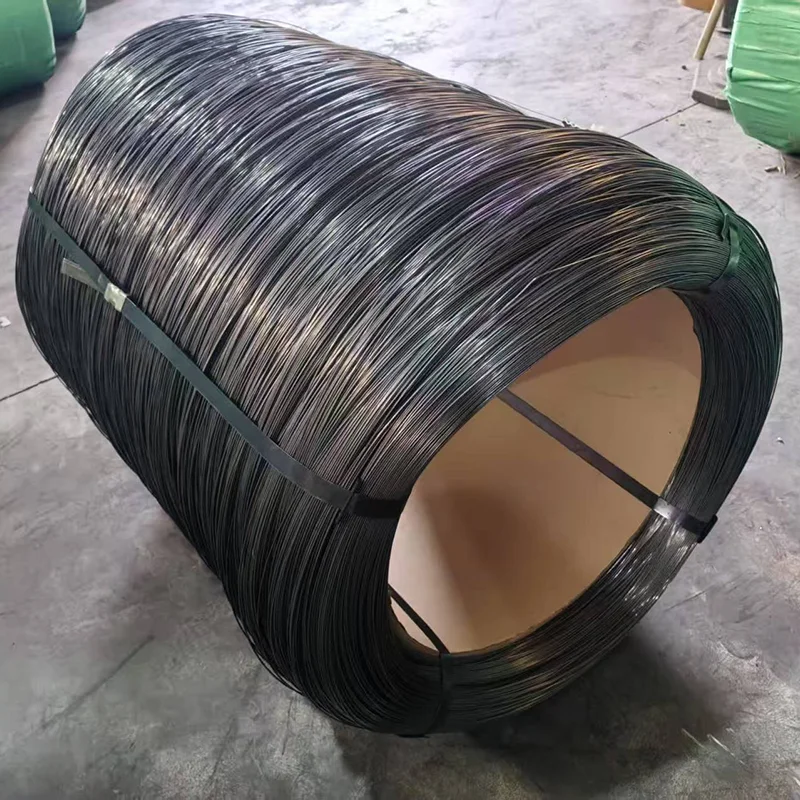
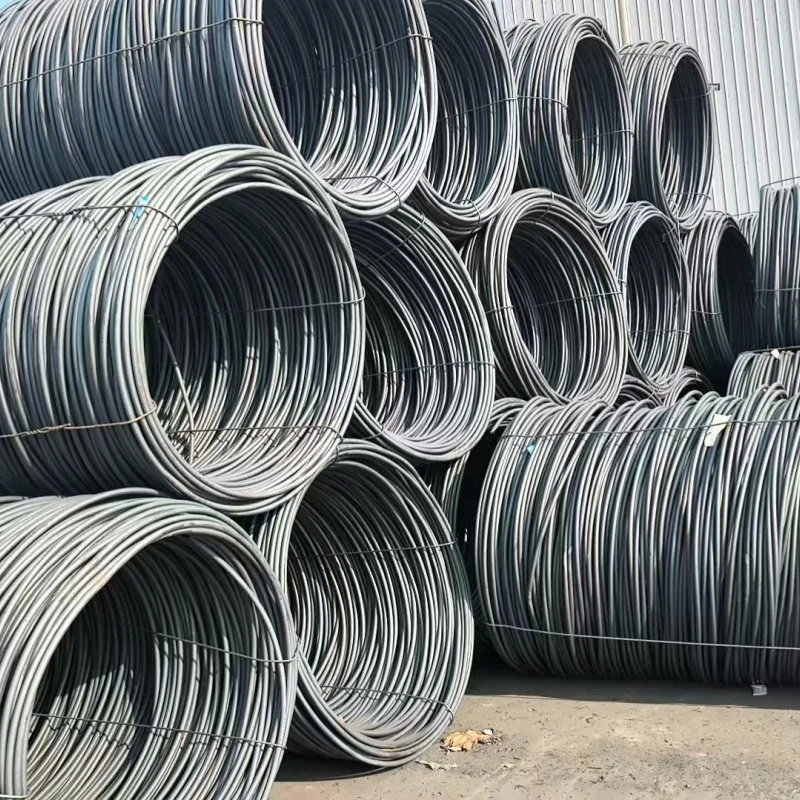
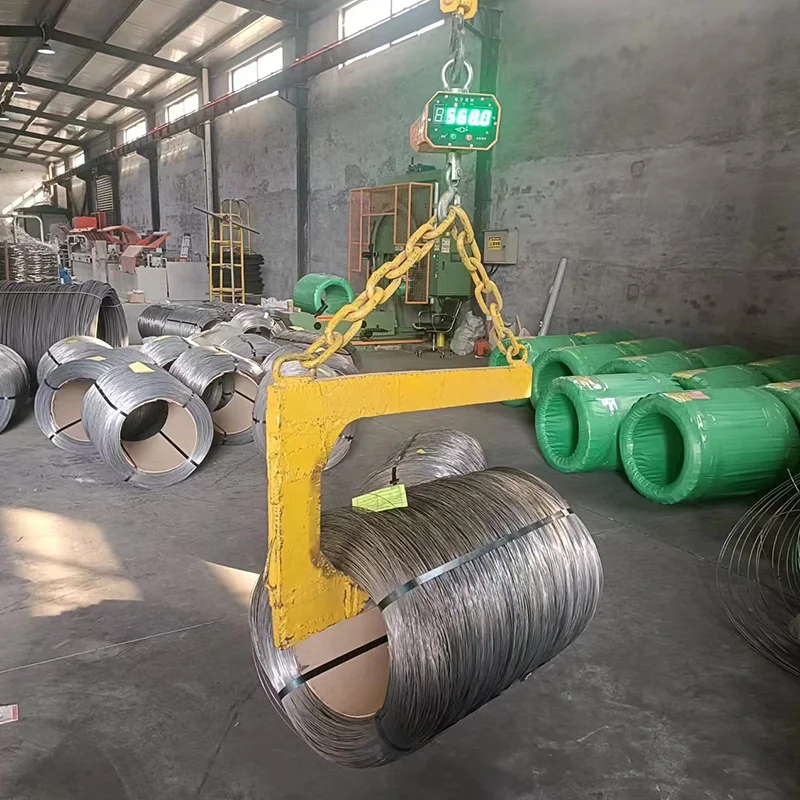
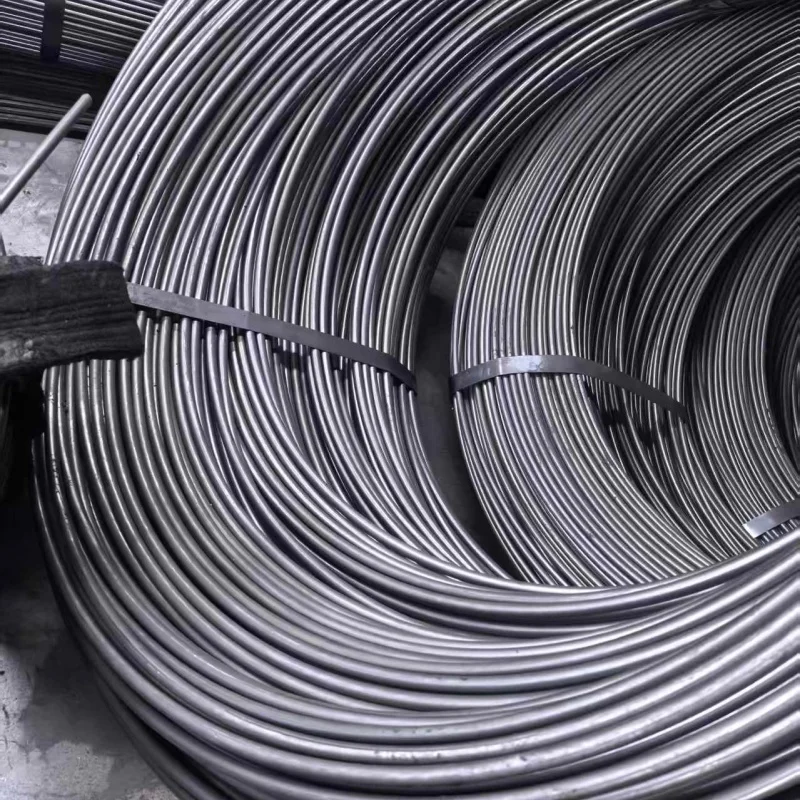
PC Steel Wire for Pretensioned Concrete Components
For pretensioned concrete components, begin with the engineer-specified single-wire product and its acceptance documents. We list PC steel-wire enquiry options. Share the required standard, surface form and relaxation criteria so the proposed wire can be reviewed without borrowing specifications from a multiwire prestressing strand.
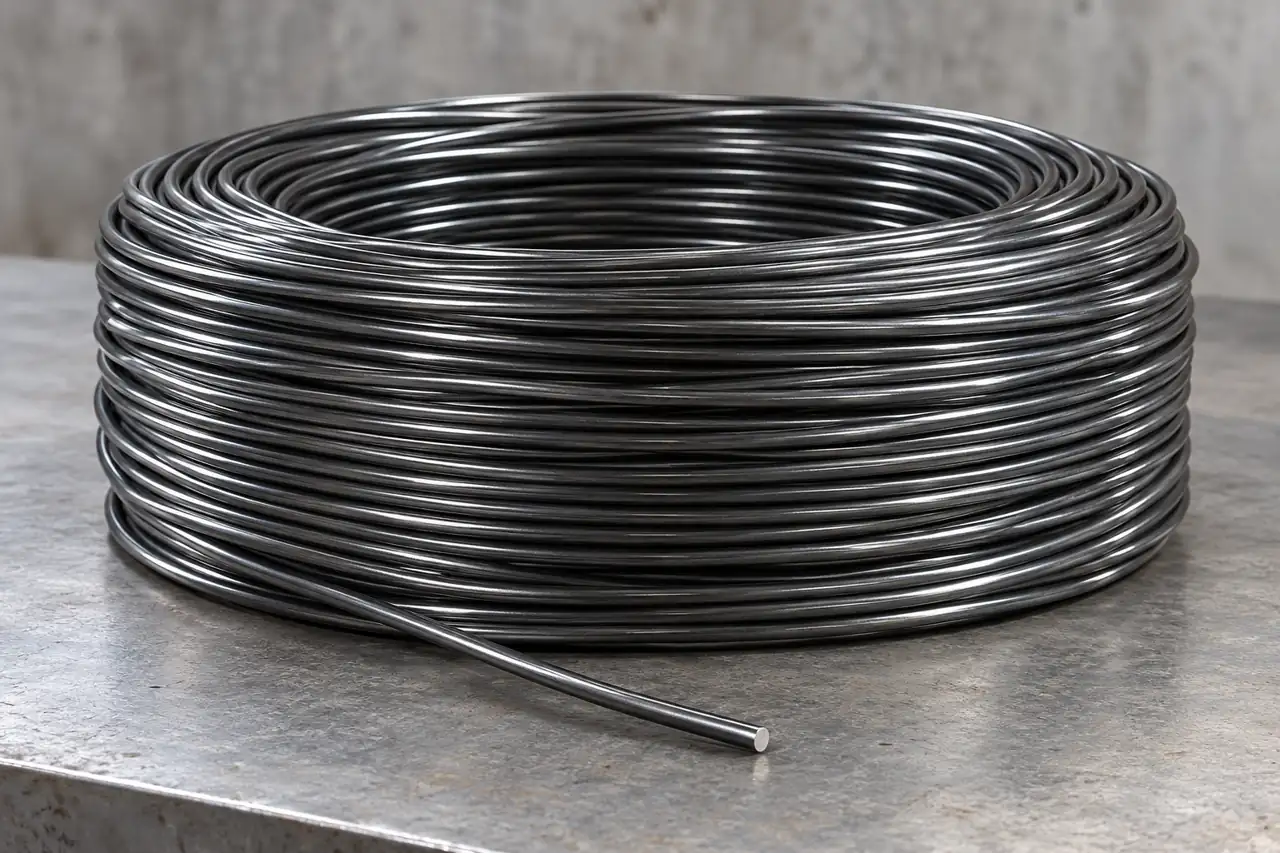
Single wire and strand require different identities
State that the order is for single PC wire, then include the exact product designation from the project documents. Identify whether the required surface is smooth, indented, ribbed or another specified form. A catalogue reference to prestressing does not establish that a strand and a single wire meet the same requirement.
The supplied surface must match the component process
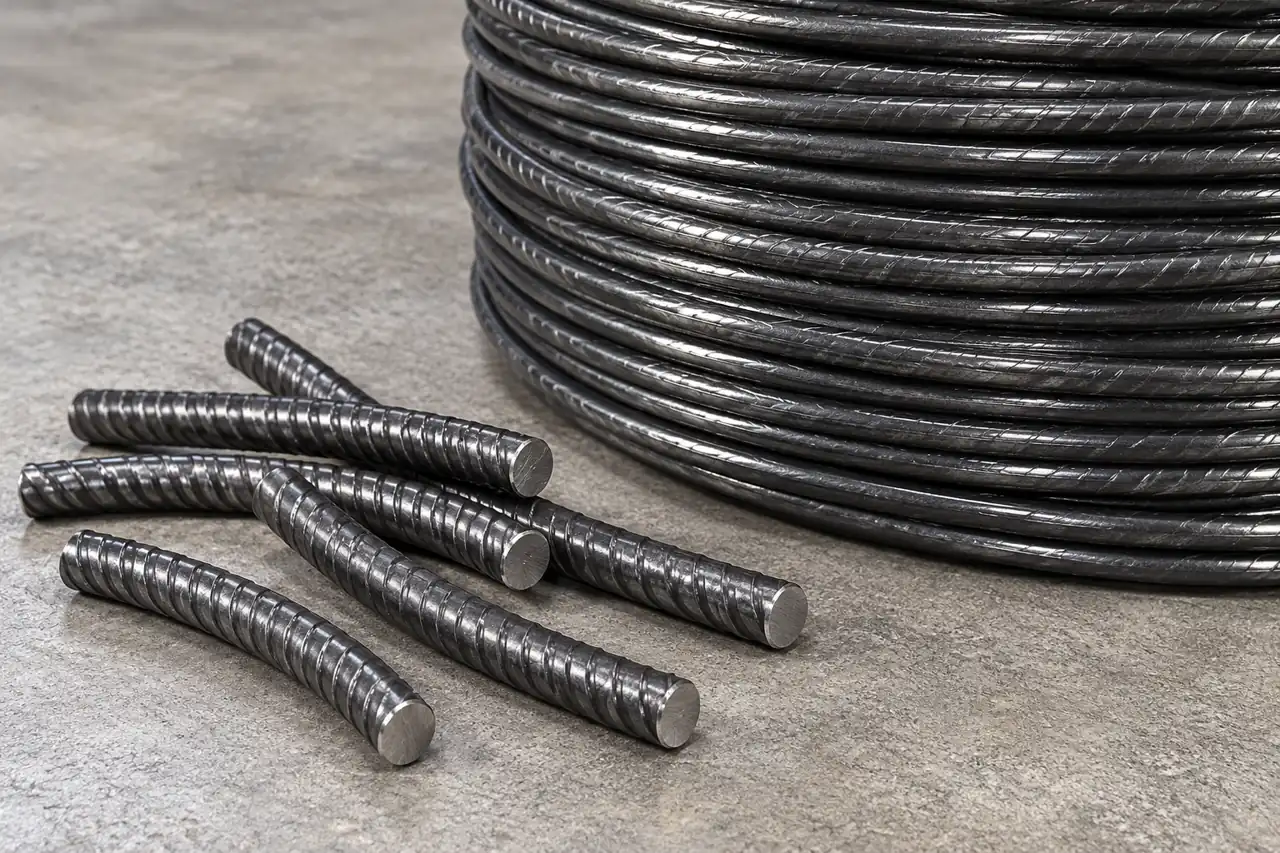
Show the surface form required by the approved specification, including any inspection basis. Keep the nominal wire dimension and the surface description separate in the enquiry. If a catalogue photograph or parameter table is unclear, request confirmation of the actual offered form before committing to a production trial.
A sample should represent the proposed production supply
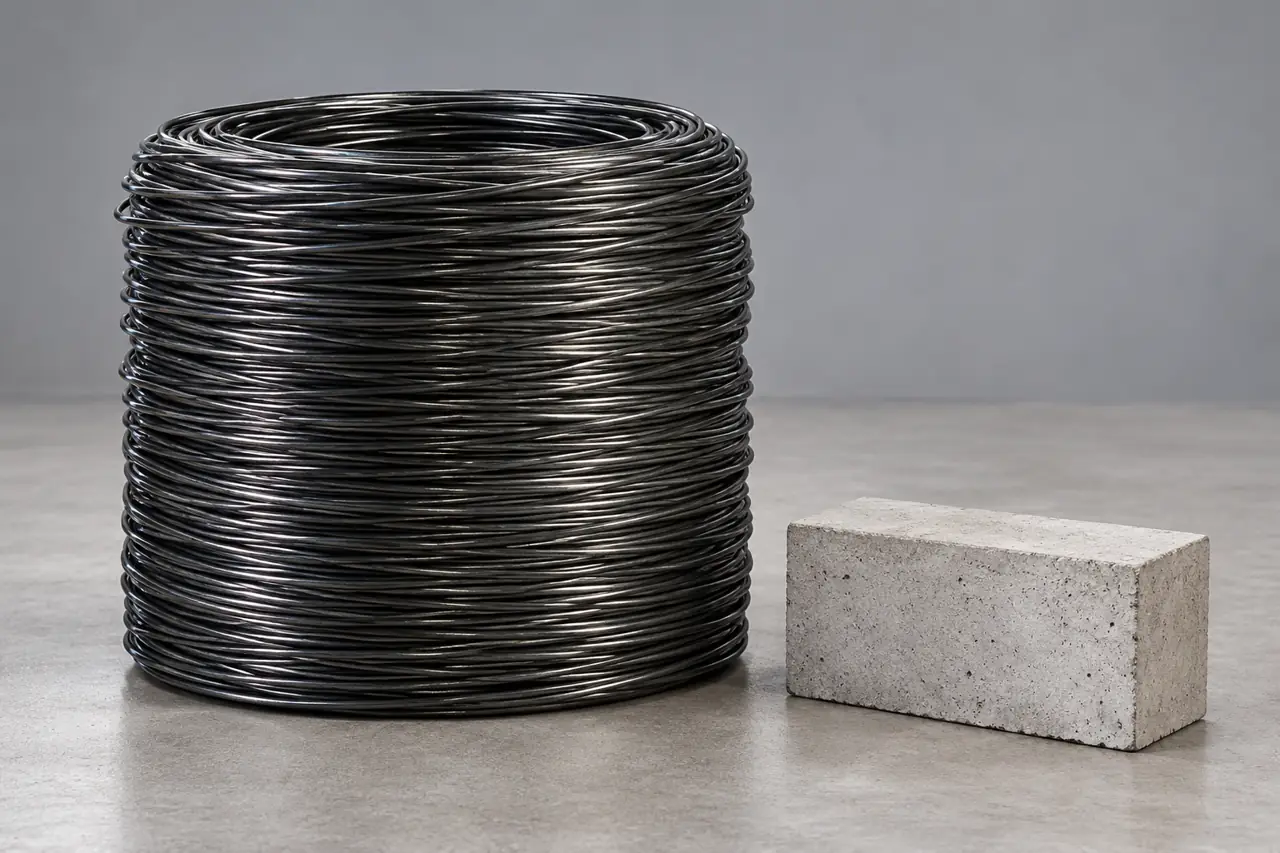
Request the lot identity and relevant material records with the sample. Keep the offered wire condition and coil format visible during evaluation. A loose unmarked segment can help identify surface form, but it cannot connect a production trial to the coil and batch later supplied.
Batch documents need the project’s acceptance basis
List the mechanical, relaxation and other records required by the engineer’s specification, with the relevant test basis. Ask which documents are available for the offered supply and which require separate confirmation. Do not interpret a generic high-tensile description as proof that project-specific relaxation or release requirements are met.
A component-production trial needs technical oversight
Your precast team should define the sample trial, handling conditions and acceptance process. Record the wire reference and the component-production conditions needed for engineering review. Material approval and component release are related decisions, but a catalogue supplier’s description cannot replace the engineer’s assessment of the pretensioned product.
The supplier review should stay specific to the wire
Confirm the product-specific manufacturing or sourcing relationship and the available record scope with the offer. Our wider catalogue includes both wire and strand-related entries, so the requested single-wire identity needs explicit confirmation. Keep any unsupported equivalent grade or standard claim out of the purchase specification.
Coil identification should survive handling and delivery
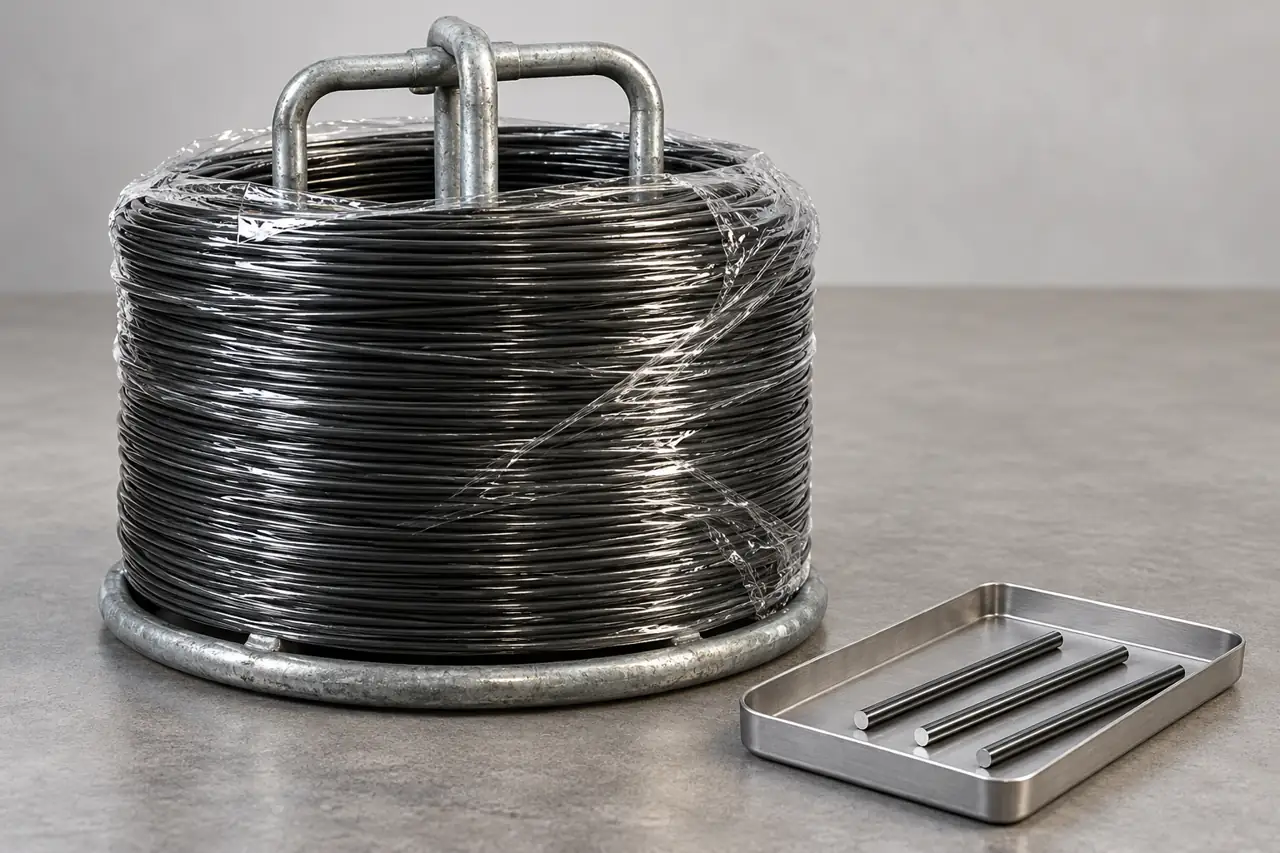
Define the coil dimensions and handling limits needed by your production line, plus protection and marking. State how each coil must connect to its material records. Confirm the ordered quantity, sample arrangement and production timing separately; commercial details need the actual specification and delivery scope.
A disputed coil needs preserved material and records
If the received wire differs from the accepted surface, dimensions or records, isolate the affected coil and preserve representative samples. Record its identification and the observed difference before use. For an issue during production, retain the related process history as well as the material evidence for technical review.
Send the single-wire specification with the RFQ
Provide the project designation, standard revision, required surface and material acceptance criteria. Add coil limits, required batch records, trial quantity and destination. We can discuss the listed PC-wire option and confirm the actual proposed product and documentation for your engineer’s review.