Grinding ball sourcing for wet mineral-processing mills
Compare grinding-ball proposals against your ore, mill and make-up size programme. Forged and cast catalogue entries are candidates for review, not automatic performance rankings. We can examine the supply brief with you; approval needs the proposed material records and a controlled mill trial using a defined baseline and observation period.
Describe the milling duty before comparing offers
Include the mill type, wet operating conditions, feed characteristics and the size mix currently added. Explain the result that prompted the enquiry, such as unexpected breakage or changing consumption. Keep observations separate from assumed causes: a change in ore or operation can make two media deliveries look different even when the supplier has not changed.
Read ball size as a distribution requirement
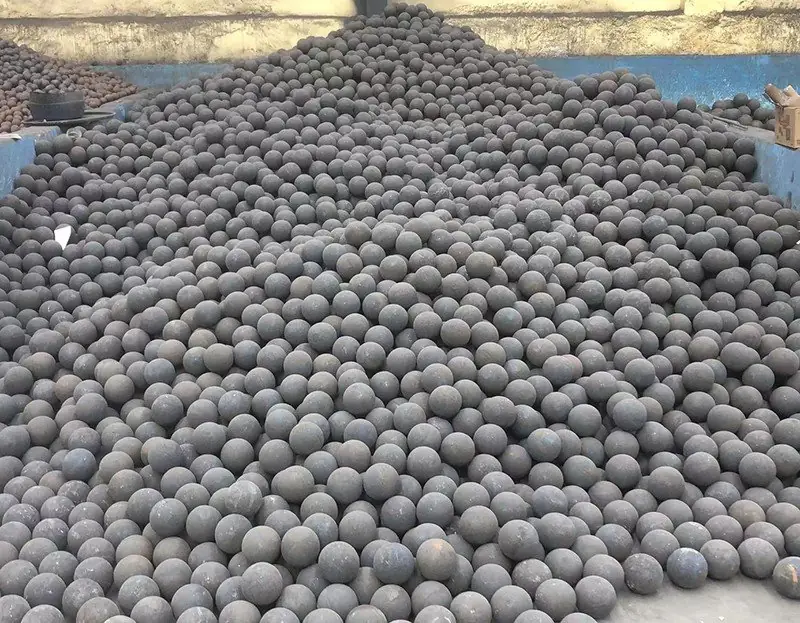
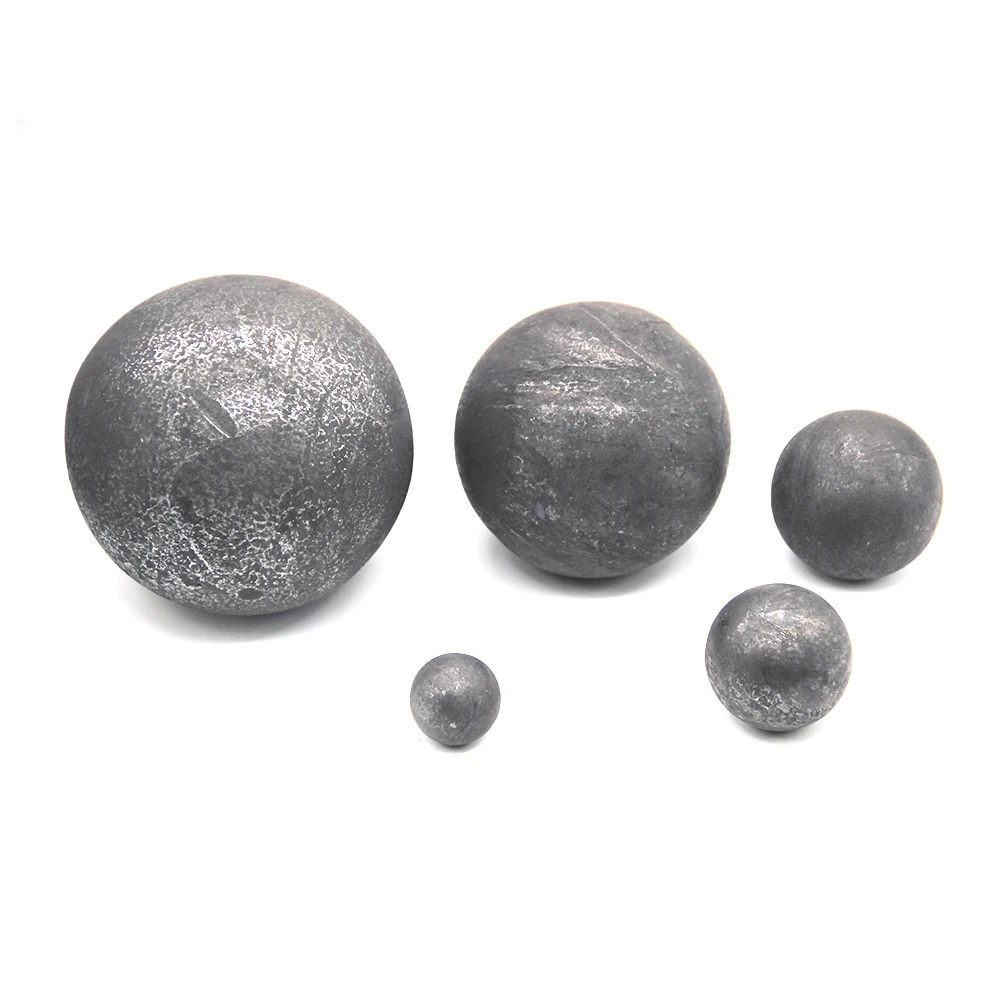
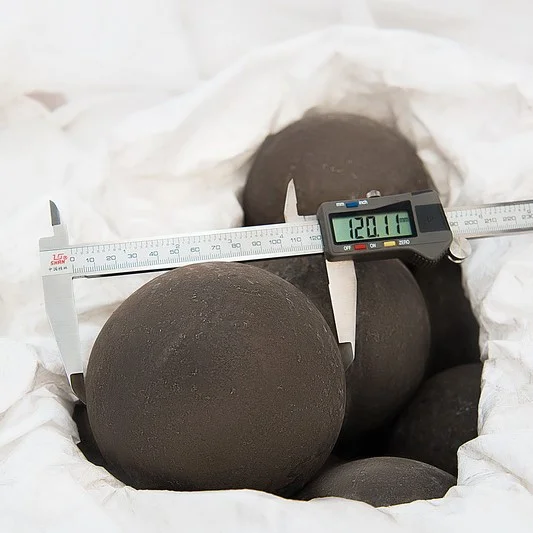
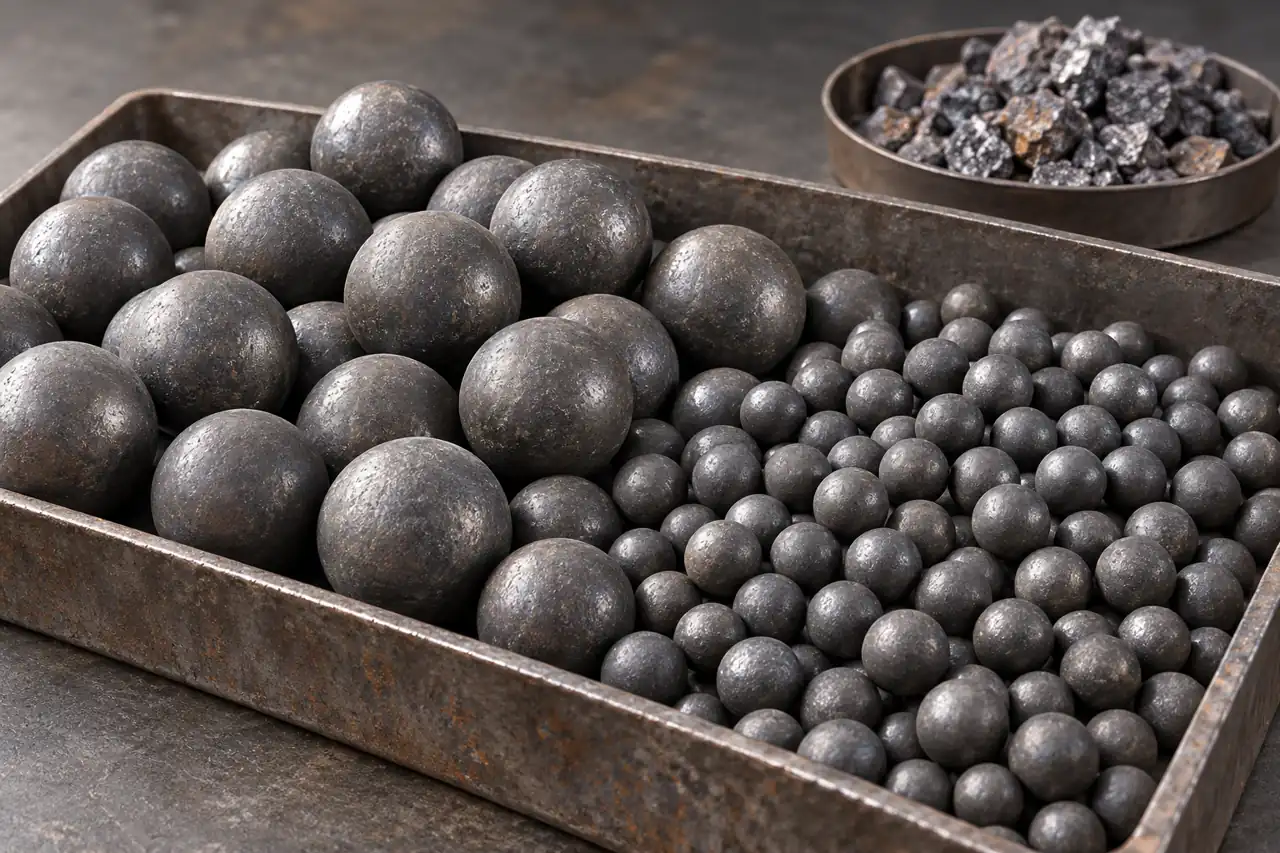
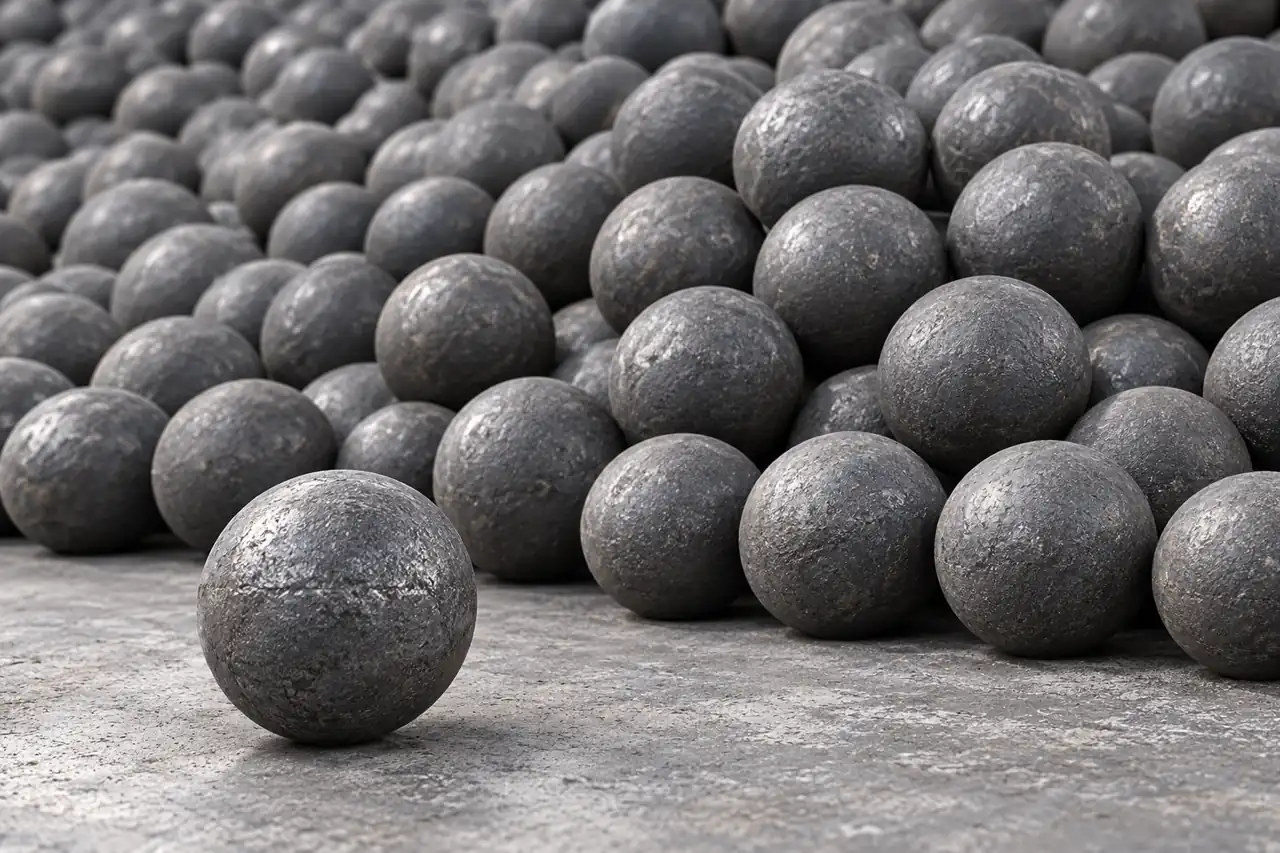
Specify each make-up size and its acceptance basis, not merely the largest nominal diameter. Ask how dimensions are checked and how mixed sizes are identified in a shipment. A proposal should connect the supplied size programme to your mill brief; a photograph of assorted balls does not provide that connection.
Compare forged and cast routes through evidence
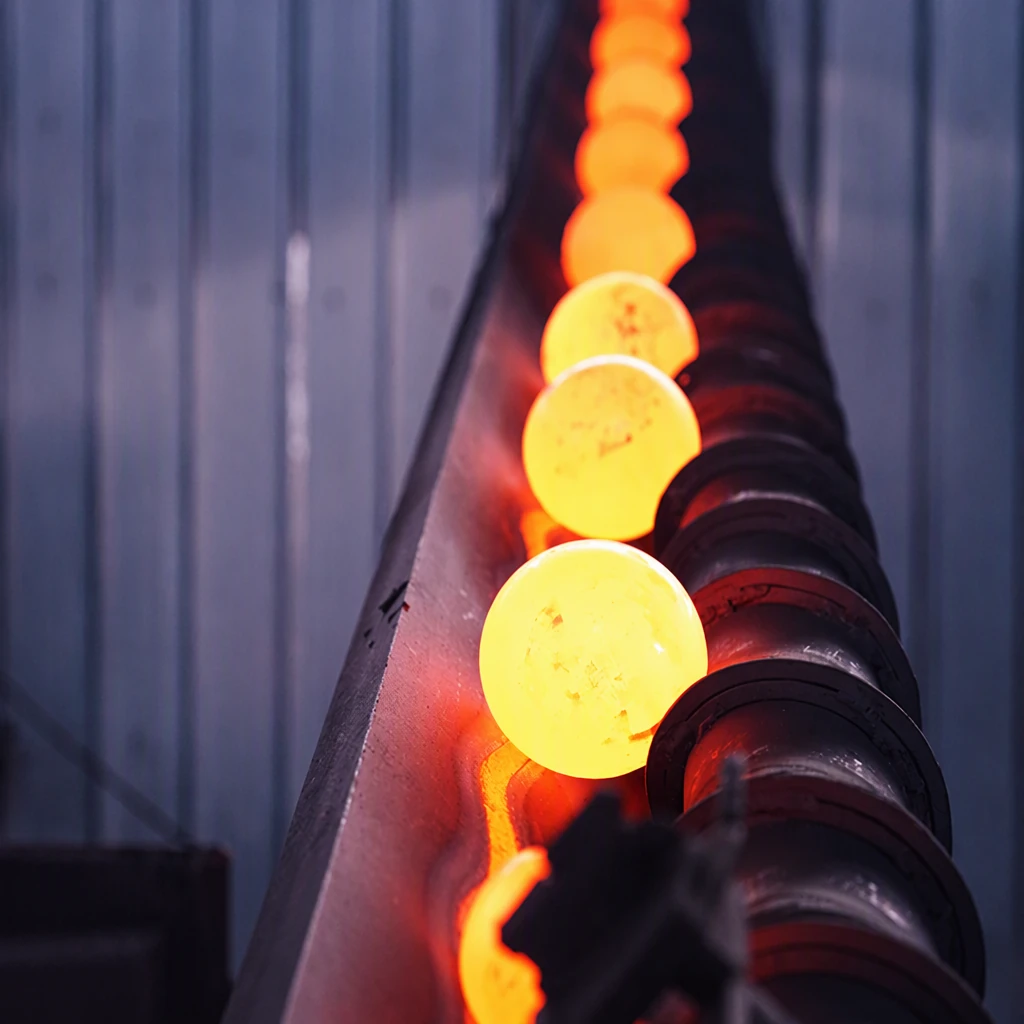
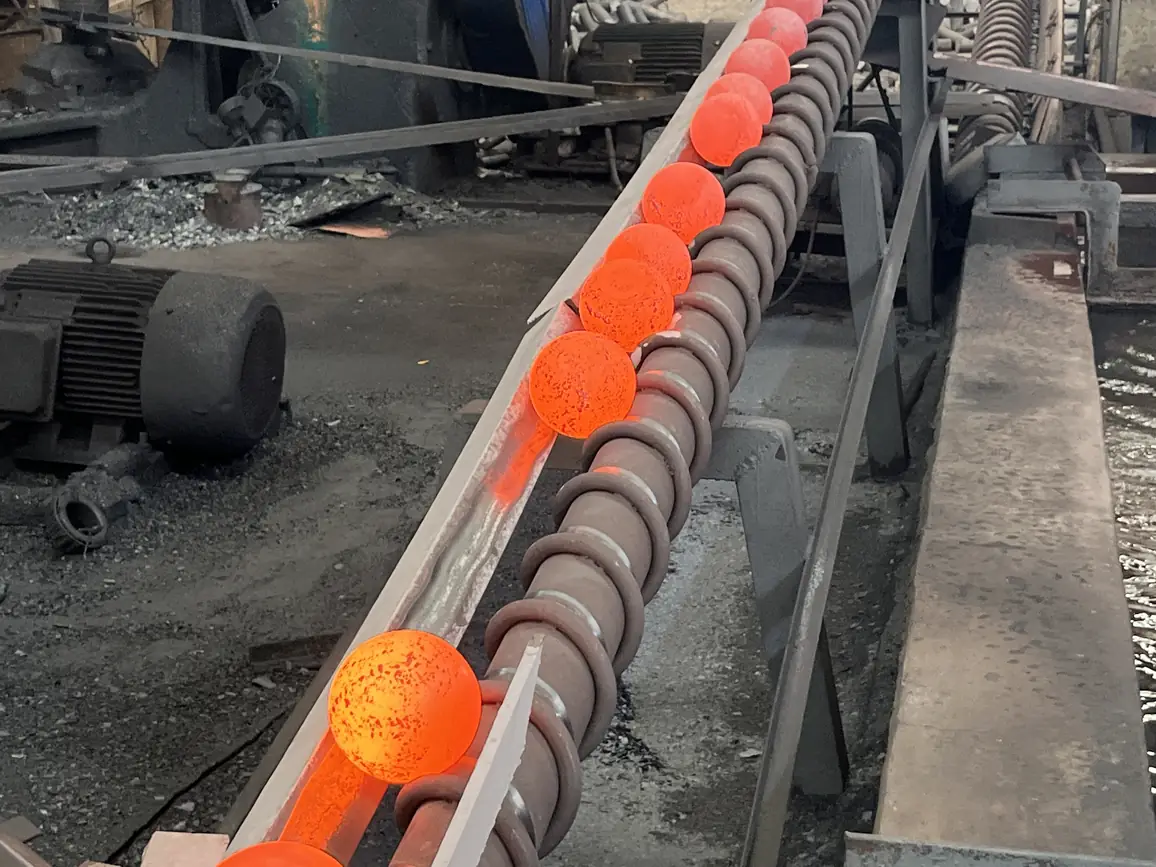
Request the actual material description, manufacturing route and relevant inspection records for each candidate. Hardness values need a defined method and measurement location to be interpretable. Do not choose a route from one headline figure alone. Review the evidence against the failure modes and conditions observed in your own mill.
Set a trial that can support a decision
Define the baseline period, candidate lot, quantities added and observations to retain. Record changes in ore and operation during the comparison. Agree how consumption, wear observations and breakage are assessed by your technical team. The trial should produce a repeatable comparison, without assuming a guaranteed improvement before any results exist.
Keep candidate materials clearly separated
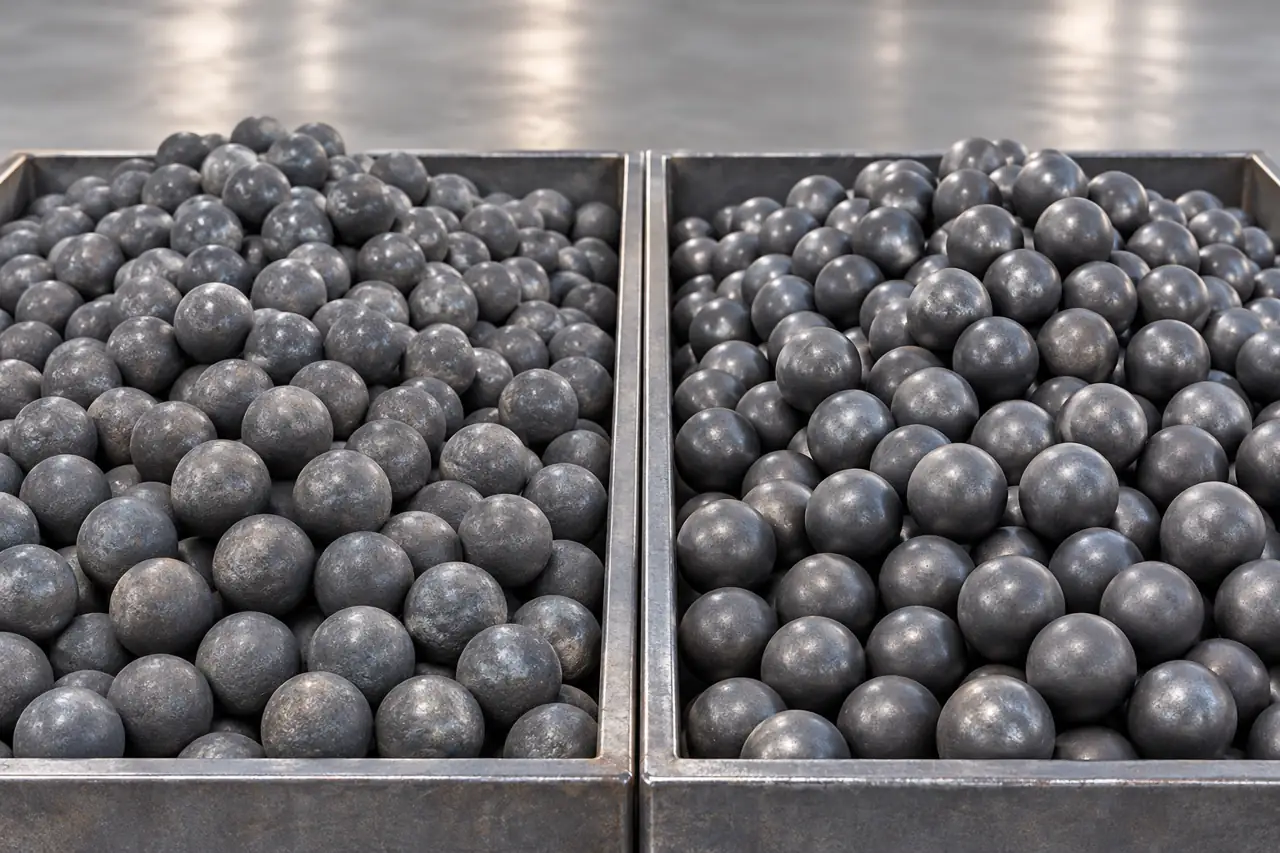
Label retained samples and trial additions so forged and cast candidates remain identifiable in the purchasing record. If several sizes are ordered, preserve that separation through weighing and receiving. Ask us to confirm the supply source and available documents for each proposal rather than treating different catalogue listings as one validated material.
Confirm what the supplier is responsible for
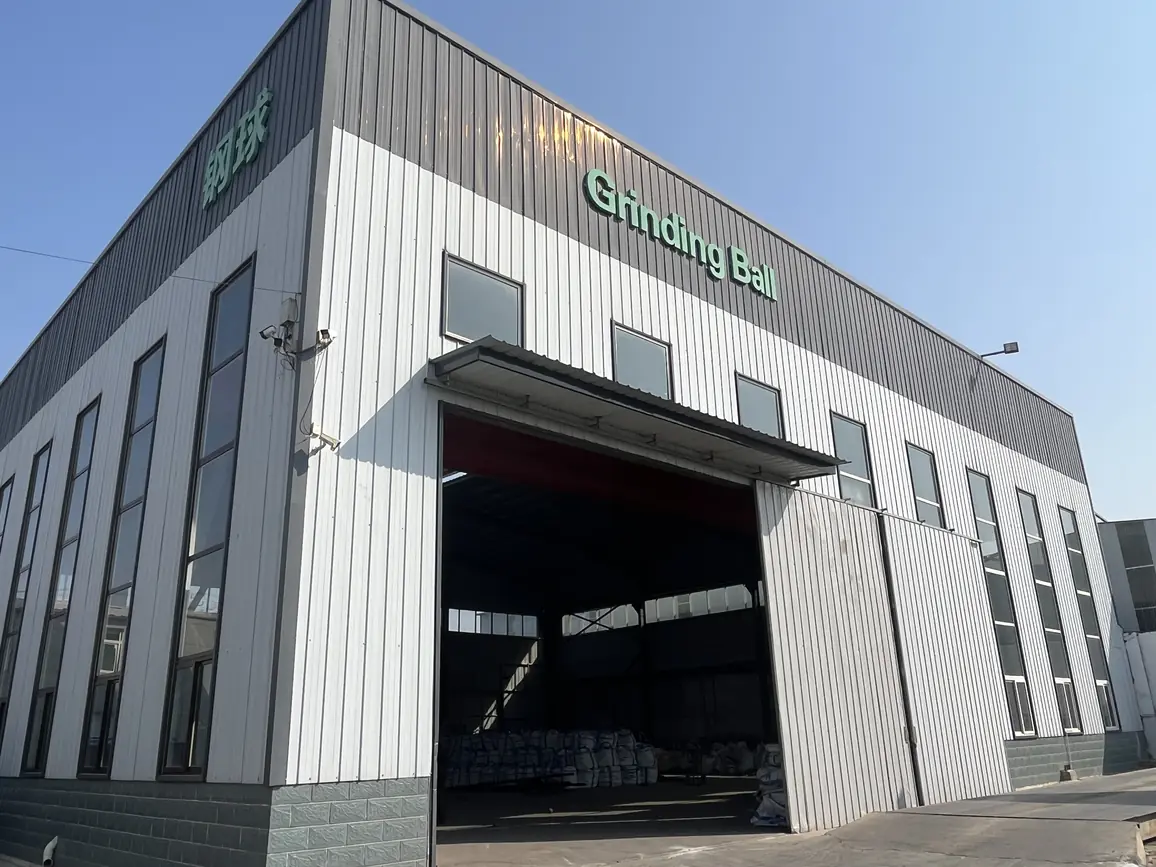
Our wider catalogue includes grinding-ball enquiries, while our manufacturing focus is steel wire and steel shot. Confirm the producer, inspection-document source and order responsibility for the specific media offer. Any technical support, sample programme or special packing should appear in the quotation as an agreed scope, not an assumed service.
Align packing with media identification
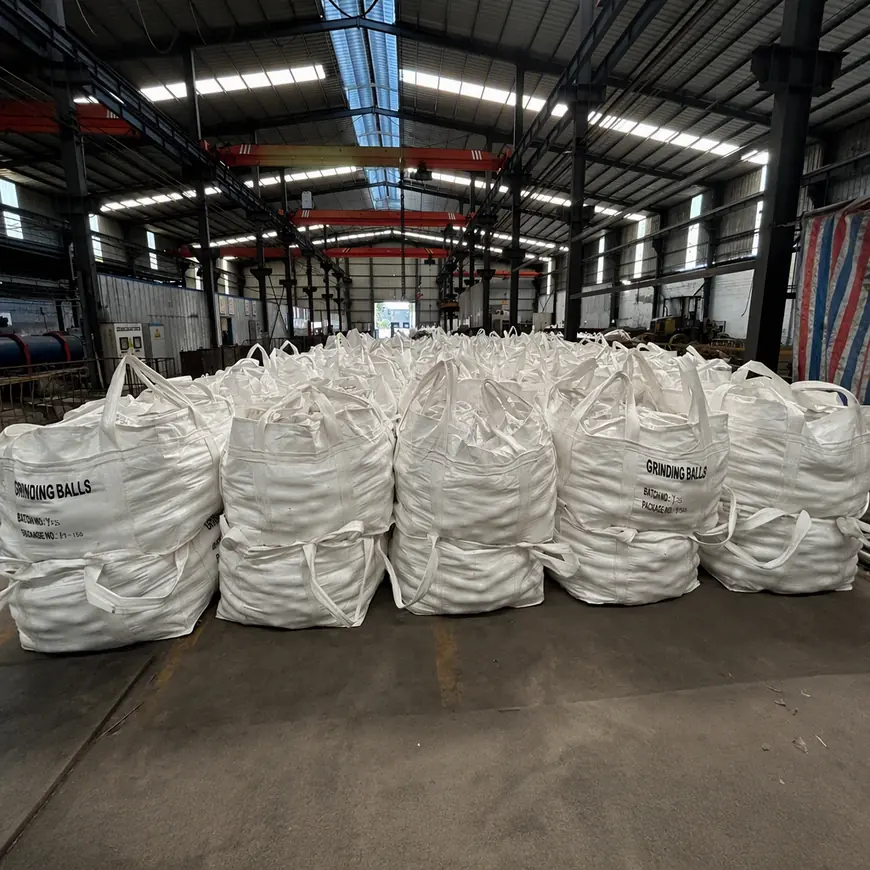
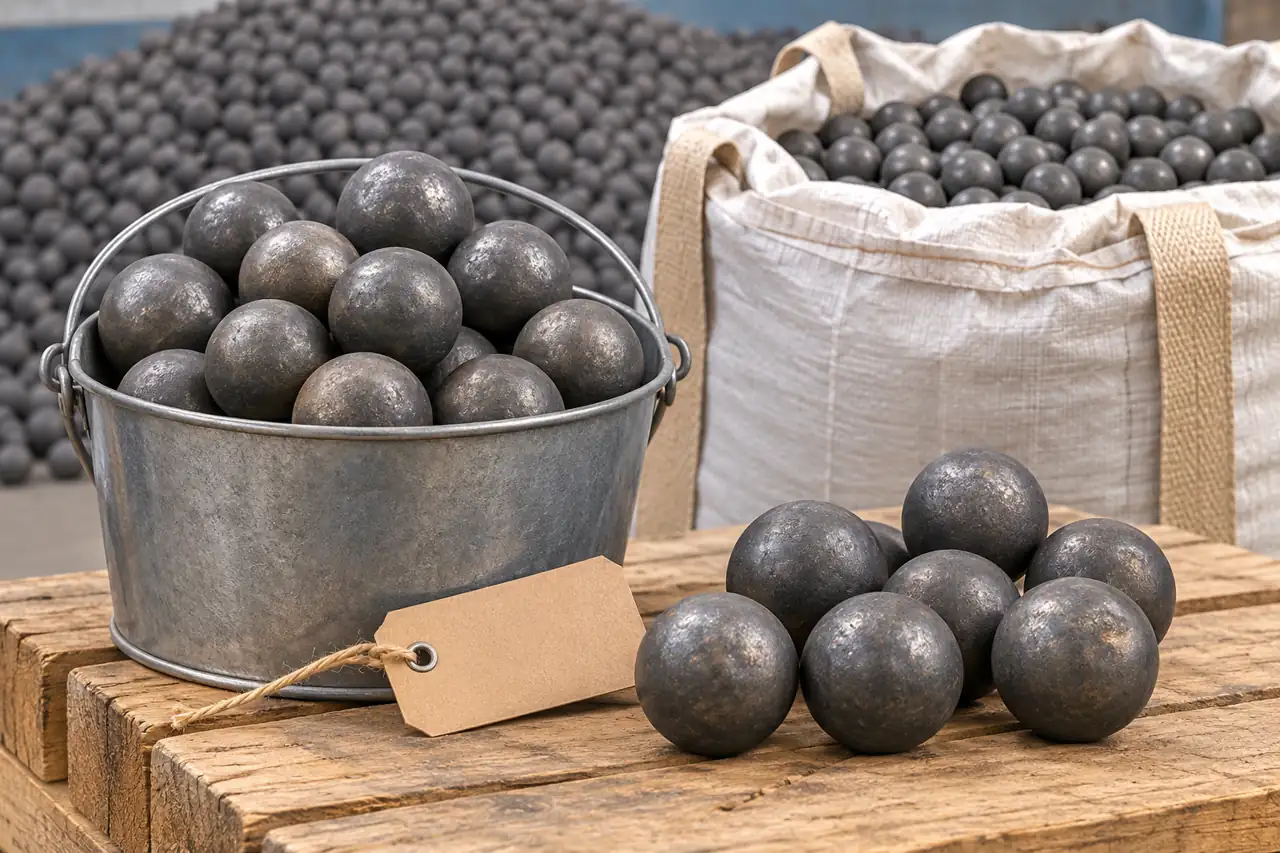
Agree the package type, unit mass, size marking and unloading needs for the destination. Keep a retained sample associated with each approved lot. Receiving records should show which sizes and lots entered stock, so a later performance review can trace the material actually used rather than only the purchase-order date.
Review the first repeat delivery against the trial
Reference the approved media description, inspection basis and make-up sizes in the repeat order. Check incoming identity and documents before adding the material. If performance differs, compare the supplied lot and operating records together. Retain affected or recovered pieces only where your site procedures permit useful examination.
Send a mill-specific media enquiry
Share the ore and mill brief, current make-up sizes, consumption basis and observed issues. Add the required material records, proposed trial quantity, ongoing demand and destination. We can review the relevant grinding-ball listings and confirm the candidate supply, packing and commercial conditions for your technical assessment.