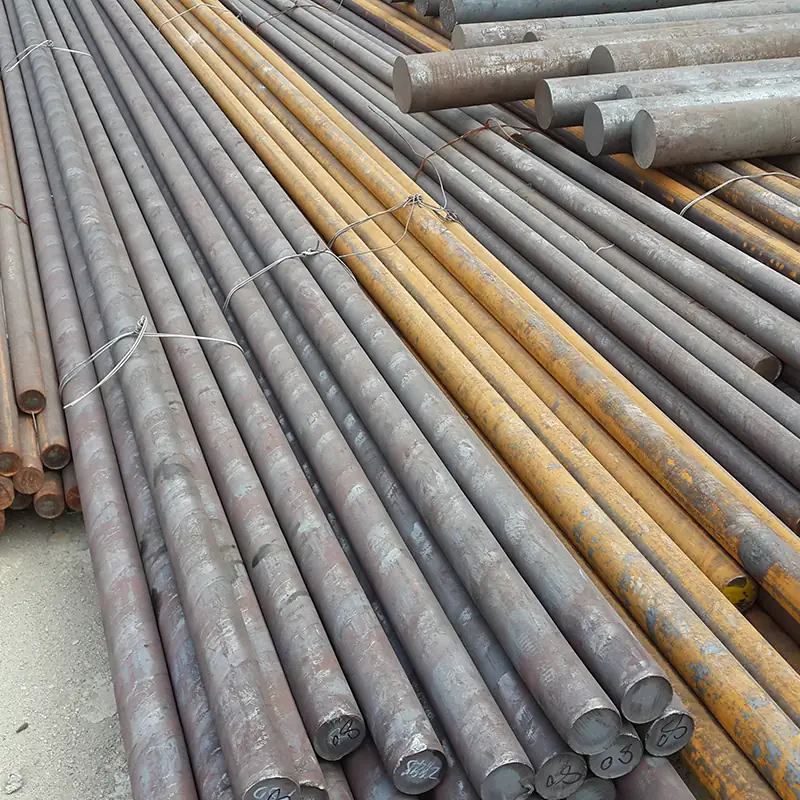
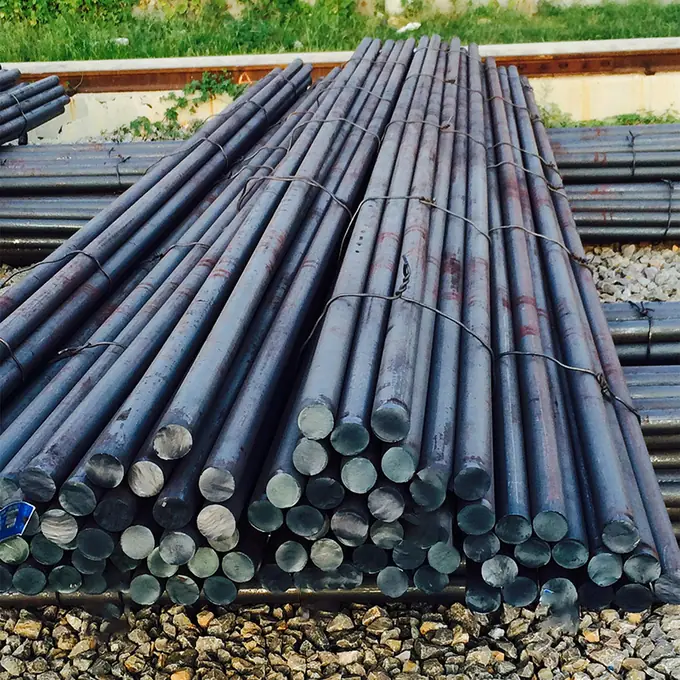
Carbon Steel Round Bar Stock for Machining Blanks
Source carbon-steel machining stock by the drawing grade, supplied condition and required blank dimensions. We list carbon-steel round-bar enquiries. Send the material and stock schedule so the proposed bar can be reviewed without treating hot-rolled and cold-drawn descriptions as equivalent products or automatic guarantees of dimensional precision.
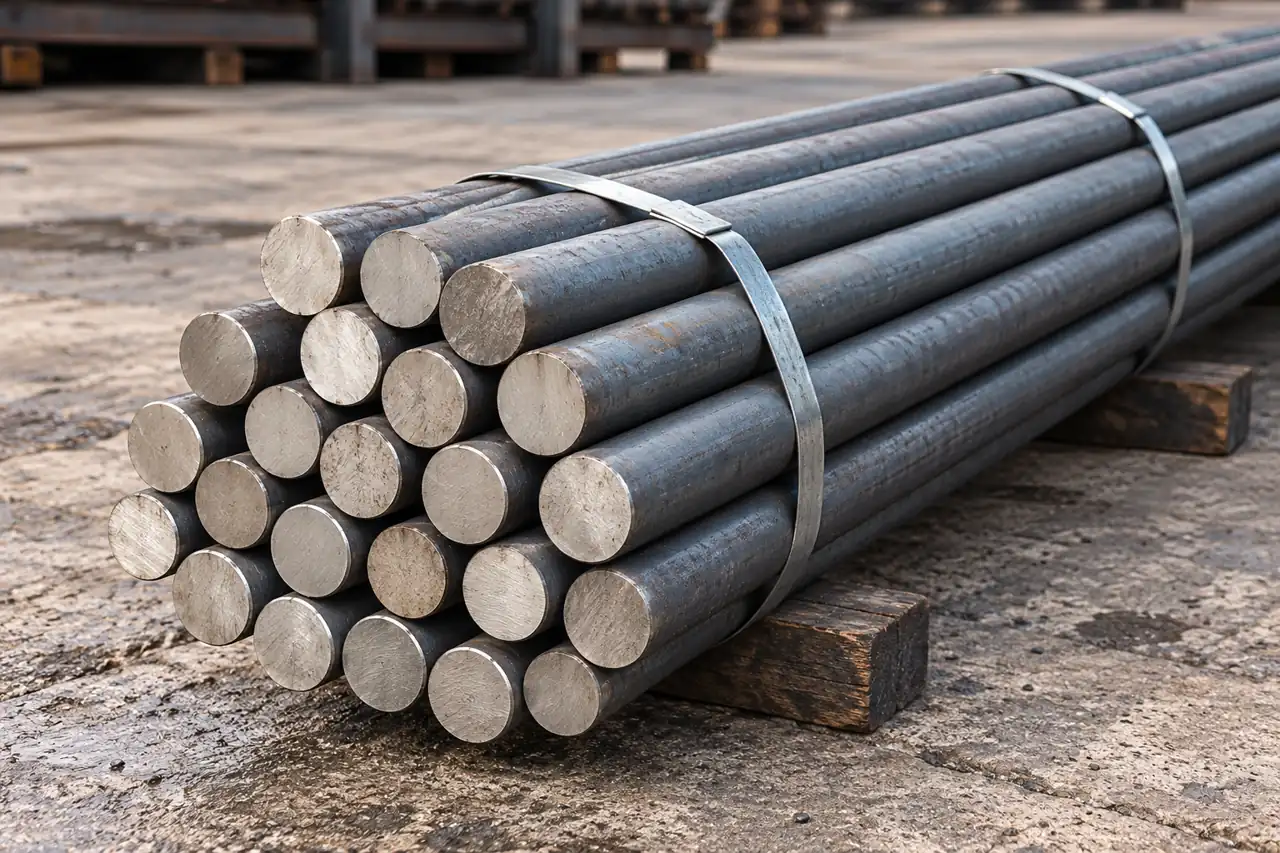
The drawing material and the stock schedule belong together
Identify the component drawing and revision, then list the material grade and condition it requires. Add the blank diameter, length and quantity from your machining plan. A finished-part dimension alone does not define the stock size or preparation included in a bar quotation.
Hot-rolled and cold-drawn offers need distinct lines
Ask us to confirm the actual processing route and supplied condition of each candidate. Keep any proposed alternative separate for technical approval. The linked listing includes machining-bar enquiries, but a route name by itself does not establish the tolerance, straightness or surface condition your process requires.
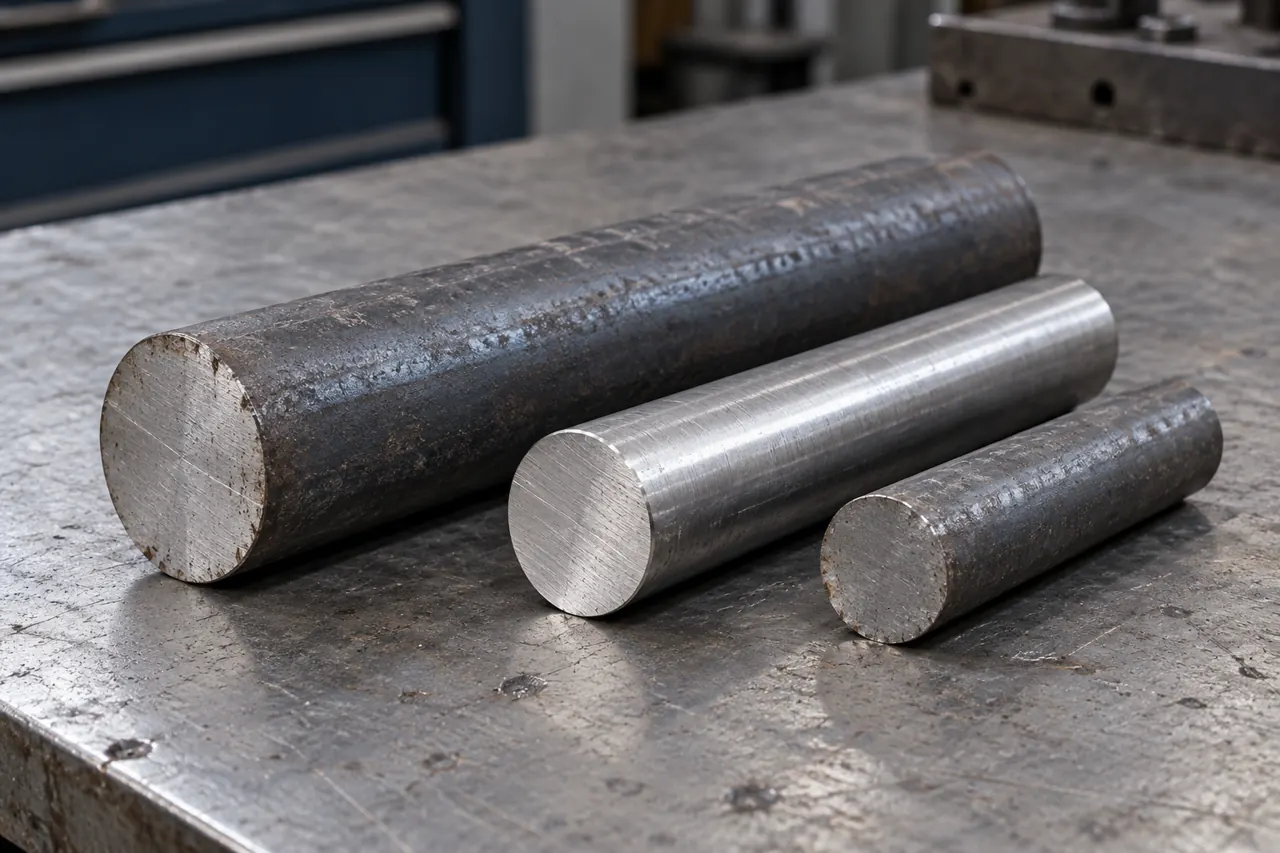
Dimensions need an agreed measurement basis
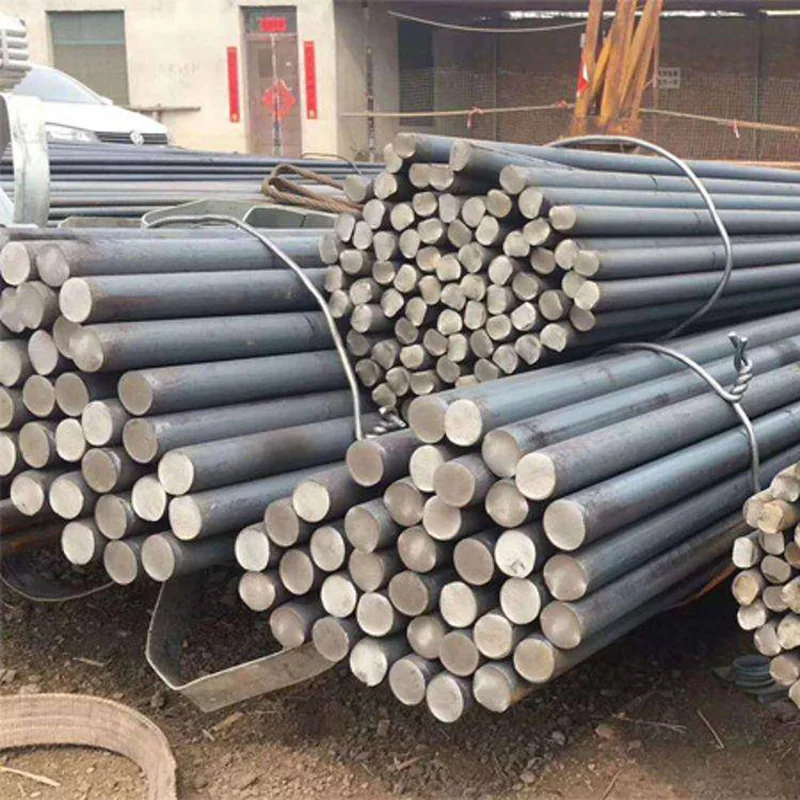
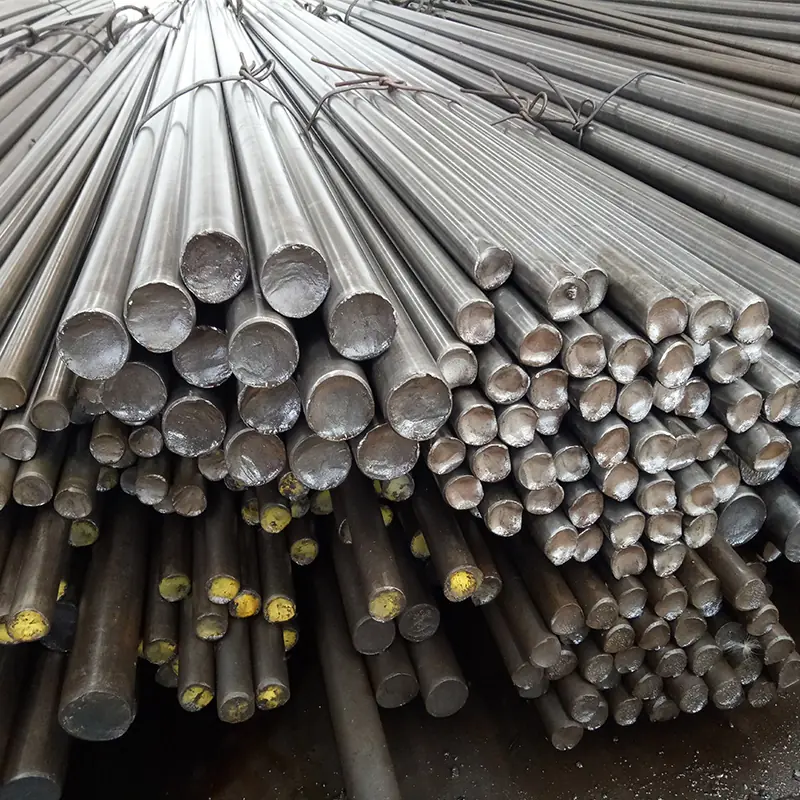
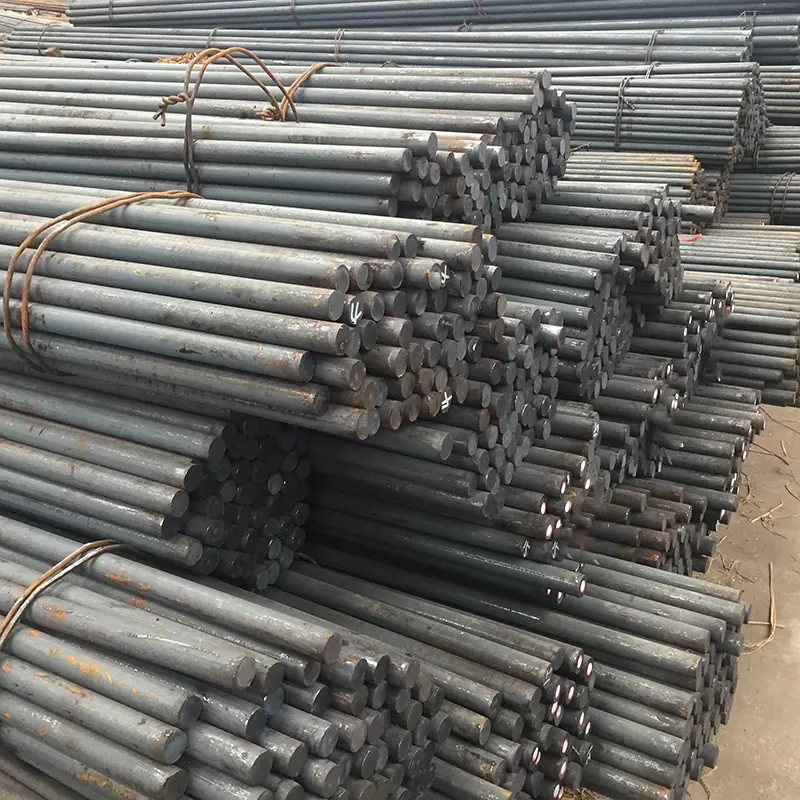
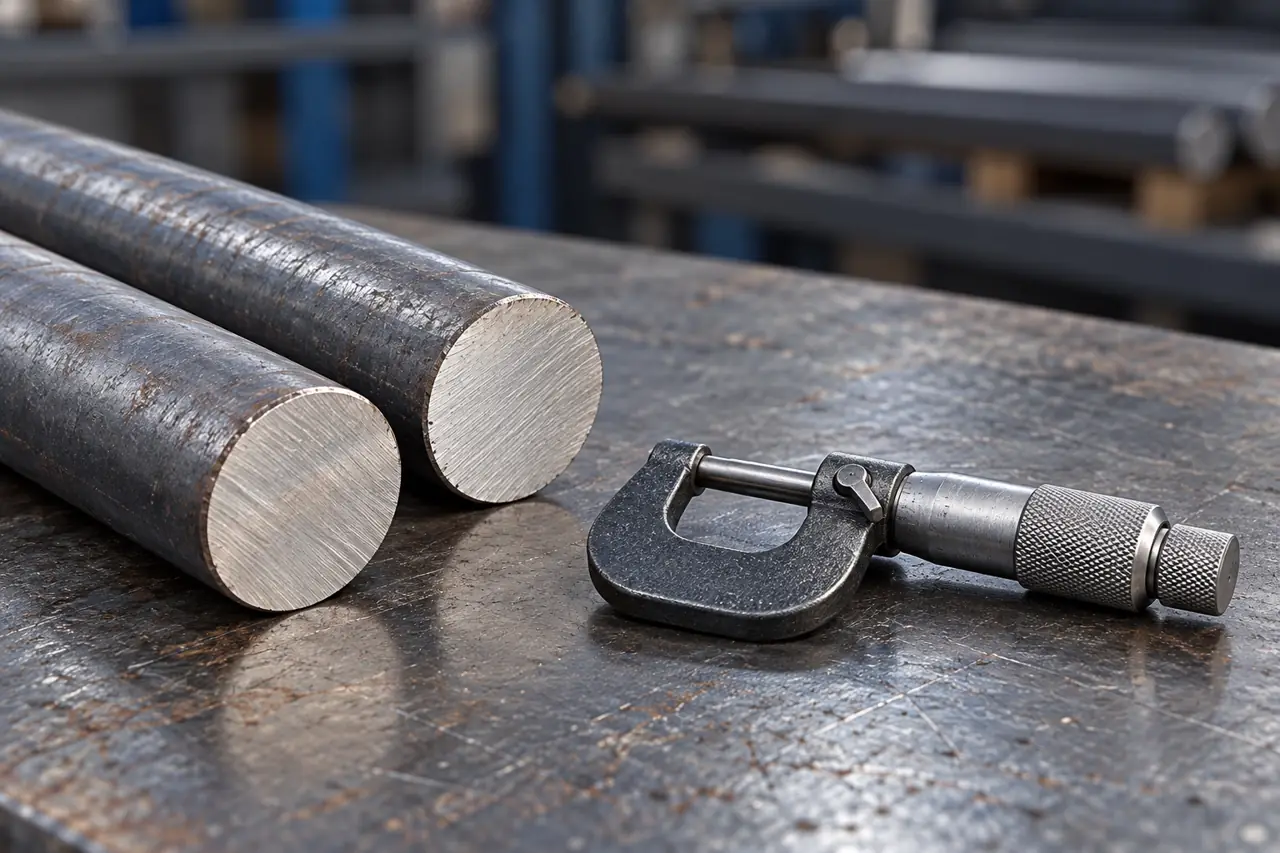
State diameter tolerance, straightness and length requirements explicitly, including the applicable measurement or sampling basis. Add surface acceptance where it matters to machining. A smooth-looking bar photograph cannot verify these features, and a nominal diameter should not replace the purchasing specification.
Material records should identify the stock being delivered
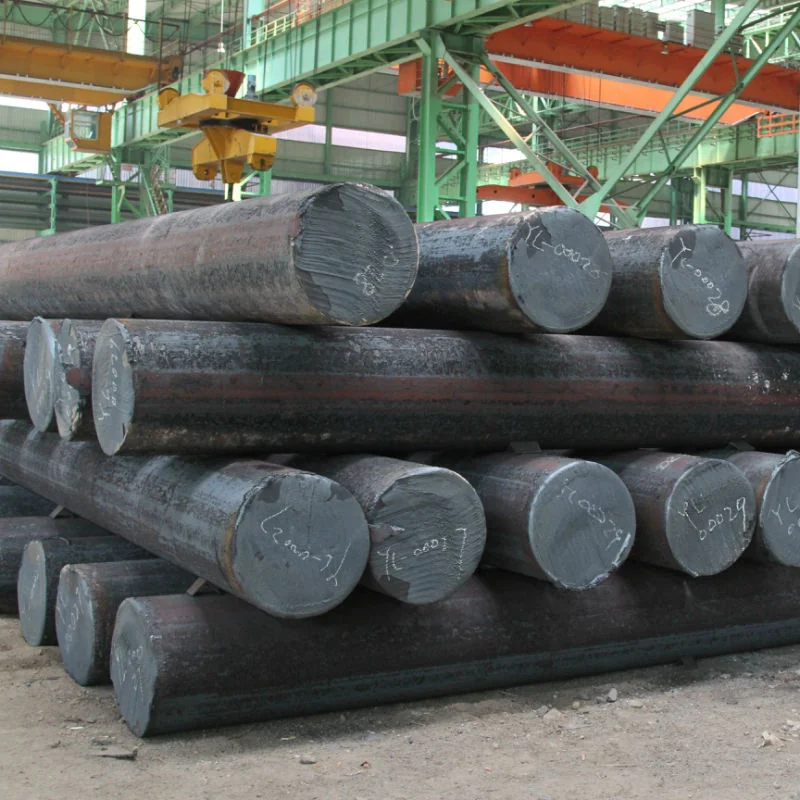
Request the applicable material evidence and clarify the heat or lot connection to bars and bundles. If blanks are cut, state the identification needed afterward. Keep a record for the correct material and condition rather than accepting a generic report because a broad grade family looks familiar.
A machining sample should have a recorded starting condition
Use an identifiable candidate sample where your approval process requires a trial. Record the supplied material and the machining conditions relevant to the evaluation, then inspect the agreed outcome. Keep the conclusion limited to that material and trial instead of promising universal machinability or finished-part performance.
Cutting and preparation need an explicit supply scope
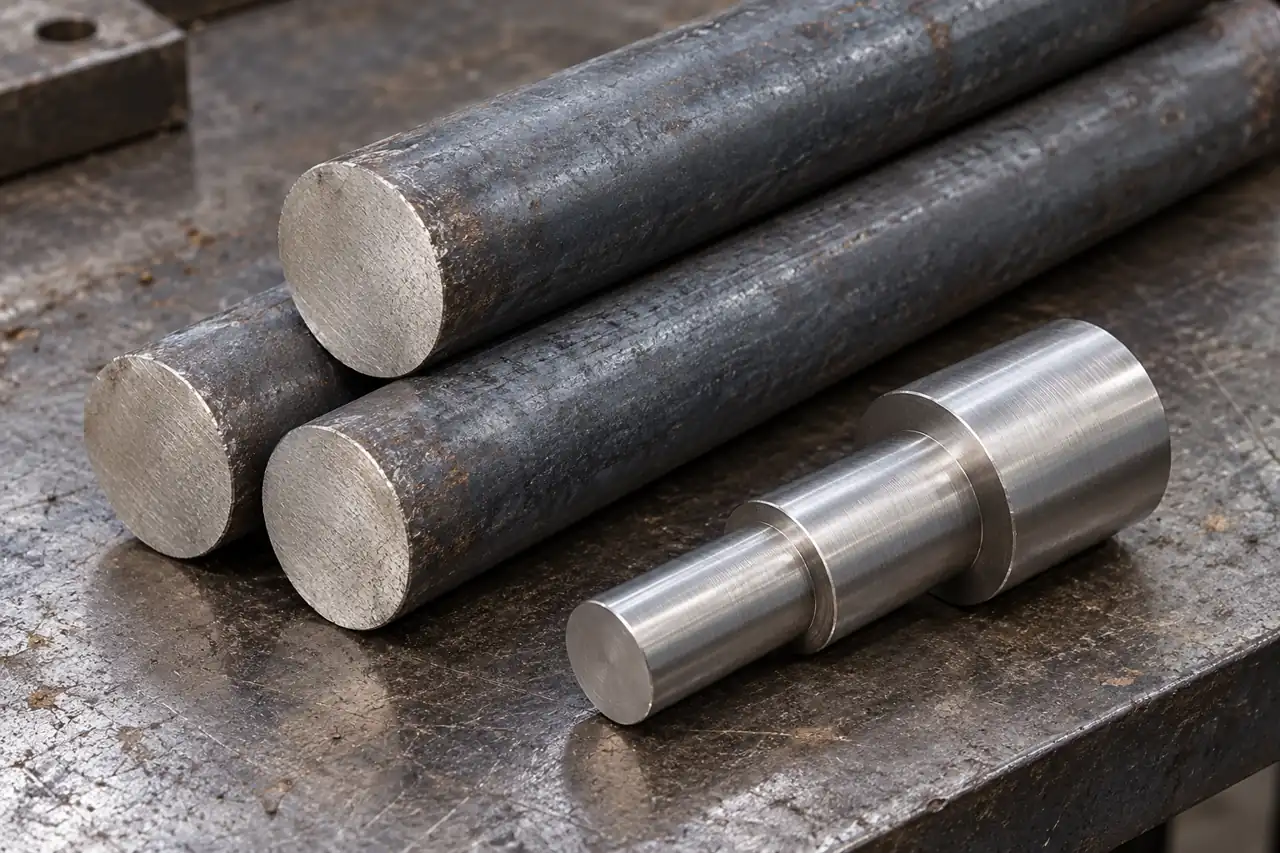
State whether you need full lengths or defined blanks, along with end and preparation requirements. Confirm which operations and final checks are included. Our broader materials catalogue does not establish every cutting or machining service as in-house, and material supply should not be confused with a finished-part contract.
Packing should retain size and heat separation
Agree marks for material, condition, dimensions and heat or lot identity. Reconcile the packing list with the quantity basis, separating different blank lengths where needed. Confirm handling and protection for the actual order so the receiving team can issue the correct stock to production.
Keep original stock evidence when a problem appears
Preserve the affected bar or blank with its marks and records before further machining removes the reference. Record the measured feature, method and unit. Include the drawing revision and processing history when sharing the issue so the discussion can distinguish supplied condition from later operations.
Send the material and blank schedule for quotation
Provide the drawing grade, processing route or supplied condition, stock dimensions and quantities. Add tolerances, cutting needs, material records and packing. We can discuss the listed carbon-steel bar candidate and confirm a specific supply proposal for your machining-stock review.