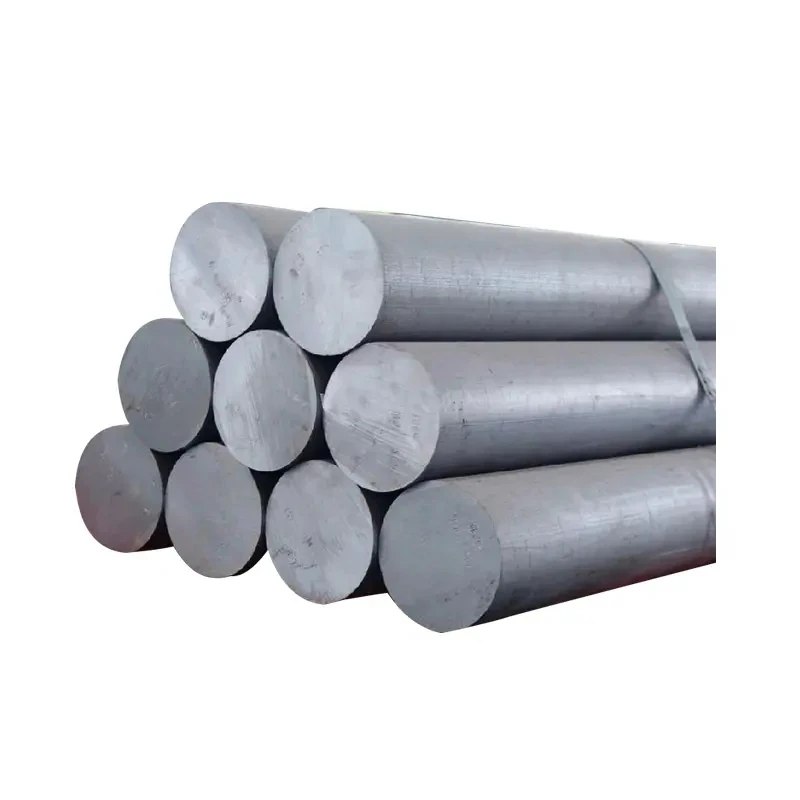
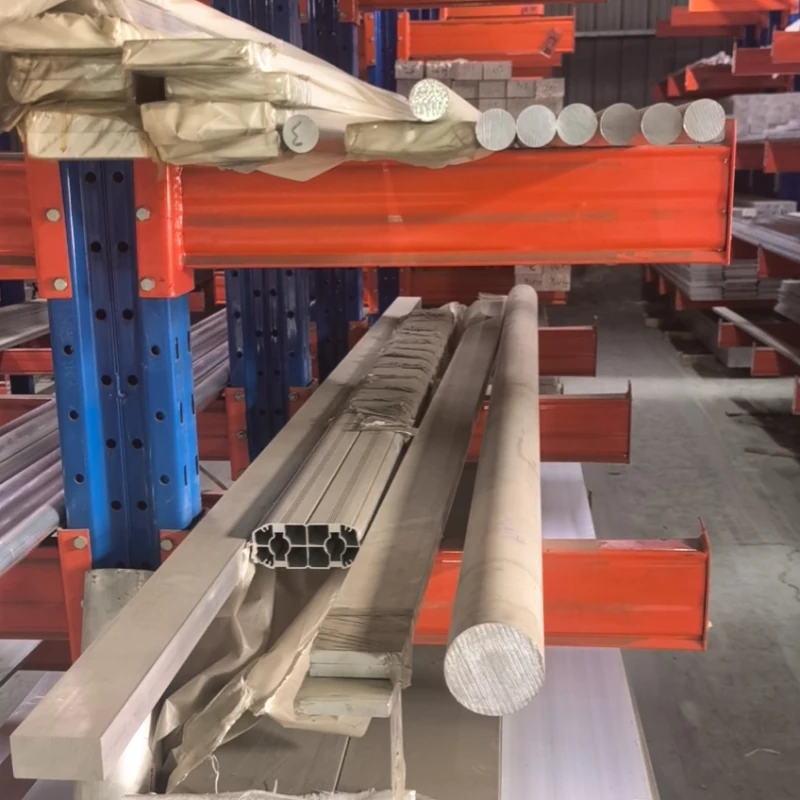
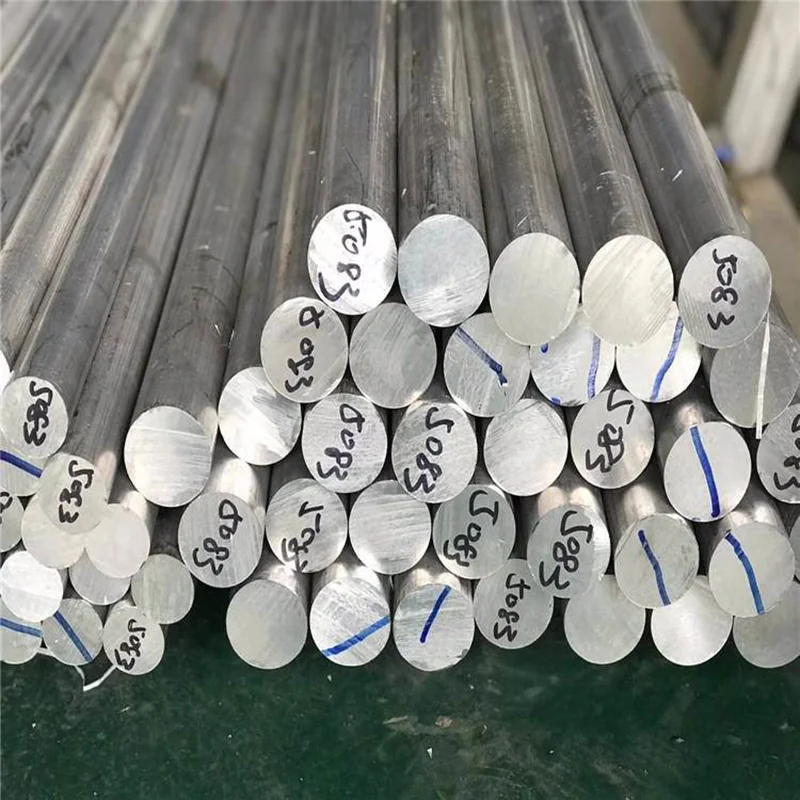
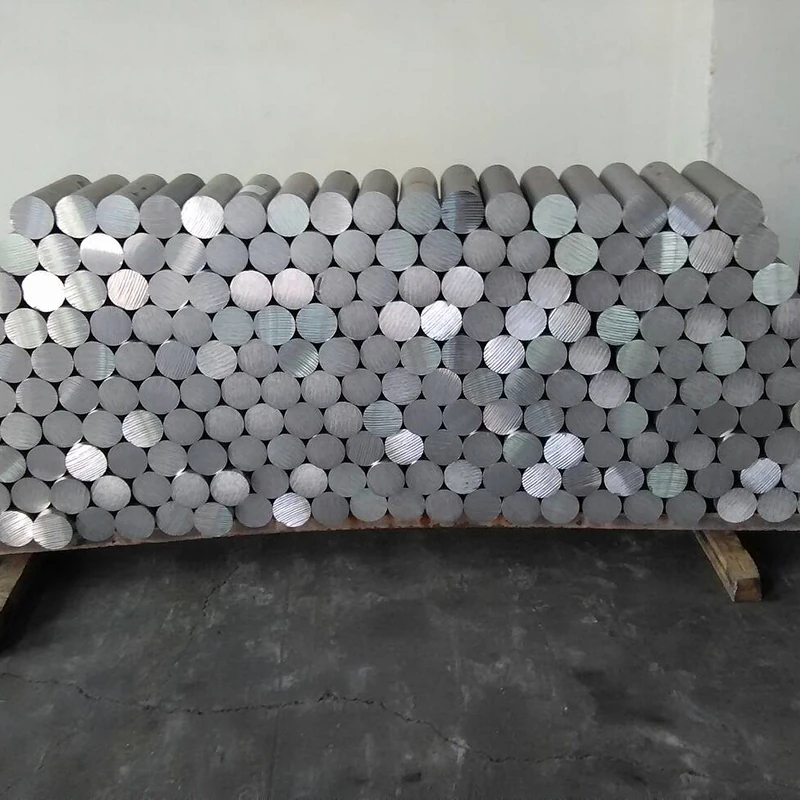
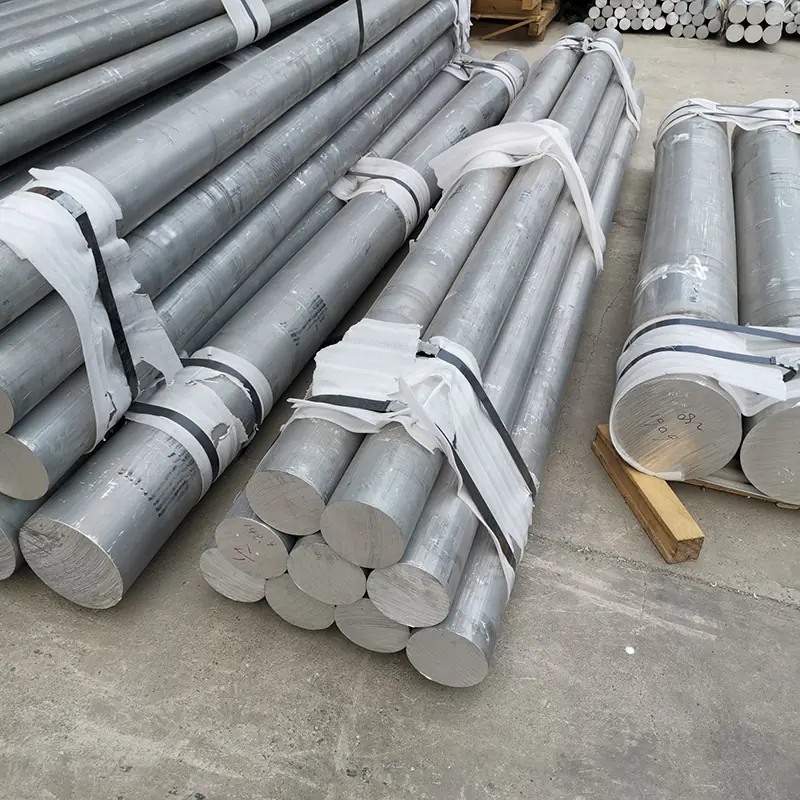
6061 aluminium round bar for batch CNC turning
Specify 6061 bar stock through the turning drawing and bar-feeder limits, including temper, diameter, straightness and supplied length. Our round-bar catalogue lists 6061 among several alloys. We can review the actual proposal; the alloy name alone does not establish a particular temper or approved feeding condition.
Work back from the turned part
Provide the drawing revision and the stock size selected by your production team. Include the bar-feeder and workholding limits. Keep machining allowance in the approved manufacturing plan; a supplier should not infer the required raw diameter solely from a finished-part dimension.
Keep temper explicit in the order
State the required supplied temper and ask for material evidence covering that condition. Do not automatically add T6 because the alloy is 6061. Review any alternative before material release, particularly when the batch depends on consistent machining or a later treatment.
Agree dimensional inspection for the stock
Define diameter limits and the straightness measurement basis needed for your feeder. Include surface condition and any end requirement. A short diameter sample cannot demonstrate straightness along full bars, so the approval plan should distinguish sample checks from inspection of the actual supplied lengths.
Match supplied lengths to production planning
List accepted lengths and quantities, and confirm any cutting scope separately. Identify how short ends or remnants are handled in your own production plan. Comparable offers need the same length basis; a lower unit price can describe stock that creates a different preparation workload.
Confirm the actual bar source
Ask us to identify the producer, 6061 material condition and records behind the proposal. Our broader materials catalogue supports an enquiry but does not establish in-house bar production or CNC machining. Any requested processing or additional inspection should be confirmed as a specific order scope.
Approve representative stock before the batch
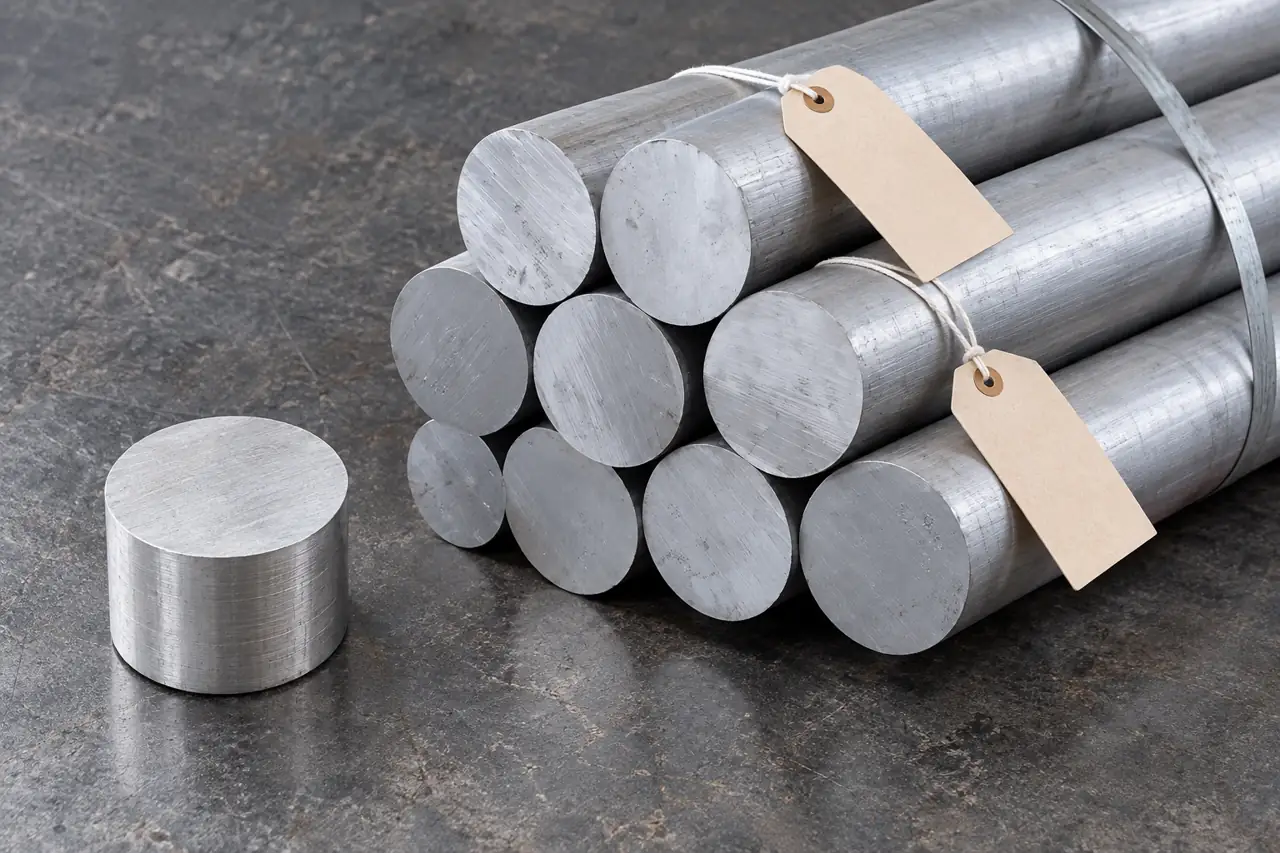
Use identified material for any required feeding and turning trial, recording the stock condition and machine observations. Keep the trial result linked to the material record. This makes the approval useful for repeat purchasing instead of treating an untraceable sample as evidence for future deliveries.
Protect surface and lot identity
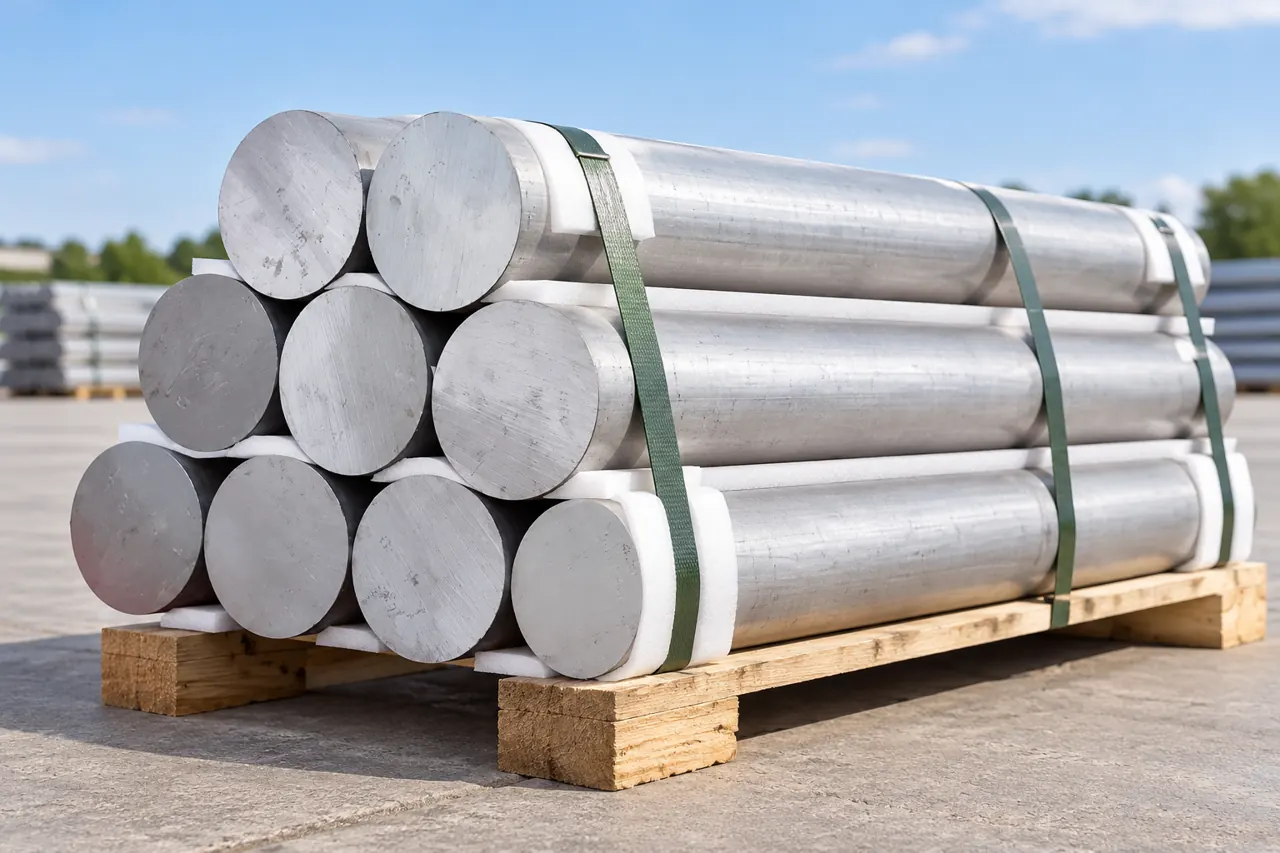
Agree bar support, separators and restraints that limit transit damage. Keep lot identifiers connected to bundle and packing-list entries. At receipt, inspect disturbed packing or damaged ends before distributing bars to machines, where material identification can be lost during preparation and cutting.
Review the first repeat delivery
Compare material records, stock dimensions and supplied lengths with the accepted specification before feeding. Review any change in producer, temper or surface condition explicitly. If machine behaviour changes, retain stock identity and operating observations so the cause can be investigated with evidence.
Send the turning-stock requirement
Share the 6061 temper requirement, raw diameter, straightness basis, supplied lengths and production quantity. Add the drawing revision, feeder limits and documents required. We can review the round-bar catalogue reference and confirm the actual material, packing, any available processing and quotation scope.