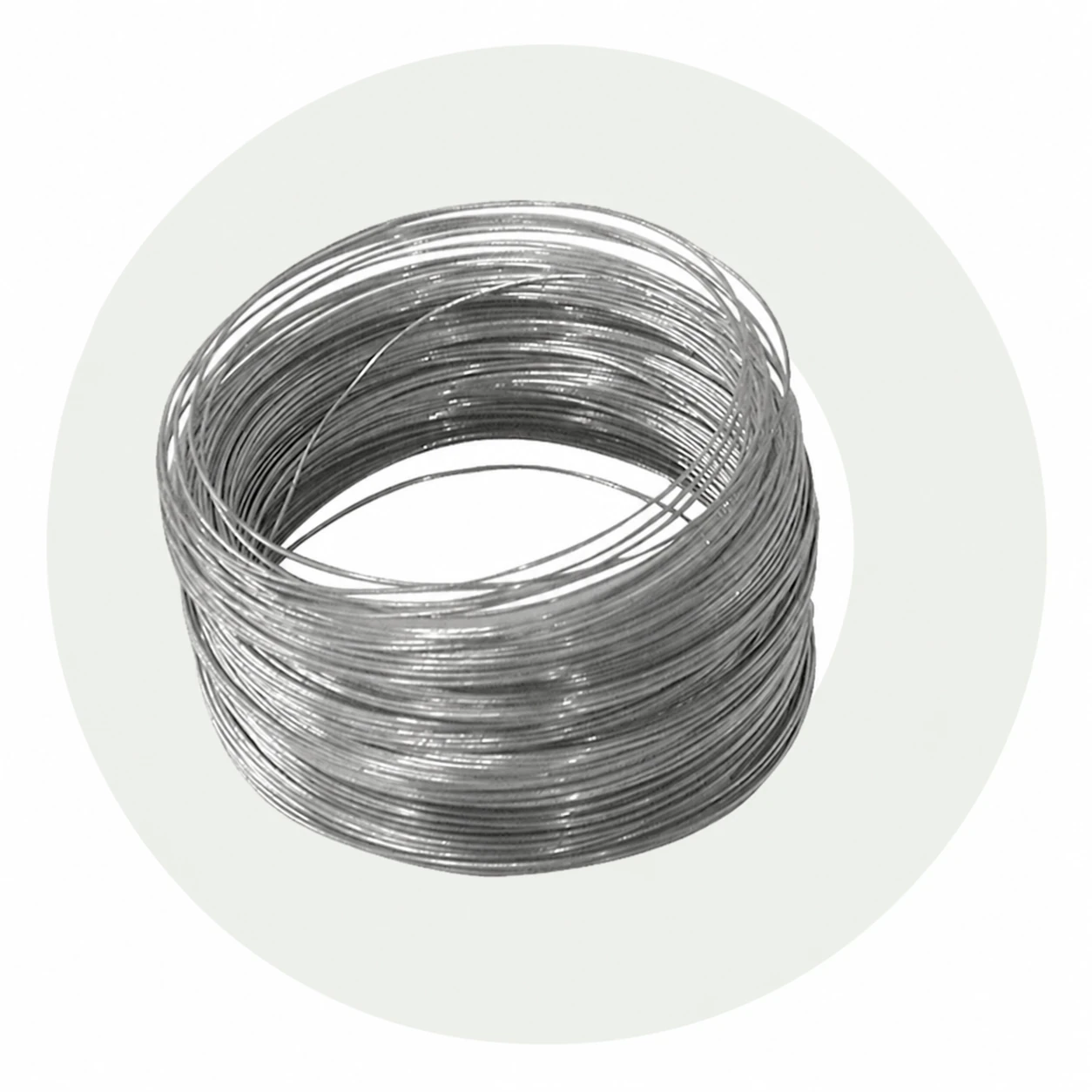
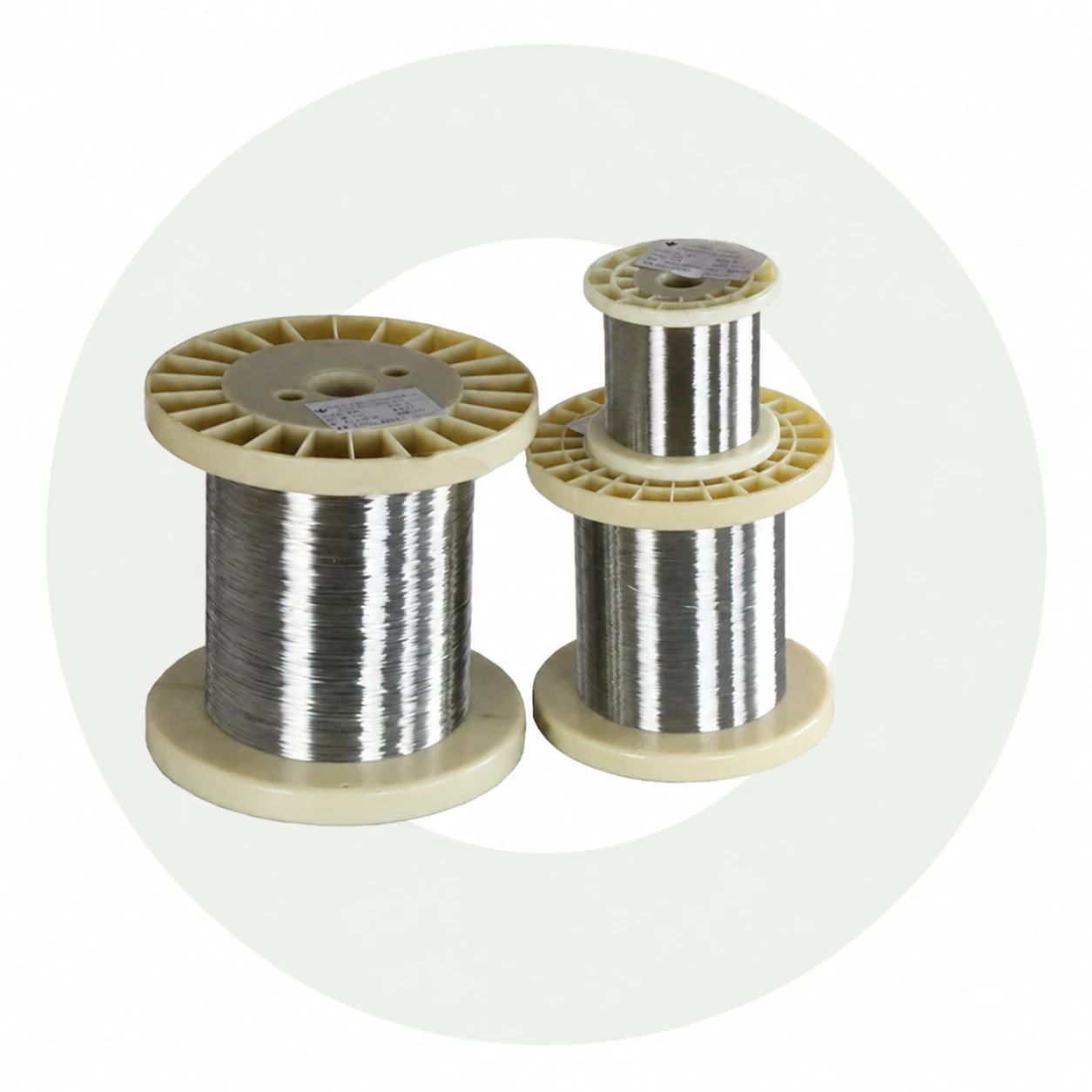
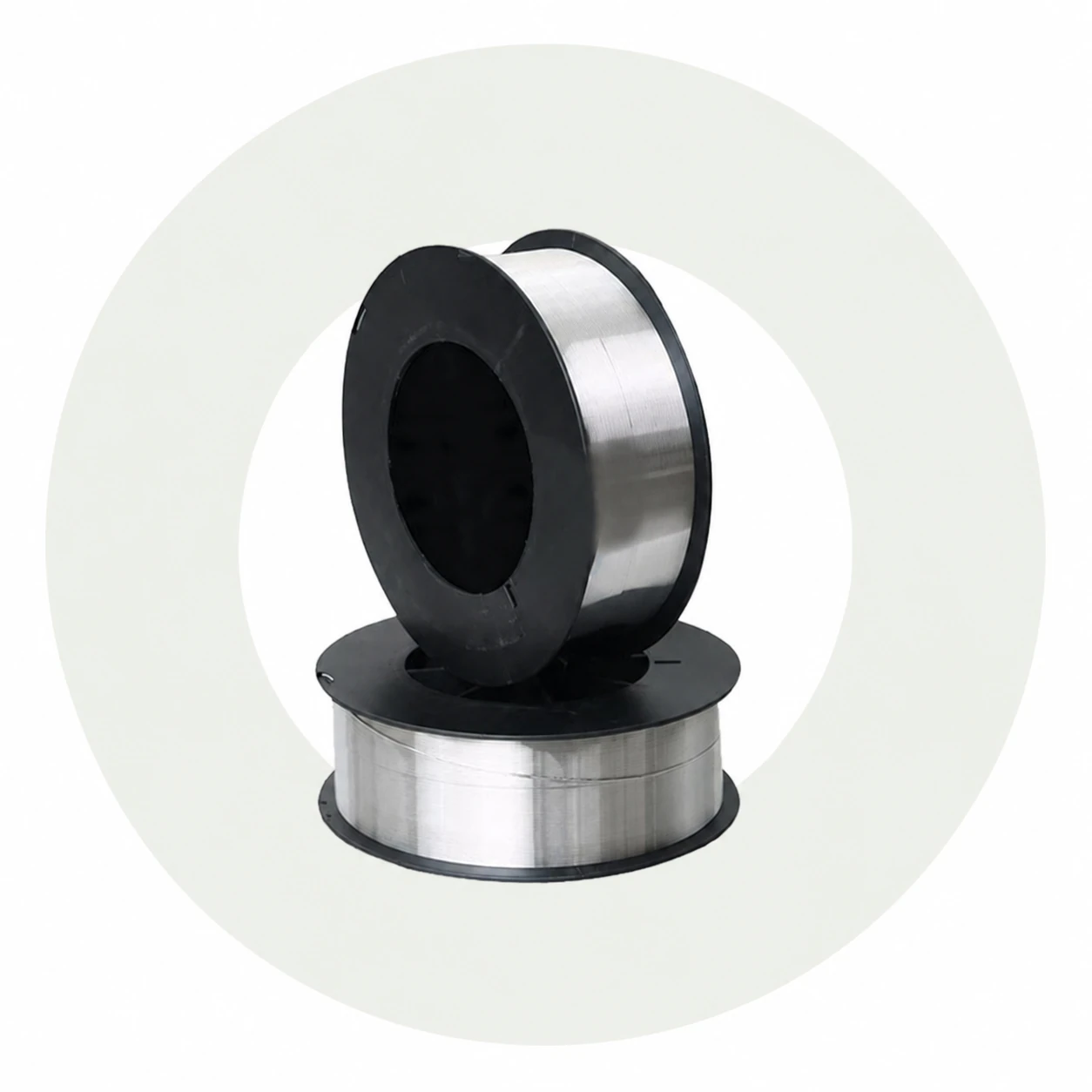
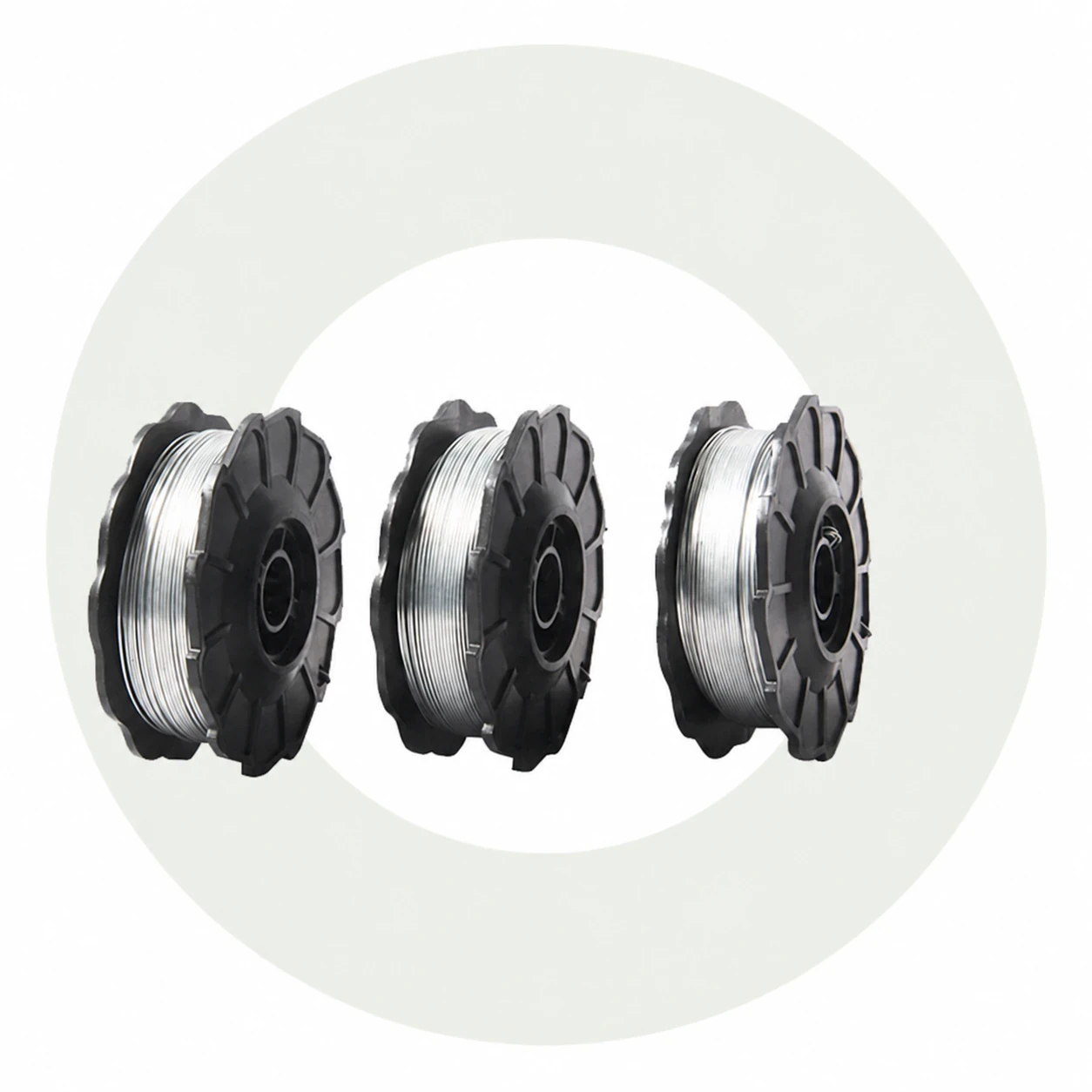
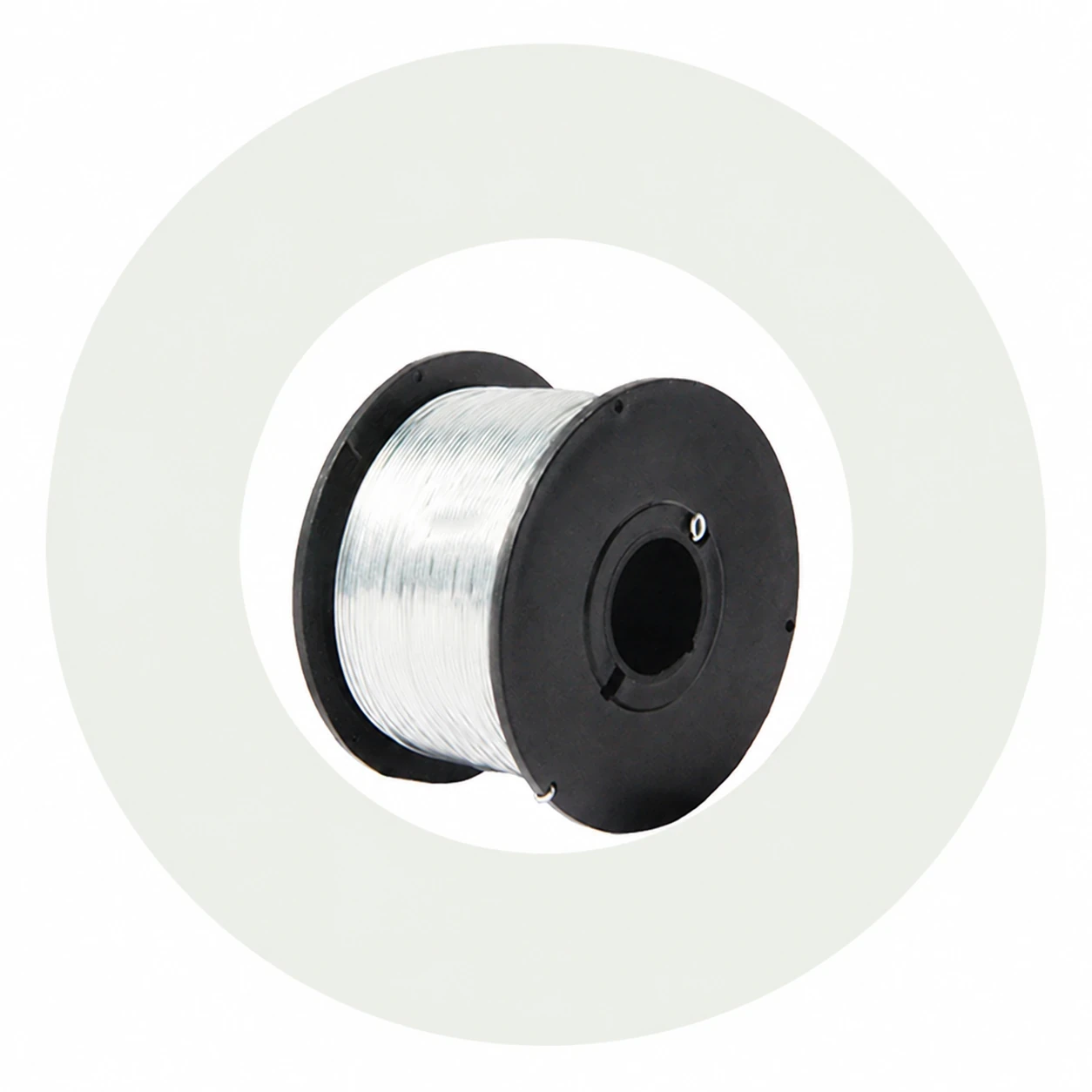
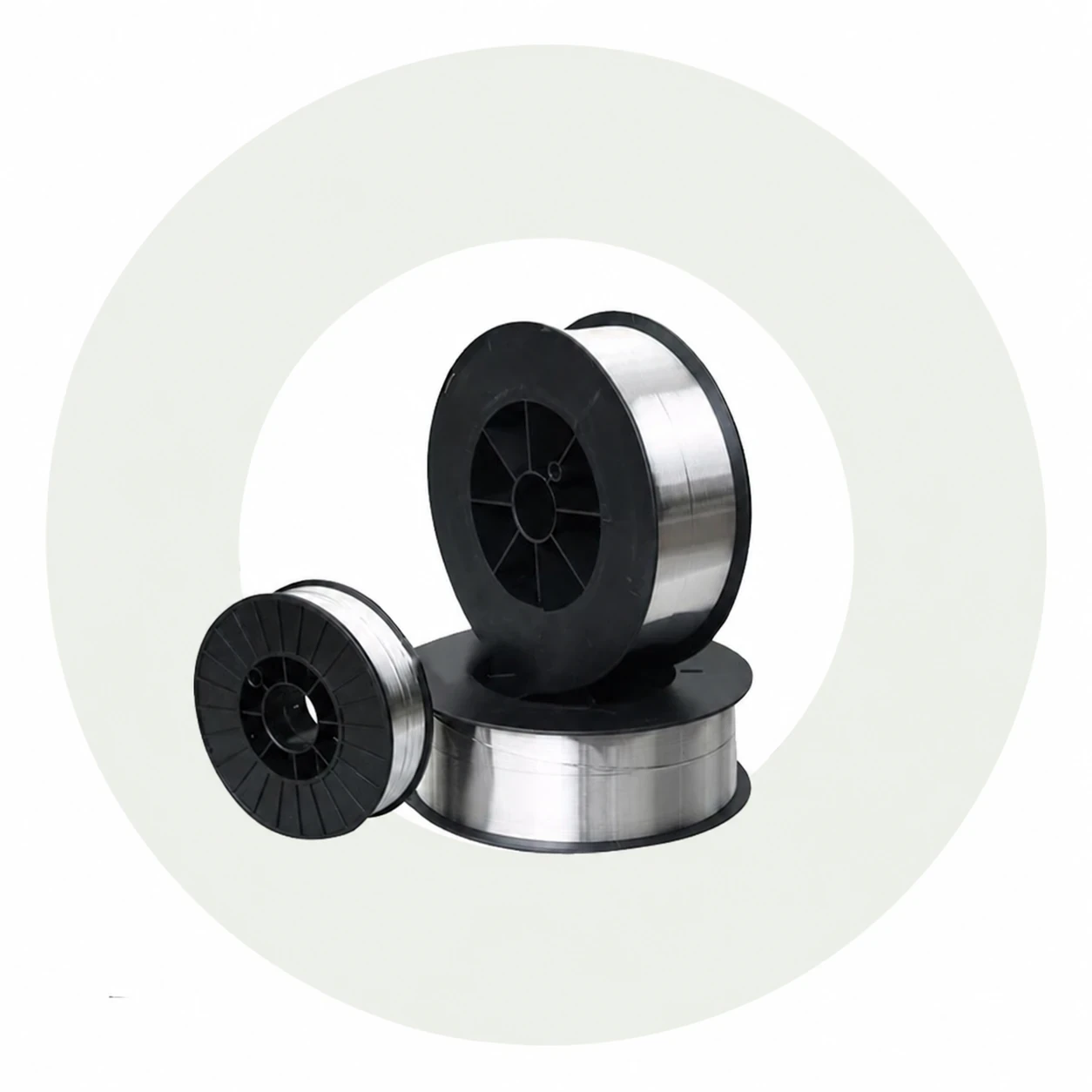
Stainless steel wire for woven screening and filter mesh
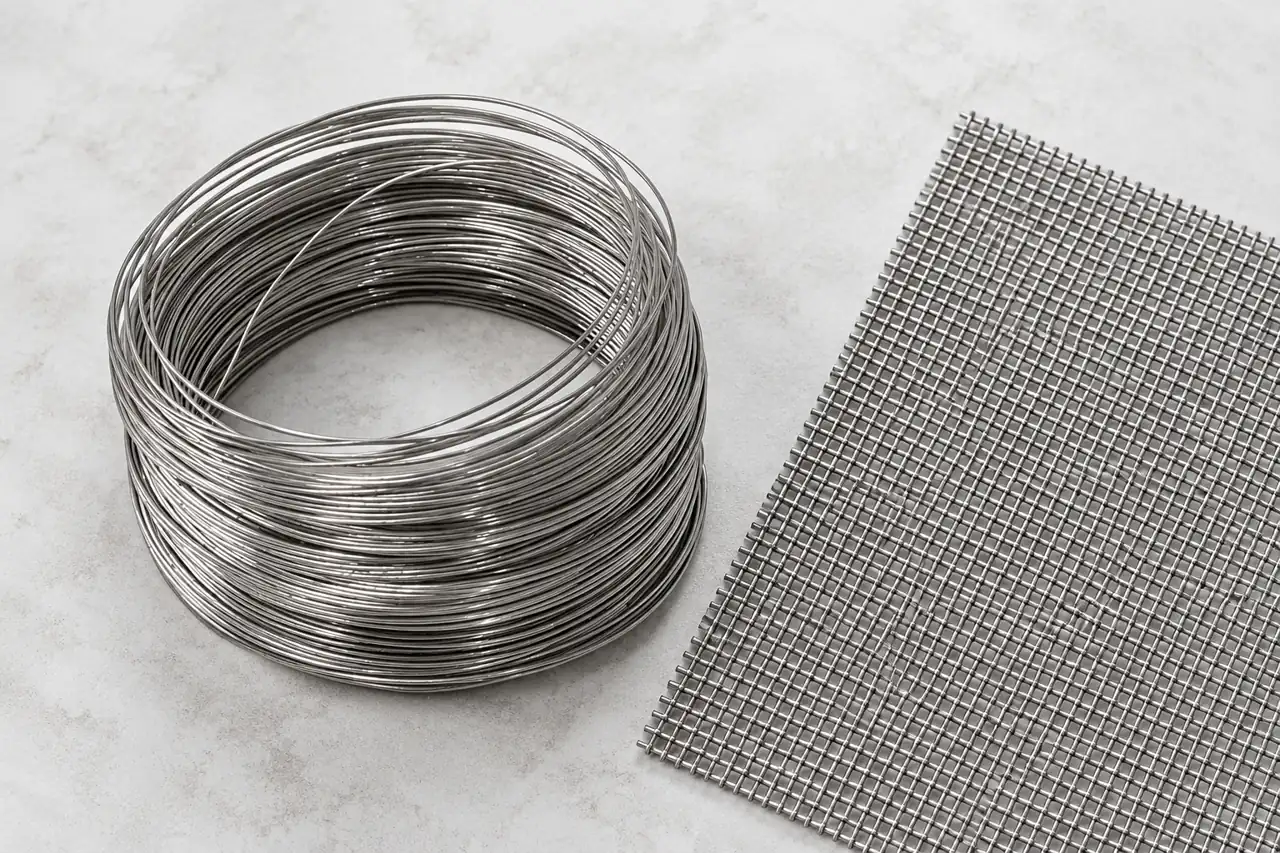
Specify stainless weaving wire through the mesh you need to make: aperture, weave, diameter consistency and surface acceptance. Our catalogue includes 304 and 316 wire for industrial forming enquiries. We can review the proposed alloy and supplied condition; confirm them through material records and a representative weaving trial before recurring orders.
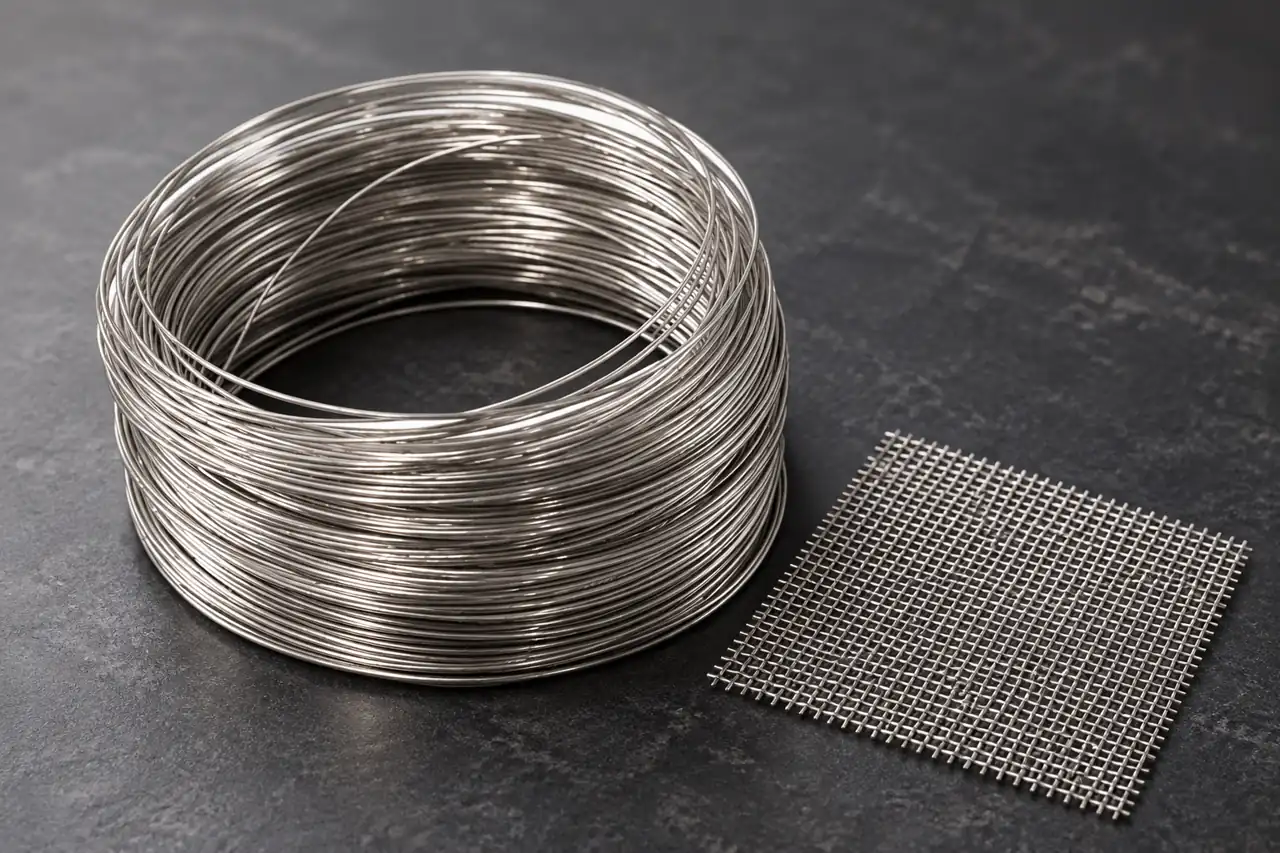
Translate the mesh drawing into wire limits
Start with the screen or filter drawing and the weaving line's input limits. Wire diameter and its variation affect the resulting geometry, while the supplied condition must suit handling and weaving. Keep the raw-wire requirement separate from finished-mesh acceptance so the supplier is quoting the material you actually need.
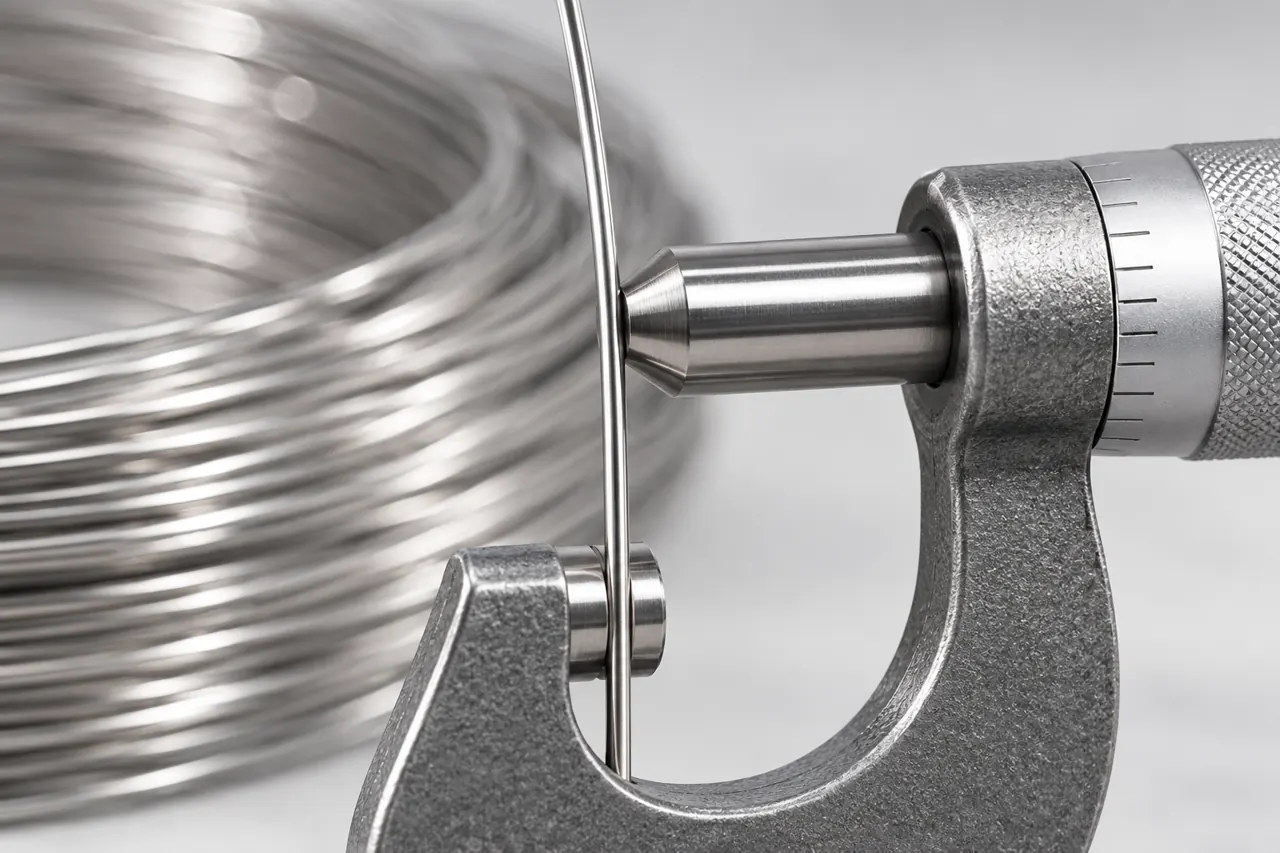
Check diameter across an identified sample
Agree where measurements are taken, how many positions are checked and which measuring method applies. Keep the sample linked to the coil or lot, and record the allowed variation in your specification. A single measurement on a loose wire length cannot describe consistency across an entire delivery.
Treat alloy identity as a document review
Choose 304 or 316 from your approved material requirement, not from appearance. Request the actual alloy designation and material evidence applicable to the proposed wire. If the screen contacts a particular process fluid, your engineering team should set the material requirement; a broad stainless description does not establish suitability for that service.
Define acceptable wire surface condition
Describe whether scratches, residues, discoloration or other surface features affect your weaving and final mesh requirements. Agree inspection lighting and any cleanliness checks that matter to the application. Surface photographs can support the discussion, but a visually bright coil should not be presented as evidence of a particular cleanliness or finish standard.
Approve the wire on the weaving line
Use a trial coil in the proposed delivery format, with the same diameter and condition as the volume offer. Record feeding behaviour, interruptions and finished-mesh observations under your chosen settings. Avoid changing several inputs at once, since a trial should explain whether the candidate wire meets the agreed requirement.
Confirm the proposed supply route
Ask us to identify the manufacturing and supply responsibility for the specific wire. Qingdao Relia Industries Co., Ltd. focuses on steel wire and steel shot; the stainless catalogue provides a starting point for this enquiry. Available material records, coil preparation and any additional inspection should be confirmed with the actual proposal.
Keep coils clean and individually traceable
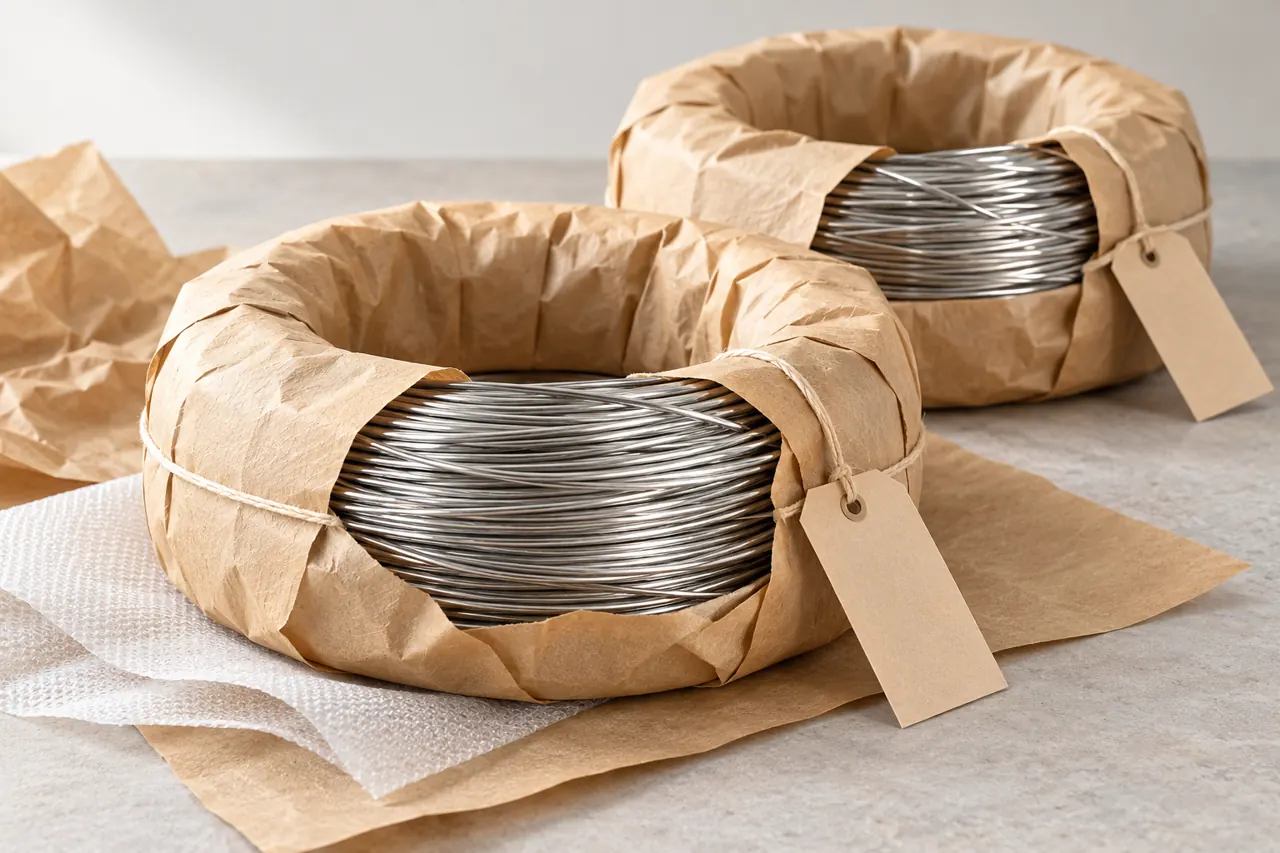
Agree wrapping, coil support and labels that remain with each unit until loading. Protect the wire surface from handling damage and keep different alloys or diameters separated. The receiving team should be able to connect a coil to the approved specification without judging alloy from colour or shine.
Hold the repeat order to the weaving approval
Retain the approved wire specification and trial mesh alongside the lot record. Compare the first repeat delivery before releasing it to weaving, and review changes in supplied condition or packaging. If a problem appears later, the retained references help distinguish incoming-wire differences from changes in the weaving process.
Send a mesh-specific wire brief
Provide the alloy requirement, wire diameter and tolerance, mesh drawing and weaving-line format. Add the required surface condition, trial quantity, recurring demand and destination. We can review the stainless wire catalogue reference and confirm the material, records, packing and commercial proposal that should be evaluated for your screen or filter programme.