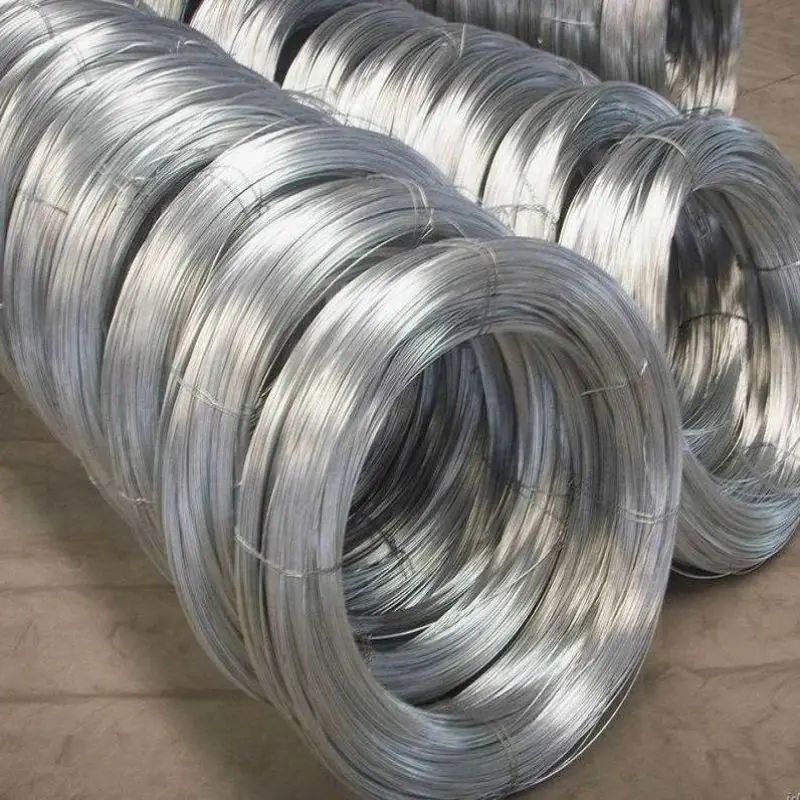
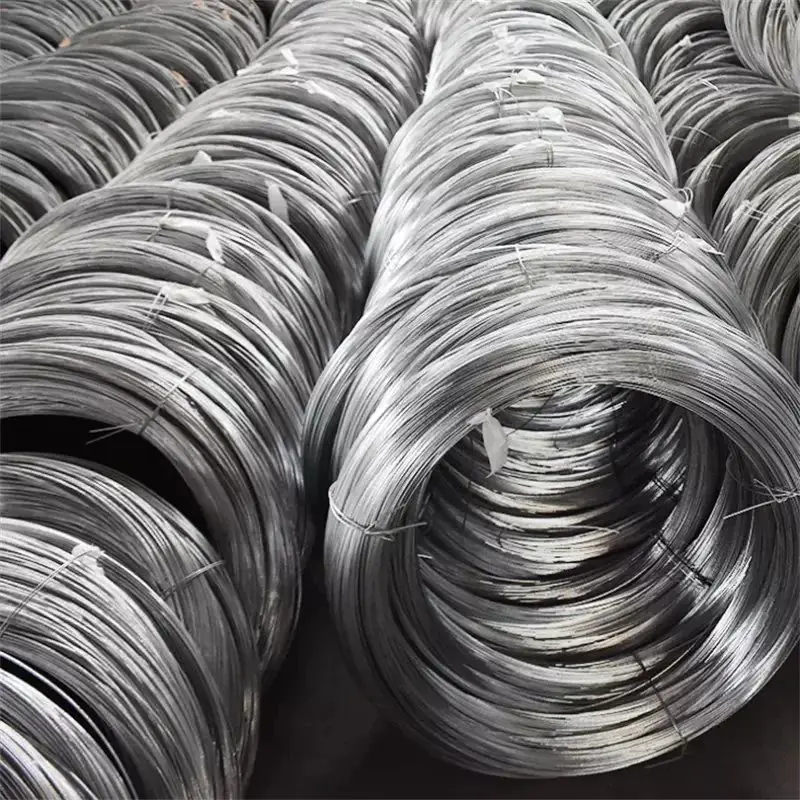
Preformed U-Type and Loop Tie Wire for Construction Buyers
Specify preformed tie wire by the finished shape and the tying operation, not diameter alone. Our catalogue includes U-type and loop tie-wire entries. Send the tool or manual tying method, finished-length definition and end geometry so we can discuss a candidate whose sample can be checked in your actual operation.
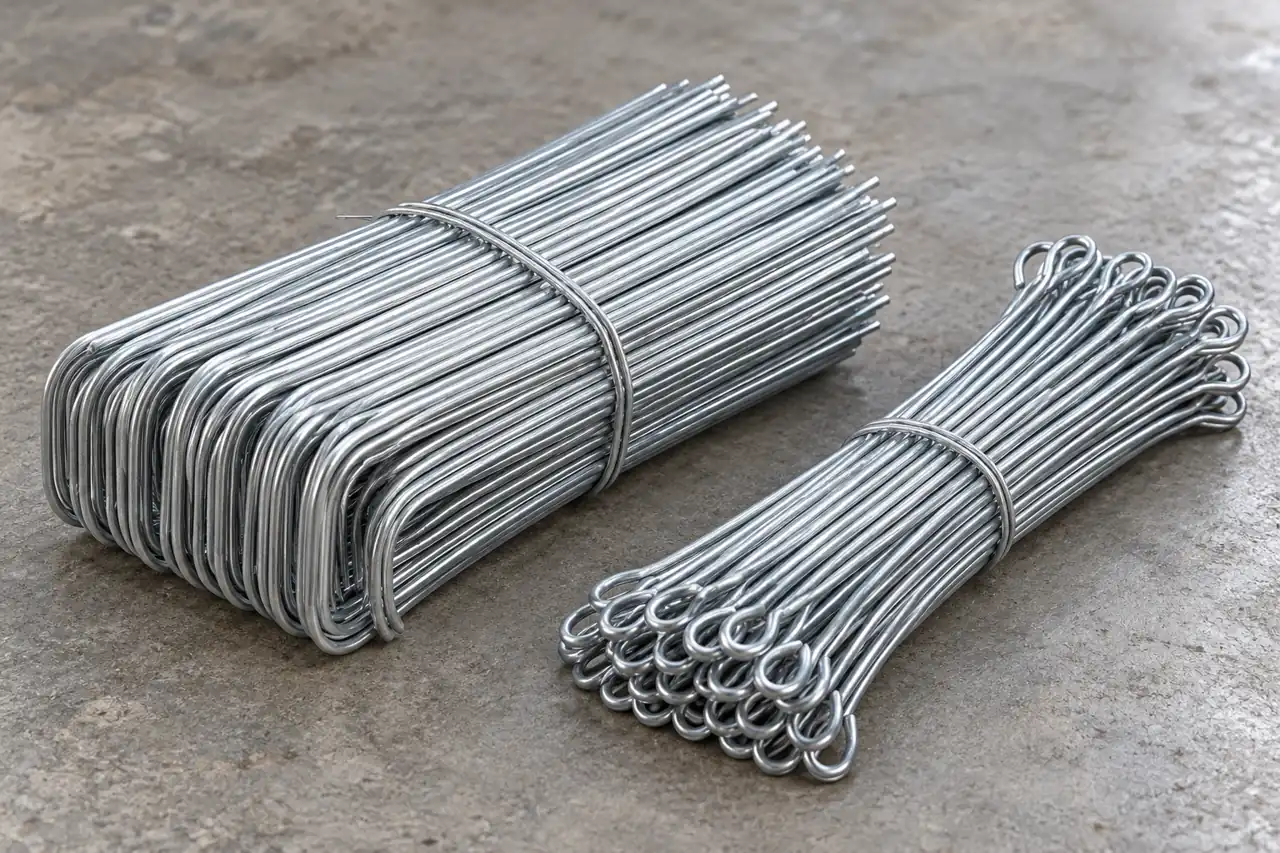
The tying method chooses the starting shape
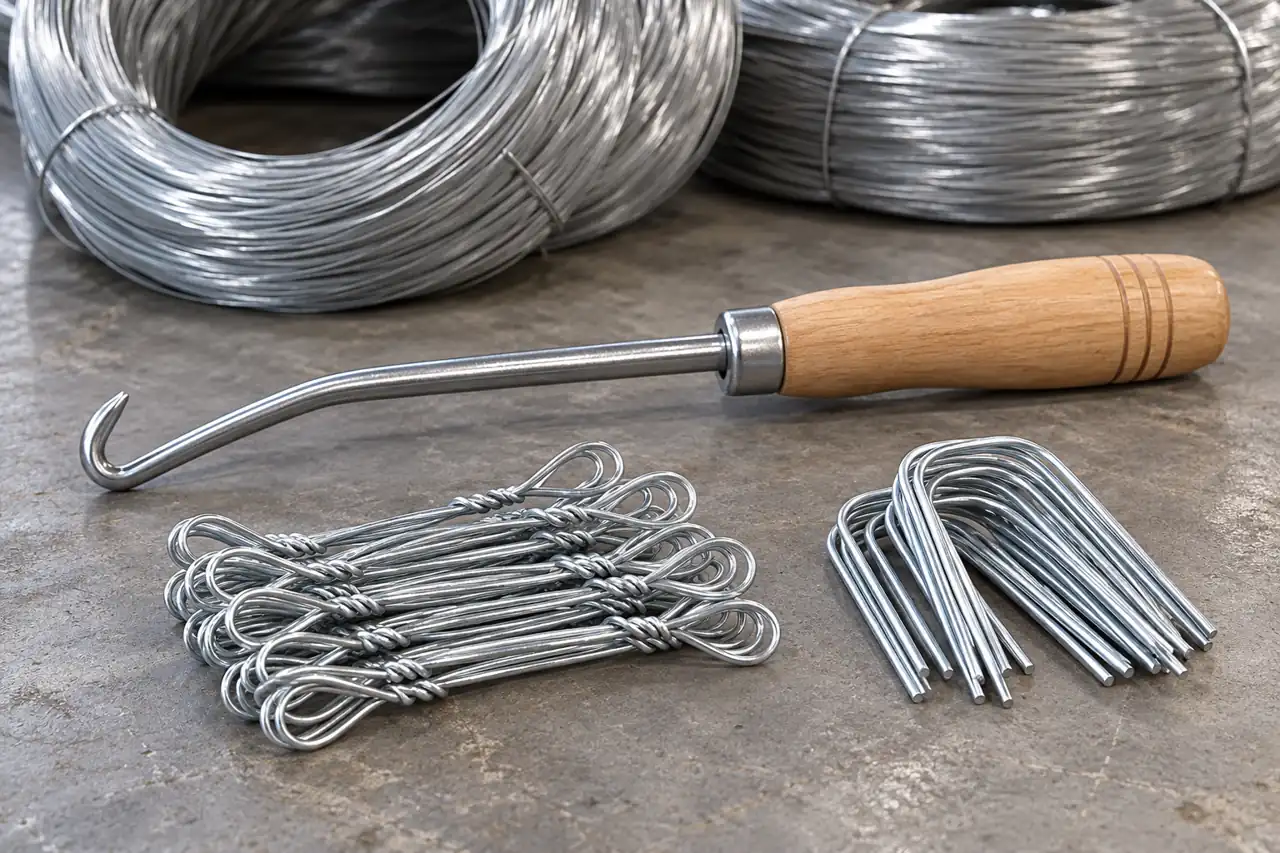
Describe the workpiece, access space and method used to close the tie. A U-type piece and a loop-ended tie present different ends to the operator or tool. Include a photograph or drawing of your current tie where possible, with permission to use it for the quotation review.
U-type and loop ties need separate dimensional descriptions
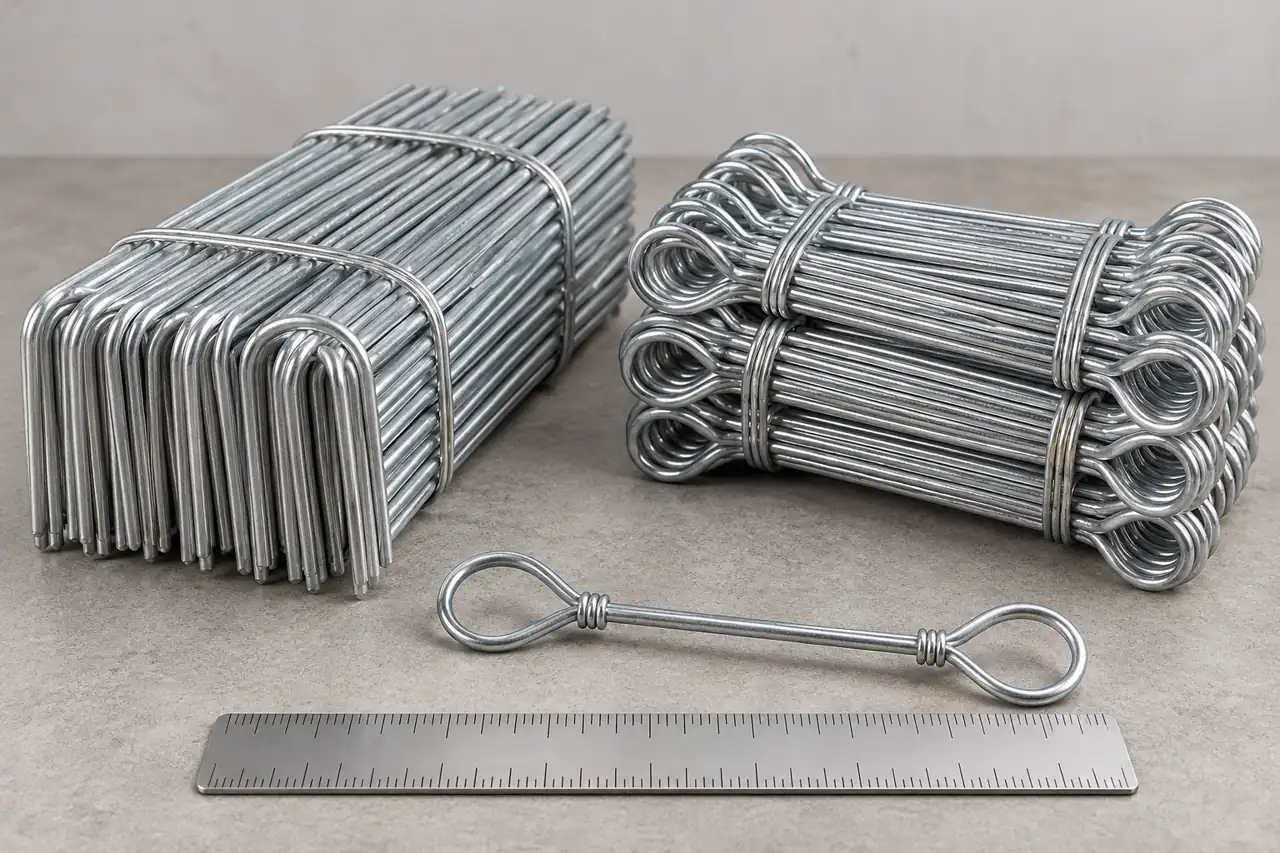
For U-type ties, define the legs, bend and overall finished form. For loop ties, show the loop geometry and the distance used as the finished-length reference. Write the measurement points on a sketch; the same commercial length can otherwise be interpreted differently during quotation and receiving.
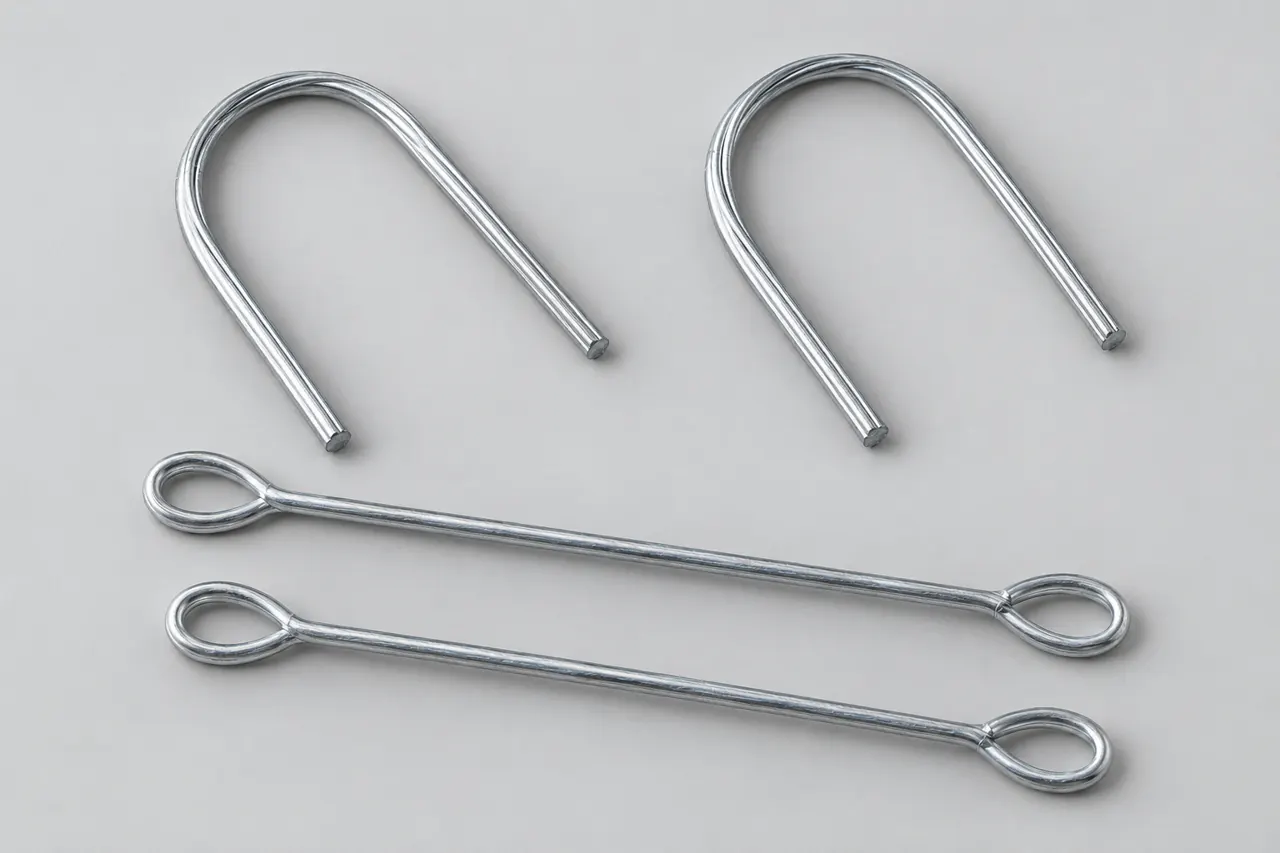
A drawing makes the cut-length requirement unambiguous
List the wire diameter, material or coating requirement, finished dimensions and permitted end condition. Distinguish straight cut length from finished overall length if both matter. Ask us to confirm the dimensional basis in the offered specification before using a quoted size as your purchasing master.
A tool trial should use the intended tie
Trial the proposed sample with your actual tying method and representative workpieces. Record insertion, engagement, closure and any end interference. Tool compatibility belongs to that combination of tie, tool and application; a catalogue shape alone cannot establish compatibility with every tying system or operator practice.
Handling behaviour needs its own acceptance notes
Dimensions do not capture every practical issue. Note excessive springback, coating damage, sharp protrusions or difficulty separating ties from a bundle during the trial. Describe the observation and agreed acceptance basis rather than asking for a vague soft or strong product that cannot be checked consistently.
Count-based packs require a clear quantity basis
State whether the purchase unit is pieces, bundles or net mass, and show the conversion required on the packing list. Request separation of different lengths and shapes. Confirm bundle size and packing arrangements with the offer so your receiving team can compare the delivered quantity with the same order basis.
Receiving checks should compare the finished tie
Check a representative finished sample against the approved drawing and tool-trial reference. If the wrong end shape or length arrives, retain examples and package identification before redistribution. Clear photographs with measurement points support a useful discussion; an unexplained ruler photograph may preserve the original length ambiguity.
Repeat orders should keep the accepted geometry
Use the approved drawing revision and sample reference on replenishment orders. Review changes in tool, workpiece or tying method before carrying the old approval forward. Quantity, availability and dispatch timing need confirmation for the actual order; previous catalogue wording should not substitute for current commercial terms.
Send the finished-tie brief with your enquiry
Share the U-type or loop form, wire requirements, dimensional sketch and tying method. Add sample quantity, trial acceptance, finished-pack quantity and destination. Our team can review the listed options and confirm the proposed supply details so your buyer and operator can assess the same finished item.