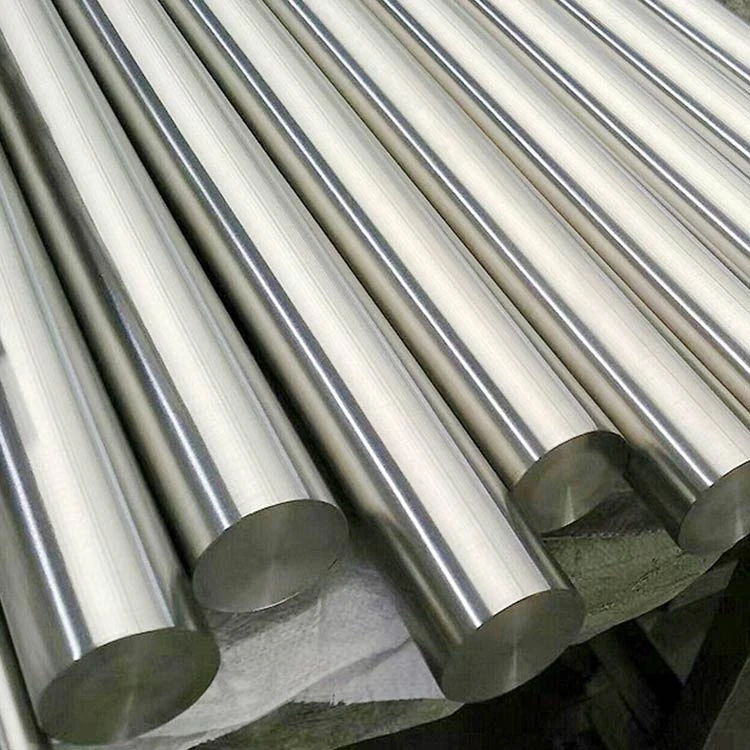
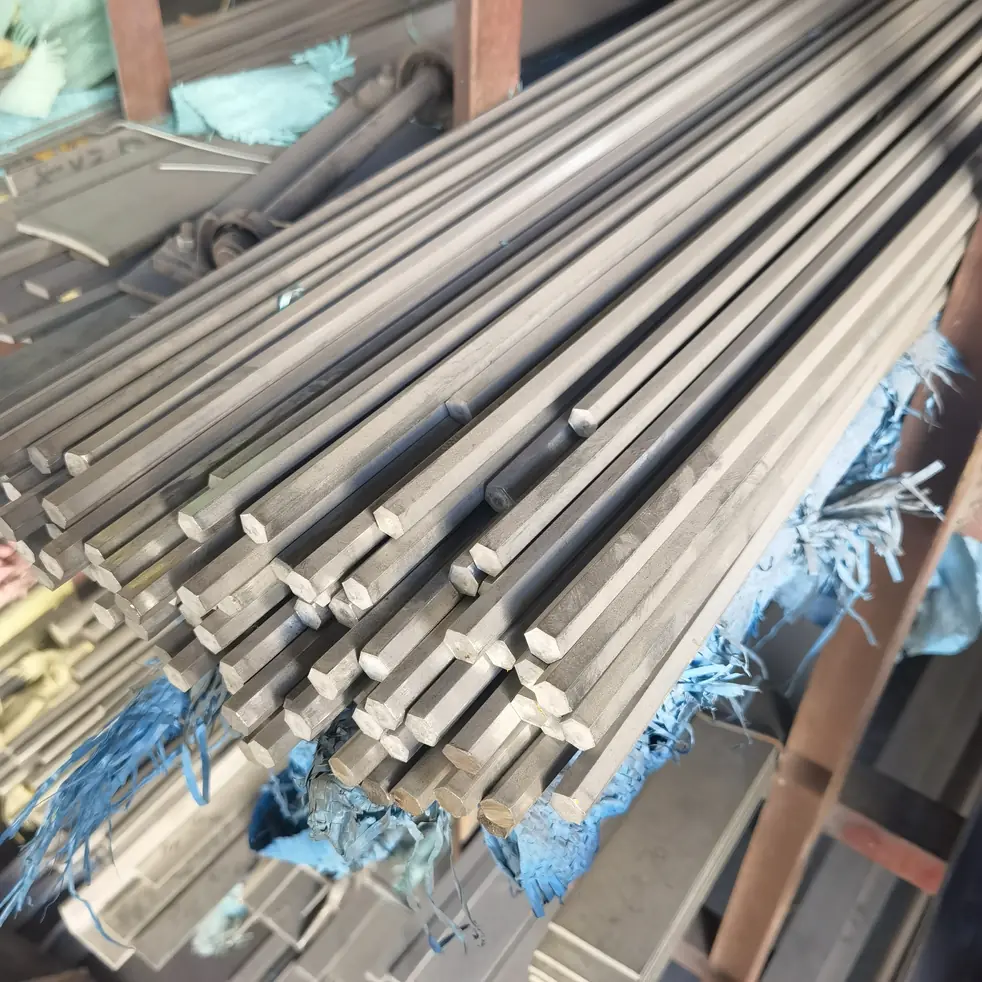
Monel 400 and K500 Bar for Pump and Valve Projects
A Monel bar enquiry needs the drawing’s exact alloy and supplied condition before stock dimensions are compared. Our catalogue includes 400 and K500 bar enquiries. Share the project material specification and required records so a candidate can be reviewed without treating those two designations as interchangeable or assuming every listed size is in stock.
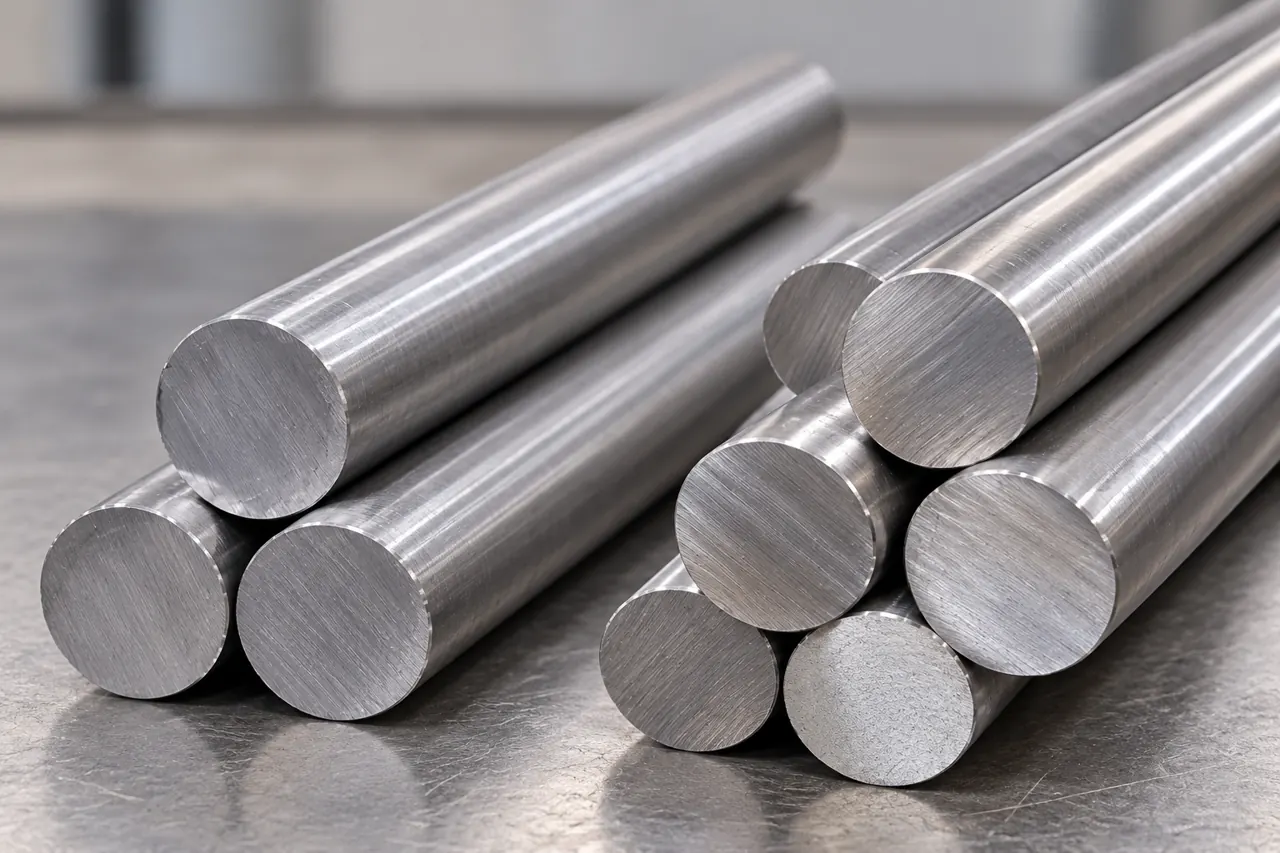
The component specification governs alloy selection
Extract the material designation and condition directly from the approved drawing or project specification. Identify the service and inspection requirements the engineering team has already defined. This procurement review does not select a corrosion alloy for the application; it checks whether the offered stock matches the specified material.
400 and K500 need separate material lines
Keep each requested alloy and condition on its own quotation line, including quantities and document requirements. Ask us to identify the specific material proposed. A product page containing several nickel-alloy names is a source for enquiries, not proof that one alloy’s records or condition apply to another.
The offered stock form also needs confirmation
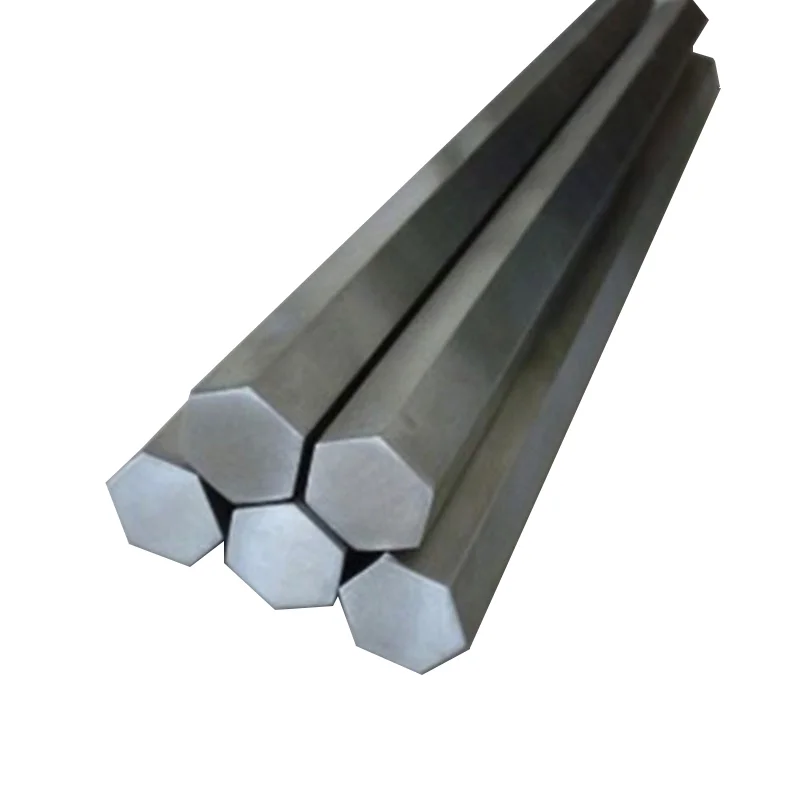
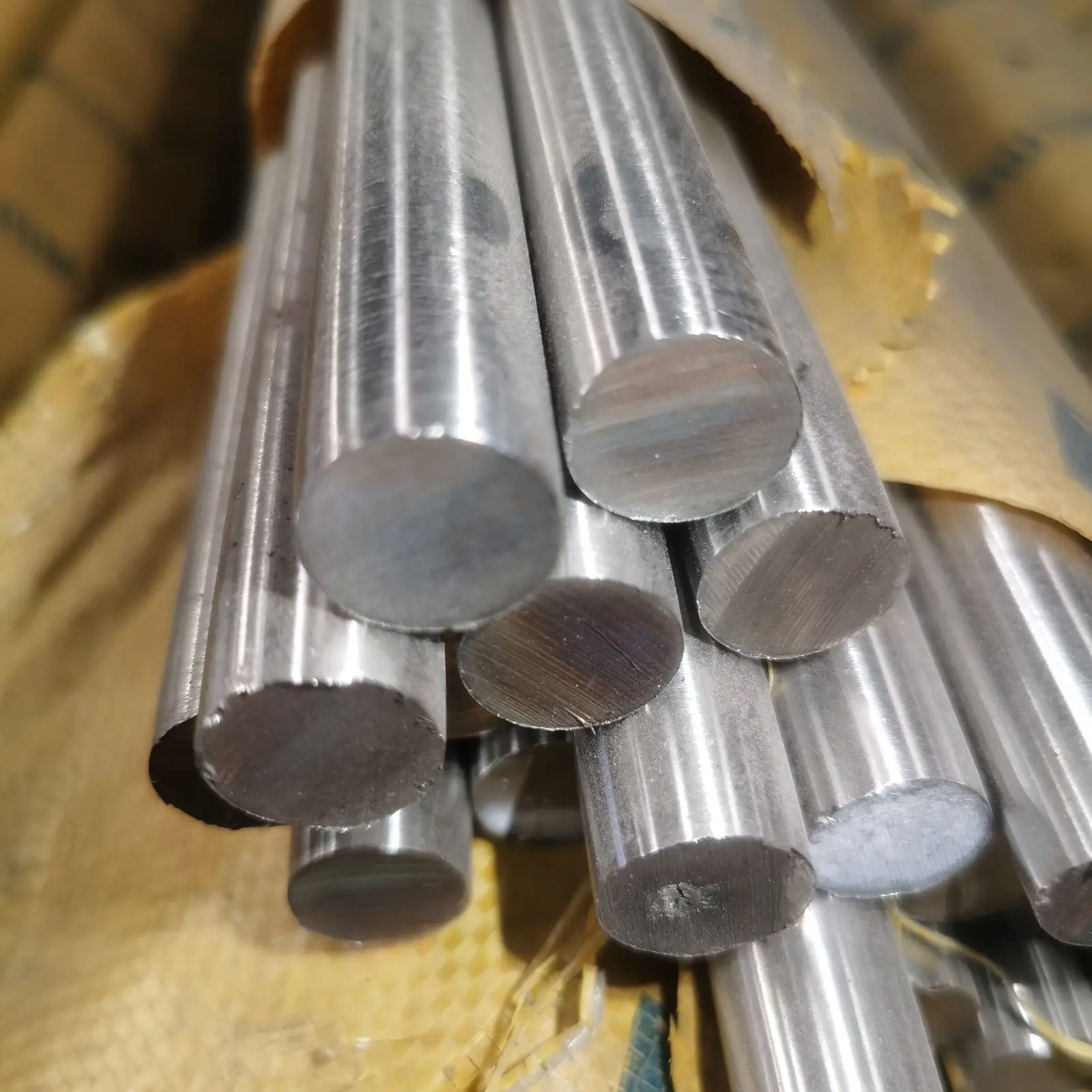
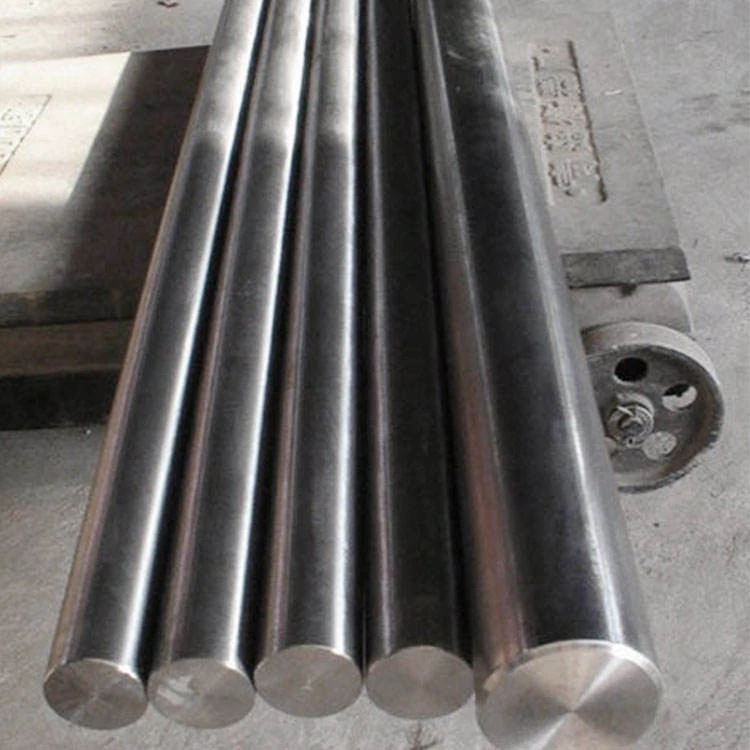
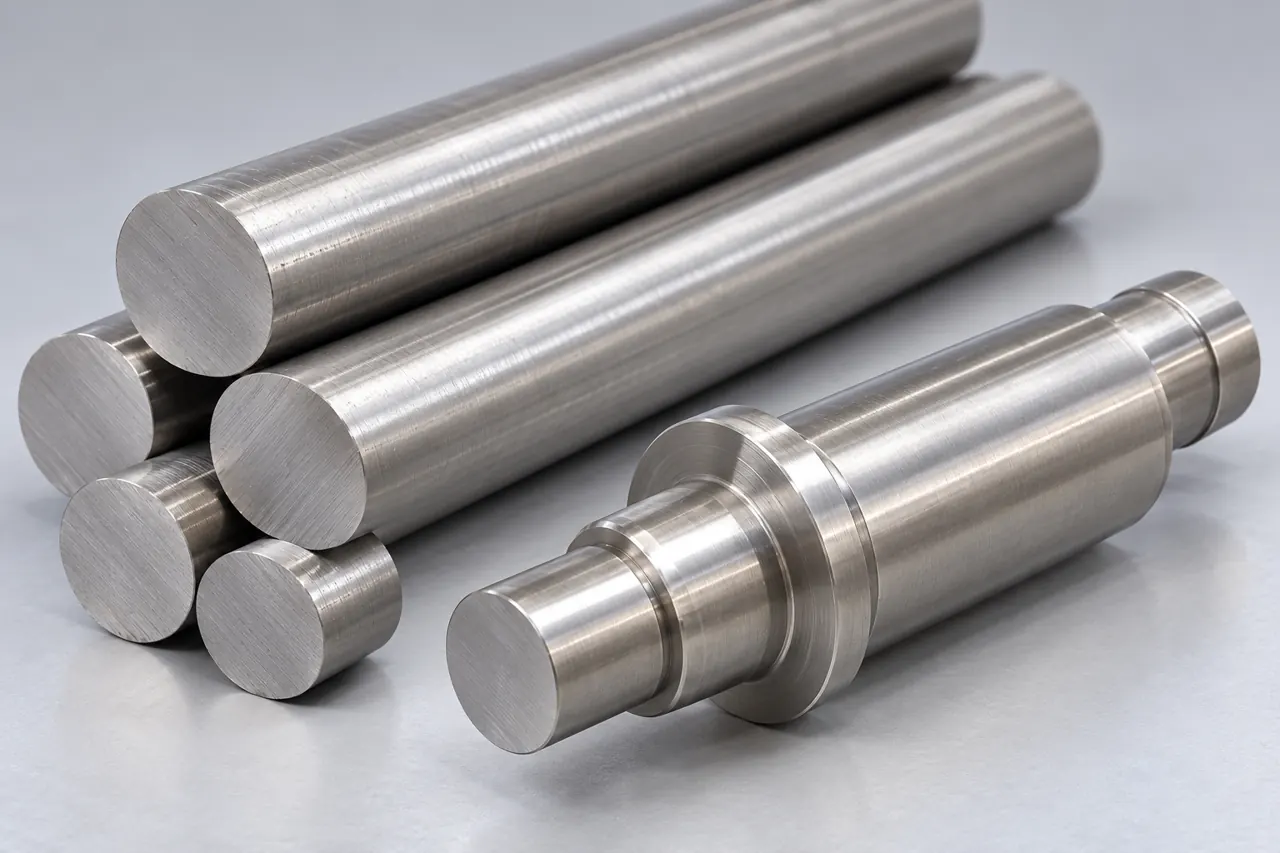
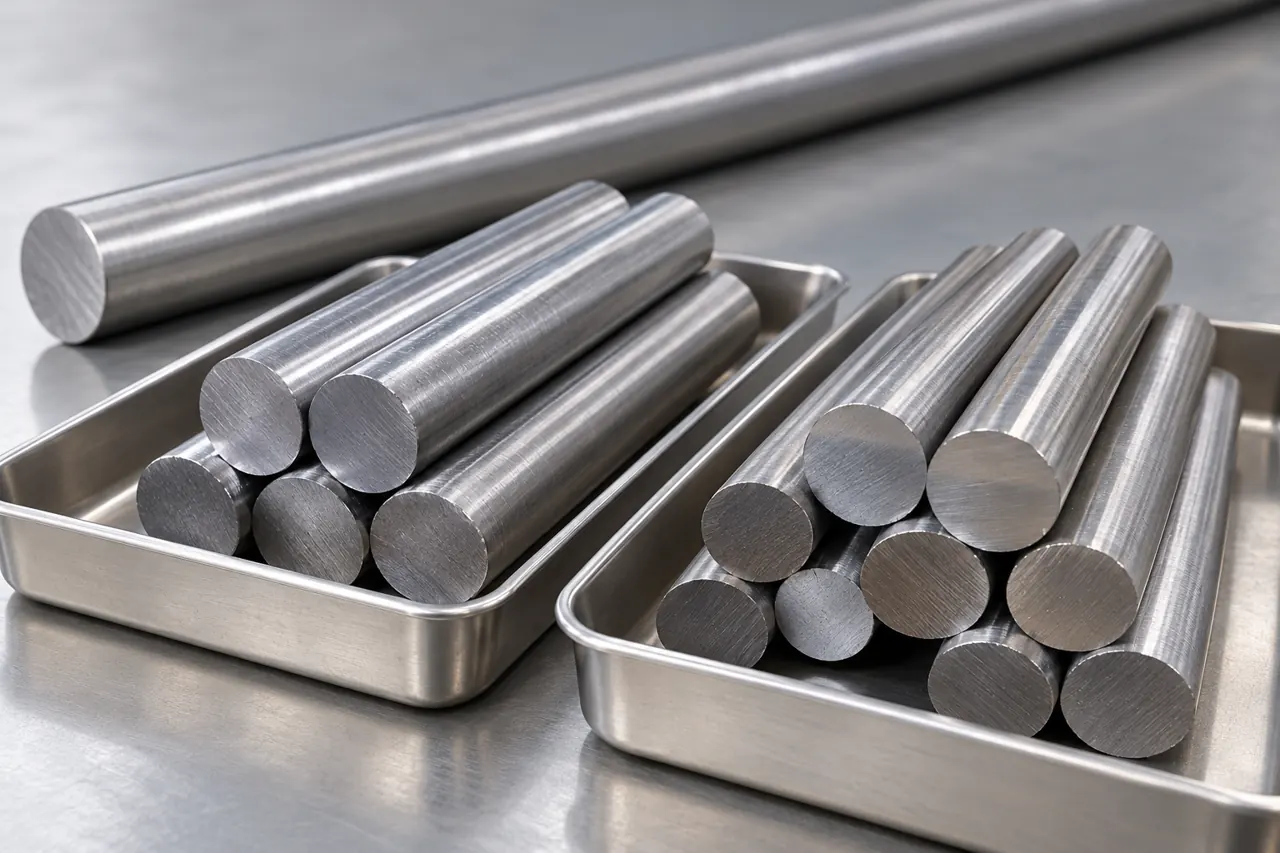
State round bar and its required dimensions explicitly, or identify another shape if the drawing calls for it. Catalogue illustrations may show different stock forms. Confirm the actual offered cross-section and condition before using a picture or family title as the purchasing specification.
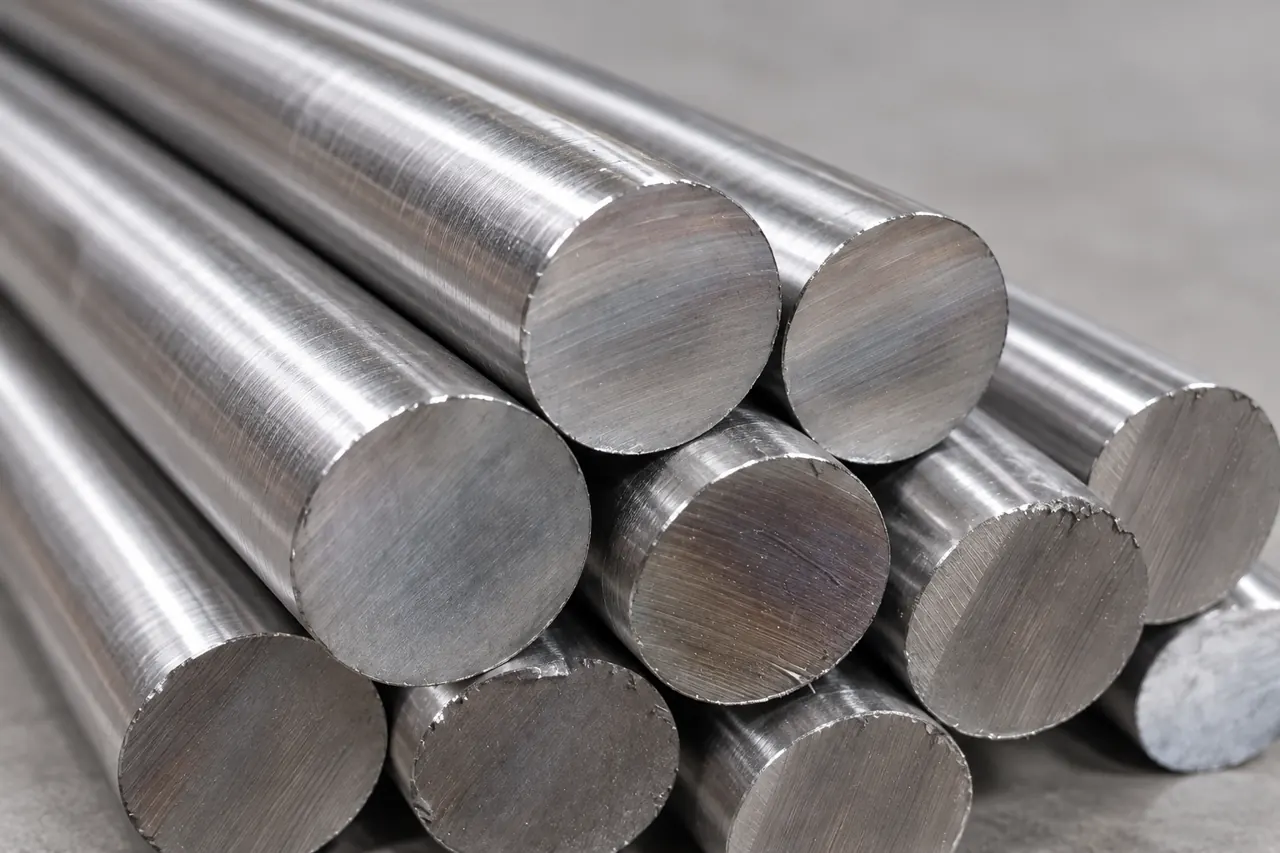
Heat documentation must follow the physical stock
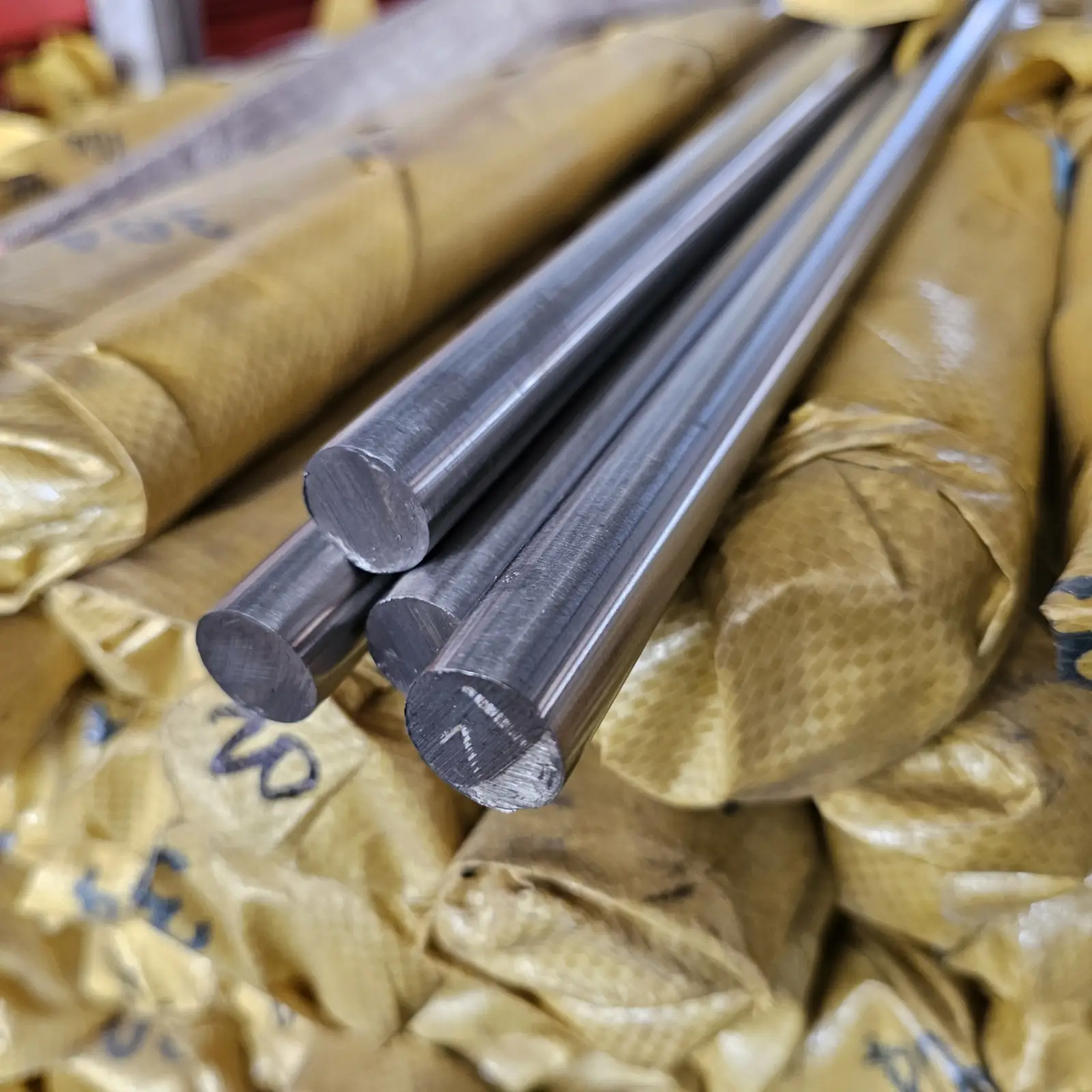
List the project’s required material documents and the information needed to connect them to delivered bars. Confirm the marking arrangement for full lengths and any cut blanks. Keep independent inspection requirements distinct from the supplier’s own records if the project approval calls for both.
Machining-stock dimensions should come from the route plan
Give the blank diameter and length needed by your manufacturing plan, with tolerances and any relevant surface requirements. Keep these separate from finished part dimensions. Confirm the actual available stock and preparation scope before building a machining schedule around an assumed full-range inventory.
An approval review should expose every difference
Compare the material designation, condition, dimensions and records in the offer against the project brief. Record any gap for the responsible authority to resolve. We can confirm the specific supply relationship and available evidence; broad catalogue coverage does not establish every alloy or processing route as in-house.
Packing should preserve alloy and heat separation
Agree stock identification, separation and package marks before dispatch. Match the packing list to the physical bars and document references, particularly where several alloys share one order. Confirm quantities and timing against the actual material lines rather than assuming a common commercial rule across all nickel-alloy stock.
Preserve the evidence before processing a disputed piece
If material identification or dimensions conflict with the order, keep the affected bar isolated with its marks and documents. Record the discrepancy before cutting or machining removes the original references. Include the purchase specification and revision when sharing the issue for a product-specific review.
Send the alloy, condition and document schedule
Provide the exact material designation, supplied condition and blank dimensions. Add project document requirements, quantities, inspection scope and destination. Our team can discuss the listed bar enquiries and confirm the actual proposed material and supply conditions for your project’s approval process.