Metal Laser-Cutting Equipment for Fabrication Shops
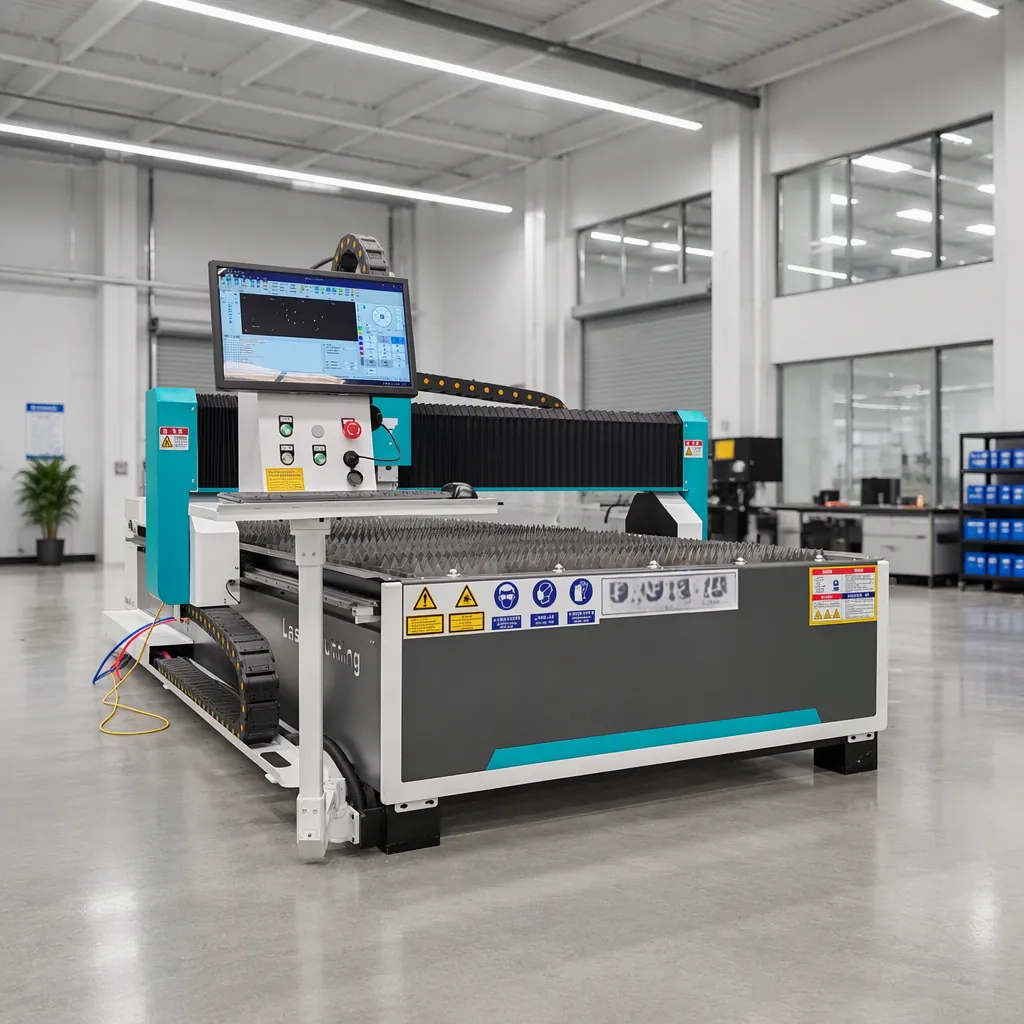
Evaluate a metal laser-cutting machine from your material mix, thickness range, part geometry and required working area. We list a flatbed laser-equipment candidate. The catalogue’s power references do not establish your production result; confirm the actual configuration, run a representative cutting trial and agree supply and support responsibilities.
Build a production brief around real parts
Give material designations, thicknesses, sheet sizes and representative part drawings. Separate routine work from occasional maximum requirements. Include the output and quality measures your shop will use to evaluate the machine, so the supplier can respond to a defined job mix rather than one headline power request.
Identify the complete offered configuration
Ask for the actual machine model and configuration, including the components and auxiliary systems included in the quote. Record optional items separately. A broad listing that names several power levels is not a configuration sheet, and a component name alone does not establish integration, service support or cutting performance.
Check the working envelope and handling route
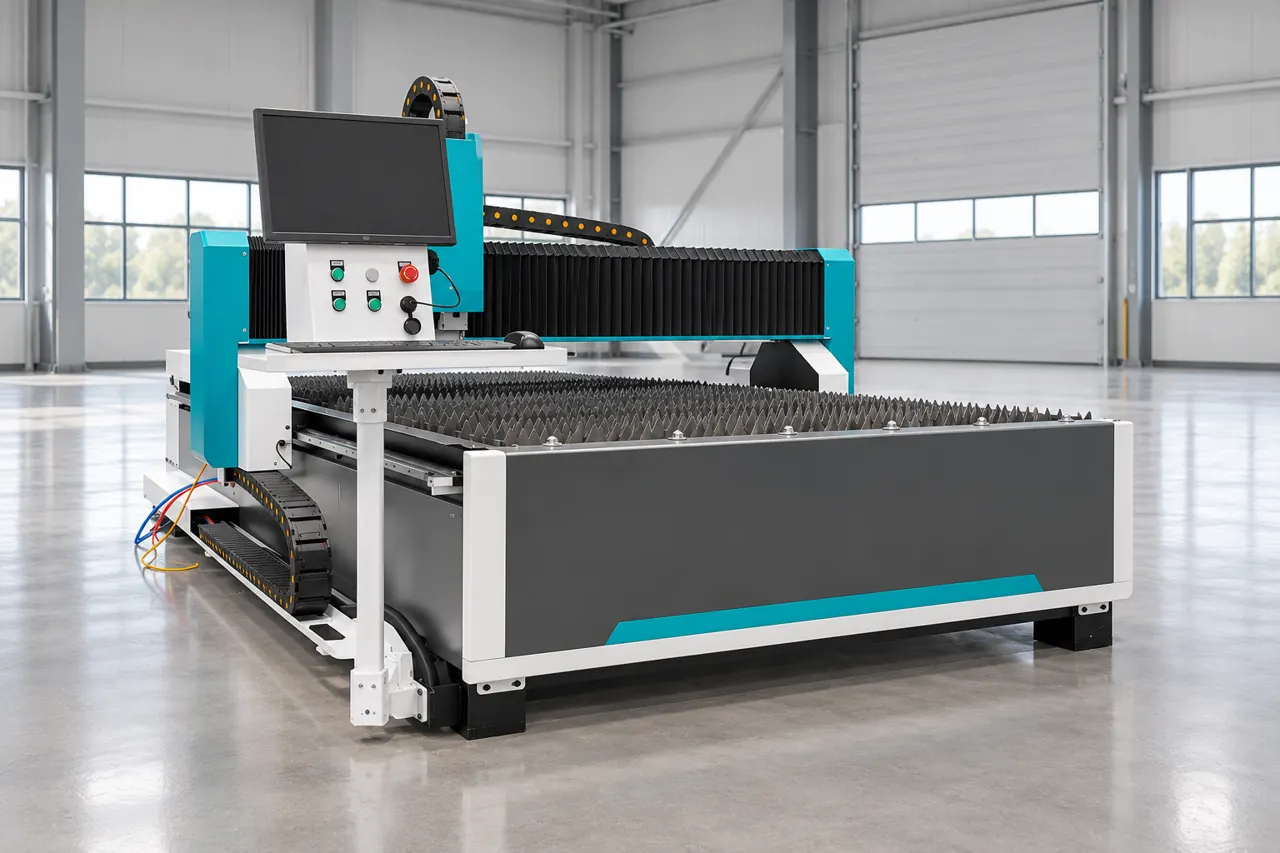
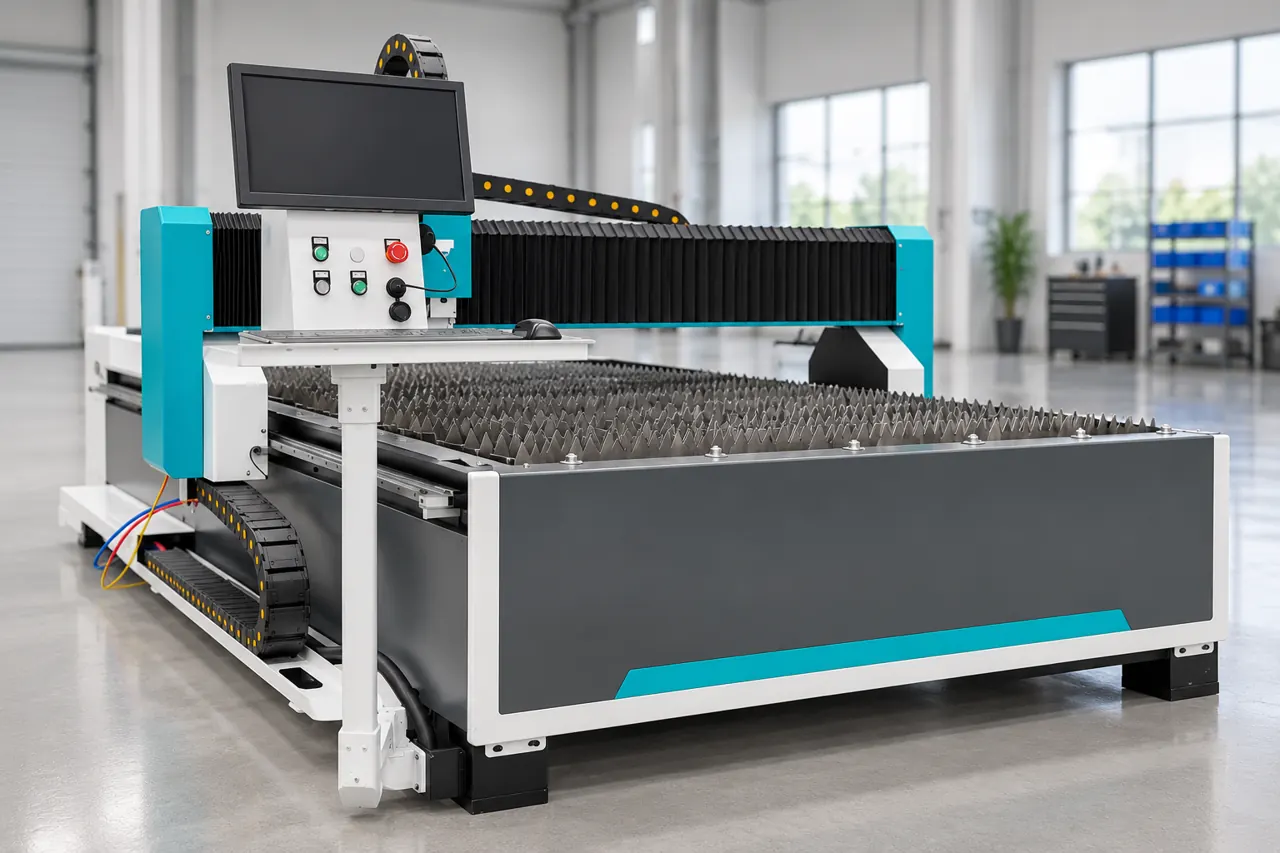
Confirm usable cutting area, loading and unloading arrangements and the space required for the actual configuration. Compare these with your sheets and site plan. The illustrated machine shows a catalogue-based form only; its visible bed should not be used to infer dimensions, capacity or installation clearances.
Use a material-specific cutting trial
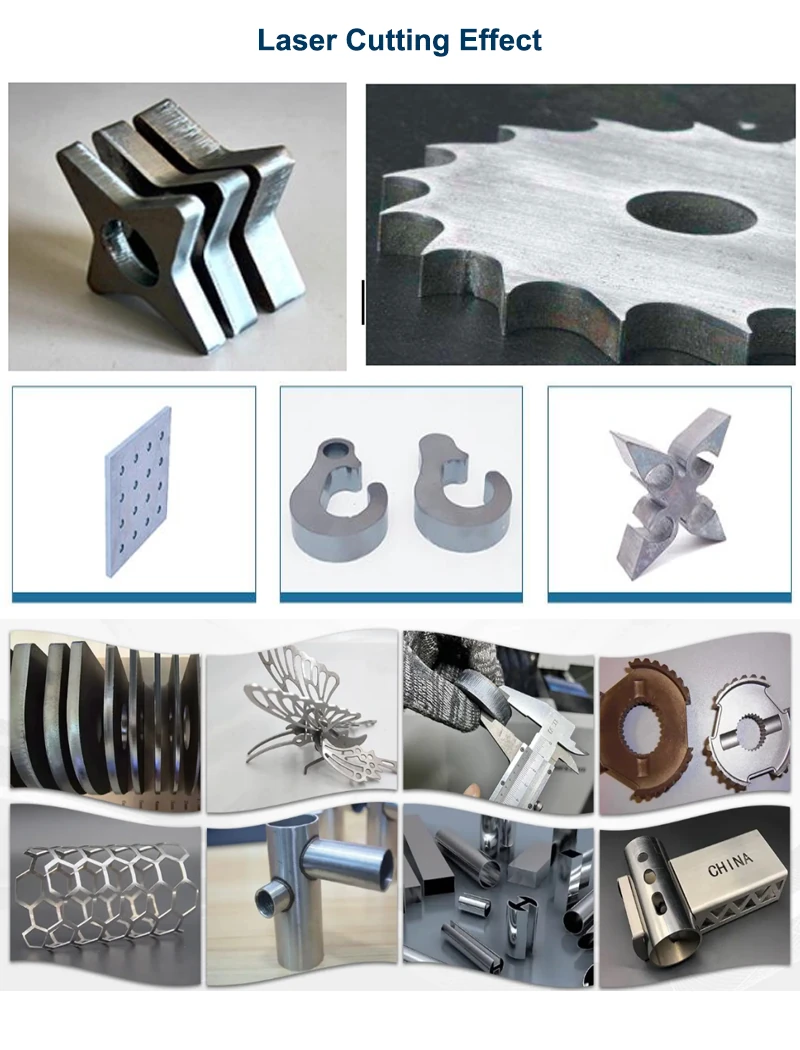
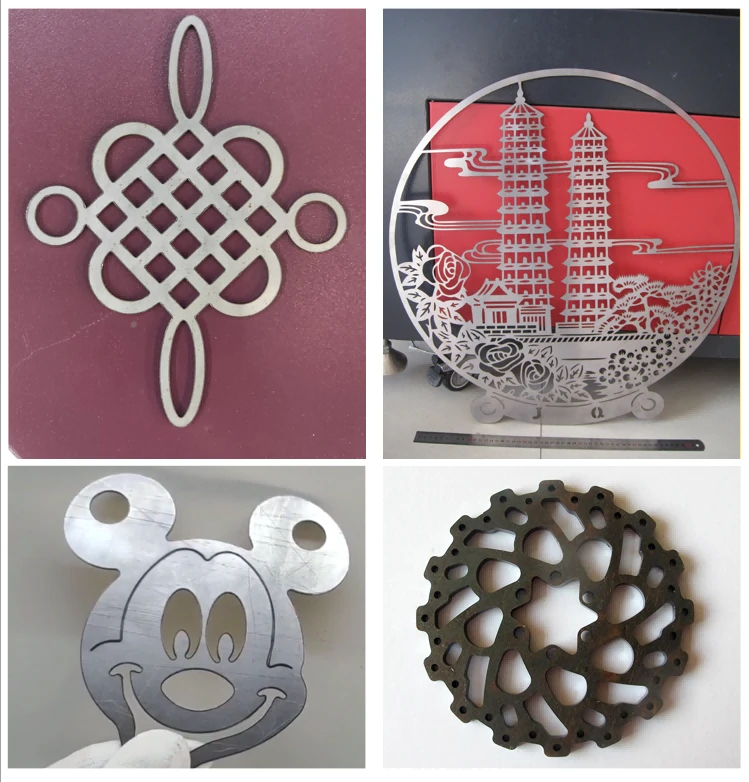
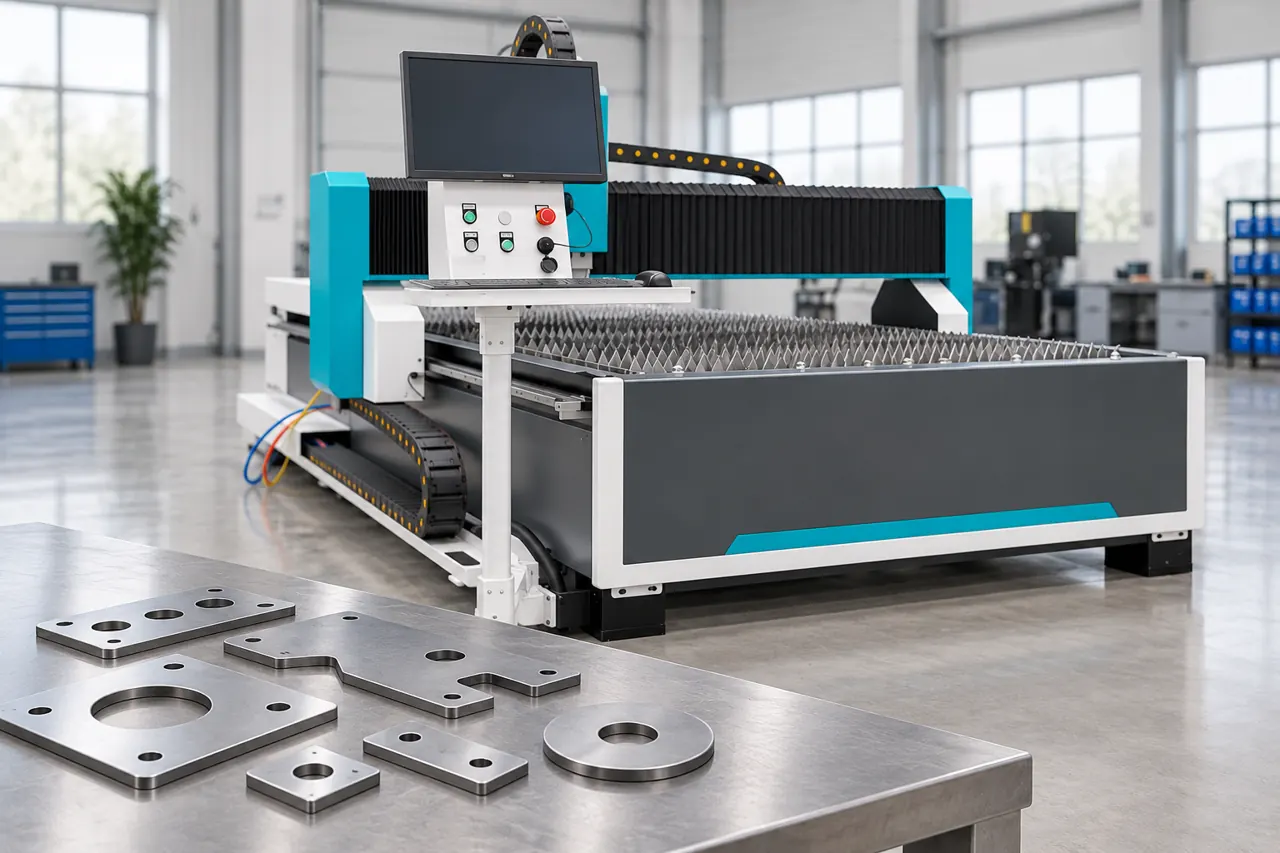
Supply drawings and representative material for an agreed trial, with responsibility for material provision clearly assigned. Record the machine configuration and trial conditions. Inspect the cut parts for the criteria relevant to your production, rather than judging the equipment from a demonstration on a different thickness or simpler geometry.
Assess finished cuts and production assumptions together
Define how dimensions, edge condition and other required characteristics will be evaluated, and what production observations will be recorded. Keep setup, loading and any downstream work visible in the comparison. A short cutting demonstration does not by itself establish the complete output your shop can sustain.
Review site services and operating support
Request the actual installation, utility and operating requirements for the offered machine, together with the applicable safety and training information. Have your responsible site team review them. Confirm who provides commissioning, maintenance support and consumables guidance; do not assume these are included because the equipment appears in the catalogue.
Keep machine supply separate from contract cutting
A request to purchase a machine differs from a request to have parts cut. State the intended transaction clearly and confirm the actual supply relationship. Our equipment listing does not establish an in-house contract-cutting service, a specific machine manufacturer role or a complete local service network.
Agree the delivery and acceptance package
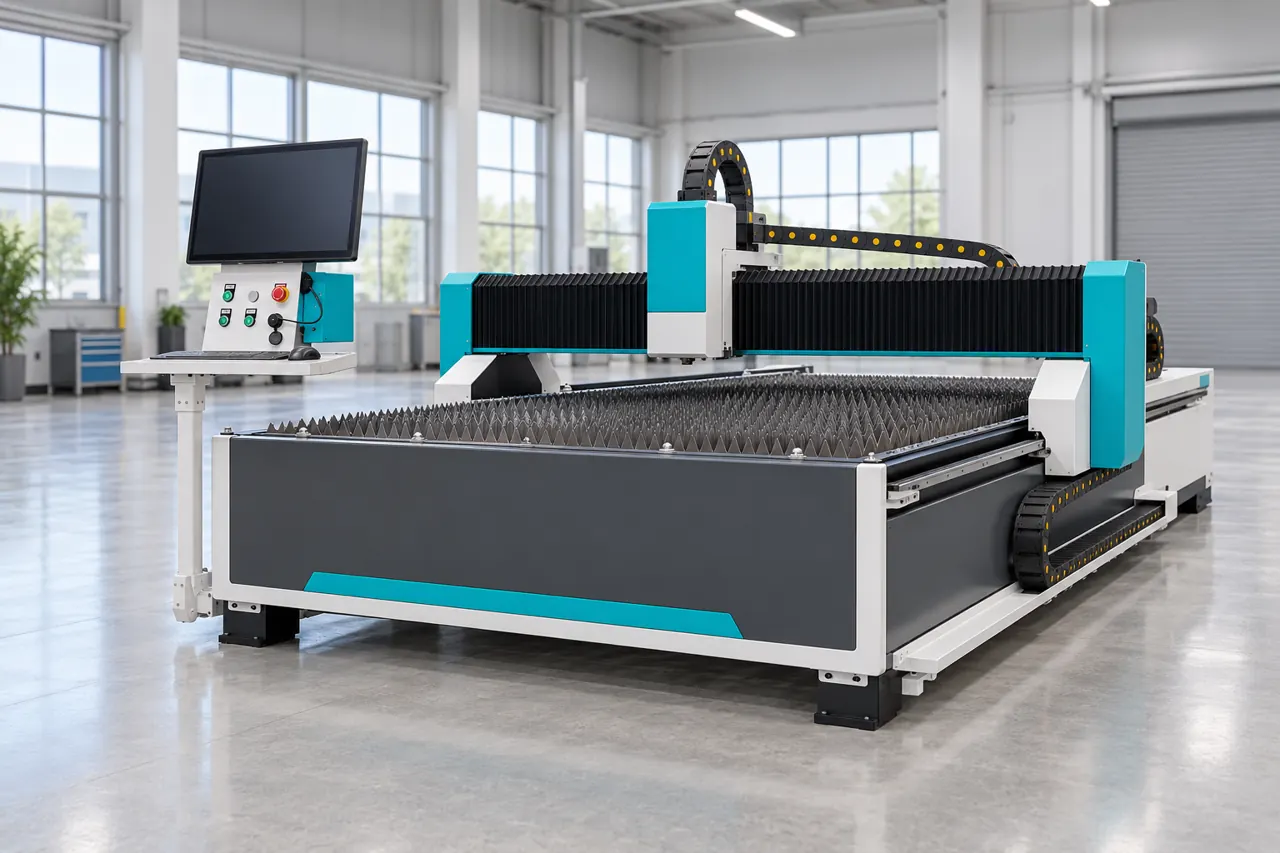
Confirm the machine configuration, shipment protection, site responsibilities and acceptance steps in the commercial offer. Identify what must be checked before dispatch and after delivery. The illustration is not a packing record; actual dimensions, package weight, commissioning scope and scheduling need a specific supplier response.
Send a fabrication-shop equipment enquiry
Share the material and thickness mix, working-area need, representative drawings and trial acceptance criteria. Add site conditions, destination and required support. We can discuss the catalogue candidate and confirm the actual equipment offer so your technical team can evaluate the trial and responsibilities before making a purchase decision.