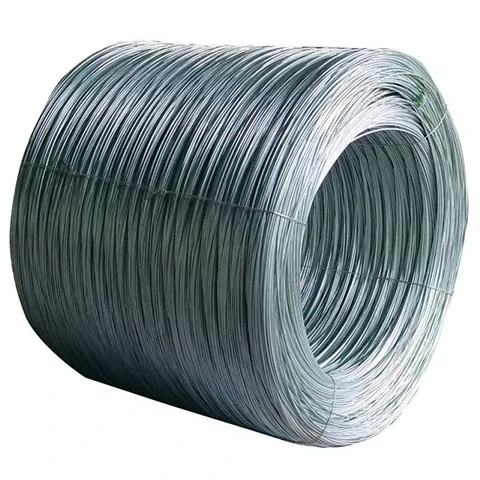
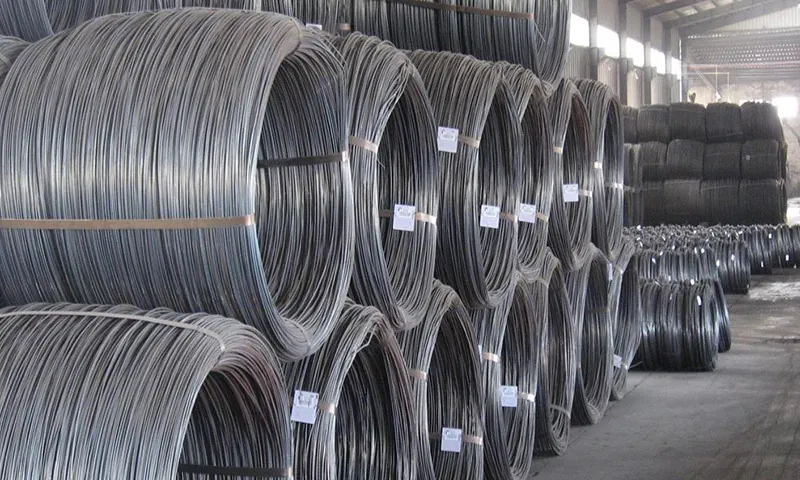
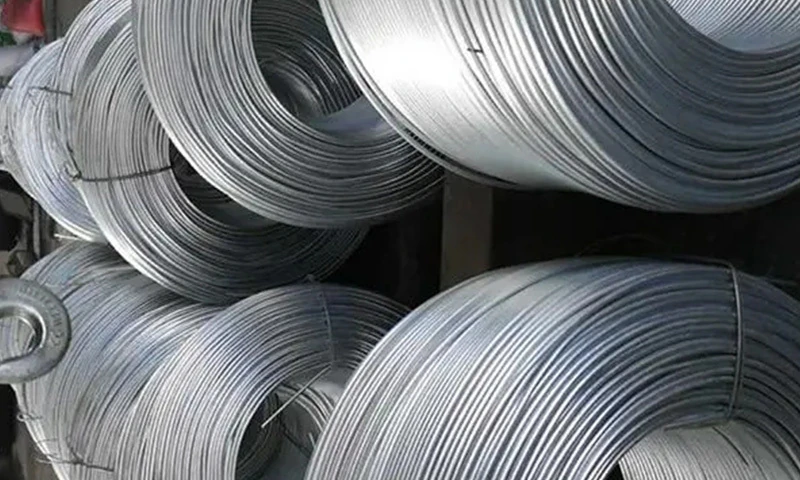
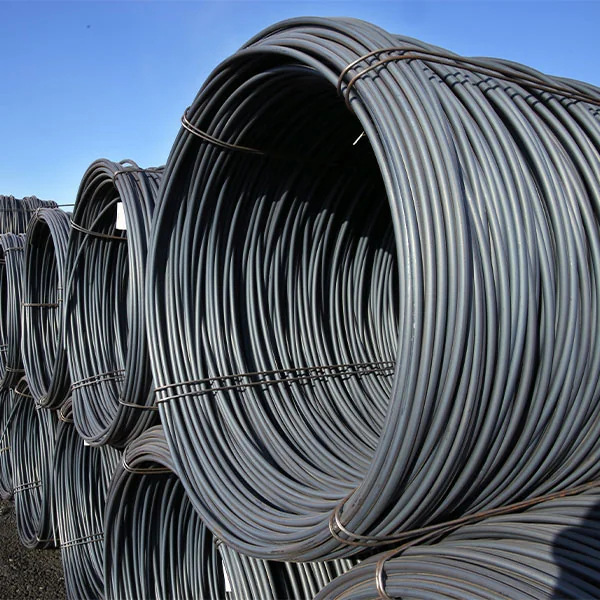
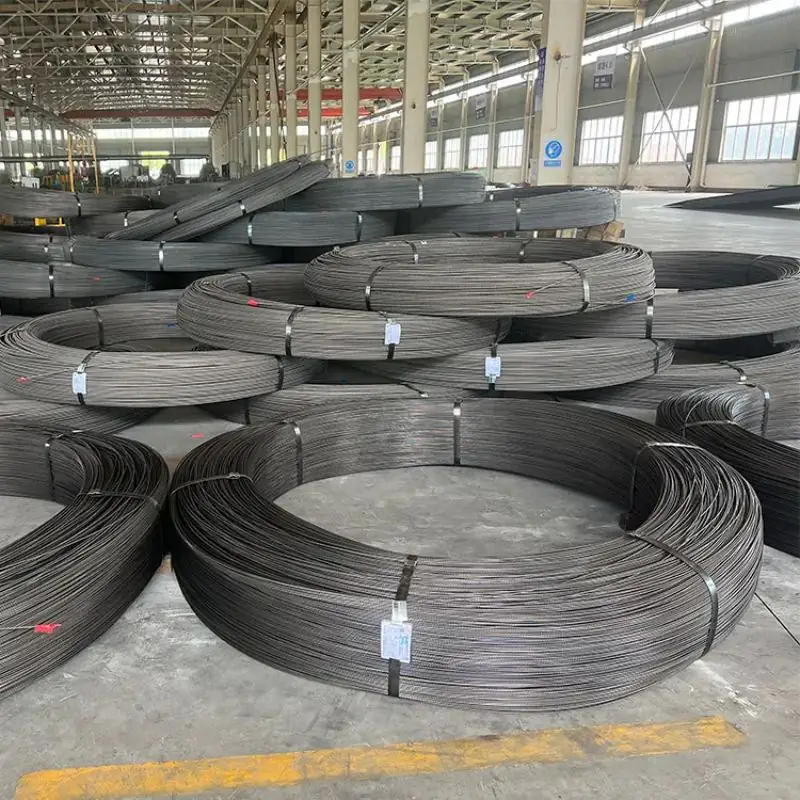
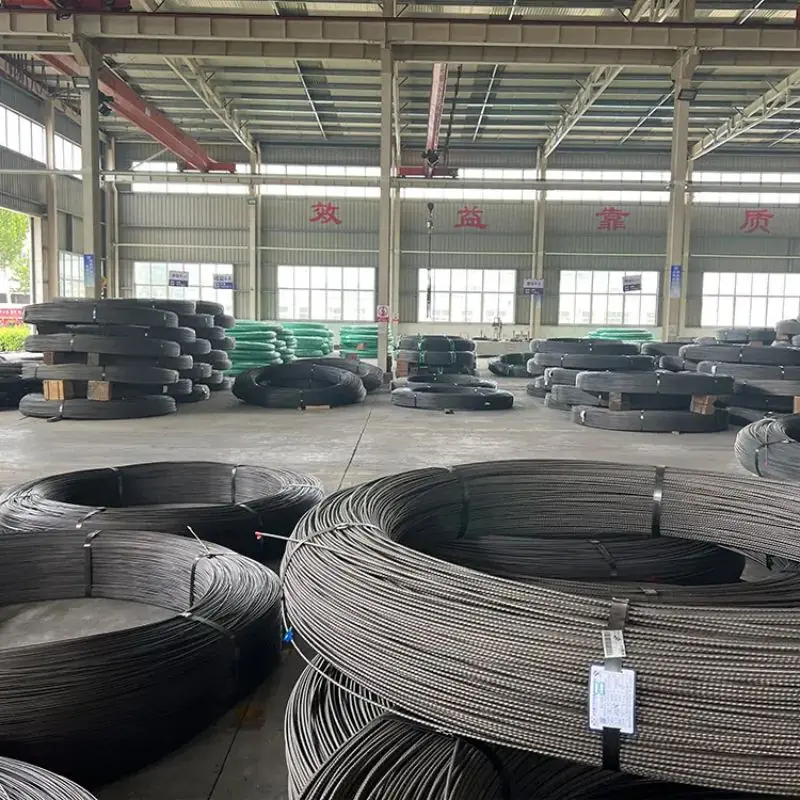
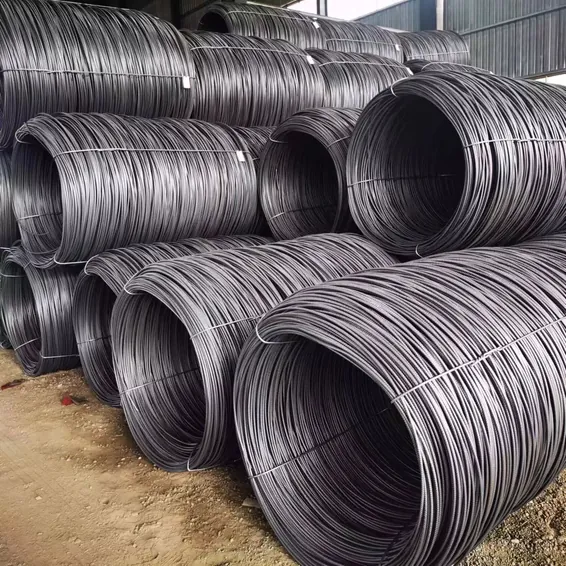
Low-carbon wire rod for nail factories with drawing lines
Buy wire rod against your drawing route and nail specification, rather than treating every low-carbon coil as interchangeable. Our catalogue includes rod described with SAE and Q-series grade names. We can review the actual material proposal with you; the grade, supplied condition and coil format need confirmation before a drawing trial.
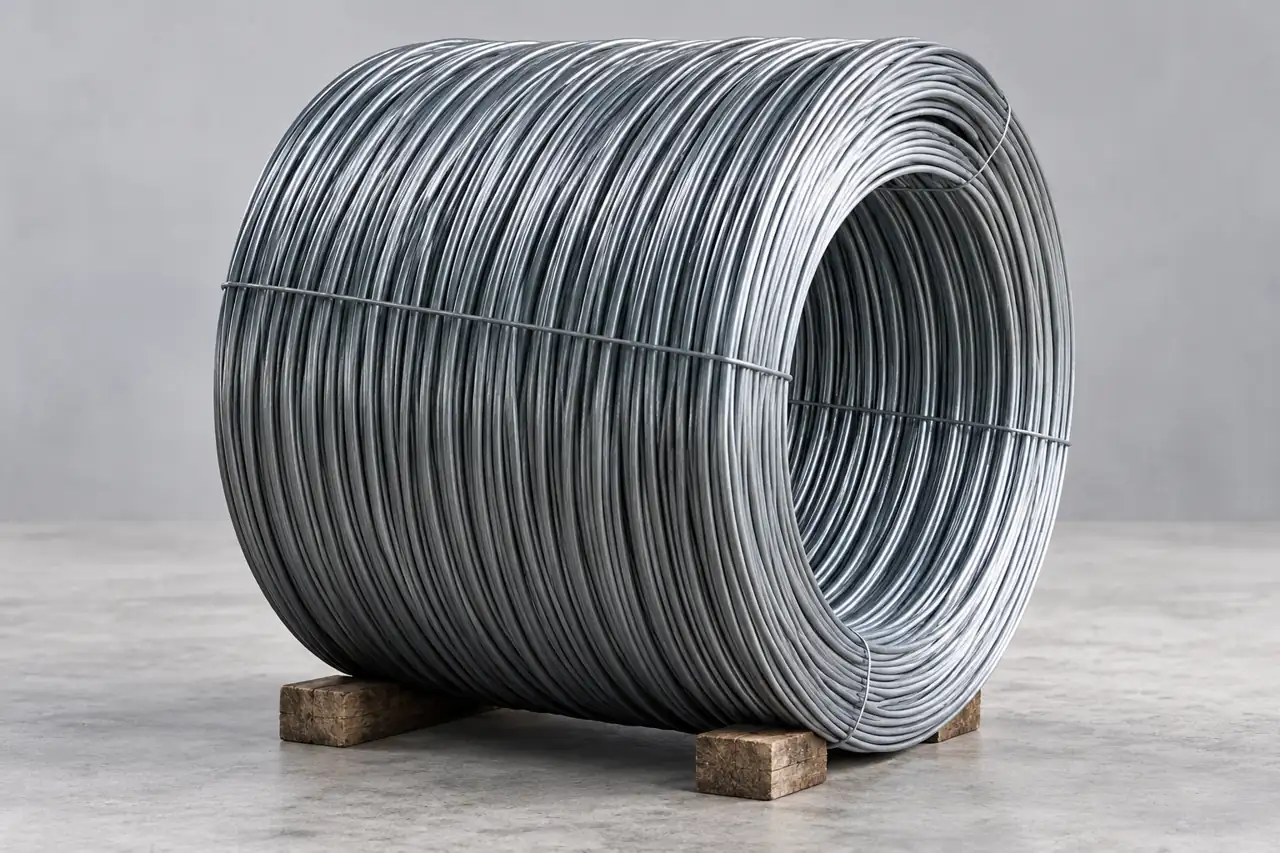
Keep rod supply distinct from finished wire
This procurement scope starts before your drawing operation. State the incoming rod size and the final nail-wire sizes you intend to produce, with the preparation stages between them. Finished annealed wire is a different purchase. Comparing its price directly with rod can conceal work and material condition that your factory expects to control.
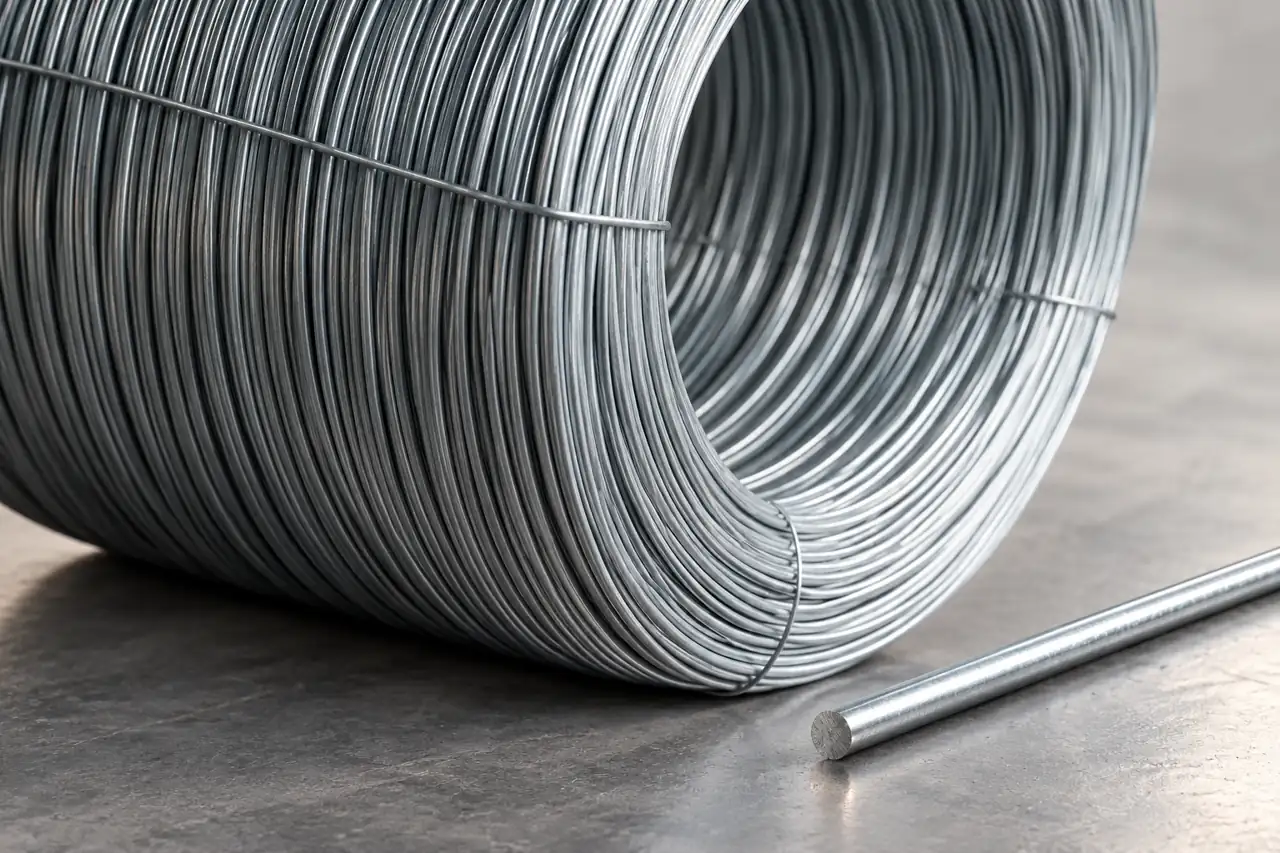
Review the rod surface before drawing
Describe the surface condition your preparation line accepts and the defects your incoming check must identify. Local damage, rust or an unsuitable surface can affect the trial even when the grade designation is correct. Agree inspection coverage and sample identity before drawing so the original rod condition remains part of the evaluation.
Do not assume grade-name equivalence
SAE1006, SAE1008, Q195 and Q235 appear in the catalogue title, but the names do not establish that any pair is automatically equivalent. Request the actual grade, applicable specification and material record for the proposed lot. Review chemistry and other required properties against your own approved drawing-feedstock requirement.
Set coil limits for the receiving line
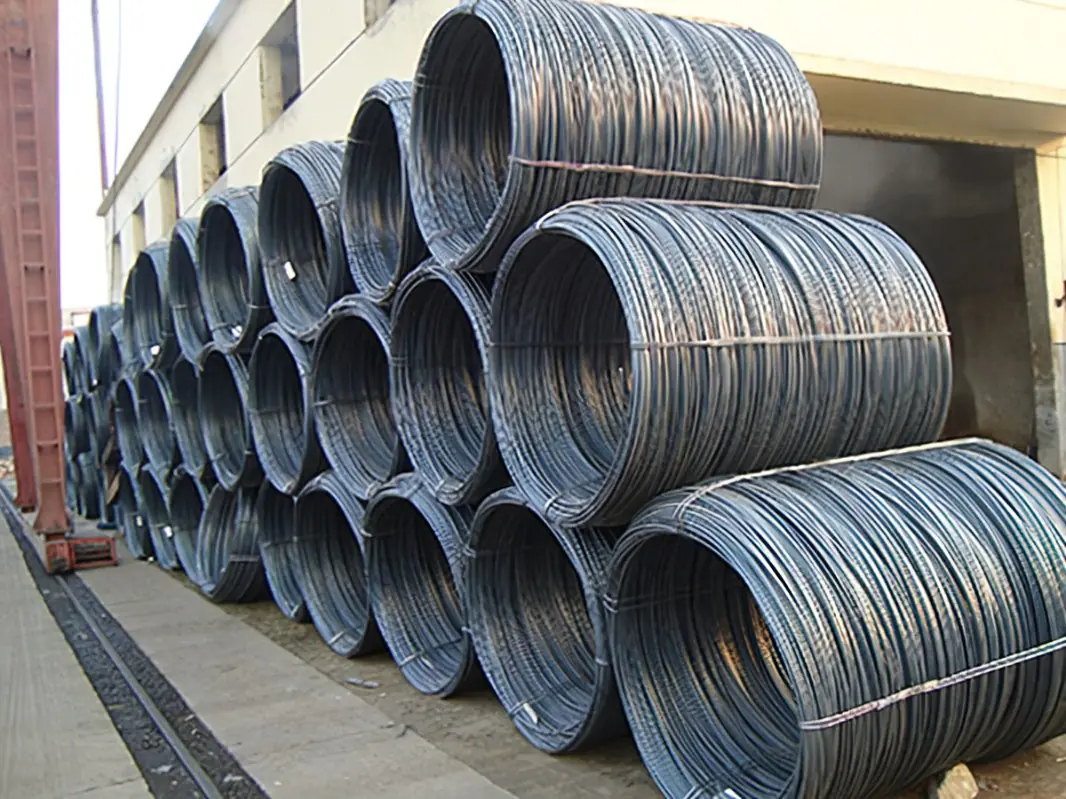
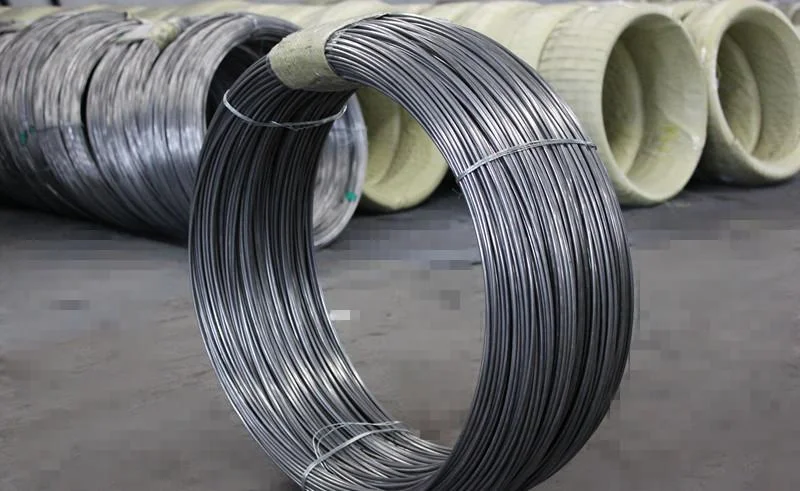
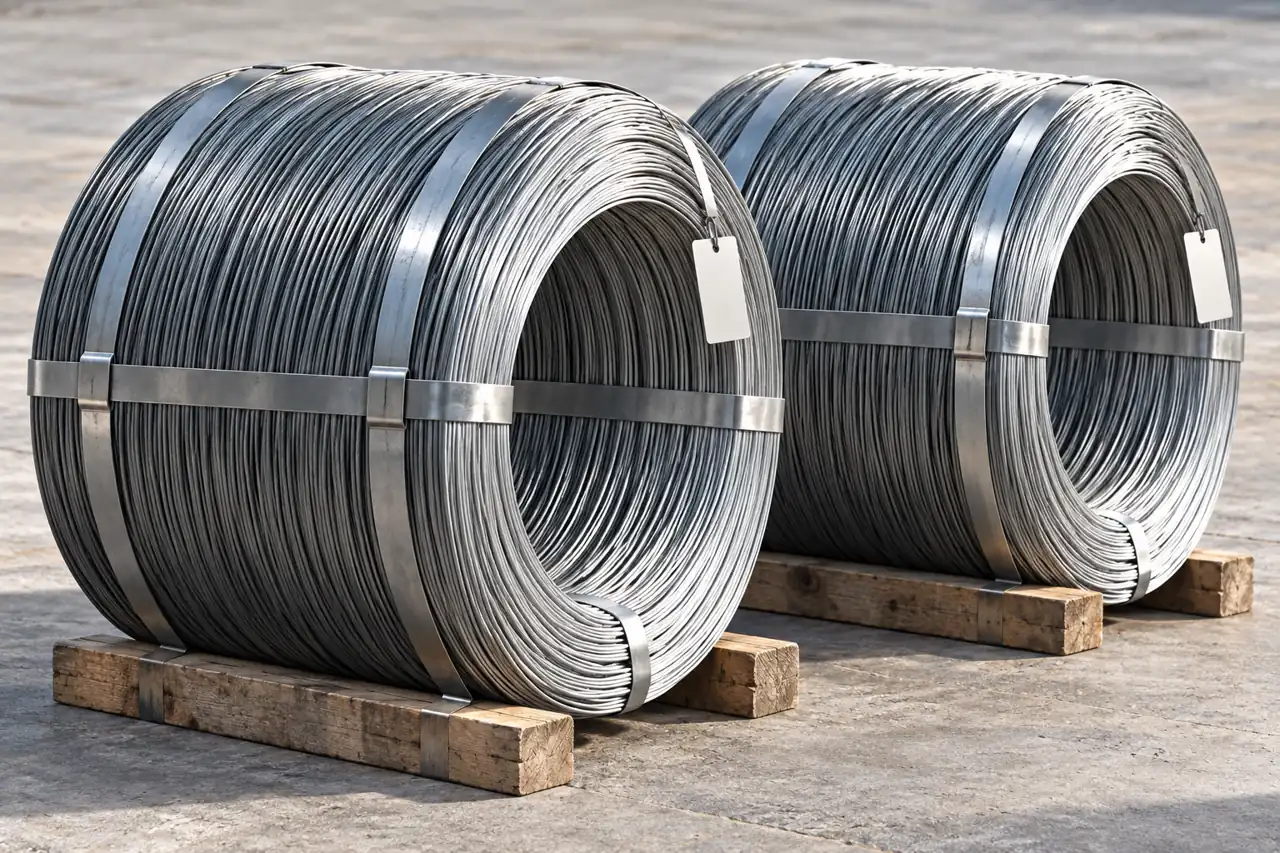
Specify the acceptable coil opening, outer dimensions, mass and handling arrangement. Tell us how your line pays off the rod and whether coil-end identification is important to loading. Handling compatibility is part of the purchase specification, particularly when a satisfactory small sample does not represent the delivered coil.
Connect the trial to nail production
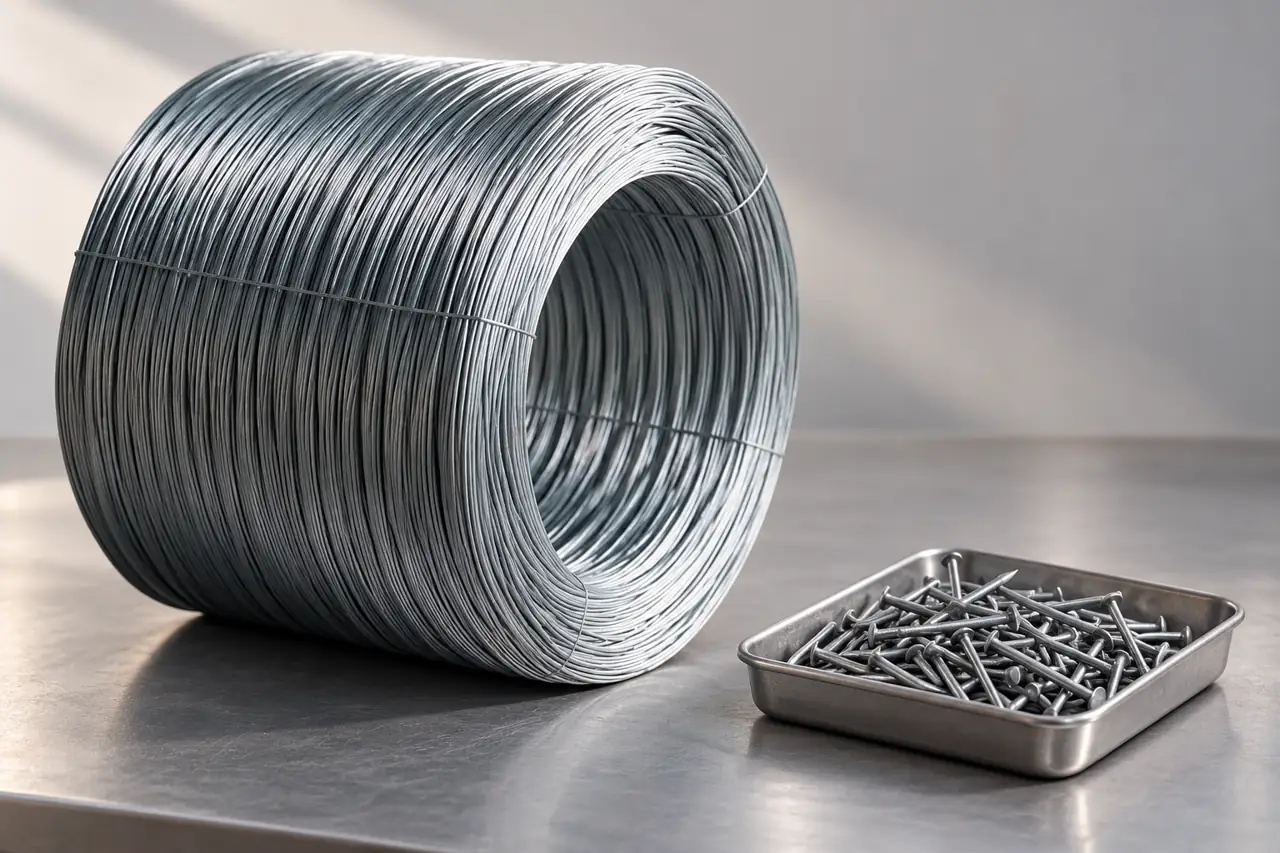
Identify the rod lot used for the drawing trial, record the preparation route and keep the resulting nail wire linked to it. Then evaluate nail forming and the agreed finished-nail requirements. Success at drawing alone does not demonstrate that the same wire condition will perform as intended throughout your production sequence.
Confirm the mill and supply responsibility
Ask us to state the proposed rod producer, the party supplying the order and the material documents available. Our steel wire and steel shot focus does not by itself identify the mill behind every rod offer. A clear supply chain lets your technical team review the evidence without confusing the seller with the original material producer.
Protect lot identity through unloading
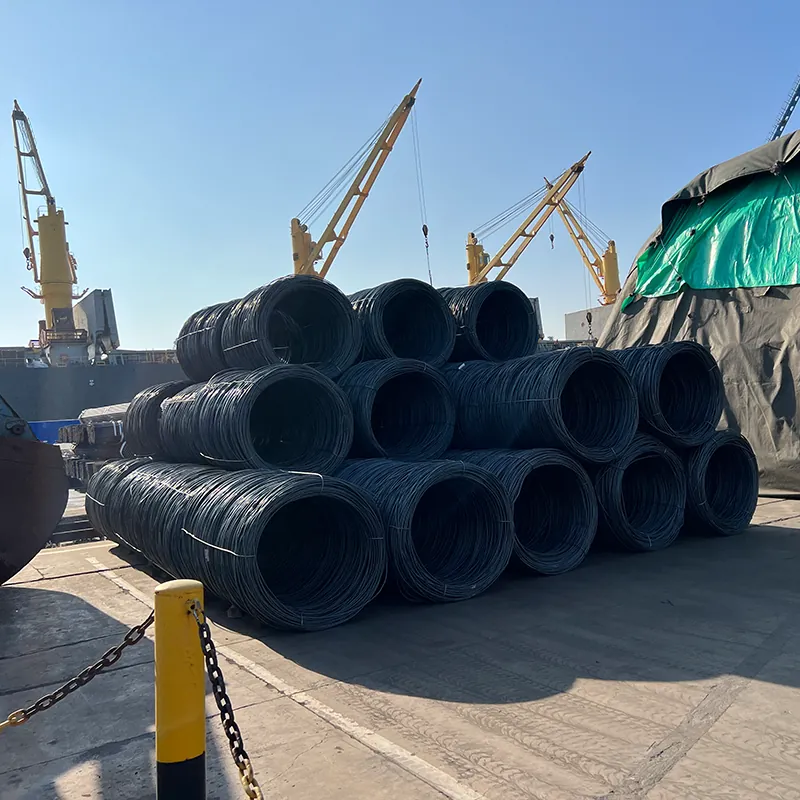
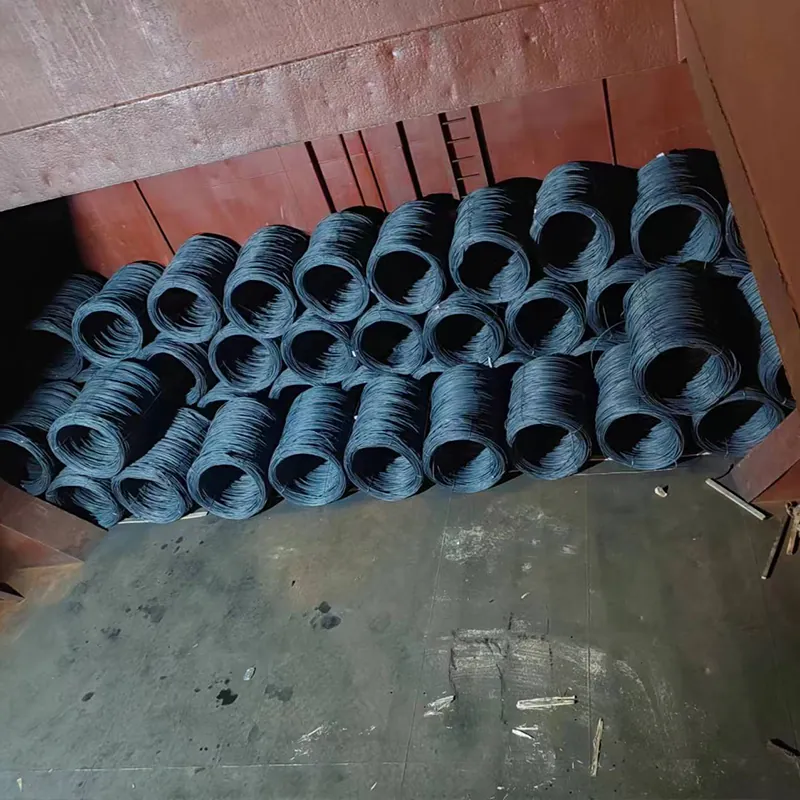
Agree coil securing and surface protection with the order. On arrival, record damaged bands, displaced loops or compromised wrapping before moving the material into production stock. Keep labels with the coil until its use is recorded; a loose label separated from similar coils weakens an otherwise useful material trail.
Approve repeat supply by revision
Retain the accepted grade, rod dimensions, condition and coil limits as one approved specification. Reference the drawing and nail-making trial in the purchase file. If the producer or supplied condition changes, review that change before treating the next delivery as equivalent to the accepted trial.
Send a drawing-route rod enquiry
Share your incoming rod requirement, target nail-wire sizes, preparation route and finished-nail acceptance. Add the coil-handling limits, initial trial quantity, recurring demand and destination. We can review the relevant rod listing and confirm the material proposal, available records, packaging and quotation scope for your factory.