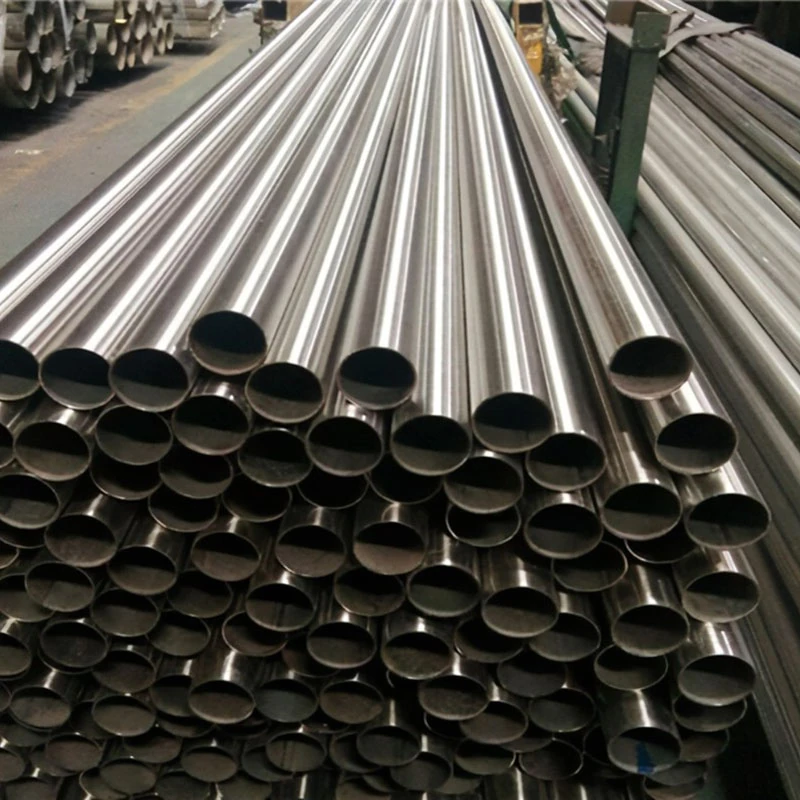
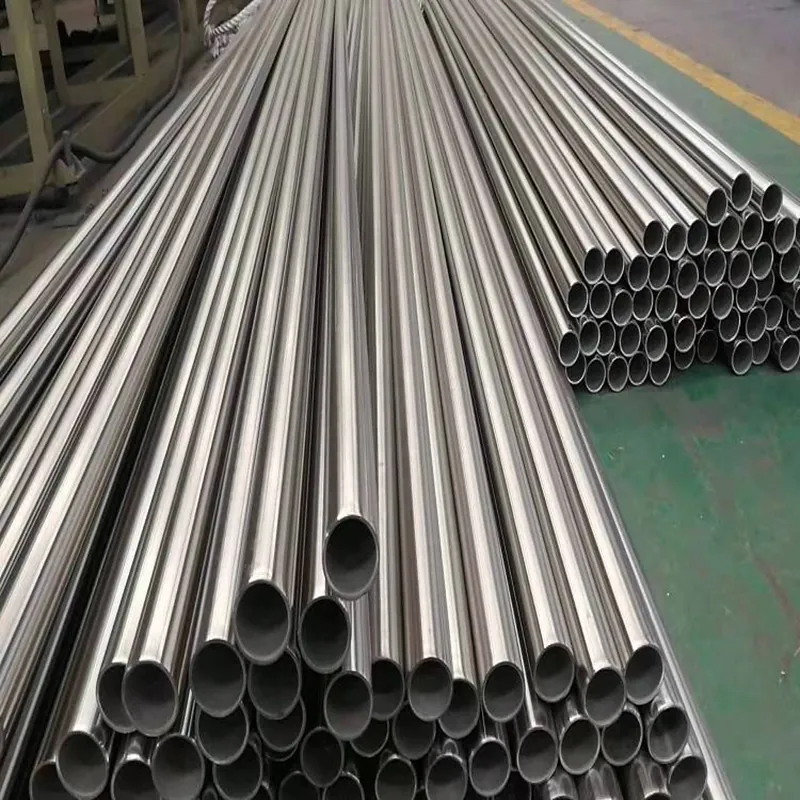
Hygienic Stainless Tube for Food and Beverage Projects
Specify hygienic stainless tube through the project material, dimensions and internal-finish requirements. Our catalogue includes sanitary-tube records with 304 and 316L references. A polished exterior or a standard named in a title does not establish the complete approval package; confirm the actual tube, inspection scope and applicable evidence.
Define the product-contact requirement first
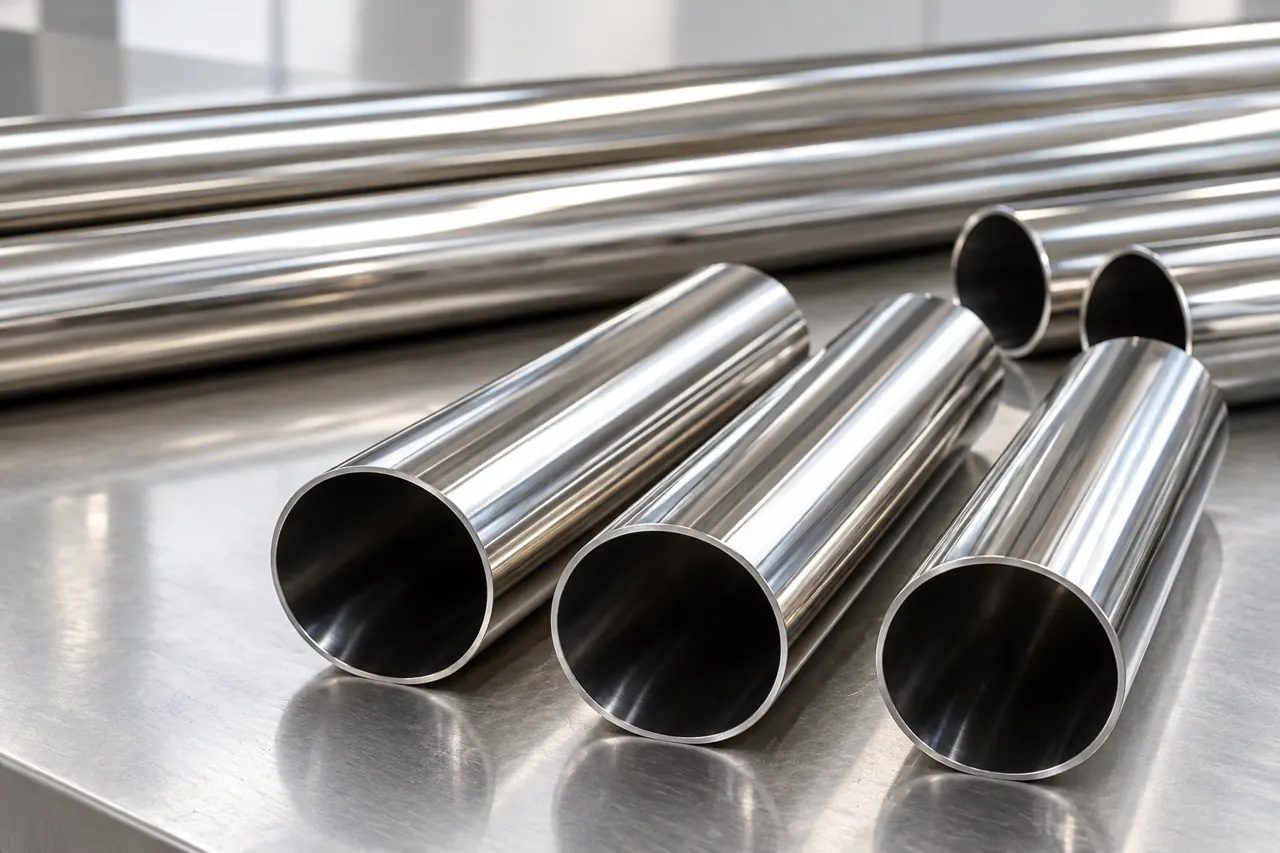
Provide the equipment specification and identify which tube surfaces contact the product. Carry the required material designation, tube standard, size basis and finish into the enquiry. Have the authorized project team resolve missing or conflicting requirements before the quotation is treated as an acceptable material submission.
Confirm the grade and manufacturing form
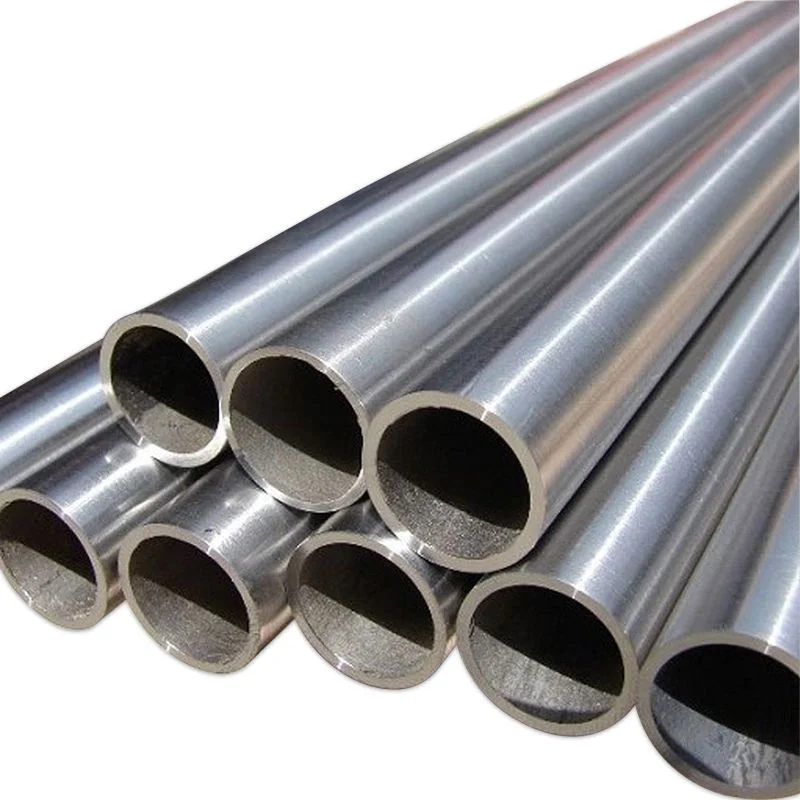
Ask the supplier to identify the actual grade, welded or seamless form and delivered condition. Keep 304, 304L, 316 and 316L as separate material designations unless the project explicitly accepts an alternative. A shared catalogue page cannot establish the identity of the specific tube offered for your order.
Request internal-finish evidence directly
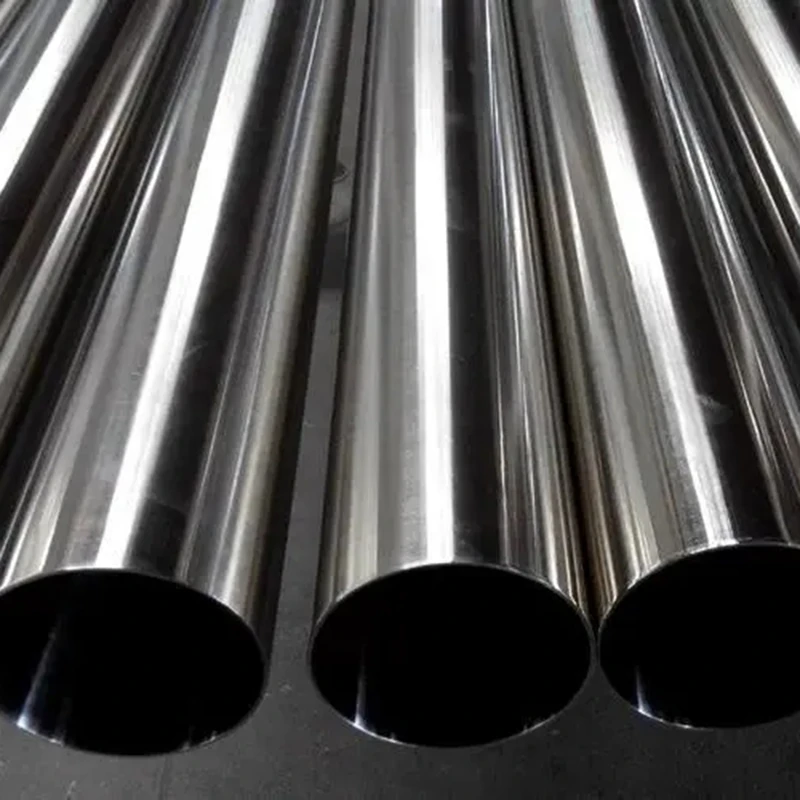
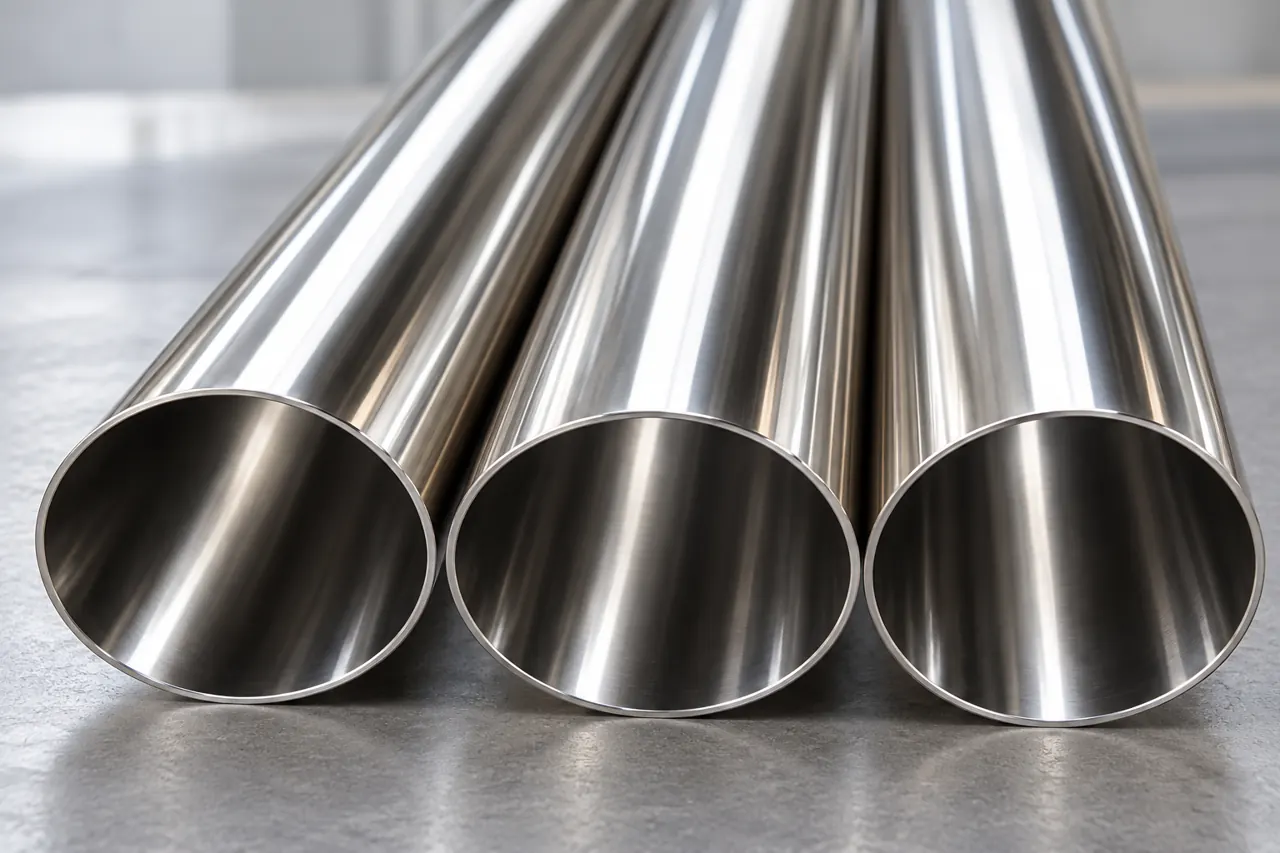
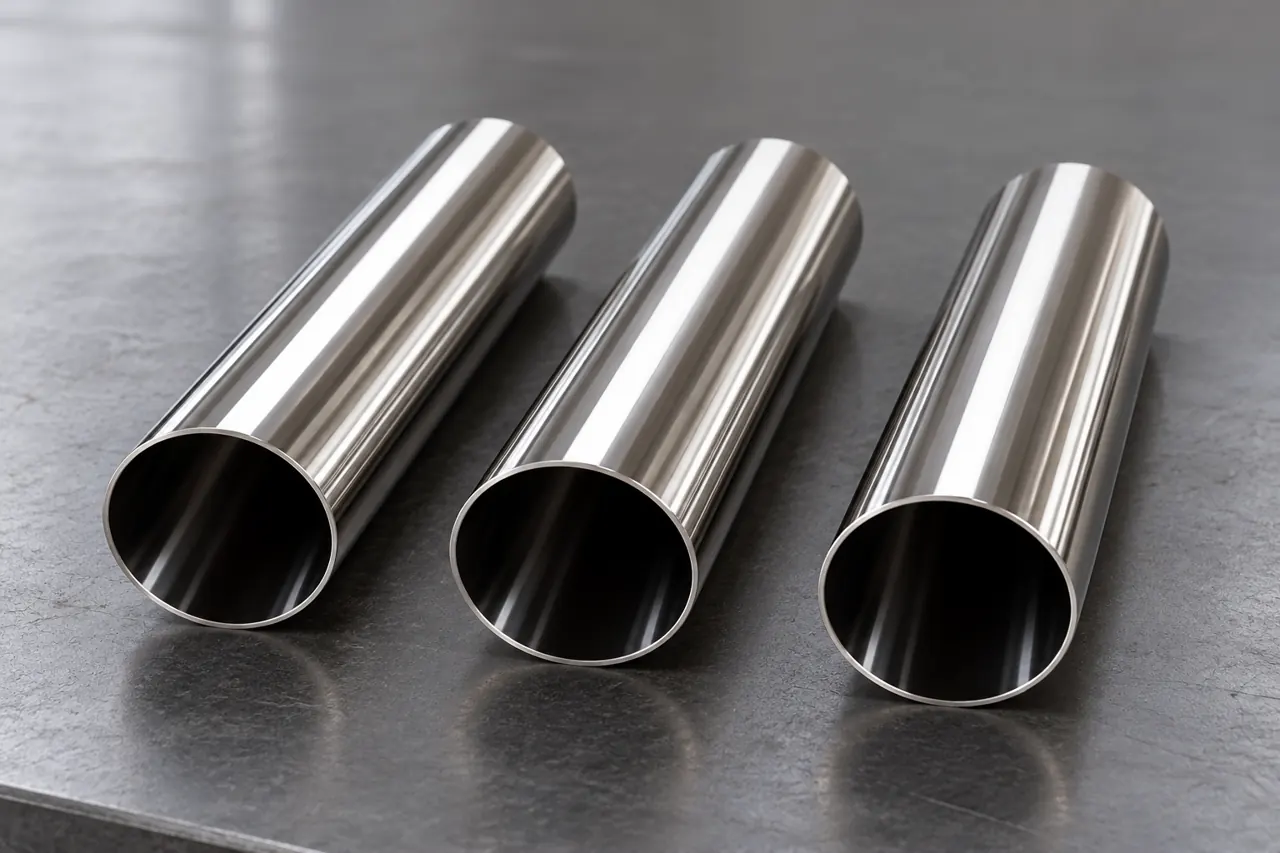
Define the required internal surface acceptance and how it is measured or inspected. Ask for the record scope that applies to the actual tube, including the measurement basis where a numerical finish requirement is specified. A bright exterior image cannot demonstrate the condition inside a long tube.
Keep finish evidence separate from certificates
Review material records, finish inspection and any requested approval or certification as distinct evidence. Verify the issuer, named entity, product scope and validity of a supplied certificate when applicable. A standard or certification acronym in a product title is not proof that the offered tube carries that approval.
Specify ends and interfaces for fabrication
State the end condition and dimensional requirements relevant to joining and installation. Identify any fittings or assembly interfaces separately. Tube material supply does not establish a complete hygienic equipment design, and a nominal diameter should not replace the dimensions needed to check the actual connection.
Approve a sample for its stated purpose
If a sample is required, define whether it supports appearance, dimensional fit, internal inspection or another specified check. Record its identity and relationship to the proposed production material. A short sample can demonstrate some features, but it should not be treated as proof of every delivered length.
Protect the accepted tube condition in transit
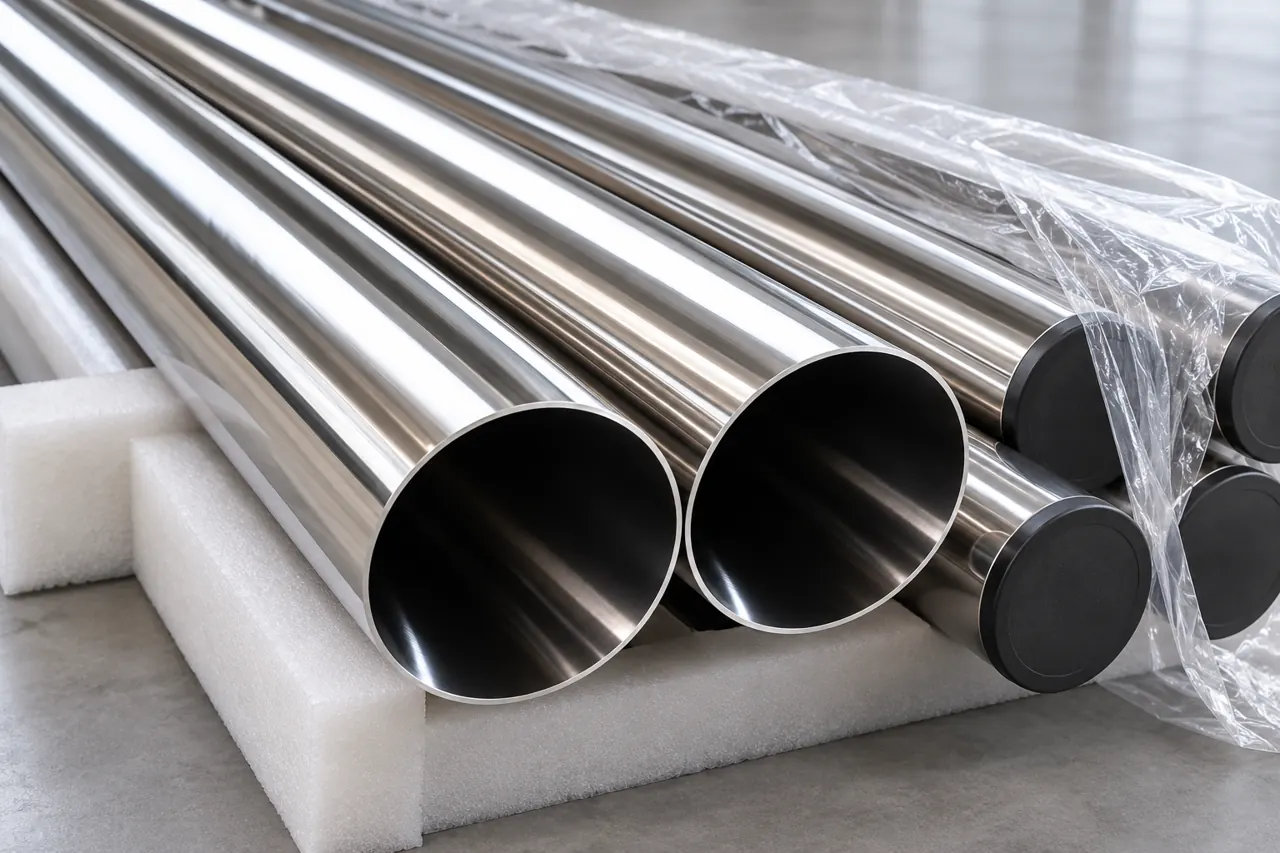
Agree cleanliness, end protection, surface protection and package identification for the actual destination. Confirm the proposed packing before ordering, including any restrictions on marking product-contact surfaces. The receiving plan should identify damaged or open packages and preserve the link between tube bundles and material documents.
Confirm the actual tube supply responsibility
Ask us to identify the source and available documents for the selected tube line. Our wider catalogue does not prove that every tube or finishing operation is performed in-house. Evaluate the real offer, evidence and exception-handling responsibility against the project’s approval needs before placing the volume order.
Send a tube approval and quotation brief
Share the selected grade and standard, tube schedule, internal-finish requirement and joining details. Add the document list, sample purpose, inspection responsibility and destination. We can discuss the catalogue candidate and confirm the actual material and commercial offer for your project reviewers to evaluate before release.