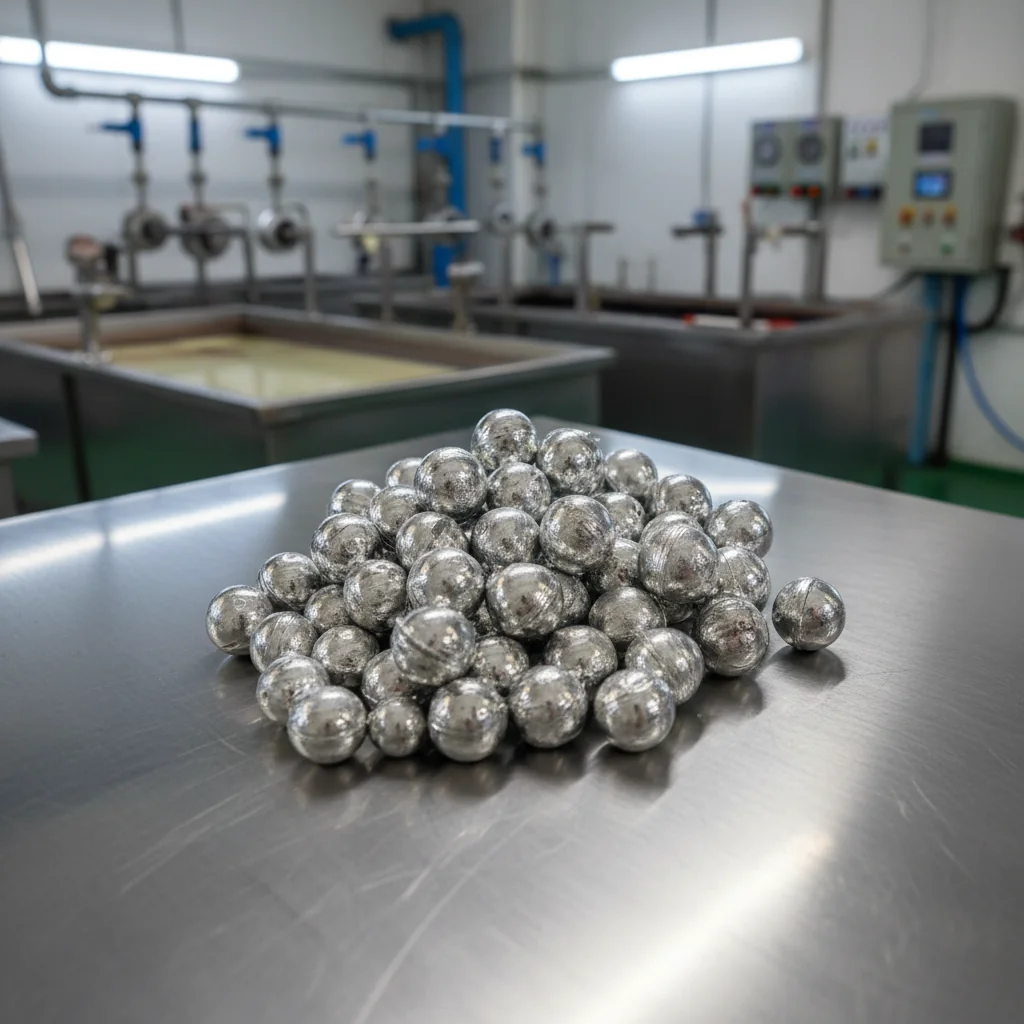
Electro-Zinc Plating and Polishing for Hardware Parts
A hardware-finishing enquiry starts with the actual part, substrate and required finish. Our catalogue contains an electro-zinc plating and polishing record. Confirm who performs the work and the actual process scope; the listing alone does not establish an in-house finishing line, a coating result or availability for every hardware material.

Describe the part and its starting condition
Provide the part drawing, base material, heat-treatment condition where relevant, and the incoming surface state. Identify threads, mating surfaces and appearance-critical areas. The finishing provider needs to understand what arrives and what must remain functional, rather than receiving only a general request for bright zinc-plated hardware.
Separate polishing from the coating requirement
State the operations you want and the intended acceptance after each relevant stage. Clarify whether polishing is a prior operation, a finished appearance requirement or a separate service. A combined catalogue title should not hide the actual process sequence, provider responsibility or effect on critical dimensions.
Specify coating and appearance independently
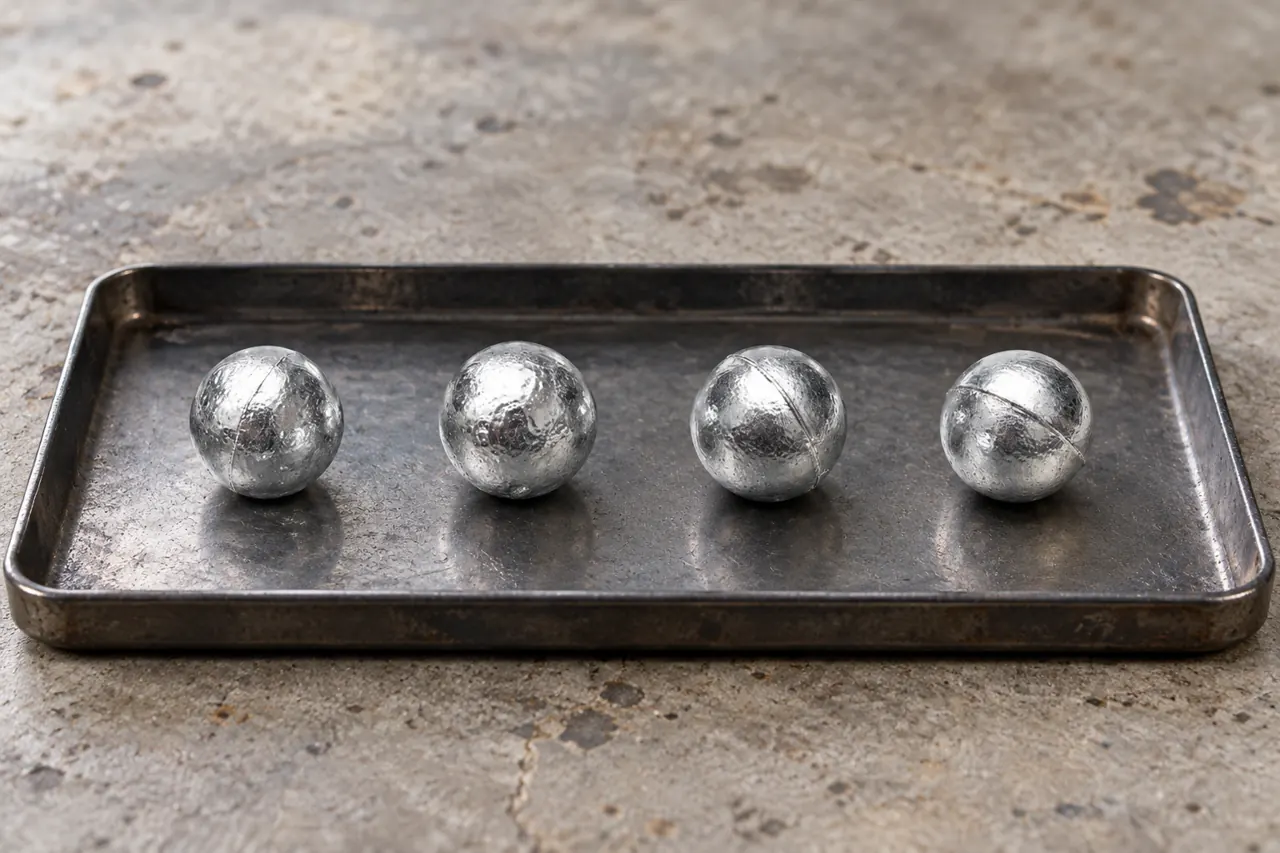
Give the required coating specification and inspection basis, then define colour or appearance using an agreed reference. A bright sample photograph cannot establish coating thickness or other specified properties. Keep cosmetic approval separate from the evidence needed for the part’s actual service and functional requirements.

Agree inspection around the real part geometry
Identify where coating or other required checks will be made and how inaccessible or protected areas are handled. State the applicable methods and acceptance basis. The approved inspection plan should address the actual hardware and drawing, rather than borrow a generic result from a different shape or material.
Confirm special process requirements before acceptance
Have the buyer’s responsible technical team identify any material-sensitive restrictions, required treatments or other process controls. Ask the proposed provider to respond to those requirements explicitly. Do not infer process suitability from surface appearance, and do not treat a general plating-service description as an approved route for every part condition.
Approve a sample against a defined finish brief
Agree whether the sample represents appearance, dimensional fit, coating inspection or a combination of checks. Identify the part batch and process scope used. Retain the approved reference when useful, but keep the written acceptance criteria with it so a visually similar later batch is not automatically released without the required evidence.
Record the actual service and material responsibilities
Confirm who receives the parts, performs each operation and resolves damage or rejected work. Agree the counting and condition record before processing, including buyer-owned material where applicable. Our catalogue record is a service lead; the actual provider and commercial responsibility still need confirmation for your hardware batch.
Pack finished parts to preserve the approved condition
Specify separation, surface protection and identification that suit the finished hardware. Keep different part numbers and batches distinct in the packing list. Confirm the actual package arrangement and receipt checks; an illustrative polished part or tray does not establish the protection or labeling of the production shipment.

Send a hardware-finishing enquiry
Share the drawing, substrate, incoming condition, requested process and coating or appearance criteria. Add protected features, sample needs, inspection, batch quantity and packing requirements. We can discuss the catalogue record and confirm whether an actual provider and processing offer can be identified before you approve a service order.