PPGI and PPGL Coil Sourcing for Roofing Panel Production
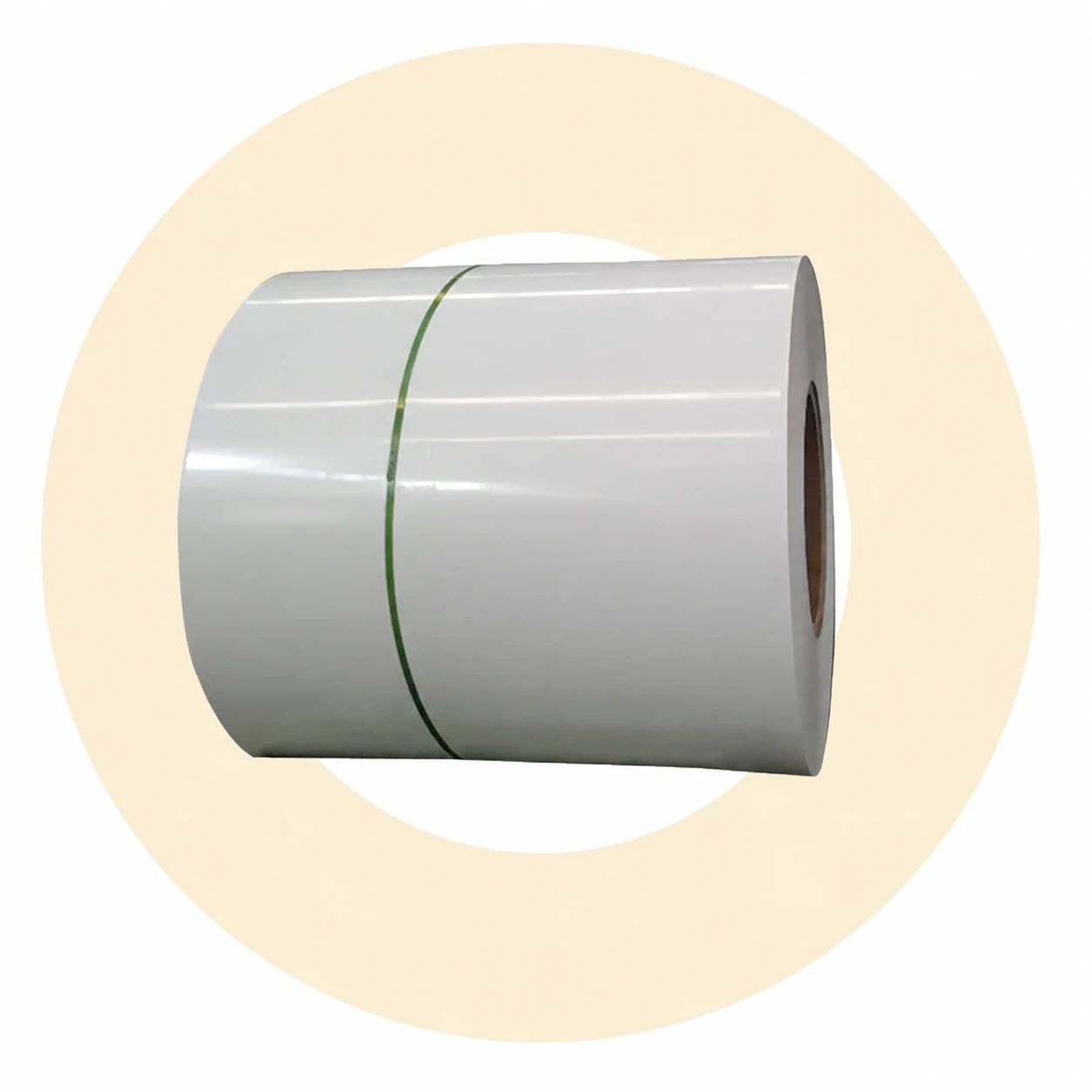
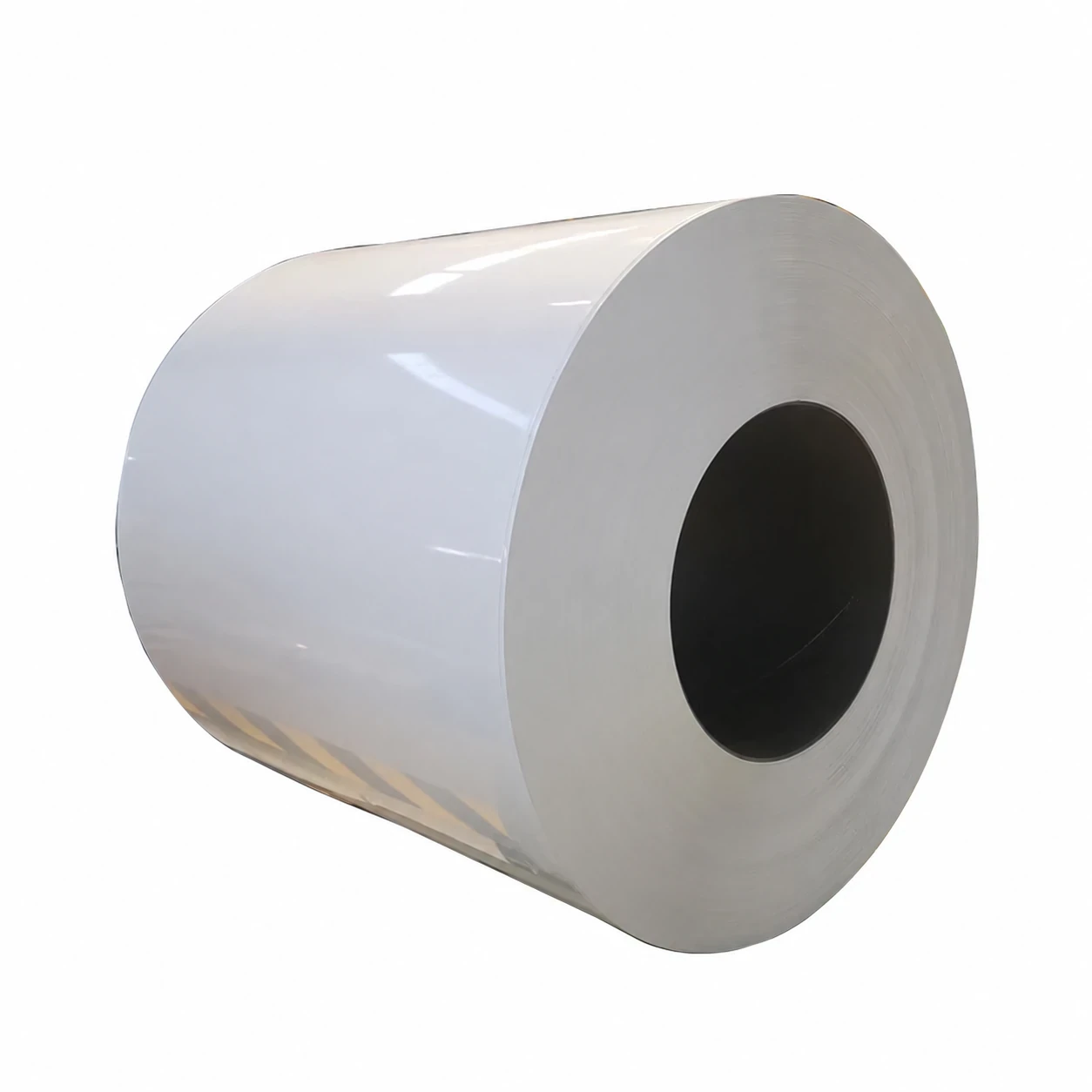
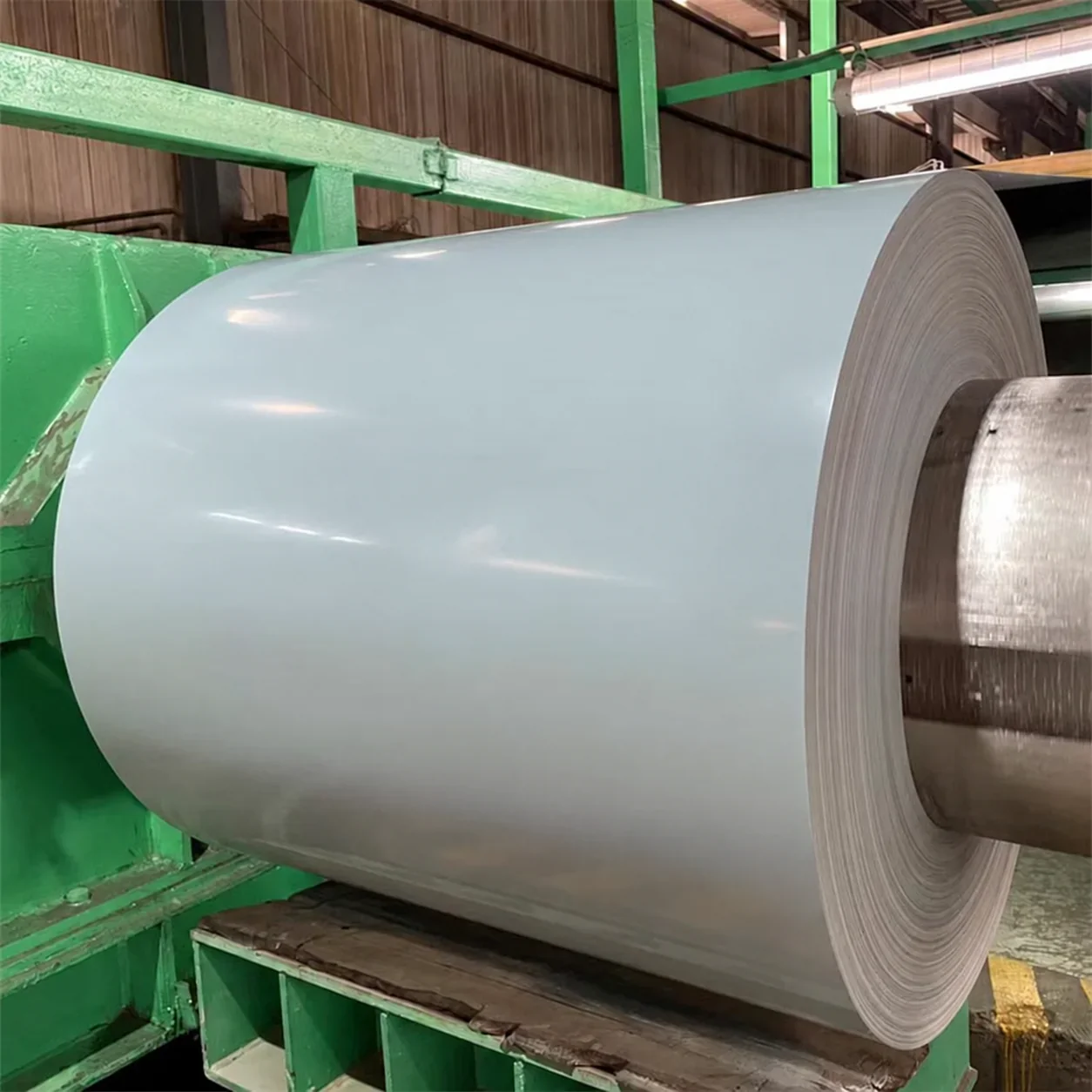
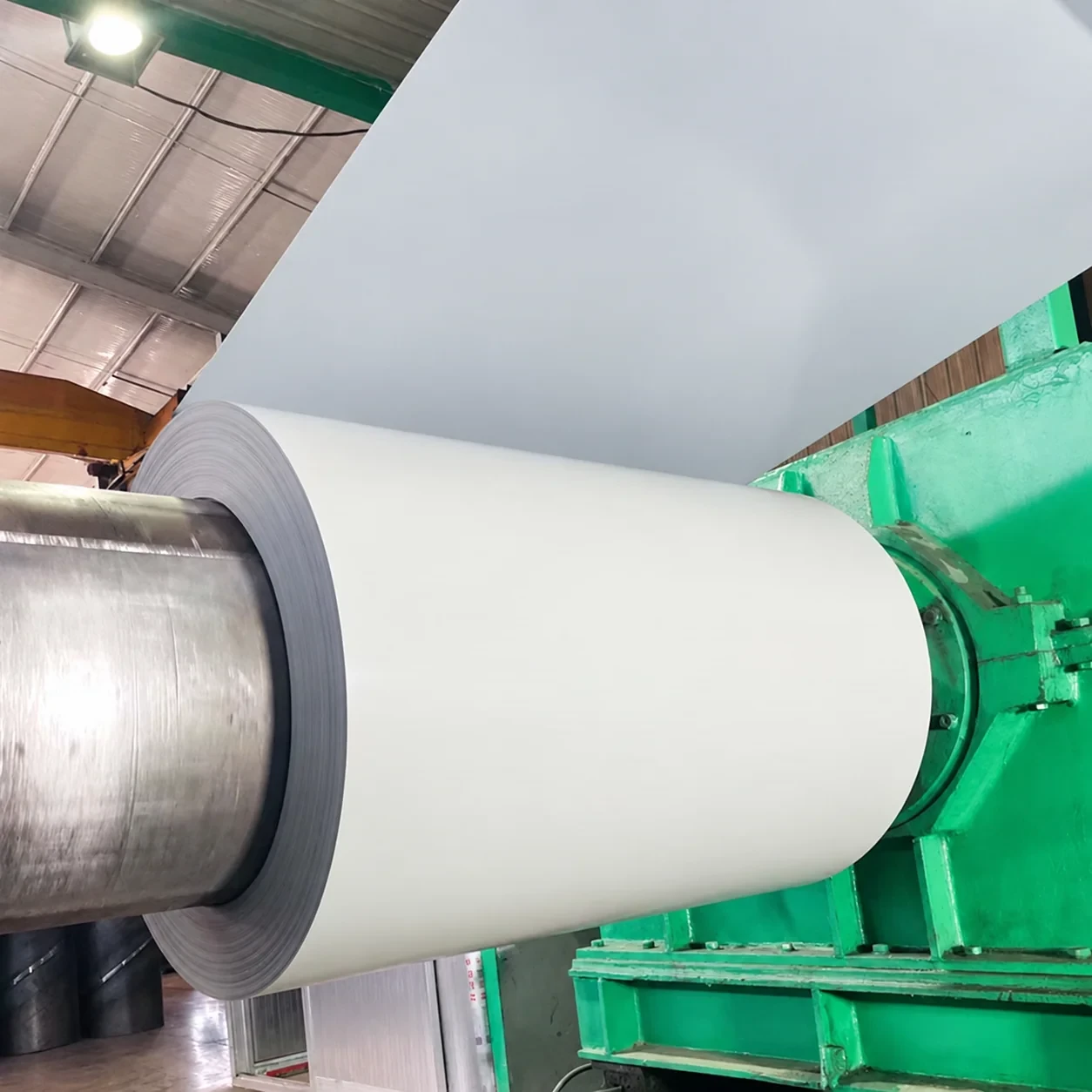
If you form coloured roofing panels, choose the complete coating system before approving a colour chip or low coil price. Start with the substrate and metallic coating, then define pretreatment, paint system, front/back films and the forming and exposure requirements. PPGI and PPGL are different feedstock identities, not interchangeable labels. Relia manufactures plate and coil, while galvanizing and colour coating are agreed per order. Send the panel profile and coating specification so the actual offered stack can be checked by records and a representative formed sample before repeat production.
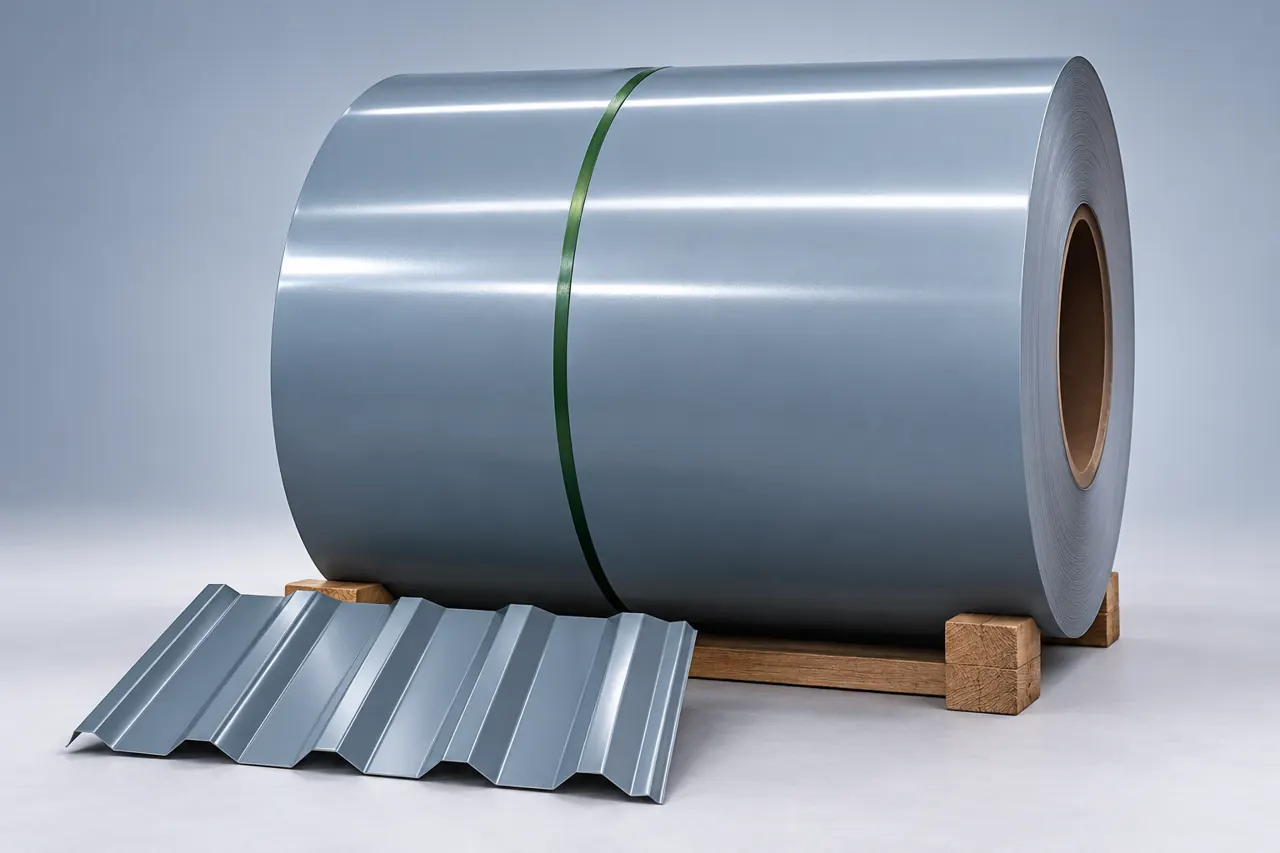
| Buyer requirement | Relia response | Evidence / condition |
|---|---|---|
| Defined roofing input | Manufactured plate/coil and selected rolling | One substrate and actual geometry |
| Complete protection stack | Coating responsibility agreed per order | Metallic layer, pretreatment and paint definition |
| Repeatable release | QC stages and corresponding batch records | Coil identity, layer evidence and forming sample |
Rolling and the coating stack need separate responsibility
Relia performs selected hot or cold rolling in-house for plate and coil. Galvanizing and colour coating must be identified for the particular order. Incoming, in-process and final inspection and corresponding batch records are confirmed; they do not establish every pretreatment or paint line as in-house.
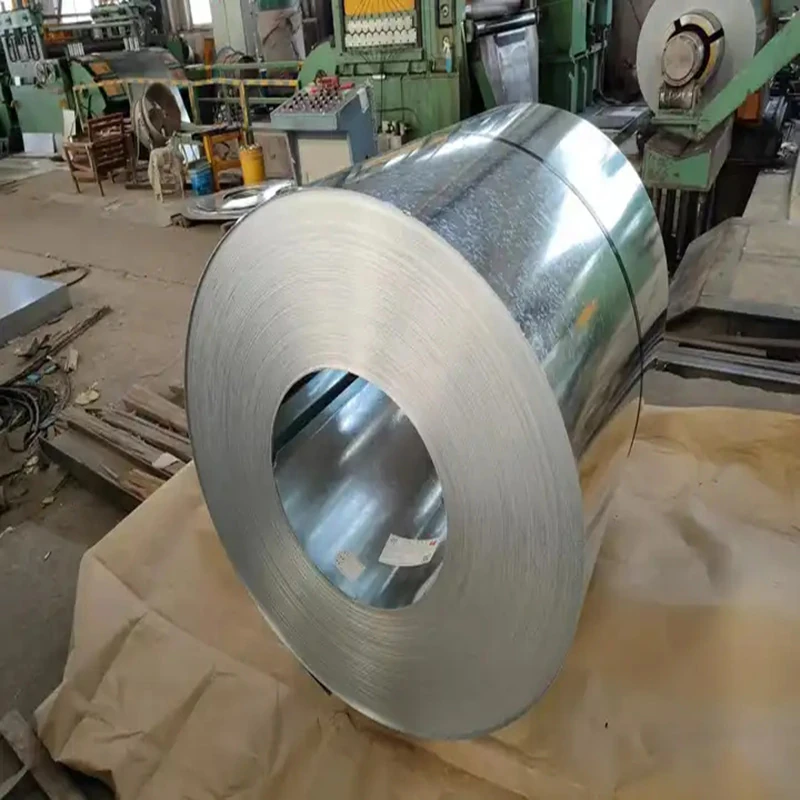
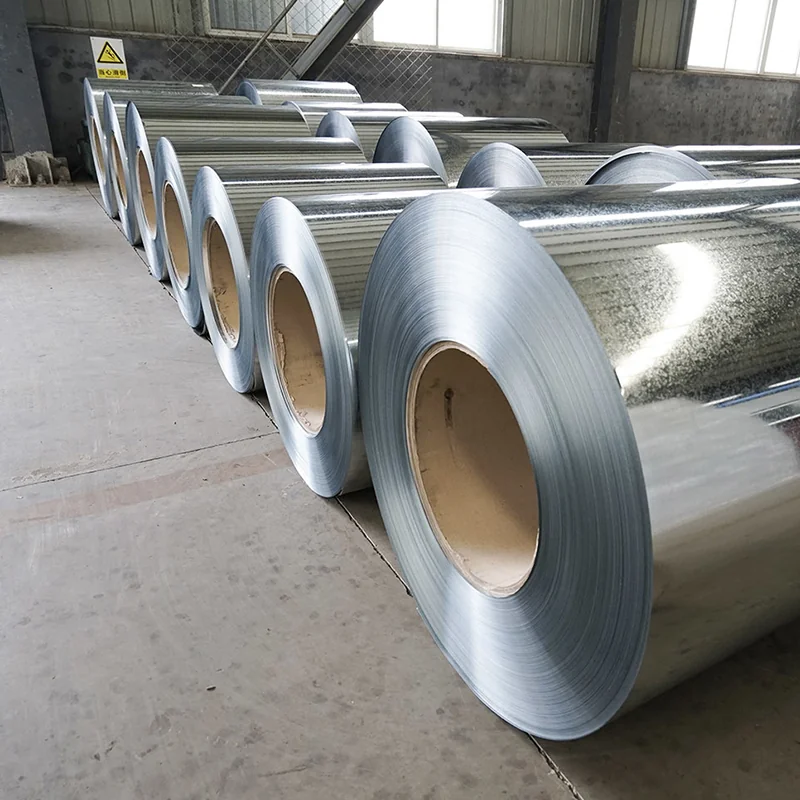
The colour-coil listing combines PPGI/PPGL, describes 0.2–5 mm and differing zinc fields, and offers 100–600 m by 600–2000 mm ranges. Requested 0.40/0.50 mm, 15/7 µm and title RAL colours are not separate actual options.
- 01ApplicationRoofing project and location conditions
- 02SpecificationApproved coating and substrate requirements
- 03EvidenceDocuments needed for project review
A colour reference does not describe the protection system
The substrate carries the panel; the metallic layer and the pretreatment/primer/topcoat system perform different roles. Cleaning and pretreatment support adhesion, and curing establishes the paint film condition. These are generic process relationships, not a declaration of the offered line's settings. Match the chosen system to exposure and forming rather than using colour alone as the specification.
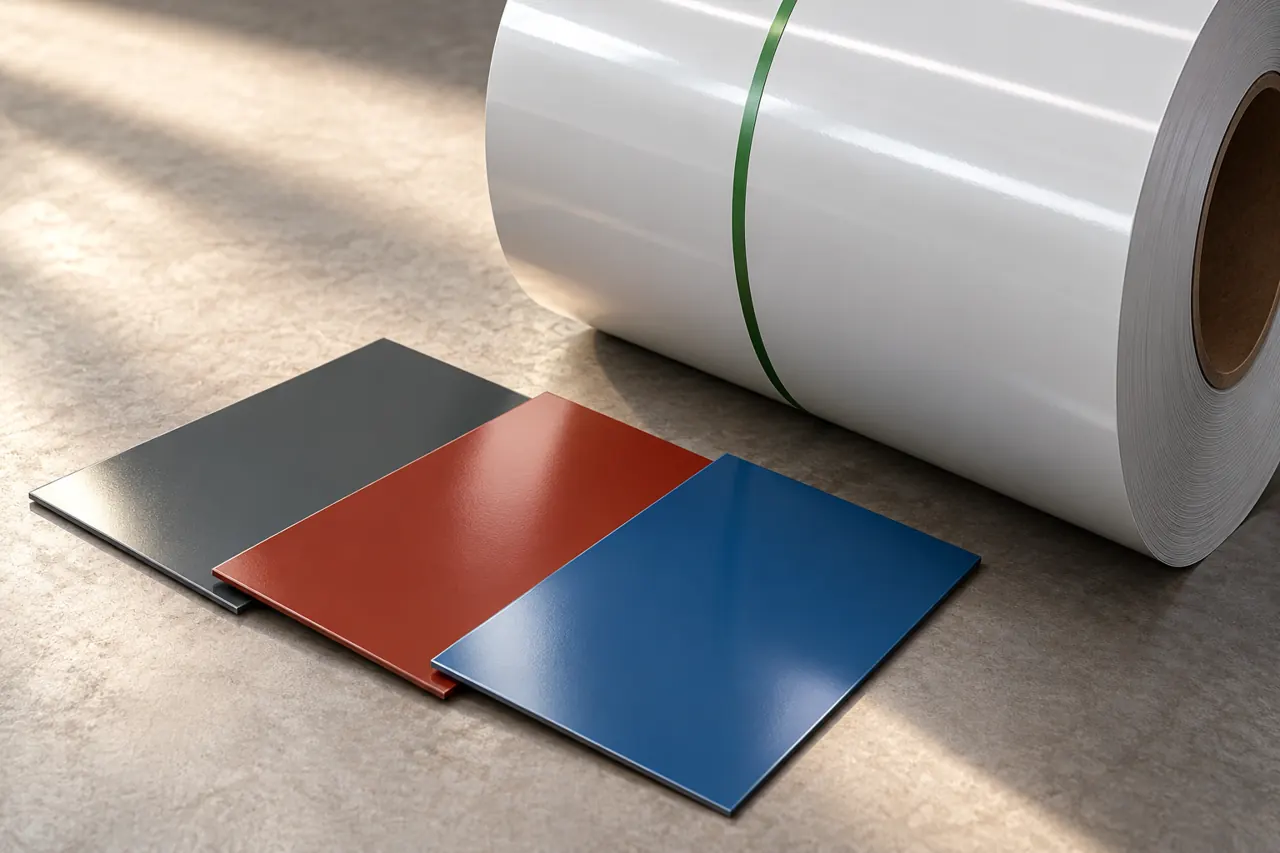
Metallic coating chemistry and paint films use different bases
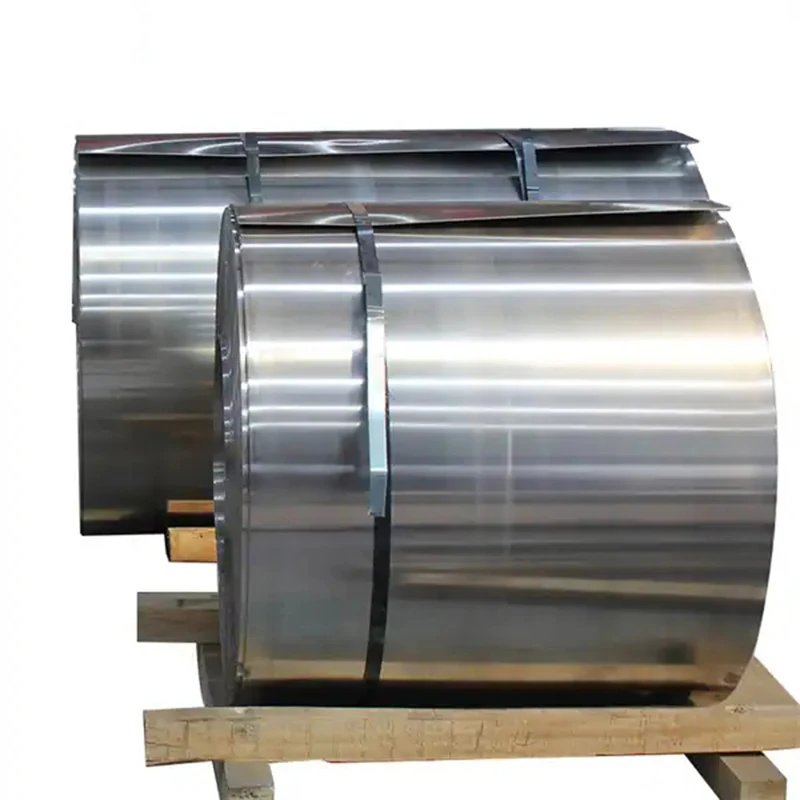
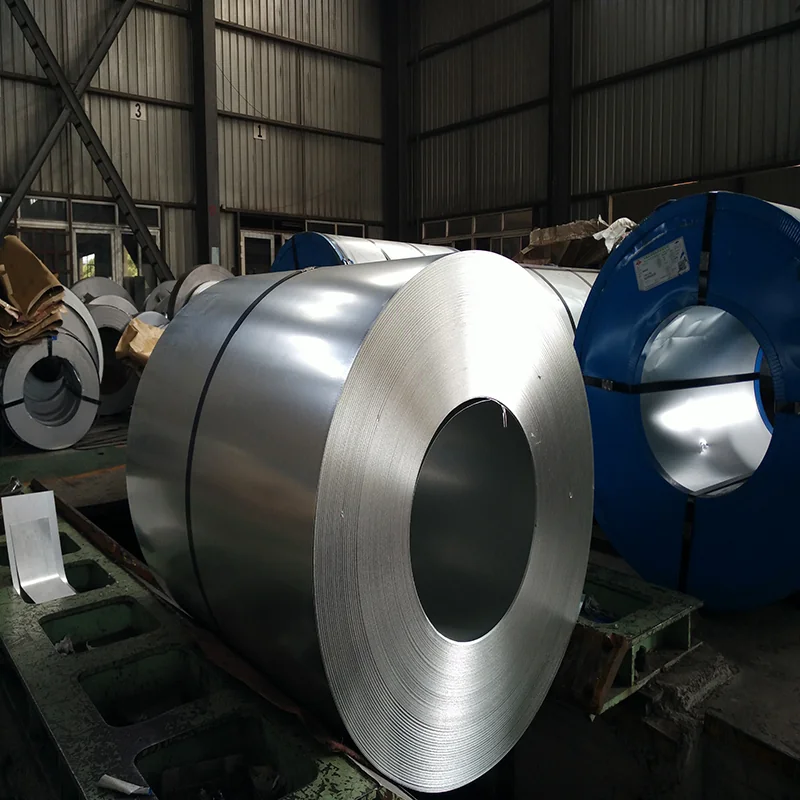
State whether the substrate is zinc or aluminium-zinc coated and identify its designation and measurement basis. Define front and reverse paint films separately where required. Do not compare a metallic-coating mass directly with a paint-film thickness. The second coil listing also mixes AZ/Z wording and unitless gauge information; resolve those fields before treating it as the PPGL input.
- 01BaseSteel grade and metallic coating description
- 02PaintConfirmed system and relevant acceptance records
- 03ReviewProject approval of the complete construction
Forming can reveal an adhesion or flexibility mismatch
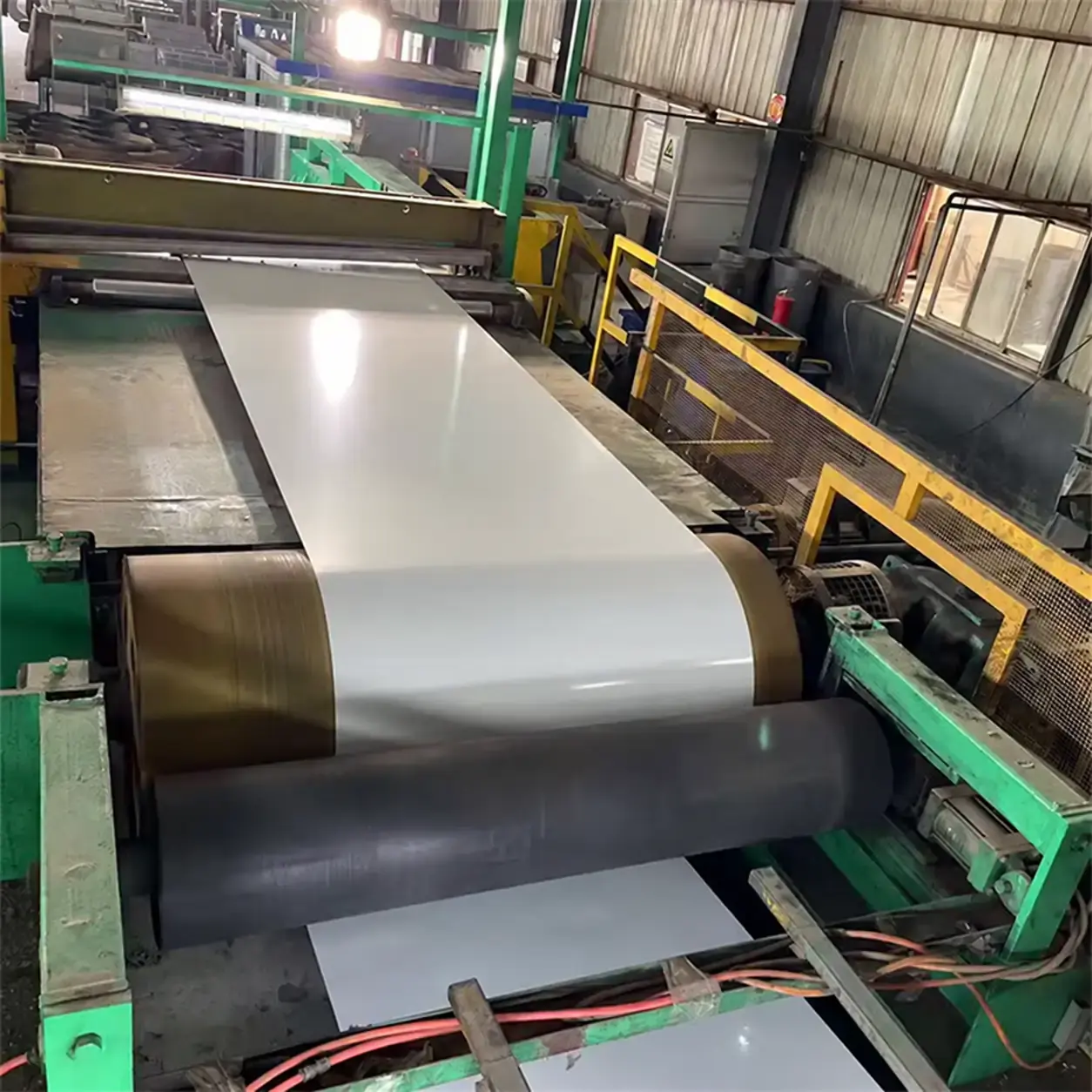
Run the intended profile with identified coil, tooling and settings. Inspect demanding bends for substrate fracture, coating cracking or paint delamination, and inspect contact zones for tool-induced scoring. Those observations have different causes. Keep a flat input reference and the formed sample so an incoming-system mismatch can be distinguished from line damage.
- 01DimensionsThickness basis and finished strip width
- 02CoilOpening, outside diameter and mass limits
- 03LineWinding and forming compatibility
Colour and gloss need controlled comparison
Compare the approved surface under agreed lighting and orientation. Colour designation, gloss and visible texture describe different appearance characteristics. A colour chip does not demonstrate film thickness, adhesion or long-term weathering. If panels are installed together, define the accepted appearance variation and preserve the relevant lot references rather than mixing attractive but unmatched samples.
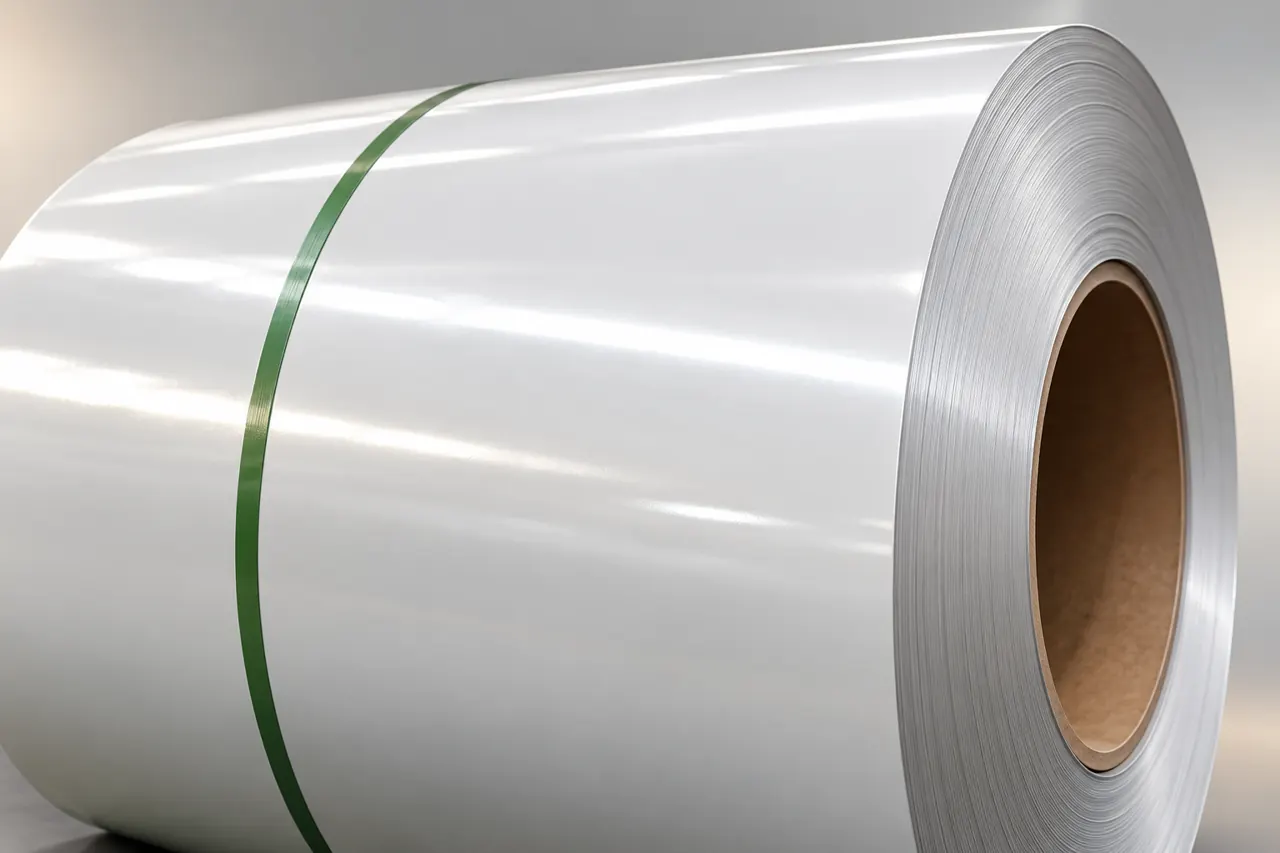
QC records should follow each layer and the represented coil
Connect substrate identity, dimensional basis and agreed coating results to the offered coil. Confirm which incoming/process/final records cover the actual rolling and coating scope. No particular film gauge, accelerated test or inspection frequency is presumed. A laboratory result needs its method and represented sample; it does not automatically become a roof-life warranty.
- 01SteelGrade and actual thickness
- 02Metallic layerChemistry and mass basis
- 03PaintFace/reverse system and tests
- 04TraceabilityRepresented coil and approved revision
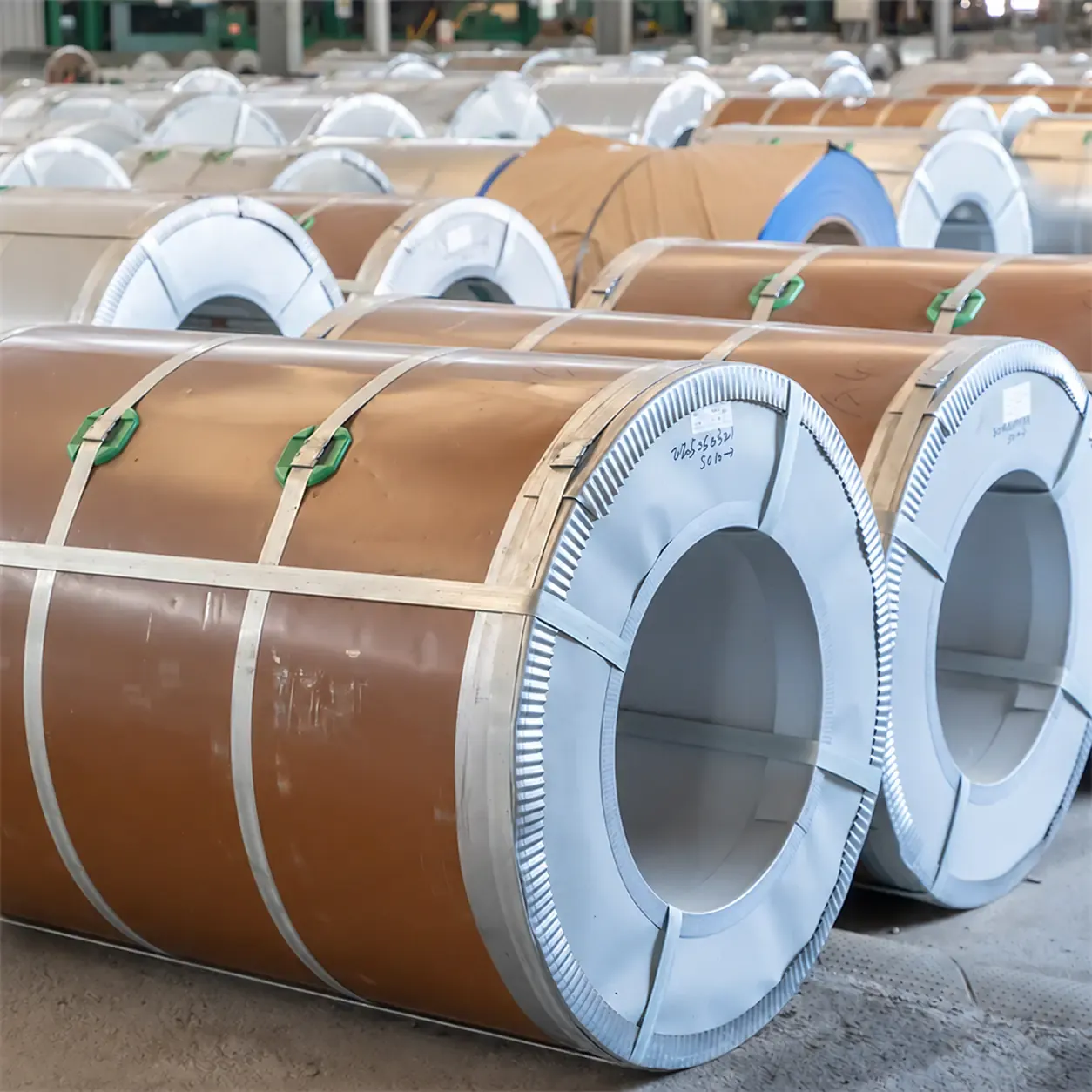
Packing should prevent avoidable wetness and rubbing
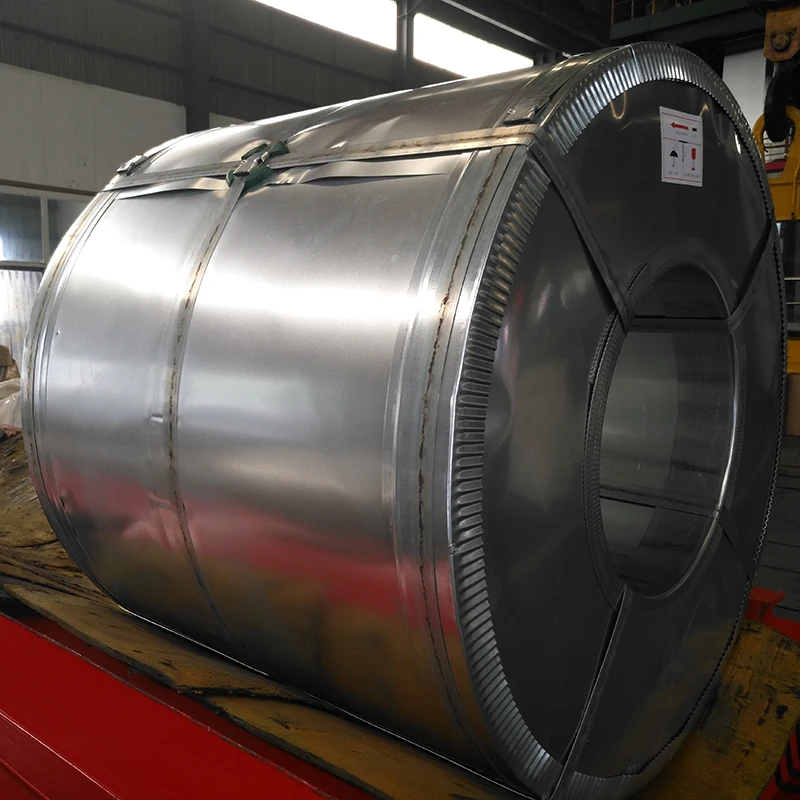
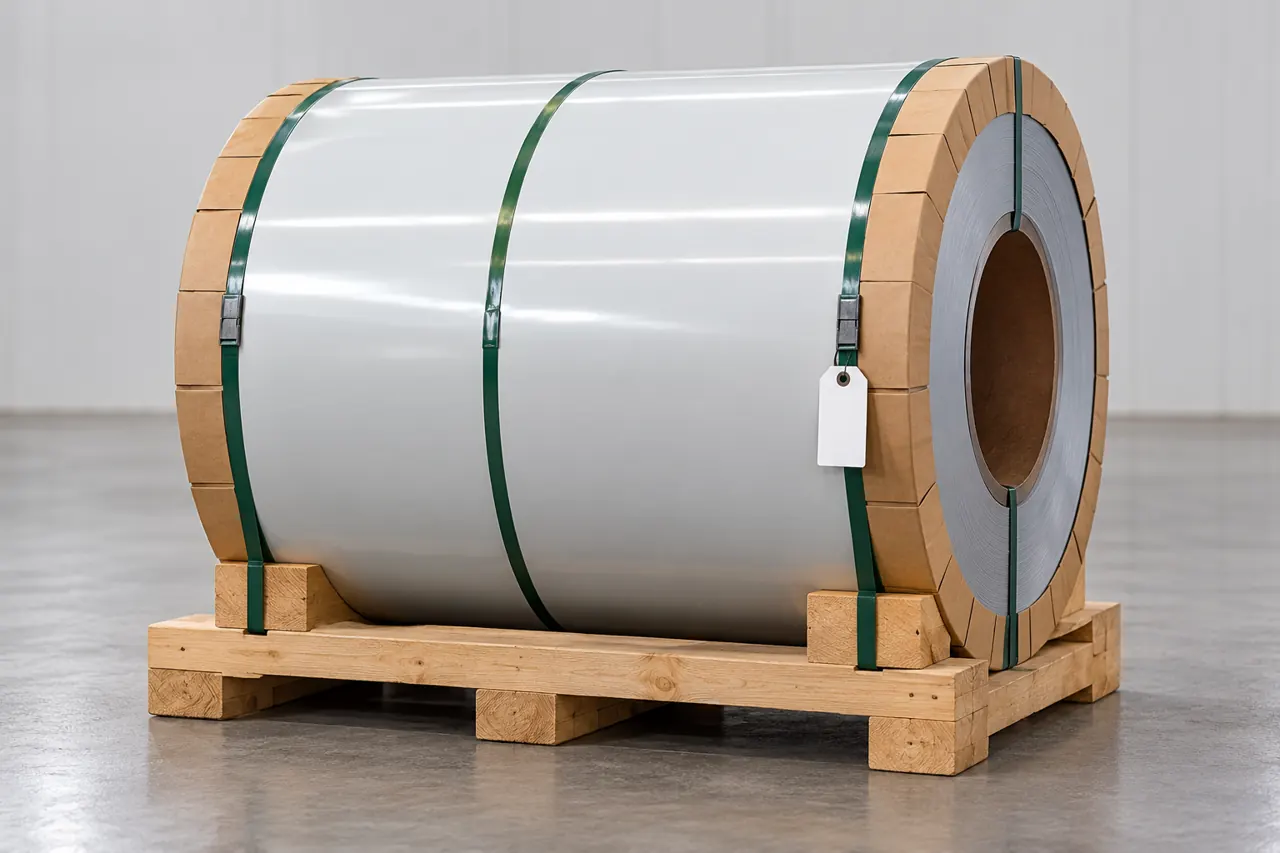
Define protection and coil support against the actual handling and transport route. Trapped moisture and movement can affect appearance before the forming line starts. Record wrapper condition, coil identity and damage location at receipt. A wrapped-coil illustration is not a contractual packing specification or evidence of corrosion-life performance.
Repeat orders preserve the full approved stack
Retain substrate, metallic coating, paint system, front/back films, colour/gloss reference and package as one revision. Review a proposed change to any layer, not just the visible colour. Include the successful forming conditions and records used for release. A repeated colour name is not proof that the underlying product is unchanged.
- 01ApproveComplete construction and retained colour sample
- 02RepeatSpecify the same accepted revision
- 03TraceConnect delivered coils to formed panels
Send the panel profile and layered coating brief
Send selected substrate, actual thickness, width and coil limits together with metallic-coating identity, paint system, face/reverse requirements and colour reference. Add the exposure and formed-panel acceptance. We can then review a defined PPGI or PPGL offer, assign coating responsibility and agree useful records and commercial terms without relying on mixed catalogue labels.
- 01ProjectExposure and coating approval requirements
- 02CoilSubstrate, paint, colour and dimensions
- 03LineHandling limits, sample trial and quantity
Contact address: Shuyuan Road, Qingdao, Shandong, China
Technical references and scope
General process and test references explain selection principles. The selected product specification and order records govern acceptance.