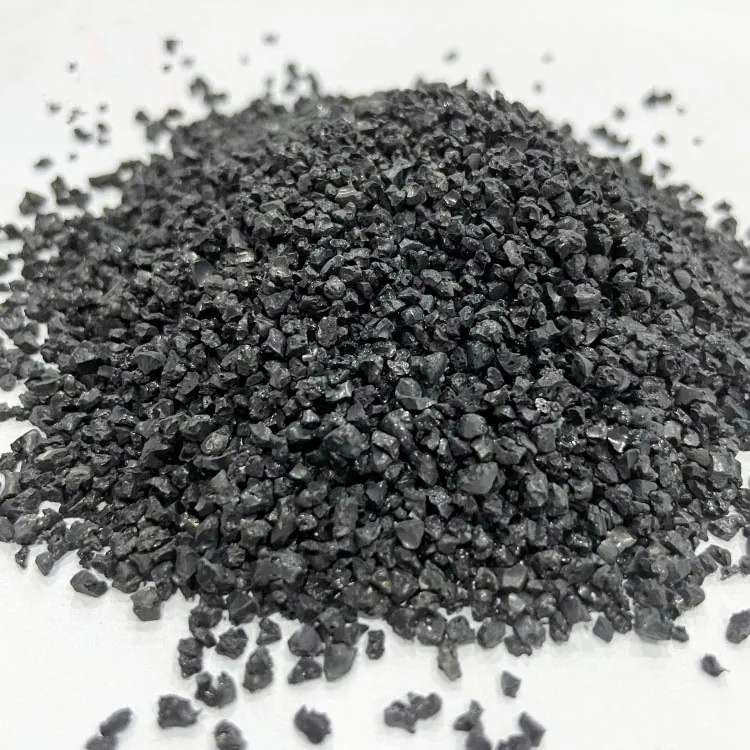
Open Blasting Abrasive Sourcing for Shipyard Projects
Source an open-blasting abrasive from the shipyard’s permitted-material list and the coating project’s acceptance requirements. Garnet and copper-slag catalogue candidates need separate review. We can discuss the listed materials, while the project team confirms site permissions, the trial basis and the actual documents needed before supply is approved.
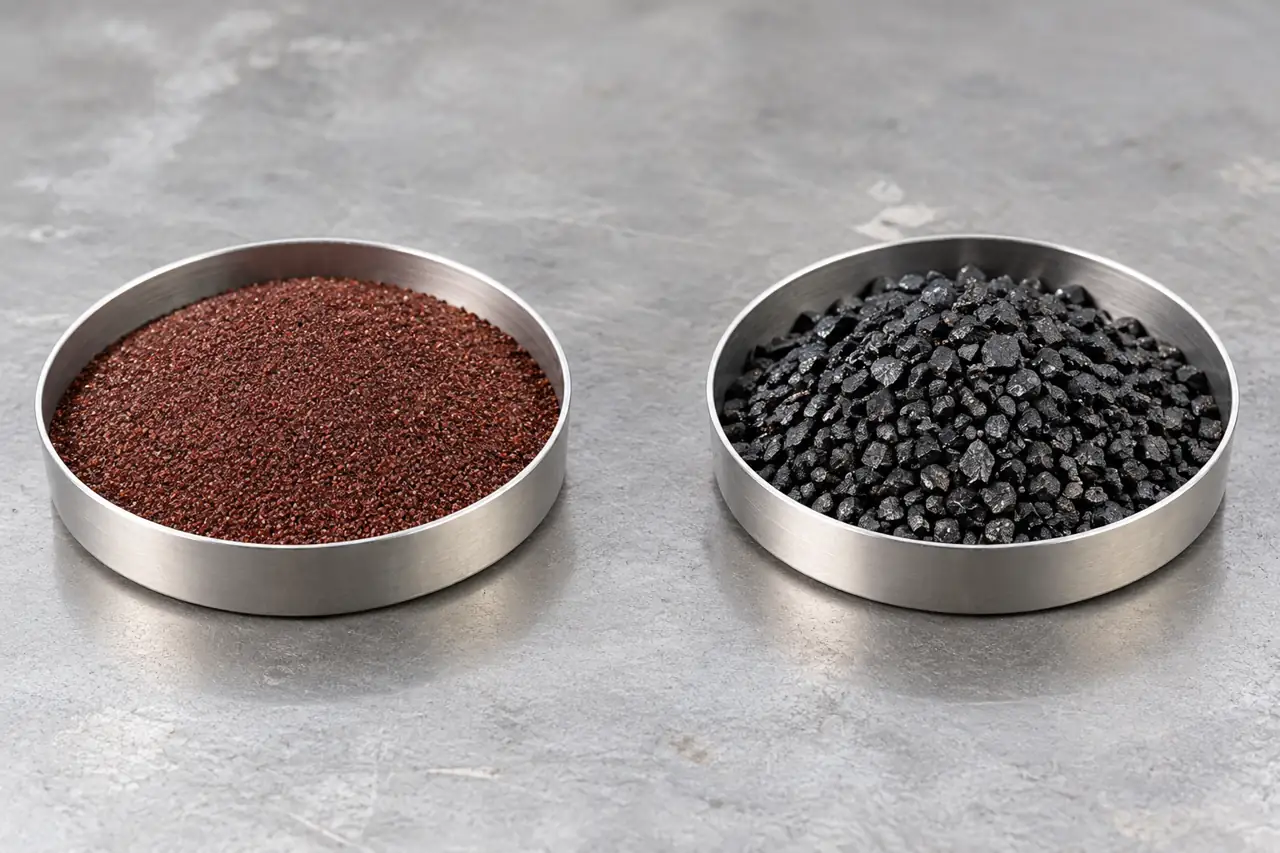
Read site restrictions before comparing abrasive prices
Collect the project specification, permitted abrasive types and site rules governing handling, dust and spent-material management. Have the responsible project team resolve any restrictions. A material available in the catalogue is not automatically acceptable at the shipyard, and a low delivered price does not settle those project conditions.
Keep garnet and copper slag separately identified
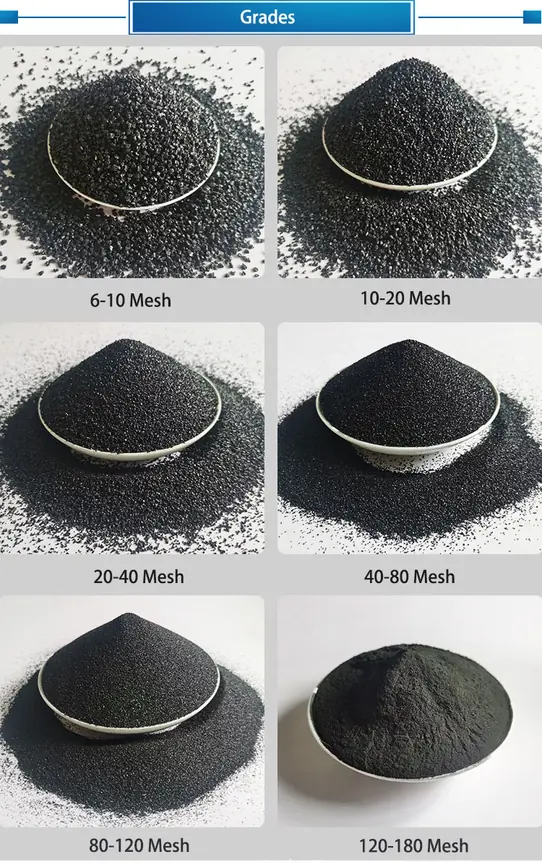
Request the actual material identity and grading basis for each candidate. They should be quoted as distinct proposals with their own source and inspection information. A similar trade size name does not establish the same particle distribution, surface result or handling behaviour across the two materials.
Request material and handling documents for review
Define the composition, safety and inspection information required by the project, and request the applicable records for the actual proposed abrasive. Check document identity and scope rather than relying on an unexplained purity claim. Have the site team evaluate the handling information against its operating and environmental requirements.
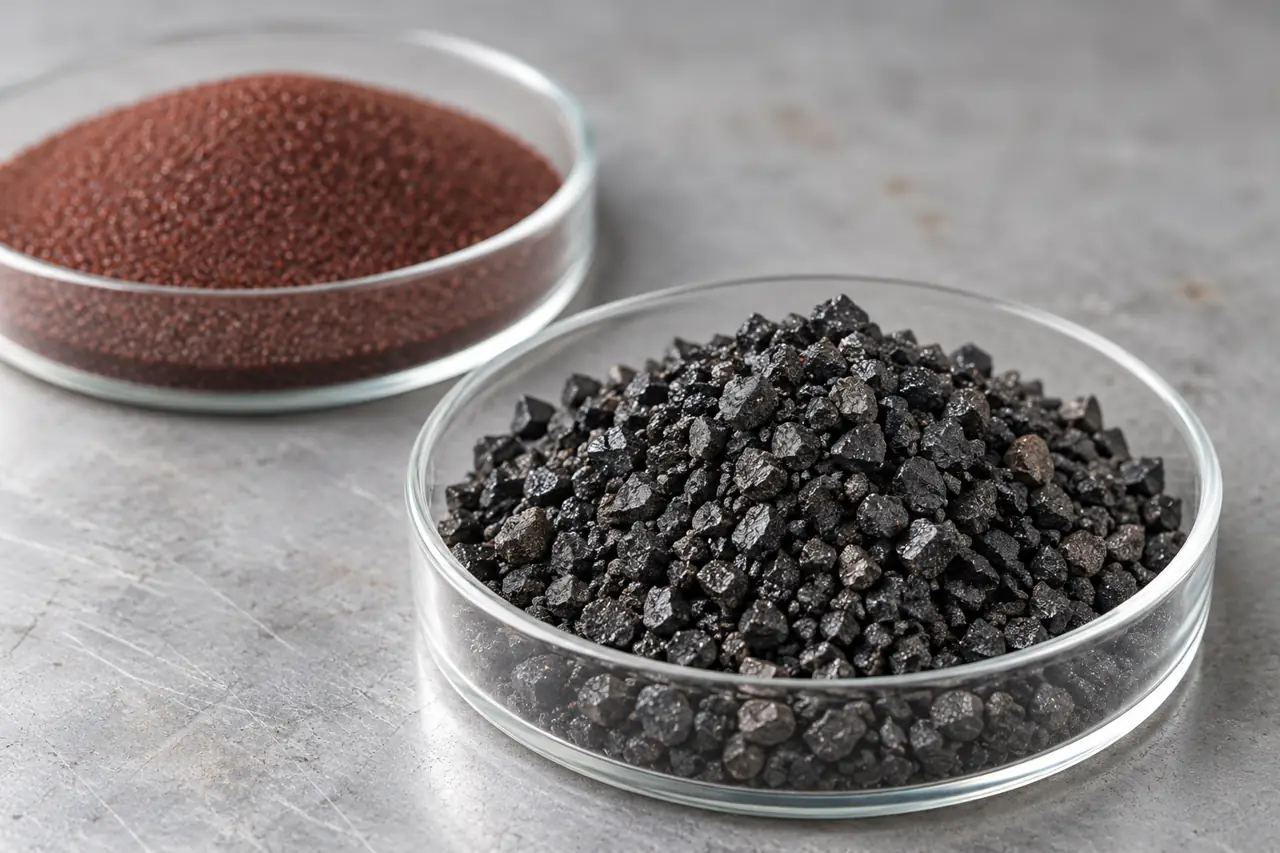
Agree the trial plate and coating acceptance basis
Use a representative substrate and the preparation criteria required by the coating project. Let the responsible team define the blasting trial and assessment method. Record the abrasive identity and operating conditions, then evaluate the surface against the agreed requirements rather than approving it from appearance alone.
Review surface condition beyond visual cleanliness
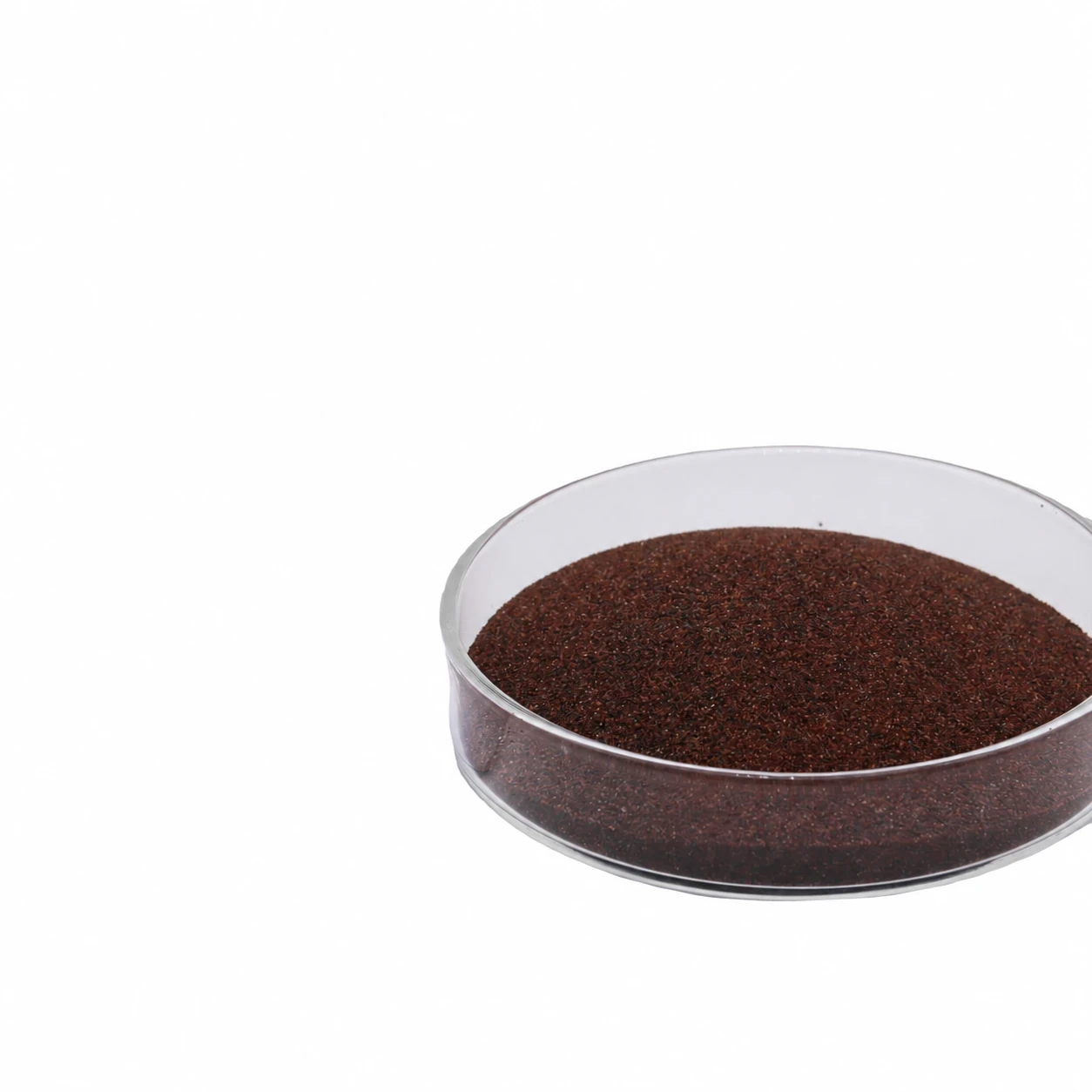
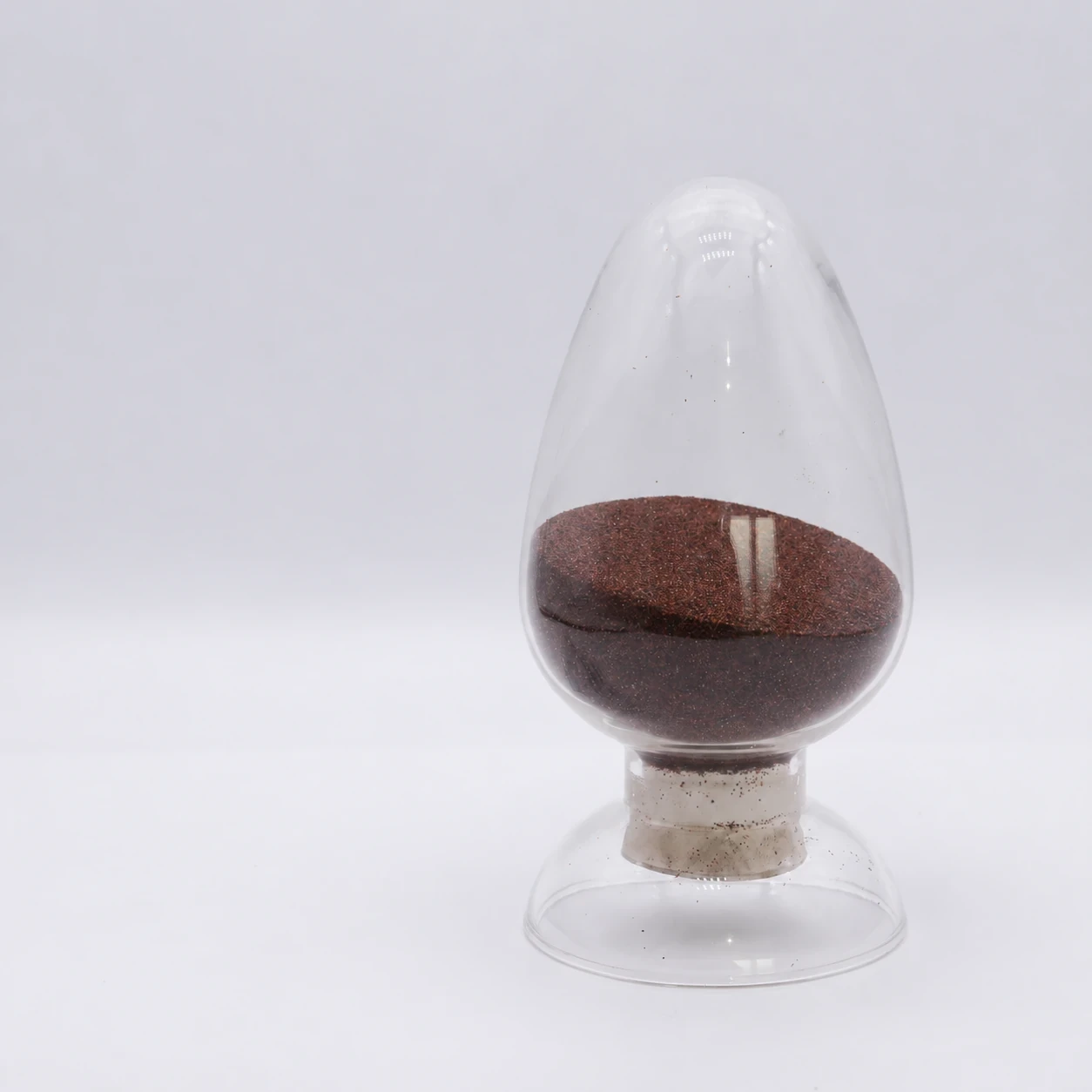
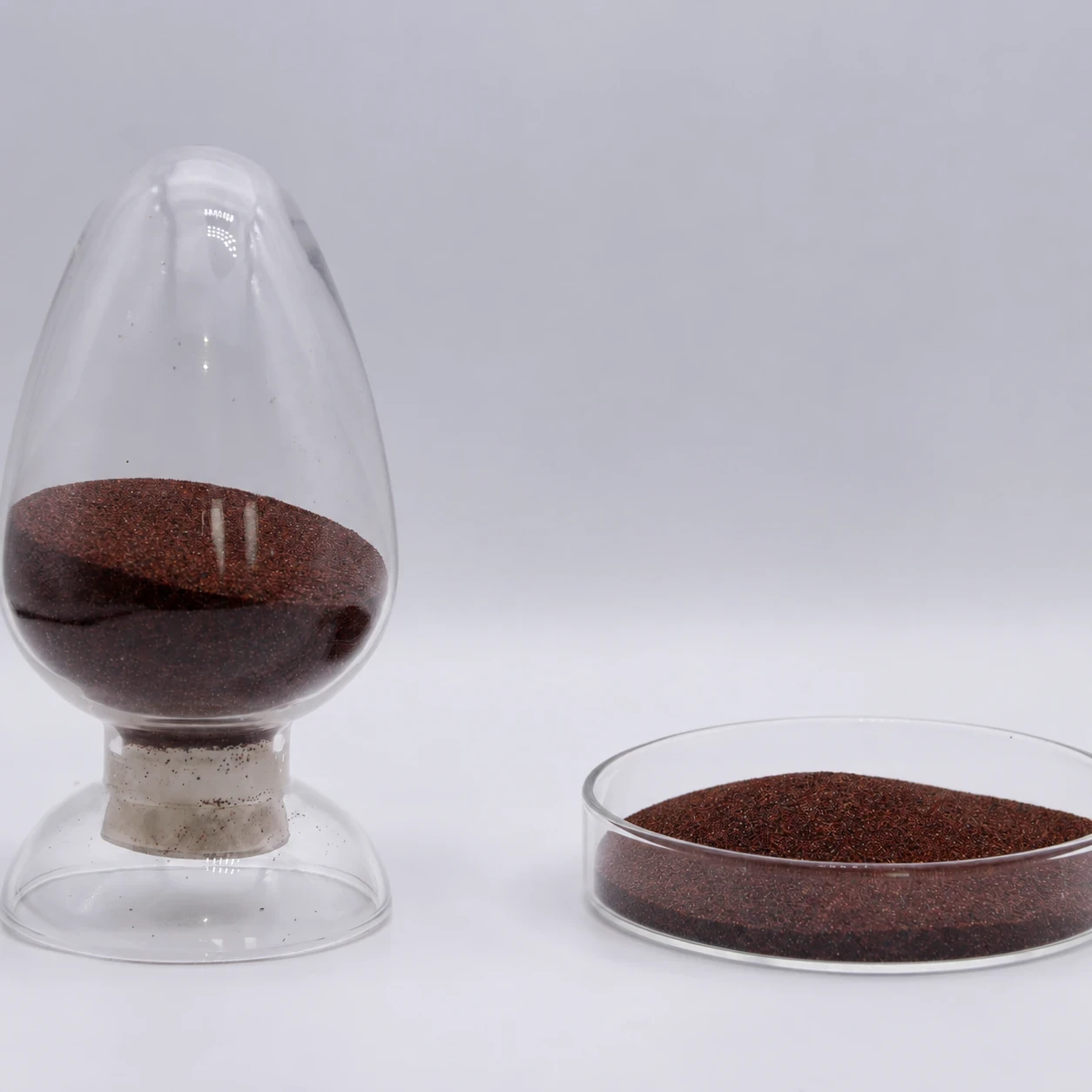
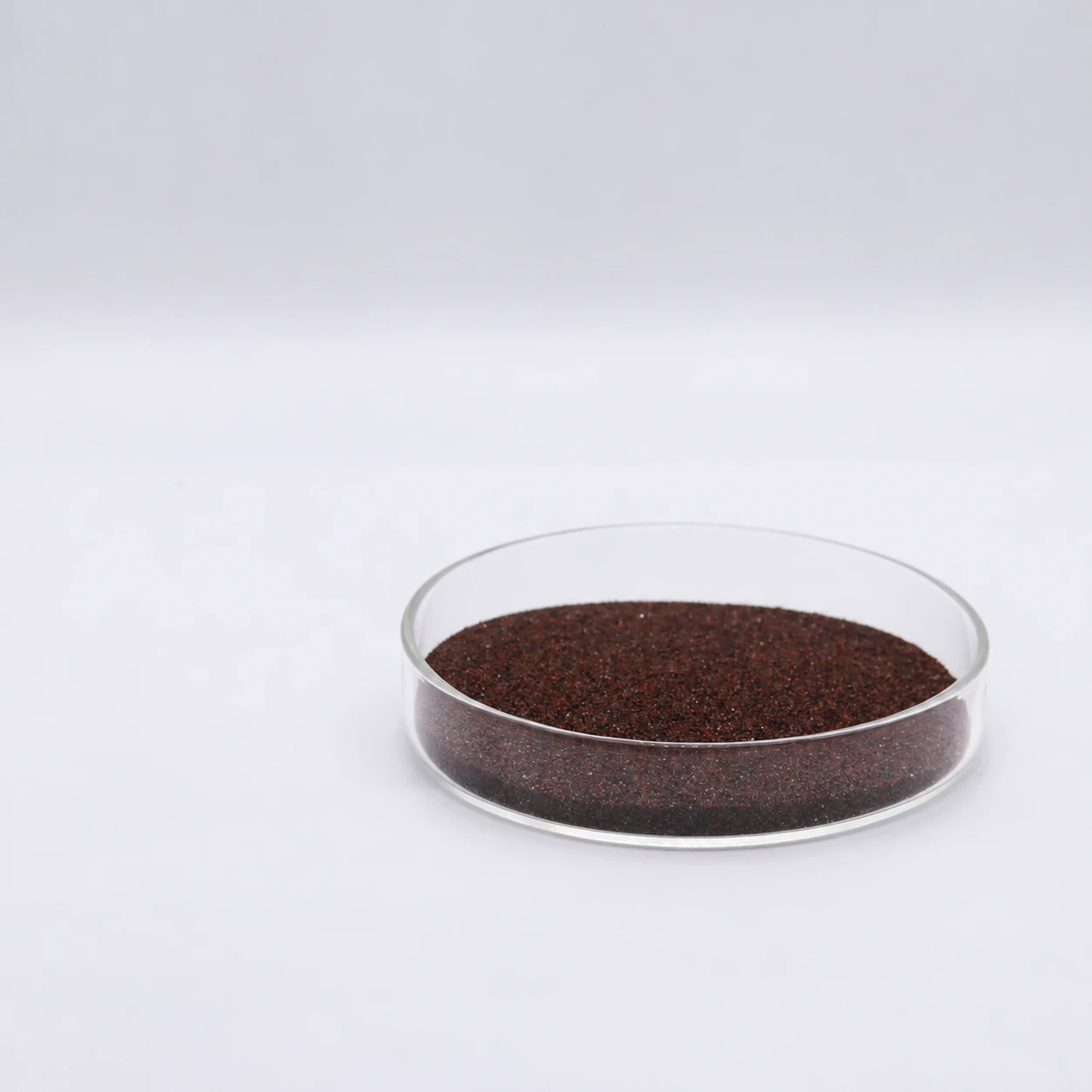
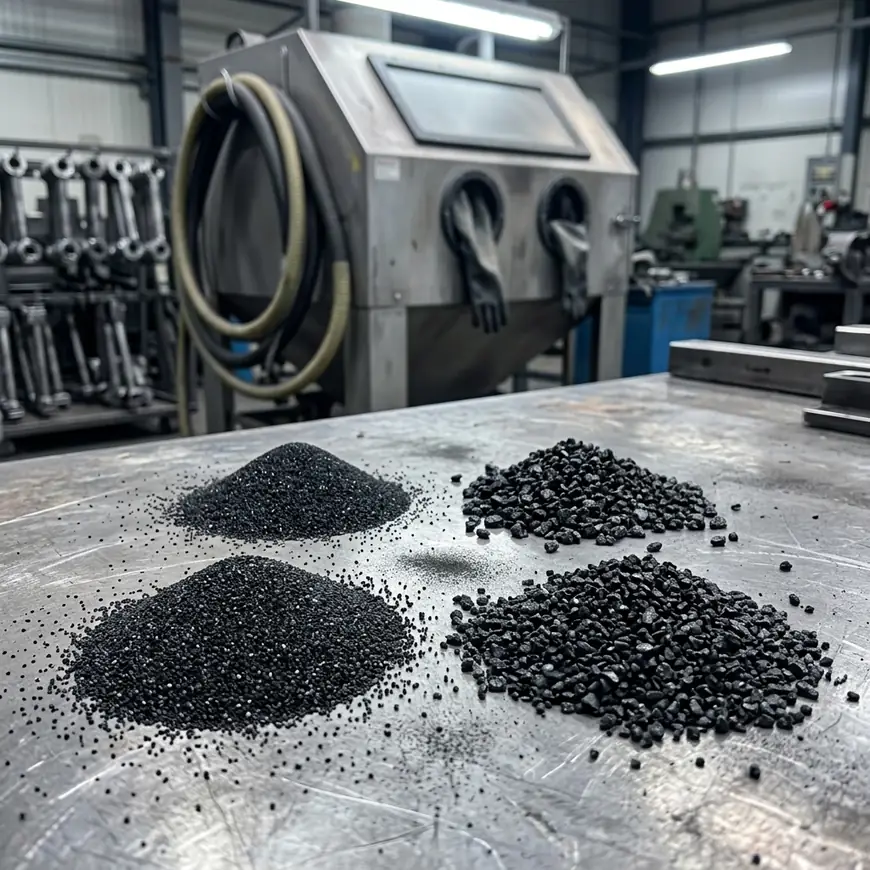
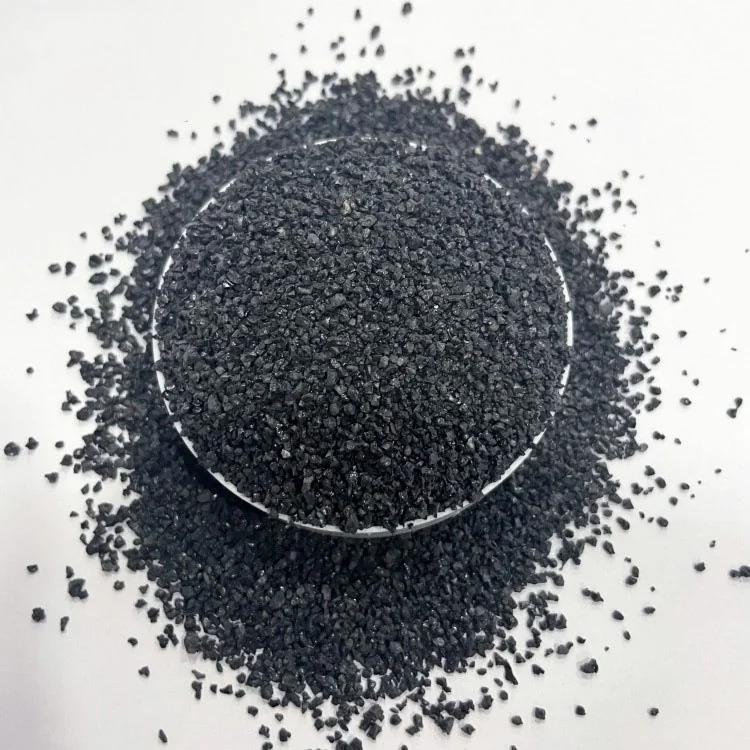
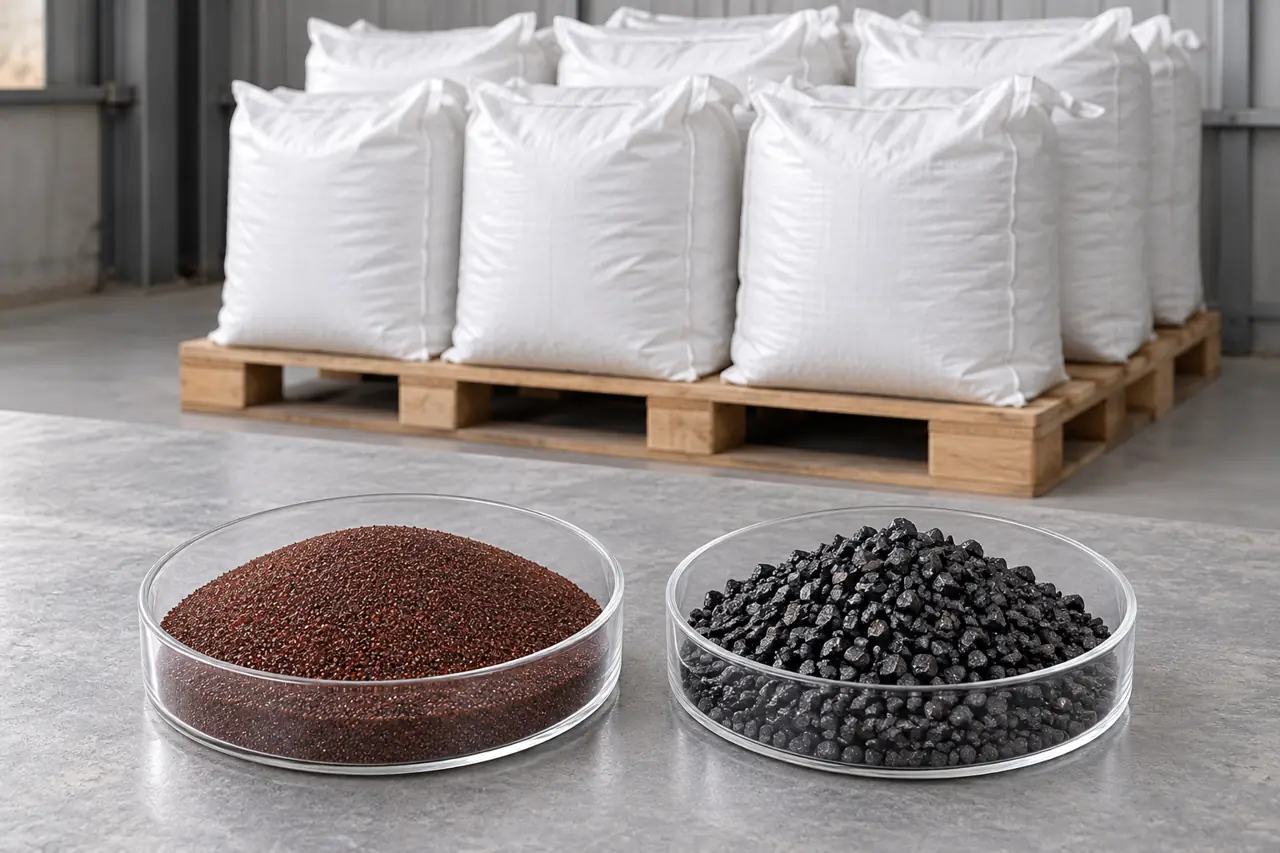
The project may require checks beyond an attractive cleaned surface. Include the specified profile, contamination and cleanliness assessment in the trial package when applicable. Record the method and results. The photographs here illustrate material and project context; they are not test plates or evidence of a qualified blasting result.
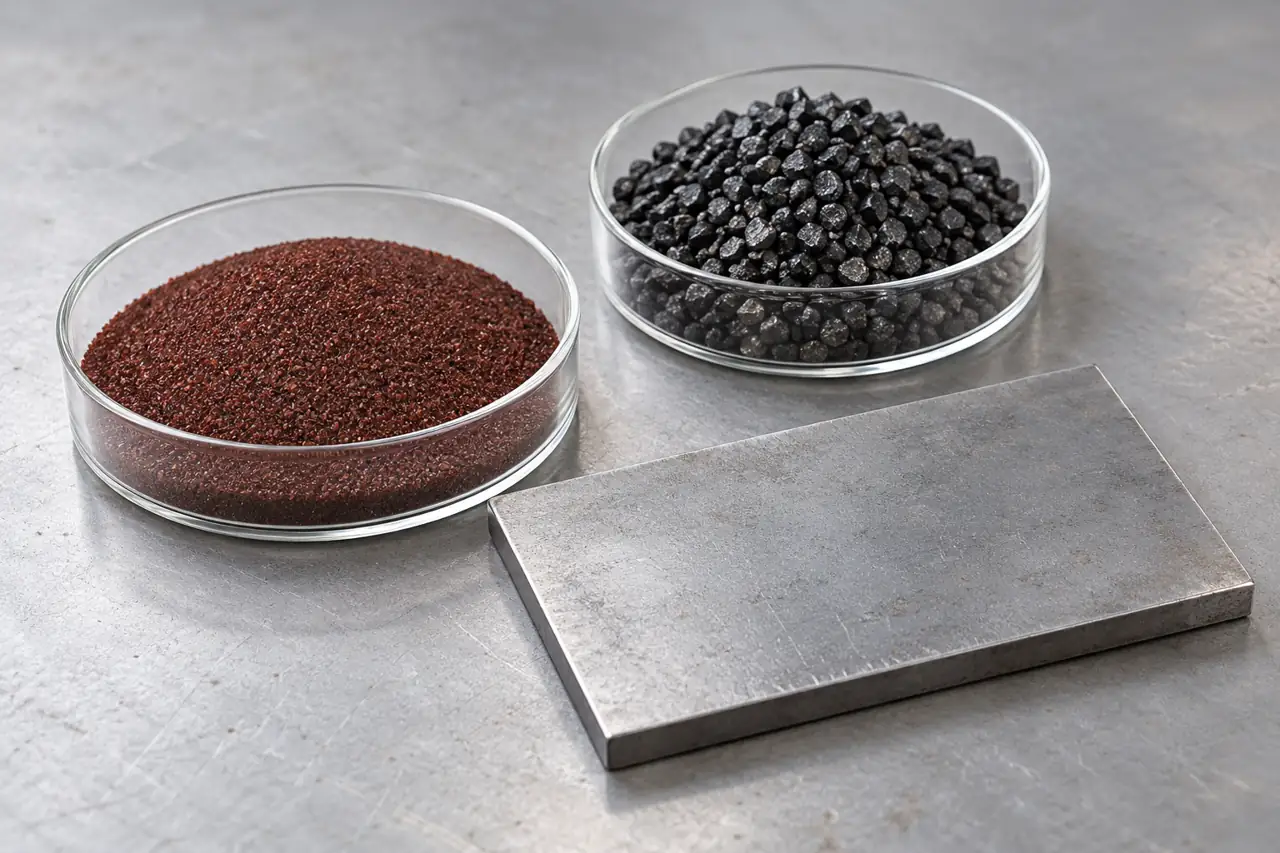
Compare cost on the agreed project basis
Ask the project team which trial measurements will support a useful commercial comparison, such as the defined work completed and material consumed under recorded conditions. Keep those observations separate from an unverified catalogue efficiency claim. Different trial conditions can make a simple price-per-tonne comparison misleading.
Keep abrasive dry and lots identifiable
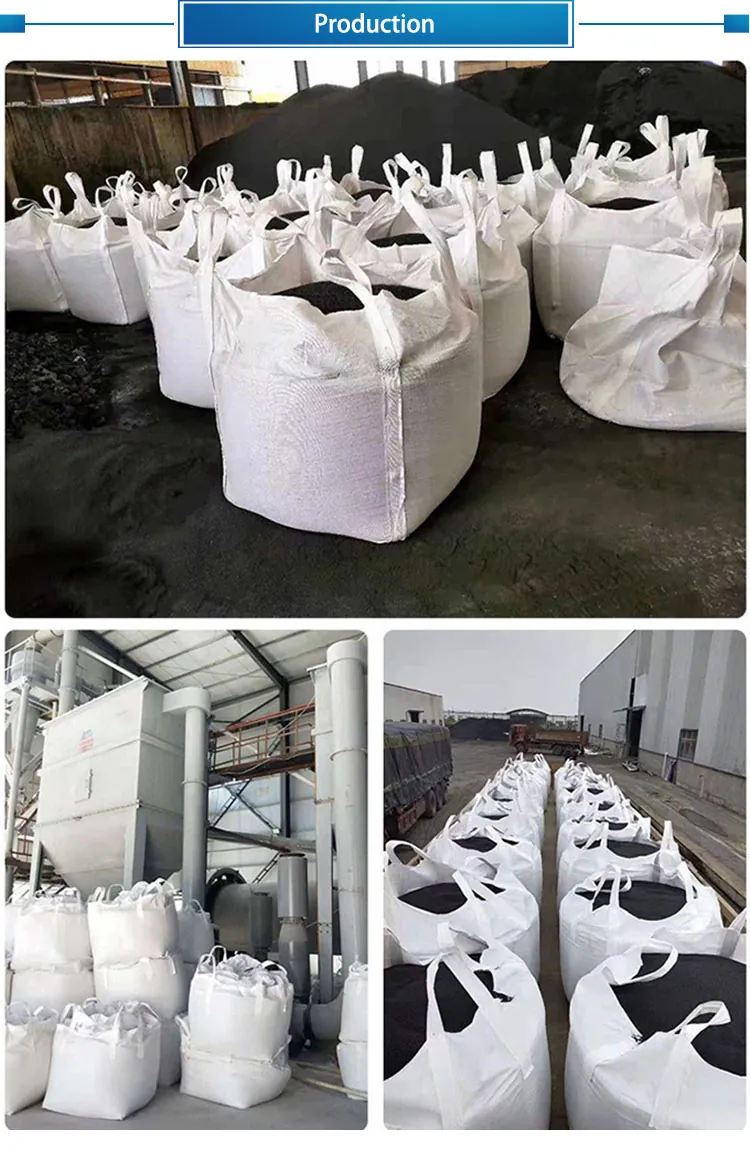
Specify storage conditions, package size and the receiving arrangements that suit the shipyard. Agree how damaged or wet packages will be reviewed before use. Preserve lot identification between delivery and trial or production use, especially when different abrasive candidates are on site at the same time.
Separate supply responsibility from site operation
Confirm the actual material source, document scope and commercial responsibility in the offer. The shipyard’s authorized team controls site approval and operation. Any requested site support, testing or waste-handling service should be discussed explicitly; a material quotation does not establish that those services are included.
Send a shipyard-specific abrasive enquiry
Share the permitted abrasive types, substrate and coating specification, required grading and inspection list. Add the site trial plan, estimated quantities, storage limits and delivery sequence. We can then discuss the appropriate catalogue candidates and confirm the actual offer for project review before any abrasive is released for use.